Make meals more tempting and nutritious with simple dog food toppers: bone broth, cooked eggs, sardines, pumpkin, and steamed veggies—plus portions, storag...
Article
•
Designer Mixes
Puppy Development Stages: Wellness Secrets

Shari Shidate
Designer Mixes contributor
Bringing home a puppy is equal parts joy and question marks. Why is your pup suddenly fearless one week and nervous the next? Why do some puppies learn quickly, while others seem to forget everything overnight?
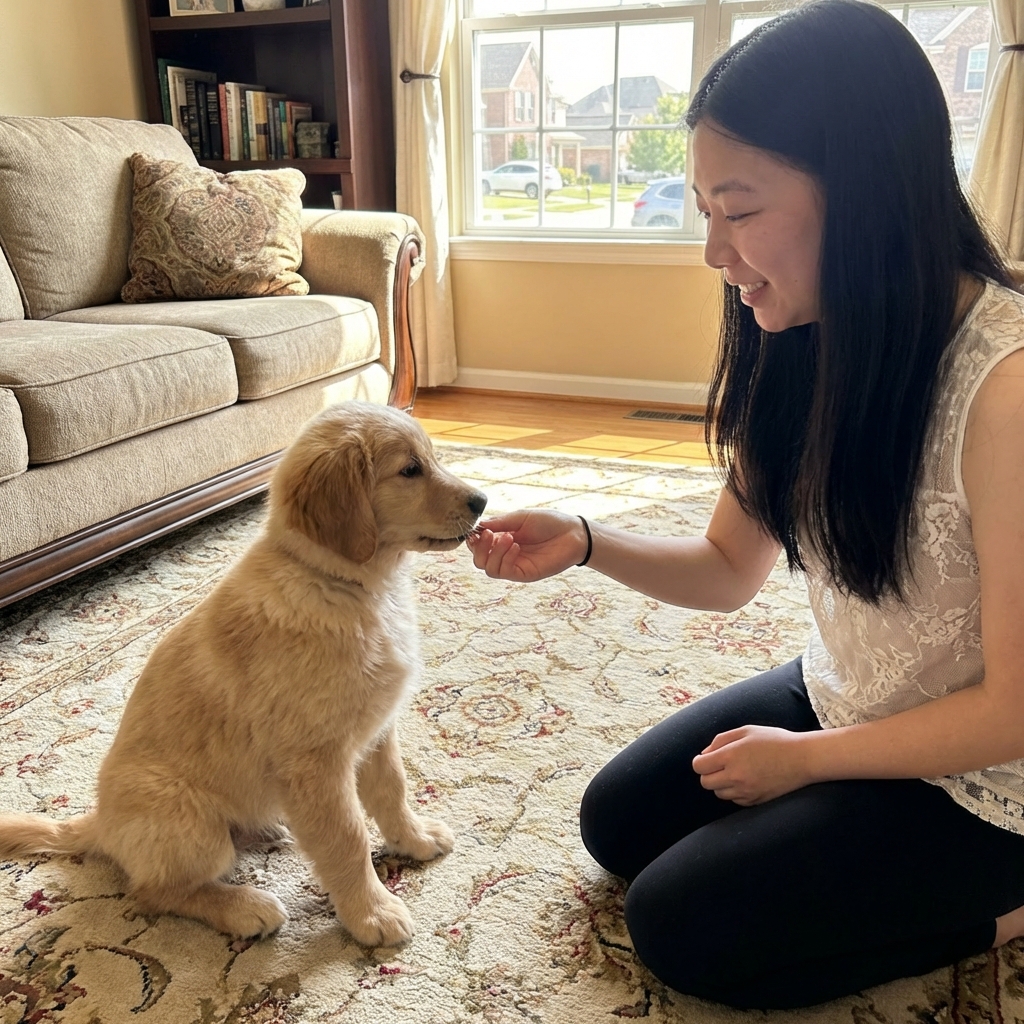
As a veterinary assistant here in Frisco, Texas, I can tell you there is a comforting truth behind the chaos: puppies develop in predictable stages, and each stage has “wellness windows” where the right support makes a big difference. Let’s walk through the puppy development stages and the practical, vet-informed secrets that help puppies grow into confident, healthy adult dogs.
The real “secret”
Puppy wellness is not one thing. It is a combination of:
- Healthy growth (steady weight gain, strong bones, good muscle)
- Brain development (sleep, enrichment, low-stress learning)
- Immune support (vaccines, parasite prevention, nutrition)
- Emotional resilience (safe socialization, predictable routines)
When families struggle, it is usually because a puppy’s needs changed with a new stage, but the routine did not change with them.
Stage 1: Neonatal (0 to 2 weeks)
Most families meet their puppies after this stage, but it matters because early handling and maternal care can influence stress tolerance later.
What is happening
- Puppies are born unable to see or hear.
- They rely on warmth, nursing, and gentle care for survival.
Wellness focus
- Warmth and nutrition are critical.
- Gentle early handling (by experienced breeders or rescue staff) can support calmer adult behavior.
Stage 2: Transitional (2 to 4 weeks)
What is happening
- Eyes and ears open.
- Walking begins, along with early play and learning.
Wellness focus
- Safe exposure to normal household sounds and gentle human touch.
- Clean environment to reduce early parasite and infection risk.
Stage 3: Socialization (about 3 to 12 to 14 weeks)
This is the stage most people think of when they hear “puppy development,” and for good reason. This is the brain’s prime time for learning what is safe and normal. (Some puppies benefit from continued, careful exposure well beyond this window, too.)
What is happening
- Fast learning through positive experiences.
- Early fear periods can pop up. A single scary event can have an outsized impact, but thoughtful recovery and gentle repeat exposure can help.
Secrets revealed: what actually works
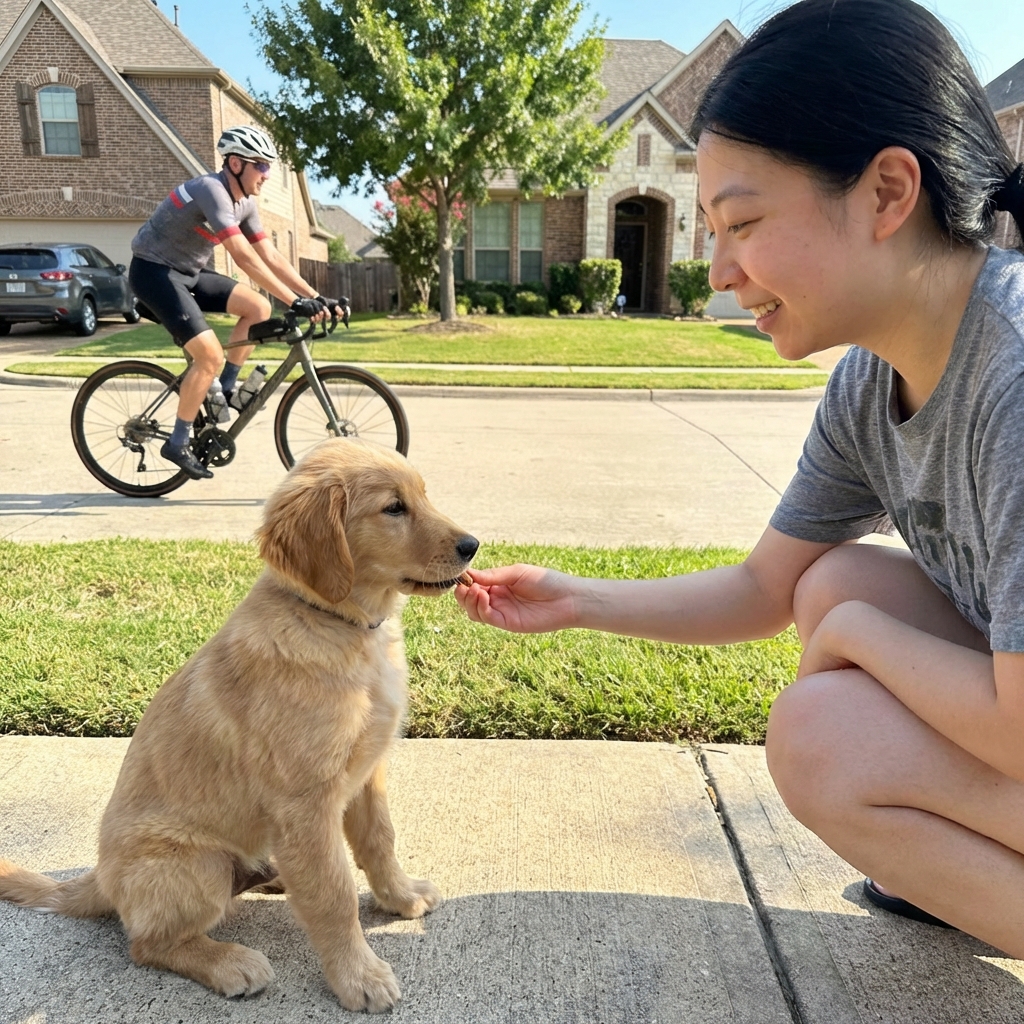
- Socialization is not just meeting dogs. It is exposure to people of different ages, hats, wheelchairs, umbrellas, vacuum sounds, car rides, grooming tools, and vet-friendly handling.
- Quality beats quantity. Calm, treat-based exposure is better than chaotic greetings.
- Pair new things with something your puppy loves. Tiny treats, a favorite toy, or gentle praise.
Action step: Aim for short sessions daily. Think 3 to 10 minutes of “new but safe” experiences, then rest.
Vaccines and socialization
Many families worry about letting a puppy out before the vaccine series is complete. That concern is valid, especially with diseases like parvovirus.
What I recommend discussing with your veterinarian is a risk-based plan such as:
- Carry your puppy in higher-risk public areas.
- Choose clean, low-traffic spaces and avoid unknown dog feces.
- Enroll in a reputable puppy class that requires vaccination records and cleans properly.
The “secret” is this: you can protect physical health and still prioritize social learning. You do not have to choose only one.
Stage 4: Juvenile and teething (12 to 24 weeks)
This is often the easiest stage to love and the hardest stage to live with. (Like all development, stages can overlap.)
What is happening
- Baby teeth fall out and adult teeth come in.
- Mouthy play peaks.
- Puppies test boundaries because confidence grows faster than impulse control.
Wellness focus
- Teething relief: vet-approved chews, frozen wet washcloth twists, or frozen puppy-safe toys.
- Prevent injury: avoid repetitive high-impact jumping on hard surfaces while growth plates are still developing.
- Nutrition for growth: feed a complete, life-stage appropriate puppy diet. Large-breed mixes often need a large-breed puppy formula to help reduce orthopedic risk.
Behavior secret: teach the off switch
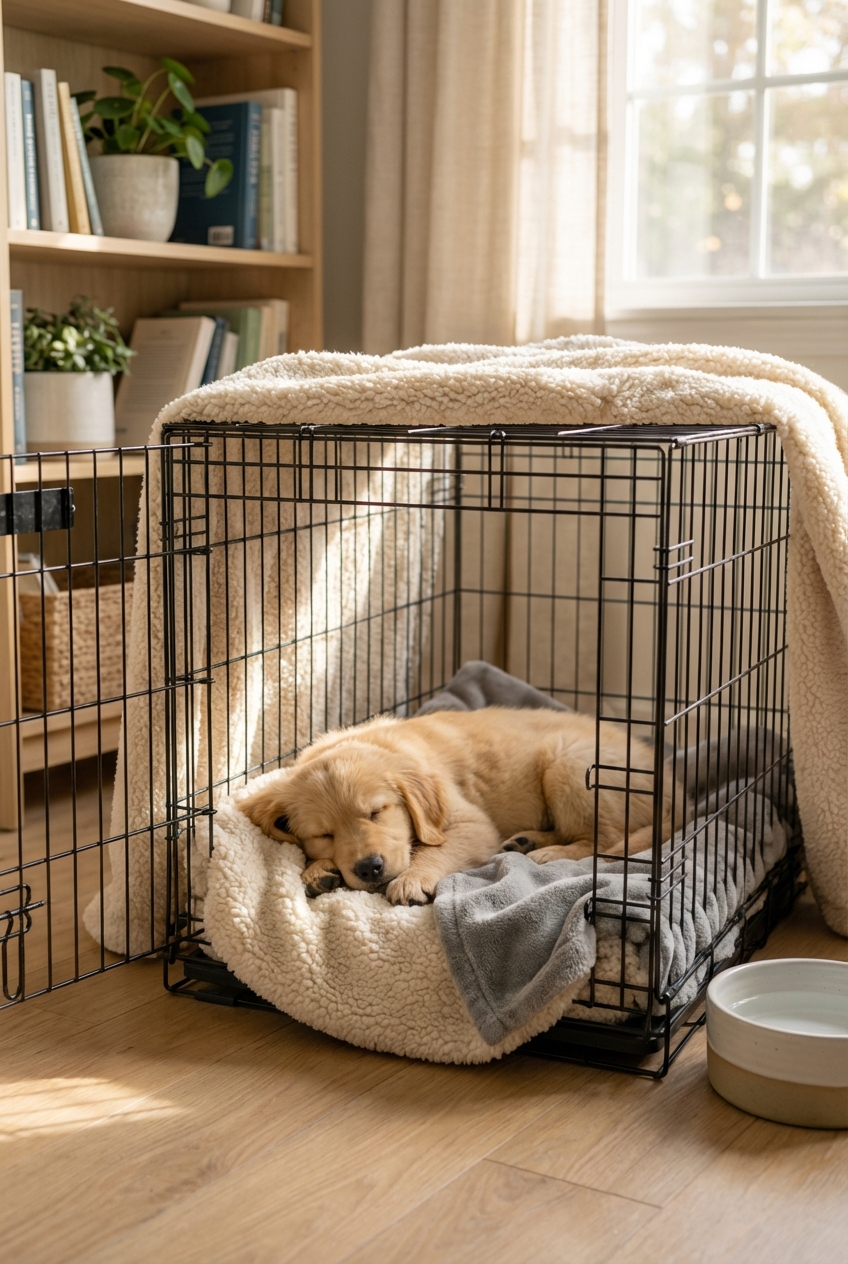
Many puppies do not need more exercise. They need more structured rest. Overtired puppies bite more, bark more, and zoom more.
- Use a crate or playpen for planned naps.
- Try a simple rhythm: potty, play, train, chew, nap.
Stage 5: Adolescence (6 to 18 months)
Adolescence is where many “good puppies” suddenly look like they forgot their training. This is normal, and it is also where consistent wellness routines prevent lifelong issues.
What is happening
- Hormonal changes and increased independence.
- A second fear period is common in many dogs (timing varies by individual).
- More stamina, but the brain is still developing impulse control.
Wellness focus
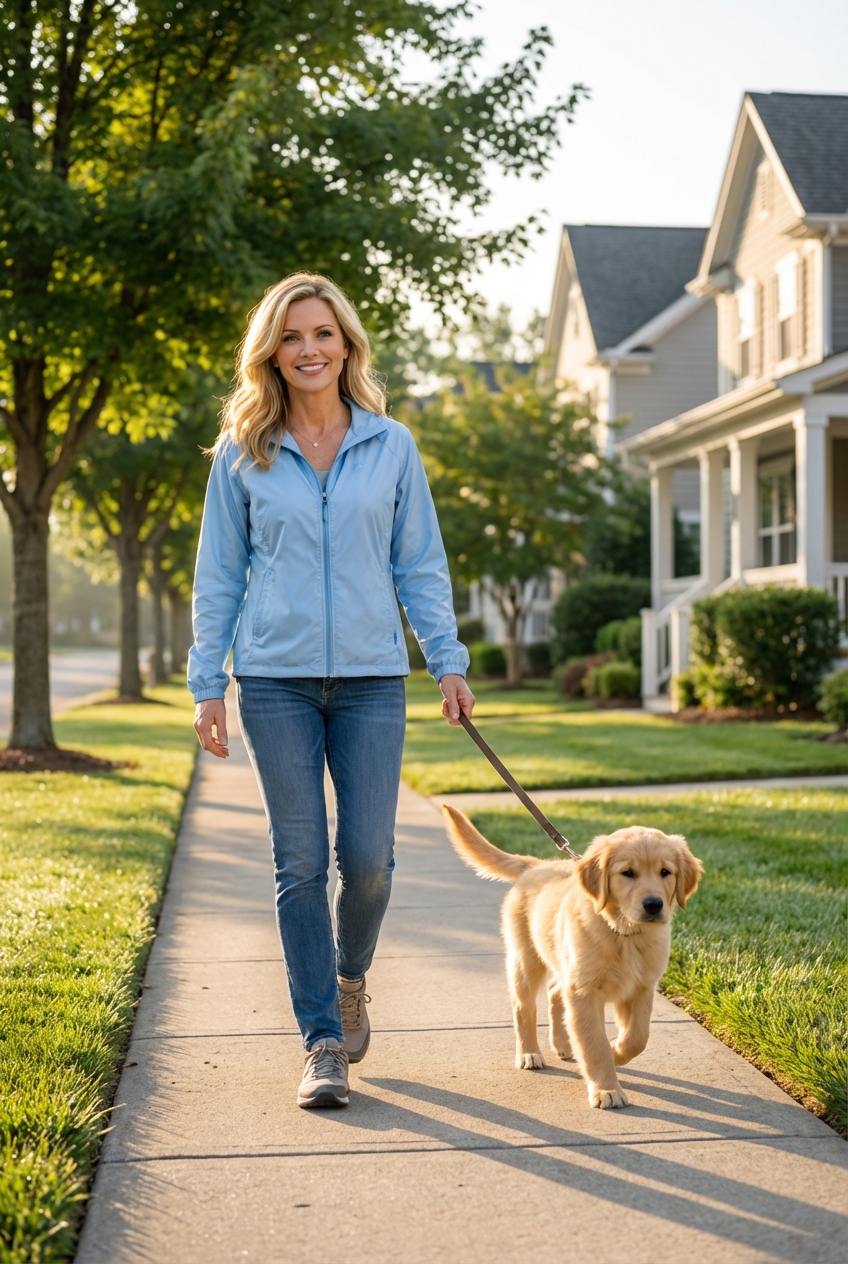
- Reinforce training basics (sit, stay, come, leash manners) with higher-value rewards.
- Protect joints with controlled exercise, especially in larger mixes.
- Dental habits matter. Start tooth brushing early if you can. If you did not, adolescence is a great reset point to build a simple routine.
The secret to surviving adolescence
Do not negotiate with chaos. Go back to structure. For example, if recall suddenly falls apart, use a long line, lower distractions, and reward generously for coming to you again.
- Short training sessions, 2 to 5 minutes, several times a day.
- Enrichment that tires the brain: sniff walks, food puzzles, scatter feeding in grass.
- Prevent rehearsal of bad habits by using baby gates, leashes indoors when needed, and consistent routines.
Essentials at every stage
1) Vet visits that build confidence
Many adult dogs fear the vet because their first visits felt scary. You can change that story.
- Bring treats and reward handling.
- Ask about “happy visits” where your puppy stops by, gets treats, and leaves.
- Practice at home: gently touch ears, paws, tail, and lips, then treat.
2) Parasite prevention matters
Puppies are magnets for parasites. Fleas, ticks, roundworms, hookworms, and heartworms can seriously impact growth and energy.
- Use veterinarian-recommended preventives.
- Bring a fecal sample to puppy visits when your clinic requests it.
- Pick up stool promptly in your yard to reduce reinfection cycles.
3) Sleep supports growth
Puppies often need 18 to 20 hours of sleep per day, especially younger puppies. Sleep supports brain wiring, immune function, and emotional regulation.
4) Nutrition: steady growth beats fast growth
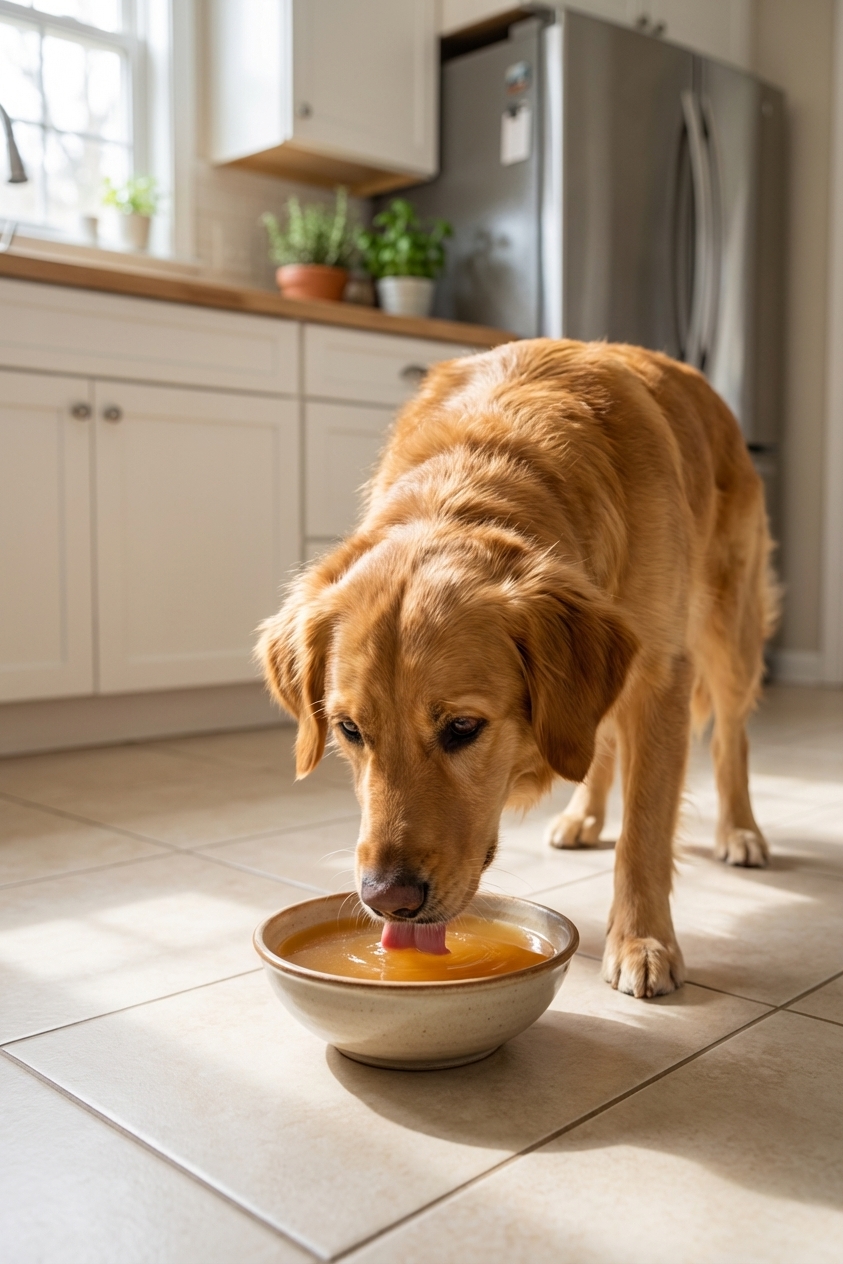
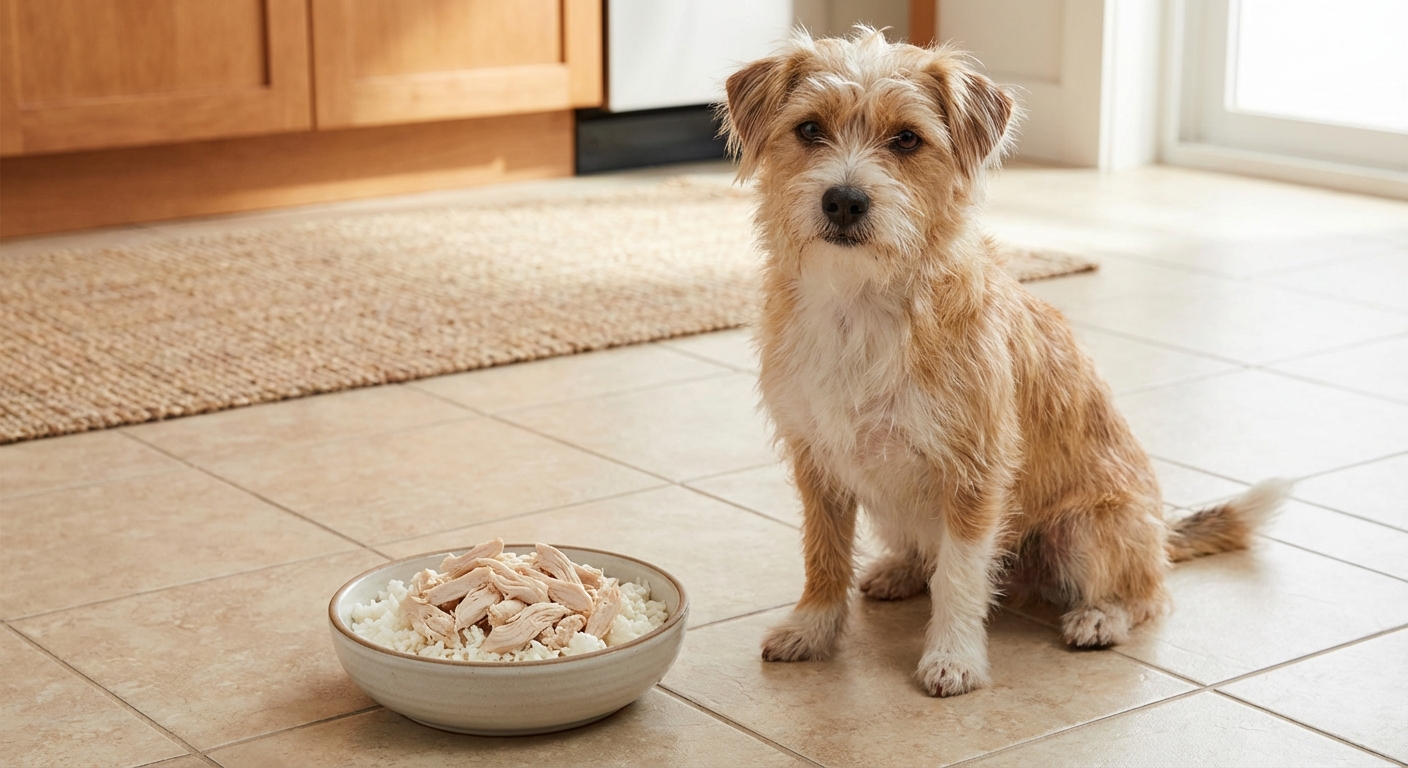
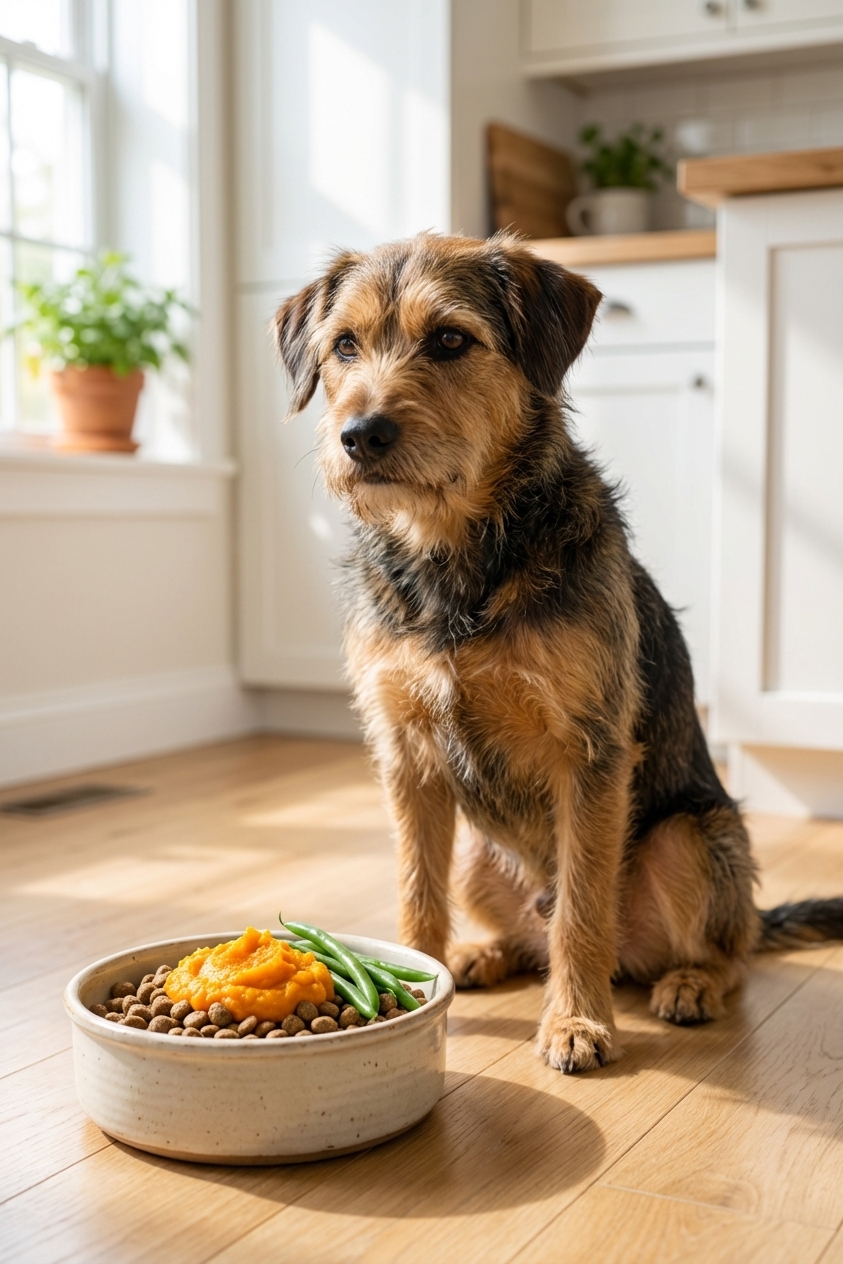
Choose a complete puppy diet from a reputable manufacturer and avoid frequent food switching unless your veterinarian recommends it. If you are interested in adding fresh foods, go slowly and keep it balanced.
- Use fresh add-ins as toppers, not the whole diet, unless formulated by a veterinary nutritionist.
- Keep treats to about 10 percent of daily calories.
- Weigh your puppy regularly and track body condition, not just the number on the scale.
5) Safety and ID basics
- Microchip and ID tag: one of the simplest ways to get your puppy home if they slip out a door.
- Chew safety: supervise chews and toys, and avoid items that can splinter or be swallowed.
- Toxins at puppy height: ask your vet about common household risks (foods, medications, plants) and keep them secured.
6) Spay and neuter is a conversation
Timing is not one-size-fits-all, especially for larger breeds where growth plates and orthopedic risk may factor in. Ask your veterinarian what makes sense for your puppy’s size, lifestyle, and health.
Red flags: call your vet
Trust your instincts. Puppies can decline quickly, so it is always okay to call your veterinary team.
- Vomiting or diarrhea, especially repeated episodes, any blood, or any signs of dehydration. For very young or small puppies, call sooner rather than later (even within a few hours). If symptoms are mild but persist beyond 12 to 24 hours, call.
- Refusing food, especially with low energy
- Coughing, labored breathing, or blue-tinged gums
- Limping that does not improve with rest
- Sudden behavior change, extreme fear, or unusual aggression
- Swollen belly, repeated dry heaving, or signs of pain
Stage-by-stage checklist
If you want a quick way to stay on track, here is my go-to plan:
- 8 to 14 weeks: gentle socialization daily, vet visit schedule, start crate comfort, begin handling practice, start tooth brushing practice with a puppy-safe toothbrush or finger brush
- 12 to 24 weeks: teething support, short training bursts, structured naps, puppy-safe enrichment, ask your vet about vaccine and deworming timing for your area
- 6 to 18 months: reinforce basics, brain games, controlled exercise (avoid forced running, prioritize sniff walks), dental routine, continue safe exposure, discuss spay or neuter timing
Bottom line: puppies do not need perfection. They need consistency, calm leadership, and lots of positive repetition.