Chicken and rice can soothe mild stomach upset and help dogs transition back to normal food. Learn safe recipes, portions, how long to feed it, and when to c...
Article
•
Designer Mixes
Puggle: A Friendly Guide to the Pug and Beagle Mix

Shari Shidate
Designer Mixes contributor
Meet the Puggle
The Puggle is a popular designer dog mix created by crossing a Pug with a Beagle. If you are drawn to a companion that is playful, social, and often very expressive, the Puggle is easy to love. Many Puggles combine the Pug’s people-focused affection with the Beagle’s curious, scent-driven personality.
Because this is a mixed breed, individual dogs can vary quite a bit in looks, energy level, and even health needs. What stays consistent is that Puggles thrive with attentive care, daily movement, and a home that enjoys interactive time.

What Does a Puggle Look Like?
Puggles are typically small to medium dogs with a sturdy build. Many have a short coat, a rounded head, and floppy ears. Some inherit a shorter muzzle from the Pug, while others have a longer Beagle-like snout. Their tails can be curled like a Pug’s or more relaxed.
Common traits
- Size: Often around 15 to 30 pounds, though ranges vary by genetics and diet
- Coat: Usually short and smooth, often fawn, tan, black, or a mix of Beagle-style patterns
- Face: Can be moderately short to longer, which matters for breathing and heat tolerance
- Life expectancy: Often around 10 to 15 years, with genetics, weight, and preventative care playing a role
If you are choosing a puppy, ask to meet the parents when possible. It can offer clues about adult size, temperament, and facial structure.
Temperament and Personality
Puggles are often described as affectionate and entertaining. Many are friendly with visitors, enjoy family routines, and do best when they feel included. The Beagle side can bring a strong nose and a love of exploring, which means they may follow scents with enthusiasm.
What to expect at home
- People-oriented: Many Puggles like being near their humans and can struggle if left alone for long hours
- Playful energy: They often enjoy games, walks, and puzzle toys
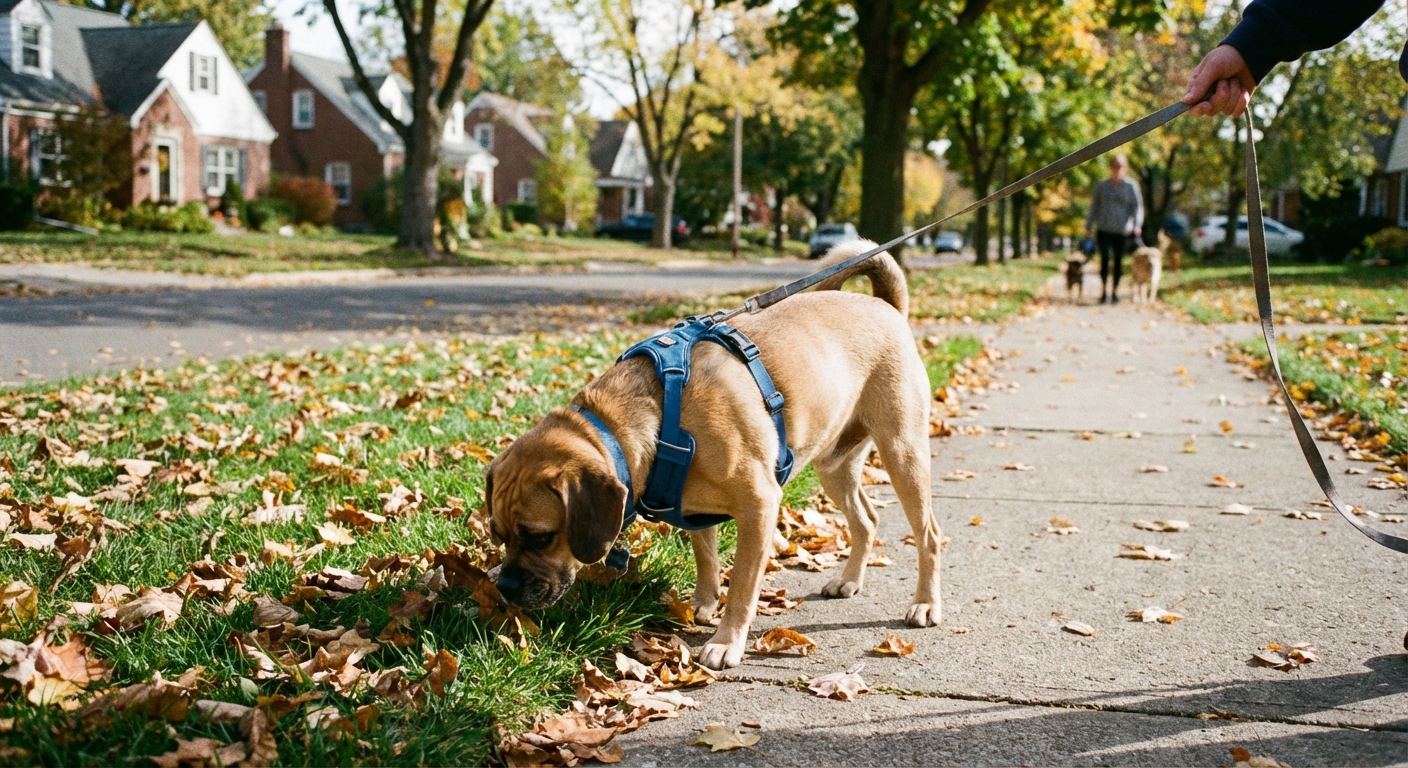
- Curiosity: Scent trails and interesting smells can distract them, especially outdoors
- Vocal habits: Some Puggles are fairly quiet, but others can be chatty. The Beagle influence may show up as frequent barking or a signature bay or howl, especially when they hear noises, see animals outside, or pick up an exciting scent
Many trainers emphasize that small, consistent habits matter. A few minutes of training and engagement each day can prevent many common behavior challenges.
Exercise and Daily Enrichment
Puggles typically need moderate daily activity. They are not usually marathon runners, but they do benefit from routine walks and interactive play. Their ideal activity level depends on how much Pug or Beagle they take after.
A balanced routine
- Walks: 30 to 60 minutes total per day, split into two or more outings for many adults
- Brain games: Snuffle mats, food puzzles, or scent games to satisfy the Beagle instincts
- Play: Gentle fetch, tug, or indoor games on hot or rainy days
If your Puggle has a shorter muzzle, watch for noisy breathing, heavy panting, or overheating. Choose cooler times of day for exercise, provide plenty of water, and take breaks .
Training Tips for a Puggle
Puggles can be smart and eager to interact, but they may also be stubborn or easily distracted by scents. Positive reinforcement tends to work best. Think treats, praise, and short sessions that end on a win.
Training priorities
- Recall: Practice a reliable “come” indoors first, then in low-distraction outdoor spaces
- Loose-leash walking: A front-clip harness can help if your dog pulls to sniff
- Impulse control: “Wait” at doors and “leave it” for dropped food or tempting smells
- Crate and alone-time skills: Gradual practice helps reduce separation stress
- Noise cues: If barking becomes a habit, teach “quiet” with rewards and manage triggers. In apartments, white noise and predictable routines can help reduce alert barking
Short, consistent training sessions usually beat occasional long sessions. Five minutes a day can make a noticeable difference over time.
Health Considerations
Puggles can inherit health tendencies from either parent breed. While many live happy, healthy lives, it is wise to plan for preventative care and choose a veterinarian you trust.
Potential health concerns
- Breathing and heat sensitivity: Especially in dogs with shorter muzzles, similar to brachycephalic breeds
- Weight gain: Pugs and Beagles can both be food-motivated, so portion control matters
- Ear infections: Floppy ears can trap moisture and debris
- Allergies and skin issues: Itching, redness, or recurrent ear problems may signal sensitivities
- Hip or joint issues: Maintaining a healthy weight helps protect joints long-term
Many Puggles live around 10 to 15 years. Regular checkups, dental care, and early attention to breathing, skin, or ear issues can make a meaningful difference in comfort and longevity.
Ask breeders or rescue organizations about health screening and veterinary history. Preventative care, including regular checkups, dental care, and vaccinations, supports better outcomes.
Nutrition and Healthy Weight
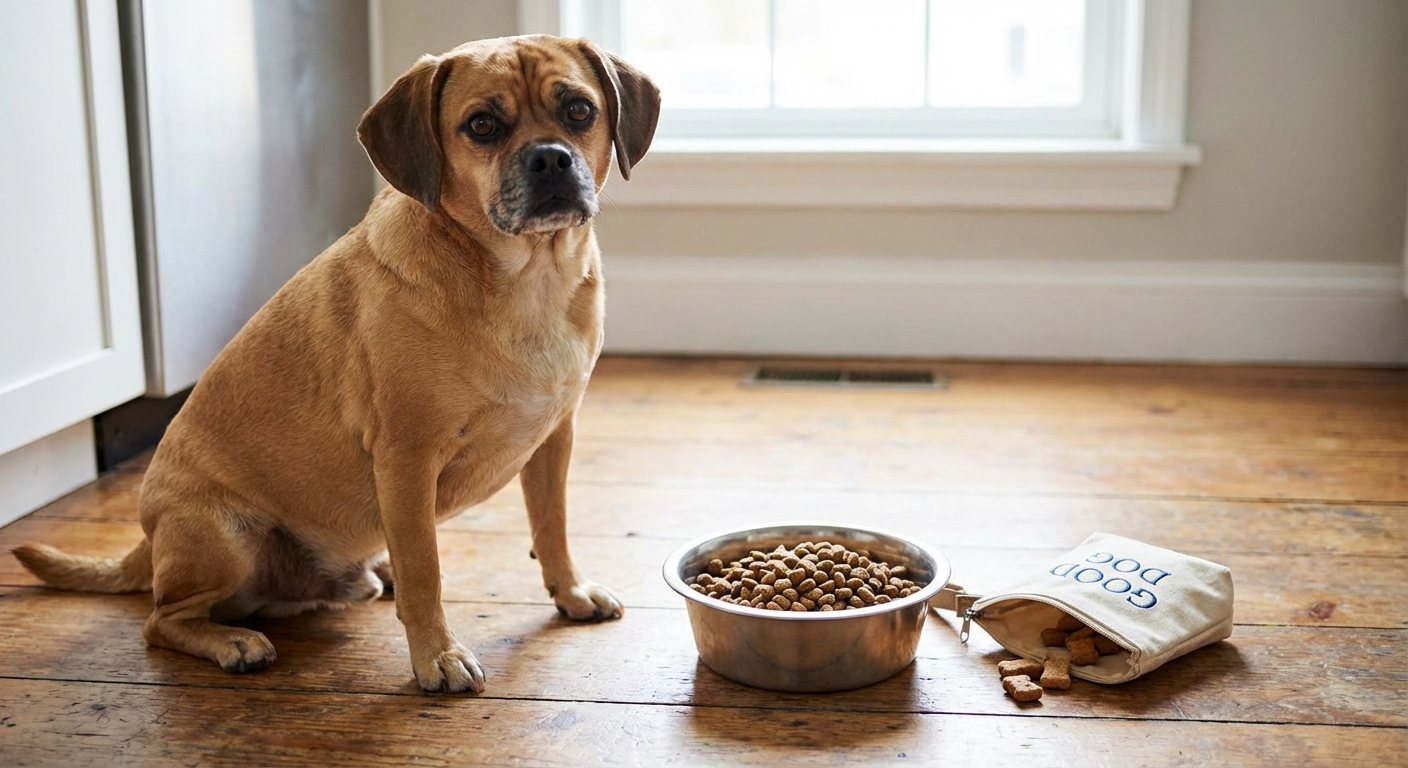
Nutrition is one of the most practical ways to support a Puggle’s quality of life. Because many Puggles love food, it is easy for extra calories to add up. Maintaining a healthy weight can reduce strain on joints, support heart health, and improve breathing comfort.
Simple feeding guidelines
- Choose a high-quality diet: Look for a complete and balanced food appropriate for life stage
- Measure portions: Use a measuring cup or scale rather than guessing
- Limit treats: Keep treats to a small percentage of daily calories and use tiny training rewards
- Healthy add-ins: Ask your vet before adding extras, but many dogs do well with small amounts of dog-safe vegetables
If you are unsure about the right amount to feed, your veterinarian can help you set a target weight and adjust portions based on body condition score.
Grooming and Home Care
Puggles are generally low to moderate maintenance, but they do shed. A consistent routine keeps their coat, skin, and ears in good shape.
Grooming basics
- Brushing: 1 to 2 times per week for many dogs, more during seasonal shedding
- Bathing: As needed, especially if they get into interesting outdoor smells
- Ear care: Check weekly and clean gently if advised by your vet
- Nail trims: Usually every few weeks depending on activity and nail growth
- Dental care: Tooth brushing several times a week is ideal, plus dental checkups
If your Puggle has facial wrinkles, keep them clean and dry. Moisture trapped in skin folds can contribute to irritation.
Is a Puggle Right for You?
Puggles can be a great fit for households that want a friendly companion and can provide daily walks, training, and social time. They often do well with children when properly introduced and supervised. They can also be a good match for apartment living if their exercise and enrichment needs are met.
One more practical consideration is noise. Some Puggles rarely bark, while others may bark at hallway sounds or howl when excited. If you live in close quarters, plan ahead with training, enrichment, and a routine that reduces boredom .
A Puggle may be a good match if you want:
- A social dog that enjoys being part of daily life
- Moderate exercise with lots of sniffing and exploring
- A playful companion that can learn with positive training
Consider a different breed or mix if:
- You are away from home most of the day with limited support
- You want an off-leash hiking partner that reliably ignores scents
- You live in a very hot climate and cannot manage heat precautions
- You need a consistently quiet dog and cannot accommodate barking or occasional howling
When you choose a dog, you are choosing a lifestyle. With the right routines and a little patience, many Puggles become loyal, funny, and deeply loved family members.