A vet assistant’s guide to pug care: breathing-friendly exercise, wrinkle and eye checks, dental routines, measured feeding, grooming, and heat safety to p...
Article
•
Designer Mixes
Pug Health Issues: Breathing, Eyes, and Skin Folds

Shari Shidate
Designer Mixes contributor
Pugs are little comedians in a compact body, and I completely understand why people fall head over heels for them. Their signature flat face, big eyes, and adorable wrinkles are also the exact reasons they can be prone to a few predictable health challenges.
As a veterinary assistant, I like to think of Pug care as “cute with a care plan.” The goal is not to worry you. It’s to help you recognize what is normal, what is not, and what you can do at home to keep your Pug comfortable and thriving.
Breathing: why Pugs struggle
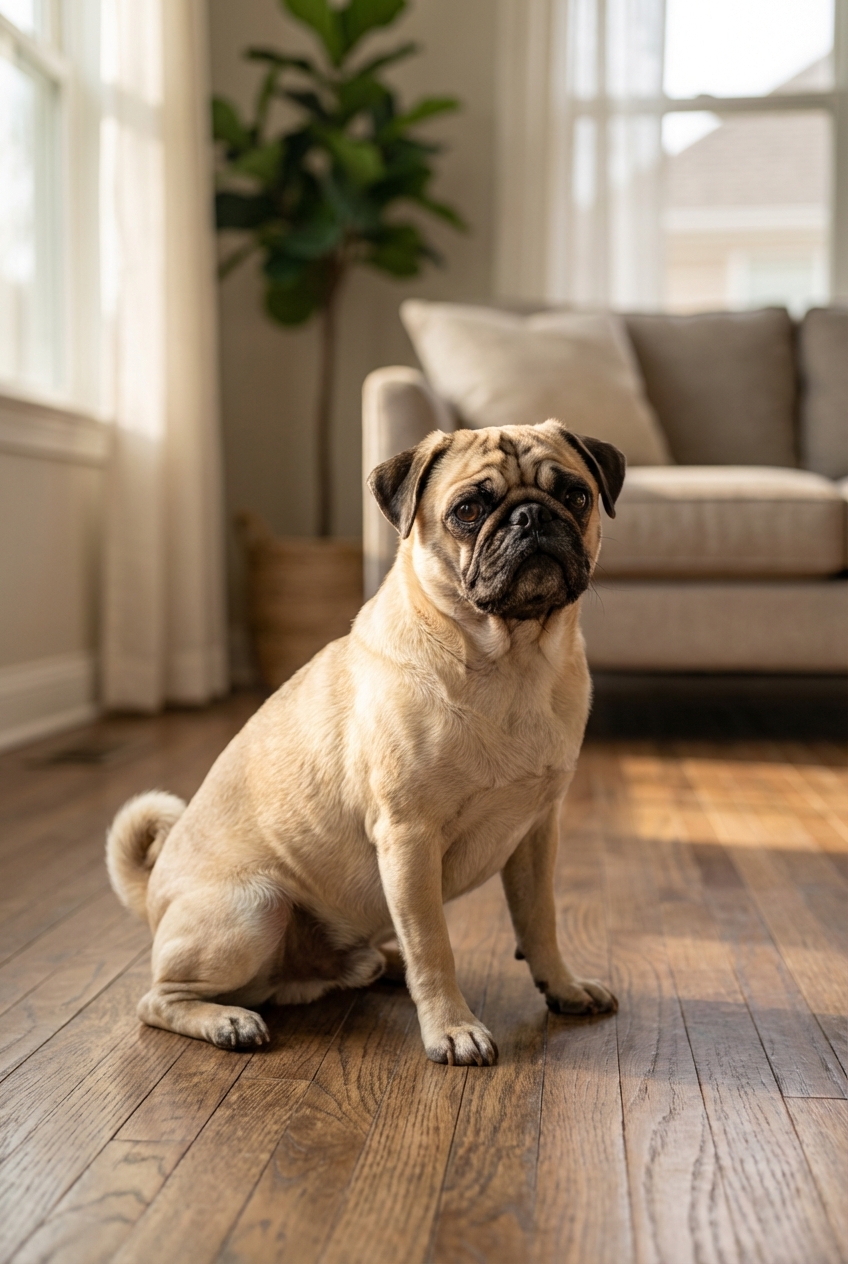
Most breathing concerns in Pugs come from a condition called Brachycephalic Obstructive Airway Syndrome (BOAS) . “Brachycephalic” simply means short-nosed. BOAS is usually a combination of factors that crowd and narrow the upper airway, such as stenotic nares (narrow nostrils), an elongated soft palate, and sometimes everted laryngeal saccules or a hypoplastic (small) trachea. The result is that moving air in and out can take a lot more effort than it should.
Common signs of BOAS
- Loud snoring even when fully awake
- Noisy breathing, especially when excited
- Gagging, retching, or coughing after drinking or exercise
- Heat intolerance: panting hard sooner than other dogs
- Needing frequent breaks on walks
- Blue or gray gums or tongue (an emergency)
Reality check: some snorting and snoring can be normal for the breed, but “normal for a Pug” should still be comfortable. If your dog is struggling, collapsing, or cannot recover quickly after mild activity, it is time to talk with your veterinarian.
Heat hits Pugs harder
Dogs cool themselves primarily by panting. If the airway is narrow, cooling becomes less efficient. Brachycephalic dogs can also overheat faster even in moderate temperatures, especially with humidity, stress, or excitement.
- Avoid the hottest part of the day in summer heat. Choose early morning and late evening.
- Use a harness to avoid extra pressure on the airway.
- Offer water and keep walks shorter, with more sniff breaks instead of long cardio sessions.
- Keep your Pug lean. Even a few extra pounds can make breathing noticeably harder.
When breathing is urgent
Seek emergency care right away if your Pug has:
- Labored breathing with an extended neck and wide stance
- Gums or tongue that look blue, gray, or very pale
- Collapse, weakness, or inability to stand
- Severe overheating signs: glassy eyes, vomiting, confusion, or not responding normally
Many Pugs with moderate to severe BOAS benefit from a veterinary evaluation and sometimes surgical correction (for example, widening narrow nostrils or addressing an elongated soft palate). The earlier it is addressed, the better the long-term comfort tends to be.
Eyes: big, beautiful, and vulnerable
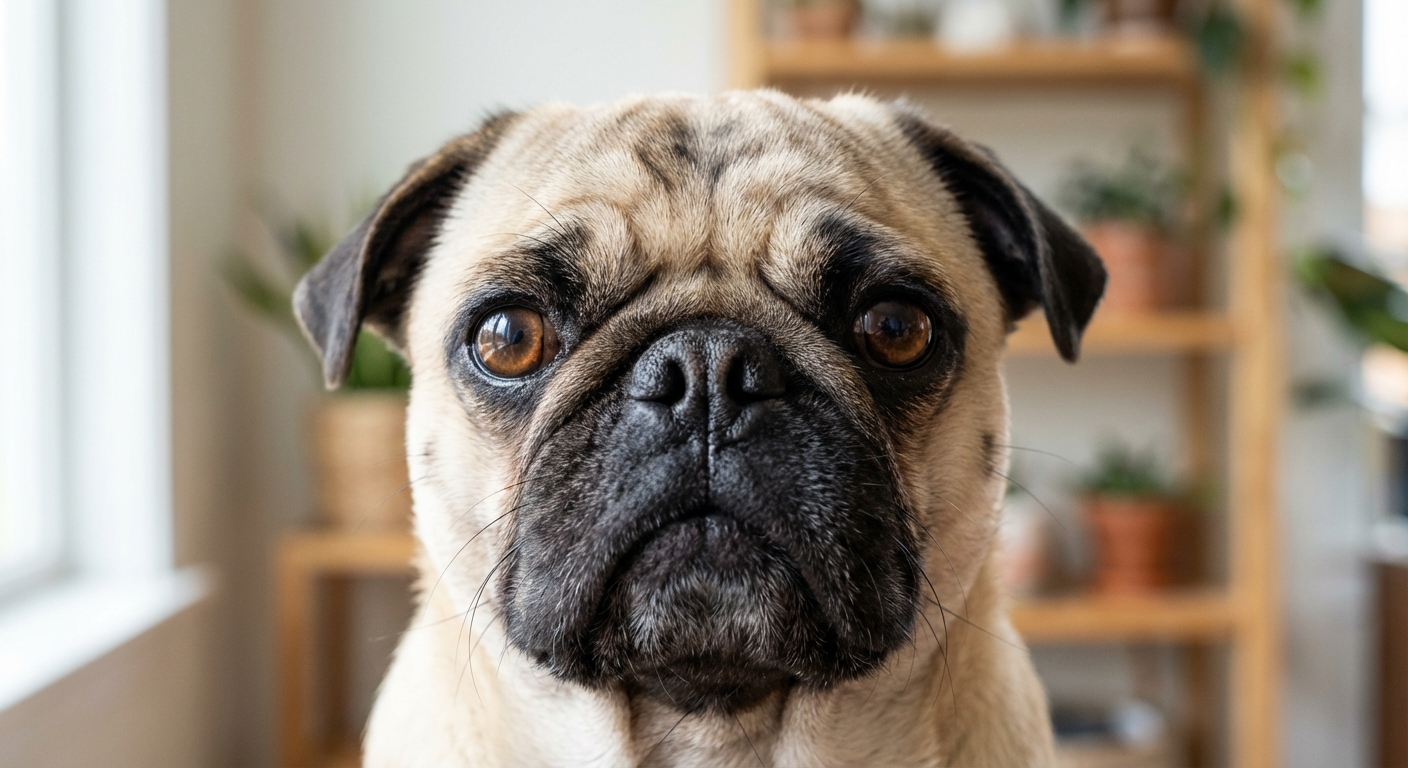
Pugs have prominent eyes and relatively shallow bony orbits (eye sockets), which makes them more prone to injury and irritation. Add in facial folds that can trap moisture and hair, and you have a recipe for chronic eye issues if you are not proactive.
Common Pug eye problems
- Corneal ulcers: injuries to the clear surface of the eye. Some start as a “scratch,” but they can be deeper than they look and can worsen quickly.
- Dry eye (KCS): low tear production, leading to irritation, thick discharge, and recurrent infections.
- Conjunctivitis: redness and discharge from allergies, irritants, or infection.
- Proptosis: the eye can pop forward after trauma. This is an emergency.
Eye symptoms to never ignore
- Squinting or holding an eye closed
- Sudden redness
- Excess tearing or thick yellow or green discharge
- Pawing at the face
- Cloudiness or a blue-white haze
- A visible spot, dent, or “scratch” look on the eye surface
Important: if you suspect an ulcer, do not wait it out. Corneal ulcers can worsen quickly and are painful. Your veterinarian may stain the eye to check for injury and prescribe medication that is truly eye-safe.
Also important: do not use human eye drops or leftover prescription eye meds unless your veterinarian tells you to. Some products, especially those containing steroids, can make an ulcer much worse.
Simple daily eye care
- Wipe eye corners with a soft, damp cloth or pet-safe eye wipe, especially if discharge builds up.
- Trim long facial hair that touches the eye.
- Ask your vet about lubricating drops if your Pug has chronic dryness.
Skin folds: the moisture trap
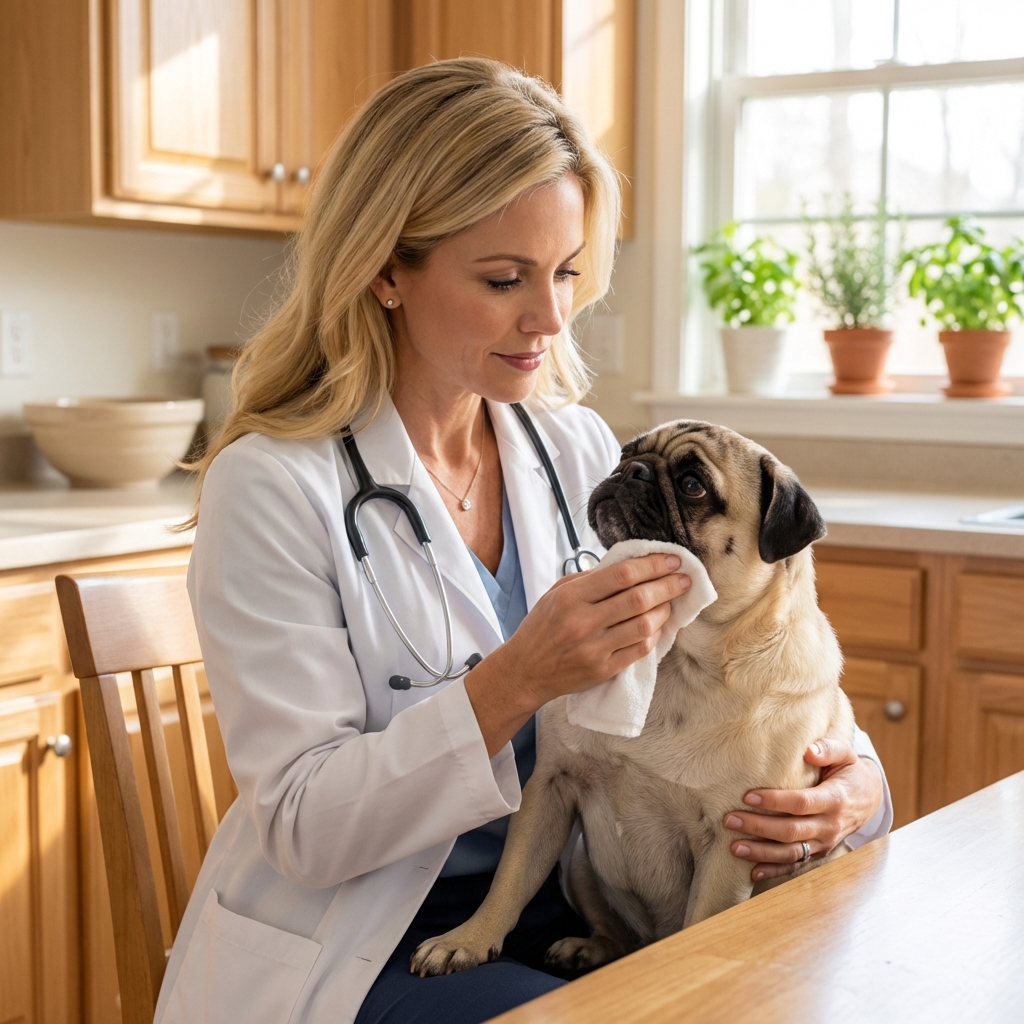
Those adorable wrinkles need a little upkeep. Skin folds can trap moisture, food, dirt, and yeast. When the skin stays damp and warm, it is more likely to get inflamed and infected. This is often called skin fold dermatitis or intertrigo.
Signs the folds need care
- Redness between folds
- Greasy or moist skin
- Strong odor, often described as “yeasty”
- Brown staining or crusty buildup
- Itching, rubbing the face on carpets or furniture
- Small pimples or sores
A gentle fold routine
Most Pugs do well with a quick daily check, and a deeper clean a few times per week. The biggest key is drying.
- Step 1: Clean. Use a soft cloth with warm water, or a vet-approved wipe for skin folds. Avoid harsh soaps.
- Step 2: Dry completely. Pat dry with a clean cloth. Moisture left behind is what keeps the cycle going.
- Step 3: Protect if needed. If your veterinarian recommends it, a thin layer of a prescribed barrier product can reduce friction and irritation.
If the area is painful, bleeding, very swollen, or has pus, schedule a veterinary visit. Fold infections often need targeted treatment, and it is common to see yeast and bacteria together.
Safety note: avoid applying human creams (especially steroid creams) unless your veterinarian directs you. Some can worsen infection or irritate the skin further.
Allergies and skin
Pugs can be prone to allergies that show up as itchy skin, ear infections, and inflamed folds. If your Pug has chronic itch or recurrent infections, talk with your veterinarian about:
- Allergy management options (environmental allergies are common)
- A nutrition plan that supports skin barrier health
- Omega-3 fatty acids, which may help reduce inflammation for some dogs
Other common Pug issues
If you are trying to stay ahead of problems, these are worth having on your radar too.
Weight gain
Pugs gain weight easily, and extra pounds can worsen breathing, heat intolerance, and joint strain. Measure meals, go easy on treats, and use part of their regular kibble as “treats” if needed.
Dental crowding
That cute, compact face can mean crowded teeth. Daily brushing (even a few times a week helps) and regular dental cleanings as recommended by your veterinarian can prevent painful dental disease.
Ears
If your Pug is licking paws, shaking their head, or has a “corn chip” smell coming from the ears, it is worth an exam. Many Pugs deal with allergy-related ear infections.
At-home comfort checklist
If you want a simple routine that truly helps, here is a starter plan many Pug families can follow.
- Keep your Pug lean. Ask your vet for a target weight and body condition score.
- Use a harness. Especially for dogs that pull.
- Control the climate. Air conditioning and fans are your friend. Avoid hot pavement.
- Wipe and dry facial folds. A few minutes can prevent a lot of discomfort.
- Watch the eyes. Squinting is a red flag.
- Schedule regular vet checks. Breathing, skin, and eyes can change gradually, and early intervention matters.
If you ever feel unsure, trust your instincts. Pugs are good at carrying on even when something feels off, so discomfort may show up as subtle changes: less playful energy, more sleeping, rubbing the face, or avoiding walks.
When to call your vet
Call your veterinarian promptly if you notice:
- Breathing that is noisier than usual, worsening, or affecting exercise
- Any squinting, sudden redness, cloudiness, or eye pain
- Skin folds that smell bad, look raw, or cause constant itching
- Recurring ear infections or licking paws (common allergy clues)
And seek emergency care if your Pug shows signs of overheating, collapse, blue gums, or an eye injury after trauma.
Final encouragement
Pugs can live joyful, comfortable lives with the right support. A little daily maintenance, smart choices in hot weather and exercise, and a low threshold for getting eyes checked can make a big difference. You do not have to do everything perfectly. Just be consistent, and do the next right thing for your little shadow.