Pugs are lovable but prone to predictable problems. Learn BOAS breathing signs, heat safety, eye emergencies like ulcers, wrinkle care to prevent infections,...
Article
•
Designer Mixes
Pug Care: Fun Facts, Tips, and Daily Routine

Shari Shidate
Designer Mixes contributor
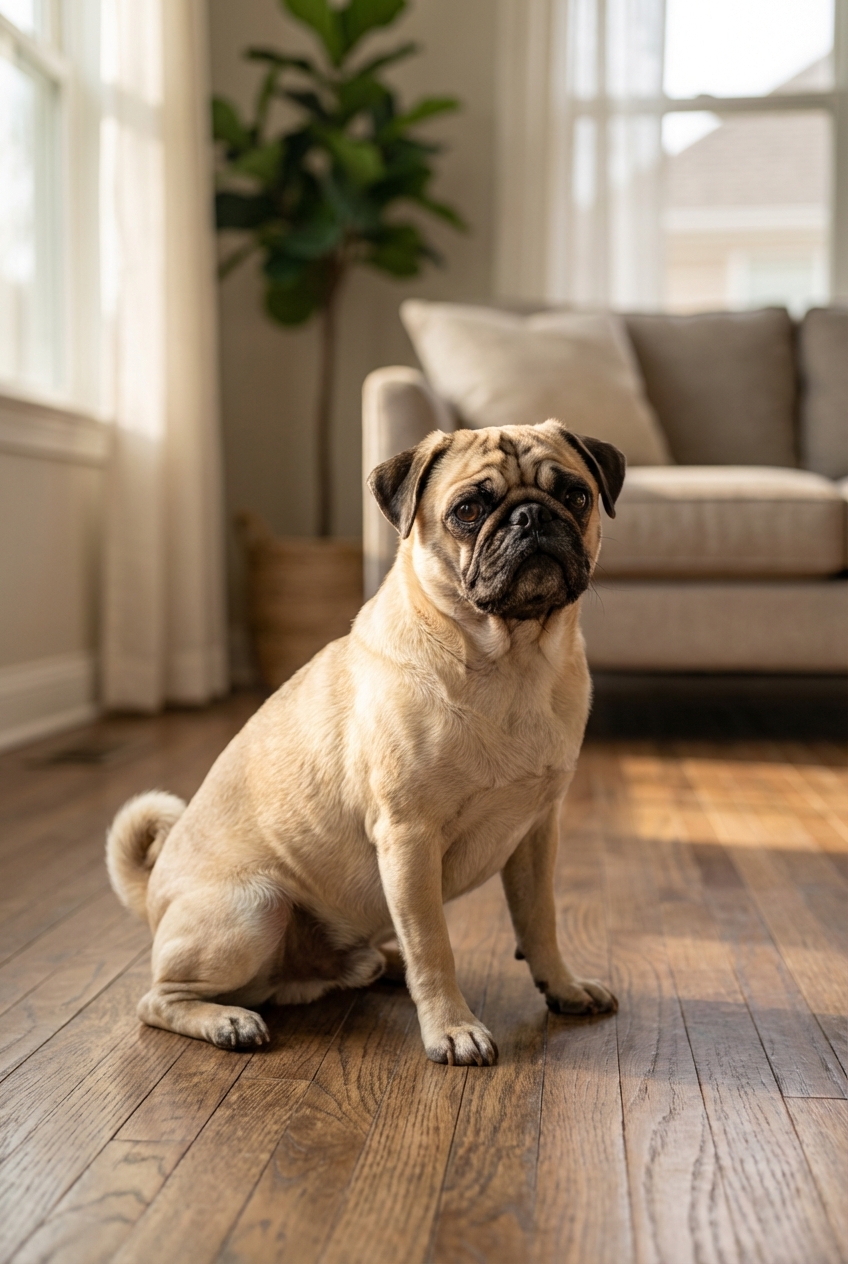
Pugs are little comedians in a compact body, and they tend to bond deeply with their people. I’m a veterinary assistant here in Frisco, Texas, and if I could give you one big takeaway it’s this: pugs thrive when you focus on weight management, breathing-friendly habits, skin-fold care, and heat safety. The good news is that many common pug problems can be prevented (or their severity reduced) with simple, consistent routines, especially issues tied to weight, dental health, and skin-fold irritation.
Quick pug fun facts
- Built for companionship: Pugs were bred to be lap dogs, which is why they often follow you room to room.
- They are brachycephalic: That short nose is cute, but it also means pugs can have a harder time cooling themselves and breathing during exertion.
- Famous for the “pug tilt”: Many pugs tilt their head when they’re curious. It can be adorable, but frequent head tilting can also be a sign of an ear issue.
- Wrinkles are part of the look: Those facial folds can trap moisture and debris, so they need regular cleaning and thorough drying.
- Snack lovers: Pugs are motivated by food, which makes training easier, but weight gain easier too.
Daily care routine that works
1) Keep breathing easy
Pugs commonly snort, snuffle, and sometimes reverse sneeze. A little noise can be normal for the breed, but struggling to breathe is not. Your daily goal is to keep their airway as comfortable as possible.
- Use a harness, not a collar: Collars can add pressure to the neck and airway. A well-fitted harness is usually safer for walks.
- Choose calm exercise: Short, frequent walks are often better than long, intense sessions.
- Keep your home cool: Heat and humidity can quickly worsen breathing.
Get urgent help now: Blue or gray gums, collapse, fainting, severe distress, or breathing that does not improve quickly with rest and cooling are emergency signs.
2) Wrinkle and nose-fold care
Think of wrinkles like skin pockets. If they stay damp, they can get irritated, smelly, or infected.
- Check daily: If you see redness, odor, wetness, or brown staining or discharge, it’s time to clean.
- Clean gently: Use a soft, damp cloth or pet-safe wipe, then dry thoroughly.
- Do not overdo it: Over-cleaning can irritate skin. Many pugs do great with a few times per week, and daily checks.
If a fold looks raw, swollen, painful, or keeps flaring up, call your vet. Those can be signs of infection that needs treatment.
3) Eye checks
Pugs have prominent eyes, which can be more prone to dryness, irritation, and injury.
- Look for: squinting, excessive tearing, cloudiness, redness, or pawing at the eye.
- Skip home eye meds unless prescribed: The wrong drop can make certain problems worse.
- Do not wait on squinting: Eye injuries and ulcers can worsen quickly in brachycephalic breeds, so squinting is a “call today” sign.
4) Dental care (a big deal for small mouths)
Pugs often have crowded teeth, which can allow plaque to build up faster. Dental disease can affect comfort, appetite, and overall health.
- Brush most days: Use dog-safe toothpaste. Even 30 seconds helps.
- Use VOHC-accepted dental chews when possible: The Veterinary Oral Health Council (VOHC) seal is a helpful benchmark. Ask your vet which options fit your dog’s needs and calorie budget.
- Schedule regular cleanings: Your veterinarian can tell you the safest timing and frequency.
Feeding a pug: simple and steady
Pugs are champions at convincing us they are starving. The truth is that extra weight can worsen breathing, joint strain, and even heat tolerance. If you do one health-focused thing for your pug, let it be consistent portions.
How much should a pug eat?
There is no one-size-fits-all amount. Age, activity level, metabolism, and whether your pug is spayed or neutered all matter. Your best bet is to:
- Feed measured meals (not free-feeding).
- Track treats. Treat calories should ideally stay small compared to the day’s total intake.
- Ask your vet for a target weight and body condition score goal.
Life stage note: Puppies need more frequent meals and careful growth tracking, and seniors often do best with fewer calories and gentler activity. Your vet can help you adjust portions as your pug ages.
Homemade and fresh foods: start slowly
If you’re curious about adding fresh, whole foods, you can start small. Many dogs do well with a gradual transition, such as mixing in a little cooked lean protein or dog-safe vegetables while keeping the overall diet balanced. If you want to go fully homemade long-term, I recommend working with your veterinarian or a board-certified veterinary nutritionist so your pug gets the right calcium, vitamins, and essential fatty acids.
Foods to avoid
- Grapes and raisins
- Onions and other alliums like garlic
- Xylitol (often in sugar-free gum, candy, peanut butter)
- Cooked bones (splinter risk)
- High-fat leftovers that can trigger stomach upset and, in some cases, pancreatitis
- Macadamia nuts
Grooming: shedding is normal
Pugs are famous for shedding. Regular grooming helps keep hair off your floors and supports healthy skin.
Brushing
- Brush 2 to 4 times per week for most pugs. Daily brushing helps during seasonal shedding.
- Use a gentle de-shedding tool or rubber curry brush, and stop if you notice skin redness.
Bathing
- Most pugs do well with a bath every 3 to 6 weeks, but sensitive-skin dogs may need a different schedule.
- Use a dog-specific shampoo, rinse thoroughly, and dry folds carefully.
Nail trims and paw checks
- Trim nails every 2 to 4 weeks for many dogs. Clicking on the floor is a common sign they are too long.
- Check paws for cracks, irritation, and things that can lodge between toes. Here in Texas, we see problems from foxtails and other grass awns, which can cause painful swelling and infection.
Exercise and enrichment
Pugs need movement, but they do best with activities that do not push them into heavy panting for long periods.
- Walk timing: Early morning or later evening in warm months.
- Indoor games: Short hallway fetch, treat scavenger hunts, and puzzle toys.
- Training: 5-minute sessions add up and keep their minds busy.
Tip: If your pug is panting hard, slowing down, or sitting and refusing to move, stop and cool them down right away.
Heat safety
Because pugs are brachycephalic, they can overheat more easily than many other breeds. Heat stress can become an emergency fast.
Best practices
- Keep fresh water available at home and on walks.
- Avoid midday heat and humid conditions.
- Use cooling mats or fans indoors if needed.
- Never leave your pug in a parked car, even for a short errand.
Warning signs of overheating
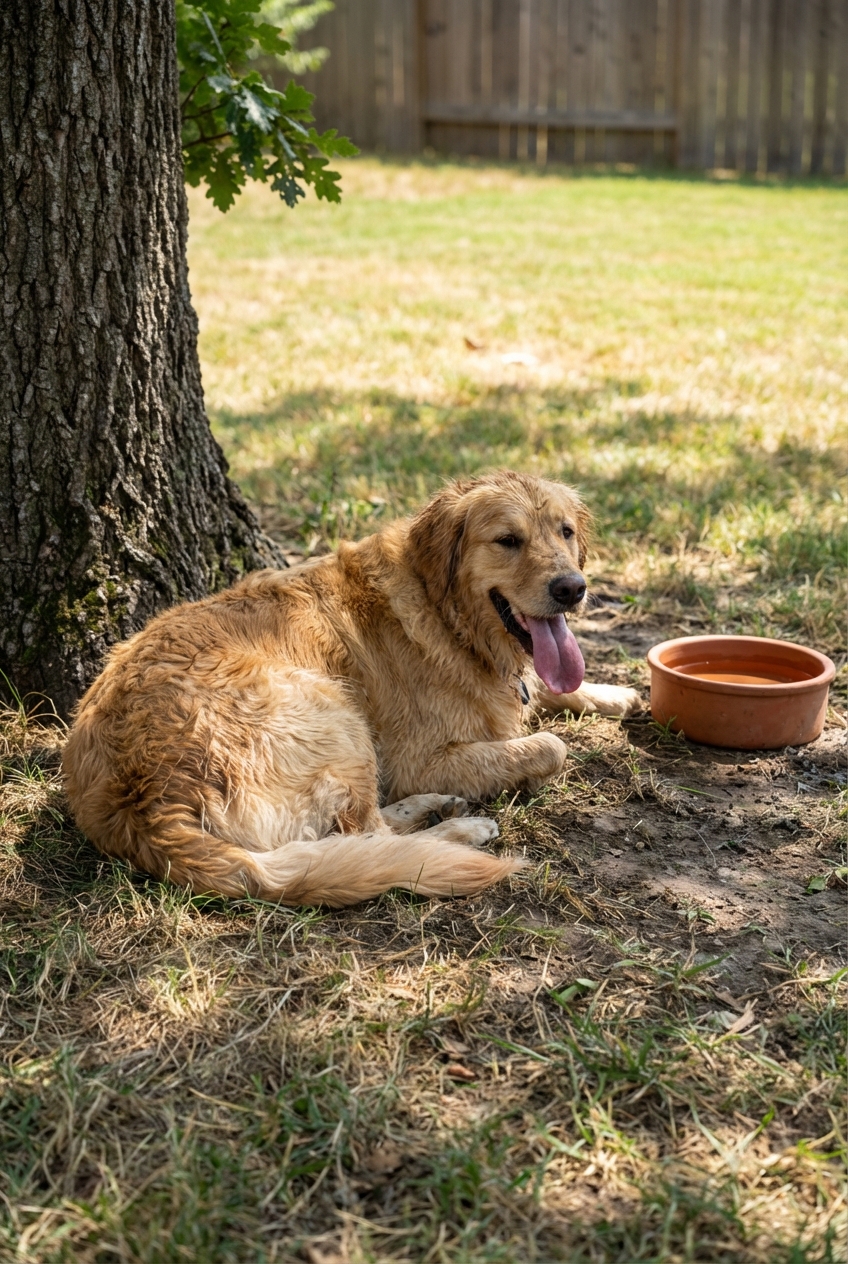
- Very heavy panting, noisy breathing, or distress
- Bright red, pale, or blue-tinged gums
- Drooling, weakness, wobbliness
- Vomiting or collapse
If you suspect heatstroke, move your pug to a cool area and contact an emergency veterinarian immediately. Begin active cooling on the way: use cool (not ice-cold) water on the body and paws and use a fan if available. Offer small sips of water if they are alert, but do not force water. Avoid ice baths, which can cause dangerous temperature swings.
Common pug health concerns
Pugs can live happy, comfortable lives, especially when you watch for the issues the breed is known for and act early.
Breathing issues and BOAS
BOAS stands for brachycephalic obstructive airway syndrome. Signs can include loud snoring, exercise intolerance, gagging, and trouble cooling down. Keeping your pug lean and using a harness help, and some dogs benefit from veterinary evaluation and, in certain cases, corrective surgery.
Talk to your vet sooner rather than later if you see severe exercise intolerance, repeated gagging or retching, fainting, or blue-tinged gums. Those are red flags that the airway may need a closer look.
Skin infections and allergies
Recurring ear infections, itchy paws, and red belly skin can point to allergies. Consistent grooming and prompt vet care can reduce flare-ups and discomfort. Some allergies are not fully preventable, but they are often very manageable with the right plan.
Back and joint strain
Extra weight adds stress to joints and the spine. Keep nails trimmed for good traction, use ramps for furniture if needed, and talk with your vet about joint-support strategies if your pug seems stiff or reluctant to jump.
Obesity
Pugs gain weight easily. Measured meals, low-calorie treats, and daily movement make a huge difference. If you are unsure, ask your vet to show you how to check a body condition score at home.
Training and social life
Pugs are often people-focused and food-motivated, which makes them fun to train. Keep it upbeat, short, and consistent.
- Use positive reinforcement: Tiny treats, praise, and play.
- Start early with handling: Touch paws, ears, and wrinkles gently so grooming is easier later.
- Prevent separation stress: Practice short departures and reward calm behavior.
Simple vet check schedule
- Puppies: Multiple visits for vaccines, parasite prevention, and growth checks.
- Adults: Usually a wellness exam every year, plus dental guidance.
- Seniors: Often twice-yearly exams with screening labs, depending on your veterinarian’s recommendations.
Stay current on heartworm prevention and flea and tick prevention, especially in Texas where parasite season feels long. Ask your vet about intestinal parasite prevention and how often they recommend fecal testing for your dog’s lifestyle.
Pug care checklist
- Measured meals, treat control, and a lean body condition
- Harness for walks, plus calm exercise
- Wrinkle checks and gentle fold cleaning with thorough drying
- Eye checks for redness, squinting, and irritation
- Brush teeth often, and keep up with dental care
- Heat safety every day, especially in warm weather
- Regular grooming to manage shedding and skin health
If you build these habits, you will be doing the most important work: helping your pug breathe easier, move comfortably, and enjoy a long, happy life with you.