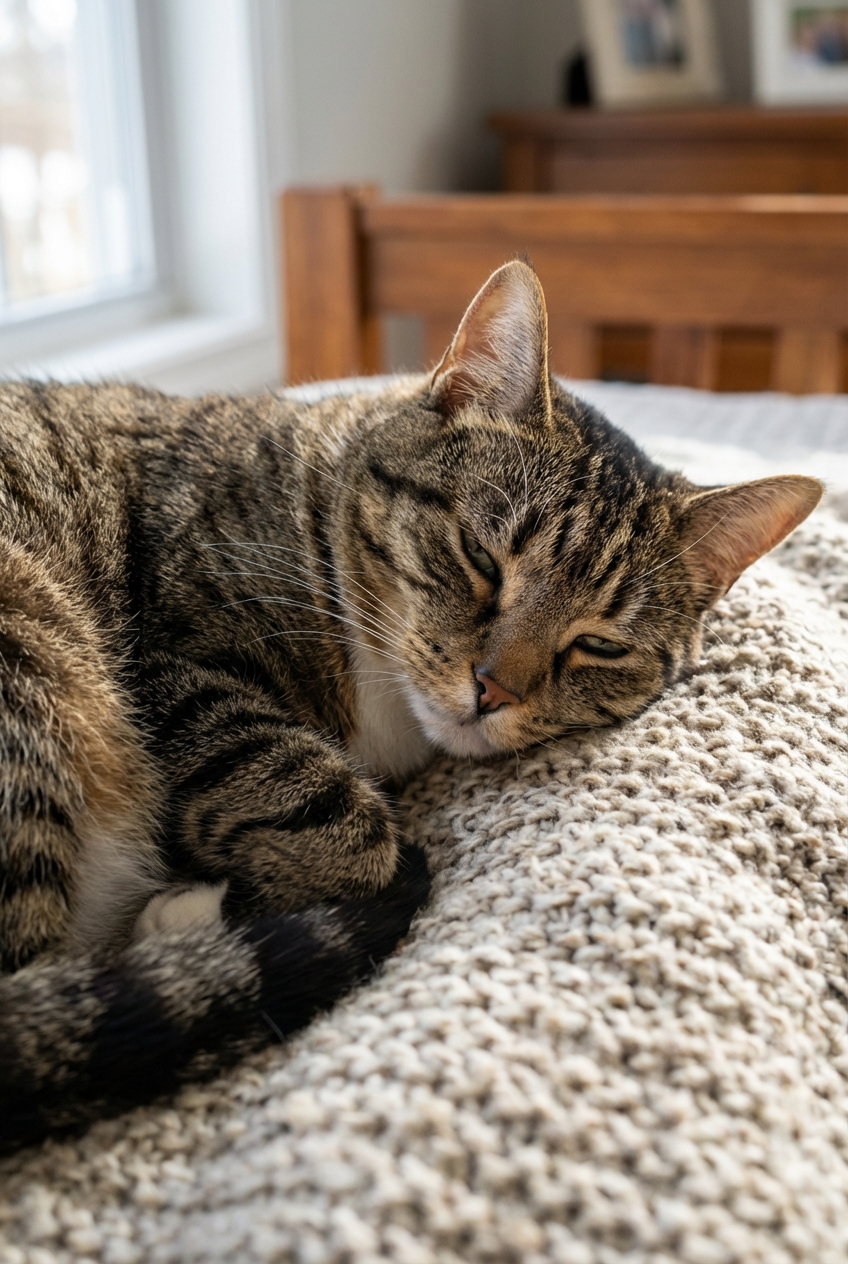
Cats hide pain. Learn the key signs—behavior shifts, stiffness, grooming and appetite changes, litter box clues—and the red flags that mean call your vet...
Article
•
Designer Mixes
Proven Signs Your Cat Is In Pain

Shari Shidate
Designer Mixes contributor
Cats are experts at hiding discomfort. In the clinic, I have met plenty of sweet, quiet cats whose pain was easy to miss until you knew what to look for. If something feels “off” with your cat, trust that instinct. Pain is not always loud. Often, it shows up as small behavior changes that slowly become your new normal.
Below are common, vet-recognized signs of pain in cats, why they happen, and what you can do right now to help your cat feel better and stay safe.
Why cats hide pain
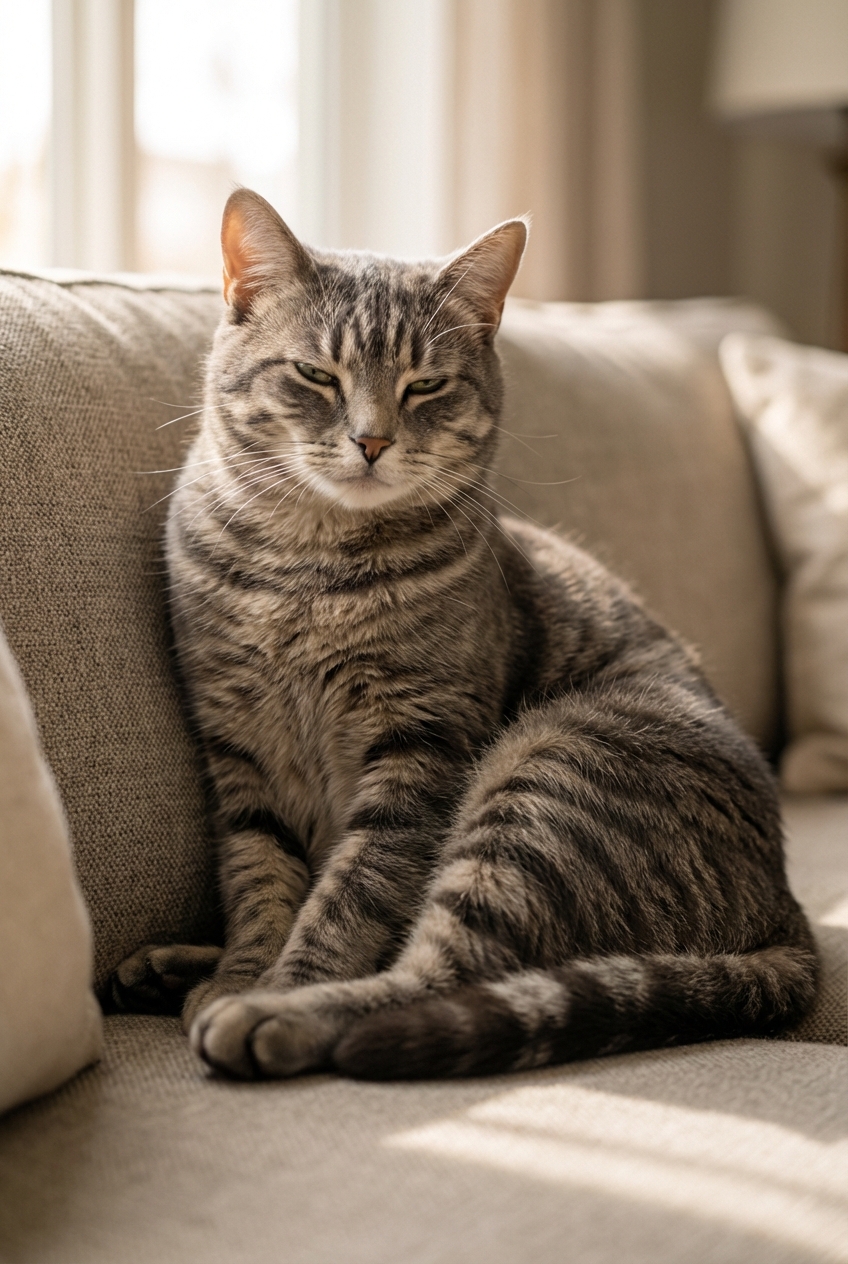
Cats have strong survival instincts. In the wild, showing weakness can make an animal a target, so many cats naturally minimize any outward sign of illness or injury. That means pain may look like “my cat is just being grumpy” or “she is getting older,” when it is actually arthritis, dental disease, urinary discomfort, or another treatable problem.
When in doubt, it is always safer to assume pain is possible and get a veterinary exam.
Most common signs of pain in cats
1) Behavior changes (the biggest clue)
Behavior is often the first thing to shift, especially with chronic pain like arthritis or dental disease.
- Hiding more than usual, staying under beds or in closets
- Less social, avoids being held or petted
- Sudden irritability, swatting, growling, or “don’t touch me” reactions
- Restlessness, trouble settling, or frequent position changes
- Less play, less exploring, or not using favorite high spots
Safety note: Pain can turn even a gentle cat into a cat who bites or scratches. Avoid forcing handling. Use a towel or a top-loading carrier if needed, and ask your vet for guidance.
2) Changes in movement and posture
Pain can show up as stiffness, slower movement, or a protective posture. Many cat parents miss it because cats compensate so well.
- Limping, stiffness, or “warming up” after rest
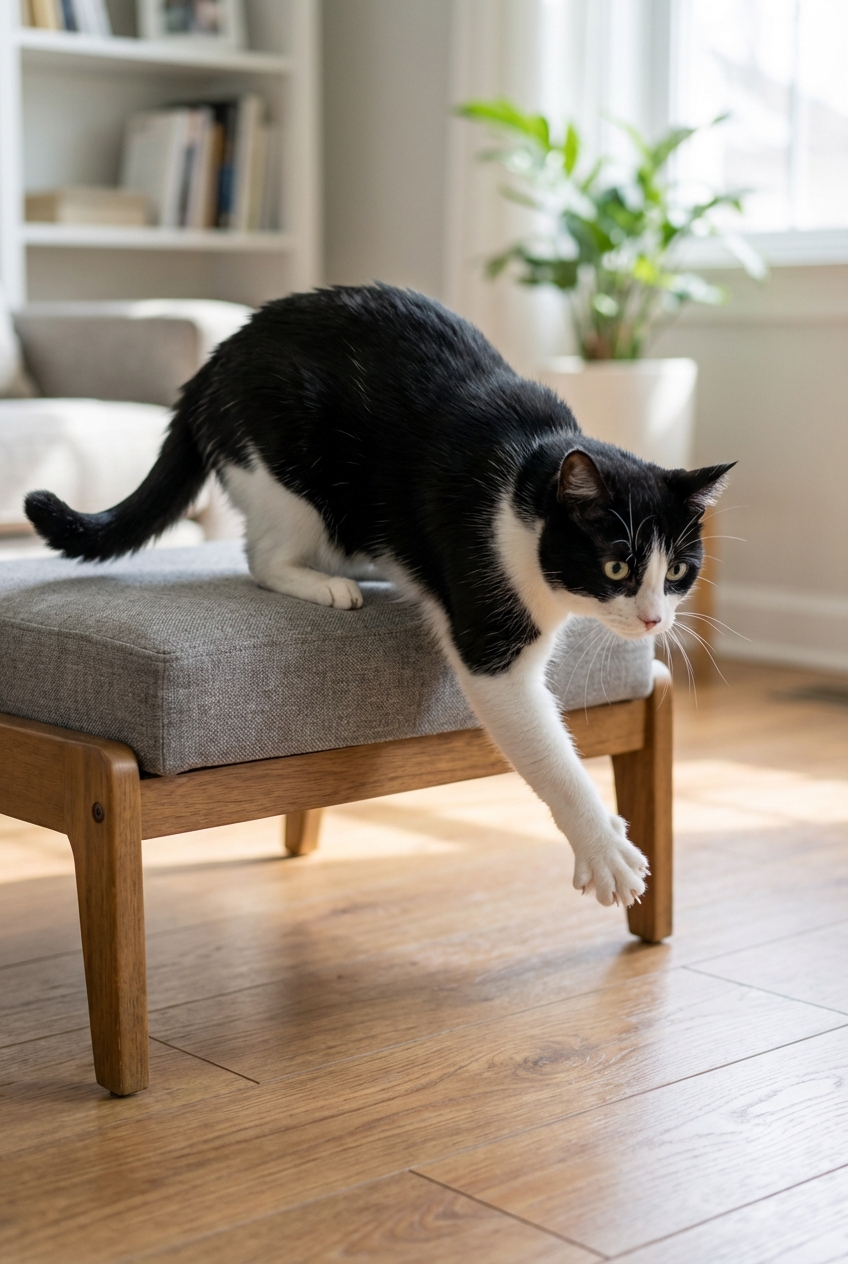
- Reluctance to jump up or down, choosing lower surfaces, or misjudging jumps
- Hunched posture, tucked abdomen, or guarding one side
- Head held lower than normal, or a tense, crouched stance
3) Reduced grooming or over-grooming one area
Healthy cats groom regularly. Pain can cause them to stop grooming (because bending hurts) or to lick one spot excessively (because it hurts there).
- Greasy coat, dandruff, or matted fur, especially over the back or hips
- Urine or fecal staining around the rear end
- Over-licking a joint or belly, sometimes leading to hair loss
4) Appetite, weight, and drinking changes
Pain can reduce appetite, especially with dental disease, nausea, or inflammation.
- Eating less, walking away from food, or acting hungry but not eating
- Dropped food, chewing on one side, or pawing at the mouth
- Slow, unexplained weight loss over time (a common clue with chronic disease)
- Increased or decreased thirst, which can signal important medical issues (sometimes urgent) and warrants a vet visit
5) Litter box changes (always take seriously)
Litter box changes are some of the most important pain clues because urinary and GI discomfort can become emergencies.
- Straining to urinate, frequent small trips, crying in the box
- Urinating outside the box, especially if the box is hard to access
- Constipation, hard stools, or straining to poop
- Diarrhea with discomfort or repeated urgent trips
If your cat is straining to urinate, producing little to no urine, or seems distressed, treat it as an emergency and contact an ER vet immediately.
6) Facial expression and “pain face”
We use validated pain scoring tools in veterinary medicine, including the Feline Grimace Scale, and facial cues matter more than many people realize.
- Squinted or half-closed eyes
- Ears angled outward or flattened
- Tense muzzle, whiskers pulled back or stiff
- Furrowed brow or a “worried” look

7) Vocalization changes
Some cats become quieter, but many become more vocal when painful.
- New yowling, growling, or hissing
- Crying when picked up or when jumping
- Nighttime yowling that is new or escalating
8) Breathing changes
Pain and stress can increase respiratory rate and effort. Always watch your cat when truly resting or asleep, not right after play.
- Faster-than-usual breathing at rest
- Shallow breaths, or abdomen moving more than normal
- Open-mouth breathing (urgent in cats)
To make this more objective, you can count breaths when your cat is asleep: one breath equals one rise and fall of the chest. Many healthy cats are around 20 to 30 breaths per minute at rest. Consistently higher than that, or any breathing effort, warrants an urgent call.
Any open-mouth breathing or obvious breathing distress is an emergency.
Common causes of pain in cats
Once you notice pain signs, the next step is figuring out the source. These are some of the pain causes I see most often in practice:
- Dental disease: gingivitis, tooth resorption, abscesses
- Arthritis: very common overall, and it can occur even in younger adult cats
- Urinary tract disease: cystitis, crystals, blockage in males
- GI issues: constipation, inflammatory bowel disease
- Injuries: falls, bites, sprains, nail injuries
- Skin and ear problems: infections, allergies causing intense discomfort
What to do if you suspect your cat is in pain
Step 1: Make a simple “pain notes” list
This helps your vet quickly connect the dots.
- When did it start, and did it come on suddenly or slowly?
- What exactly changed (jumping, grooming, appetite, litter box)?
- Is it worse in the morning, after activity, or after meals?
- Any recent falls, new pets, moving, or schedule changes?
Step 2: Call your veterinarian and describe the changes
Even if symptoms seem mild, cats can decline quickly. Your vet may recommend an exam, bloodwork, urinalysis, x-rays, or a dental evaluation depending on the signs.
Step 3: Do not give human pain medications
This is so important. Cats metabolize medications differently than people do, and many common human meds are dangerous to cats.
- Acetaminophen (Tylenol) can be fatal to cats.
- Ibuprofen and naproxen can cause severe kidney and GI damage.
Only use medications prescribed specifically for your cat.
Step 4: Support comfort at home while you wait
- Keep your cat in a quiet room with food, water, and a litter box nearby.
- Use a low-entry litter box if jumping or stepping in seems painful.
- Offer soft bedding and warmth, but allow space to move away from heat.
- Minimize handling, especially around painful areas.
When it is an emergency
Seek urgent care the same day if you notice any of the following:
- Straining to urinate, no urine produced, or crying in the litter box
- Open-mouth breathing or significant breathing effort
- Sudden inability to walk, collapse, or severe weakness
- Uncontrolled bleeding, obvious trauma, or suspected toxin exposure
- Repeated vomiting, especially with lethargy or belly pain
- Extreme lethargy or your cat is non-responsive
How pain is treated
Pain management is not one-size-fits-all. Your veterinarian may recommend a combination of treatments depending on the cause:
- Targeted medication for pain and inflammation
- Dental treatment if the mouth is the source
- Weight management to reduce joint strain
- Joint support options like vet-recommended supplements, mobility diets, or injections
- Environmental changes like pet stairs, ramps, and non-slip rugs
- Physical rehab and gentle activity plans for arthritis
What you want to see at home is simple: easier movement, more normal grooming, better appetite, calmer resting, and a return to your cat’s usual personality.
A gentle reminder
If you are reading this because you are worried, you are already doing something right. Cats do not need to be “crying” to be in real pain. Subtle signs count. And the sooner pain is addressed, the easier it is to treat and the better your cat will feel.
If you want, take a quick video of your cat walking, jumping, or using the litter box (if safe to do so). Those little clips can be incredibly helpful for your veterinarian.