Worried about chronic vomiting or diarrhea? Learn feline IBD signs, how vets diagnose it, and practical care: diet trials, meds, B12, probiotics, stress cont...
Article
•
Designer Mixes
Proven IBS in Cats: Insights & Help

Shari Shidate
Designer Mixes contributor
If your cat has ongoing diarrhea, vomiting, gas, or a poor appetite, it is easy to worry you are missing something serious. I see this concern a lot in veterinary settings, and one of the most common patterns behind chronic tummy trouble is what people often call “IBS.” In cats, the more accurate veterinary term is usually inflammatory bowel disease (IBD), because true “irritable bowel syndrome” is less clearly defined in cats than it is in humans.
The encouraging news is that many cats improve dramatically once you identify triggers, rule out look-alike diseases, and build a plan that supports the gut long-term.
IBS vs IBD in cats
When cat parents say IBS, they usually mean a chronic, relapsing digestive problem. Veterinarians often think in terms of:
- IBD: ongoing inflammation in the stomach and/or intestines. A definitive diagnosis is made with intestinal biopsies (histopathology). In real life, many cats are treated for suspected IBD after common causes are ruled out and response to therapy is assessed.
- Food-responsive enteropathy: chronic GI signs that improve with a strict diet change.
- Dysbiosis (microbiome imbalance): a shift in gut bacteria that may improve with diet changes, probiotics, and targeted gut support. Some older literature uses the term “antibiotic-responsive diarrhea,” but antibiotics are becoming less of a first-line choice due to antimicrobial resistance and because many cases respond to non-antibiotic strategies.
Using accurate terms helps your vet choose the right diagnostics and avoid trial and error that drags on for months.
Common signs of chronic intestinal upset
Cats can be subtle. Some show obvious diarrhea, while others only have “little clues” that add up over time.
Typical signs
- Diarrhea and/or increased stool frequency
- Recurrent vomiting (especially if it is becoming more frequent or is happening more than occasionally)
- Weight loss or failure to maintain weight
- Decreased appetite or picky eating that worsens over time
- Gas, abdominal noises, discomfort when picked up
- Dull coat, poor body condition
- Urgency, accidents outside the litter box
Large bowel vs small bowel hints
While not perfect, these clues can help your vet narrow the location:
- Large bowel: frequent small stools, mucus, bright red blood, straining.
- Small bowel: larger volume diarrhea, weight loss, sometimes normal frequency.
One quick note many people wonder about: hairballs can cause occasional vomiting, but frequent vomiting (even if hair shows up sometimes) still deserves a proper workup.
What causes it (and what mimics it)
Chronic GI signs are a symptom, not a final diagnosis. Before assuming IBD, your veterinarian will want to rule out common look-alikes.
Frequent underlying contributors
- Food sensitivity or intolerance: can be triggered by specific proteins or ingredients.
- Parasites: Giardia and Tritrichomonas can be missed without targeted tests.
- Chronic infections: less common, but possible.
- Stress and environment: changes in the home, new pets, or resource competition can worsen GI signs.
- Microbiome imbalance: the gut bacteria can shift after diet changes, illness, or antibiotics.
Important diseases to rule out
- Hyperthyroidism in older cats
- Pancreatitis and triaditis (gut, pancreas, liver inflammation)
- Exocrine pancreatic insufficiency (rare in cats, but can happen)
- Intestinal lymphoma, which can look very similar to IBD
Important safety reminder: if your cat is losing weight, refusing food, or vomiting repeatedly, please do not wait it out. Cats can develop hepatic lipidosis (fatty liver) if they stop eating, and that can become an emergency.
How vets diagnose chronic GI disease
A good diagnostic plan often saves money and stress in the long run because it prevents multiple unstructured diet and medication changes.
Common first steps
- History and exam: diet, treats, hunting behavior, stress, timing, stool details.
- Fecal testing: parasite exam plus targeted tests for Giardia and sometimes Tritrichomonas.
- Basic lab work: CBC, chemistry, urinalysis, and often total T4 in cats over about 7 years.
Next-level testing when needed
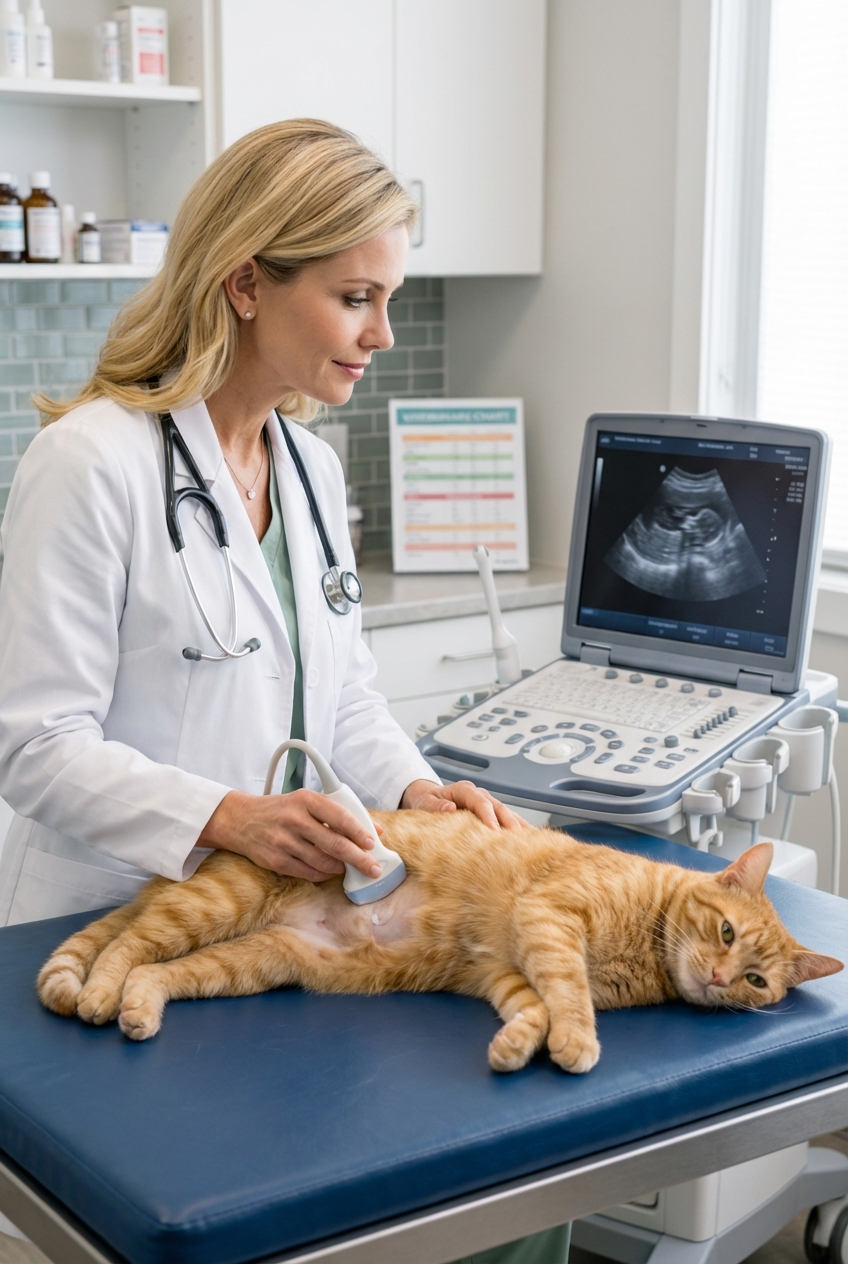
- Abdominal ultrasound: evaluates intestinal thickness, lymph nodes, liver, pancreas.
- GI bloodwork: cobalamin (B12), folate, and feline pancreatic lipase.
- Endoscopy or surgical biopsies: the most definitive way to diagnose IBD and help differentiate it from other conditions, including some cancers.
Because IBD and small-cell lymphoma can overlap, biopsy interpretation can sometimes be tricky. In select cases, your vet may discuss additional testing (such as special stains or PARR) to help clarify the diagnosis.
What actually helps most cats
Successful management is usually a combination of nutrition, gut support, and the right medication plan. Many cats do best with a layered approach rather than one magic solution.
1) Nutrition
Diet trials can be incredibly effective when done correctly. The key word is strict. No flavored medications, no treats, no table foods unless your veterinarian approves them for the trial.
- Novel protein diet: a protein your cat has not eaten before (example: rabbit or venison) to reduce immune triggers.
- Hydrolyzed protein diet: proteins broken down to reduce allergic response.
- Highly digestible GI diets: sometimes used short-term to settle the gut. These can improve symptoms, but they are not the same as an elimination diet trial for diagnosing food sensitivity.
How long to trial a diet: many veterinarians recommend 8 to 12 weeks for a true food trial, unless symptoms become severe.
2) Support the microbiome
Some cats benefit from probiotics, especially during transitions. Evidence is product-specific and quality varies a lot, so choose products your veterinarian trusts. If your cat is immunosuppressed or very ill, always check first before using probiotics.
- Ask your vet about probiotics and prebiotic fibers that match your cat’s symptoms.
- Introduce changes slowly to avoid worsening diarrhea.
3) Correct cobalamin (B12) when low
Low B12 is common in chronic intestinal disease and can contribute to weight loss, poor appetite, and persistent diarrhea. B12 supplementation is often simple and can be very helpful, typically as injections or oral therapy depending on your vet’s guidance.
4) Medications when diet alone is not enough
Medication choices depend on the suspected cause and test results. Options may include:
- Anti-nausea medications to control vomiting and support appetite
- Appetite stimulants when intake is poor
- Anti-inflammatory therapy such as corticosteroids for IBD, used thoughtfully with monitoring
- Immunosuppressive medications for more severe cases
- Deworming and targeted parasite treatment even when fecals are negative, based on risk
It is best not to start leftover medications at home. In cats, dosing errors and hidden conditions can make that risky. Also, steroids can affect other diseases (like diabetes) and can interfere with certain diagnostic steps in some cats, so your vet may want specific tests done before starting them.
At-home care that helps
Make meals easy on the gut
- Switch foods slowly unless your vet instructs otherwise.
- Offer smaller, more frequent meals for cats that vomit after large meals.
- Prioritize hydration: wet food often helps, and some cats drink more from fountains.
Reduce stress
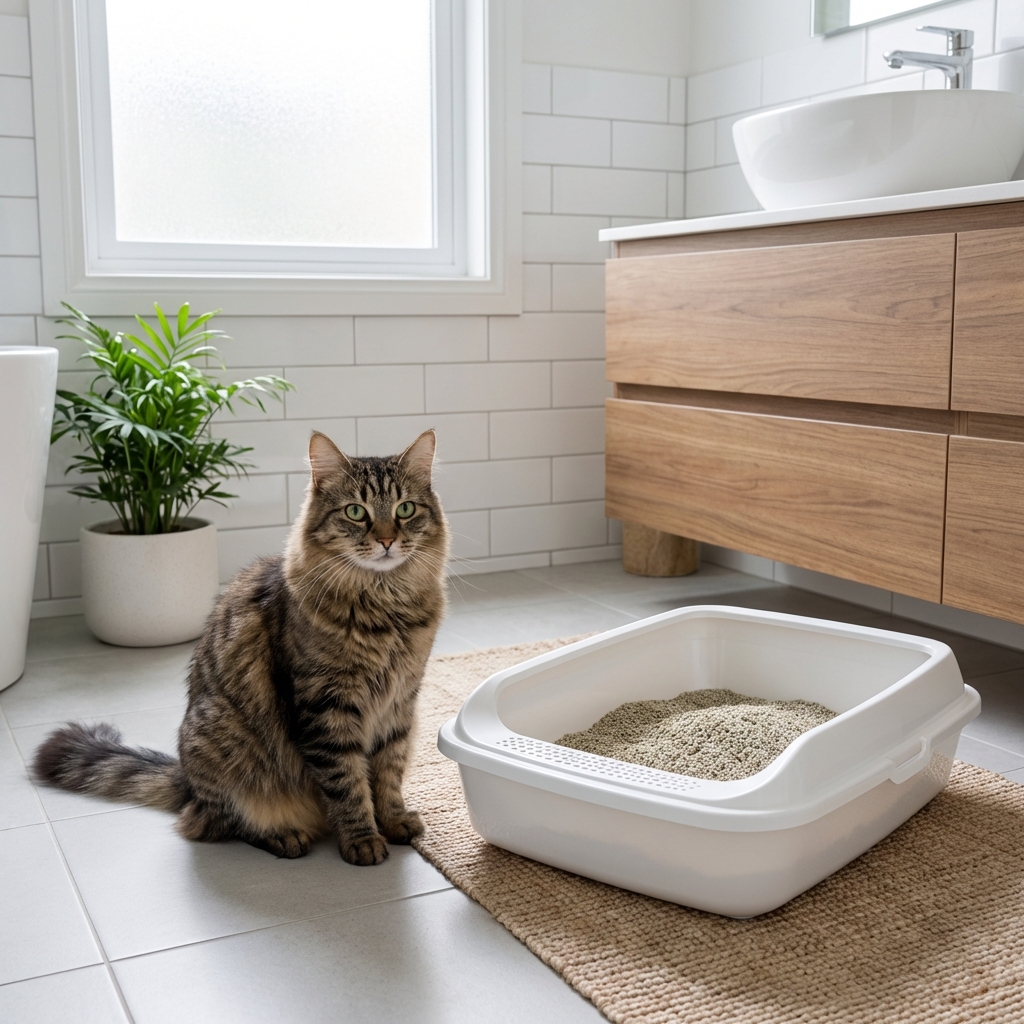
- Keep litter boxes clean, plentiful, and in quiet locations.
- Provide predictable routines for feeding and play.
- Make sure resources are not shared under pressure in multi-cat homes (multiple bowls, water stations, and resting spots).
Track symptoms like a detective
This is one of the most evidence-based things you can do at home.
- Stool consistency and frequency
- Vomiting frequency and timing
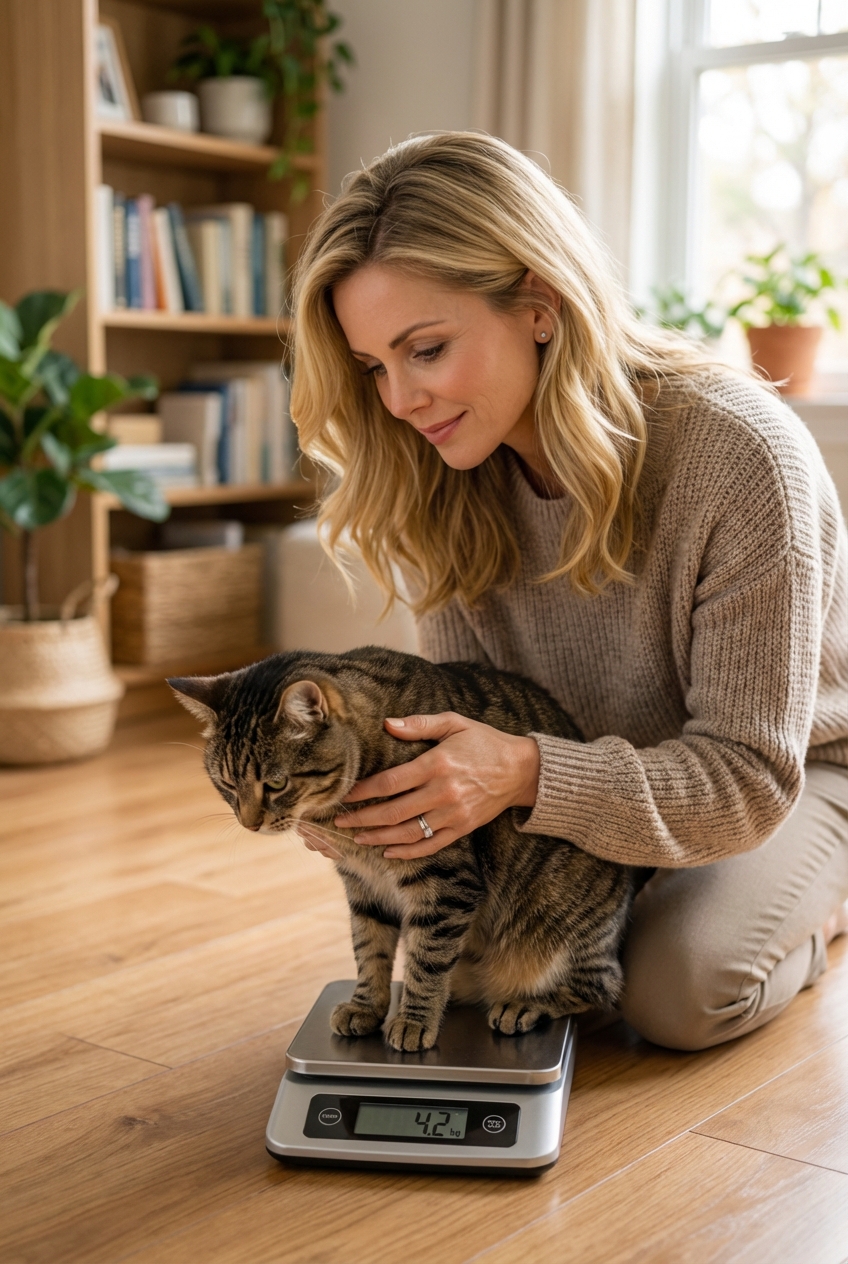
- Weekly weight checks (baby scale is ideal)
- Exact diet and treat intake
Red flags
Chronic GI issues can flare into an emergency. Contact your veterinarian or an emergency clinic right away if you notice:
- Repeated vomiting in a single day
- Blood in vomit or black, tarry stool
- Severe lethargy, collapse, or dehydration
- Refusing food for 24 hours (or 12 hours for kittens), or sooner if your cat seems unwell or has other medical conditions
- Rapid weight loss
- Suspected foreign body ingestion (string, ribbon, toys)
What to ask your vet
- Do my cat’s signs fit more with large bowel or small bowel disease?
- Which fecal tests are we running (Giardia, Tritrichomonas)?
- Should we check B12, folate, and pancreatic markers?
- Is an ultrasound appropriate now, or after a diet trial?
- What exact diet trial do you recommend, and what counts as breaking the trial?
- What is our plan if symptoms return after improvement?
With a clear plan and steady follow-through, many cats with chronic intestinal disease can feel comfortable again, maintain a healthy weight, and enjoy their meals without the constant cycle of upset stomach.