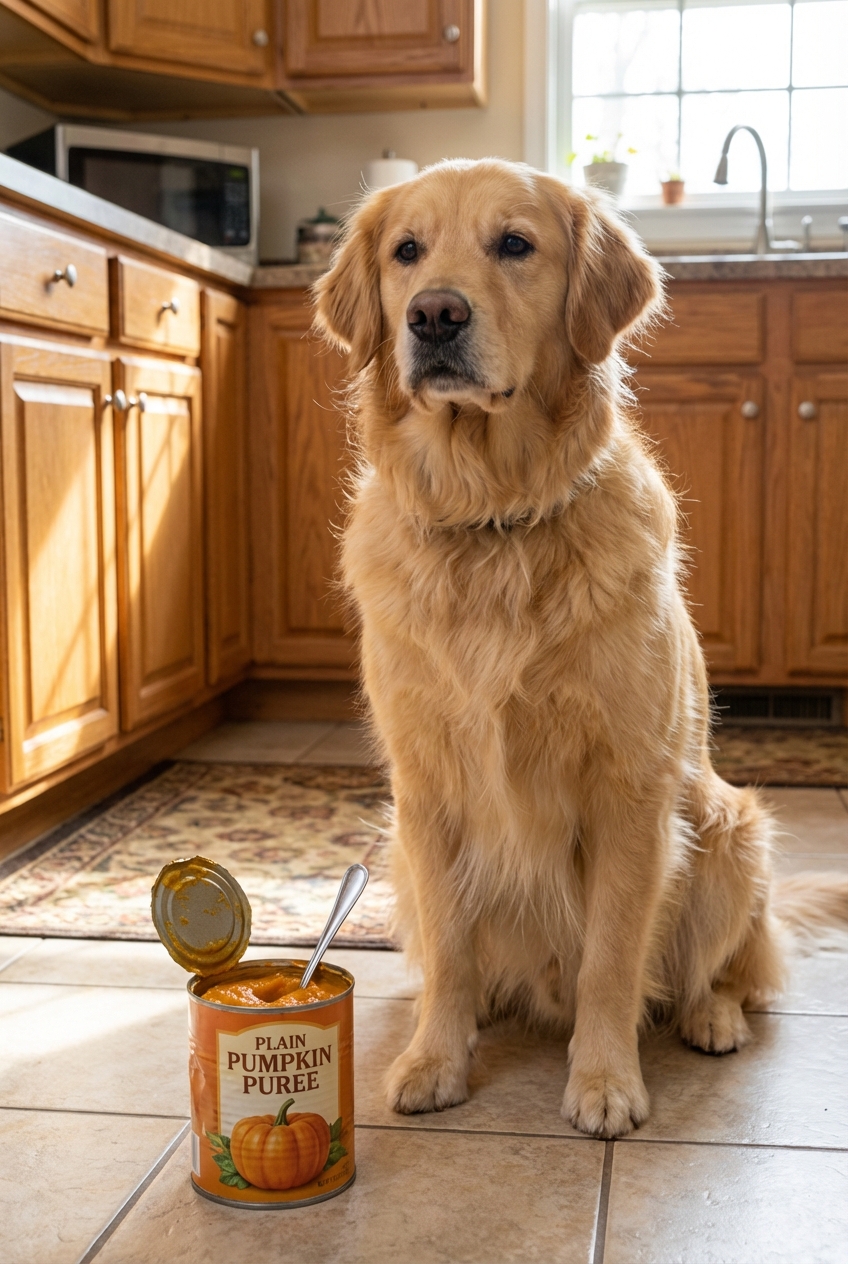
A practical 24–72 hour diet and hydration plan for mild dog diarrhea, with bland food options, safe add-ons like probiotics, foods to avoid, and clear red ...
Article
•
Designer Mixes
Probiotics for Dogs

Shari Shidate
Designer Mixes contributor
As a veterinary assistant here in Frisco, Texas, I hear a version of the same question almost every week: “Should my dog be on a probiotic?” The helpful answer is: sometimes. Probiotics can be very useful in specific situations, but many healthy dogs do just fine without them.
Probiotics are live, beneficial microorganisms (usually bacteria or yeast) that support a healthy gut. And because the gut is tied to digestion, immunity, and skin health, the right probiotic can make a noticeable difference for some dogs. There is also growing interest in the gut brain connection. In dogs, the research is still emerging, so I frame it as: gut health may influence stress responses and overall wellbeing, rather than promising a “mood” fix.
What probiotics do
Your dog’s digestive tract is home to billions to trillions of microbes. When that community is balanced, it helps with:
- Breaking down food and producing helpful compounds like short-chain fatty acids
- Supporting the immune system since a large portion of immune activity is connected to the gut
- Protecting the intestinal lining and crowding out harmful bacteria
- Keeping stools normal, meaning fewer “surprises” like loose stool or mucus
Probiotics are not the same as prebiotics. Prebiotics are fibers that feed beneficial bacteria. Many of the best dog products include both, often called a synbiotic.
Benefits you may notice
Results vary by dog, but these are the most common benefits owners report, and they line up with what we see in clinics and what research supports.
1) Better stool quality
Probiotics can help during stress-related diarrhea (boarding, travel), mild digestive upset, and sometimes as support during diet transitions. Some strains may also help shorten the duration of acute diarrhea when used appropriately.
2) Support during and after antibiotics
Antibiotics can disrupt the gut microbiome, which is why some dogs develop diarrhea while taking them. A quality probiotic may help reduce antibiotic-associated diarrhea. Timing matters here, which I cover below.
3) Less gas and bloating
If your dog is gassy, probiotics may help, especially when the gas is related to mild dysbiosis (microbial imbalance) or a sudden food change.
4) Skin and allergy support (for some dogs)
The gut skin connection is real. In some dogs with allergic itch or recurring ear and skin issues, improving gut balance may help as one part of a bigger plan that includes diet, parasite control, and veterinary guidance.
5) Immune support
Healthy gut flora helps the immune system respond appropriately. This does not mean probiotics prevent all illness, but they can be a helpful piece for some dogs with sensitive systems.
Probiotics are not a cure-all. They work best when you match the product to the goal and give it enough time, often a few weeks, to see meaningful change.
When they help most
If you are wondering whether probiotics are worth trying, these are the scenarios where I see them used most often.
- Puppies adjusting to new food and new environments
- Dogs with stress diarrhea from travel, grooming, boarding, or storms
- During or after antibiotics (with correct spacing)
- Dogs transitioning foods, especially to higher-protein or higher-fiber diets
- Seniors who have slower digestion or less resilient gut balance
If your dog has persistent diarrhea, blood in stool, repeated vomiting, weight loss, or lethargy, please treat that as a medical issue, not a supplement issue. Probiotics can be supportive, but they should not delay diagnostics.
Best options
You have two main routes, and many dogs do well with a combination. The key difference is dosing reliability.
Option A: probiotic foods
These can be a nice add-on for healthy dogs, but the probiotic amount is not standardized like a veterinary supplement.
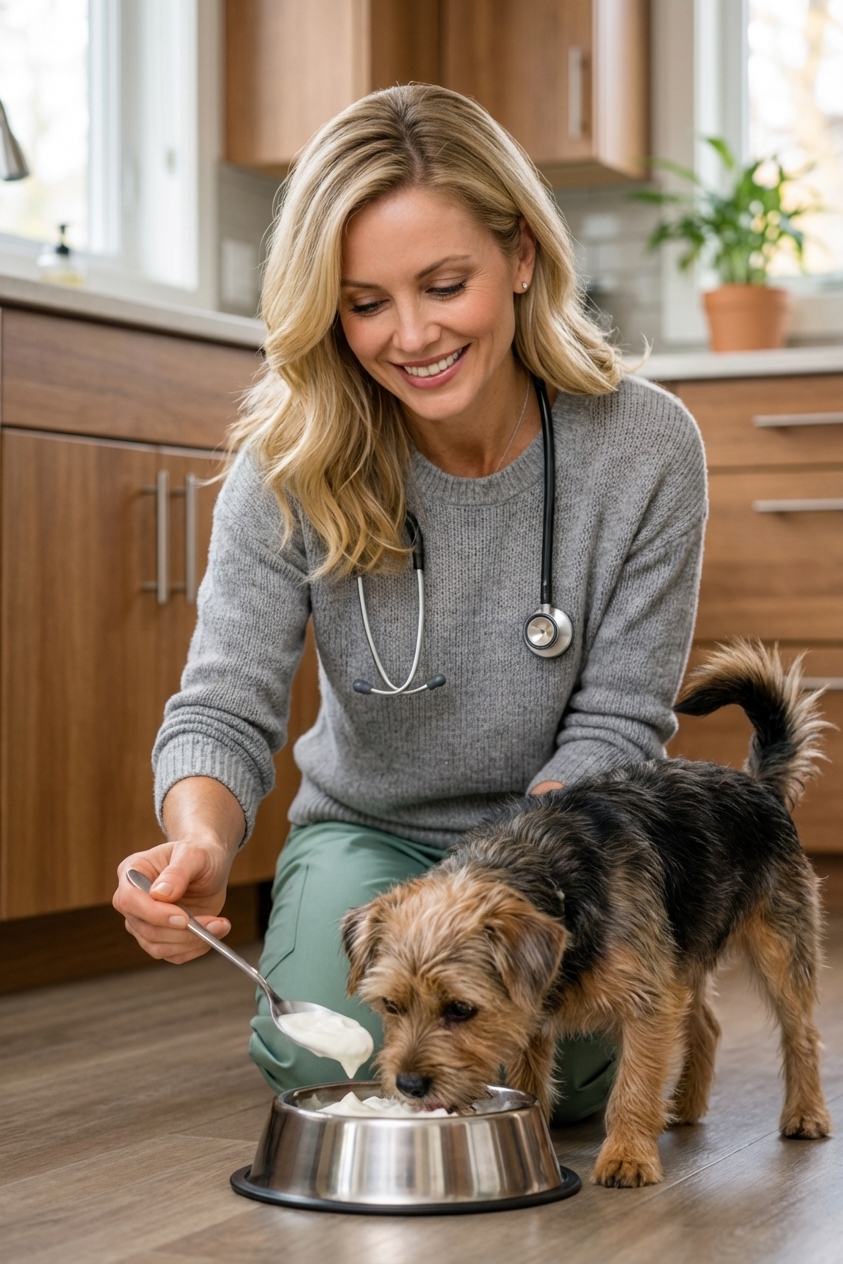
- Plain kefir (unsweetened, no xylitol): often easier to digest than milk
- Plain yogurt (no sugar, no xylitol): choose live-active cultures
A note on fermented veggies: Many are high in sodium, spices, or ingredients that do not agree with dogs. Unless your veterinarian specifically okays a dog-safe, low-salt option, I usually recommend skipping fermented vegetables and sticking with a canine probiotic instead.
Important: Many dogs are sensitive to dairy. If yogurt or kefir causes loose stool, skip it and use a canine-specific supplement instead.
Option B: canine probiotic supplements
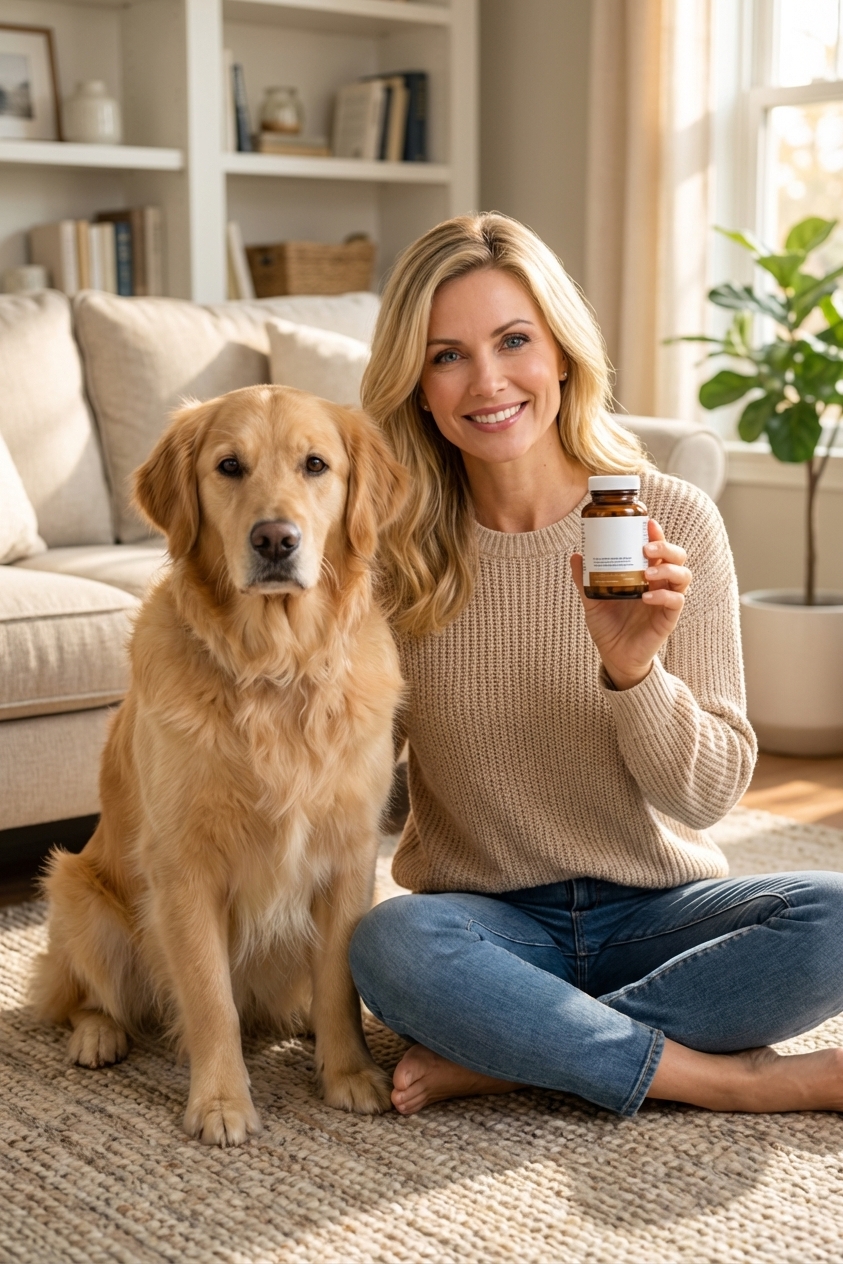
This is my go-to when a dog truly needs reliable dosing. Look for:
- Specific strains listed (not just “proprietary blend”)
- CFU count (colony forming units) on the label
- Expiration date and storage instructions you can follow (some require refrigeration, some are shelf-stable)
- Quality markers like the NASC Quality Seal and strong manufacturer transparency (batch testing, clear contact info)
Strains with evidence in dogs
Different strains do different things. Common, studied options in dogs include:
- Enterococcus faecium (specific veterinary strains such as SF68) for diarrhea support. Strain matters here.
- Lactobacillus species for general gut support
- Bifidobacterium species for stool quality and microbiome balance
- Saccharomyces boulardii (a beneficial yeast) often used for acute diarrhea and during antibiotics
Not every product contains every strain, and that is okay. The best product is the one that matches your dog’s need and that your dog tolerates well.
How much to give
Dosage depends on the strain, the product, and the health goal. Always follow your veterinarian’s advice and the label of the product you choose.
Because CFU recommendations vary widely by strain and formula, I treat the ranges below as common label and clinic ranges, not one-size-fits-all “rules.” If your dog has ongoing GI issues or is medically complex, ask your vet for a specific plan.
Typical daily ranges for general support
- Small dogs (under 20 lb): about 1 to 5 billion CFU per day
- Medium dogs (20 to 60 lb): about 5 to 10 billion CFU per day
- Large dogs (over 60 lb): about 10 to 20 billion CFU per day
During acute diarrhea or higher-need situations
Many veterinarians temporarily increase CFUs or add S. boulardii. The exact dose varies by product, so it is worth asking your vet for a specific plan if diarrhea is moderate, recurring, or your dog seems unwell.
How fast will it work?
- Acute diarrhea support: some dogs improve within 1 to 3 days
- Chronic stool or gas issues: usually 2 to 4 weeks
- Skin and allergy support: often 4 to 8 weeks, and usually alongside other changes
If diarrhea is not improving quickly, is severe, or comes with blood, repeated vomiting, or lethargy, call your veterinarian.
Probiotics with antibiotics
If your dog is on antibiotics, give the probiotic at least 2 to 3 hours apart from the antibiotic dose to help more beneficial organisms survive. Many vets recommend continuing for 1 to 2 weeks after finishing antibiotics, unless your vet recommends longer.
Safety and side effects
Most healthy dogs tolerate probiotics very well. When side effects happen, they are usually mild and temporary.
Possible side effects
- Soft stool or mild diarrhea in the first few days
- Temporary gas
- Occasional constipation if the product includes certain fibers
When to stop and call your vet
- Diarrhea that worsens or does not improve
- Vomiting, refusal to eat, or new lethargy
- Hives, facial swelling, or intense itching (possible allergy)
- Blood in stool, black tarry stool, or dehydration signs
Use extra caution and talk to your veterinarian first if your dog:
- Is immunocompromised (cancer treatment, immune disease, high-dose steroids)
- Has a central line or serious systemic illness
- Has a history of pancreatitis (some products include added fats or rich flavorings)
- Has chronic GI disease (like IBD), where the plan should be more tailored
A big safety note: never give products sweetened with xylitol. It is extremely toxic to dogs.
How to choose one
If you feel overwhelmed in the supplement aisle, you are not alone. Here is a simple checklist that keeps it practical and evidence-based:
- Pick a goal: loose stool, antibiotics, gas, sensitive stomach, general support
- Choose a dog-specific product or a veterinary-recommended brand
- Look for strain names and CFUs, not just marketing claims
- Check quality signals: NASC Quality Seal, clear labeling, expiration date, proper storage
- Choose a form you will actually use: powder, chew, capsule, paste
- Start low and go slow, especially for sensitive dogs
If your dog does not improve after 3 to 4 weeks on a quality product, that is useful information. It may mean the strain is not the right match, the dose needs adjusting, or something else is going on medically.
Probiotics vs FMT
If you have heard of “poop pills” or fecal transplants, that is a different category. Fecal microbiota transplant (FMT) is a medical procedure that transfers intestinal microbes from a screened donor to a patient. It is not the same as an over-the-counter probiotic, and it should only be done under veterinary direction.
A simple start plan
If your dog is generally healthy and you just want to support the gut, here is a gentle approach I often suggest:
- Week 1: Start at about half the label dose.
- Week 2: Increase to the full label dose if stools look normal.
- Week 3 to 4: Reassess energy, stool, gas, itchiness, and appetite.
And if you are switching foods at the same time, do one change at a time when possible. It makes it much easier to tell what is helping and what is not.
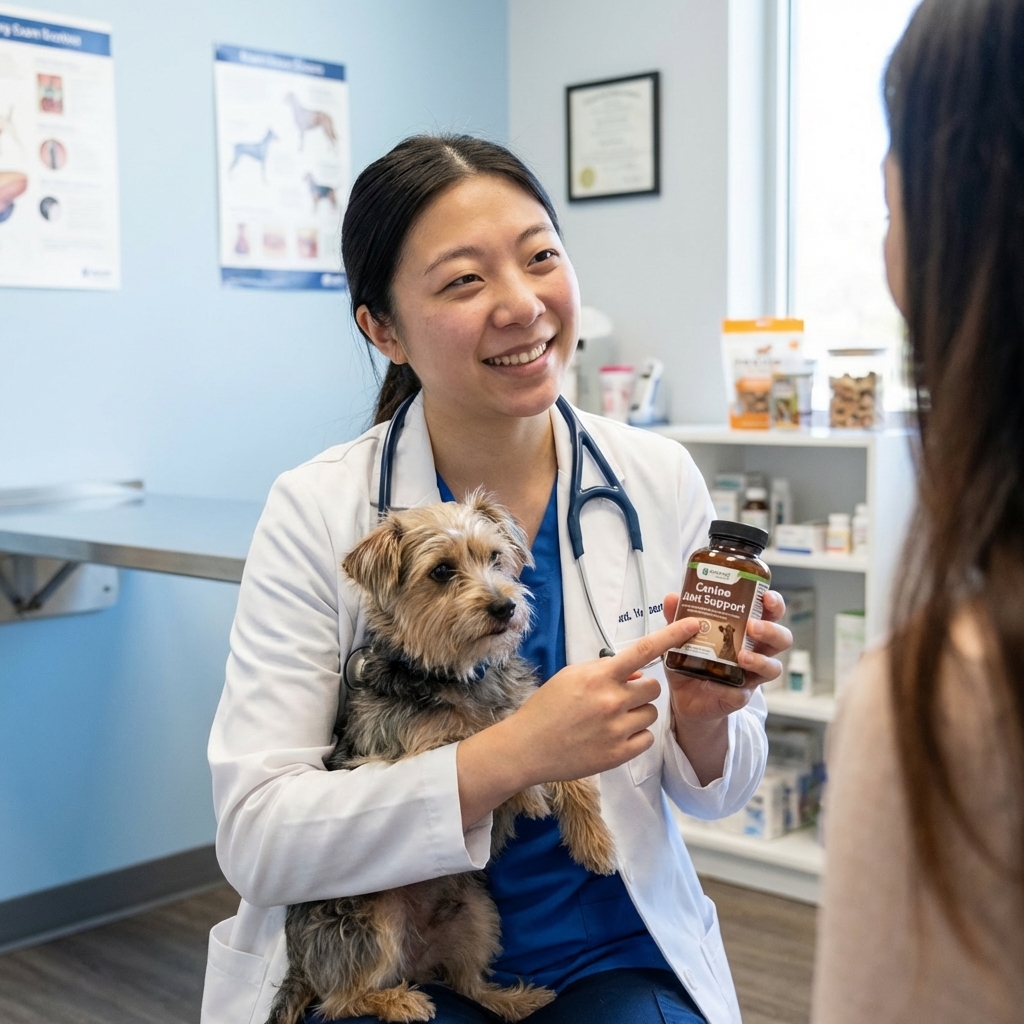
The bottom line: Probiotics can be a great tool for some dogs, especially for stool quality and during stress or antibiotics. Choose a product with clear strains and CFU labeling, start slowly, and let your dog’s poop be your guide. If something looks off or symptoms are persistent, partner with your veterinarian so you get the safest, fastest path to feeling better.