A veterinary assistant’s guide to cat diarrhea: common causes, small vs. large bowel clues, safe home steps, what not to do, and when to call urgent care.
Article
•
Designer Mixes
Probiotics for Cats

Shari Shidate
Designer Mixes contributor
If your cat has ever dealt with messy litter box days, gas, vomiting, or that on-and-off “sensitive stomach” phase, you have probably heard someone mention probiotics. As a veterinary assistant, I like probiotics because they are simple, targeted, and supported by real research in both human and veterinary medicine. They are not a cure-all, but for the right cat and the right situation, they can make a noticeable difference.
This guide covers what probiotics do for cats, which strains have the best evidence, safe food sources, when to start them, and practical dosing tips. I will also share the most common mistakes I see so you can avoid wasting money or upsetting your cat’s stomach further.
What probiotics are (and what they are not)
Probiotics are live microorganisms, usually beneficial bacteria or yeast, that can support a healthy balance of microbes in the gut. In cats, that balance can influence digestion, stool quality, immune signaling, and inflammation in the intestines.
Probiotics are not the same as:
- Prebiotics: fibers that feed beneficial gut bacteria (for example, inulin, fructooligosaccharides or FOS).
- Digestive enzymes: proteins that help break down food.
- Antidiarrheal medications: which slow gut movement or bind toxins, sometimes helpful short term but not the same as supporting the microbiome.
Also important: “More bacteria” is not always better. The best probiotic for cats is the one that uses strains studied in cats or used in veterinary products with evidence in companion animals, has quality control, and matches your cat’s specific issue.
Benefits of probiotics for cats
Your cat’s intestinal tract is home to a complex community of microbes. When that community is disrupted, you may see diarrhea, constipation, gas, poor appetite, or flare-ups of chronic GI conditions. Probiotics may help by competing with undesirable organisms, supporting the gut barrier, and influencing immune function.
Digestive support
- Firmer, more consistent stools, especially after diet changes or mild stress.
- Support during acute diarrhea when used alongside vet guidance and proper hydration.
- Better tolerance of dietary transitions when you are switching foods slowly.
- May reduce gas and bloating in some cats.
Immune and inflammation support
- Immune modulation: a large portion of the immune system is associated with the gut, and some probiotics may influence how the immune system reacts.
- Support for chronic intestinal inflammation in some cats with IBD or food sensitivities, usually as part of a bigger plan (diet trials, B12, medications when needed).
- May help reduce antibiotic-associated diarrhea by supporting microbial balance during or after treatment.
Important expectation: probiotics are typically a “steady improvement over days to weeks,” not an instant fix in 24 hours, especially for chronic issues.
Best probiotic strains for cats
Not all probiotic strains act the same way. For cats, the strongest practical evidence tends to center on a handful of organisms that have been studied in pets and are commonly used in veterinary products.
1) Enterococcus faecium (SF68)
This is one of the best-known veterinary probiotic strains and is used in several products designed for dogs and cats. It has evidence for helping support stool quality, especially during stress or dietary changes.
2) Saccharomyces boulardii
This is a beneficial yeast, not a bacterium. It is often used for diarrhea support, including antibiotic-associated diarrhea, because it is not killed by antibiotics the way bacterial probiotics can be. It may also help with toxin binding and gut lining support.
3) Lactobacillus species
Common strains include Lactobacillus acidophilus, L. rhamnosus, and others depending on the product. Lactobacillus strains are often used for general digestive support, particularly in multi-strain blends.
4) Bifidobacterium species
Often included in combination formulas, these strains can support healthy fermentation patterns in the colon and may help some cats with stool consistency.
Tip from the clinic: Choose products that list the full strain name (not just “Lactobacillus”), provide a CFU count through the expiration date, and have storage instructions that make sense (some need refrigeration, some do not).
Food sources of probiotics safe for cats
Food-based probiotics can work for some cats, but cats are picky, lactose sensitive more often than people realize, and they do best with simple ingredients. If your cat has chronic GI disease, pancreatitis, or is immunocompromised, talk with your veterinarian before offering fermented foods.
Cat-safe options (small amounts)
- Plain kefir (unsweetened, no xylitol): Often better tolerated than milk because much of the lactose is fermented. Start with tiny amounts.
- Plain yogurt (unsweetened): Choose simple, no added sugar, no flavorings. Many cats still cannot tolerate it due to lactose.
- Fermented goat milk products made for pets: These are often formulated with pets in mind and can be easier to dose.
Foods to avoid
- Sweetened yogurt or anything with artificial sweeteners. Avoid xylitol in particular. It is highly toxic to dogs, and safety in cats is not well established.
- Kombucha: sugar, caffeine, and variable fermentation make it a poor choice for pets.
- Fermented vegetables like kimchi or sauerkraut: too salty and often seasoned with ingredients that can be irritating or unsafe.
My practical take: If your goal is a therapeutic probiotic effect for diarrhea or IBD, a veterinary probiotic supplement is usually more reliable than food sources. Food sources can be a gentle “bonus” for cats that tolerate them well.
When to use probiotics for cats
Probiotics are most helpful when there is a clear reason the gut microbiome may be disrupted. Here are the most common situations where veterinarians recommend them.
After antibiotics (or during, with timing)
Antibiotics can reduce harmful bacteria, but they can also disrupt beneficial bacteria. Many vets recommend probiotics during and after antibiotics to help reduce GI side effects.
- Timing: give the probiotic at least 2 hours away from the antibiotic unless your veterinarian advises otherwise.
- Exception: Saccharomyces boulardii is a yeast and is not inactivated by antibiotics, which can make it especially useful in these cases.
Chronic diarrhea or recurring soft stools
If your cat has frequent loose stools, probiotics can be part of the plan, but they should not replace a proper workup. Chronic diarrhea can be caused by parasites, food intolerance, IBD, hyperthyroidism, pancreatitis, infections, or even certain medications.
In the clinic, we treat probiotics as supportive care, not a substitute for diagnostics when symptoms persist.
IBD and chronic GI inflammation
Some cats with inflammatory bowel disease benefit from probiotics as supportive care, especially alongside diet changes (novel protein or hydrolyzed diets) and vet prescribed medications when needed. Results vary by cat.
Stressful events
Cats are sensitive to stress, and stress can change gut motility and microbiome balance. Consider probiotics during:
- Moving homes
- New pets or new babies
- Boarding
- Travel
- Major schedule changes
Constipation (sometimes)
Probiotics can help some constipated cats, especially if stool quality improves with better gut function. That said, constipation often needs hydration support, diet changes, and sometimes vet prescribed laxatives. If your cat is straining, painful, or not passing stool, contact your vet promptly.
Dosing tips (safer approach)
Important: probiotic dosing is not well standardized across all veterinary guidelines, and products vary widely by strain, CFU count, and use case (acute diarrhea versus maintenance). The safest rule is to follow your product label and your veterinarian’s instructions first.
Here is the approach we typically use to keep things gentle and realistic for cat owners.
Start low and increase slowly
- Start at 1/4 to 1/2 of the label dose for 3 to 5 days.
- If stools stay stable, work up to the full label dose.
- If you see gas or looser stools, pause or drop back to the previous dose and move up more slowly.
Picking a target (what I tell clients)
If the label provides a range by weight, choose the lower end for sensitive cats and the higher end for larger cats. If the label is not cat-specific, ask your veterinarian before using it.
Saccharomyces boulardii for diarrhea
Saccharomyces boulardii products are especially variable. Some list potency in CFU, others in mg, and the “right” amount depends on the exact product and the situation. For that reason, I recommend using the manufacturer’s directions or asking your vet for a product-specific plan, particularly for kittens, seniors, and cats with other medical issues.
Food-based options (kefir or yogurt)
These are not standardized, so keep amounts very small:
- Small cats: start with 1/4 teaspoon daily
- Average cats: start with 1/2 teaspoon daily
- Large cats: start with 1 teaspoon daily
Stop if you notice worsening gas, vomiting, or diarrhea.
Do not use probiotics to delay care
This is the part I say gently but clearly in the exam room: probiotics are supportive, but they are not a “wait it out” tool when the risk is high.
- Kittens can dehydrate quickly. If a kitten has diarrhea, call your vet sooner rather than later.
- Suspected obstruction: repeated vomiting, a painful belly, and little to no stool can be an emergency.
- Severe illness: lethargy, collapse, pale gums, or refusing food and water needs veterinary attention, not supplements.
Basics that pair well with probiotics
If your cat has diarrhea or soft stool, probiotics work best alongside the basics:
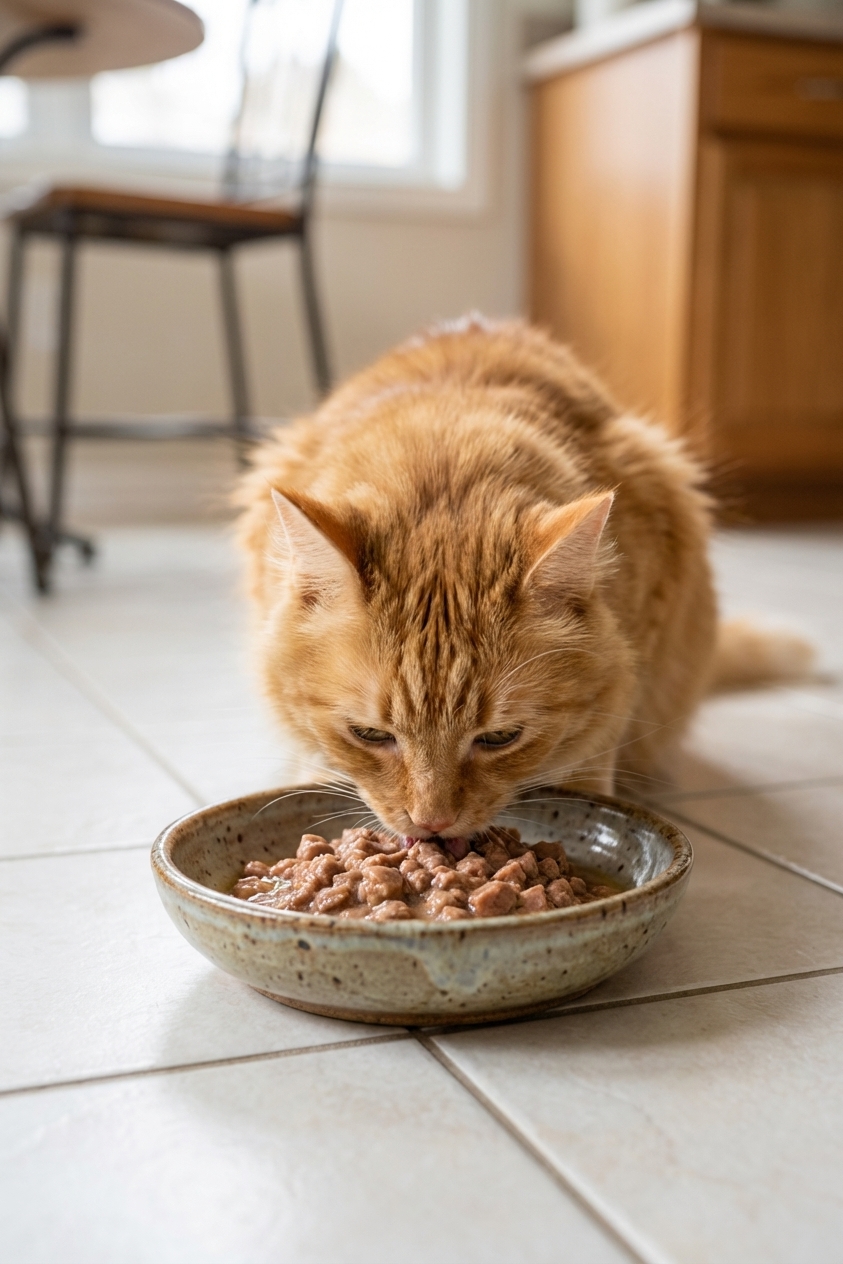
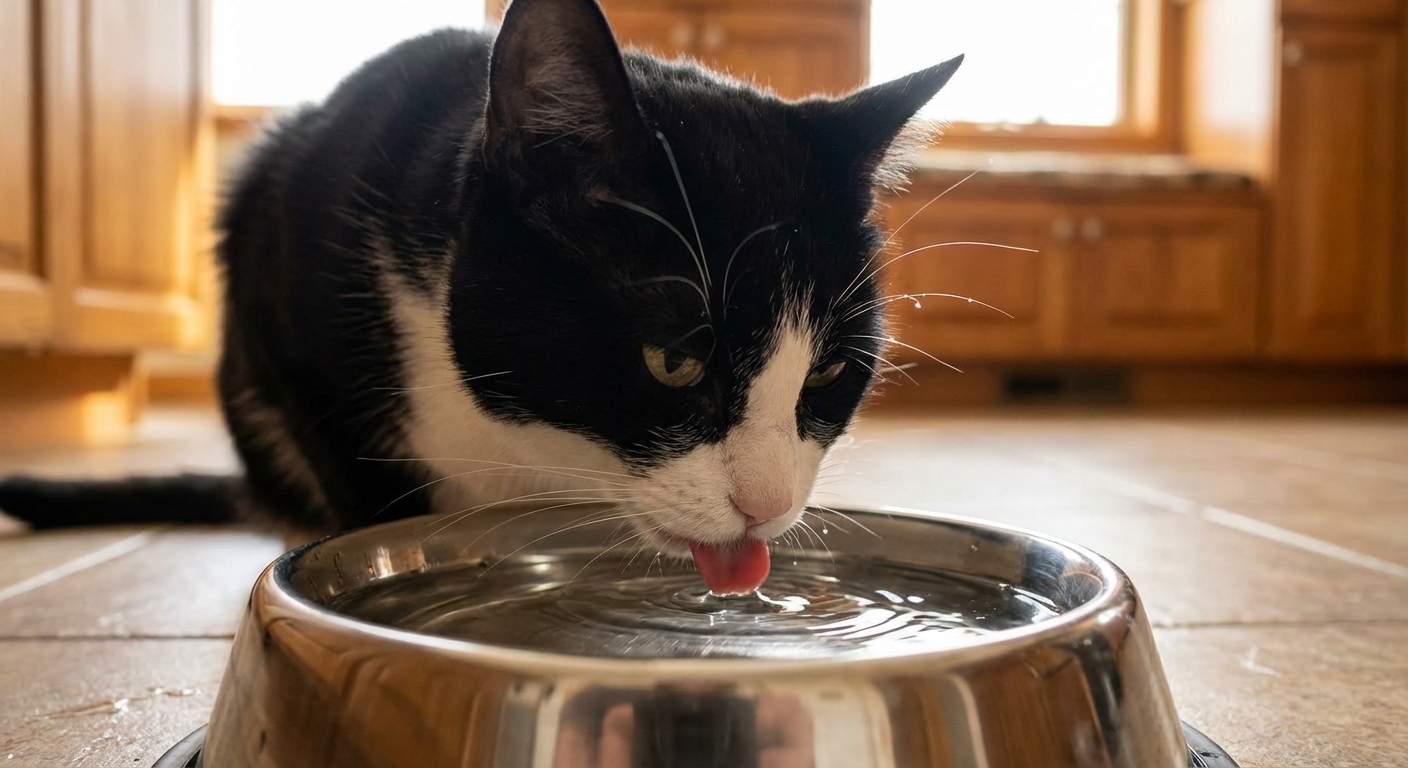
- Hydration: wet food, fresh water, and vet-recommended fluids when needed.
- Stool testing: parasites are common and treatable, and they are easy to miss without testing.
- Diet consistency: avoid rapid food changes and too many new treats at once.
- Vet guidance on diet: “bland diets” are not right for every cat, especially long term, so use them only if your vet recommends it.
How to choose a good probiotic
Pet supplement quality varies. Here is what I recommend looking for:
- Cat-specific labeling or clear dosing instructions for cats.
- Full strain identification when available (for example, Enterococcus faecium SF68).
- CFU listed through expiration, not “at time of manufacture” only.
- Storage directions you can follow: heat and humidity kill probiotics. Do not store near the stove or in a hot garage.
- Simple ingredients: avoid unnecessary flavors if your cat has sensitivities.
- Reputable brands: ideally with third-party testing or a strong veterinary track record.
Quick note on synbiotics: some products combine a probiotic with a prebiotic (a synbiotic). That can be helpful, but prebiotics can also increase gas in some cats, which is another reason to start low.
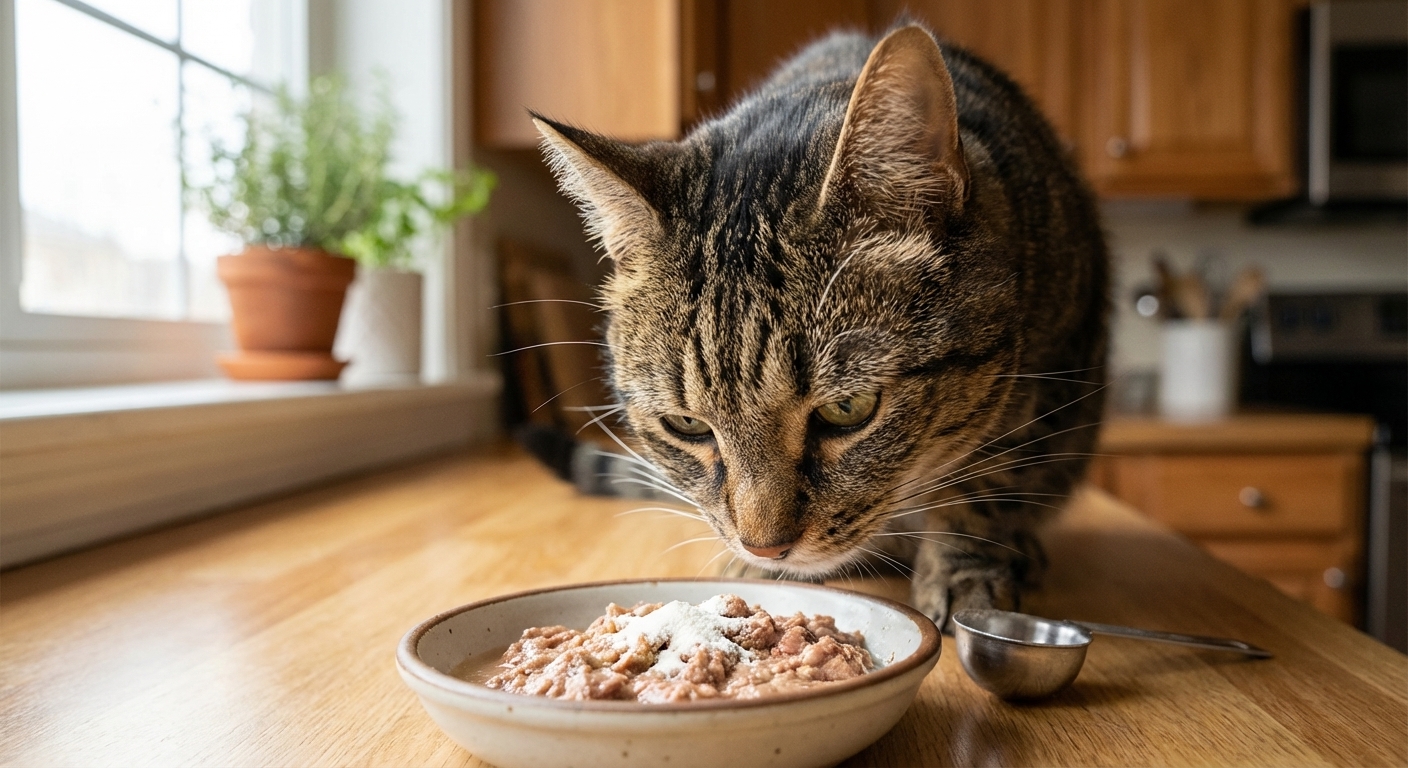
Delivery forms: powders mix easily into wet food, capsules can be opened and sprinkled, and pastes are often easiest during active diarrhea when appetite is low.
How long probiotics take to work
For mild digestive upset, some cats show improvement in stool quality within 2 to 5 days. For chronic issues like IBD, it may take 3 to 6 weeks to judge whether a specific probiotic is helping.
If you are not seeing any improvement after a reasonable trial, do not keep rotating products week after week. Pick one high-quality option, trial it consistently, and talk with your vet about what to test next.
Side effects and when to call the vet
Most healthy cats tolerate probiotics well, especially when introduced slowly. Possible side effects include:
- Temporary gas
- Mild bloating
- Looser stool for a day or two if started at full dose
Call your veterinarian promptly if your cat has:
- Diarrhea lasting more than 24 to 48 hours, especially in kittens or seniors
- Vomiting plus diarrhea
- Blood or black, tarry stools
- Lethargy, refusal to eat, signs of dehydration
- Known immune suppression (FIV, FeLV, chemotherapy, high-dose steroids) and you want to start a probiotic
If your cat is losing fluids through diarrhea, hydration matters as much as gut support. A probiotic can help, but it cannot replace fluids, calories, and medical care when needed.
Easy ways to give probiotics
- Mix into a spoonful of wet food first, then offer the rest of the meal once they eat it.
- Use a strong-smelling topper like a small amount of tuna water (no onion or garlic ingredients) to mask the scent.
- Try a paste format during active diarrhea when appetite is low.
- Be consistent: same time each day helps you track results.
If your cat refuses food when you mix the probiotic in, stop and switch strategies. The goal is less stress, not more.
Key takeaways
- Probiotics can support feline digestive health and immune function, especially after antibiotics, during stress, and with some chronic GI conditions.
- Look for evidence-backed strains like Enterococcus faecium (SF68) and consider Saccharomyces boulardii for diarrhea support with product-specific guidance.
- Natural sources like plain kefir or yogurt can work for some cats, but supplements are more reliable for therapeutic use.
- Follow the label, start low, increase slowly, and involve your veterinarian if your cat has chronic symptoms or any red-flag signs.