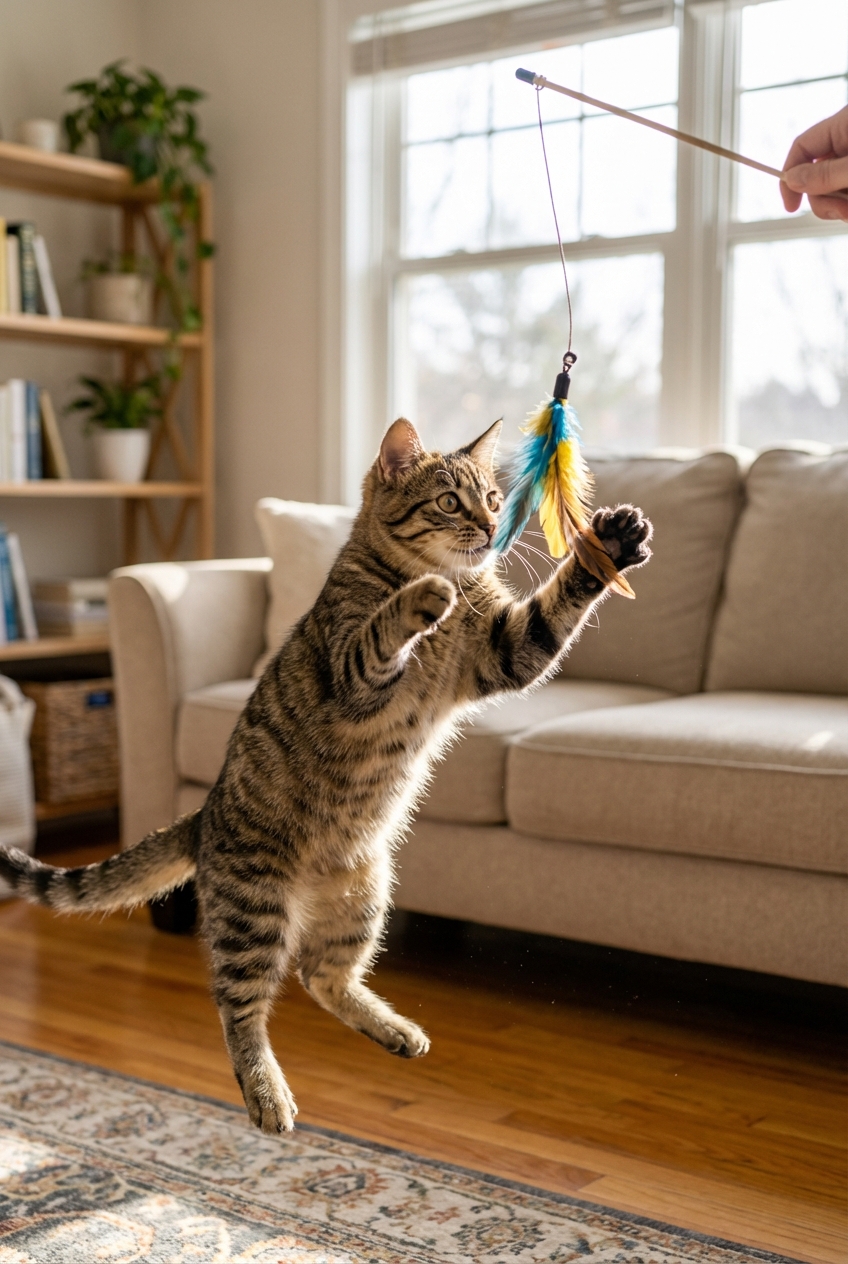
Keep your indoor cat engaged with a simple weekly checklist: hunt-style play, climbing and perching, scratching posts, puzzle feeders, toy rotation, and stre...
Article
•
Designer Mixes
Prevent Cats From Chewing Wires

Shari Shidate
Designer Mixes contributor
Cats are curious, clever, and sometimes a little too interested in the spicy, snaky things under our desks. Wire chewing is not uncommon, and it can be dangerous. As a veterinary assistant, I have seen everything from minor mouth irritation to emergency burns and breathing trouble after an electrical shock. The good news is that most wire-chewing can be prevented with a few simple changes at home.
This step-by-step guide walks you through quick wins, longer-term fixes, and fun, cat-friendly ways to keep your home safe.
Quick recap
- Fastest fix: cover cords and hide dangling chargers.
- Most reliable long-term: cord covers plus daily play and enrichment.
- Call a vet urgently: any suspected plugged-in cord bite or breathing changes.
Why cats chew wires
Wire chewing is rarely about being “bad.” It is usually one of these:
- Play and hunting drive: dangling cords move like prey.
- Teething or oral discomfort: kittens explore with their mouths, and some adult cats chew when their mouths hurt.
- Boredom and stress: chewing can be a self-soothing habit, especially in indoor-only cats.
- Texture and taste: some cord coatings feel satisfying, and beyond residue from hands, food, or cleaners, some plastics can be manufactured with corn-based or animal-fat-based stearates that may smell or taste appealing to cats.
- Habit loop: if chewing reliably gets a big human reaction, some cats repeat it for attention.
If the behavior is new or intense, it is worth considering a quick vet check to rule out dental disease, nausea or GI upset, anxiety-related issues, or pica (chewing or eating non-food items).
Step-by-step: stop wire chewing fast
Step 1: Make danger zones unreachable
Start where your cat hangs out most: bedside, desk, TV console, and kitchen counters.
- Move chargers and loose cords into drawers when not in use.
- Unplug and store rarely used devices.
- Block access behind TVs and desks using furniture placement or a simple barrier.
- Use outlet covers in rooms where kittens roam.
Think of this as “management first.” Even the best deterrent spray will fail if a cord is dangling like a toy.
Step 2: Add cord covers
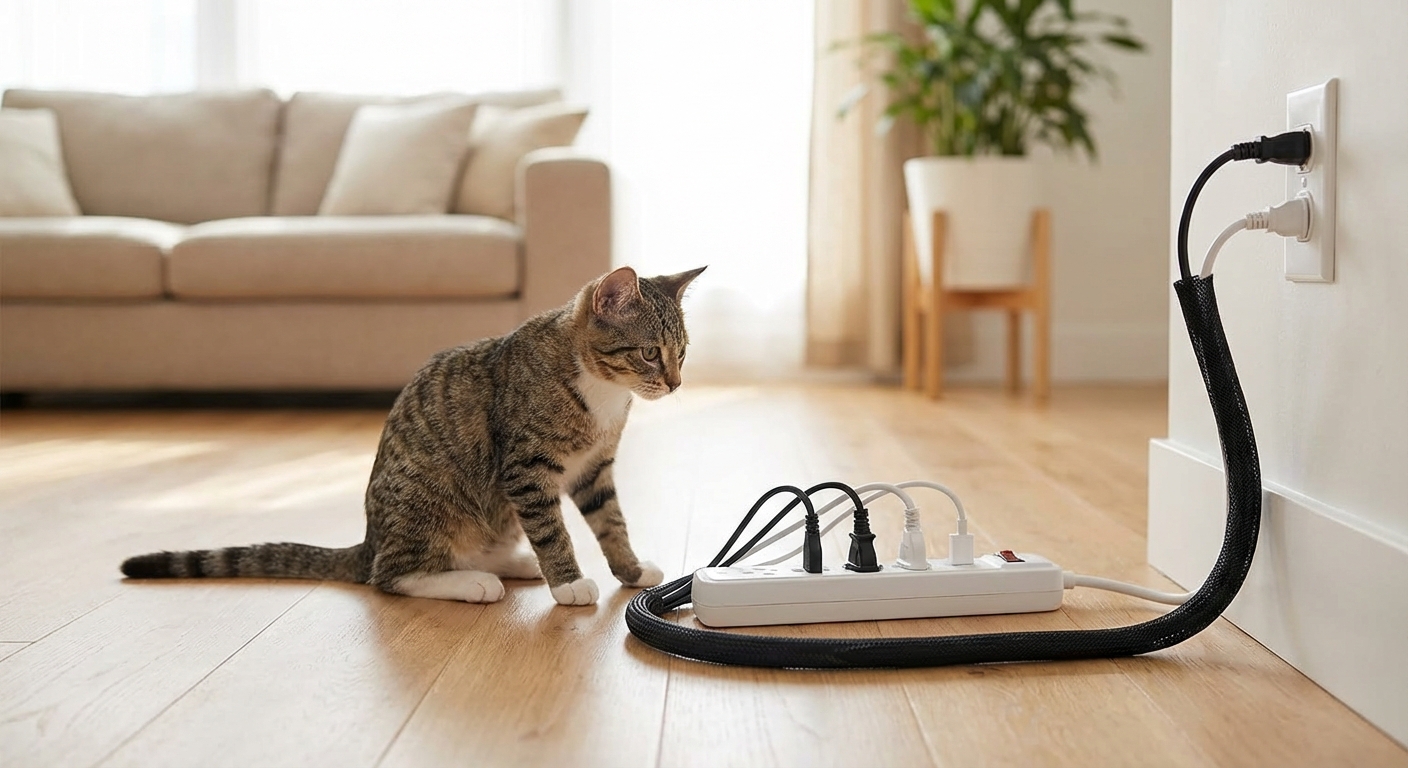
Cord covers are protective sleeves or channels that wrap around cords so your cat cannot get teeth directly on the wire. Physical barriers are the most reliable fix.
- Cable sleeves: great for grouping multiple cords along a floor or behind a desk.
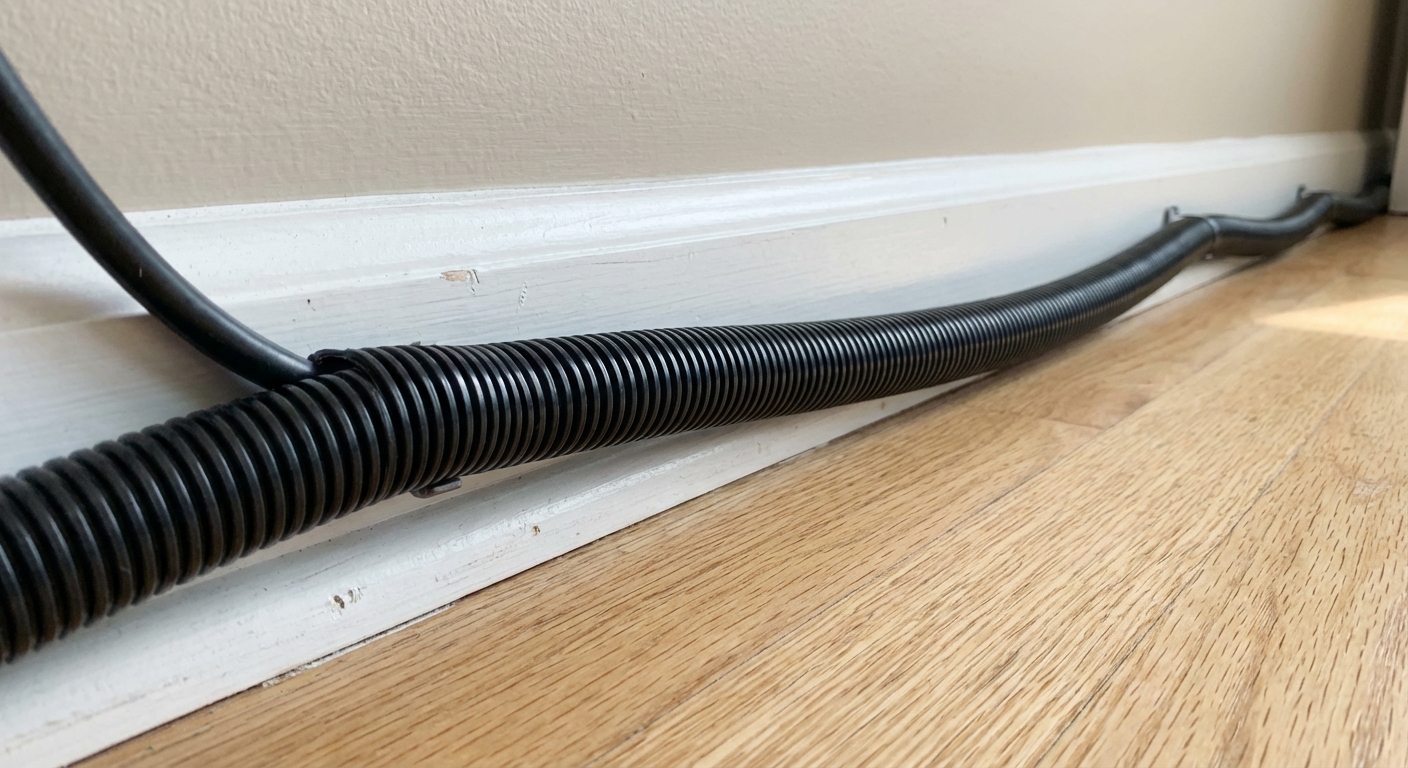
- Split loom tubing: a firm plastic wrap that snaps around a cord.
- Spiral wrap: flexible and easy to install for odd angles.
- Hard cord covers: best for baseboards and high-traffic areas.
For determined chewers, choose thicker tubing and keep cords tight against walls. Loose loops invite play.
Safety notes: replace any cord that is frayed or has bite marks, do not run cords under rugs where heat can build, and do not tightly enclose power bricks or adapters in a way that traps heat.
Deterrents that help
Step 3: Use taste deterrents safely
Bitter sprays can help, but they work best as a backup to cord covers, not a stand-alone solution.
- Test on a small hidden area first to avoid staining.
- Apply to the cord cover whenever possible, not the cord itself.
- Reapply as directed, especially after cleaning.
Important safety note: avoid homemade deterrents that include essential oils. Many essential oils can be harmful to cats if inhaled, licked, or absorbed through skin, even when “natural.” Also skip hot sauce, cayenne, and other irritants. You do not want mouth burns on top of an already risky behavior.
Step 4: Make cords boring and play irresistible
Cats repeat what feels rewarding. Your goal is to lower the payoff of chewing and raise the payoff of appropriate chewing and play.
- Pick 2 to 3 wand toy sessions per day, even 5 minutes each.
- Use food puzzles or treat balls for part of your cat’s daily calories.
- Try “hunt then eat” routines: play, then a small meal.
This is especially helpful for evening wire chewing, which often happens when humans are busy, tired, or asleep.
Better things to chew
Step 5: Offer safe alternatives
Some cats simply like to mouth things. Instead of fighting the instinct, redirect it.
- Dental chews made for cats: choose veterinarian-recommended products and size appropriately. They can be a helpful outlet, but they do not replace brushing or professional dental care.
- Cat-safe chew toys: look for durable rubber or fabric made for cats, not items with small pieces that can break off.
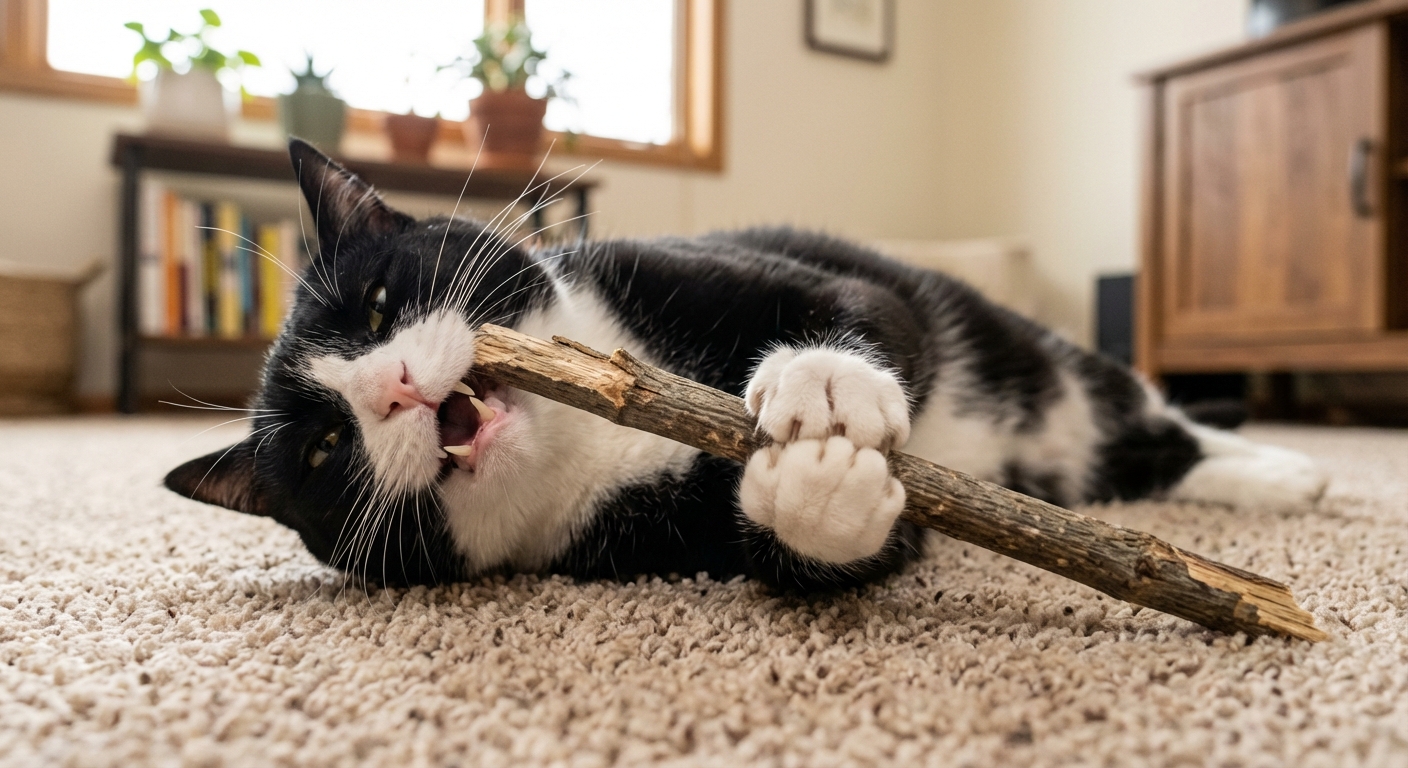
- Silvervine sticks: many cats enjoy these as a chew and enrichment item.
Rotate options weekly. Novelty matters to cats.
Avoid: string, ribbon, yarn, and hair ties as “chew substitutes.” These are common foreign-body risks and should not be left out unattended.
Build a leave-it pattern
Step 6: Interrupt and redirect
This is not about punishment or a formal obedience cue. It is about building a predictable pattern. With cats, harsh discipline often increases stress and can make the behavior worse.
- Catch: notice the approach to cords.
- Interrupt: use a soft clap, a cheerful “hey,” or a toy toss away from the cord.
- Redirect: immediately offer a wand toy or chew item.
- Reward: when your cat engages with the right item, praise and offer a small treat.
Over time, your cat learns a simple rule: cords are boring, toys are fun, and chewing the right thing gets attention.
Special tips for kittens
Kittens are extra mouthy, especially while teething and learning their environment.
- Double down on physical barriers. Kittens are fast and fearless.
- Keep floors clear of loose cords and earbuds.
- Provide daily interactive play and a consistent sleep routine.
- Schedule a kitten wellness exam. Mouth pain, retained baby teeth, and GI upset can sometimes increase odd chewing behaviors.
When it is an emergency
Seek veterinary care immediately if your cat chewed a plugged-in electrical cord or you notice any of the following:
- Burns on the lips, tongue, or gums
- Drooling, pawing at the mouth, or sudden bad breath
- Coughing, noisy breathing, open-mouth breathing, or rapid breathing
- Weakness, collapse, or disorientation
Even if your cat seems “fine,” electrical injuries can worsen later. Lung fluid (pulmonary edema) can be delayed for hours after electrocution. Call an emergency vet for guidance.
Safety first: If you suspect a cord was chewed while plugged in, turn off power at the outlet or breaker before touching the cord or your cat.
Quick home checklist
- Bundle and cover cords in your cat’s favorite rooms
- Remove dangling chargers and unplug when possible
- Replace any damaged cords right away
- Add 10 to 15 minutes of interactive play daily, split into short sessions
- Offer a cat-safe chew option and rotate it weekly
- Use bitter deterrent on cord covers as a backup
- Book a vet visit if chewing is sudden, obsessive, or paired with drooling, one-sided chewing, appetite changes, or vomiting