Bring home a kitten with confidence. Get vet-backed tips on kitten-proofing, nutrition, litter training, vaccines, grooming, play, stress, and safe pet intro...
Article
•
Designer Mixes
Preparing for a New Kitten

Shari Shidate
Designer Mixes contributor
Bringing home a kitten is one of those life moments that feels pure joy and pure chaos at the same time. As a veterinary assistant here in Frisco, Texas, I have seen the difference a little preparation makes. A kitten-proofed home, the right supplies, and a simple plan for the first week can prevent common emergencies and help your new best friend settle in fast.
Before you bring them home
Choose a vet and book the first visit
Ideally, schedule your kitten’s first veterinary appointment within the first 3 to 5 days after adoption, or sooner if your kitten is sneezing, has diarrhea, seems lethargic, or is not eating. This early visit helps confirm overall health, check for parasites, and set up a vaccine timeline.
- Bring any shelter or breeder records (vaccines, deworming, FeLV/FIV status if known).
- Ask about spay or neuter timing, microchipping, flea control, and stool testing.
- Plan a budget for the first year: vaccines, parasite prevention, spay or neuter, and surprise visits for tummy trouble.
Set up a “safe room” first
For the first few days, one calm room is better than giving your kitten the whole house. It lowers stress, prevents hiding in unsafe places, and makes litter training easier.
- Pick a quiet bedroom, office, or large bathroom.
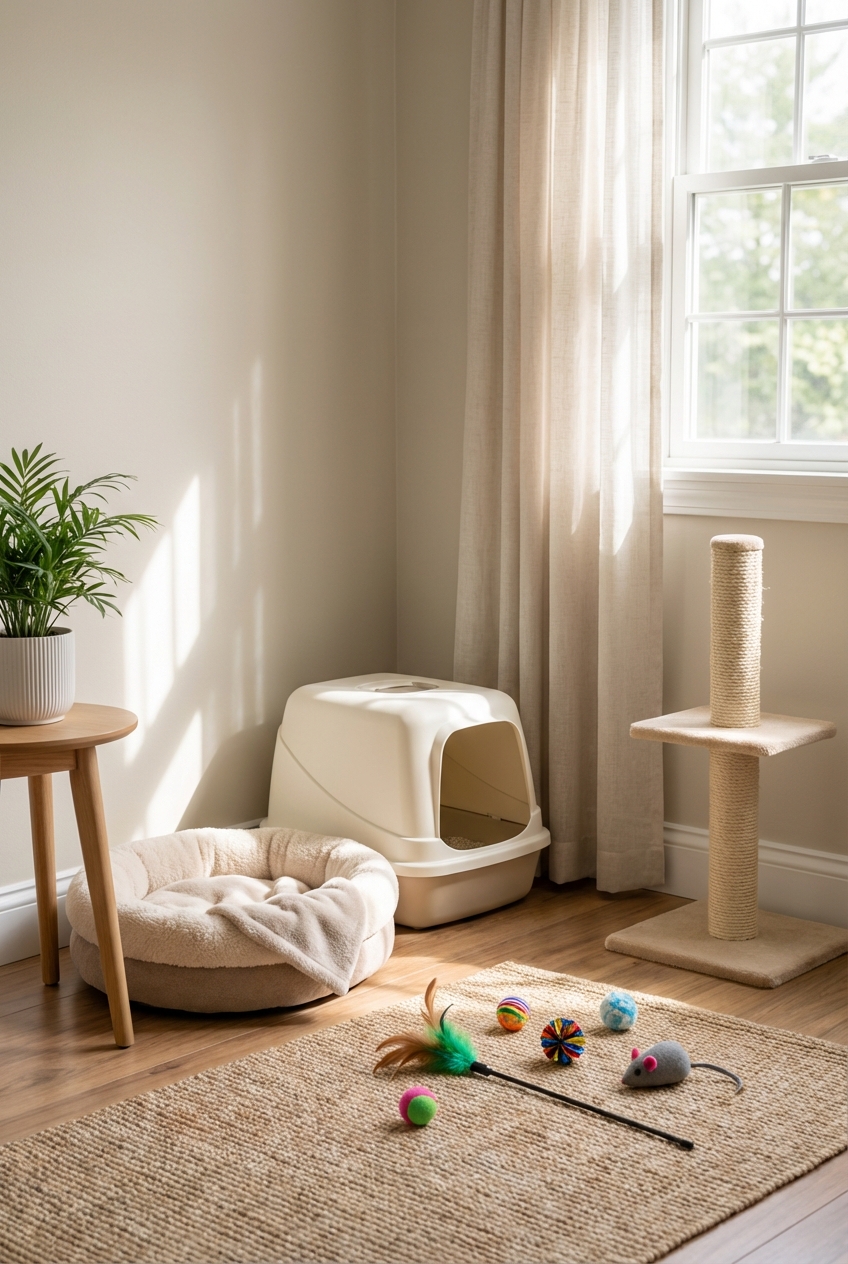
- Add a litter box, food, water, a bed, and a few toys.
- Include one or two hiding options like a covered cat bed or an open box with a blanket.
Kitten-proofing that actually prevents emergencies
Kittens explore with their mouths and paws. Many of the scary cases I see at the clinic are from totally normal household items. A quick sweep now can save you a late-night emergency later.
Hazards to remove or secure
- Strings and cords: yarn, ribbon, dental floss, hair ties, charging cords, blind cords. Linear foreign bodies (string swallowed) can require surgery.
- Toxic plants: lilies are especially dangerous for cats, even small exposures can cause kidney failure. Also watch for pothos, philodendron, sago palm, and more.
- Human medications: keep all pills and vitamins locked away. Cats are very sensitive to many common meds.
- Small swallowable items: rubber bands, coins, sewing needles, toy parts, kids’ building pieces.
- Essential oils and strong cleaners: use cautiously and store securely. Cats can be sensitive to certain oils, especially if diffused in small spaces.
- Open windows and balconies: install secure screens. A kitten can squeeze through surprisingly small gaps.
- Recliners and rocking chairs: always check before closing. Kittens love warm hiding spots.
Create safe vertical space
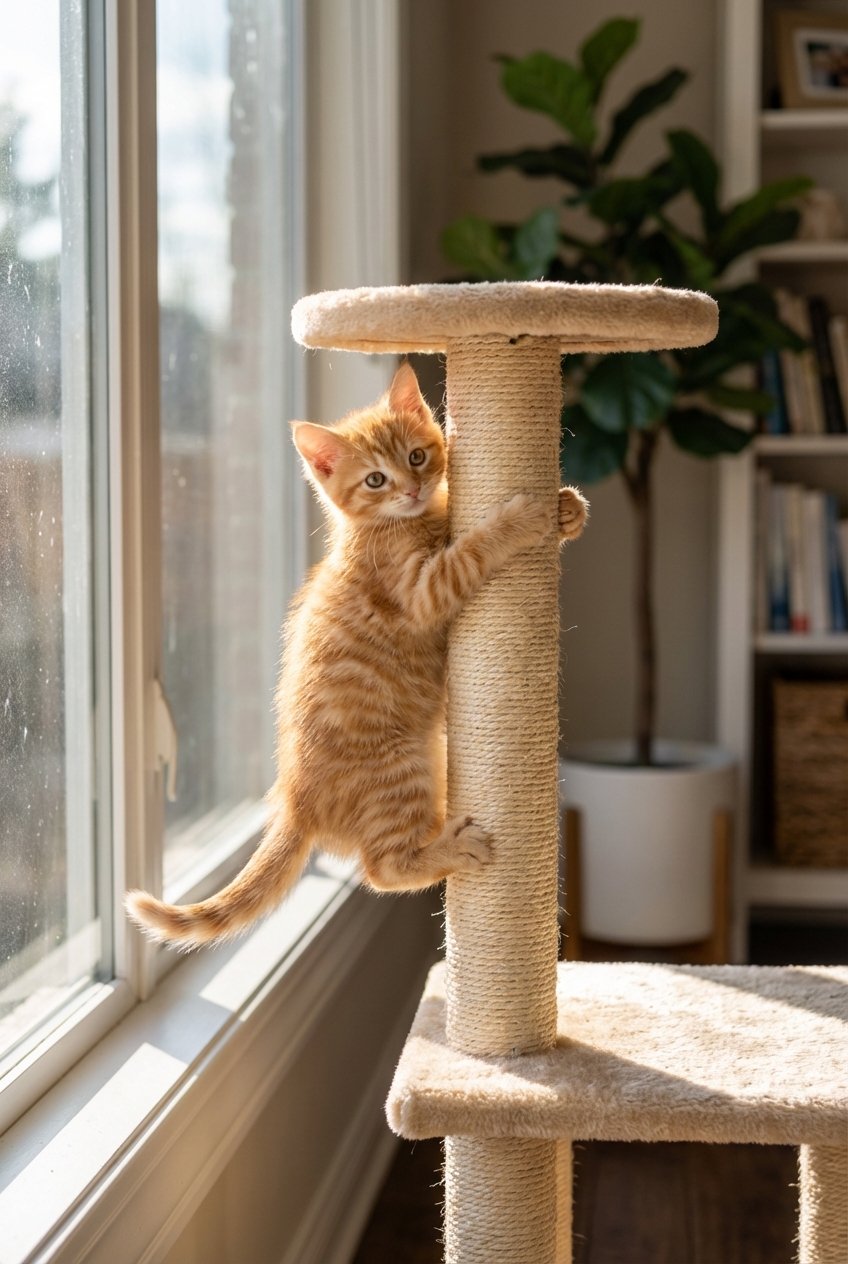
Climbing is normal and healthy, but you want your kitten climbing the right things. A small cat tree and a sturdy scratching post reduce furniture damage and build confidence.
Supplies checklist (simple and realistic)
You do not need a cart full of gadgets. You need the basics, plus a few items that make health and behavior easier from day one.
Must-haves
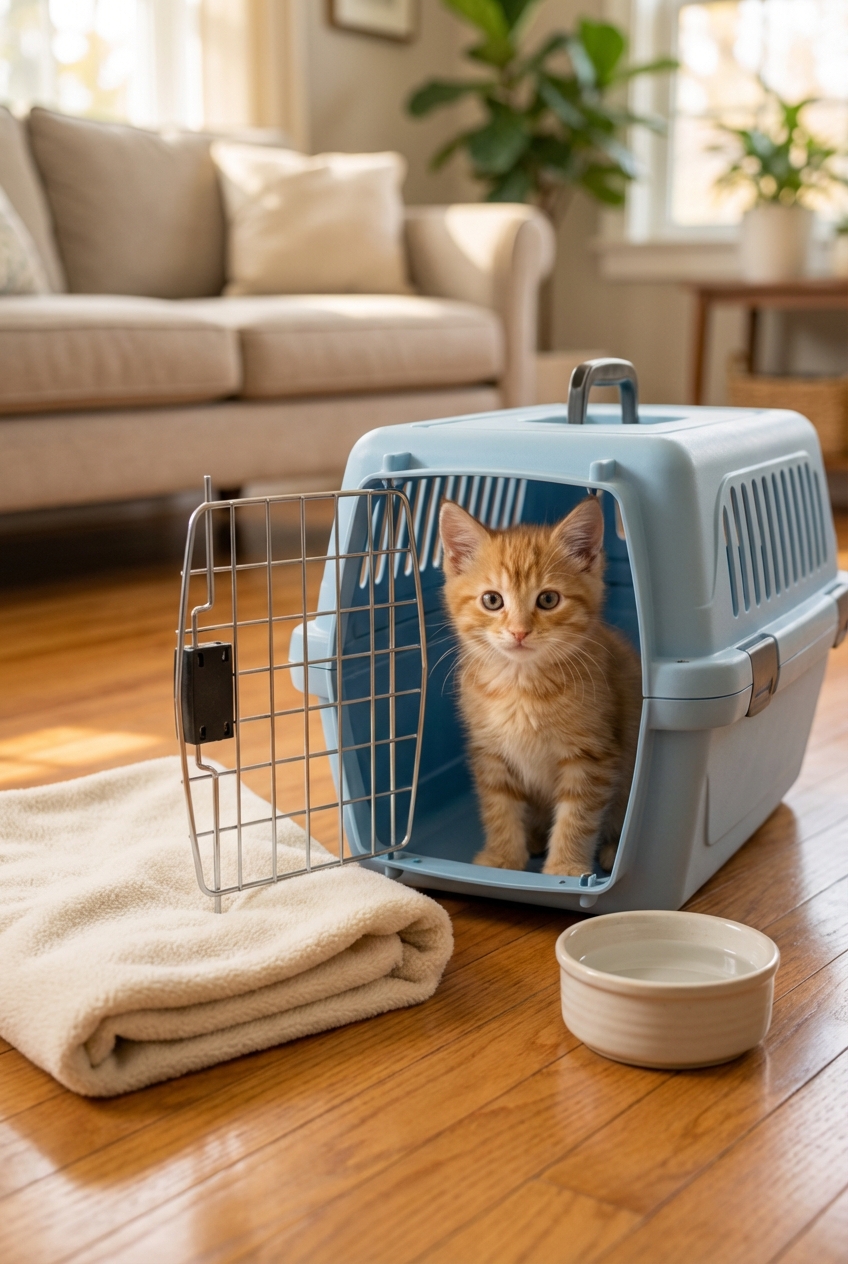
- Carrier: hard-sided or sturdy soft-sided. Leave it out with a blanket so it feels normal.
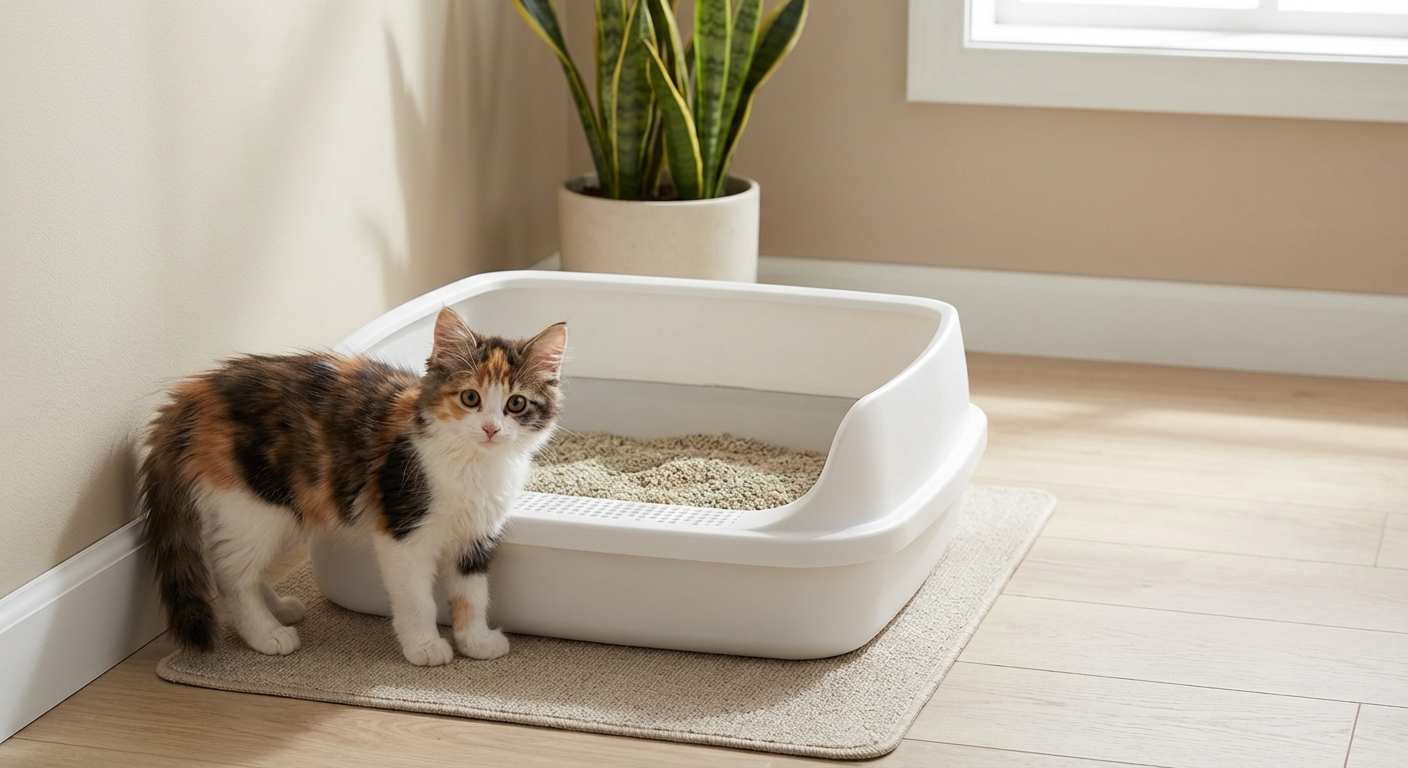
- Litter box: low-entry for tiny kittens. One box per cat, plus one extra, is the gold standard.
- Litter: unscented is often best. If your kitten came from a shelter, start with what they used, then transition slowly if you want to switch.
- Food and water bowls: shallow and easy to clean. Many cats prefer water in a separate area from food.
- High-quality kitten food: kittens need extra calories and specific nutrients for growth. Look for a food labeled for “growth” or “all life stages.”
- Scratching post: vertical and stable, at least as tall as your kitten can stretch.
- Toys: wand toys for interactive play, plus a few small solo toys. Avoid anything that sheds strings or breaks into pieces.
Nice-to-haves that help a lot
- Baby scale or kitchen scale: weekly weights can catch illness early. Kittens should steadily gain weight.
- Nail trimmers: start gentle handling and tiny trims early.
- Enzymatic cleaner: for accidents. Regular cleaners can leave scent behind and invite repeat peeing.
- Feliway-style pheromone diffuser: can help during the first week, especially in multi-pet homes.
Food, water, and litter basics
Feeding without overthinking it
Kittens have small stomachs and high energy needs. Most do best with multiple meals per day. If you are changing foods, transition slowly over 7 to 10 days to reduce diarrhea.
- Days 1 to 3: 75% old food, 25% new food
- Days 4 to 6: 50% old food, 50% new food
- Days 7 to 9: 25% old food, 75% new food
- Day 10+: 100% new food
Tip: If your kitten is not eating at all for 24 hours, call your vet. Kittens can become weak quickly.
Hydration matters
Many cats naturally drink less than we would like. Wet food can help support hydration. A water fountain also encourages some kittens to drink more, but it is optional.
Litter training made easy
Most kittens are naturally drawn to litter. Place them in the litter box after naps and meals, and praise calmly when they use it. If accidents happen, clean thoroughly with an enzymatic cleaner and reassess box location and litter type.
The first 72 hours: a calm plan
Those first days set the tone. Your job is to make life predictable and safe.
- Keep routines simple: same feeding times, same safe room, gentle play sessions.
- Let your kitten approach you: sit on the floor, speak softly, and offer a finger to sniff.
- Watch the basics: eating, drinking, energy level, and litter box output.
- Sleep: kittens sleep a lot. That is normal, but they should still have bright, playful windows of energy.
Warm and steady wins the race. A kitten that feels safe will become bold, affectionate, and playful faster than one that feels chased or overwhelmed.
Health prep: what to expect at the vet
Every clinic is a little different, but a typical early kitten visit includes a full physical exam, discussion of diet, and a parasite plan.
Common kitten care topics
- Vaccines: core vaccines usually start around 6 to 8 weeks and continue in a series until about 16 weeks.
- Fecal testing and deworming: very common in kittens, even if they seem fine.
- Flea and tick prevention: use only products labeled for kittens and the correct weight range. Never use dog products on cats.
- FeLV and FIV testing: recommended for many kittens, especially if their background is unknown or if they will have outdoor access.
- Spay or neuter planning: many kittens are altered around 5 to 6 months, sometimes earlier depending on circumstances.
Red flags that need a call to your vet
- Not eating, vomiting repeatedly, or watery diarrhea
- Sneezing with thick discharge, squinting eyes, or trouble breathing
- Extreme lethargy, weakness, or collapse
- Straining to urinate or crying in the litter box
- Bloated belly with poor appetite or vomiting
Introducing other pets safely
Slow introductions protect everyone. It also reduces stress-related behavior issues like inappropriate elimination or hiding.
With resident cats
- Start with scent swapping: rub each pet with a soft cloth and place it near the other.
- Feed on opposite sides of a closed door to build positive associations.
- Move to brief, supervised visual introductions using a baby gate or cracked door.
With dogs
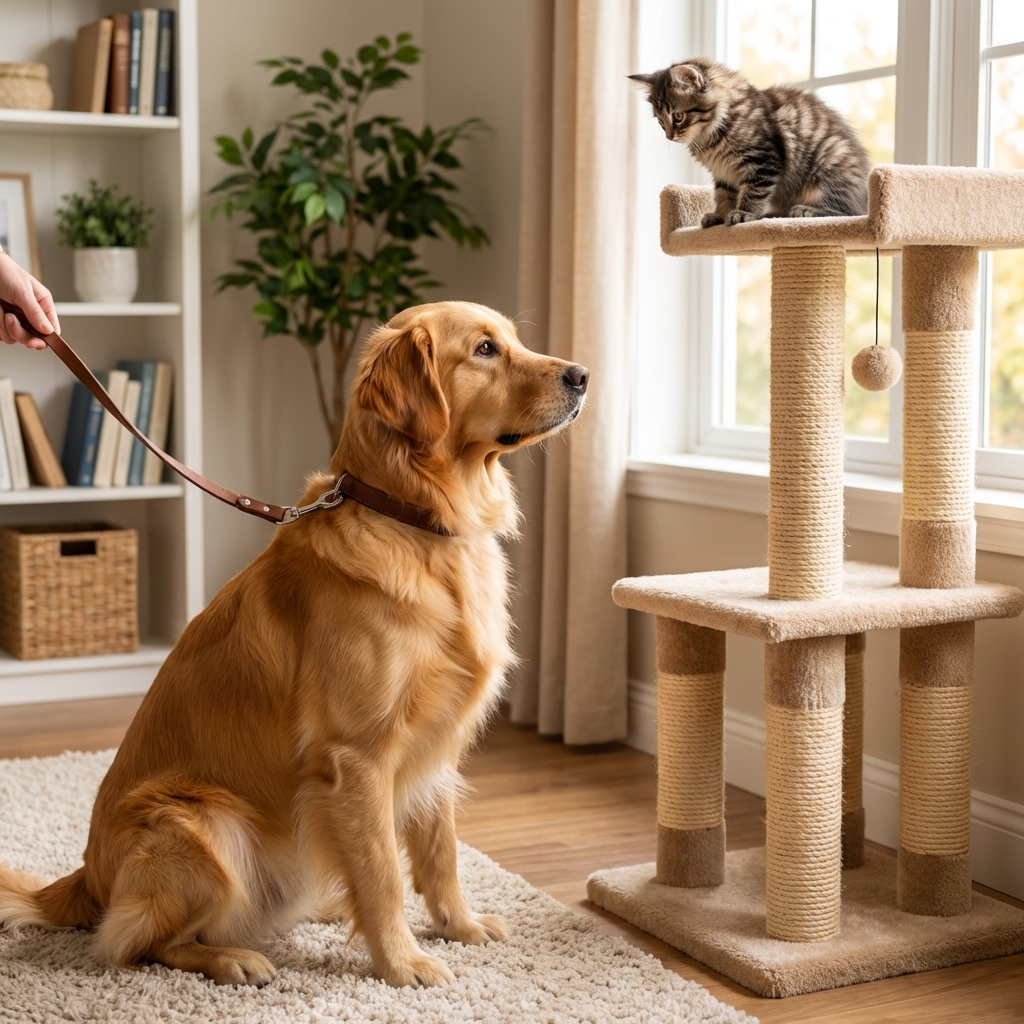
- Use a leash and keep the first meetings calm and short.
- Give your kitten escape routes and vertical space.
- Reward your dog for ignoring and calm behavior.
Build good habits early
Handling and grooming
Touch paws, ears, and mouth gently for a few seconds daily, then reward with play or a tiny treat. This makes nail trims, vet exams, and brushing much easier later.
Play that prevents “attack the ankles” behavior
Use wand toys to keep hands and feet out of the game. End play sessions with a small meal to mimic a natural hunt-eat-rest cycle.
Scratching rules
Place scratching posts near sleeping areas and favorite hangouts. If your kitten scratches the couch, calmly redirect to the post. Avoid punishment. It creates fear and does not teach an alternative.
A quick prep checklist you can screenshot
- Safe room set up with litter, food, water, bed, toys
- Vet appointment scheduled, records ready
- Toxins removed: lilies, strings, medications, essential oils secured
- Carrier out and cozy for low-stress travel
- Kitten food chosen and transition plan ready
- Plan for slow intros to resident pets
If you do just these steps, you are already ahead of the curve. Your kitten does not need perfection. They need safety, consistency, and a human who pays attention to the small changes.