
A vet assistant explains Apoquel (oclacitinib) for itchy dogs: what it treats, how quickly it works, dosing basics, common side effects, key risks, and safer...
Article
•
Designer Mixes
Prednisone for Dogs: Uses and Long-Term Effects

Shari Shidate
Designer Mixes contributor
Prednisone is a commonly prescribed medication in veterinary medicine, and for good reason. When a dog is miserable from itching, swelling, pain, or immune system overactivity, prednisone can bring relief fast. But it is also a powerful steroid with real tradeoffs, especially when used long-term.
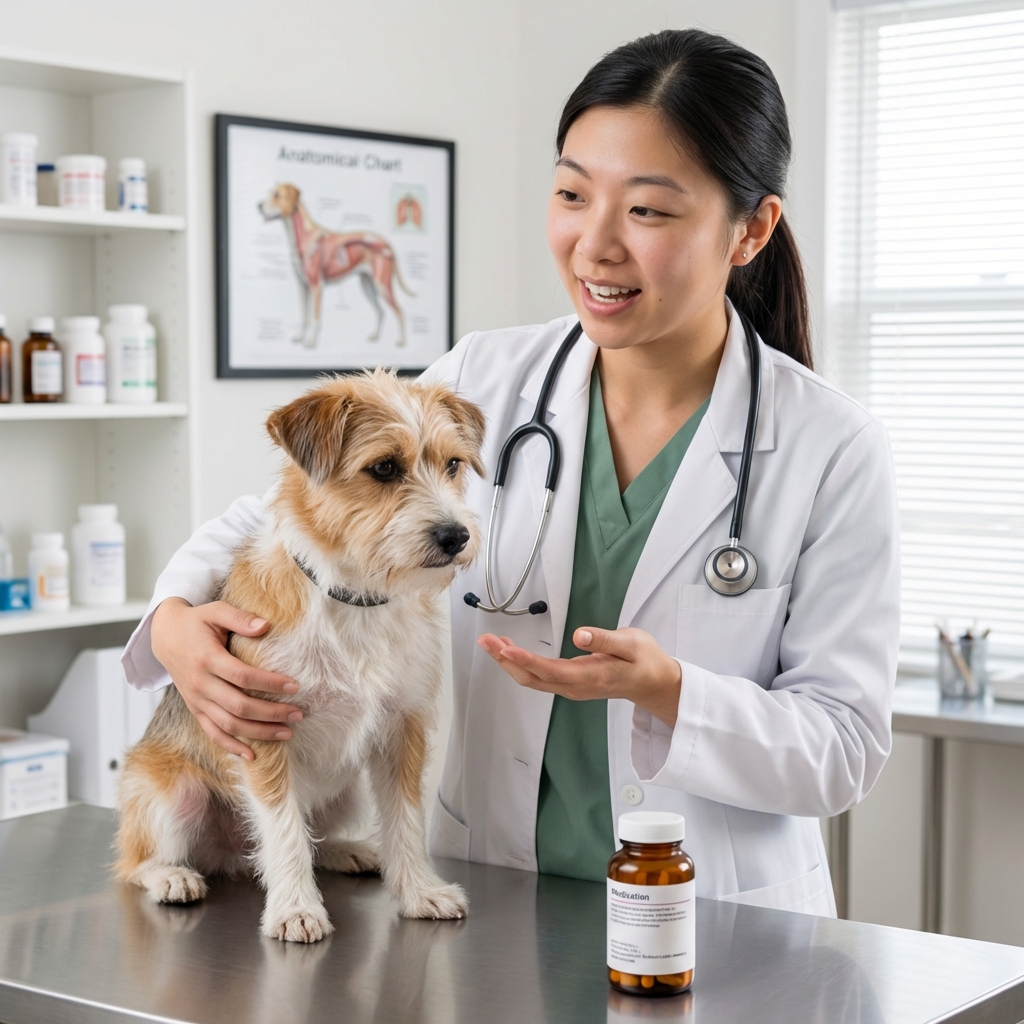
As a veterinary assistant, I like to think of prednisone as a tool. In the right situation, it can be life-changing. Used at too high a dose or for too long, or without a clear plan, it can create new health problems that are hard on both you and your pup.
What prednisone is
Prednisone is a corticosteroid (a steroid hormone medication). In dogs, it is usually converted by the liver into an active form called prednisolone. These medications mimic cortisol, a natural hormone involved in inflammation control, immune regulation, and stress response.
Prednisone is not the same as anabolic steroids used for muscle building. Instead, it is an anti-inflammatory and immunosuppressive medication.
Clinic note: Some veterinarians may choose prednisolone instead of prednisone for pets with significant liver dysfunction. Cats are also commonly prescribed prednisolone rather than prednisone.
Why vets prescribe prednisone
Prednisone is used in two main ways:
- Anti-inflammatory dosing: calms inflammation and swelling.
- Immunosuppressive dosing: turns down an immune system that is attacking the body.
Why this matters: These dosing goals can be very different. Side effects are often more noticeable at higher doses, and especially with longer treatment plans.
Common uses
- Allergies and itchy skin (atopic dermatitis, allergic reactions)
- Ear inflammation and severe skin flare-ups
- Chronic bronchitis or asthma-like airway disease (true asthma is uncommon in dogs, but steroid-responsive airway inflammation does occur)
- Inflammatory bowel disease and other inflammatory GI conditions
- Autoimmune diseases (IMHA, ITP, immune-mediated polyarthritis, certain skin autoimmune conditions)
- Selected neurologic and inflammatory conditions where reducing inflammation may help. Use in spinal cord injury or IVDD is controversial and practice varies, so your veterinarian or neurologist will guide this case-by-case.
- As part of cancer protocols for some lymphomas and other cancers
Sometimes prednisone is prescribed short-term as a “bridge” to comfort while you and your veterinarian investigate a root cause, such as allergies, parasites, infection, or diet sensitivities.

How fast prednisone works
Many dogs show noticeable improvement within hours to a couple of days, depending on the condition and dose. Itching may ease quickly. Appetite and thirst often increase quickly too, which is a clue the medication is active in the body.
If your dog is not improving as expected, call your veterinarian. It can mean the diagnosis needs adjusting, the dose is not adequate, or another condition is present (like infection, fleas, mites, or pain).
Short-term side effects at home
Even at appropriate doses, prednisone commonly causes predictable side effects. These can look alarming if you have not been warned, but many are temporary.
Very common
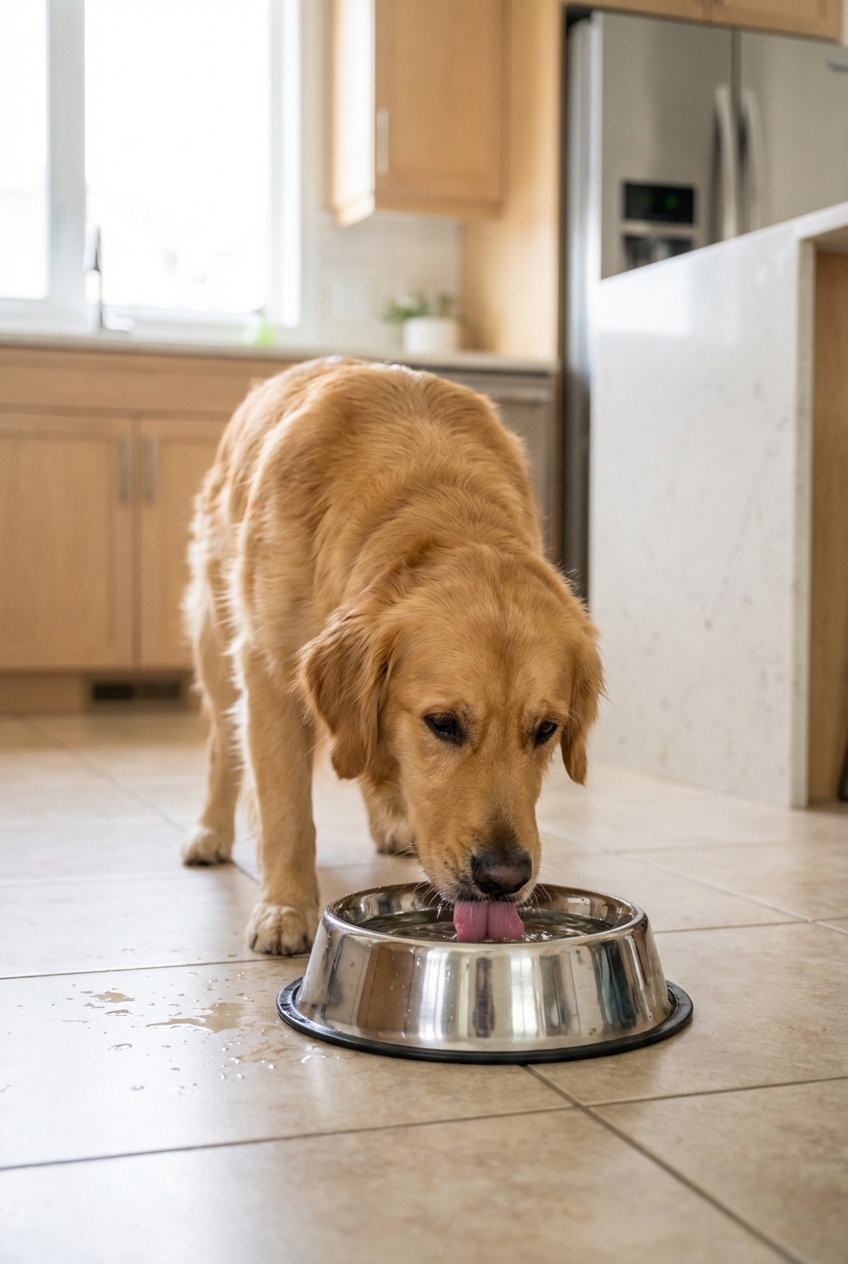
- Increased thirst and increased urination
- Increased appetite and food-seeking behavior
- Panting and restlessness
- Mild behavior changes (more clingy, more anxious, more “wired”)
Possible
- Upset stomach, nausea, vomiting, or diarrhea
- Soft stool
- Increased risk of infection because the immune response is dialed down
Reassurance from the clinic: Panting and restlessness are common steroid side effects and are not always an emergency. That said, severe breathing trouble, collapse, confusion, or nonstop distress is never something to “wait out.”
Tip from the clinic: Ask your veterinarian whether your dog should take prednisone with food. Many dogs do better with a meal or a small snack on board.
Long-term effects and risks
Long-term prednisone can be necessary and appropriate, especially for serious immune-mediated disease. But the longer a dog is on steroids, the more we think about reducing the dose, using every-other-day strategies, or adding other medications to lower steroid exposure.
Common long-term effects
- Weight gain and muscle loss (a “pot-bellied” look can develop)
- Thin skin, hair coat changes, slower regrowth after clipping
- Increased panting and reduced exercise tolerance
- Behavior changes that become more noticeable over time
More serious risks
- Increased susceptibility to infections (skin, ears, urinary tract)
- Stomach or intestinal ulceration, especially if combined with NSAIDs or if a dog already has GI risk factors
- Elevated liver enzymes and steroid-associated liver changes
- Worsening diabetes or triggering diabetes in predisposed dogs
- Pancreatitis has been associated with steroid use in some dogs, but the evidence is mixed. Risk can be higher when extra calories, weight gain, or high-fat foods are in the picture.
- Iatrogenic Cushing’s disease (from chronic steroid exposure)
These risks do not mean prednisone is “bad.” They mean it deserves respect, clear dosing instructions, and a monitoring plan.

Do not stop suddenly
If a dog has been on prednisone beyond a short course, stopping abruptly can be dangerous. The body reduces its own natural steroid production when prednisone is provided from the outside. A sudden stop can lead to weakness, vomiting, collapse, and other serious problems.
In many cases, courses under about 1 to 2 weeks are lower risk for adrenal suppression, but you should still follow your veterinarian’s instructions and not change the plan on your own.
That is why veterinarians use a taper: gradually lowering the dose to let the dog’s adrenal system “wake up” again.
If you are worried about side effects, do not skip doses on your own. Call your veterinarian and ask about a safer taper or an alternative plan.
Interactions and cautions
Prednisone can interact with other drugs. The biggest safety rule most pet parents should remember is this:
- Do not combine prednisone with NSAID pain meds (like carprofen, meloxicam, deracoxib, firocoxib) unless your veterinarian has a specific plan. A washout period is often needed when switching between NSAIDs and steroids to reduce the risk of GI ulceration and bleeding.
Also let your veterinarian know if your dog has a history of:
- Diabetes
- Recurrent urinary tract infections
- Pancreatitis
- Liver disease
- GI ulcers
- Heart disease or high blood pressure concerns
What monitoring looks like
Monitoring depends on your dog’s condition and how long prednisone is needed. For long-term therapy, many veterinarians will recommend periodic check-ins that may include:
- Weight and body condition checks
- Bloodwork (CBC and chemistry). Vets commonly watch for changes like elevated liver enzymes (often ALP) and other steroid patterns.
- Urinalysis and urine culture if UTIs are a concern. Steroids can cause dilute urine and increased drinking and peeing, and infections can be easier to miss.
- Recheck exams to confirm symptoms are controlled on the lowest effective dose
If your dog seems excessively thirsty, is having accidents, develops a pot-bellied appearance, is lethargic, or gets recurring skin and ear infections, those are signs to re-evaluate the plan.
Helping your dog at home
You cannot “supplement away” steroid side effects, but you can make day-to-day life easier and support overall health while your veterinarian treats the underlying condition.
Practical tips
- Plan for more potty breaks, especially in the first week. Many dogs truly cannot hold it like they normally do.
- Measure meals and avoid extra treats. Prednisone can make dogs feel starving even when they are not.
- Use low-calorie rewards like a few pieces of cucumber or small bits of cooked lean meat, if your vet approves.
- Keep water available. Do not restrict water unless your veterinarian instructs you to.
- Watch for infection: new ear odor, increased itching, hot spots, frequent urination, or accidents can be clues.
Food and gut support
If your dog’s stomach seems sensitive on prednisone, ask your veterinarian whether a diet adjustment, probiotic, or stomach-protectant medication is appropriate. Every dog is different, and the right choice depends on their history and other medications.
Alternatives (sometimes)
In some cases, your veterinarian may be able to reduce or avoid long-term prednisone by using other therapies. Which option is best depends on the diagnosis, budget, and your dog’s overall health.
- For allergies : Apoquel, Cytopoint, medicated baths, flea control, diet trials, allergen-specific immunotherapy
- For autoimmune disease: steroid-sparing immunosuppressants such as cyclosporine, azathioprine, mycophenolate, or others, with careful monitoring
- For localized inflammation: topical steroids or targeted medications when appropriate
Sometimes the smartest plan is not “no prednisone.” It is the lowest effective dose for the shortest time, with a realistic strategy for the next step.
When to call your vet
Contact your veterinarian promptly if your dog has:
- Vomiting, black or tarry stool, or blood in stool
- Extreme lethargy, weakness, collapse, or disorientation
- Labored breathing or severe, nonstop panting
- Signs of UTI: straining, frequent small urinations, accidents, blood in urine
- Sudden swelling of the face, hives, or worsening allergic signs
- Any concern about an accidental double dose
The bottom line
Prednisone can be a huge relief for dogs dealing with inflammation, allergies, and immune-mediated disease. It is also a medication that should be used thoughtfully, with clear dosing directions and a plan for tapering and monitoring.
If your dog has been prescribed prednisone, ask your veterinarian these three questions:
- What is the goal: anti-inflammatory control or immune suppression?
- How long do we expect to use it, and what is the taper plan?
- What side effects should I expect, and which ones are emergencies?
You do not have to navigate this alone. A good plan makes prednisone safer and helps your dog feel like themselves again.