
A practical guide to dog coughing: what different cough sounds can mean, common causes like kennel cough, allergies, tracheal collapse, heart or heartworm di...
Article
•
Designer Mixes
Practical Causes of Dogs Coughing

Shari Shidate
Designer Mixes contributor
Hearing your dog cough can be scary, especially when it comes out of nowhere or sounds harsh and “stuck.” The good news is that many causes of coughing are treatable, and a careful description of what you are hearing (and when it happens) can help your veterinarian narrow things down quickly.
As a veterinary assistant, I always tell pet parents: coughing is a symptom, not a diagnosis. This guide cannot diagnose your dog, but it can help you triage what you are seeing and know when to call. Below are the most practical, need-to-know causes, plus simple steps you can take at home and clear signs it is time to be seen.

First, what does the cough sound like?
Try to match your dog’s cough to a general pattern. This is one of the fastest ways to point your vet in the right direction.
Quick note: Many owners describe gagging or reverse sneezing as “coughing.” A cough is usually an outward “hack.” Gagging can look like your dog is trying to clear something from the throat. Reverse sneezing is a sudden, noisy inhale (snorting) that often stops on its own.
- Dry, hacking, honking: often upper airway irritation, infectious causes, or collapsing trachea.
- Gagging or retching after coughing: commonly kennel cough-type infections, throat irritation, or something stuck in the back of the throat.
- Wet, productive, “phlegmy” cough: can suggest pneumonia, fluid in the lungs (pulmonary edema), or chronic airway disease. (Fluid around the lungs, called pleural effusion, more often causes fast, shallow breathing and may not cause much coughing.)
- Coughing at night or when resting: can be seen with heart disease, airway disease, or reflux.
- Coughing during excitement or pulling on leash: very common with tracheal irritation or collapsing trachea.
Tip: If you can safely capture a short video of the cough on your phone, it helps your vet more than you might think.
Practical causes of dog coughing
1) Kennel cough and other contagious respiratory infections
“Kennel cough” is a common nickname for infectious tracheobronchitis. It is often caused by a mix of viruses and bacteria (including Bordetella bronchiseptica). Dogs usually pick it up anywhere dogs gather, like boarding, daycare, grooming, dog parks, and even the vet lobby.
- Common clues: sudden dry hacking cough, gagging, coughing more with excitement, otherwise acting fairly normal.
- Why it matters: some cases stay mild, but others progress, especially in puppies, seniors, or immunocompromised dogs.
- Good to know: vaccination can reduce severity and spread, but it does not guarantee prevention.
2) Allergies or environmental irritants
Just like us, dogs can cough when their airways get irritated. Common triggers include cigarette smoke, wildfire smoke, heavy perfumes, cleaning sprays, dust, and seasonal pollen.
- Common clues: intermittent cough, sneezing, watery eyes, licking paws, rubbing face, coughing worse after cleaning or being outdoors.
- Simple help: avoid smoke and sprays, use a HEPA filter, wipe paws and face after outdoor time, and keep home humidity comfortable.
3) Collapsing trachea (especially small breeds and mixes)
Collapsing trachea is common in many small dogs and some designer mixes with small breed heritage. The trachea (windpipe) becomes less rigid, which can trigger a distinctive cough.
- Common clues: “goose honk” cough, worse with excitement, heat, exercise, or pulling on a collar.
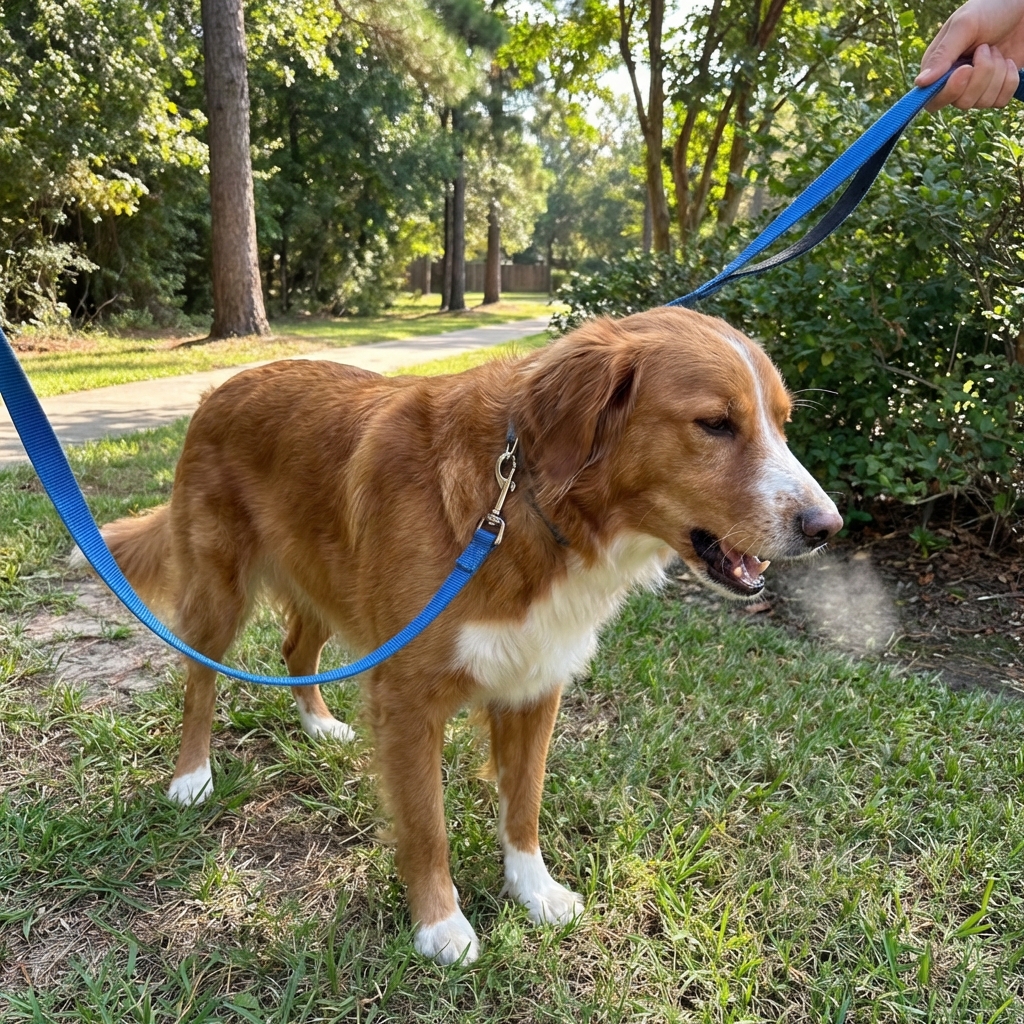
- Need-to-know: switching from a neck collar to a harness often helps right away because it avoids pressure on the windpipe (a front-clip style can also help reduce pulling).
4) Heart disease and fluid in the lungs
Some dogs cough with heart disease, but coughing alone does not automatically mean heart failure. Dogs with heart disease can cough because the heart is enlarged and presses on nearby airways, or because fluid is building up in the lungs (congestive heart failure). Many dogs also have airway disease at the same time, which can make the picture confusing.
- Common clues: cough at night or when lying down, reduced stamina, faster breathing at rest, increased breathing effort, or fainting episodes.
- Less common clue: a pot-bellied look can happen with abdominal fluid (ascites) in right-sided heart failure, but it is not a typical early sign.
- Why it matters: cough plus a rising resting breathing rate is especially concerning for congestive heart failure and needs prompt veterinary evaluation. Treatment can be very effective, but timing is important.
5) Pneumonia or lower airway infection
Pneumonia can be bacterial, viral, fungal (in certain regions), or aspiration-related (when material is inhaled into the lungs). It can range from mild to life-threatening.
- Common clues: wet cough, fever, lethargy, poor appetite, rapid or labored breathing.
- Action: if your dog is coughing and seems sick or is breathing hard, it is time for urgent care.
6) Foreign material, throat irritation, or reverse sneezing
Dogs explore with their mouths. Grass awns, foxtails, small sticks, and even pieces of treats can irritate the throat and trigger coughing or gagging. Sometimes a foreign object is inhaled deeper into the airway, which can cause persistent coughing and may not resolve on its own. Reverse sneezing is different, but many owners describe it as coughing.
- Common clues: sudden onset, pawing at the mouth, gagging, drooling, repeated swallowing, or noisy “snorting” episodes (reverse sneezing).
- Extra caution: if coughing started after foxtails, tall grass, chewing sticks, or a choking episode and it is not improving, tell your vet. Airway foreign bodies can be serious.
- Safety note: do not blindly sweep your dog’s throat with your fingers. You can accidentally push an object deeper or get bitten.
7) Parasites (heartworm and lungworms)
In many parts of the U.S., heartworm disease is a real risk, especially in warmer climates and areas with lots of mosquitoes. Heartworms can cause coughing, exercise intolerance, and more serious complications.
- Common clues: chronic cough, tiring easily, weight loss, sometimes no signs early on.
- Also possible: lungworms exist but are regionally variable. Your veterinarian may check fecal testing (often a Baermann test) depending on your dog’s risk and location.
- Prevention matters: consistent heartworm prevention and regular testing are key.
8) Reflux or laryngeal irritation
Some dogs cough because reflux or throat irritation may contribute, especially if they cough after eating, drinking, or at night. Brachycephalic dogs (short-nosed breeds) can be more prone to upper airway issues that can look like coughing, and noisy breathing plus heat intolerance can become urgent quickly.
- Common clues: lip licking, gulping, cough after meals, occasional regurgitation.
- When to check in: if signs are frequent, worsening, or affecting sleep, your vet should evaluate.
9) Chronic bronchitis or tumors
In older dogs, a chronic cough that gradually worsens can sometimes be linked to chronic bronchitis (ongoing airway inflammation), masses in the chest, or other long-term lung conditions.
- Common clues: cough lasting weeks, weight loss, reduced energy, coughing that does not respond to typical treatment.
When to call the vet right away
Please seek urgent veterinary care if you notice any of the following:
- Labored breathing, open-mouth breathing at rest, or belly effort to breathe
- Blue, gray, or very pale gums
- Coughing up blood or pink, foamy fluid
- Collapse, severe weakness, or disorientation
- Possible choking that does not resolve quickly
- Puppies, seniors, or dogs with heart or lung disease who start coughing
- Fever, marked lethargy, or refusing food along with coughing
If your dog is coughing and also breathing faster than normal while resting, that is an especially important clue. As a general rule, many vets want a resting breathing rate under about 30 breaths per minute for many dogs, but your vet may recommend different targets for your dog’s situation. When in doubt, call your vet.
At-home steps that can help
What you can do now
- Switch to a harness if your dog coughs on leash or pulls on a collar.
- Reduce airway irritants: avoid smoke, strong sprays, diffusers, and dusty sweeping.
- Use humidity wisely: a clean humidifier can help some dry coughs, especially in winter.
- Rest: skip intense exercise until you know the cause.
- Isolate if contagious is possible: if your dog has a new hacking cough and was recently around other dogs, keep them away from other dogs and shared water bowls until you speak with your vet.
What to avoid
- Do not give human cough medicine unless your veterinarian specifically tells you what to use and how much. Many products contain ingredients that are dangerous for dogs.
- Do not force throat checks if your dog is stressed, painful, or snapping. Let the clinic handle it safely.
- Do not ignore a cough that lasts more than a few days, even if your dog seems okay. And if a cough lasts more than 1 to 2 weeks, keeps coming back, or is getting worse, it should be checked out.
What your vet may recommend
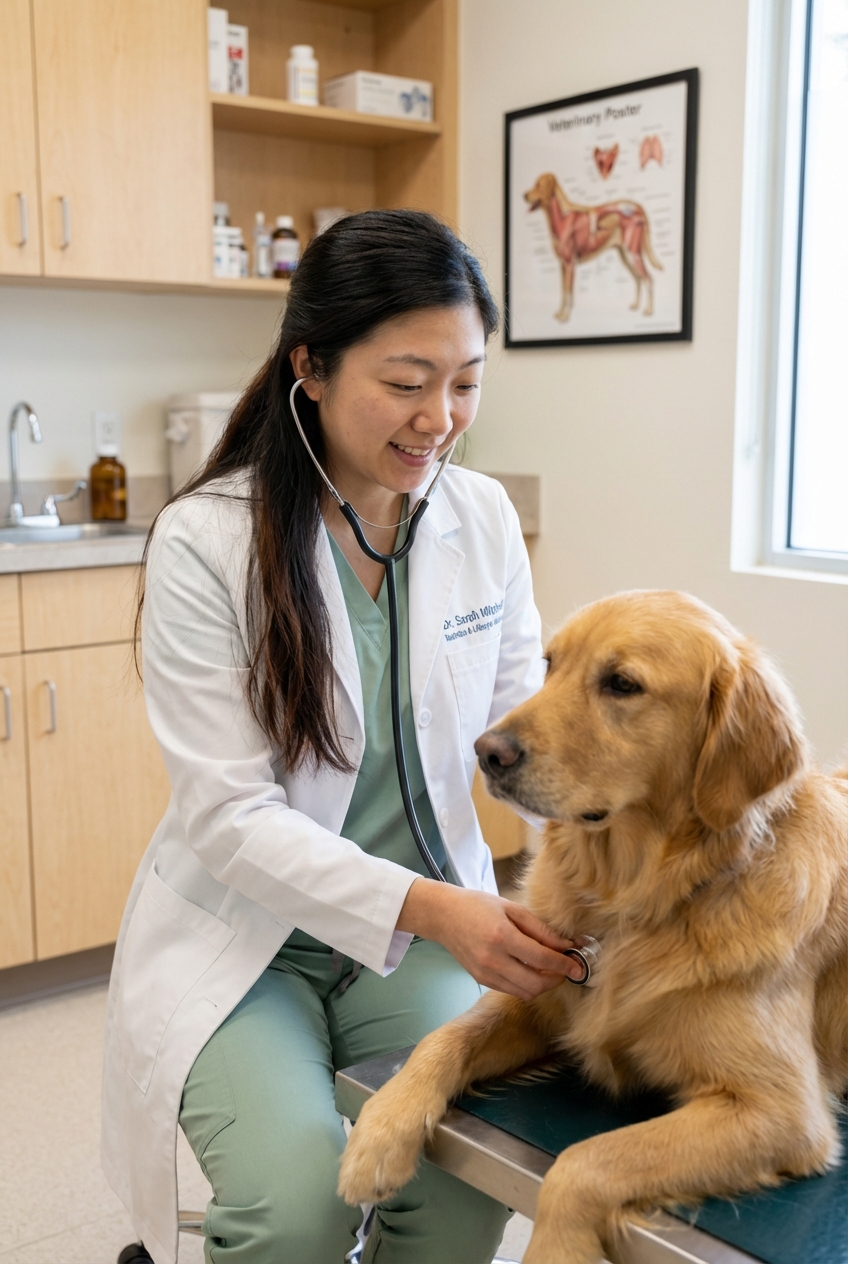
To pinpoint the cause, your veterinarian may suggest:
- Physical exam and history (this is where your cough video helps)
- Chest X-rays to evaluate lungs, heart size, and airway
- Heartworm test if not current
- Respiratory PCR testing for contagious pathogens in certain cases
- Fecal testing when parasites like lungworms are a concern
- Trial therapy when appropriate (for example, cough suppressants, antibiotics when bacterial infection is suspected, anti-inflammatories, or heart medications)
If your dog has a chronic cough, your vet may also discuss longer-term management like weight support, minimizing triggers, and targeted medications.
Quick cough tracker
If you are trying to figure out how serious the cough is, jot down these notes for 48 to 72 hours (or until your appointment):
- Start date and whether it is getting better, worse, or staying the same
- Frequency: a few times a day, hourly, in fits
- Triggers: excitement, leash walking, eating, nighttime
- Sound: dry, honking, wet, gagging afterward
- Energy and appetite
- Resting breathing rate (many vets use under about 30 breaths per minute as a general goal for many dogs, unless told otherwise)
- Exposure: boarding, grooming, dog park, new dog in the home
That little list can shave time off the diagnostic process, and it helps you feel more confident about what to do next.