Learn how to potty train an adult dog with a clear schedule, close supervision, a potty cue, and fast rewards. Includes accident cleanup, medical red flags, ...
Article
•
Designer Mixes
Potty Training an Older Dog

Shari Shidate
Designer Mixes contributor
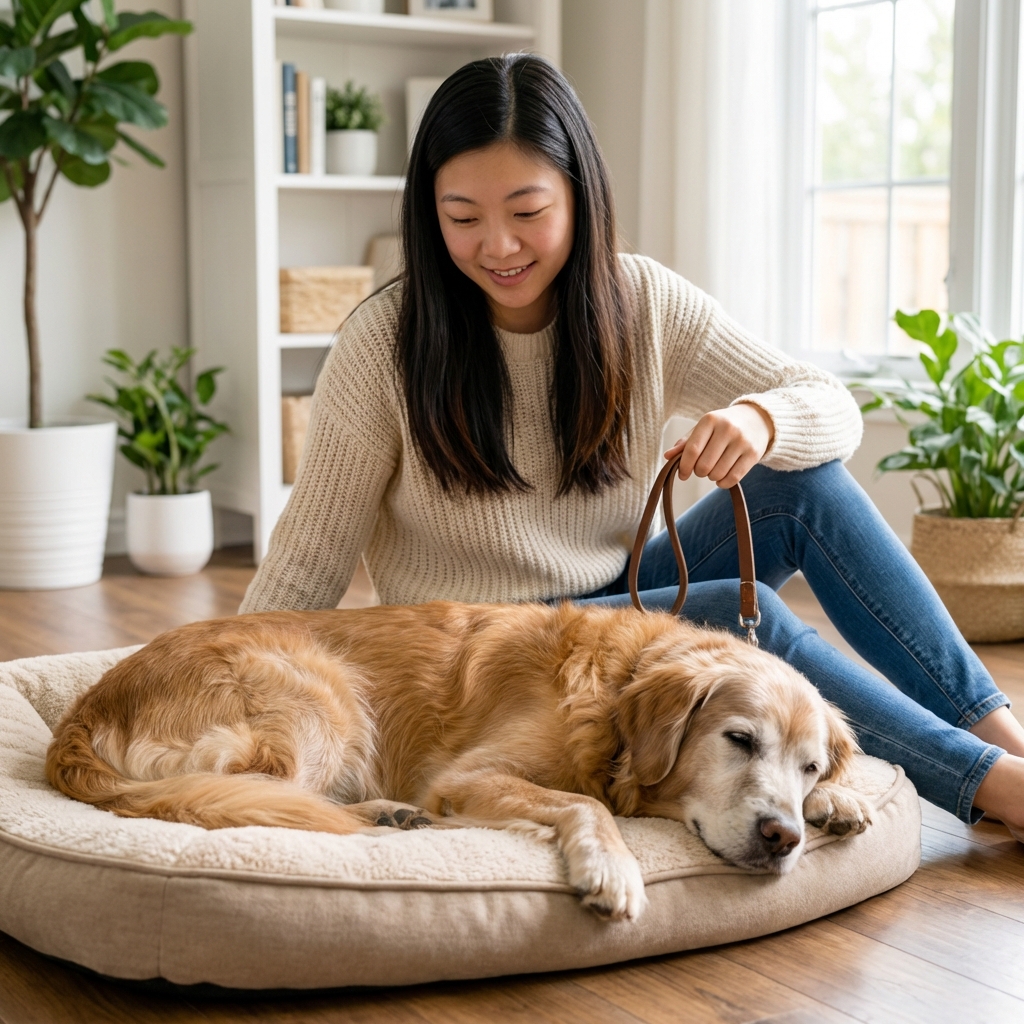
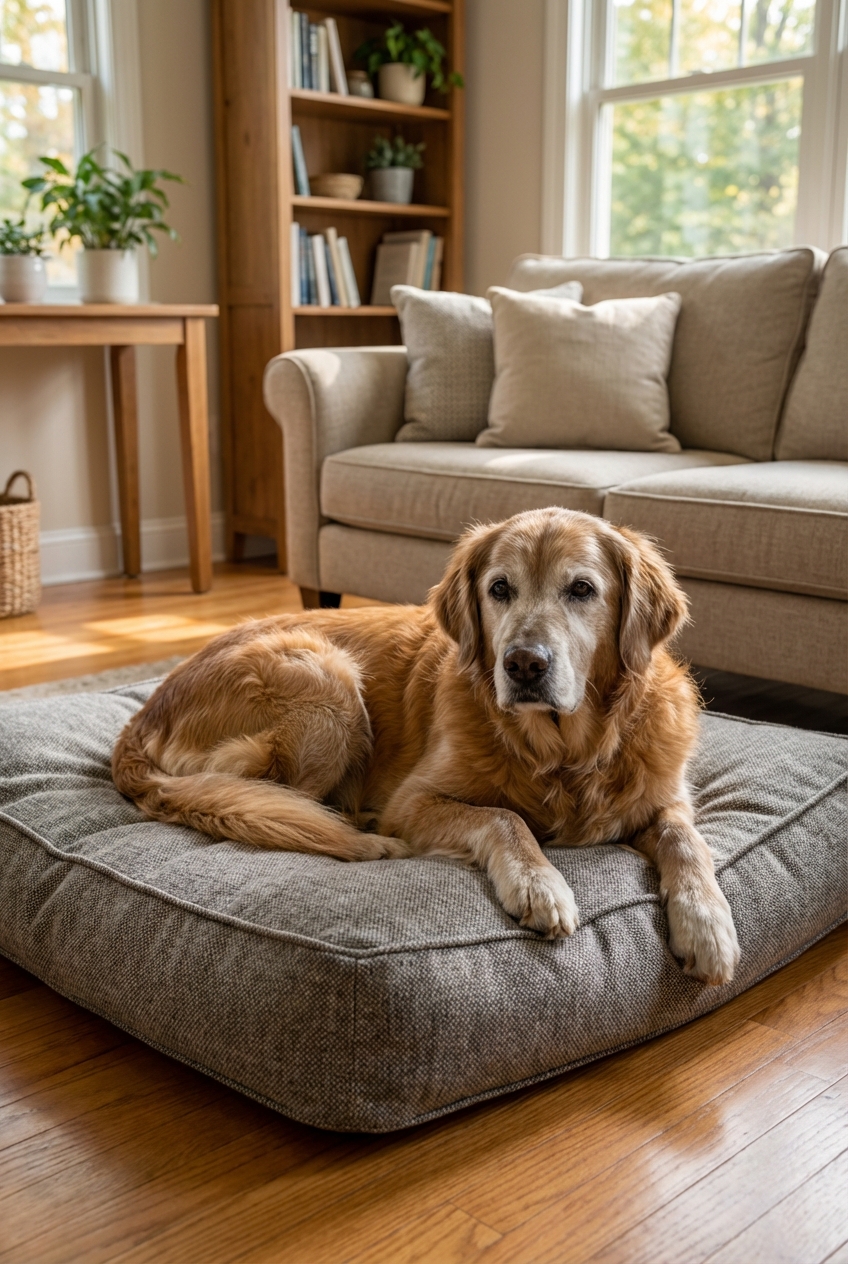
Yes, you can potty train an older dog, and in many cases it happens faster than people expect. As a veterinary assistant here in Frisco, Texas, I have seen senior rescues and “never really trained” family dogs make huge progress once we combine a clear routine with a little medical common sense. Many older dogs are calmer, more motivated by comfort, and better able to focus than puppies. They just need a plan that fits their body and their history.
Why older dogs have accidents
Accidents in adult and senior dogs usually fall into one or more of these buckets. Knowing the most likely cause helps you pick the right fix.
- They were never fully trained. Some dogs were punished for accidents, bounced between homes, or lived outdoors, so they never learned a consistent indoor rule.
- New environment, new rules. Moving, new flooring smells, a new baby, a schedule change, or a new pet can reset habits.
- Medical issues. Urinary tract infection, bladder stones, kidney disease, diabetes, Cushing’s disease, arthritis pain, or cognitive dysfunction can all lead to “I cannot hold it” or “I forgot where to go.”
- Marking. This is often small amounts of urine on vertical surfaces, sometimes triggered by stress, visitors, or another pet.
- Anxiety. Separation anxiety and noise fears can cause urination or defecation when a dog panics.
If your dog was reliably house-trained and suddenly is not, that is your biggest clue to rule out a medical cause first.
Start with the vet checklist
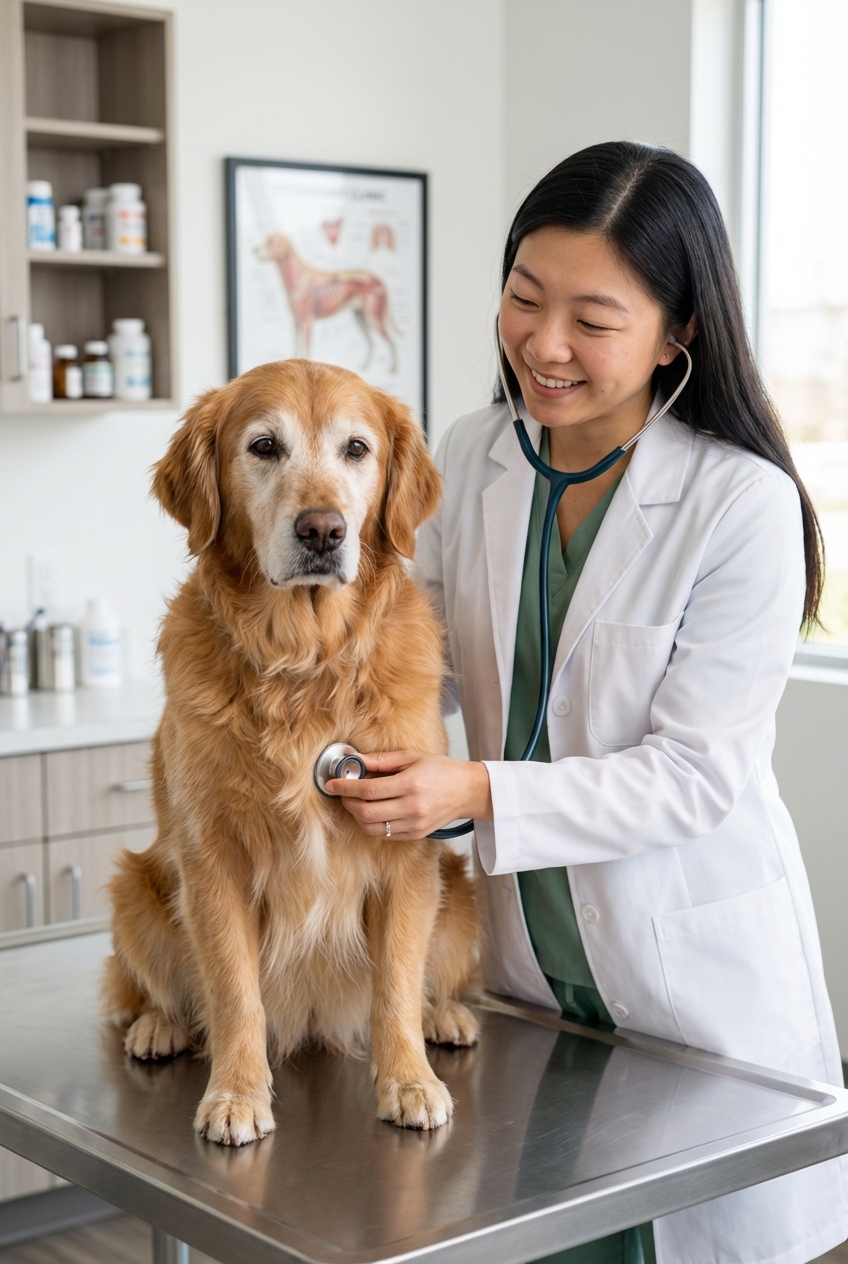
Before you assume it is “stubbornness,” schedule a checkup. This is especially important for dogs over 7 years old or dogs drinking more water than usual.
- Urinalysis to look for infection, crystals, blood, or dilute urine.
- Urine culture if infection is suspected or keeps returning.
- Bloodwork if there is increased thirst, weight change, or frequent urination.
- Pain and mobility exam for arthritis, back pain, or difficulty squatting.
When we treat the underlying problem, potty training becomes fair, and it becomes achievable.
Your 2-week reset plan
Think of potty training like rebuilding a habit. For two weeks, you are going to make the right choice easy and the wrong choice unlikely.
1) Pick a potty spot
Go to the same outdoor area every time. Stand still. Give your dog time to sniff, circle, and relax. If you talk, keep it calm and minimal.
2) Use a schedule you can keep
During retraining, a common starting point for many adult dogs is 4 to 6 bathroom breaks per day. Seniors often need more. Your dog’s ideal timing depends on size, diet, medications, mobility, and how long they can comfortably hold it.
- First thing in the morning
- After every meal (often within 10 to 30 minutes, but some dogs need a little longer)
- After naps
- After play or excitement
- Last thing before bed
- One overnight break for seniors who are waking up wet
3) Supervise or confine
Until the habit is solid, use management to prevent accidents.
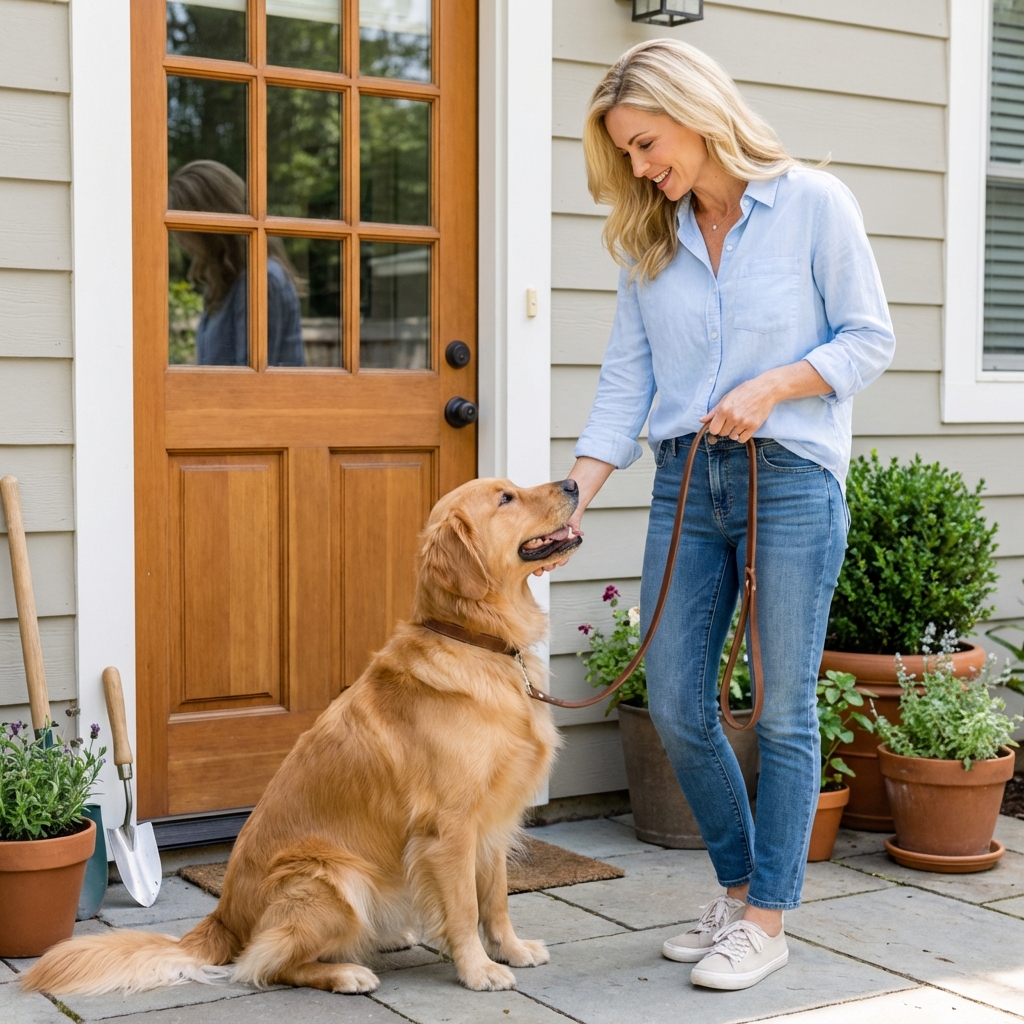
- Leash tethering: clip the leash to you so you can catch signals early.
- Crate training: a properly sized crate can help many dogs hold it, as long as they are physically capable and the crate is introduced gently.
- Small safe zone: a puppy pen or gated room can work for dogs who panic in crates.
Safety note: if crating causes intense distress (drooling, frantic scratching, trying to escape, self-injury, or nonstop screaming), stop and ask your vet or a qualified trainer for help. For some dogs, crating can worsen separation anxiety, and we want training to feel safe.
If your dog is having frequent accidents in the crate, that is a big sign to revisit the medical checklist or adjust timing.
4) Reward right away
When your dog finishes peeing or pooping outside, reward immediately (within a second or two). Timing matters more than the treat quality. Use:
- Happy praise
- A small, high-value treat
- A quick sniff walk as the bonus
Do not reward when you come back inside. Your dog will not connect the dots.
5) Clean thoroughly
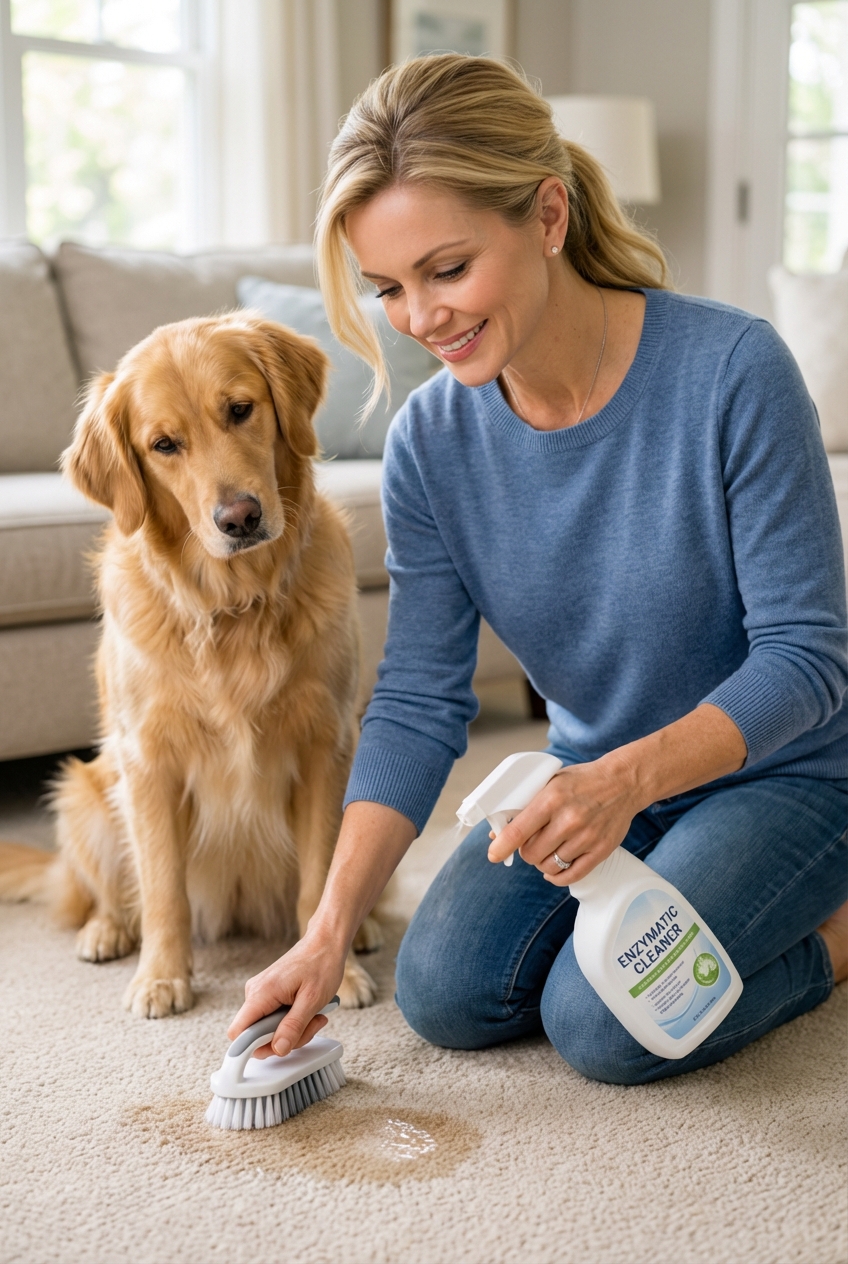
Use an enzymatic cleaner designed for pet urine and stool. Regular household cleaners may leave scent behind that tells your dog, “This is a toilet.”
6) Track it for a week
A simple log helps you predict patterns fast. Write down:
- Potty times
- Meals and water breaks
- Accident time and location
- Stool quality
Many families discover accidents happen at the same times daily, which makes prevention much easier.
7) Learn your dog’s cues
Older dogs are not always obvious about it, so watch for small signals like:
- Sudden intense sniffing of the floor
- Circling or pacing
- Wandering away from the family or leaving the room
- Stopping mid-play and looking restless
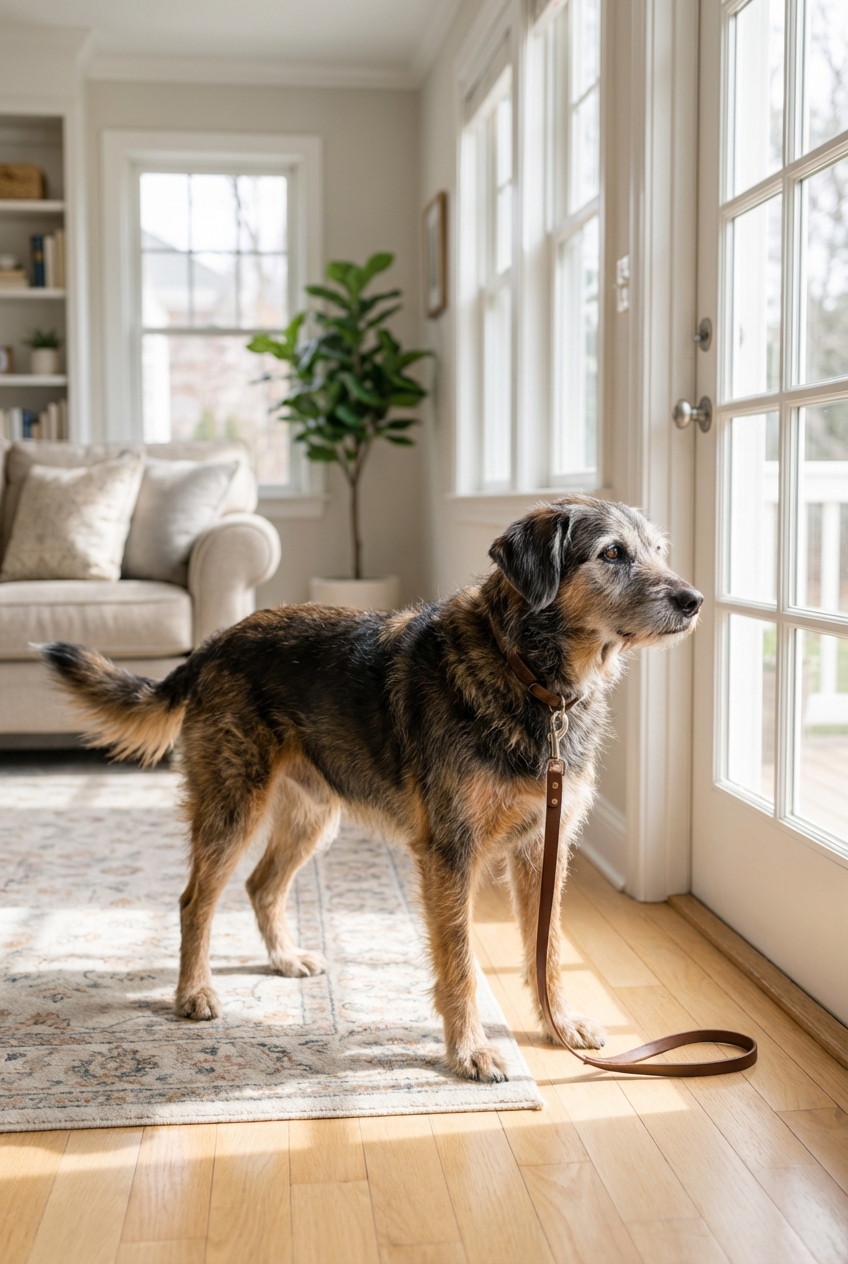
- Standing by a door or baby gate
If you see a cue, take them out right then. The more you prevent accidents, the faster the habit rebuilds.
Accidents: what to do
If you catch your dog mid-accident, interrupt gently and immediately take them outside. No yelling. No rubbing noses. Those approaches increase anxiety and often create sneaky “hide and potty” behavior.
If you find an accident after the fact, your only job is to clean it and adjust management next time. Dogs do not understand delayed punishment.
Tools that help
- Leash and harness: makes it easy to guide quickly and safely.
- Baby gates: keeps your dog in your line of sight.
- Crate or exercise pen: supports a predictable routine.
- Enzymatic cleaner: non-negotiable for repeated accident spots.
- Potty bells: helpful for some dogs, but teach them carefully so they do not ring for fun.
- Washable belly bands: can reduce marking messes in males while you retrain, but they are management, not a cure.
Special cases
Senior dogs with arthritis
If squatting hurts, your dog may avoid going out or may not fully empty their bladder. Ask your vet about pain control and joint support. Also consider:
- More frequent bathroom breaks
- A ramp or traction runner for slick floors
- A shorter route to the potty area
Rescue dogs adjusting
Some rescue dogs do not understand that indoors is different than outdoors. Keep your approach calm and consistent. Give them time to decompress and keep the schedule tight for the first couple of weeks.
Urine marking
Marking is often small amounts, frequently on vertical surfaces. Helpful steps include:
- Increase outdoor opportunities and reward full bladder emptying (a longer pee versus a quick squirt)
- Block access to favorite marking spots
- Clean thoroughly with enzymes
- Reduce triggers when possible (window film for fence-line dogs, controlled greetings for visitors)
- Talk to your veterinarian about neutering and behavior support if it is persistent
Cognitive changes
Some older dogs develop confusion, pacing, vocalizing, and nighttime accidents. If that sounds familiar, your veterinarian can discuss medications, supplements, and home strategies that support sleep and reduce anxiety.
Apartments and limited mobility
If stairs, elevators, or long walks make timing hard, you still have options. Talk with your vet about what is appropriate for your dog, and consider:
- A balcony turf patch or a designated potty station close to the door
- Planning elevator time around your dog’s usual “need to go” windows
- Using a leash to get to the spot quickly instead of waiting for your dog to wander
Water and routines
Do not restrict water without veterinary guidance. If nighttime accidents are the issue, your vet may recommend timing water intake earlier in the evening, offering a last drink at a set time, and adding a final late bathroom break. The goal is comfort and safety, not dehydration.
What success looks like
With consistent management and rewards, many older dogs show meaningful improvement in 7 to 14 days, assuming there is no untreated medical issue. Some dogs take several weeks or longer, especially if there is mobility pain, anxiety, or a long history of indoor accidents. Progress is still progress, even when it is gradual.
Check in with your vet if you notice:
- Straining, blood in urine, or frequent tiny pees
- Sudden increased thirst or appetite
- Accidents that happen even right after going outside
- New poop accidents, diarrhea, or constipation
- Nighttime accidents that are increasing
A gentle note
If you are feeling frustrated, take a breath. Potty training an older dog is not about willpower, it is about clarity, comfort, and consistency. Start with health, tighten the routine, reward the right choice fast, and prevent chances to rehearse the wrong one. Your dog is not giving you a hard time. They are having a hard time, and you can absolutely help them through it.