Get your kitten using the litter box quickly with a fast-start checklist, ideal box and litter setup, a 3-day training routine, and simple accident fixes—p...
Article
•
Designer Mixes
Potty Train a Kitten

Shari Shidate
Designer Mixes contributor
Bringing home a kitten is pure joy, but potty training can feel intimidating at first. The good news is that most kittens naturally want to bury their waste, so you are not starting from zero. With a clean, easy-to-reach litter setup, a gentle routine, and a little patience, you can help your kitten build lifelong good habits while keeping your home (and your relationship) stress-free.
When kittens can start litter training
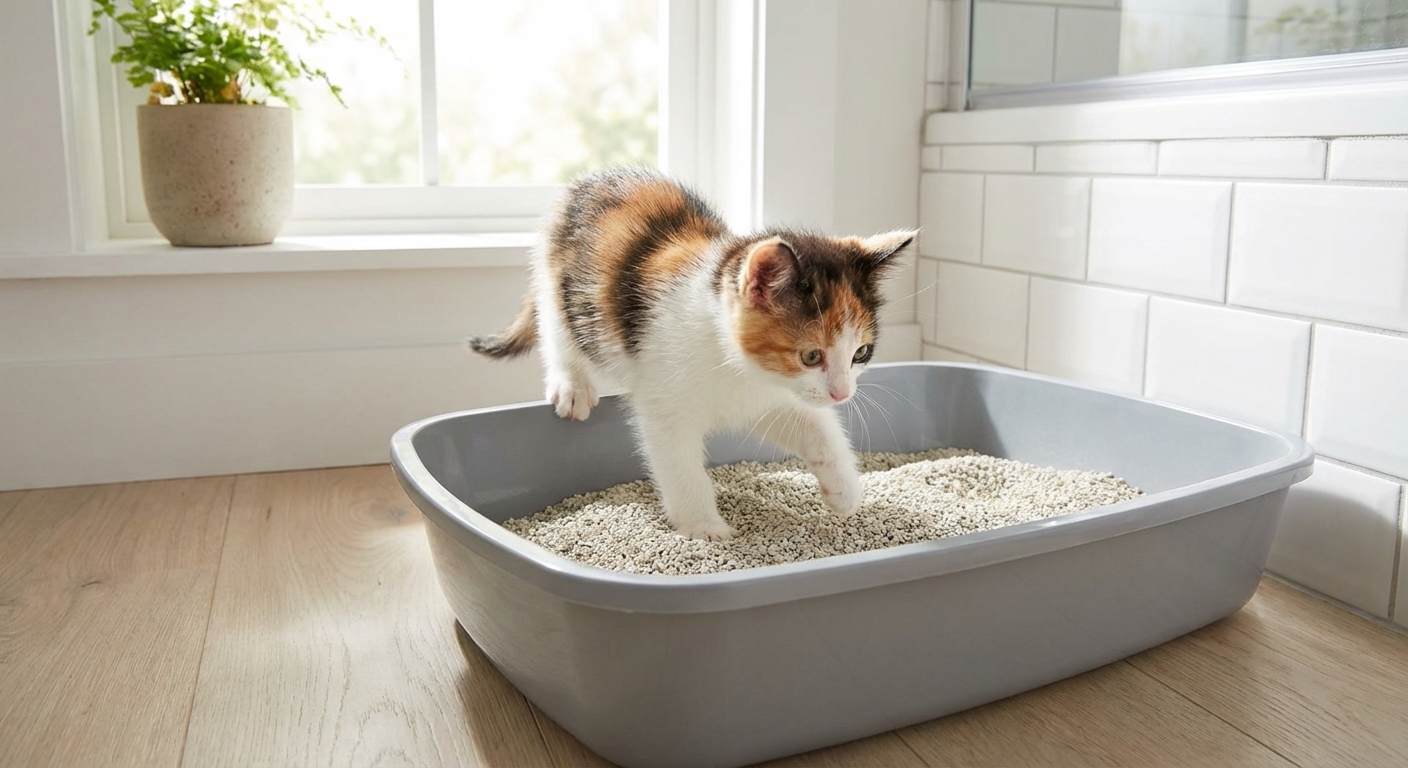
Some kittens can begin learning the litter box as soon as they are walking steadily, often around 3 to 4 weeks old. For many kittens, consistent and reliable litter box use improves after about 4 weeks and is usually much more solid by 6 to 8 weeks, especially if they had a good start with their mom or a foster home.
If your kitten is younger, orphaned, or not fully weaned, talk with a veterinarian about safe elimination support and proper formula feeding. Very young kittens may need gentle stimulation to urinate and defecate.
Set up a kitten-friendly potty station
Pick the right litter box
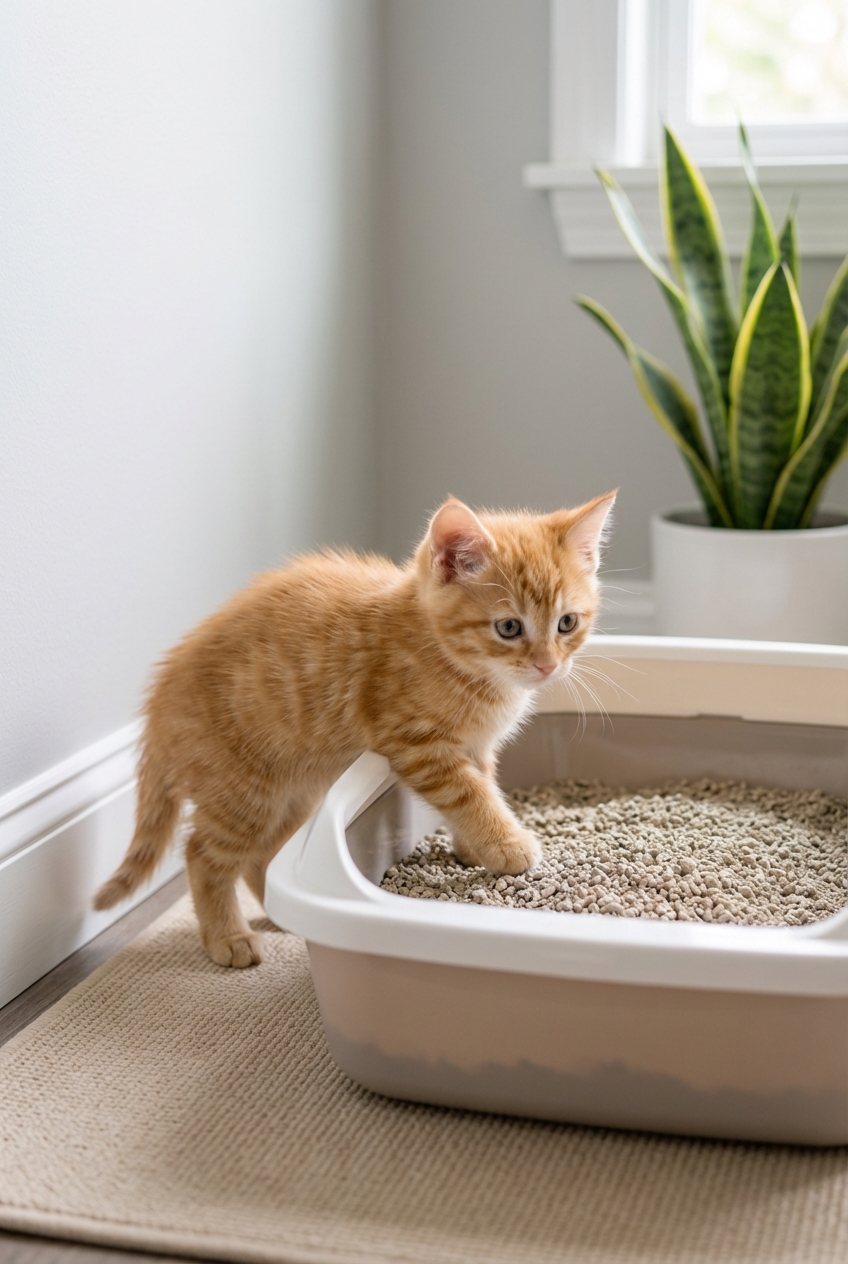
- Low entry: A shallow, low-sided box helps tiny kittens climb in easily.
- Size matters: Big enough to turn around comfortably, but not so tall it feels like a fortress.
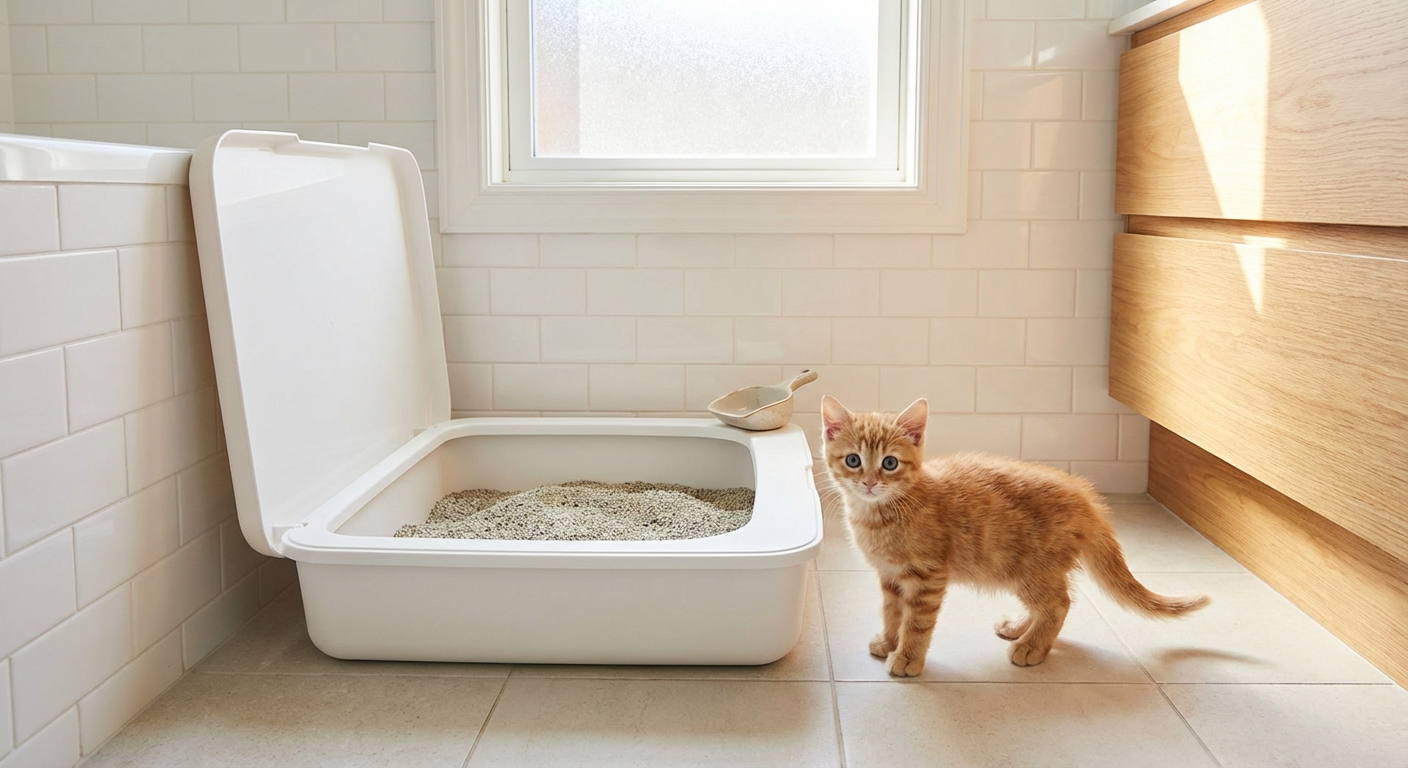
- Uncovered at first: Many kittens do better with an open box while they learn. Covered boxes can trap odor and feel scary for some kittens. Once your kitten is reliable, you can try a covered box if you prefer and see what they like.
Choose a safe litter
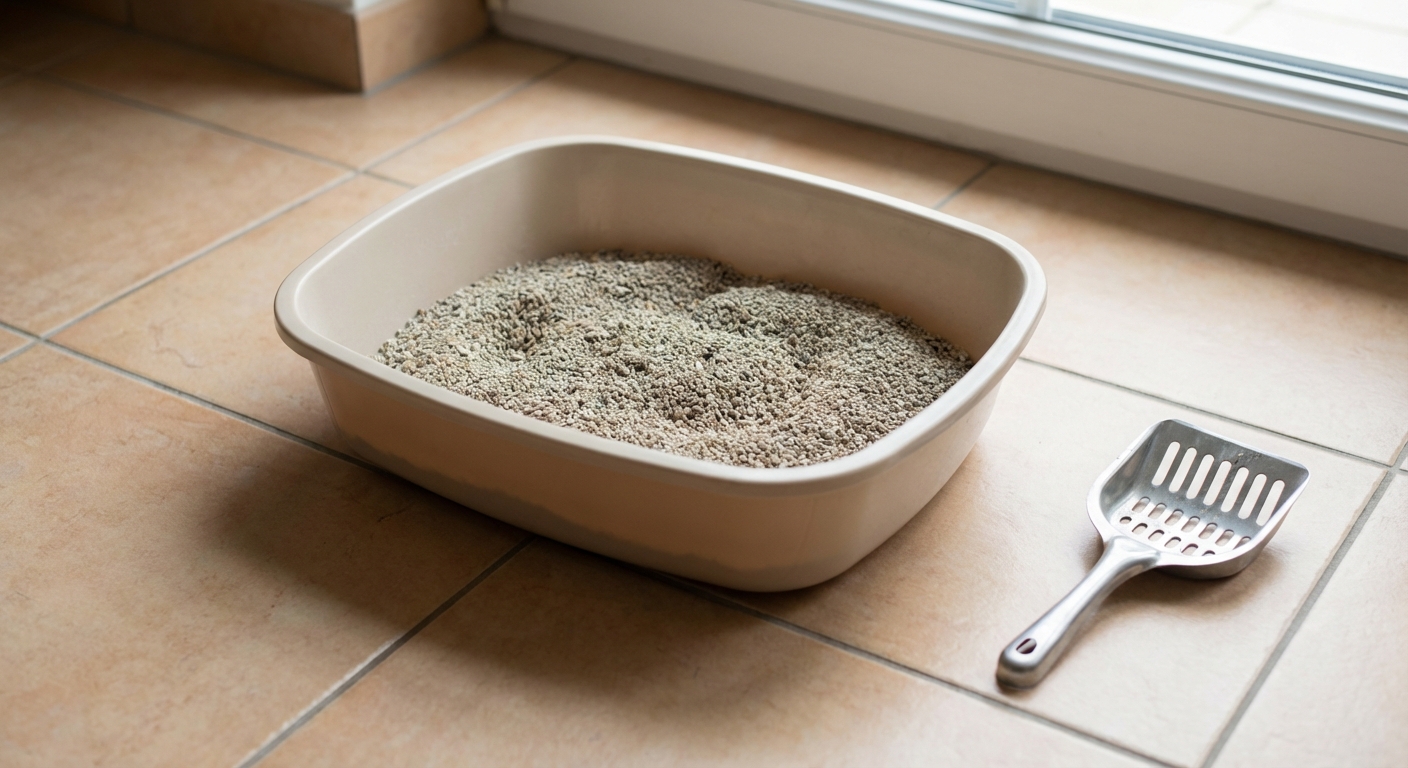
For young kittens, many veterinarians prefer a fine-grain, unscented litter. Avoid strongly perfumed options, which can irritate sensitive noses and discourage use.
- Be cautious with clumping litter for very young kittens: The risk is highest for kittens who taste or eat litter. Clumping litter can swell and form a mass in the digestive tract if swallowed, which can lead to serious gastrointestinal problems. If your kitten is mouthy with litter, ask your vet about using a non-clumping option temporarily.
- Avoid highly scented or dusty litters: Silica “crystal” litters are not automatically bad, but any litter that is strongly scented or dusty can trigger sneezing, watery eyes, or box avoidance in some kittens. If you notice irritation, switch to a gentler, low-dust, unscented litter.
Litter depth: keep it easy
Aim for a shallow layer so a small kitten can dig and balance comfortably. About 1 to 2 inches works well for many kittens, unless your product recommends otherwise. Too much litter can feel unstable or hard to move through for tiny paws.
Location: quiet, easy, and predictable
Place the litter box in a calm area with low foot traffic. Avoid loud appliances (like next to a washing machine) and do not hide the box so well your kitten cannot find it. Kittens need easy access, especially right after meals and naps.
- Rule of thumb: one box per cat, plus one extra when possible.
- For very young kittens: temporary extra boxes in the rooms where they spend the most time can prevent accidents while they learn.
- If you have a multi-level home, provide a box on each level while your kitten is learning.
A simple potty-training routine
Consistency and calm repetition are everything.
Step-by-step
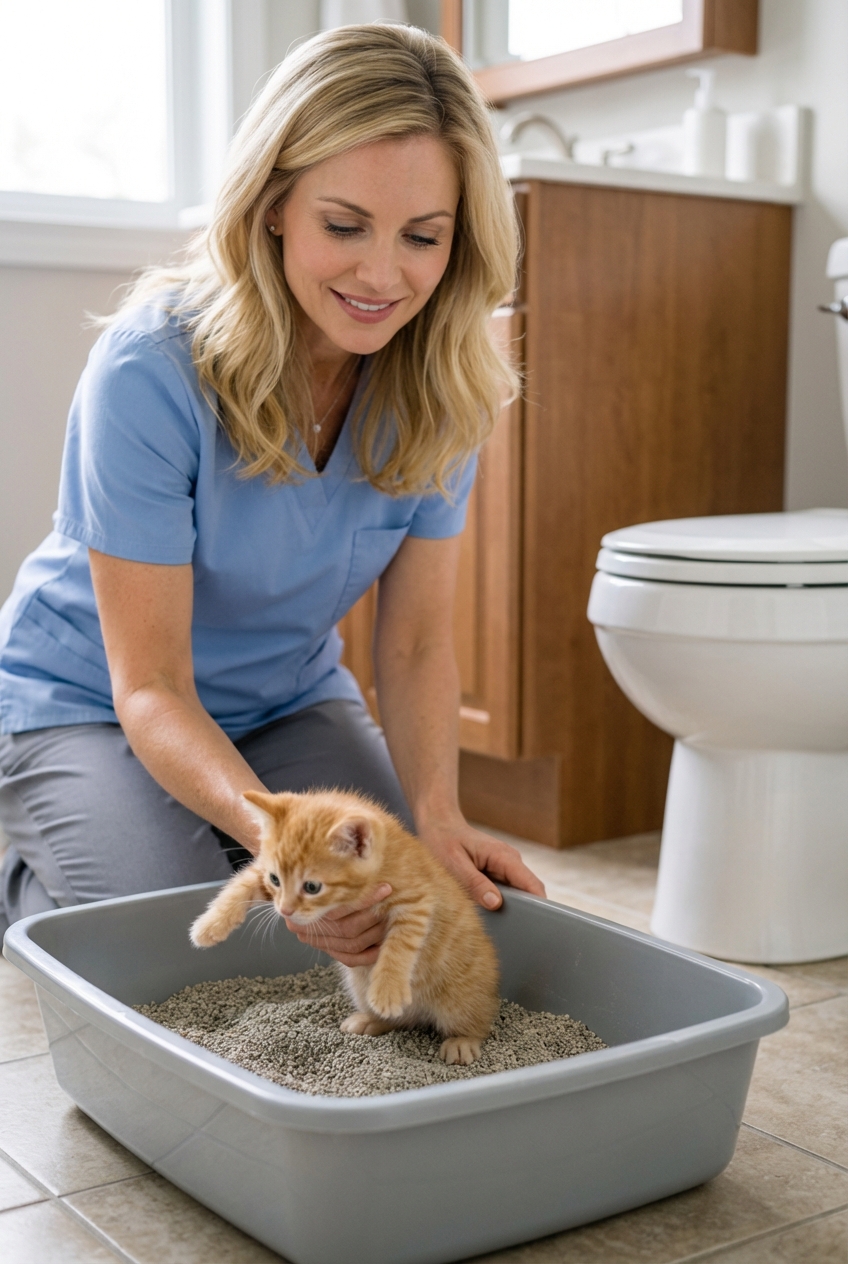
- Show the box often: Gently place your kitten in the litter box after meals, after naps, and after play.
- Let them dig: You can lightly scratch the litter with your fingers to demonstrate.
- Praise quietly: Use a soft “good job” and gentle petting after they use it. Skip loud excitement, which can startle some kittens.
- Keep it clean: Scoop at least once daily. Kittens may avoid a dirty box.
What not to do
- No punishment: Scolding or rubbing a kitten’s nose in an accident can create fear and make litter problems worse.
- Do not chase: If your kitten runs when you approach, slow down. Make litter box time feel safe.
A warm, steady routine builds confidence. When your kitten feels safe, the litter box becomes a habit, not a battle.
Preventing accidents
Start with a smaller space
For the first few days, consider keeping your kitten in a kitten-proofed room (like a bathroom or bedroom) with their box, food, water, and a cozy bed. Once they are reliably using the box, slowly expand access to the rest of the home.
Keep food and water away from the box
Cats prefer separation between eating and eliminating. Place bowls on the opposite side of the room from the litter box.
Watch for “I need to go” signals
- Sudden sniffing and circling
- Backing up toward a corner
- Restlessness right after eating
Use an enzyme cleaner for accidents
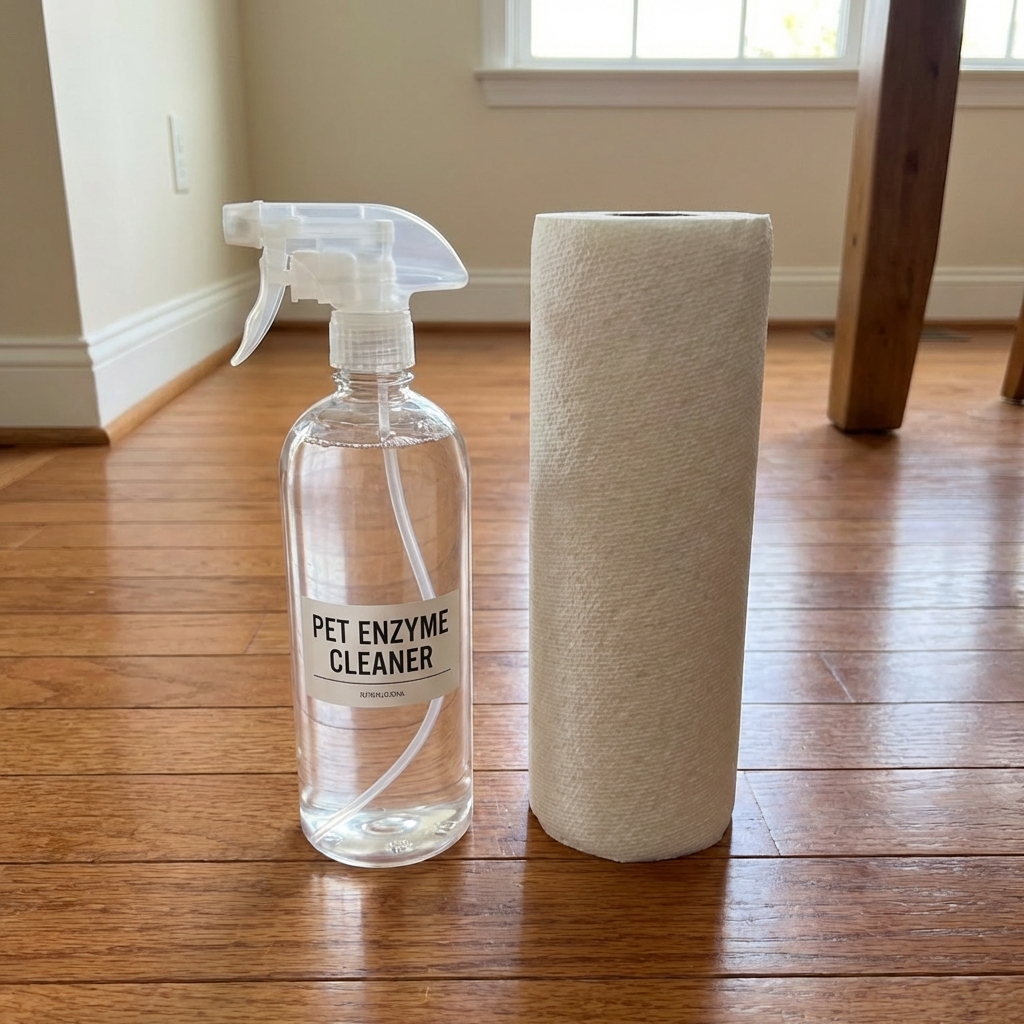
If accidents happen, clean the spot with an enzymatic cleaner made for pet urine. Regular soap may remove the stain but leave scent cues that draw your kitten back to the same spot. Also avoid ammonia-based cleaners, since the smell can be similar to urine and may encourage repeat marking in the same area.
Troubleshooting litter box problems
If your kitten pees right next to the box
- The box may be too dirty, too small, or hard to enter.
- Try moving the box slightly, sometimes a few feet makes a difference.
- Switch to unscented litter if you are using fragrance.
If your kitten has diarrhea or very soft stool
Loose stool can quickly create litter avoidance because the box becomes unpleasant. Diarrhea in kittens can also become serious fast due to dehydration. Contact your veterinarian, especially if your kitten is lethargic, not eating, or has blood or mucus in the stool.
If your kitten is straining or crying
This is a veterinary concern. Straining can indicate constipation, urinary issues, or other problems. Urinary blockage is more common in male cats. It is rare in young kittens, but it is still an emergency if suspected. Any kitten that cannot urinate normally should be seen promptly.
If your kitten suddenly stops using the box
When a kitten who was doing well has a sudden change, think medical first and environment second. Common triggers include a urinary tract infection, parasites, stress, a new pet, a move, or even a change in litter brand.
If you need to change something
Cats often dislike sudden changes. If you want to switch litter, change box style, or move the box, do it gradually when you can. Mix a small amount of the new litter into the old, or add the new box next to the old one for a few days before removing the original.
Poop and pee: what “normal” looks like
Veterinary teams often encourage pet parents to pay attention to litter box habits. It is one of the easiest ways to catch health issues early.
- Urine: pale yellow, regular daily output, no straining.
- Stool: formed, moist but not messy, typically 1 to 2 times daily for many kittens.
- Red flags: blood, black tarry stool, repeated vomiting, lethargy, not eating, or any trouble urinating.
Make it work for the household
If you have dogs
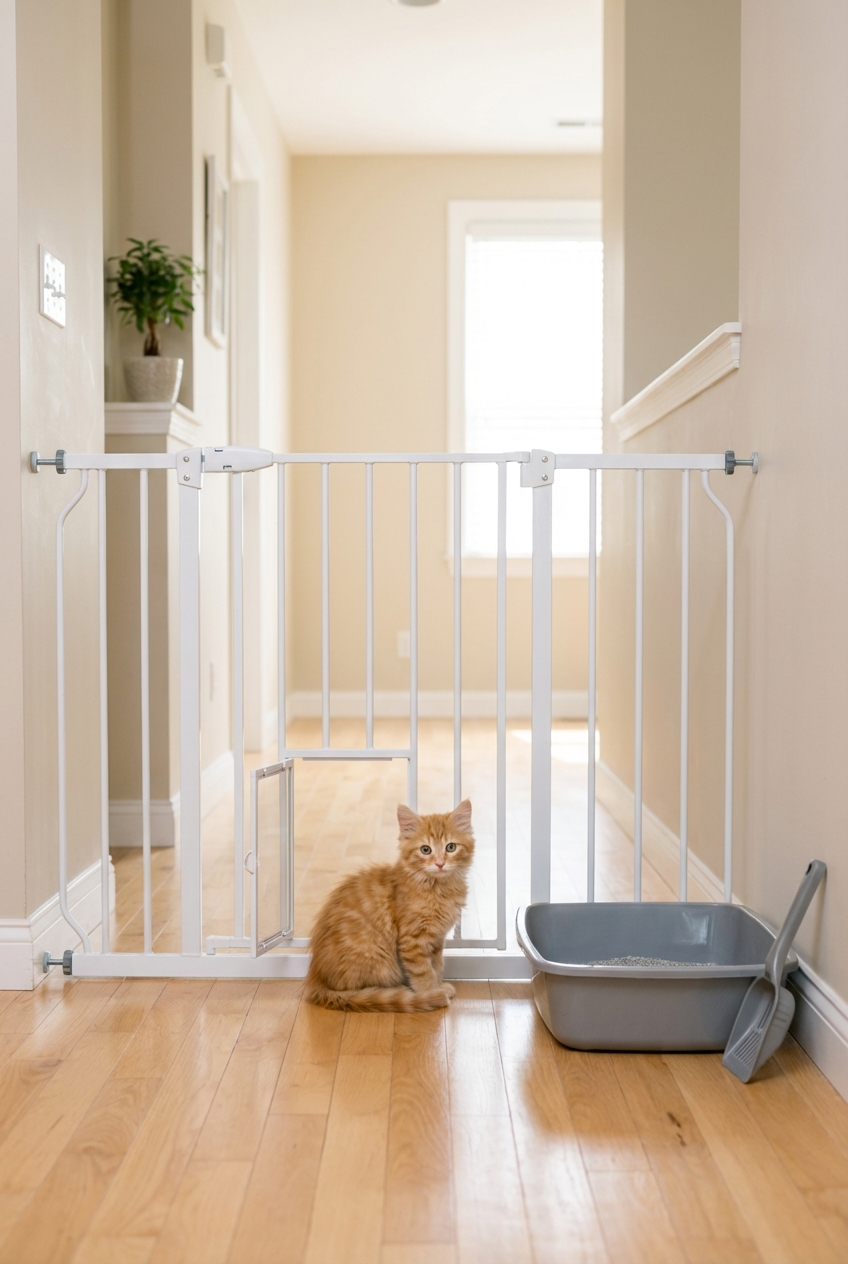
Dogs often treat litter boxes like snack bars, and it is as unpleasant as it sounds. Use a baby gate with a small pass-through, place the box in a dog-free room, or consider a top-entry box later when your kitten is bigger and confident.
If you have kids
- Teach kids to give kittens privacy in the litter area.
- Make hand-washing after handling the kitten or cleaning the box a firm rule.
Litter safety and hygiene
- Pregnant or immunocompromised individuals should avoid cleaning the litter box when possible due to toxoplasmosis risk. If it cannot be avoided, wear gloves and wash hands thoroughly. Daily scooping helps reduce risk because toxoplasmosis oocysts typically need time to become infectious.
- Scoop daily and fully change litter regularly based on the product instructions and your kitten’s habits.
Quick potty training checklist
- Low-entry, open litter box in a quiet spot
- Unscented, low-dust, kitten-safe litter
- Keep litter depth shallow (about 1 to 2 inches)
- Place kitten in the box after meals, naps, and play
- Praise gently, never punish
- Scoop daily and use enzyme cleaner for accidents (skip ammonia)
- Call your vet for diarrhea, straining, or sudden changes
If you take anything from this article, let it be this: go slow, keep it clean, and make the litter box easy. Your kitten is learning, and you are building trust at the same time.