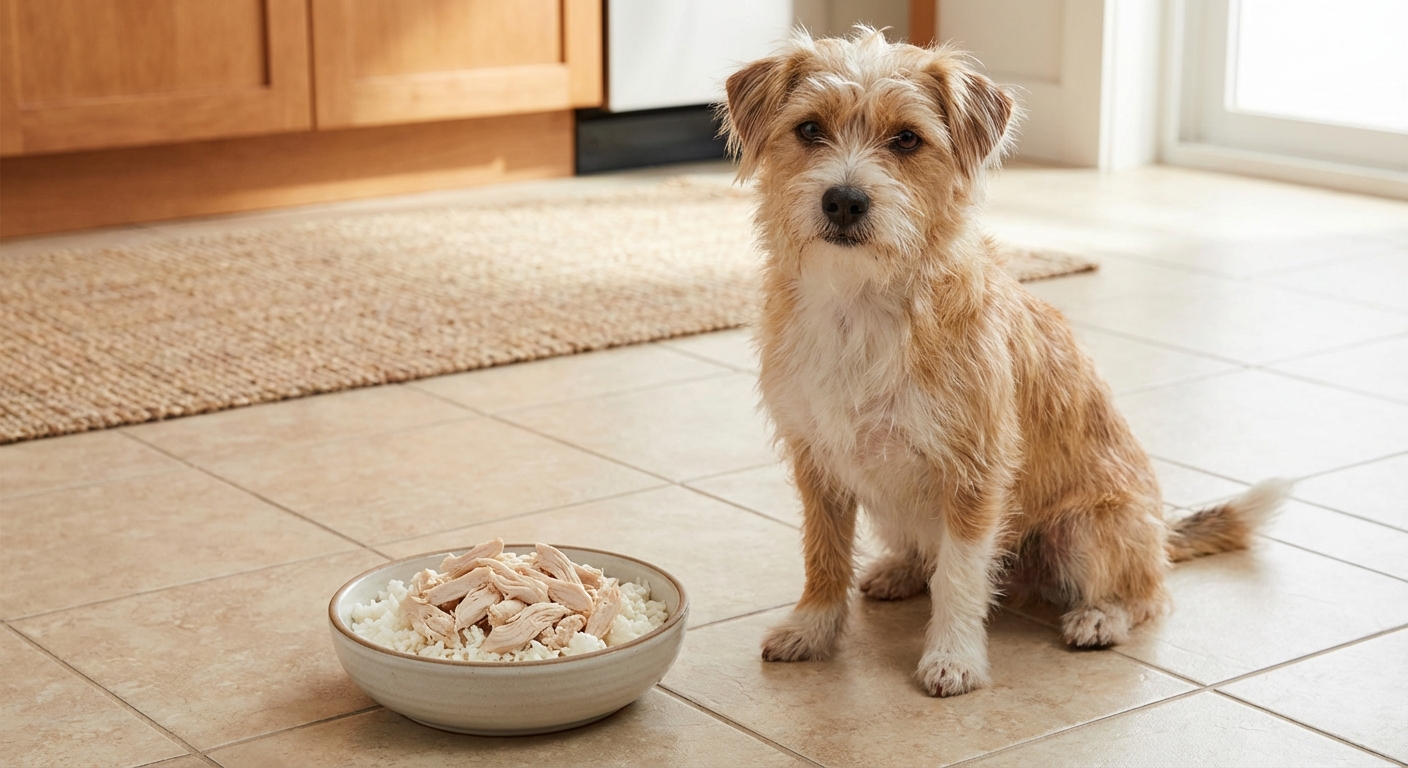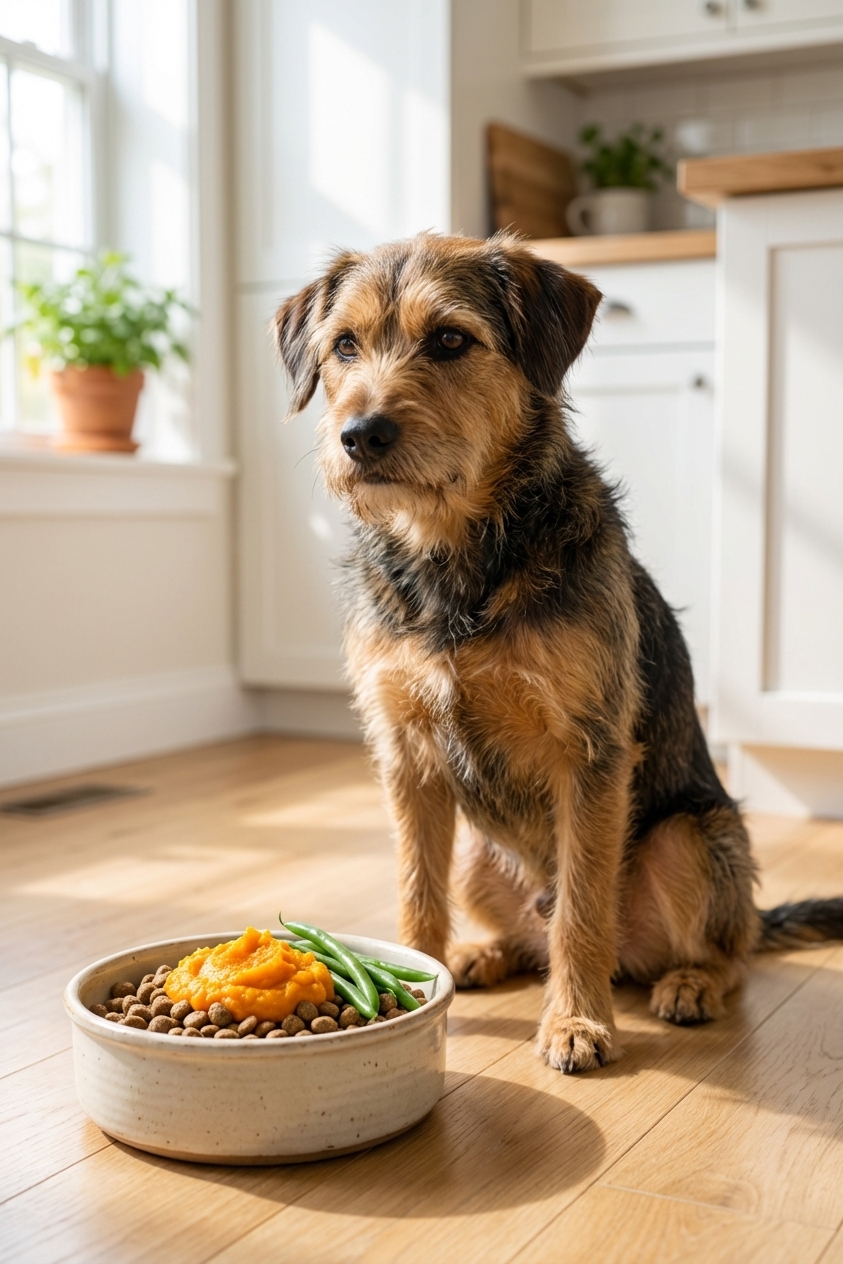
Help your dog feel better with gentle homemade meals for sensitive stomachs. Learn a 3-ingredient bland reset, easy recipes, transition steps, and what signs...
Article
•
Designer Mixes
Post-Spay Care for Dogs

Shari Shidate
Designer Mixes contributor
What to expect after a spay
Spaying is one of the most common surgeries in veterinary medicine, and it is normal to feel a little nervous about recovery. The good news is that most dogs do very well with simple, consistent at-home care. Your job is to protect the incision, prevent over-activity, and watch for early signs of trouble.
In many healthy dogs, the first 24 to 72 hours are the “sleepy and sore” window, and days 3 to 14 are all about keeping things calm while the incision seals and strengthens. Many clinics remove skin sutures or staples around day 10 to 14, though some dogs have dissolvable sutures under the skin. Some veterinarians recommend a full 14 days (or longer) of restrictions depending on technique, size, and whether the spay was more complex, so follow your clinic’s timeline.
The first 24 hours
Normal signs
- Sleepiness and lower energy from anesthesia.
- Mild shivering as medications wear off.
- Small appetite the first night, then gradual return to normal.
- A small amount of redness or mild bruising at the incision.
Set up a calm recovery space
Choose a quiet room with a soft bed, water nearby, and no stairs if possible. Keep the temperature comfortable and lights dim the first evening. If you have kids or other pets, this is the time to create a little “recovery bubble” so your dog can truly rest. For many dogs, a crate or x-pen is the safest way to enforce rest, as long as your dog is comfortable with it.
Food and water
Your veterinarian may recommend a smaller meal the first night. If your dog seems nauseated, offer a little water first and wait a few hours before feeding. Avoid rich treats or new foods right after anesthesia, since stomach upset is common.
Potty breaks
Take short, leashed potty breaks only. No running, no dog park, no backyard zoomies. If your dog has not urinated by the next morning or within 24 hours, or seems to be straining or uncomfortable, call your clinic.
Incision care 101
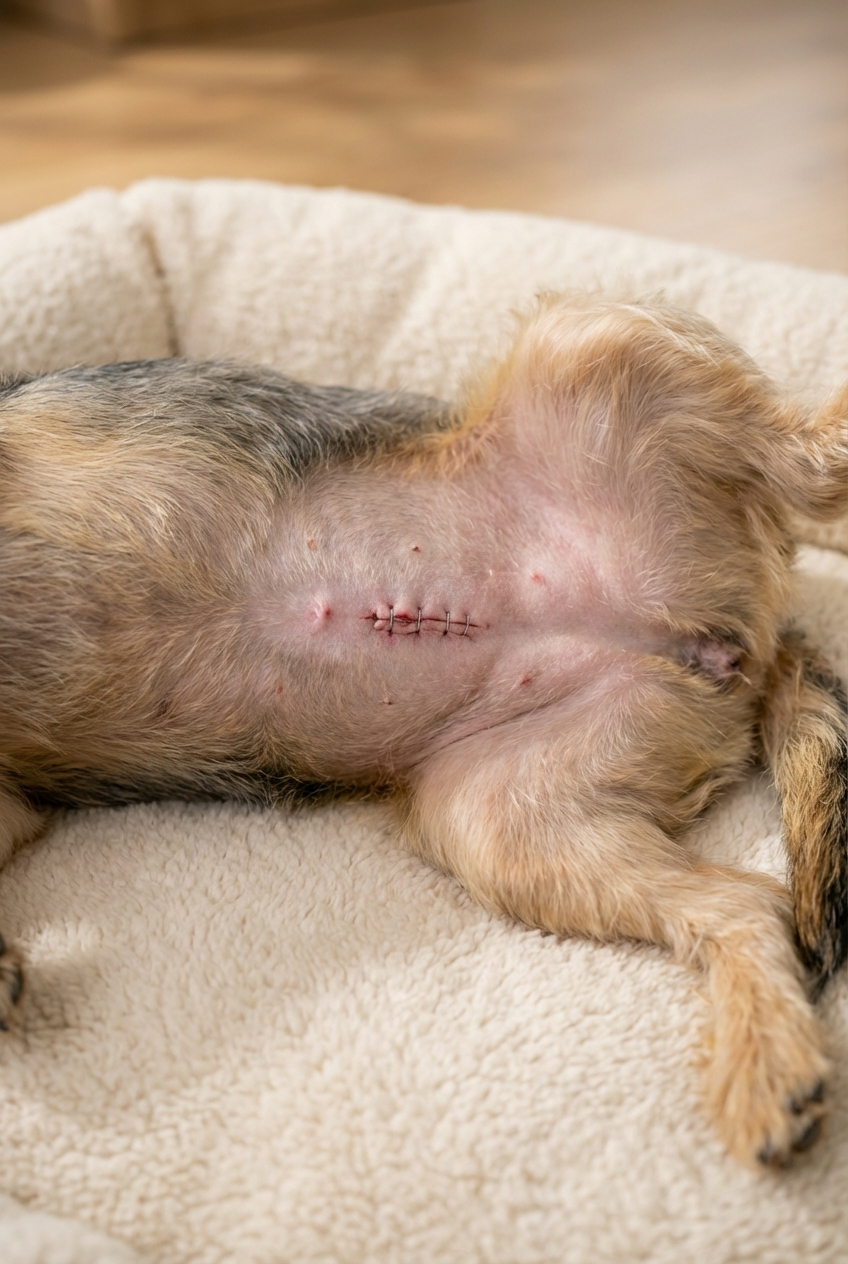
The incision is the heart of post-spay care. Many complications happen because a dog licks, chews, or gets too active before the tissues are ready.
What a healthy incision looks like
- Edges closed and touching.
- Dry surface with minimal scabbing.
- Mild pinkness for the first few days.
- Very mild swelling that does not worsen.
What is not normal
- Gapping, missing sutures, or visible tissue.
- Thick swelling that appears suddenly or keeps enlarging.
- Heat, increasing redness, or a foul odor.
- Any pus-like discharge (yellow, green, or creamy fluid).
- Bleeding that continues, drips, or soaks the incision area.
Avoid these common mistakes
- No baths until your veterinarian clears it, typically 10 to 14 days (and sometimes longer).
- No ointments unless your veterinarian specifically prescribed them.
- No bandages unless directed, as they can trap moisture and irritate skin.
- No licking even “just a little.” Licking can open the incision fast.
Daily incision check
Look at the incision twice daily in good light. A quick photo on your phone each day can help you spot subtle changes and gives your vet a helpful timeline if you need to call. A tiny amount of clear or blood-tinged seepage can happen early on, but any discharge that persists, thickens, smells, or increases is a reason to call.
E-collar, suit, or inflatable collar
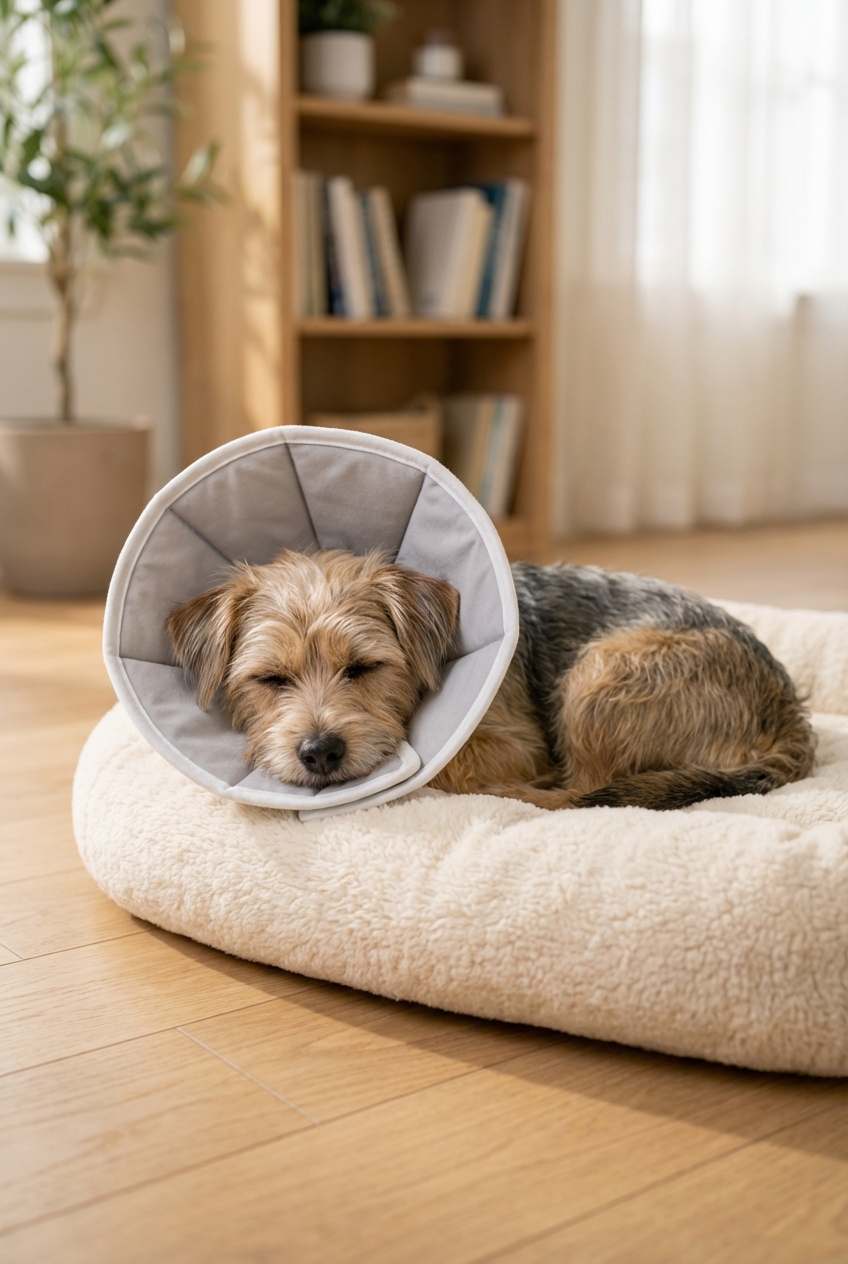
If your dog can reach the incision, you need a barrier. Most incision problems start with licking and chewing, and veterinary teams see this all the time.
Choosing the right option
- Plastic e-collar: Most reliable for determined lickers. Often the best first choice.
- Soft cone: More comfortable for some dogs, but not always chew-proof.
- Inflatable collar: Great for mild cases, but many dogs can still reach the incision.
- Recovery suit: Helpful for calm dogs and supervised time, but watch for rubbing, moisture, and bathroom issues.
Whatever you choose, use it as consistently as you can until your vet says the incision is healed. Many dogs will try to lick when you are asleep or out of the room.
Pain control and medications
Use medications exactly as prescribed. Do not substitute human pain relievers. Many common human medications are dangerous to dogs, including ibuprofen and naproxen.
Tips that make meds easier
- Ask your vet if meds should be given with food.
- Use a small “pill pocket” style treat or a tiny bite of something bland your dog tolerates well.
- Write down doses and times. Post-op brain is real, and checklists help.
Call your vet if you notice
- Vomiting, severe diarrhea, or refusal to eat after the first day.
- Extreme lethargy, collapse, or pale gums.
- Facial swelling, hives, or sudden itchiness after medication.
- Your dog feels hot, is shivering excessively, or seems unusually painful. If you took a temperature and it is high, call your clinic for advice.
Activity restriction
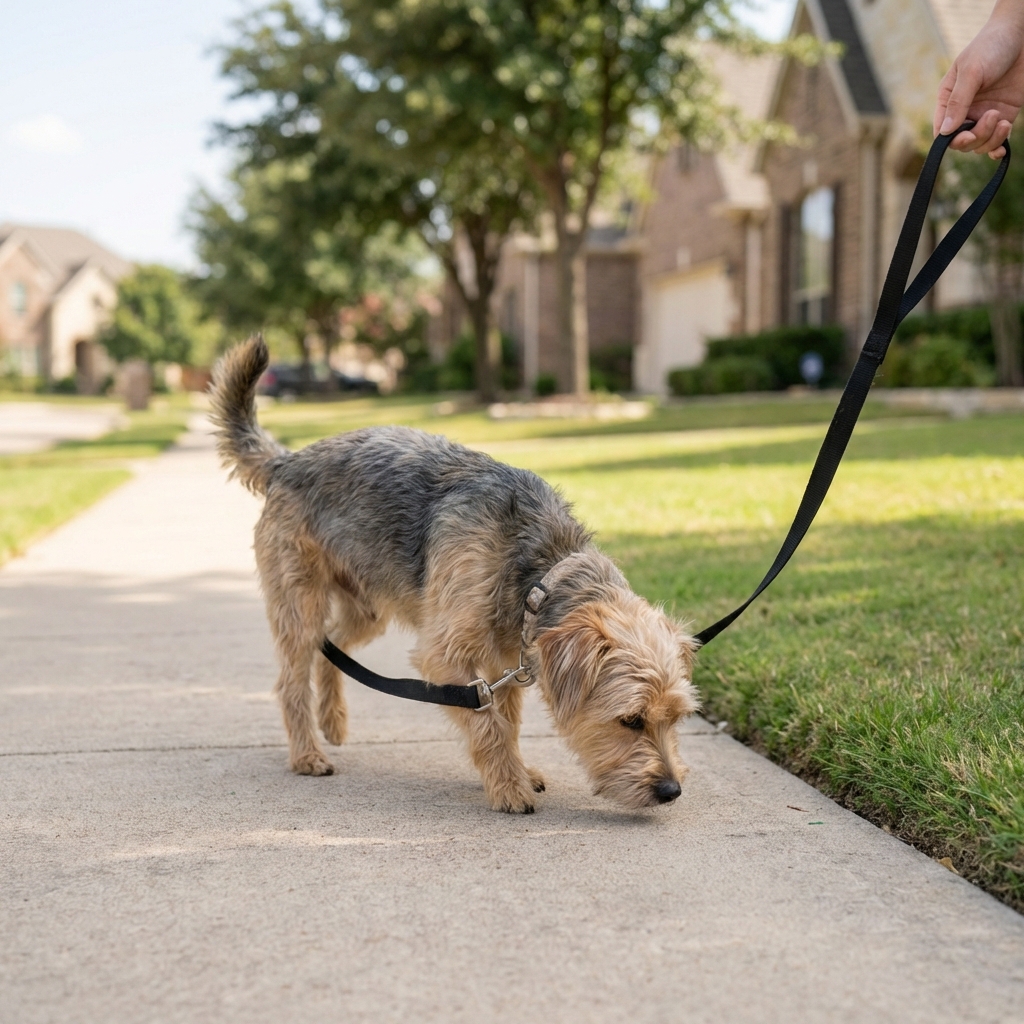
Even if your dog seems totally fine on day 3, the inside is still healing. Spay surgery involves the abdomen, not just the skin. Too much movement can cause swelling, internal bleeding, fluid buildup, or a reopened incision.
General rules for 10 to 14 days
- Leash walks for potty only, then gradually longer calm walks if your vet allows.
- No running, jumping on furniture, wrestling, or off-leash play.
- No stairs if you can avoid them. If not, use a leash and go slowly.
- No daycare, dog park, grooming, or rough playdates.
Some dogs need a strict 14 days minimum, and some need longer. If your veterinarian says longer, believe them.
How to keep a bored dog calm
- Feed meals in a slow feeder or puzzle toy that does not require intense movement.
- Offer lick mats with a vet-approved smear (keep it simple and not too rich).
- Practice calm training: “touch,” “watch me,” or gentle leash manners for 2 to 3 minutes at a time.
- Provide a quiet chew that is safe for your dog and not too hard.
Bathroom changes
Some dogs poop less for a day or two after surgery due to fasting, pain meds, and a slower gut. Mild constipation can happen. Encourage hydration and take short, calm leash walks to stimulate normal bowel movement.
Call your vet if your dog strains repeatedly, cries when trying to poop, has diarrhea that continues, or you see blood in stool.
Swelling and seromas
A soft, fluid-filled swelling near the incision can be a seroma, which is a pocket of fluid that sometimes forms when a dog is too active or the body reacts to the space created during surgery. Many seromas resolve with rest, but they should always be assessed by your veterinarian because they can look similar to infection or other complications.
If you notice swelling, reduce activity immediately and call your clinic for guidance.
When to call the vet
If you are debating whether something is “normal,” take a photo and call your veterinarian. Early advice prevents bigger problems.
- Open incision, missing staples, or active bleeding.
- Yellow, green, or foul-smelling discharge.
- Swelling that appears suddenly or rapidly increases.
- Repeated vomiting, inability to keep water down, or severe diarrhea.
- Labored breathing, collapse, or extreme weakness.
- No urination by the next morning or within 24 hours, especially with straining or discomfort.
- Pale gums or a distended, painful abdomen.
Day-by-day timeline
Days 1 to 2
- Sleepy, quieter, possibly mild nausea.
- Leash potty breaks only.
- E-collar or recovery suit stays on.
Days 3 to 5
- Energy often returns and this is when dogs try to overdo it.
- Incision should remain dry with mild redness only.
- Keep activity restrictions strict.
Days 6 to 10
- Most dogs feel normal, but internal healing still needs protection.
- Continue preventing licking and jumping.
- Follow your vet’s plan for recheck or suture removal if needed.
Days 10 to 14
- Many dogs are cleared for a gradual return to routine.
- Ask your vet before bathing, grooming, or returning to high activity.
Nutrition after a spay
Right after surgery, the goal is simple: keep your dog eating and hydrated without upsetting the stomach. Once she is back to normal, many dogs benefit from a thoughtful nutrition reset because spaying can reduce calorie needs over time.
The first few days
- Stick to your regular food unless your veterinarian recommends a bland diet.
- Keep treats light and limited.
- Prioritize hydration. Add a little warm water to kibble if your dog likes it.
Long-term weight support
After spay, some dogs gain weight more easily due to a mix of hormonal changes and reduced activity during recovery. A simple prevention strategy is to measure meals, limit high-calorie treats, and schedule calm daily walks once cleared. Keep an eye on body condition and ask your vet when (and how much) to adjust portions if the scale starts creeping up.
Special situations
Puppies vs. adult dogs
Puppies may bounce back faster but still need the same strict activity limits. Adult dogs may have a slightly slower recovery, especially if they are overweight or have other health conditions.
High-energy breeds
If your dog is athletic or anxious, talk to your veterinarian about safe calming strategies. Sometimes temporary medication is kinder than a two-week battle that risks the incision.
Multi-pet homes
Plan for separation. Even friendly play can turn into a bumped incision. Use baby gates, crates, or separate rooms during the highest-energy times of day.
Spayed in heat or pregnant
If your dog was spayed while in heat, pregnant, or had a more complex procedure, recovery and restriction needs can be a little more intense. Your vet may recommend a longer rest period, so stick closely to their plan.
Quick checklist
- E-collar or approved barrier on at all times.
- Two incision checks daily.
- Leash-only potty breaks.
- No bathing, swimming, or grooming until cleared.
- Medications given exactly as prescribed.
- Call your veterinarian if anything looks or feels “off.”