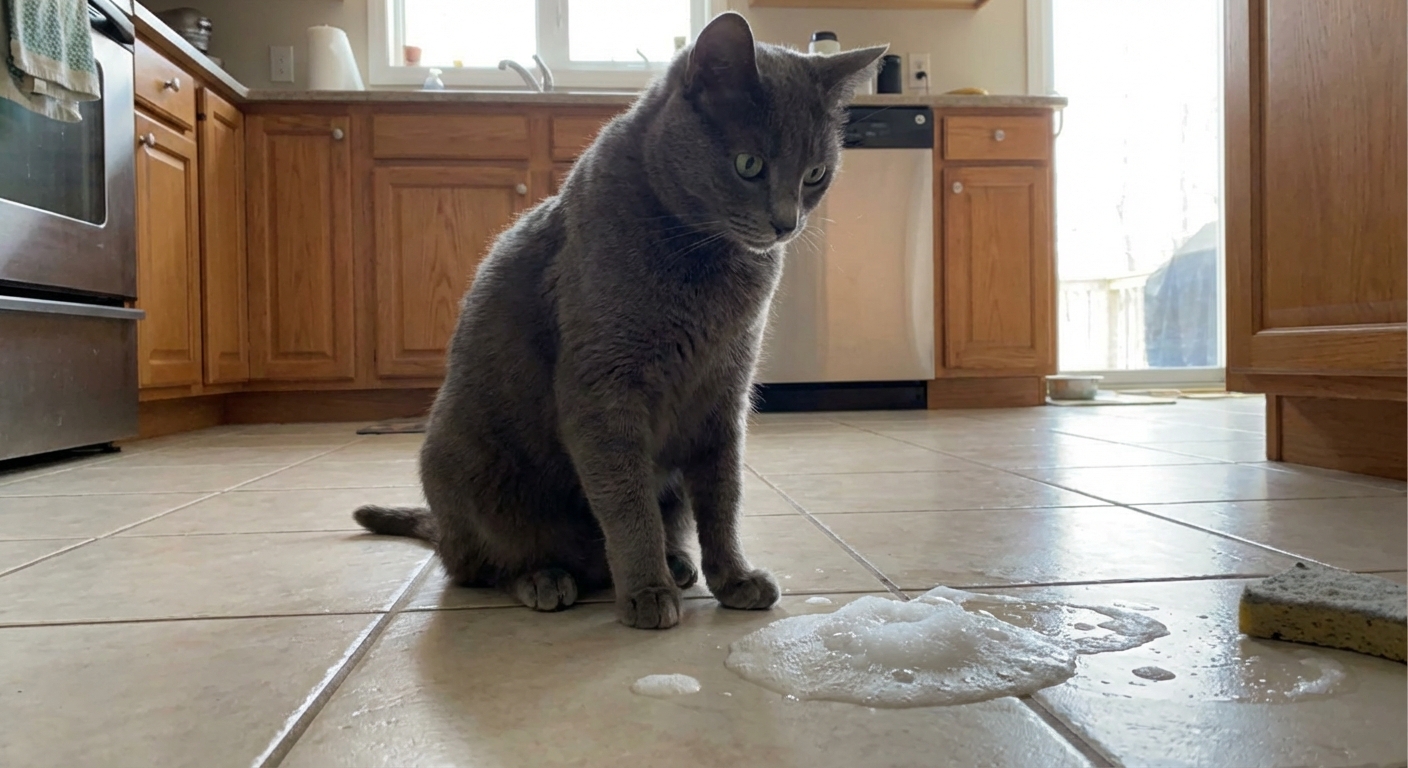
White foamy vomit in cats is often saliva and stomach fluid from an empty stomach, hairballs, or mild upset—but it can signal toxins or blockage. Learn cau...
Article
•
Designer Mixes
Possible Causes Your Cat Is Vomiting White Foam

Shari Shidate
Designer Mixes contributor
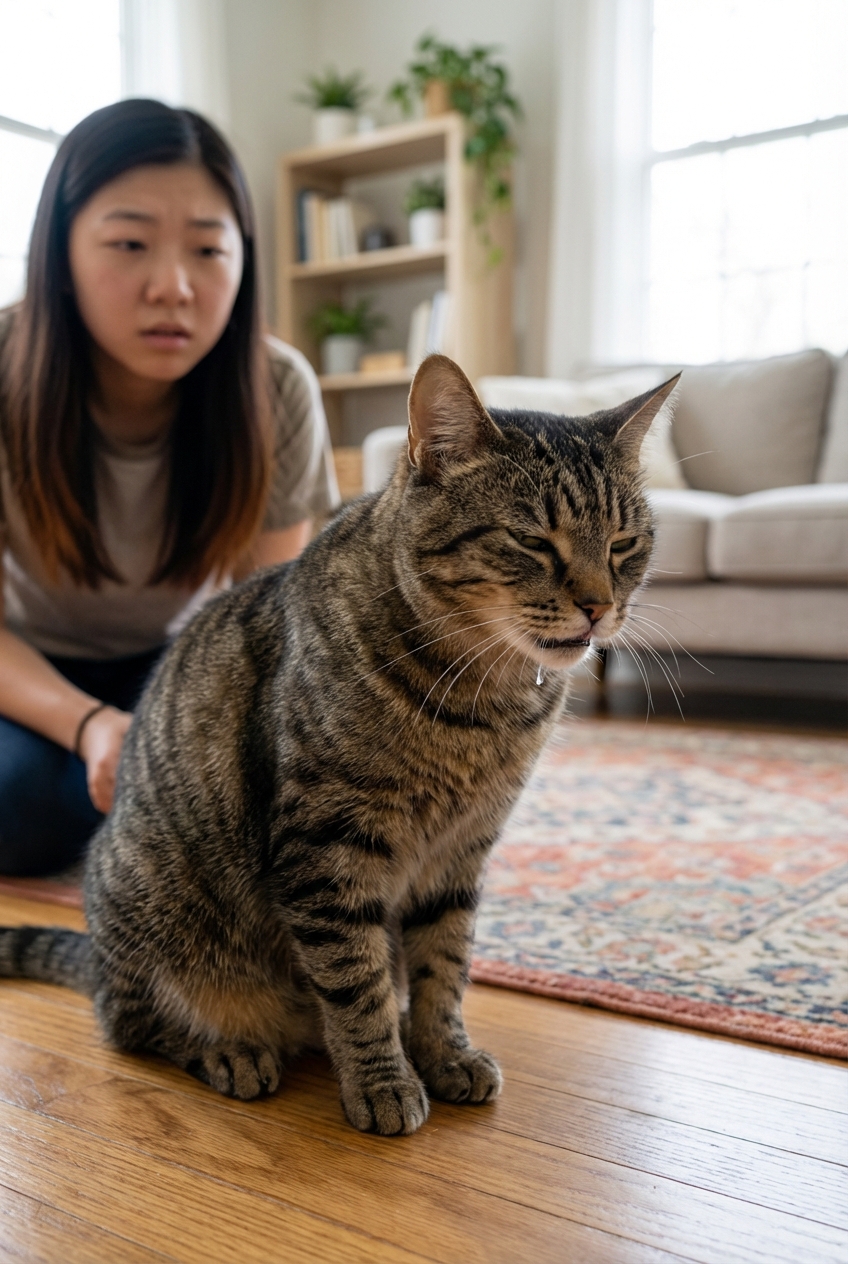
Seeing your cat vomit white foam can be unsettling. In many cases, the foam is simply stomach fluid and saliva that get whipped up when there is not much food in the stomach. Sometimes it is minor and short-lived. Other times, it is your cat’s way of telling you something needs attention.
Below are the most common causes, what to watch for, and when it is time to call your veterinarian.
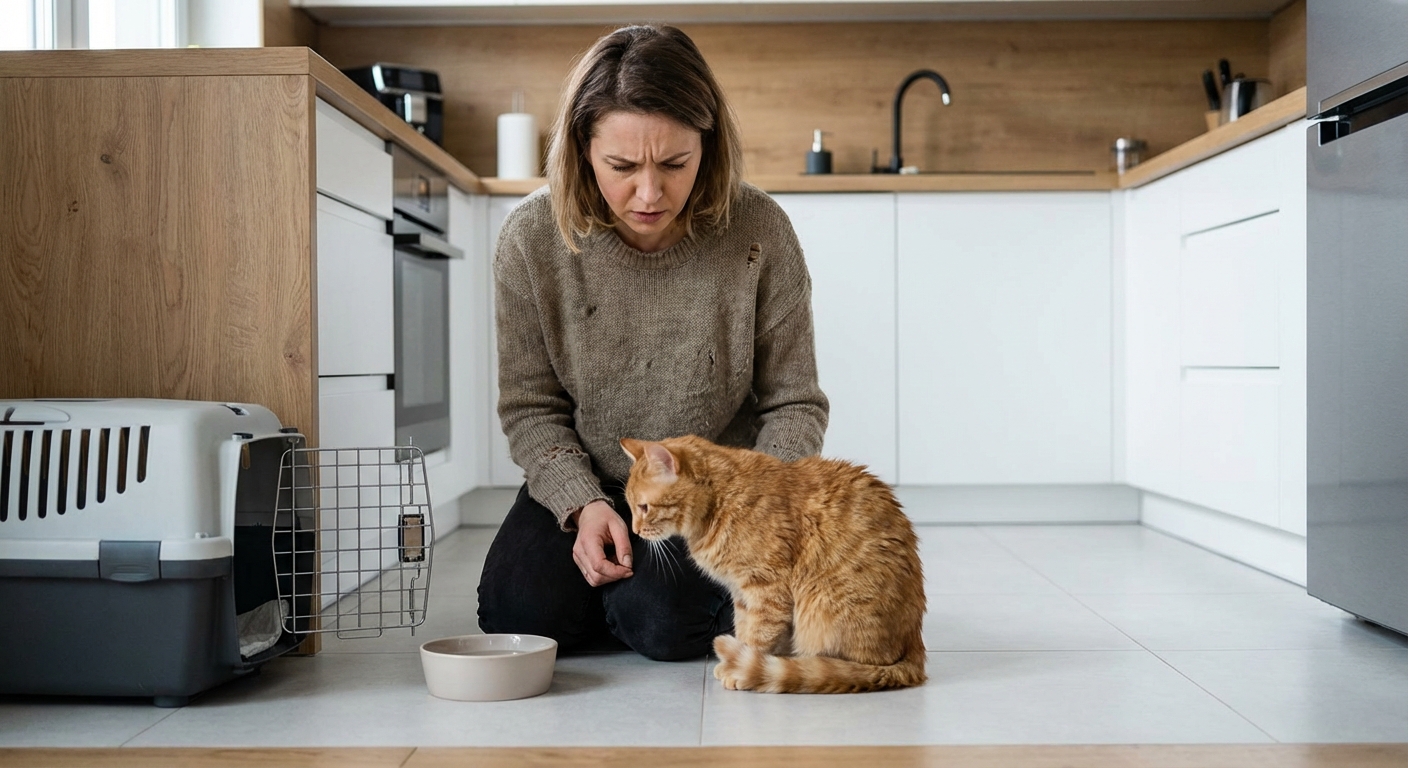
Designer Mixes note: This article is for education only and not veterinary advice. If your cat seems very unwell or you are unsure, it is always safest to contact your veterinarian.
What “white foam” usually is
White, frothy vomit is often a mix of:
- Saliva
- Stomach acid
- Mucus
- A small amount of bile (sometimes faintly yellow)
This is more likely to appear when your cat vomits on an empty stomach or is nauseated but has little to bring up.
Common causes of white foamy vomit
1) Empty stomach or “hunger pukes”
One of the most common reasons is that your cat’s stomach is empty and irritated by acid. This often happens early in the morning, between meals, or if a cat is on a strict feeding schedule with long gaps.
Clues: Vomit is small in volume, mostly foam, and your cat otherwise acts normal and eats soon after.
What helps: Smaller, more frequent meals, a bedtime snack, or a veterinarian-approved feeding routine adjustment.
Important: If “empty stomach” vomiting keeps happening, it is not something to brush off. Recurring episodes can also be linked to gastritis, reflux-like irritation, parasites, diet sensitivity, or other illness. It is worth a check-in with your veterinarian.
2) Eating too fast
Some cats gulp food quickly, swallow air, and then bring it back up soon after. This is often regurgitation rather than true vomiting.
Quick difference: Regurgitation is typically passive and happens soon after eating, with little or no retching. Vomiting often includes nausea signs (lip smacking, drooling) and abdominal heaving.
Clues: Happens right after eating, often with rushed eating behavior.
What helps: Slow-feeder bowls, puzzle feeders, spreading food on a flat plate, or offering smaller portions more often.
3) Hairballs and grooming-related irritation
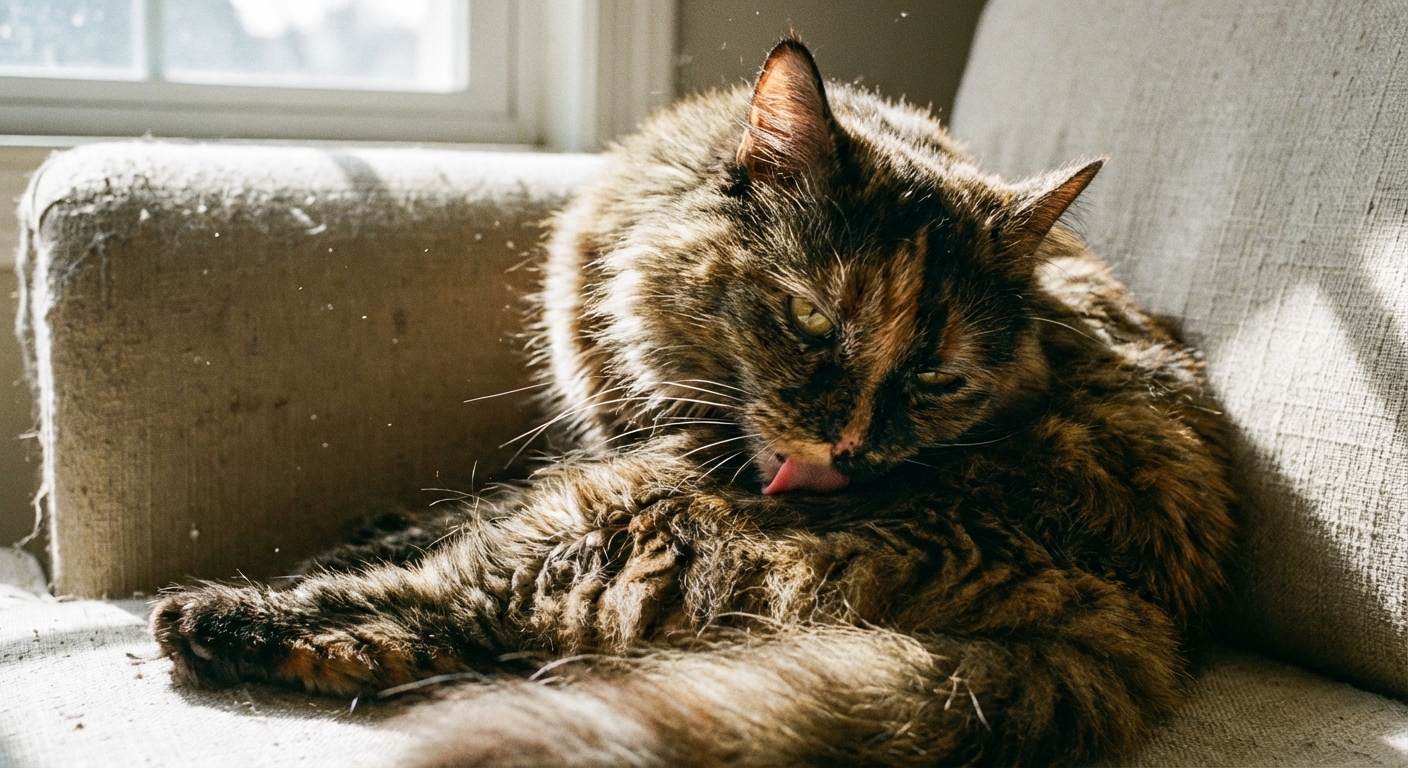
Cats are meticulous groomers, and swallowed hair can irritate the stomach. Sometimes they retch and bring up white foam before the hairball appears, or they may never produce a hairball at all.
Clues: Retching, hacking, frequent grooming, seasonal shedding, or a history of hairballs.
What helps: Regular brushing, veterinarian-approved hairball gels or treats, and discussing a hairball or higher-fiber diet with your veterinarian if it is frequent.
4) Dietary indiscretion or food intolerance
Cats may vomit foam after eating something that does not agree with them, including rich treats, dairy, new foods, or “people food.” Food sensitivities can also trigger intermittent vomiting.
Clues: Vomiting after a diet change, new treats, scavenging, or recurring vomiting tied to specific foods.
What helps: Avoid sudden diet changes, keep trash and human food secured, and talk with your veterinarian before switching to a limited-ingredient or prescription diet.
5) Gastritis or stomach irritation
“Gastritis” simply means inflammation of the stomach lining. It can be caused by stress, infections, diet changes, reflux-like irritation, or eating irritating substances. Some medications can also upset the stomach.
Clues: Frothy vomit, reduced appetite, lip smacking, drooling, or repeated swallowing (signs of nausea). Vomiting soon after starting a new medication (such as some antibiotics or pain medications) is also a clue.
6) Parasites
Intestinal parasites can irritate the digestive tract and cause vomiting. Even indoor cats can be exposed. For example, cats can get tapeworms when they ingest fleas during grooming, and some parasite eggs can be tracked into the home on shoes or brought in on other pets.
Clues: Vomiting plus diarrhea, weight loss, poor coat quality, or a “potbellied” look (more common in kittens).
7) Inflammatory bowel disease (IBD) or chronic digestive disease
If vomiting is frequent or ongoing, chronic inflammation of the gastrointestinal tract becomes a possibility. Cats with IBD may vomit bile or foam, have variable stools, and lose weight over time.
Clues: Vomiting that persists for weeks, weight loss, picky eating, recurring diarrhea or constipation.
8) Pancreatitis
Pancreatitis can cause nausea, vomiting, abdominal pain, and lethargy. It can range from mild to severe.
Clues: Low appetite, hiding, hunched posture, tiredness, and vomiting that does not quickly resolve.
9) Coughing that looks like vomiting
Sometimes what looks like “throwing up foam” is actually coughing or gagging (especially with asthma or other airway irritation). This can produce frothy saliva.
Clues: A honking or hacking cough, breathing changes, episodes triggered by activity, or foam without obvious nausea signs. If you can, take a short video to show your veterinarian.
Serious causes that need prompt attention
Foreign body or intestinal blockage
Cats can swallow string, hair ties, toys, or pieces of plastic. A blockage can quickly become dangerous.
Red flags: Repeated vomiting, inability to keep water down, painful belly, no stool, or lethargy.
Toxic exposure
Many household items can cause vomiting, including certain plants (like lilies), cleaning products, pesticides, essential oils (including diffusers), human medications, and some foods.
Red flags: Drooling, tremors, weakness, breathing changes, collapse, or vomiting that starts suddenly after possible exposure.
Kidney disease, liver disease, or metabolic illness
Systemic conditions can cause nausea and vomiting of many types. If your cat is not eating much, the vomit may look foamy simply because the stomach is empty.
Clues: Increased thirst or urination, weight loss, bad breath, reduced appetite, or behavior changes.
When to call the vet right away
Contact your veterinarian urgently if any of the following are true:
- Your cat is vomiting repeatedly or cannot keep water down
- There is blood in the vomit or it looks like coffee grounds
- Your cat is lethargic, weak, collapses, or seems painful
- Your cat has a swollen belly, a hunched posture, or clear signs of discomfort
- Diarrhea that is severe or persistent
- Suspected ingestion of string, ribbon, a toy, medication, or toxins
- Your cat is a kitten, senior, pregnant, or has known chronic illness
- Vomiting continues beyond 24 hours, even if mild
- Frothy vomit happens more than once in 24 hours, or keeps happening weekly or more
Kittens can become dehydrated quickly, especially if vomiting and diarrhea happen together. When in doubt, call sooner rather than later.
If your gut says your cat is not acting like themselves, trust that instinct. Early care can prevent bigger complications.
What you can do at home
If it is a single episode of white foam and your cat is alert, comfortable, and interested in food and water, these gentle steps may help while you monitor:
- Check hydration: Make sure fresh water is available. Watch for dry gums or reduced urination.
- Offer a small meal: A small portion of their regular food may help if the cause is an empty stomach.
- Do not fast your cat for long periods: Unlike dogs, cats can be harmed by prolonged fasting. Overweight cats are at higher risk for serious liver complications if they stop eating. If your cat will not eat, call your veterinarian.
- Avoid abrupt diet changes: Keep meals consistent while you observe.
- Reduce speed-eating: Use a slow feeder if vomiting happens after meals.
- Track patterns: Note time of day, relation to meals, frequency, and any new foods, treats, medications, cleaners, litter, or household stressors.
What not to do
- Do not give human medications (including ibuprofen, aspirin, Pepto-Bismol, or cold medicines) unless your veterinarian specifically instructs you.
- Do not offer milk as a “soother,” since many cats are lactose intolerant.
- Do not force-feed a nauseated cat.
If vomiting repeats, becomes frequent, or your cat’s behavior changes, schedule a veterinary visit.
What your vet may ask
To make the appointment more efficient, be ready to share:
- How often your cat vomits and when it started
- What it looks like (foam only, bile, food, hair)
- Diet details, treats, recent changes, and access to plants or string
- Stool changes, appetite changes, water intake, and weight trends
- Any medications, flea prevention, supplements, and recent product changes (cleaners, essential oils, new litter)
If you can, bring a photo or video of the episode and a list of any plants, chemicals, or medications your cat may have gotten into.
The bottom line
White foamy vomit often points to nausea with an empty or irritated stomach, but it can also signal hairballs, diet issues, inflammation, parasites, or more serious problems like a blockage or toxic exposure. The best approach is to look at the whole picture: how your cat is acting, how often it happens, and whether any red flags are present.
If you are ever unsure, your veterinarian is your best partner in figuring out the cause and helping your cat feel better quickly.