Portuguese Water Dog Care Reality Check

If you love the idea of a curly, low-shedding dog with a bright mind and an athletic build, the Portuguese Water Dog (PWD) probably feels like it belongs in your “poodle-adjacent” short list. And in many ways, it does.
But here is the reality check I wish every family heard before they fall for those teddy-bear curls: Portuguese Water Dogs are high-energy working dogs in a high-maintenance coat. They are amazing partners for active people who like training, routines, and grooming. They can be a tough fit for homes that want a low-effort, couch-first pet.
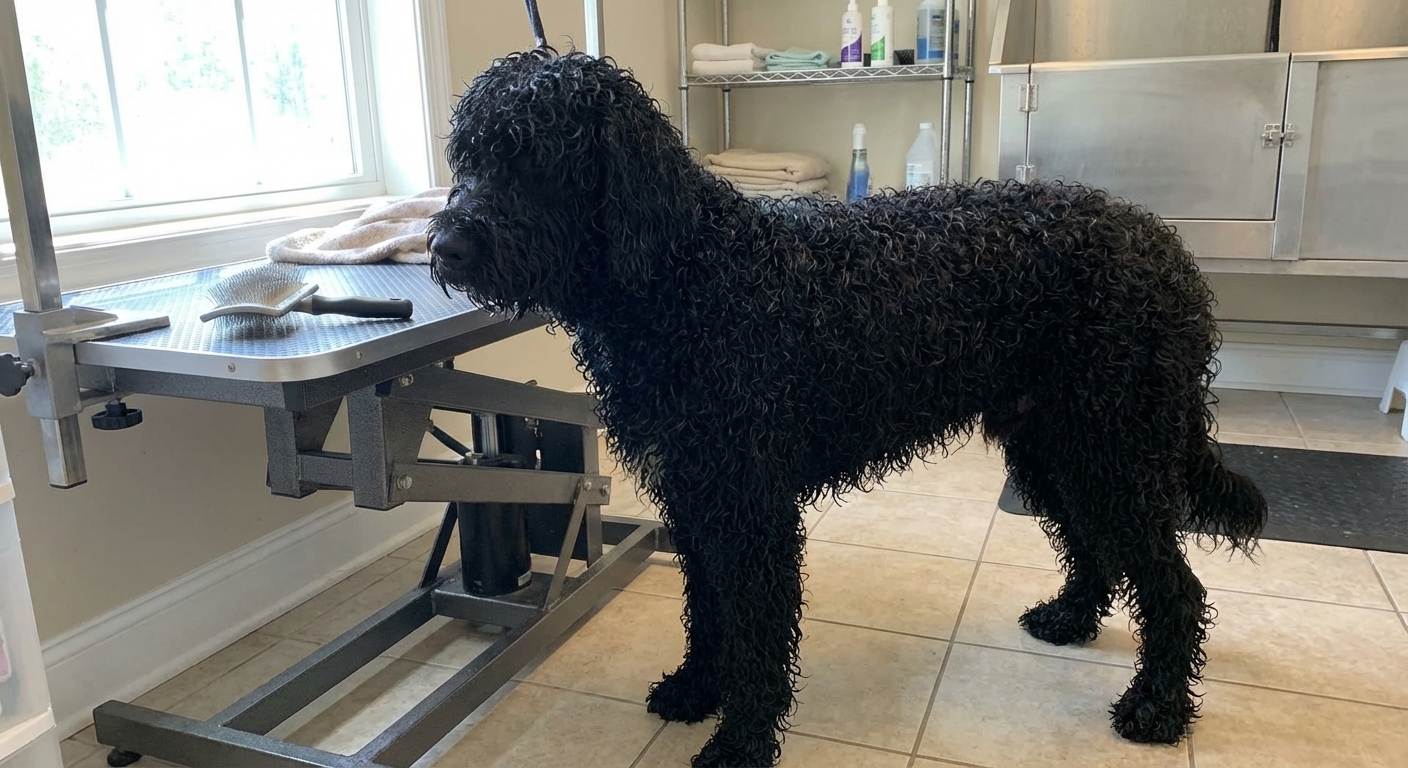
Let’s walk through coat types, grooming schedules, exercise needs, water instincts, and the very real “mouthiness” that comes with a working breed.
Quick breed snapshot
- Group: Working (water dog)
- Size: Medium, sturdy and athletic
- Coat: Curly or wavy, single coat, low shedding for many dogs
- Energy: High
- Best for: Active homes that can commit to training and grooming
Designer mix fans often compare the PWD to Poodles because both can be low-shedding and both benefit from regular professional grooming. Temperament-wise, many PWDs are also clever, people-focused, and happiest when they have a job.
Coat types: curly vs wavy
Portuguese Water Dogs typically have one of two coat patterns:
- Curly coat: Tighter curls, more “poodle-like” in how it tangles. This coat can mat quickly if brushing slips.
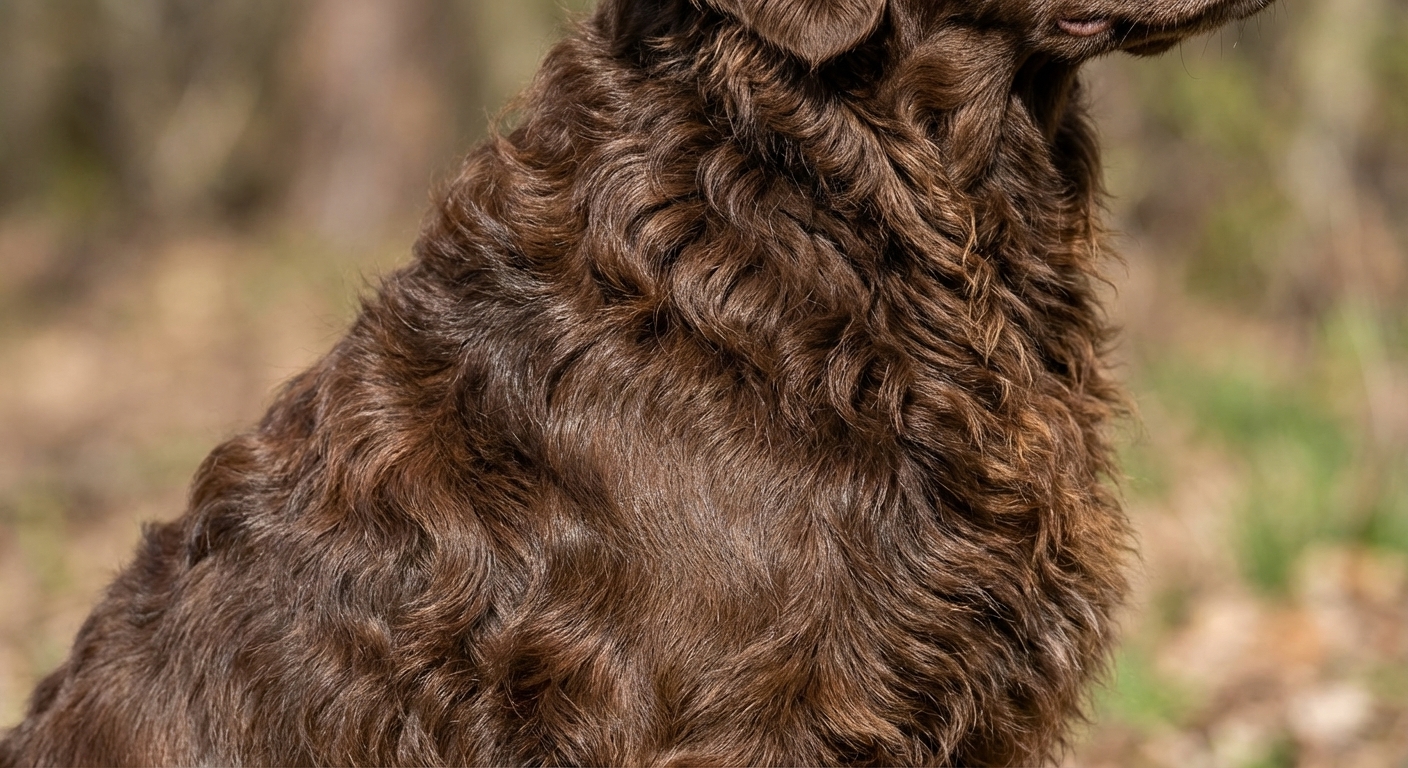
- Wavy coat: Looser waves with a softer drape. It can still mat, but some owners find it a bit easier to maintain.
Low shedding is not the same as low maintenance. Because loose hair tends to get trapped in the coat rather than falling out, it often turns into tangles and mats if you do not stay ahead of it.
What mats can lead to: skin irritation, trapped moisture, hot spots, painful brushing sessions, and sometimes a “shave down” at the groomer. As a veterinary assistant, I can tell you that many ear and skin issues get worse when moisture and debris stay trapped close to the skin.
Grooming reality
How often do Portuguese Water Dogs need grooming?
Most PWDs do best with a combination of at-home brushing and professional grooming:
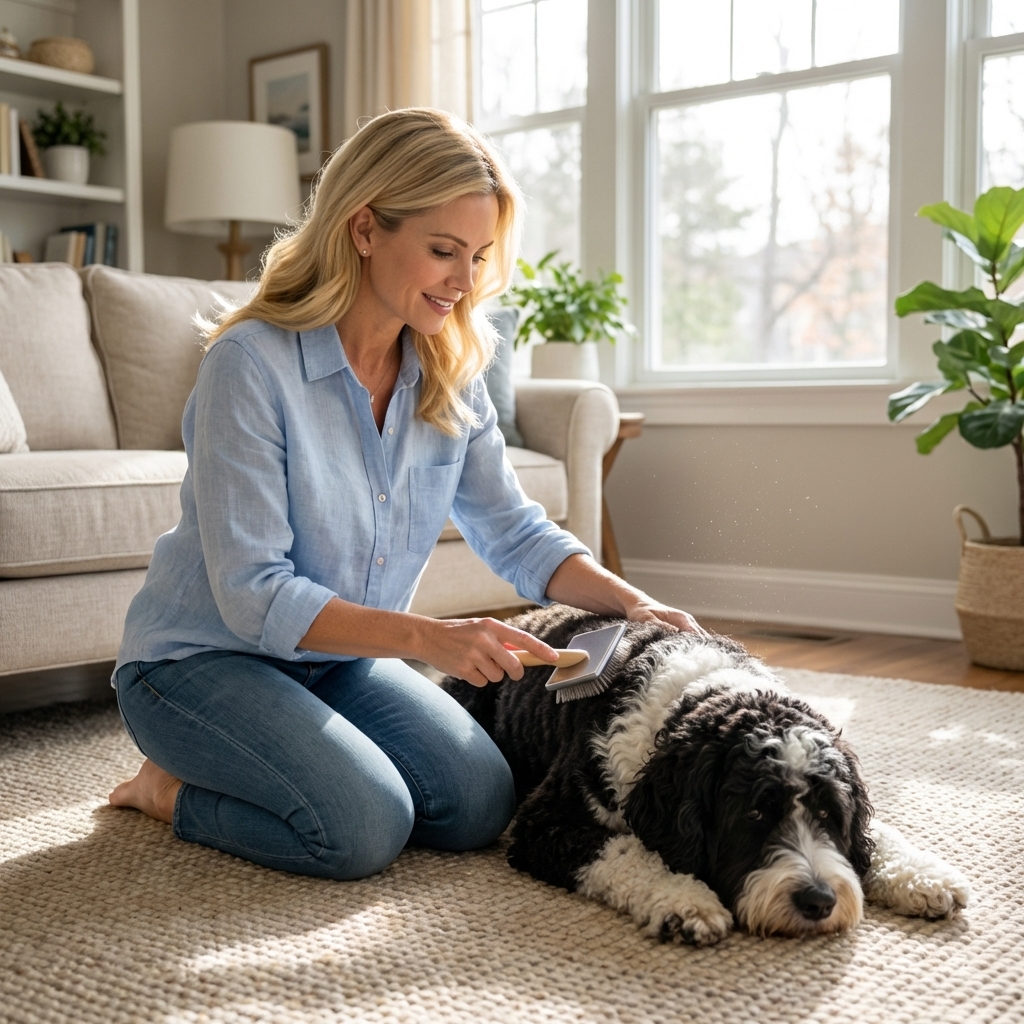
- Brushing: typically 3 to 5 times per week, and daily during heavy outdoor seasons or if the coat is longer
- Professional grooming: about every 4 to 8 weeks (shorter clips can stretch time slightly, longer styles usually need more frequent visits)
- Bathing: commonly every 3 to 6 weeks, or as needed based on lifestyle, swimming, and allergies
If your dog swims often, you will want a plan for ear care and drying. Water plus floppy ears can create a cozy environment for yeast and bacteria.
Tools that make life easier
- Slicker brush for surface tangles
- Metal greyhound comb to check that you brushed all the way down to the skin
- Detangling spray for friction areas like armpits, collar line, and behind the ears
- Blow dryer on cool or low heat to fully dry after swimming or baths
Pro tip: When brushing, follow with a comb. If the comb cannot glide through, you still have tangles that can become mats.
Common clips
PWDs have a famous grooming history, and you may hear two common styles mentioned.
Lion clip
This is the traditional working clip, with the rear and part of the body clipped shorter and longer hair left on the front and tail tip. Historically, the idea was to help the dog move efficiently in cold water while protecting vital areas.
Retriever clip
This is a more uniform trim, typically one length over the body. Many pet homes choose this because it is simpler and can be easier to maintain, especially if you keep it short.
Reality: A shorter, uniform clip often reduces mat risk, but it does not eliminate the need for brushing. Mats can still form close to the skin, especially if the coat is allowed to grow out between grooms.
Exercise needs
Portuguese Water Dogs were bred to work. Many thrive with a mix of physical exercise and mental enrichment.
What “enough exercise” looks like
- Daily aerobic activity: brisk walks, jogging (when fully grown), hiking, fetch, or structured play
- Skill work: training sessions, obedience, rally, agility foundations
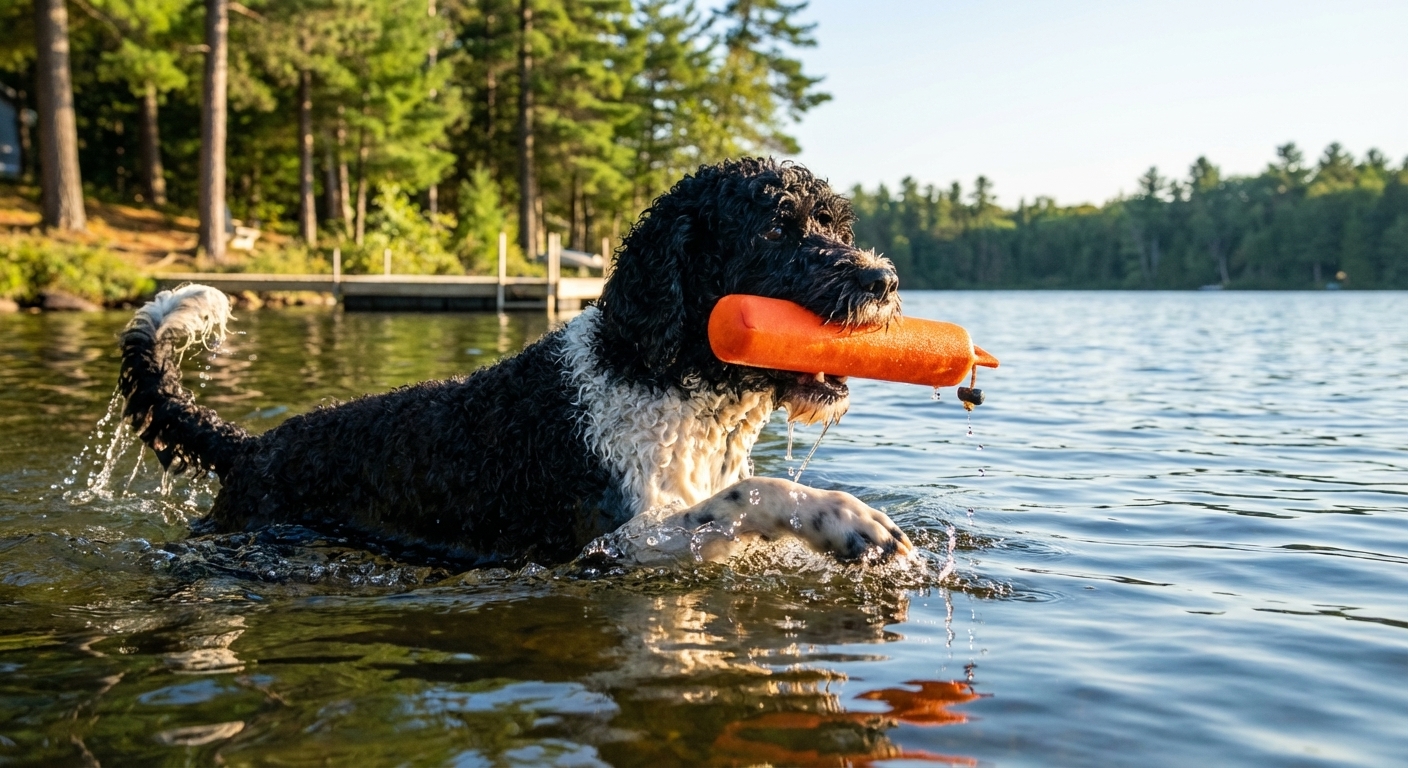
- Water time: swimming and retrieving can be perfect, if done safely
A bored PWD may invent their own entertainment. That can look like counter-surfing, chewing, digging, barking, or nipping sleeves during play.
Water instincts
Many Portuguese Water Dogs love water. That is part of their magic. It is also something you should plan for.
Safety basics
- Teach a reliable recall before off-leash water adventures
- Rinse and dry after swimming to help prevent skin irritation
- Prioritize ear care with your vet’s guidance if your dog is prone to ear infections
- Use a life jacket in boats, currents, cold water, or long swims
If your household is excited about paddle boarding, kayaking, lake weekends, or dock diving, this breed can be a dream.
Mouthiness
Because PWDs are working dogs, they often explore the world with their mouths. Many owners describe them as “mouthy,” especially as puppies and adolescents.
This does not mean aggressive. It often means:
- grabbing hands or sleeves during play
- carrying objects constantly
- nipping when overstimulated
- chewing when bored
Training strategies
- Start early with bite inhibition: when teeth touch skin, calmly end play and redirect to a toy
- Reward calm mouth choices: praise and treat when they lick or keep a soft mouth
- Provide legal outlets: durable chew toys, frozen enrichment, tug rules
- Teach “drop it” and “leave it” using positive reinforcement
- Manage arousal: short play sessions, then a calming activity like sniffing or a food puzzle
If kids are in the home, supervision is key. Mouthy adolescent dogs and fast-moving children are a common mismatch without clear structure.
Household fit
Great match if you want
- a sporty companion for hiking, running, and outdoor weekends
- a smart dog that enjoys learning and structure
- a low-shedding coat and you are realistic about grooming costs and time
- a dog that participates in family life instead of being independent
Think twice if you want
- a low-energy, low-training pet
- minimal grooming and no professional appointments
- a dog that is content with a quick potty walk and back to the couch
- a quiet breed without much stimulation
PWDs can do well in apartments if their exercise and training needs are met. The bigger question is not square footage. It is whether you can provide consistent daily outlets.
Shedding and allergies
Portuguese Water Dogs are often described as low shedding. Many are. But no dog is truly non-shedding, and no dog is truly hypoallergenic.
Allergy triggers can include dander, saliva proteins, and environmental allergens carried in the coat. If allergies are a concern:
- Spend time with adult PWDs, not just puppies
- Ask the breeder or rescue about coat type and shedding in that line
- Consider allergy testing guidance from your physician
- Keep grooming consistent to reduce dander buildup
Health tests to ask for
This is not a diagnosis list, just a practical checklist of conversations to have with breeders, rescues, and your veterinarian. A reputable Portuguese Water Dog breeder should be able to show documentation for key screenings, not just say “vet checked.”
- GM1 Gangliosidosis: DNA test (critical because it is severe and preventable through responsible breeding)
- Juvenile Dilated Cardiomyopathy (JDCM): DNA test (a devastating condition that can appear early)
- Progressive Retinal Atrophy (PRA): DNA testing and eye screening, depending on the testing approach used
- Hip health: ask for hip evaluations on breeding dogs
- Eye health: ask for current ophthalmology exams in addition to DNA where applicable
- Ear and skin issues: especially for frequent swimmers or allergy-prone lines
Choosing a reputable breeder who does appropriate health testing, or a rescue that is transparent about medical history, can make a huge difference long-term.
If you want an easier routine
If your heart is set on curls but you want a slightly different balance of energy, grooming, and size, you might also be comparing poodle mixes and poodle-adjacent breeds. The big takeaway is this: coat care is a lifestyle. No curly coat stays easy without a routine.
My best advice: pick the dog whose daily needs fit your daily life. You can always learn grooming skills. You cannot easily “train out” a working dog’s need for activity and purpose.
PWD checklist
- Can you commit to brushing several times per week and professional grooming every 4 to 8 weeks?
- Do you enjoy training and mental games, not just physical exercise?
- Are you ready for puppy mouthiness and adolescent testing phases?
- Do you have a water safety plan if your dog loves swimming?
- Do you want a dog that stays closely connected to the family most of the day?
- Are you comfortable verifying health testing, including GM1, JDCM, and PRA, before you commit?
If you answered yes to most of these, a Portuguese Water Dog can be one of the most joyful, capable, and devoted companions out there.