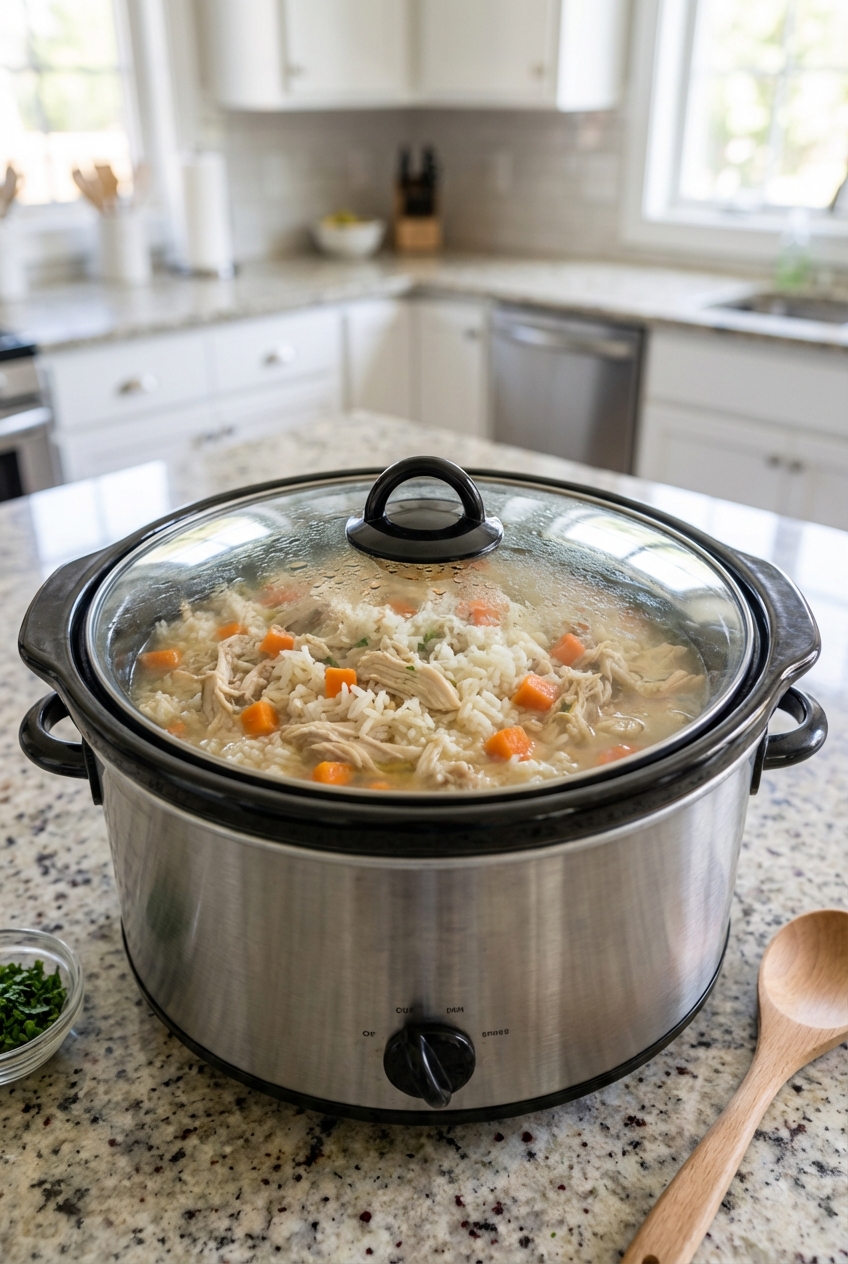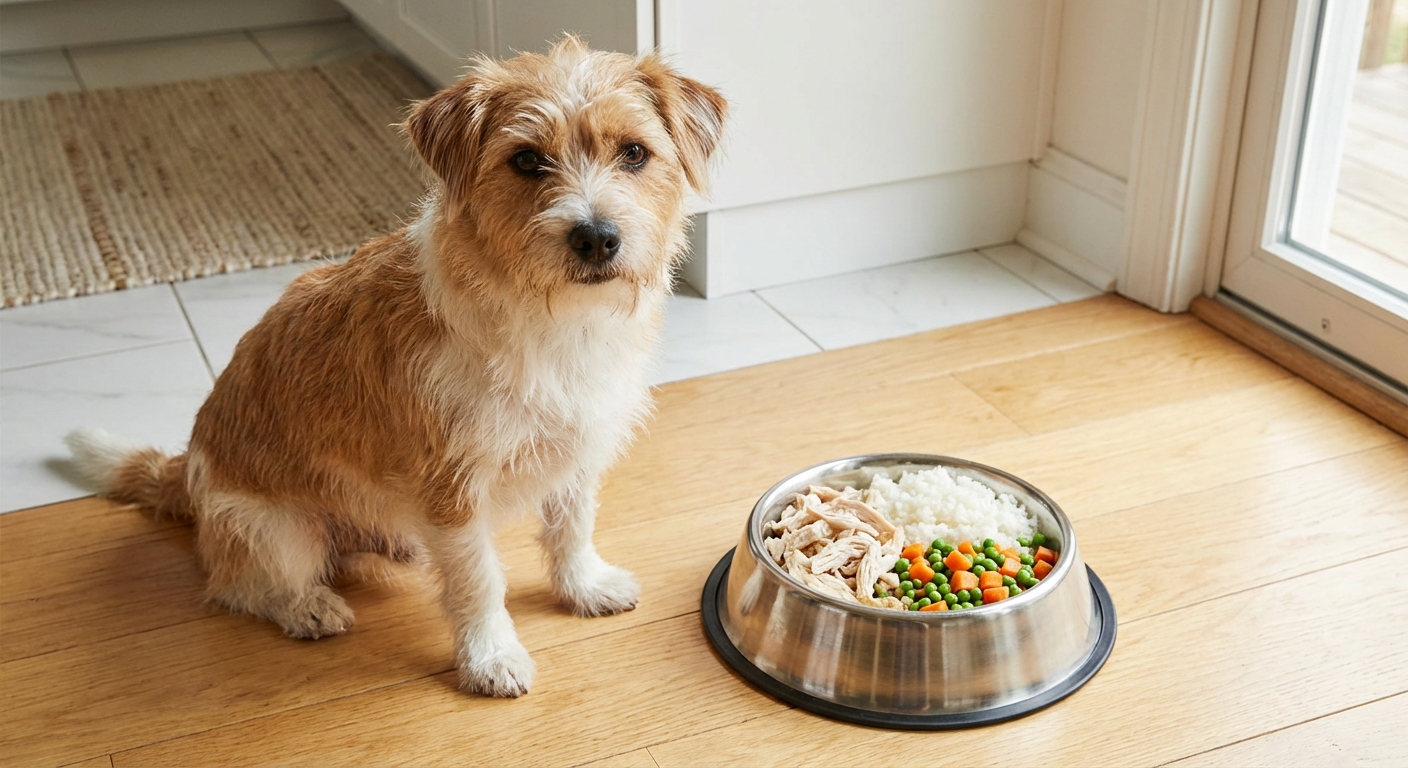
Start homemade dog food safely with this vet-informed starter plan. Learn what “vet approved” means, choose a balancer, follow a 14-day transition, and u...
Article
•
Designer Mixes
Poochon (Bichon Frise Poodle Mix): Personality, Size, and Health

Shari Shidate
Designer Mixes contributor
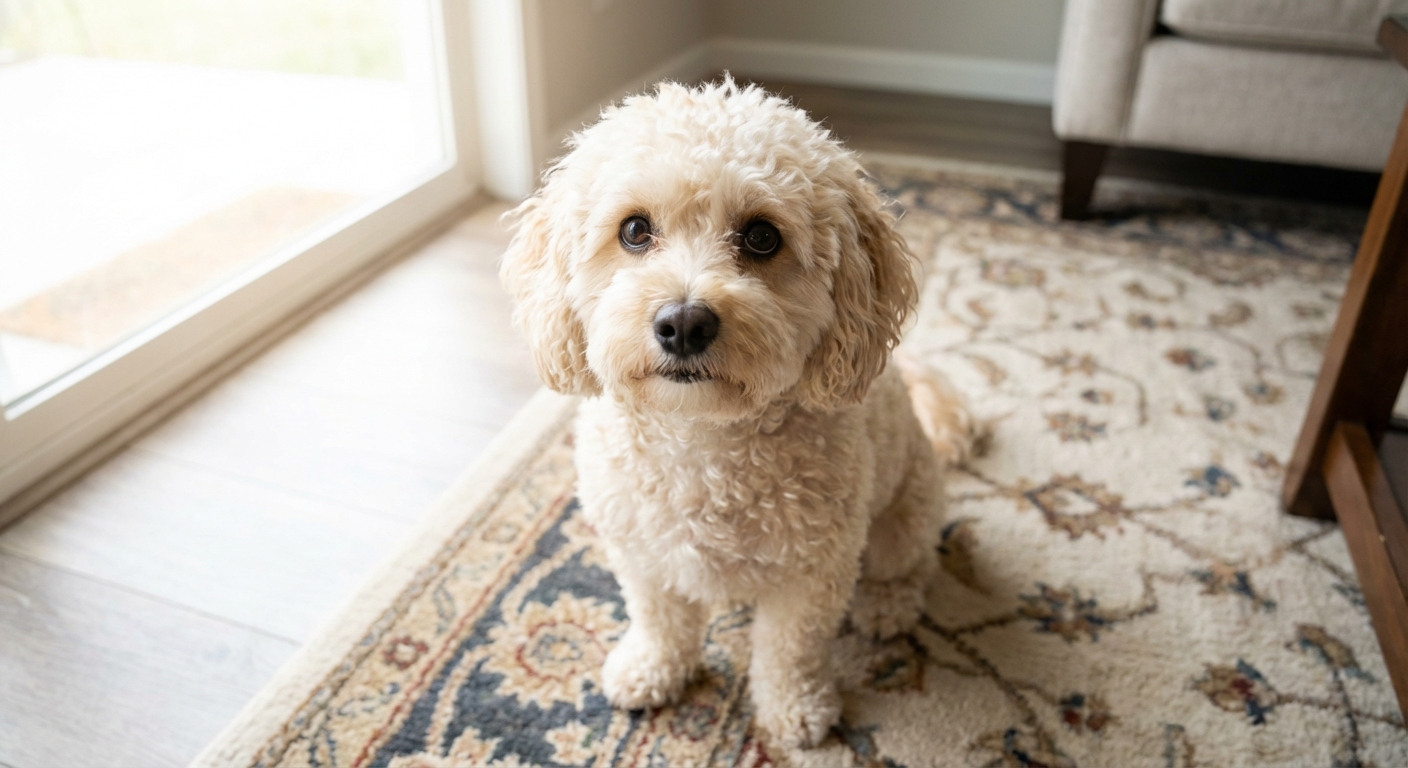
The Poochon, also called a Bichpoo, is a Bichon Frise and Poodle mix known for a soft, often low-shedding coat and an upbeat, people-loving personality. In my work as a veterinary assistant, I think of the Poochon as an always-by-your-side companion: affectionate, bright, and usually happy to trade long hikes for a cozy lap and a few play sessions.
That said, every mixed-breed dog is an individual. Coat type, size, and even energy level can vary depending on whether the Poochon takes after the Bichon side, the Poodle side, or lands somewhere in the middle. Allergy response is also personal, even within the same litter. The best approach is to understand the most common traits, then plan for grooming, training, and preventive health care from day one.
Quick facts
- Breed type: Small designer mix (Bichon Frise x Toy or Miniature Poodle)
- Typical size: Small, often 6 to 18 pounds, sometimes larger depending on lines
- Coat: Curly or wavy, often low shedding, high grooming needs
- Temperament: Cheerful, social, people-focused
- Best fit: Apartment living, allergy-aware households, first-time dog parents who can commit to grooming and training
- Common health concerns: Patellar luxation, dental disease, allergies, ear infections, eye issues
Personality and temperament
Poochons are usually friendly, playful, and very tuned in to their people. Many inherit the Bichon’s clownish charm plus the Poodle’s intelligence, which can be an adorable combination if you like an interactive dog who wants to be included in everyday life.
Compatibility note: How your Poochon does with kids, cats, and other dogs is individual-dependent. Early, positive socialization and respectful handling matter more than labels.
What most families love
- Affectionate and social: Often great with respectful kids and friendly visitors when properly socialized.
- Smart and trainable: Many Poochons catch on quickly with positive reinforcement and short, fun training sessions.
- Adaptable: Commonly does well in smaller homes as long as exercise and enrichment needs are met.
Potential challenges
- Separation sensitivity: Some Poochons do not love being alone for long stretches and can develop nuisance barking or anxiety if their needs are not met.
- Barking: Small companion mixes can be alert and vocal. Early training helps a lot.
- Overhandling: Their teddy-bear look invites constant cuddling. Teach kids to give the dog breaks and let the dog opt in to attention.
Actionable tip: Start socialization early and keep it positive. Aim for calm exposure to elevators, hallways, grooming tools, friendly dogs, and gentle strangers, especially if you live in an apartment setting.
Size expectations
Most Poochons are small, but size depends heavily on the Poodle parent (Toy versus Miniature) and the size of the Bichon lines used. Many adults land in the 6 to 18 pound range, but some can exceed that, especially with Miniature Poodle lines.
- Height: Often about 9 to 15 inches at the shoulder, sometimes taller
- Build: Compact, light, and agile, not usually stocky
Why it matters: Size affects everything from crate selection and safe jumping heights to medication dosing and dental crowding risk. If you are choosing a puppy, ask the breeder or rescue for adult size estimates based on parents and past litters, and remember that predictions are not perfect with mixes.

Coat and “hypoallergenic”
Poochons are popular with allergy sufferers because they often have a low-shedding coat, commonly curly or wavy. Less shedding can mean fewer allergens spread around the home, but it does not make a dog truly allergen-free. Individual dogs vary, and so do human allergy triggers and tolerance.
What causes most pet allergies
Most people react to proteins found in dander (skin flakes), saliva, and urine, not just fur. A low-shedding coat can help, but it is not a guarantee.
How to allergy-test responsibly
- Spend time with the dog indoors, not just outside.
- Touch the dog, then avoid touching your face until you wash your hands.
- If possible, visit multiple times or do a short foster-to-adopt trial.
- Ask your allergist about symptom management, especially for children.
Home tip: A HEPA air purifier plus weekly washing of bedding can make a big difference for many families.
Grooming needs
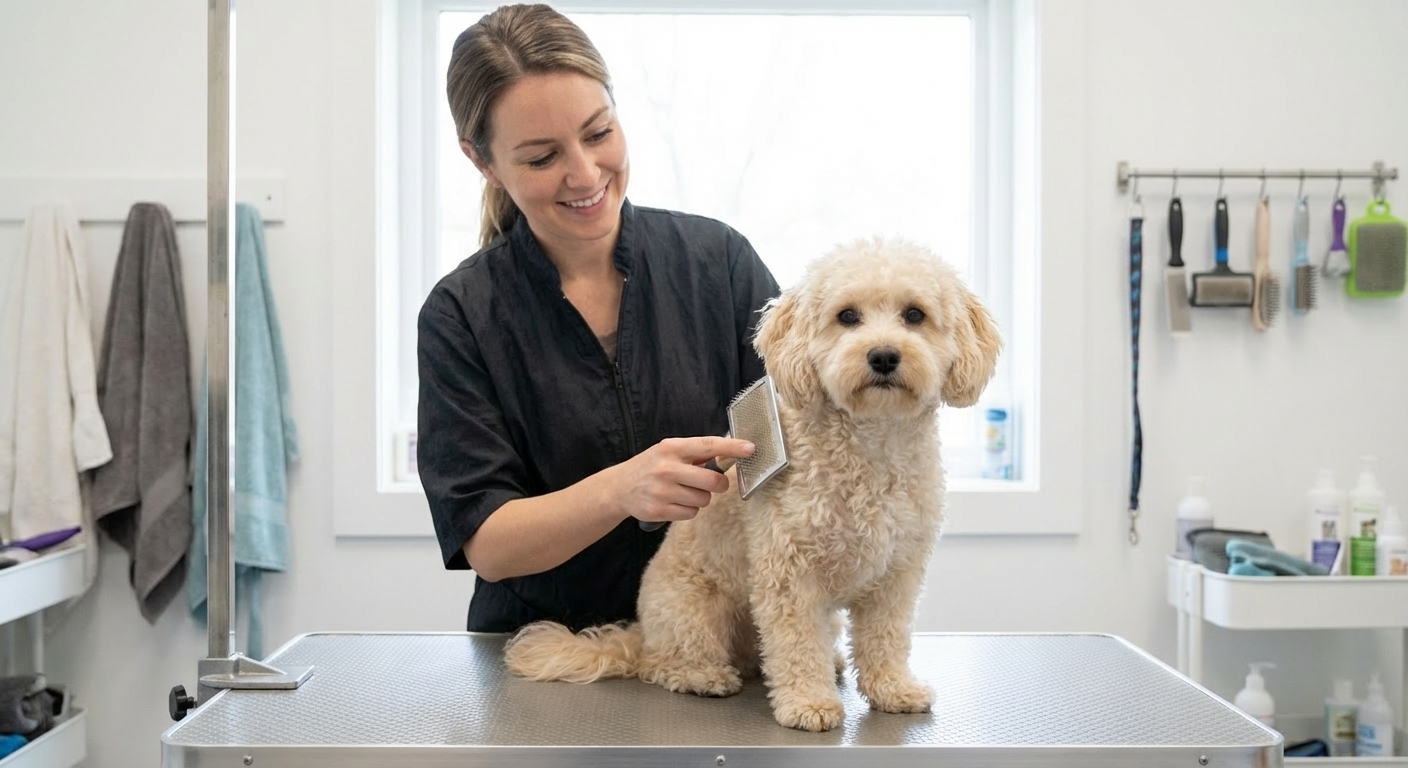
Here is the honest trade-off: coats that shed less often require more grooming. Poochon coats can mat close to the skin if they are not brushed and maintained. Mats are not just cosmetic. They can cause skin irritation, hide parasites, and make grooming painful.
Typical routine
- Brushing: 3 to 5 times per week for most coats, daily if the coat is long or fine and tangles easily.
- Professional grooming: Often every 4 to 8 weeks, depending on haircut and coat texture.
- Bathing: About every 3 to 4 weeks, or as directed by your vet if allergies are present.
- Ear care: Check weekly. Floppy ears plus inflammation (often allergy-related) can contribute to moisture and infection risk. Some dogs also have hair in or near the ear canal, which can trap debris.
- Nail trims: Usually every 2 to 4 weeks for small dogs.
Tear staining
Many light-colored Poochons get tear staining. It can be linked to anatomy, irritation, allergies, or infection. Wipe the face daily with a soft, damp cloth, and see your veterinarian if you notice redness, squinting, odor, or thick discharge.
Exercise and enrichment
Poochons tend to do best with a mix of light to moderate exercise and brain games. They are often energetic in bursts, then happy to relax near you.
- Daily walks: 20 to 45 minutes total, split into two walks for many adults
- Play: Tug, fetch in a hallway, or short training games
- Enrichment: Food puzzles, sniff walks, and “find it” games help prevent boredom barking
Apartment-friendly tip: Teach a quiet cue and reward calm behavior. Many noise complaints come from boredom or separation stress, not “bad dogs.”
Training basics
Poochons are often eager learners, but small dogs can be underestimated during training. Consistency, timing, and making it fun matter.
- House-training: Expect a little extra patience. Smaller bladders and busy households can mean more frequent potty breaks. Stick to a schedule and reward immediately after the right choice.
- Crate training: Useful for house-training, travel, and alone-time practice. Keep it positive and gradual, never as punishment.
- Core cues: Focus on sit, down, come, leave it, and a calm “place” cue. These pay off in apartments and around kids.
- Alone-time skills: Practice short departures early and build up slowly to reduce separation issues.
Feeding and weight
Poochons can gain weight faster than you expect, and extra pounds are not “cute” for small joints. A lean body condition protects knees, back, and overall comfort.
- Portion control: Measure meals and limit free-feeding.
- Treat budget: Keep treats small, and aim for treats to make up no more than about 10 percent of daily calories.
- Ask your vet: Your veterinary team can help you pick a diet and daily amount based on age, body condition, and activity.
Lifespan
Poochons often live a long time for a small breed mix. A common expectation is 12 to 15 years, with many dogs reaching the higher end when they maintain a healthy weight, receive dental care, and get regular wellness exams.
Big longevity factors you can control: keeping your dog lean, daily tooth brushing, parasite prevention, and early treatment of ear or skin problems.
Common health concerns
Mixed-breed dogs can inherit conditions from either parent line. The good news is that many problems are manageable when caught early, and good breeders screen breeding dogs to reduce risk.
Patellar luxation
This is a common orthopedic issue in small dogs where the kneecap slips out of place. Signs can include skipping steps, intermittent limping, or suddenly holding a back leg up.
- What helps: maintaining a lean body condition, avoiding repeated high-impact jumping, and vet evaluation if you see limping
- Treatment: ranges from joint-support care and physical therapy to surgery in more severe cases
Dental disease
Small dogs are famous for dental problems, and Poochons are no exception. Plaque and tartar buildup can lead to gingivitis, periodontal disease, and painful tooth loss. Dental disease is also associated with broader health impacts, which is one reason veterinarians take it so seriously.
- Prevention: daily tooth brushing is ideal, plus VOHC-accepted dental chews as directed
- Vet care: routine dental exams and professional cleanings when recommended
Allergies and skin issues
Poochons can be prone to environmental allergies and sometimes food sensitivities. You might notice itching, licking paws, ear infections, or recurring hot spots.
- What helps: consistent flea prevention, gentle bathing, vet-guided diet trials when needed, and addressing ear infections promptly
Ear infections
Floppy ears plus inflammation can trap moisture. If you notice head shaking, odor, redness, or discharge, it is time for a veterinary visit. Ear infections often need prescription medication, and treating the underlying trigger (frequently allergies) can reduce recurrence.
Eye issues
Toy and small companion breeds can experience issues like tear duct overflow, irritation, or dry eye. Persistent squinting, redness, or thick discharge should be evaluated promptly.
Veterinary assistant note: if your Poochon has chronic licking, repeated ear infections, or a “musty” smell to the skin, do not just switch shampoos over and over. Those can be allergy clues, and early management is much kinder to your dog.
Apartment living
Yes, in many cases. Their small size, friendly nature, and moderate exercise needs make them a common favorite for apartments and condos.
Why they fit well
- Small footprint and easy indoor play
- Often content with daily walks and training games
- Typically social and people-oriented
Be ready for
- Grooming commitment: mats can develop quickly
- Noise management: train early to prevent alert barking from becoming a habit
- Alone-time training: gradual departures to reduce separation issues

Choosing a healthy Poochon
Whether you are adopting or buying from a breeder, your goal is the same: set yourself up for a dog with the best possible start.
Working with a breeder
- Ask what size Poodle was used (Toy or Miniature) and the adult sizes from prior litters.
- Ask about orthopedic screening, especially patellar evaluations.
- Ask about eye health and testing. Depending on lines, breeders may use CAER eye exams and genetic testing for inherited eye disease.
- Ask about additional testing that may be relevant in their program, such as cardiac screening and hip evaluations.
- Ask about temperament, early handling, grooming exposure, and socialization practices.
- Expect a contract, veterinary records, and transparency.
Adopting
- Ask about dental status, prior limping, allergies, and grooming tolerance.
- Schedule a new-pet exam within the first week.
- Bring a list of questions about ear care, coat care, training, and diet.
Everyday care checklist
- Brush: several times per week to prevent mats
- Groom: every 4 to 8 weeks
- Teeth: brush daily if possible, plus routine dental checkups
- Weight: keep your Poochon lean to protect joints and overall health
- Training: short sessions, 3 to 5 minutes at a time, a few times daily
- Vet care: annual wellness visits, and twice yearly for seniors
If you want a small dog with a big heart, an often low-shedding coat, and a cheerful outlook, the Poochon is a wonderful mix to consider. The main question to ask yourself is simple: are you ready to keep up with the coat and the teeth? If the answer is yes, you will likely have a joyful little shadow for many years.