Hands-off slow cooker dog food for busy owners: 3 easy recipes (chicken/rice, turkey/sweet potato, beef/pumpkin) plus calcium guidance, safe ingredients, por...
Article
•
Designer Mixes
Pomsky Size, Temperament, and Care

Shari Shidate
Designer Mixes contributor
Pomskies are a designer mix of the Pomeranian and Siberian Husky, and they have a way of winning people over fast. You get that Husky look in a smaller package, plus a bright, people-focused personality that can be a joy in the right home. The key is going in with open eyes: Pomskies can be high energy, vocal, and very smart, which means they thrive with consistent training and daily enrichment.
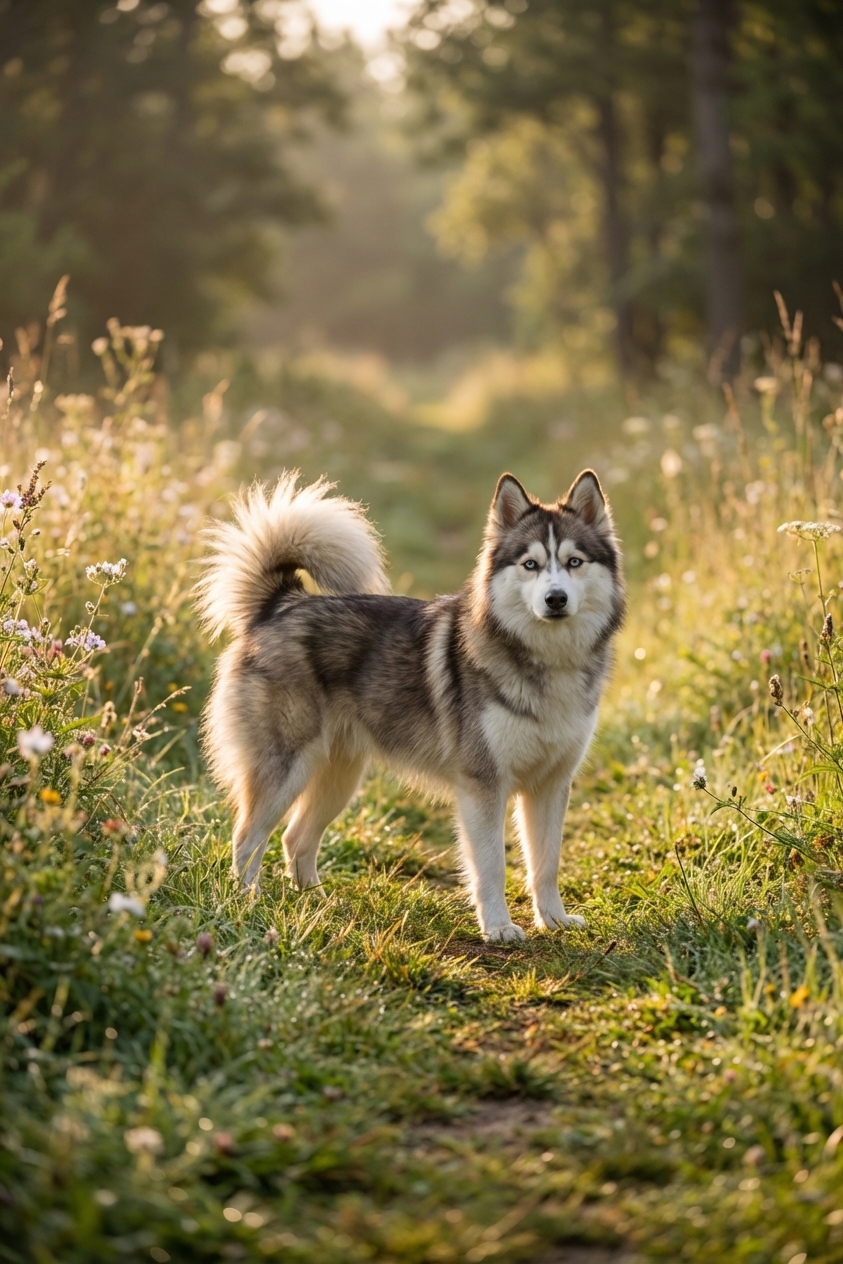
Because Pomskies are a mixed breed, there is more variation than many families expect. Size, coat, and temperament can differ a lot from dog to dog, even within the same litter. This guide will help you understand what is typical, what is possible, and how to set your Pomsky up for a healthy, happy life.
Comments
What is a Pomsky?
A Pomsky is typically bred by pairing a Siberian Husky with a Pomeranian. Because there is a large size difference between the parent breeds, many responsible breeders use artificial insemination. Ethical breeders also typically use a Husky as the mother to reduce whelping risks.
Pomskies are often described by “generation” terms:
- F1: 50% Husky, 50% Pomeranian.
- F1b: Often a Pomsky bred back to a Husky or Pomeranian, which can increase the odds of certain traits, but it is not a guarantee.
- F2 and beyond: Pomsky to Pomsky breedings. Some lines become more consistent over time, but mixed-breed genetics can still be highly variable.
Generation labels can be helpful, but they are not a promise. If predictability is important to you, ask a breeder for adult photos of related dogs, typical adult weights from prior litters, and health testing documentation. Those details matter more than marketing terms.
Pomsky size: what to expect
Pomskies are usually small to medium dogs, but they are not all “tiny Huskies.” Adult size depends on genetics, generation, and which parent traits show up most strongly. There is no official Pomsky breed standard, so size categories can vary by breeder.
Commonly reported height and weight
- Smaller Pomskies: often around 10 to 15 pounds, roughly 10 to 13 inches at the shoulder.
- Mid-size Pomskies: often around 15 to 30 pounds, roughly 12 to 18 inches at the shoulder.
- Larger Pomskies: 30 to 45 pounds is possible, especially when Husky traits dominate.
Most Pomskies fall somewhere around 15 to 30 pounds, but there is no single guaranteed adult size.
When do Pomskies stop growing?
Many Pomskies reach close to their adult height by around 8 to 12 months, then fill out gradually. Some dogs, especially larger ones, may continue maturing until 18 months.

Vet assistant tip: Track weight monthly during puppyhood and take photos from the side and above. It helps you and your veterinarian catch growth issues, overfeeding, or a body condition that is drifting upward before it becomes a problem.
Lifespan
Pomskies commonly live around 12 to 15 years. That is an estimate, not a guarantee. Genetics, weight management, dental care, and preventive vet visits can all influence long-term health.
Temperament and personality
Pomskies often combine the Husky’s confidence and energy with the Pomeranian’s alertness and loyalty. Many are affectionate and social, but they can also be stubborn. A helpful mindset is: quick learners with busy brains, so focus training matters.
Common Pomsky traits
- Smart and curious: they learn fast, including habits you did not mean to teach.
- People-oriented: many Pomskies love being near their family.
- Vocal: barking, “talking,” and howling can happen, especially when bored.
- Playful: they tend to enjoy games, toys, and movement.
- Independent streak: recall can be unreliable without training.
Good with kids and other pets?
Many Pomskies do well with respectful children and well-matched dogs, especially with early socialization. Because some can be nippy or easily overstimulated, it is smart to supervise interactions with young kids and teach calm greetings.
For cats and small pets, it depends. Some Pomskies have a higher prey drive inherited from the Husky side. A slow, structured introduction and consistent management are important.
Separation and boredom
Because many Pomskies are people-focused, some struggle with being left alone. Separation-related behaviors can look like barking, pacing, scratching at doors, or chewing. Gradual alone-time training, predictable routines, and enrichment you leave behind (food puzzles, safe chews) can help a lot. If panic is involved, talk with your veterinarian or a qualified trainer early.
Exercise and mental enrichment
Pomskies usually need more than a quick backyard potty break. When their exercise and mental needs are met, they are much easier to live with. When they are under-stimulated, you may see barking, chewing, digging, or “zoomies” that feel nonstop.
Daily activity goals
- Physical exercise: about 45 to 90 minutes per day for many adults, split into sessions. Use this as a starting point and adjust to your dog’s age and fitness.
- Mental enrichment: 10 to 20 minutes of training games, sniffing, or puzzle work daily, plus small moments of practice throughout the day.
Activities Pomskies often love
- Brisk walks plus sniff breaks
- Fetch or flirt pole in short sessions
- Beginner agility foundations
- Food puzzles and scatter feeding
- Trick training and nose work games
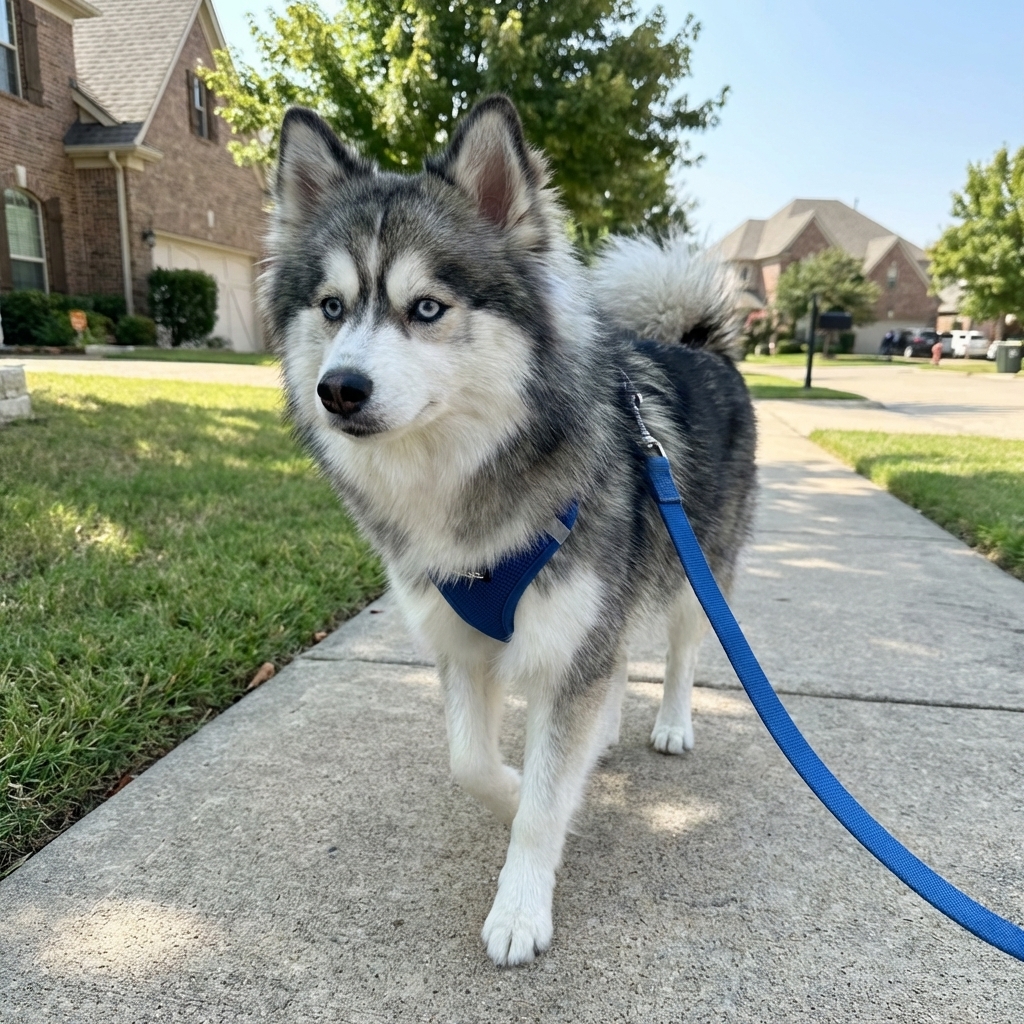
Safety note: Many Pomskies are talented escape artists. A well-fitted harness, secure fencing, and practiced recall are not optional if you want to avoid stressful chase scenes.
Heat and weather safety
Many Pomskies have a dense coat and can overheat in warm weather. In summer, aim for early morning or evening walks, offer water breaks, and prioritize sniffing and training games over long runs. Hot sidewalks can burn paws fast, so check the ground with your hand before heading out. If your dog is heavily panting, slowing down, or seeking shade, stop and cool down.
Quick tip: A cooling plan is better than a haircut. Shade, water, shorter sessions, and indoor enrichment do more than trying to “beat the heat” by removing coat.
Training: what works best
Pomskies typically respond beautifully to reward-based training with consistent boundaries. They are sensitive enough that harsh corrections can backfire, but confident enough to ignore you if training is inconsistent.
Focus areas
- House training: small dogs often need more frequent potty breaks. Use a schedule, not guesswork.
- Socialization: safe exposure to sounds, people, dogs, and environments during puppyhood helps prevent fear and reactivity later.
- Leash manners: start early. A pulling Pomsky is still strong enough to be a handful.
- Quiet cues: teach “speak” and “quiet” in a calm setting so you have tools when barking ramps up.
- Recall: practice indoors, then fenced areas, then gradually increase distractions.
Short sessions work best: 3 to 8 minutes, a few times a day. End on a win and keep it fun.
Real life note: Many Pomskies go through adolescent “selective hearing” between about 6 and 18 months. That is normal. Keep training simple, manage the environment, and reward the behaviors you want.
Grooming and coat care
Most Pomskies have a thick double coat that sheds year-round and often “blows coat” seasonally. Grooming is not just about looks. It helps keep skin healthy, reduces mats, and gives you a chance to spot issues early.
Brushing routine
- 2 to 4 times per week for many Pomskies
- Daily during heavy shedding
Groomer-style tip: Try line brushing (part the coat and brush layer by layer) with a slicker brush, then follow with an undercoat rake or deshedding comb as needed. Finish with a quick comb-through to catch tangles behind the ears and in the “pants.”
Bathing
Every 4 to 8 weeks is common, depending on lifestyle. Use a dog-specific shampoo and dry thoroughly, especially in cooler months.
Nails, ears, and teeth
- Nails: trim every 2 to 4 weeks.
- Ears: check weekly, clean as needed with veterinarian-approved ear cleaner.
- Teeth: brush several times per week, ideally daily. Small-breed influence can mean more dental crowding and tartar risk.
Do not shave a double coat unless your veterinarian recommends it for a medical reason. Shaving can increase sunburn risk, may change how the coat grows back, and it is not a reliable cooling strategy. For comfort, focus on thorough brushing, removing loose undercoat, and using smart heat management.
Feeding and nutrition
Pomskies do best on a complete and balanced diet that supports steady energy and healthy weight. Because they can be food-motivated and because smaller dogs can gain weight quickly, portion control matters.
How much should a Pomsky eat?
Calorie needs vary by size, age, activity level, and whether your dog is spayed or neutered. Start with the feeding guide on your chosen diet, then adjust based on body condition. You should be able to feel the ribs with light pressure and see a waist from above.
What about homemade diets?
Homemade can be a wonderful option, but it needs to be properly balanced to avoid nutrient deficiencies or excesses, especially calcium and phosphorus balance in growing puppies. If you want to go the homemade route, ask your veterinarian for a referral to a board-certified veterinary nutritionist, or use a recipe formulated to meet AAFCO nutrient profiles.
Treat rule that helps most families: keep treats to about 10% or less of daily calories. Use tiny training treats and count them.
Health: common concerns
Mixed-breed dogs can benefit from broader genetic diversity, but Pomskies can still inherit health risks from either parent breed. Choosing a breeder who health tests and raising your Pomsky with preventive care makes a real difference.
Potential issues seen in Pomskies
- Dental disease: common in smaller dogs and dogs with crowded teeth.
- Patellar luxation: kneecap instability that can cause skipping or limping.
- Eye conditions: inherited concerns in Huskies can include cataracts and progressive retinal atrophy (PRA). Ask whether breeding dogs have current ophthalmology screening (for example, a CAER-style exam where available) and what the results were.
- Hip dysplasia: more likely in larger Pomskies.
- Allergies and skin sensitivities: can show as itching, ear infections, or paw licking.
- Tracheal sensitivity: some smaller dogs do better with a harness than a collar.
Preventive care checklist
- Annual veterinary exams, twice yearly for seniors
- Parasite prevention appropriate for your region and lifestyle
- Dental cleanings as recommended, plus at-home brushing
- Weight monitoring and a consistent exercise plan
If you notice coughing, exercise intolerance, chronic itching, recurring ear infections, limping, or sudden behavior changes, schedule a vet visit sooner rather than later. Early intervention is often simpler and less expensive.
Finding a Pomsky
Pomskies are popular, which means you will see both excellent breeders and a lot of hype. You may also find Pomskies through rescues or shelters, especially as adolescents when energy and training needs surprise people.
Breeder green flags
- Health testing documentation for both parents, not just a “vet check”
- Clear answers about temperament, not just coat color and eye color
- Puppies raised in a home setting with structured socialization
- A contract that includes taking the dog back if it does not work out
Red flags to avoid
- “Teacup Pomsky” claims or guaranteed adult size promises
- No proof of health testing, or vague claims with no paperwork
- Pressure to pay quickly, or reluctance to answer questions
- Puppies sent home extremely young
Quick tip: If you can, meet the puppy’s mother and ask what the breeder is selecting for. Temperament, health, and stability should come before looks.
Is a Pomsky right for you?
A Pomsky can be an amazing companion for someone who enjoys training, daily activity, and a dog with personality. They are often best for households that can provide structure and attention, not long stretches of boredom.
A Pomsky may be a good fit if you want
- A small-to-medium, fluffy companion with a playful vibe
- A dog that enjoys learning and interactive games
- An active walking buddy who can handle a moderate lifestyle
Think twice if
- You need a very quiet dog
- You are away for long hours most days
- You prefer minimal grooming and low shedding
- You want an off-leash dog without committing to recall training
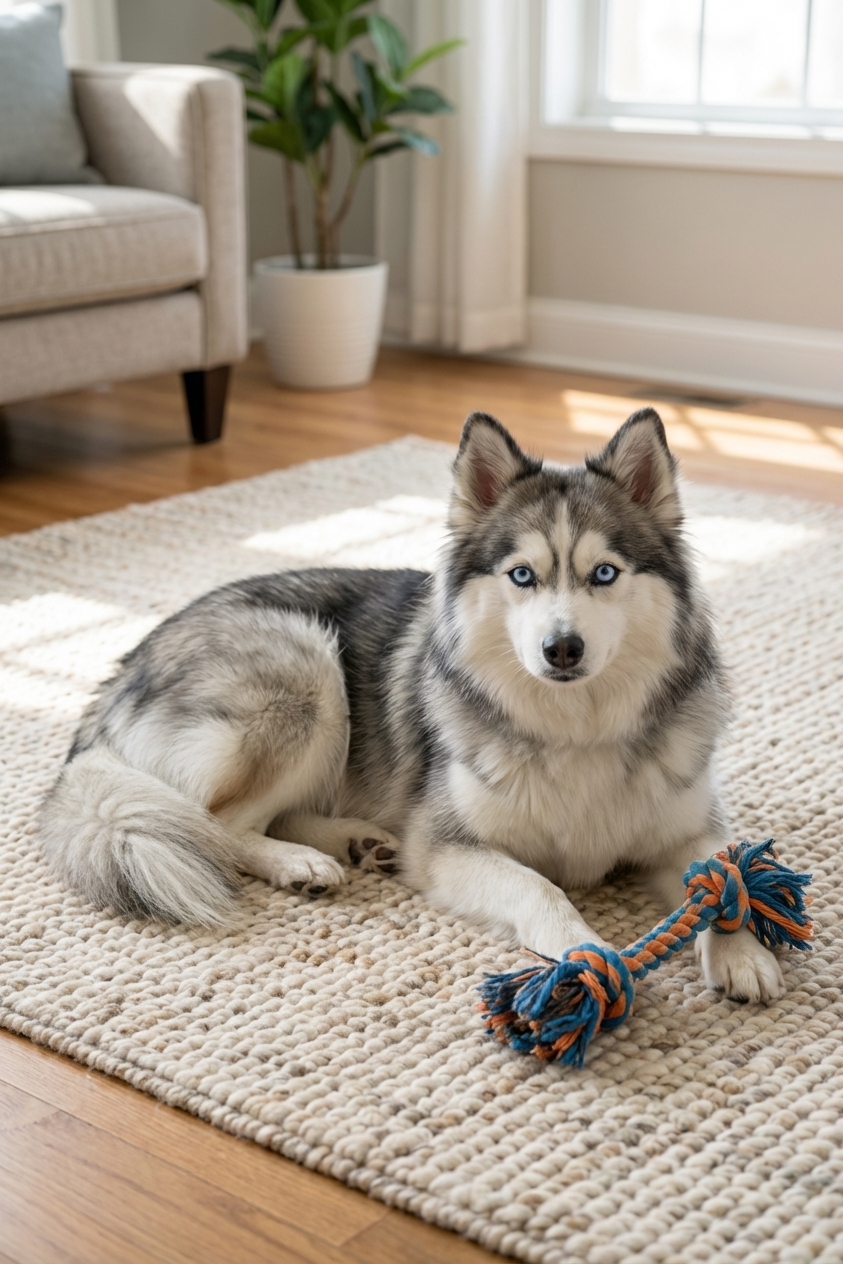
With the right daily routine, Pomskies tend to blossom. They want to be included, they want a job, and they do best when you meet their needs before they have to ask in loud ways.
Quick care guide
- Size: commonly 15 to 30 pounds, but can vary widely
- Energy: moderate to high
- Coat: usually double coat, heavy shedding
- Grooming: brush 2 to 4 times weekly, more during shedding seasons
- Training: reward-based, consistent, focus on recall and quiet behaviors
- Lifespan: commonly around 12 to 15 years
- Best for: families and individuals who enjoy activity and engagement