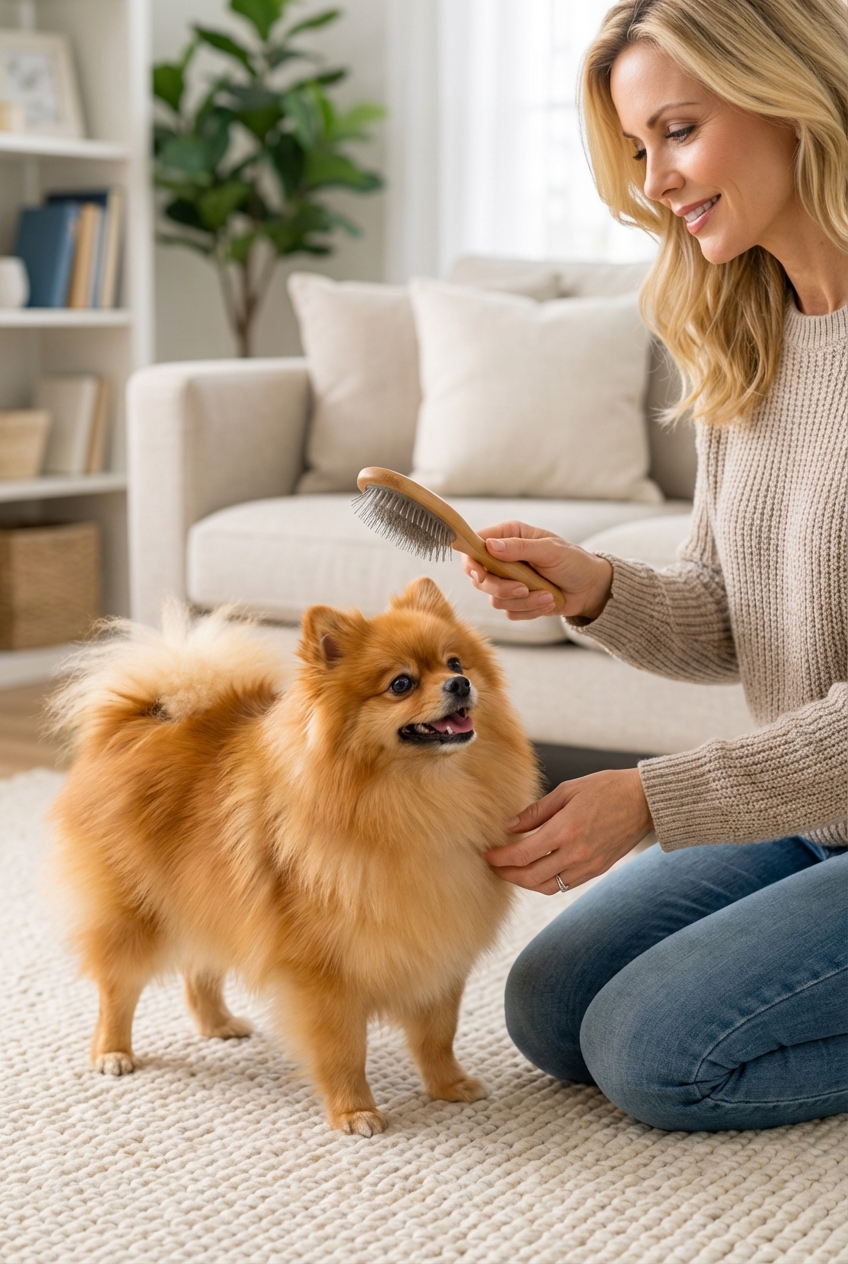
A simple Pomeranian care routine you can start today: feeding, potty schedule, short safe walks, coat grooming, dental care, nails, and when to call the vet.
Article
•
Designer Mixes
Pomeranian Personality and Care

Shari Shidate
Designer Mixes contributor
Pomeranians may be tiny, but they take up a lot of space in your life in the best way. These fluffy little companions are alert, expressive, and famously confident. As a veterinary assistant here in Frisco, Texas, I see plenty of Pom personalities who act like they are running the whole clinic, and honestly, they are not wrong.
This guide covers what Pomeranians are really like day to day, plus practical care tips that keep them comfortable, safe, and thriving.
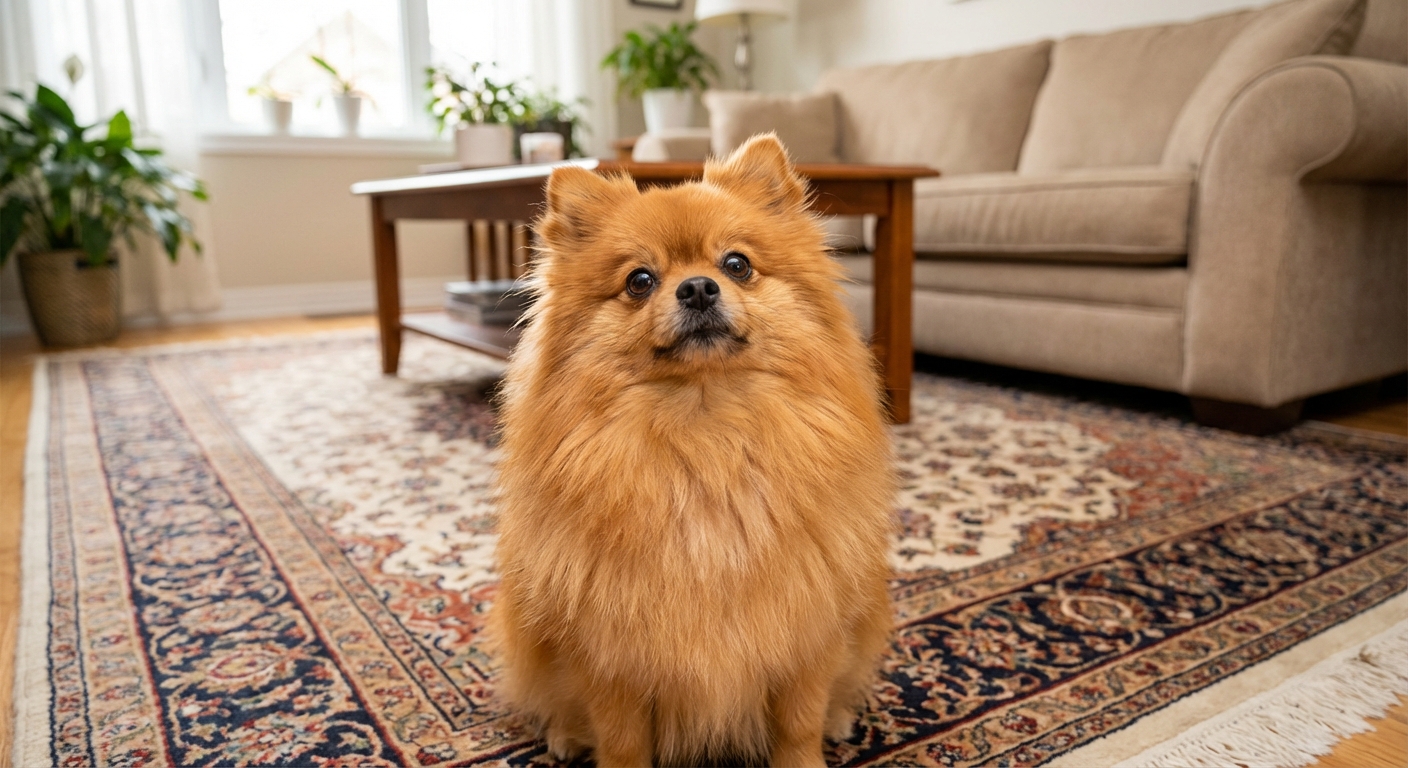
Quick Pomeranian overview
- Size: Toy breed, often around 3 to 7 pounds (some are larger)
- Life expectancy: Often 12 to 16 years
- Coat: Double coat with a soft undercoat and longer outer coat
- Energy level: Moderate to high bursts, and many can learn a good off switch with training
- Best for: People who enjoy training, grooming, and a “big personality” in a small body
Personality traits
Confident and bold
Pomeranians are classic “small dog, big attitude.” They often approach new situations with curiosity and confidence. This can be charming, but it also means you will need to teach polite greetings and safe boundaries, especially around larger dogs.
Affectionate with their people
Many bond closely with one or two people and love lap time. They tend to thrive when they are included in daily routines. If your dog follows you from room to room, that is normal.
Alert and vocal
They were bred from larger spitz-type dogs and still carry that alert watchdog instinct. It is common for them to bark at doorbells, delivery drivers, unfamiliar sounds, or anything that feels “new.” Often it is a learned or under-managed behavior rather than “spite.” With consistent training, most can learn a “quiet” cue and feel less reactive.
Smart and quick to learn
Pomeranians are bright. They often pick up tricks fast, but they can also learn habits you did not mean to teach, like barking to get picked up. Reward the behaviors you want, and you will be amazed how quickly they respond.
Sometimes cautious with strangers
Some are social butterflies, while others are more reserved. Early socialization helps, but it should be gentle and positive. Forced interactions can backfire.
Daily care essentials
Exercise and enrichment
Pomeranians do not need hours of running, but they do need daily activity to prevent boredom and behavior problems.
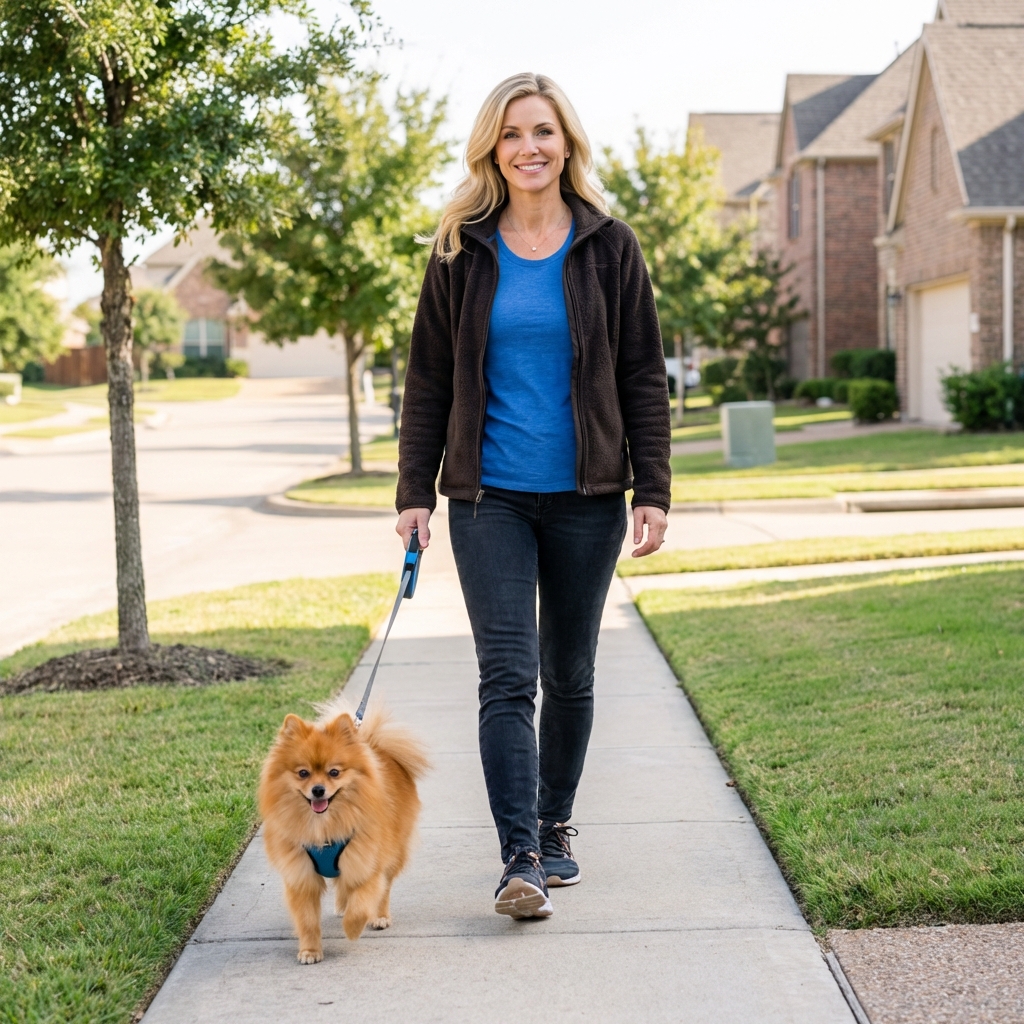
- Daily walk: 15 to 30 minutes total, split into shorter sessions if needed
- Play: Fetch in a hallway, tug, or short training games
- Brain work: Puzzle feeders, sniff walks, “find it” games with treats
Safety note: Because they are small and brave, always supervise outdoors and avoid letting them approach unfamiliar large dogs without careful control.
Grooming and coat care
That beautiful fluff is a double coat, and it requires routine maintenance to prevent matting and skin irritation.
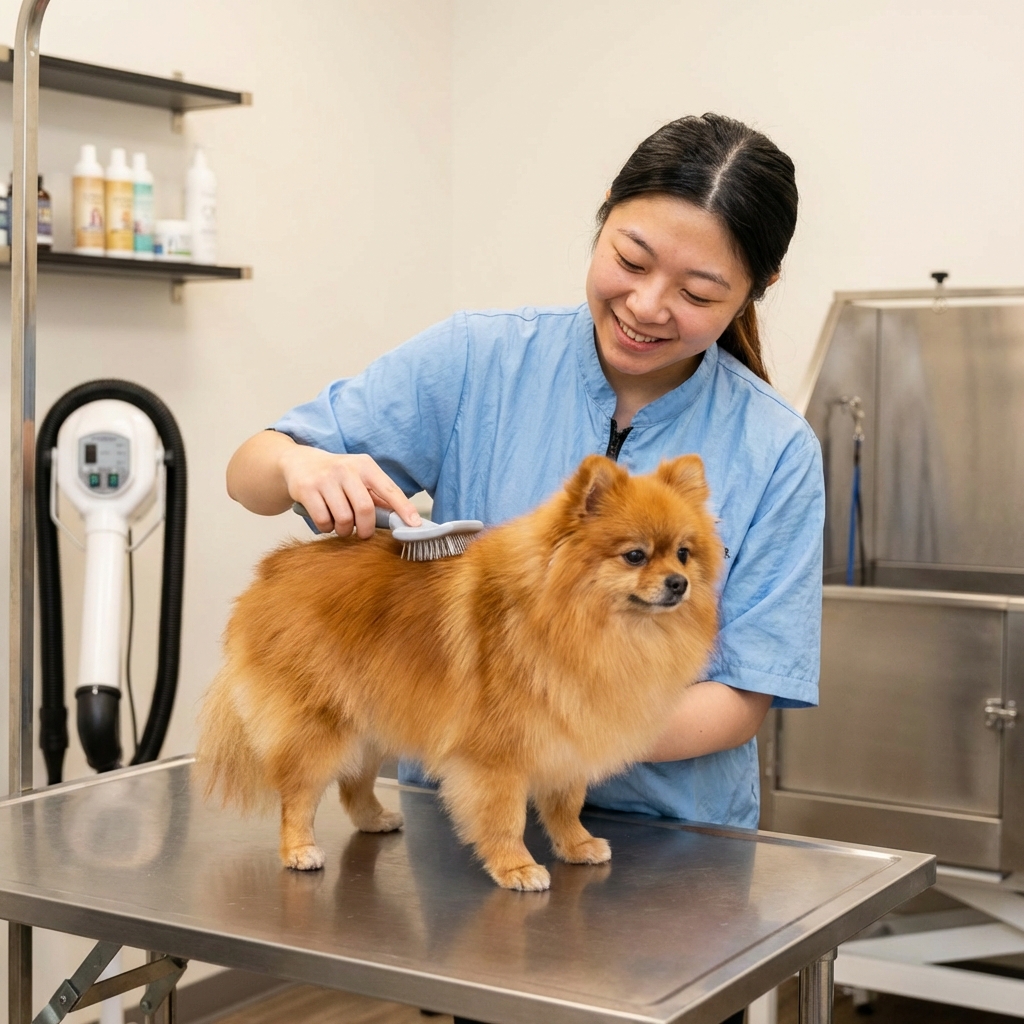
- Brushing: Ideally 3 to 5 times per week, more during seasonal shedding
- Tools: A slicker brush plus a metal comb to check for mats down to the skin
- Technique: Ask your groomer to show you line-brushing, especially in friction spots like behind the ears, the armpits, the pants, and along the harness line
- Bathing: Every 3 to 6 weeks for many dogs, depending on lifestyle and coat condition
- Professional grooming: Helpful for sanitary trims and coat maintenance, but be cautious with extreme shaving
About clipping and shaving: Many double-coated dogs can have uneven regrowth after close shaving. That said, severe matting can be painful and unsafe, and clipping may be the most humane choice. If your Pom is matted, work with a professional groomer and your veterinarian to choose the safest plan.
Nutrition
Now that we have the daily routine covered, let’s talk food. Good nutrition matters for every breed, but toy breeds have some special considerations: they have small stomachs, can be prone to dental issues, and some can be picky. Your goal is a diet that is complete, balanced, and portioned correctly.
What to feed
Look for a complete and balanced diet that meets AAFCO standards for your dog’s life stage (puppy, adult, senior). If you want to add fresh foods, start slowly and keep toppers modest so your dog still gets complete nutrition.
- Complete-and-balanced base diet: Focus on appropriate calories and nutrients for the life stage
- Skin and coat support: Some dogs benefit from omega-3s, but ask your vet before adding supplements
- Fresh toppers: A spoon of plain cooked chicken, salmon, egg, or pumpkin can help picky eaters
How much to feed
Because they are small, even an extra tablespoon here and there can lead to weight gain over time. Use a measuring cup or kitchen scale, and check your dog’s body condition monthly.
Treats: keep them tiny
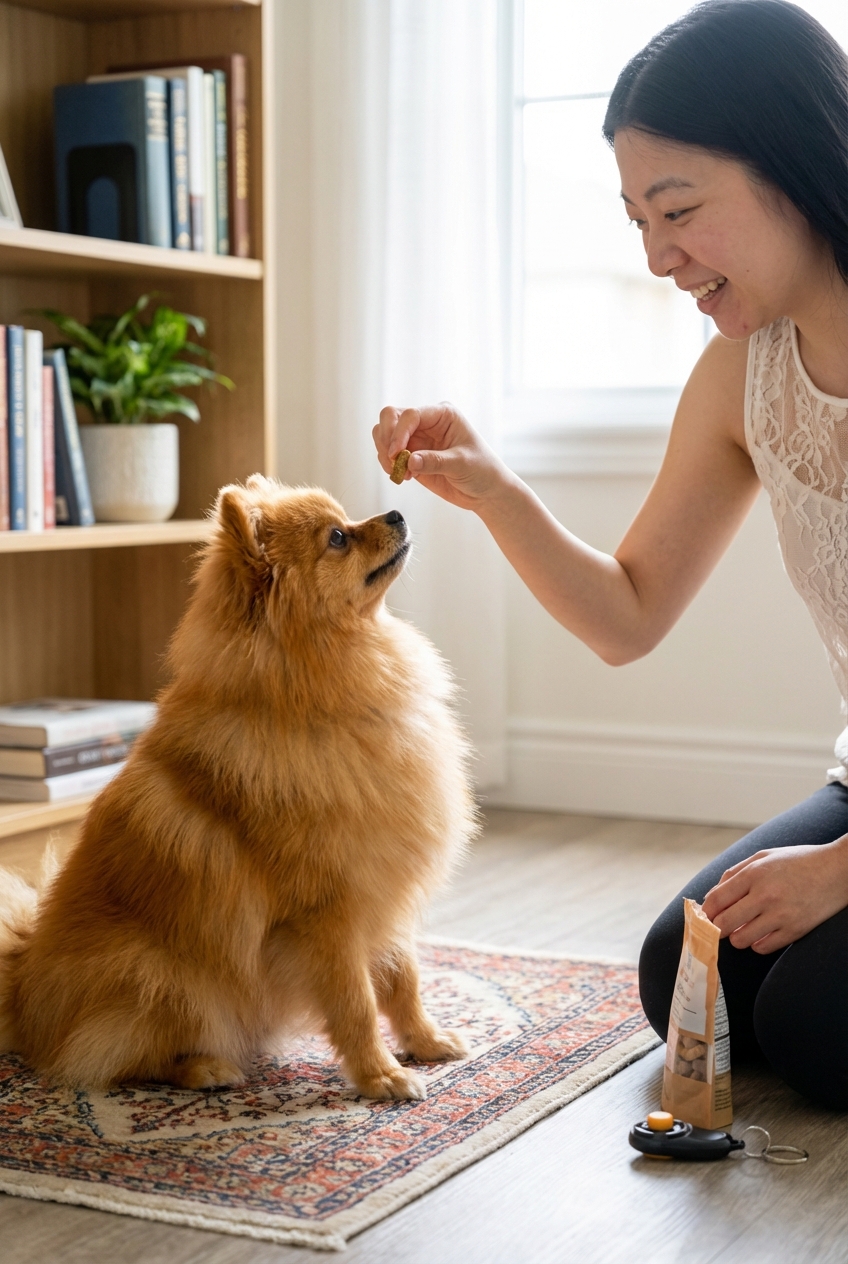
Treats should be less than 10% of daily calories. For toy breeds, that can mean using pea-sized training treats or breaking treats into small pieces.
Important: If you are considering homemade meals as a main diet, work with your veterinarian or a board-certified veterinary nutritionist to ensure calcium, phosphorus, and micronutrients are properly balanced.
Training and socialization
House-training tips
Small dogs can be tougher to house-train, not because they are stubborn, but because they have tiny bladders and owners sometimes miss the subtle signs.
- Take your dog out on a consistent schedule, especially after sleep, play, and meals
- Reward immediately when they potty outside
- Use baby gates or a playpen to prevent sneaky accidents
- Clean accidents with an enzymatic cleaner so the scent does not linger
Reduce barking with a plan
Barking often comes from alertness and excitement. A few supportive strategies:
- Teach “quiet”: Reward a pause in barking, then build duration
- Manage triggers: Frosted window film, white noise, or closing blinds can reduce visual stimulation
- Give a job: Ask for a sit, touch, or “go to mat” when the doorbell rings
Gentle socialization
Expose your dog to different people, surfaces, sounds, and friendly dogs at a pace they can handle. The goal is confidence, not overwhelm.
Puppy notes
If you are raising a Pom puppy, one extra note from the clinic side: very small toy-breed puppies can be prone to low blood sugar (hypoglycemia), especially if they skip meals, get chilled, or have stomach upset.
- Feeding schedule: Many puppies do best with multiple small meals per day. Your veterinarian can help you pick an age-appropriate schedule.
- Call your vet right away: Weakness, wobbliness, trembling, unusual sleepiness, collapse, or a puppy who will not eat can be an emergency.
Common health concerns
Pomeranians are generally hardy, but they do have a few breed tendencies. Regular veterinary checkups are important, and early intervention makes a big difference.
Dental disease
Small breeds commonly develop tartar buildup and gum disease. Daily tooth brushing is the gold standard. VOHC-accepted dental chews or water additives can help as add-ons, but they do not replace brushing. For many dogs, professional dental cleanings under anesthesia are the effective standard when disease is present, and your vet will advise on timing.
Luxating patella
This can show up as skipping, hopping, or intermittent lameness. Maintaining a lean body weight and using joint-friendly exercise helps, and your vet can guide treatment options.
Tracheal collapse
Some have sensitive airways and may cough or gag, especially with collar pressure. A well-fitted harness is typically safer than a neck collar for walks. Also keep your dog lean, avoid smoke and strong fragrances, and get a chronic cough checked. Do not assume it is “just a small dog thing.”
Eye issues
Toy breeds can be prone to tear staining and irritation, and their eyes can be more vulnerable to corneal injury. Keep the face clean and mention any squinting, redness, cloudiness, or discharge to your veterinarian promptly.
Alopecia X and coat thinning
Some experience coat changes or hair loss. This is worth a veterinary workup to rule out endocrine or skin conditions.
If your Pomeranian starts coughing more, seems painful when jumping, is drinking or peeing more than usual, has sudden behavior changes, or is squinting, do not wait. Those are “call your vet” signs.
Home safety
Pomeranians are fragile compared to larger breeds, so prevention is everything.
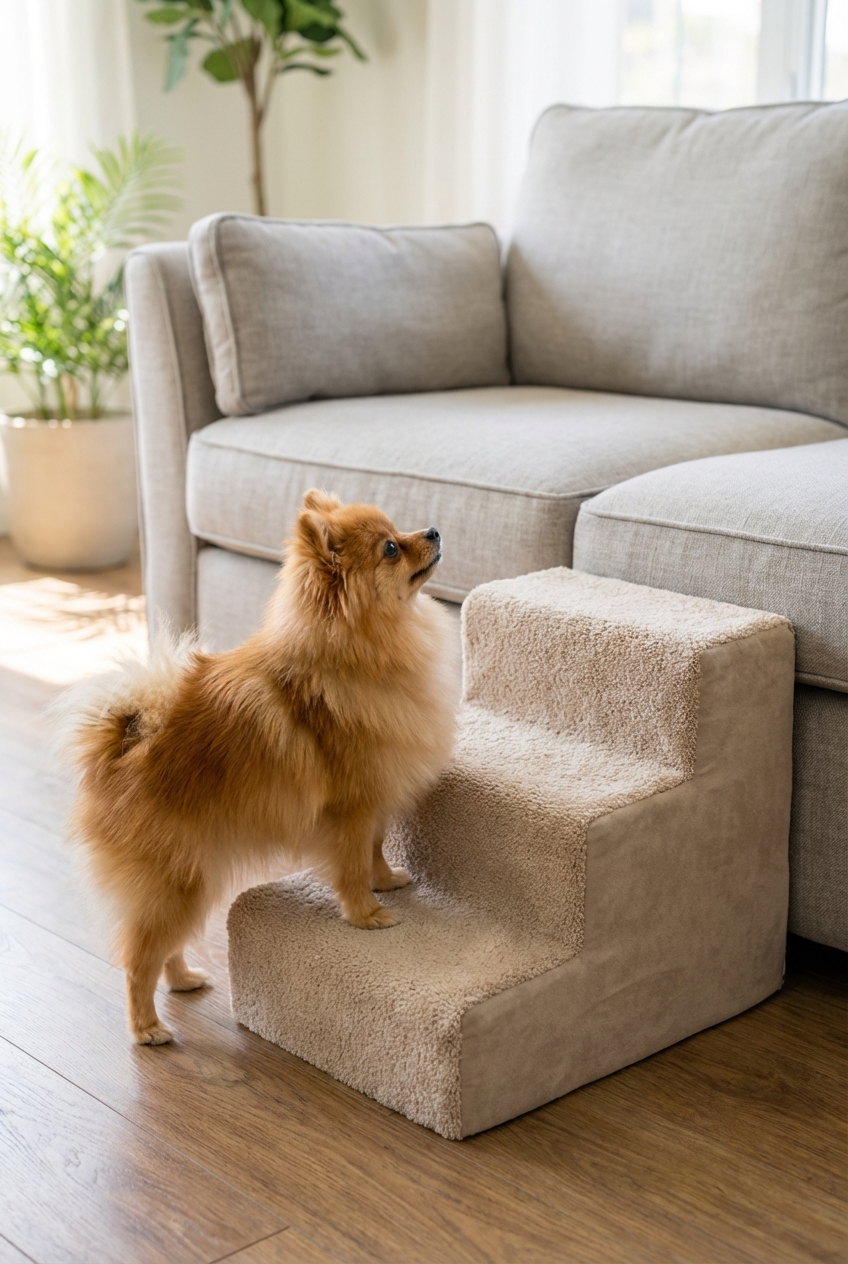
- Prevent falls: Use pet stairs or ramps for couches and beds, and supervise on stairs
- Watch doors and recliners: Tiny dogs can be underfoot
- Temperature caution: Thick coats and small bodies can struggle in extreme heat or cold
- Use a harness: Helps protect the neck and airway
- Supervise with children: Teach kids to sit on the floor for calm petting and never pick up without help
Heat safety
Frisco summers are no joke. Keep walks short, stick to early morning or later evening, and bring water. Watch for heavy panting, drooling, bright red gums, weakness, vomiting, or a dog who wants to stop and lie down. If you see those signs, move to shade or AC and call your veterinarian.
Is a Pomeranian right for you?
A Pom can be an incredible companion if you love an interactive, lively dog who wants to be involved in your day. They are a great fit when you are willing to:
- Brush routinely and keep up with grooming
- Train consistently, especially around barking and house habits
- Handle them gently and set up a safe home environment
- Commit to dental care and preventive veterinary visits
If you want a quieter dog with minimal grooming needs, a Pomeranian may feel like too much. But if you want a devoted little shadow with a sparkling personality, this breed can be pure joy.