Make safe, portion-controlled homemade meals for small dogs under 20 lb. Get 6 easy recipes, calorie estimates, ingredient lists, transition steps, and calci...
Article
•
Designer Mixes
Pomeranian Care Quick Guide

Shari Shidate
Designer Mixes contributor
Pomeranians are tiny, bright, and full of personality. They look like little stuffed animals, but they are real dogs with real needs, especially when it comes to coat care, dental health, safe exercise, and preventing injuries. As a veterinary assistant here in Frisco, Texas, I love helping families set up simple routines that keep Poms healthy without feeling overwhelmed.
Quick note: this guide is general education and not a substitute for veterinary diagnosis or treatment. If something feels off, call your vet.
This step-by-step guide covers the basics you can start today, plus the red flags that should send you to your veterinarian.
Know your Pom
Pomeranians are a toy breed, typically around 3 to 7 pounds (though some pet Poms are larger) with a thick double coat. Many are confident, vocal, and energetic. Because they are small, they can be more vulnerable to dental disease, low blood sugar (especially puppies), and injuries from jumps or rough handling.
- Life stage matters: puppies need more frequent meals and extra monitoring; seniors often need more dental support and joint-friendly routines.
- Build a relationship with your vet: toy breeds benefit from consistent wellness checks and early dental planning.
Daily routine
1) Fresh water and a calm start
Start each day by refreshing your Pom’s water bowl and doing a quick check: bright eyes, normal energy, normal appetite, and a comfortable gait. This takes less than a minute and helps you notice issues early.
2) Feed smart for a small body
Pomeranians do best with high-quality, complete-and-balanced dog food sized for small breeds. Their stomachs are tiny, so portion control and consistency matter.
- Puppies: often need 3 to 4 small meals per day to reduce the risk of low blood sugar.
- Adults: typically do well with 2 meals per day.
- Treat rule: keep treats to 10% or less of daily calories.
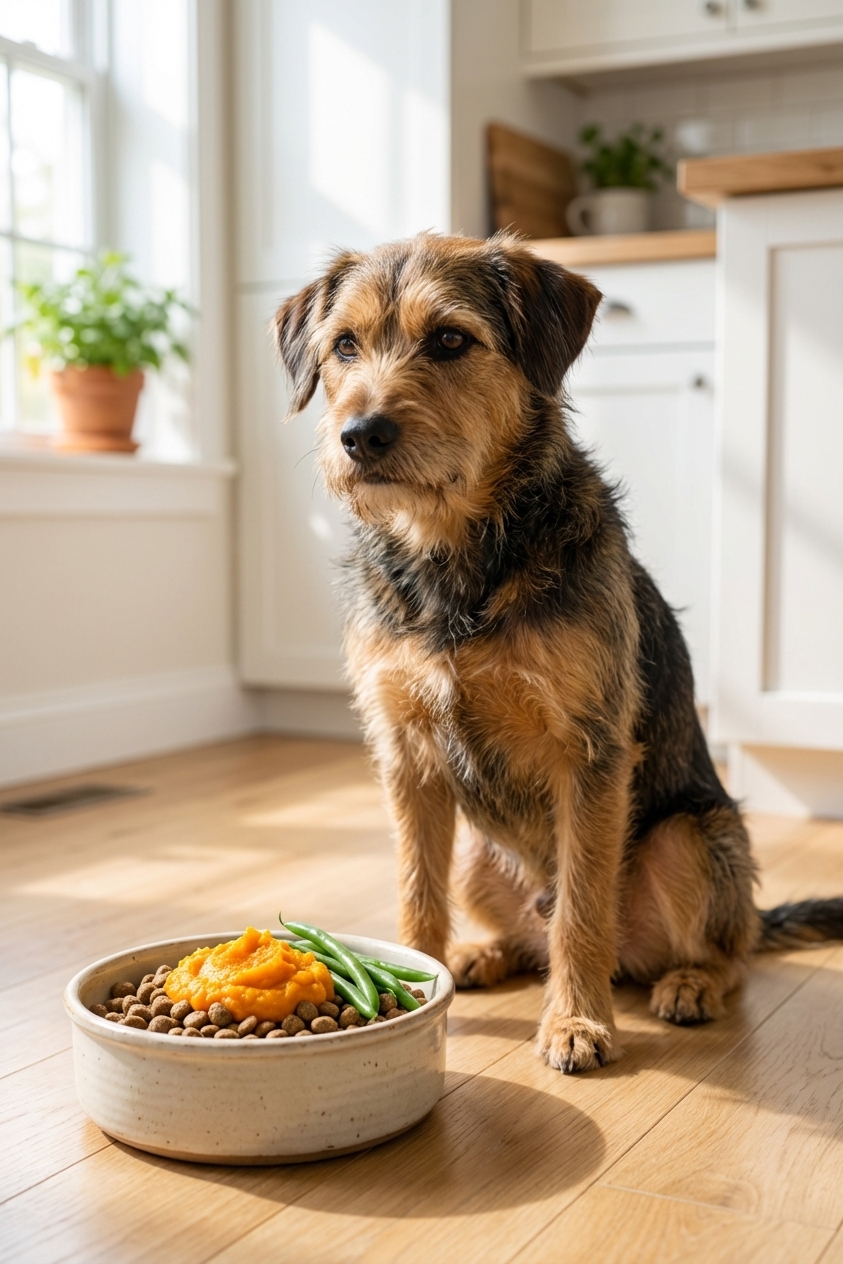
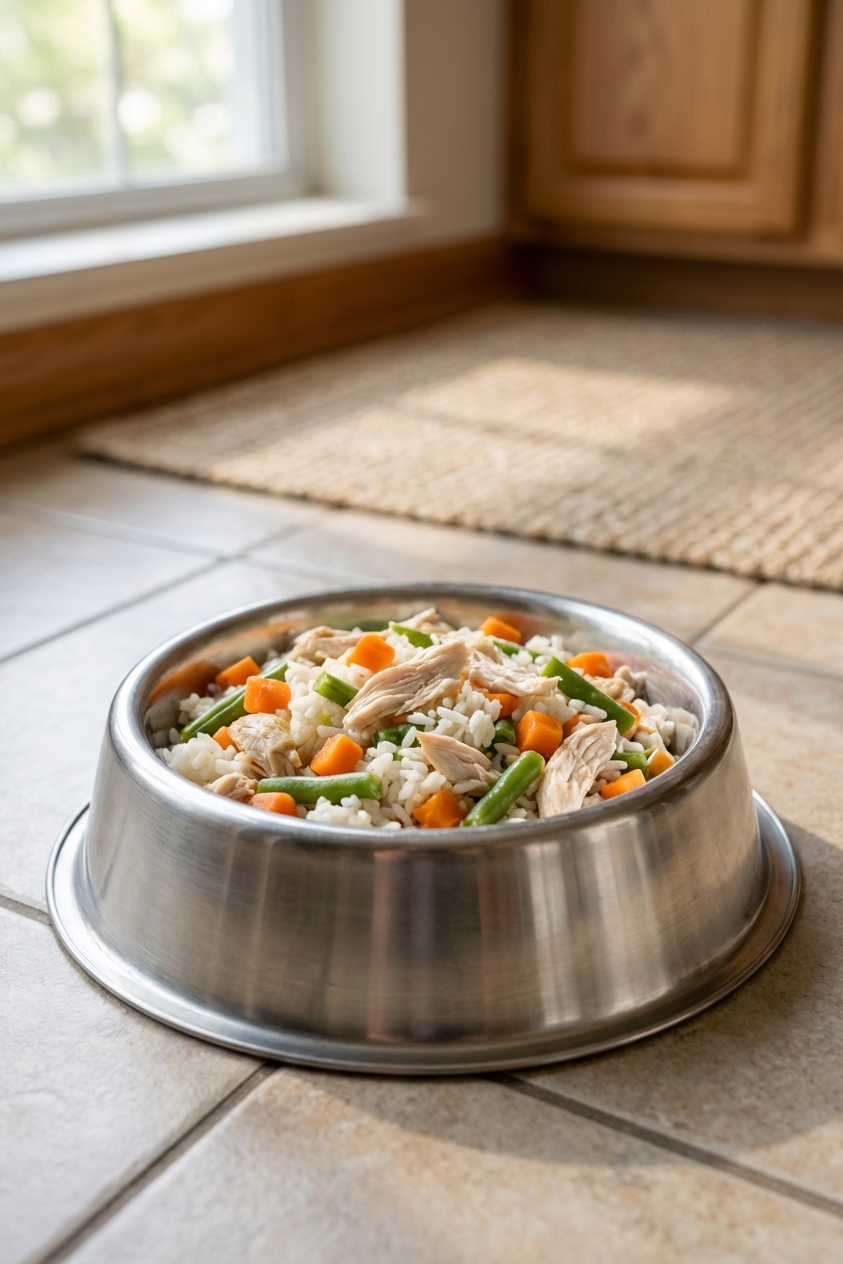
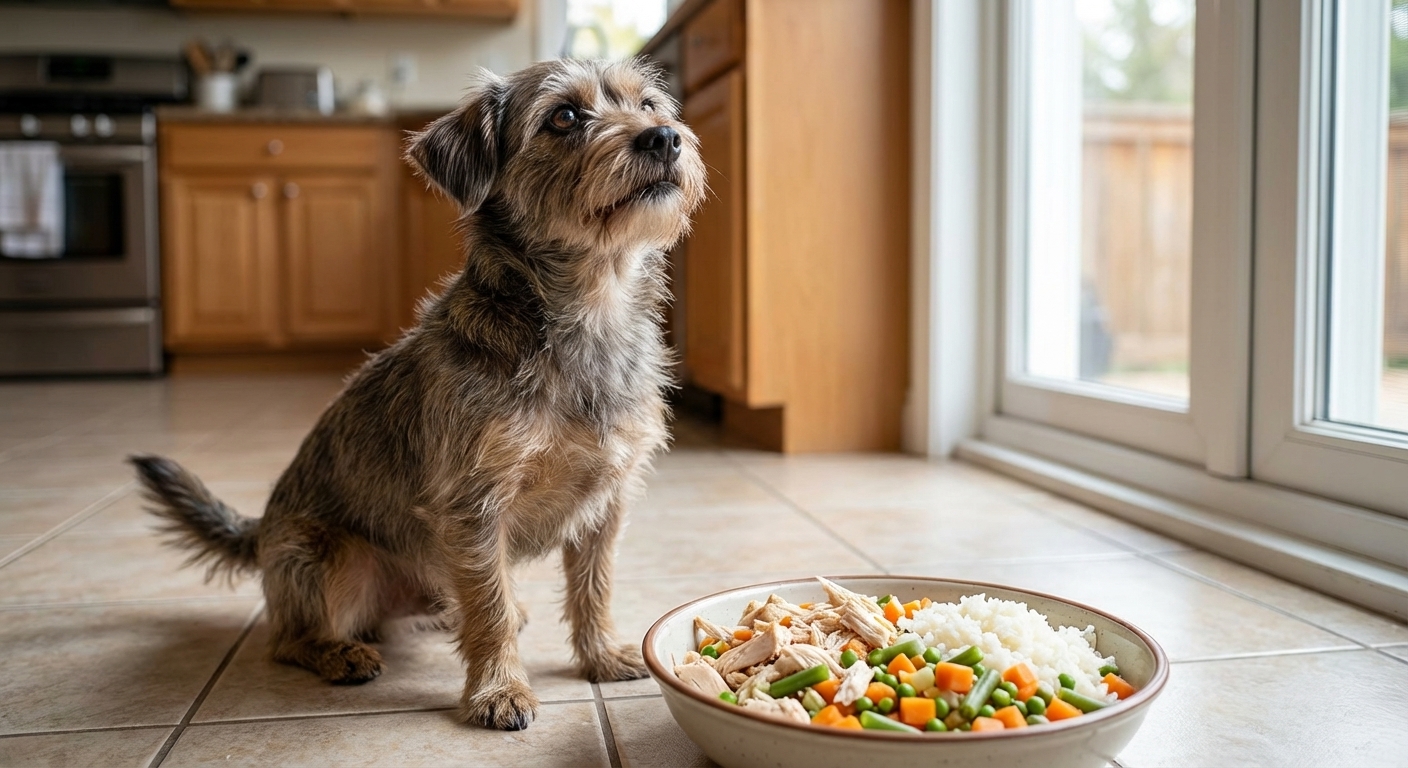
If you are interested in adding fresh, whole foods, start slowly. A simple beginning can be mixing in a spoonful of cooked lean protein or plain cooked pumpkin, then watching stool quality for a few days before adding anything new.
Safety reminder: avoid common toxins like xylitol (often in sugar-free gum), grapes and raisins, onions, and garlic. For many small dogs, bones and hard chews can also be a choking risk or cause broken teeth, so ask your vet what is appropriate for your Pom.
3) Potty breaks and consistency
Small dogs often need more frequent potty breaks. Stick to a schedule and praise immediately when your Pom goes in the right spot. If you are housetraining a puppy, take them out after waking, eating, playing, and every 1 to 2 hours at first.
4) Short, safe exercise
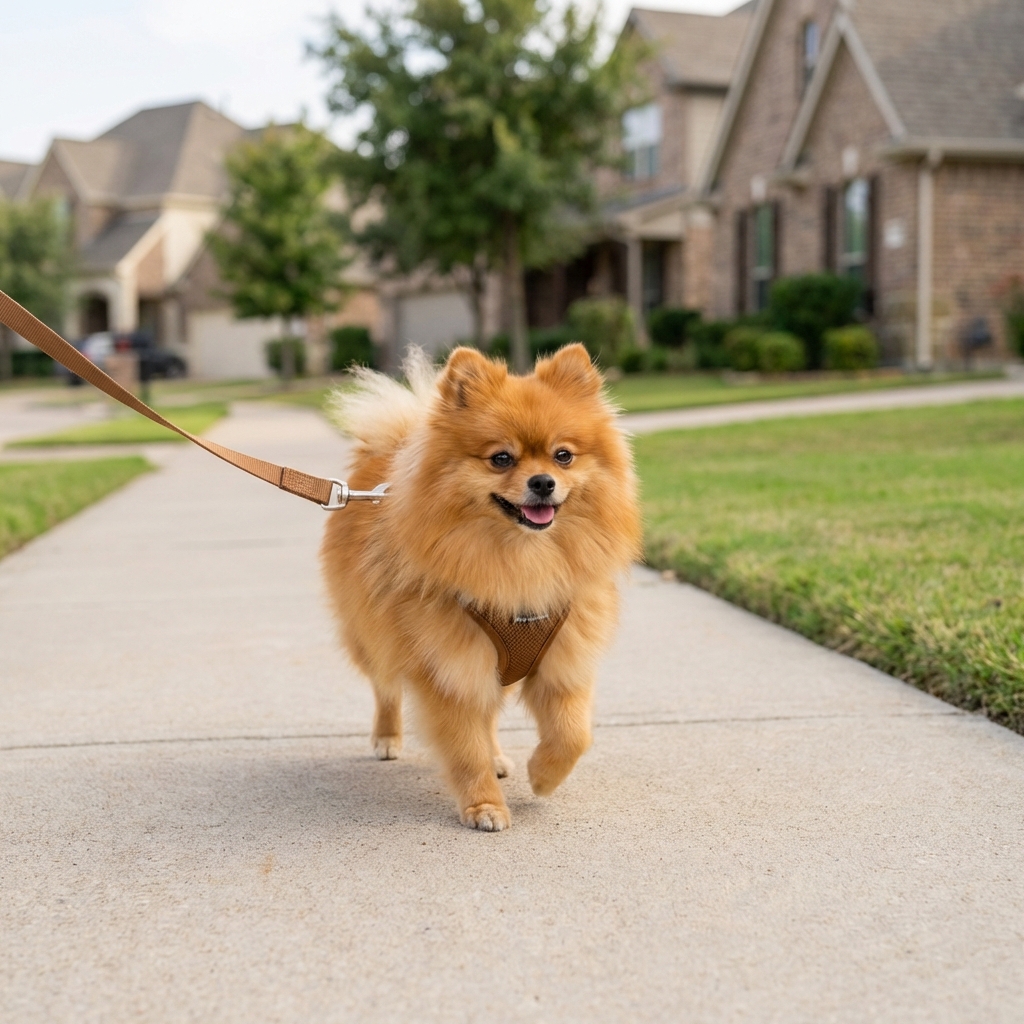
Poms are energetic but do not need long runs. Two to three short walks and some indoor play are usually perfect.
- Use a harness: a properly fitted harness helps reduce pressure on the neck. Look for a style that allows full shoulder movement (often a Y-front) and does not rub behind the legs. If you notice matting where the harness sits, adjust fit and brush that area more often.
- Avoid big jumps: discourage jumping off couches and beds. Use pet steps or ramps to help prevent injuries.
5) Quick coat check
Run your fingers through the coat and look for tangles behind the ears, in the armpits, around the collar area, and under the tail. Catching a small tangle today prevents painful mats later.
Once the daily routine feels easy, grooming becomes much less stressful for both of you.
Grooming
That signature fluff is a double coat. Your goal is to keep the undercoat healthy and the skin comfortable.
Brushing
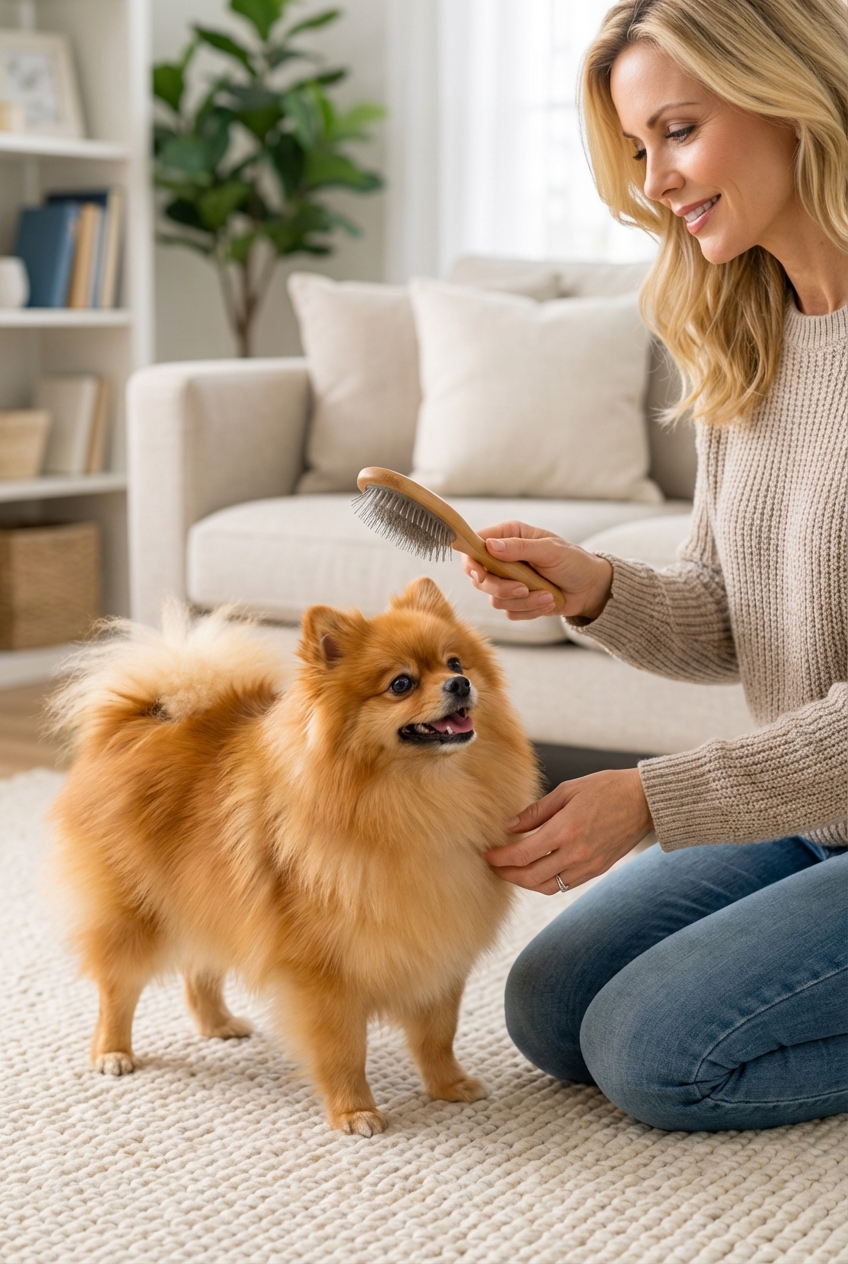
- Frequency: 3 to 5 times per week for most Poms. Daily during heavy shedding.
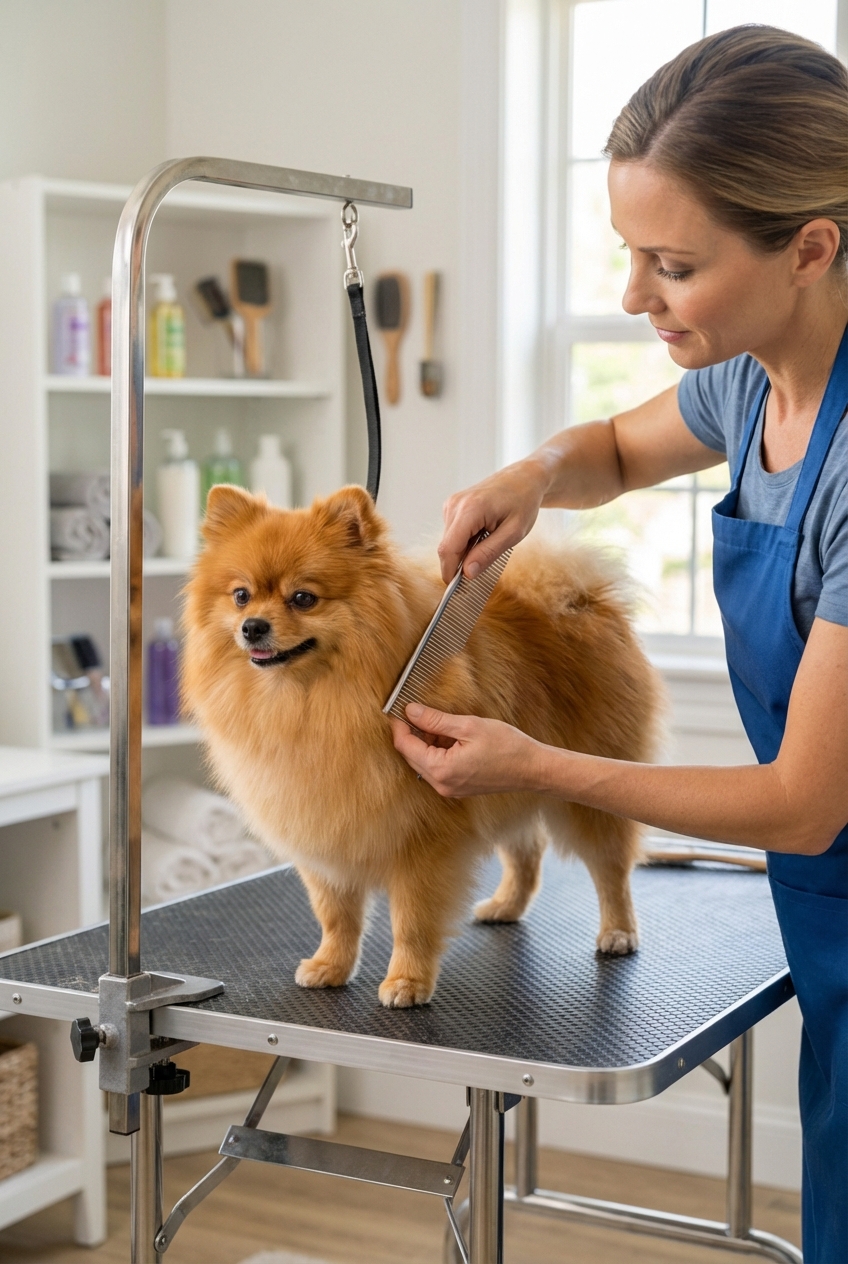
- Tools: a slicker brush and a metal comb are common go-tos. Brush gently down to the skin, not just the top layer.
- Technique: ask your groomer to show you “line brushing,” where you lift the coat in sections so you can brush and then comb all the way through. This is one of the best ways to prevent mats.
- Mat hotspots: behind ears, chest, hindquarters or feathering (often called “pants”), and where the harness sits.
- Tool caution: be careful with undercoat rakes and shedding tools. Overuse can break coat and irritate skin, especially in small areas.
Bathing
Many Poms do well with a bath about every 3 to 6 weeks, depending on lifestyle. Always dry thoroughly, especially the undercoat, since a damp undercoat can contribute to skin irritation. If your Pom has dry, itchy skin or frequent hot spots, follow your vet or groomer’s guidance on bathing frequency and products.
Haircuts and shaving
Many groomers recommend avoiding shaving a Pom unless a veterinarian specifically advises it for a medical reason. The coat provides insulation and skin protection, and shaving can increase sunburn and skin irritation risk. It can also affect coat regrowth in some dogs. If you want a neater look, ask for a tidy trim and a sanitary trim instead.
Dental care
Small breeds are prone to tartar buildup and gum disease. Dental pain often hides until it is advanced, so prevention is truly a kindness.
At-home steps
- Brush teeth: ideally daily, realistically several times per week. Use dog-safe toothpaste only.
- Choose evidence-based products: when shopping for chews, rinses, or water additives, look for the VOHC seal (Veterinary Oral Health Council) when possible.
- Dental chews: choose products sized for toy breeds. If your Pom gulps chews, switch to safer options.
- Watch for signs: bad breath, red gums, dropping food, pawing at the mouth, or reluctance to chew.
Professional dental cleanings
Ask your veterinarian about a dental timeline. Many Poms need professional cleanings during adulthood. Early care can help reduce extractions later.
After teeth, the next “little things” that add up are nails, ears, and eyes.
Nails, ears, and eyes
Nail trims
Most Pomeranians need nails trimmed every 2 to 4 weeks. If you hear clicking on the floor, they are usually too long. Long nails can change gait and contribute to discomfort.
Ear care
Check ears weekly. A little wax is normal. Strong odor, redness, or head-shaking are not. Clean only with a vet-approved ear cleaner and never push cotton swabs into the ear canal.
Eye care
Poms can get watery eyes or tear staining. Wipe gently with a soft, damp cloth. If you notice squinting, thick discharge, or sudden redness, contact your veterinarian promptly.
Training and behavior
Pomeranians are smart and can learn quickly, but they also learn bad habits quickly if we allow them.
- Start with the basics: name response, come, sit, down, and leave it.
- Prevent “small dog syndrome”: set gentle boundaries and reward calm behavior.
- Noise and barking: teach a quiet cue and provide enrichment. Many Poms bark from boredom or alertness, not “stubbornness.”
Short training sessions (2 to 5 minutes) sprinkled through the day work beautifully for toy breeds.
Safety
Because Pomeranians are so small, safety planning matters more than most people realize.
- Supervise with kids: teach children to sit on the floor to hold your Pom and never chase or grab.
- Watch for “big dog” interactions: even friendly large dogs can injure a Pom accidentally during play.
- Prevent falls: use ramps or steps for furniture, block stair access when possible.
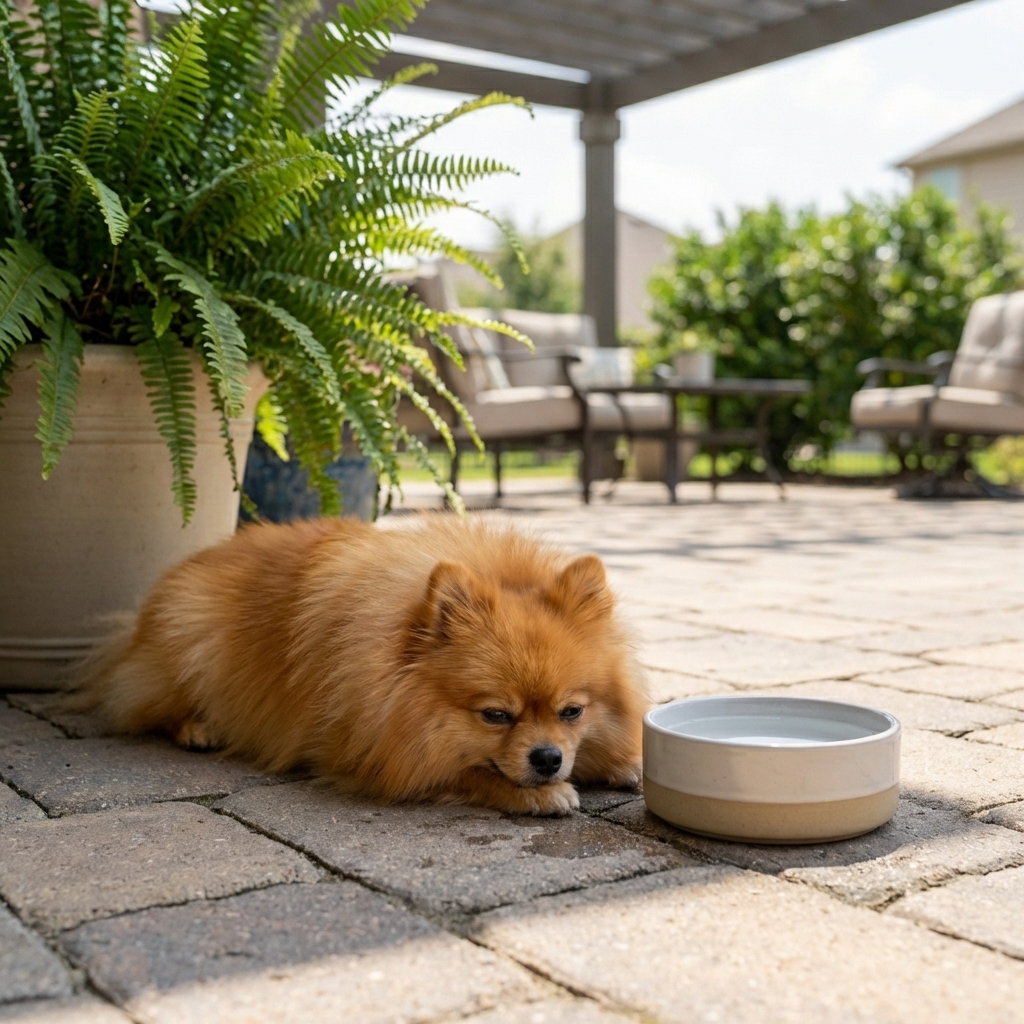
- Heat safety: the coat is thick and Texas summers are intense. Walk early or late, bring water, and keep sessions short. Even with a double coat, dogs can overheat.
- Outdoor risk in our area: keep your Pom on a leash in open spaces and supervise in the yard. Hawks, coyotes, and loose dogs can be a real risk for toy breeds.
Vet care checklist
Core preventive care
- Wellness exams: at least yearly for adults, often twice yearly for seniors.
- Vaccines: follow your veterinarian’s schedule based on lifestyle and local risk. For puppies, ask your vet about a safe socialization plan during the vaccine series.
- Parasite prevention: year-round flea, tick, and heartworm prevention is commonly recommended in many parts of the U.S.
- Spay and neuter: discuss timing with your veterinarian.
Common Pom health concerns to ask about
- Dental disease
- Luxating patella (kneecap slipping)
- Tracheal irritation or tracheal collapse risk (often a “honking” cough, and one reason harnesses are preferred)
- Low blood sugar in puppies (weakness, shaking, collapse can be emergencies)
- Skin and coat issues (itching, thinning coat, hot spots)
- Coat loss patterns sometimes discussed in Poms (for example, Alopecia X). If you notice progressive thinning, ask your vet for a skin and endocrine workup.
Call the vet now
Trust your instincts. With toy breeds, problems can escalate quickly.
- Not eating for 24 hours (or missing meals in a puppy)
- Not eating sooner than that if paired with lethargy, vomiting, diarrhea, or pain
- Vomiting repeatedly or diarrhea that is frequent, bloody, or paired with lethargy
- Coughing, gagging, a “honking” cough, or breathing difficulty
- Sudden weakness, wobbliness, collapse, or trembling
- Possible injury after a fall or jump
- Swollen belly, severe pain, or continuous crying
If your Pom seems “off,” it is always okay to call your veterinary clinic and describe what you are seeing. A quick conversation can save you a lot of worry and help your dog get care sooner.
Weekly schedule
- Daily: meals, water refresh, potty schedule, short walks or play, quick coat and body check
- 3 to 5x weekly: thorough brushing and comb-through
- Weekly: ear and eye check, weigh-in at home if your Pom is prone to weight changes
- Every 2 to 4 weeks: nail trim
- Every 3 to 6 weeks: bath and blow dry, tidy trim as needed
- Every 6 to 12 months: wellness exam (more often for seniors or ongoing conditions)
Bottom line
Pomeranian care is mostly about steady, gentle routines: safe exercise, consistent grooming, and proactive dental care. Start small, stay consistent, and your Pom will repay you with years of bright-eyed companionship and that classic little bounce in their step.