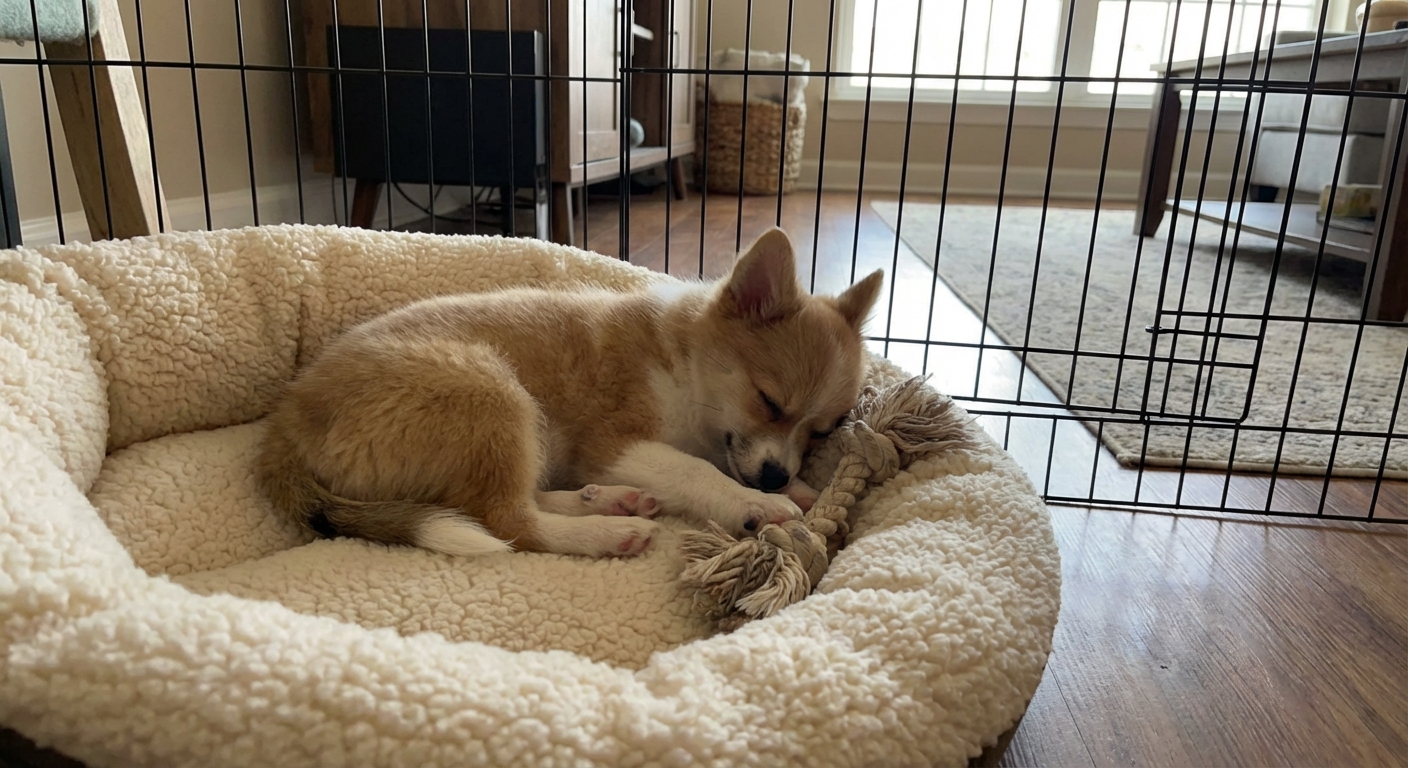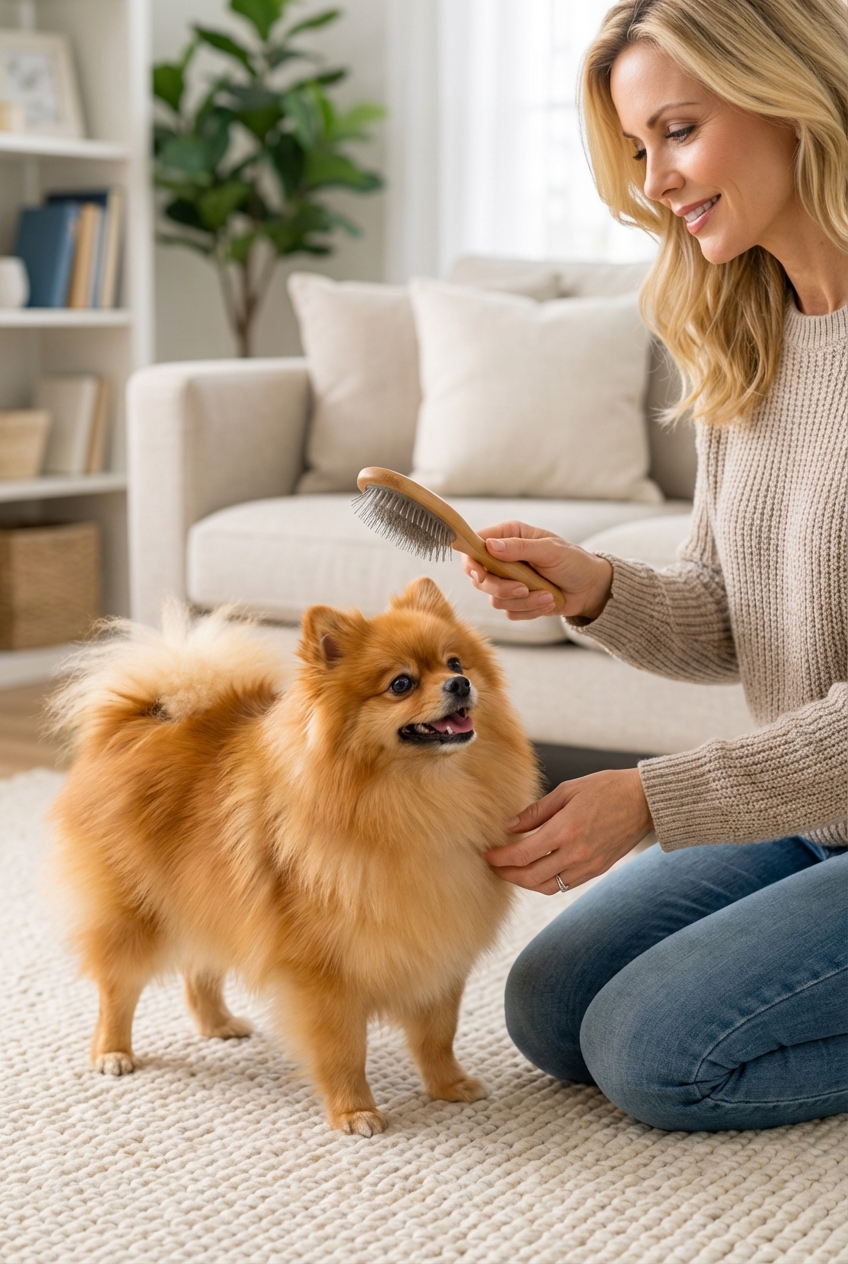
A simple Pomeranian care routine you can start today: feeding, potty schedule, short safe walks, coat grooming, dental care, nails, and when to call the vet.
Article
•
Designer Mixes
Pomchi

Shari Shidate
Designer Mixes contributor
Meet the Pomchi
The Pomchi is a popular designer mix that blends the spirited Pomeranian with the bold, devoted Chihuahua. Many Pomchis are tiny, bright-eyed, and full of personality, which helps explain why they have become such a sought-after companion in apartments and smaller homes.
Because this mix often shows up in veterinary clinics, I encourage families to think of “Pomchi” as a blend, not a standardized breed. This means coat type, size, energy level, and even temperament can vary quite a bit from dog to dog. If you are considering a Pomchi, the best approach is to understand the range of traits you might see and prepare for the version you bring home.
Typical size and lifespan: Many Pomchis fall in the 5 to 12 lb range and stand roughly 6 to 10 inches at the shoulder, though outliers exist. With good preventive care, a Pomchi may live around 12 to 16 years. Because this is a mixed breed, treat these as typical estimates, not guarantees, and ask your veterinarian what is realistic for your individual dog.
What a Pomchi Typically Looks Like
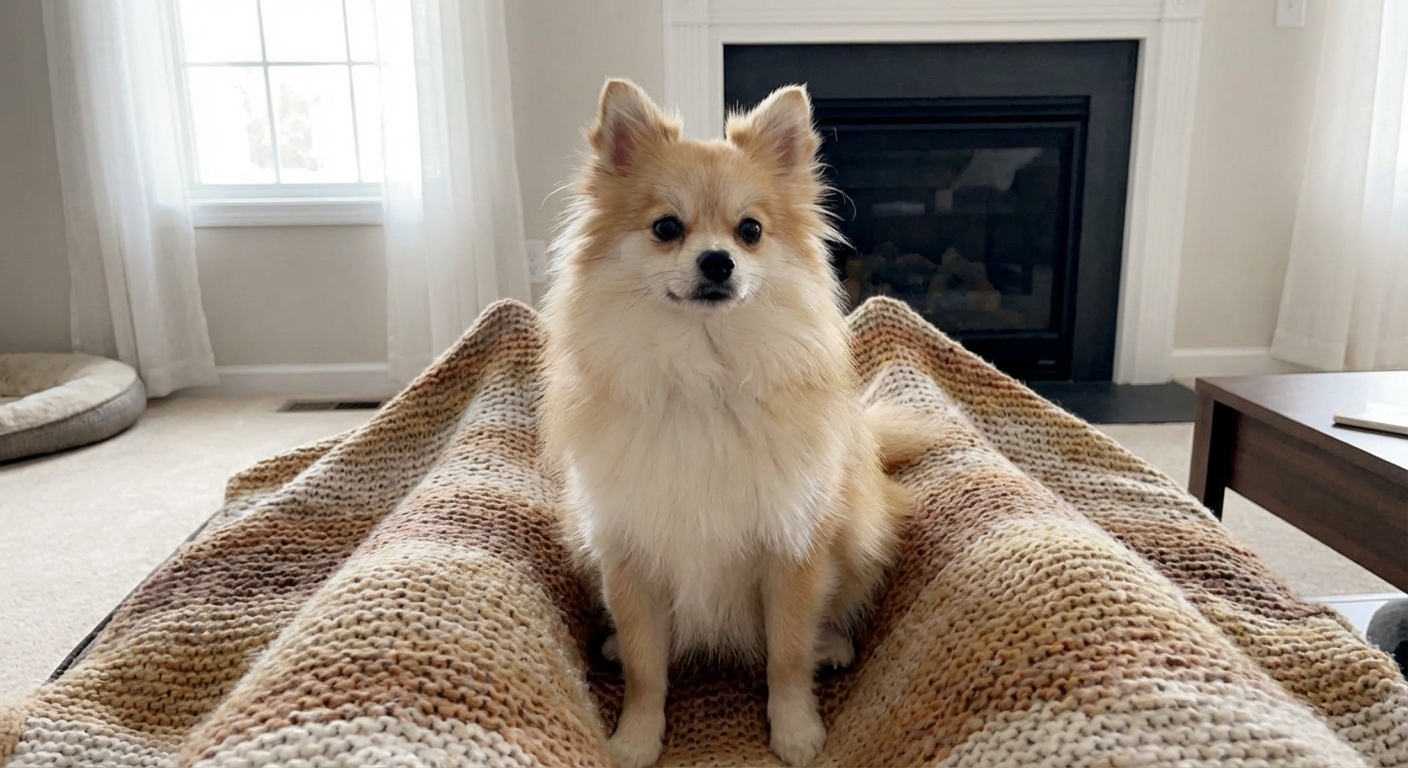
Pomchis usually fall into the toy-sized category, but their appearance depends on which parent they take after most.
- Size: Toy-sized is the norm, but genetics can swing smaller or larger than expected.
- Coat: Can be short and sleek like a Chihuahua, or fluffy and dense like a Pomeranian, with many landing somewhere in between.
- Color: Wide variety, including cream, tan, sable, black, chocolate, and mixed patterns.
- Face and ears: Some have the fox-like Pomeranian look with plush cheeks, while others have a more classic Chihuahua expression with prominent ears.
Cold and heat tolerance vary with coat type, body condition, age, and what a dog is used to. A short-coated Pomchi may need a sweater on chilly walks , while a fluffier dog may be more at risk of overheating in warm weather. Regardless of coat, any dog can overheat, so plan summer walks for cooler times of day and watch for heavy panting or slowing down.

Temperament: Big Personality in a Small Body
Pomchis are often affectionate, alert, and deeply bonded to their favorite people. Both Pomeranians and Chihuahuas are known for being confident and expressive, and Pomchis frequently inherit that “watchdog in a tiny package” vibe.
Common temperament traits
- Devoted companionship: Many Pomchis want to be close, whether that means lap time or following you from room to room.
- Alertness: They tend to notice sounds and movement quickly and may bark to announce visitors.
- Playfulness: Short bursts of play are common, especially with toys and interactive games.
- Protectiveness: Some can be wary around unfamiliar people or dogs if not socialized early.
Early, gentle socialization makes a measurable difference. Consistent positive experiences with visitors, children (with supervision), and other pets can help reduce fear-based barking and reactivity.
Exercise and Mental Stimulation
Pomchis usually do best with daily movement that matches their small size. They might not need long hikes, but they do need regular activity to support heart health, joint mobility, and emotional well-being.
A realistic daily routine
- Two or three short walks: Often 10 to 20 minutes each, adjusted for age and weather.
- Indoor play: Fetch down a hallway, tug with a soft toy, or a few minutes of low-impact games.
- Brain work: Food puzzles, sniff games, and basic obedience practice.
Any dog can get bored without enough enrichment, and boredom sometimes shows up as barking, chewing, or anxiety. Think of enrichment as daily “mental nutrition” that keeps their nervous system calmer and their habits healthier.
Joint-friendly note: If your dog has knee issues (like patellar luxation) or you are unsure, avoid repetitive stairs and jumping on and off furniture. Ask your veterinarian what is appropriate for your Pomchi’s build and activity level.
Training Tips That Actually Work
Pomchis are often intelligent but can be stubborn, especially if they have learned that barking or refusing cues gets them what they want. The most effective training approach is patient, consistent, and reward-based.
Focus areas for many Pomchis
- Barking: Teach a “quiet” cue and reward calm behavior. Also reduce triggers by managing window access if needed.
- Leash manners: Many owners prefer a harness rather than a collar, especially for small dogs that are prone to tracheal collapse or throat irritation.
- Potty training: Small dogs have small bladders. Frequent, predictable potty breaks and immediate rewards help.
- Handling tolerance: Practice gentle paw, ear, and mouth checks so grooming and vet visits are less stressful.
If you want one habit that pays off quickly, it is this: reward calm, quiet behavior throughout the day, not just during formal training sessions.
Grooming and Coat Care
Grooming needs range from minimal to moderate depending on coat type. A fluffy Pomchi may shed more and need more brushing, while a short-coated Pomchi may be easier to maintain but still benefits from regular care.
- Brushing: Several times a week for fluffy coats. Once or twice weekly may be enough for short coats.
- Bathing: As needed. Over-bathing can dry the skin.
- Nails: Trim regularly, since tiny dogs often do not wear nails down naturally.
- Dental care: Toy breeds are prone to dental disease. Daily brushing is ideal, plus veterinarian-recommended dental support.

Health Considerations to Know
Pomchis can be robust little dogs, but like many small breeds and mixes, there are health patterns worth understanding. Your veterinarian can help you tailor prevention and screening to your dog’s specific needs.
Concerns seen in small dogs and in Pomchi parent breeds
- Dental disease: Crowded teeth increase plaque buildup risk.
- Patellar luxation: A kneecap that can slip out of place, sometimes causing hopping or limping.
- Tracheal sensitivity or collapse: One reason many owners use harnesses and avoid leash pressure on the neck.
- Hypoglycemia (especially in very small puppies): Some tiny dogs can have blood sugar dips if meals are skipped.
- Weight gain: A little extra weight is a bigger deal on a small frame and can strain joints.
From a lifestyle medicine perspective, the basics are powerful: a high-quality diet, lean body condition, daily movement, regular dental care, and preventive vet visits. These steps reduce risk and support a longer, more comfortable life.
Feeding a Pomchi: Simple, Practical Nutrition
Pomchis thrive on nutrient-dense food in appropriate portions. Because they are small, even a few extra bites can add up over time. The goal is steady energy, a healthy coat, and a lean, comfortable body shape.
Helpful feeding guidelines
- Choose a complete and balanced diet: Look for a food formulated for small breeds and appropriate life stage.
- Measure portions: Use a measuring cup or kitchen scale to reduce accidental overfeeding.
- Limit treats: Keep treats modest and use tiny pieces during training.
- Support dental health: Ask your vet about dental-safe chews, but do not rely on chews alone.
If your Pomchi is a picky eater, it can help to create a predictable routine. Put food down for a set time, then remove it. This often reduces grazing and mealtime drama.
Responsible Ways to Get a Pomchi
Because Pomchis are a mix, quality varies widely. Whether you are adopting or buying, the goal is the same: a healthy dog from a responsible source, with realistic expectations and transparent information.
If you are looking at a breeder
- Ask about health screening: At minimum, ask what the parents have been screened for (for example, patellar evaluations, a recent cardiac check, and an eye exam). No test is perfect, but responsible breeders can explain what they do and why.
- Meet the parents when possible: It helps you gauge temperament, size range, and overall health.
- Look for transparency: You should be able to see where puppies are raised and get written records (vaccines, deworming, and a veterinary exam).
- Red flags: Multiple litters always available, refusal to share medical records, pressure to pay immediately, or a seller minimizing common small-dog health risks.
If you are adopting (which can be a great option)
- Request all available history: Ask about dental work, knee issues, coughing, collapsing episodes, and any prior medications.
- Plan an early vet visit: A prompt wellness exam helps you set a baseline and address anything that was not obvious during adoption.
Is a Pomchi Right for You?
Pomchis can be a wonderful fit for people who want an engaged companion and are willing to invest in training, socialization, and routine care. They often do best with guardians who appreciate a dog with opinions and who can offer structure with kindness.
A Pomchi may be a great match if you want:
- A small companion for apartment living
- A dog that enjoys close bonding and interactive play
- A bright, alert personality and a little “watchdog” energy
You may need to plan extra support if:
- You prefer a very quiet dog
- You are away for long stretches without a pet sitter or enrichment plan
- You have very young children who may not yet understand gentle handling
Kid-compatibility tip: Many Pomchis can do well with respectful kids, but toy dogs are physically fragile. Supervise closely, teach children to sit for lap time (instead of carrying), and avoid rough play. Accidental drops or being stepped on are common causes of injury in tiny dogs.
Starting your morning right sets the tone for the entire day. In practice, I often remind families that small, consistent habits compound into remarkable results over time. With a Pomchi, that looks like brief daily training, regular walks, and calm routines that help your dog feel safe and secure.
Small-Dog Safety Basics Many People Miss
- Jumping and furniture: Use pet stairs or ramps if your dog likes the couch or bed, and discourage “flying leaps,” especially if knee issues are a concern.
- Choking hazards: Choose appropriately sized toys and chews. Avoid very hard chews that can fracture small teeth, and supervise chew time.
- Cold and heat: Adjust walk length for weather, consider a sweater for short coats in cold climates, and avoid hot pavement. Provide water and shade in warm weather.
- Car safety: Use a crash-tested harness or secured carrier. Tiny dogs can be seriously injured in sudden stops.
Bringing Home a Pomchi: A Smart First Week Checklist
- Vet visit: Schedule a wellness check, vaccine plan, and parasite prevention discussion.
- Harness fit: Choose a secure harness and a lightweight leash.
- Safe space: Set up a quiet area with a bed, water, and a few toys.
- Meal routine: Keep feeding times consistent, especially for small puppies.
- Socialization plan: Introduce new sights and sounds gradually and pair them with treats.
- Grooming basics: Start gentle brushing and handling from day one.