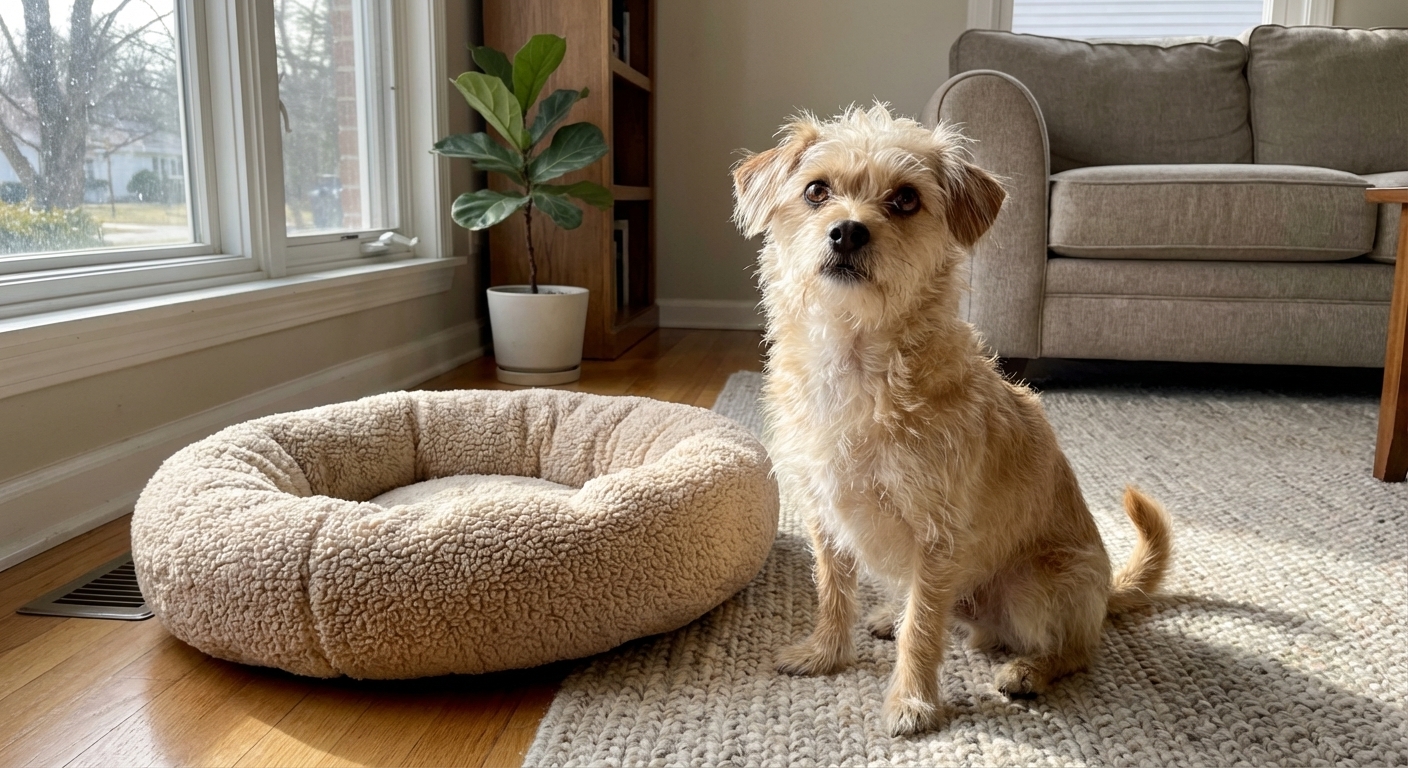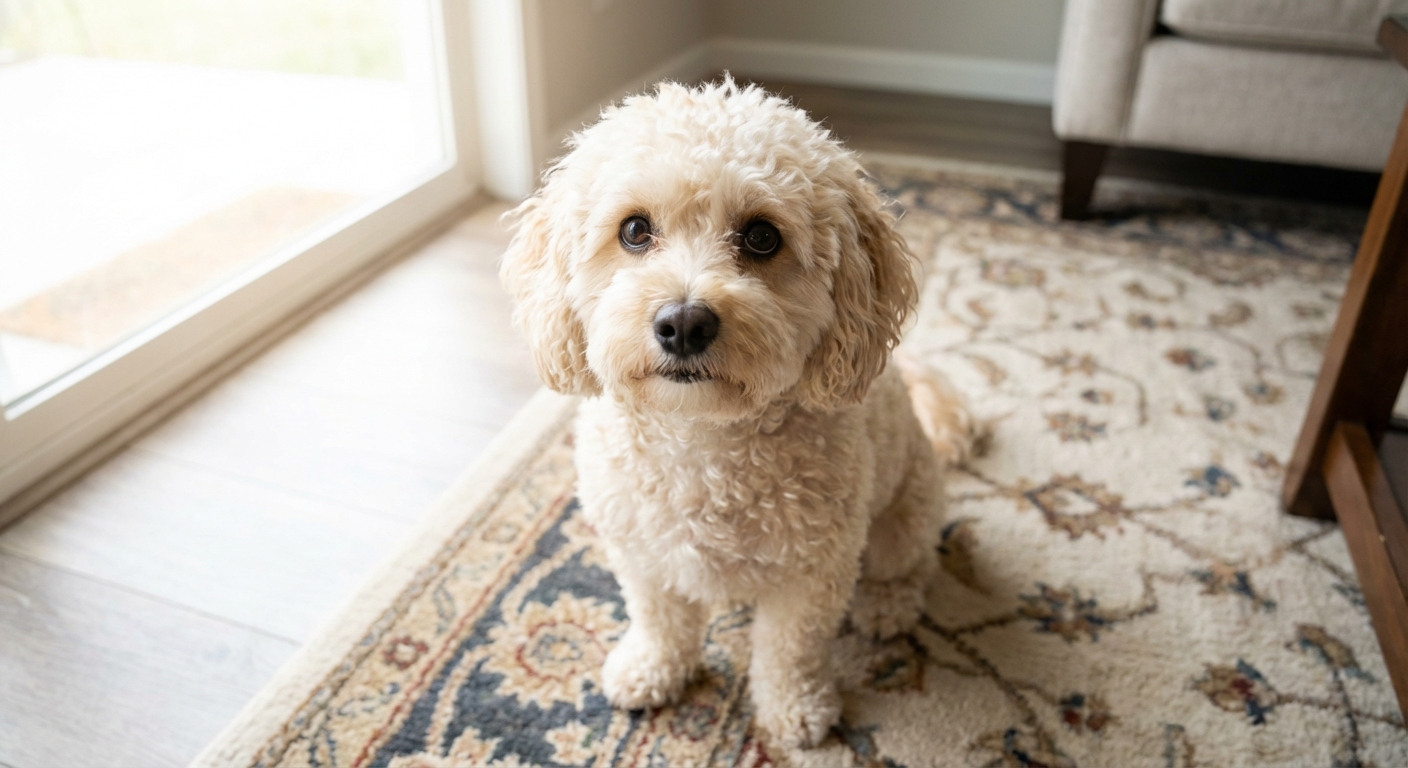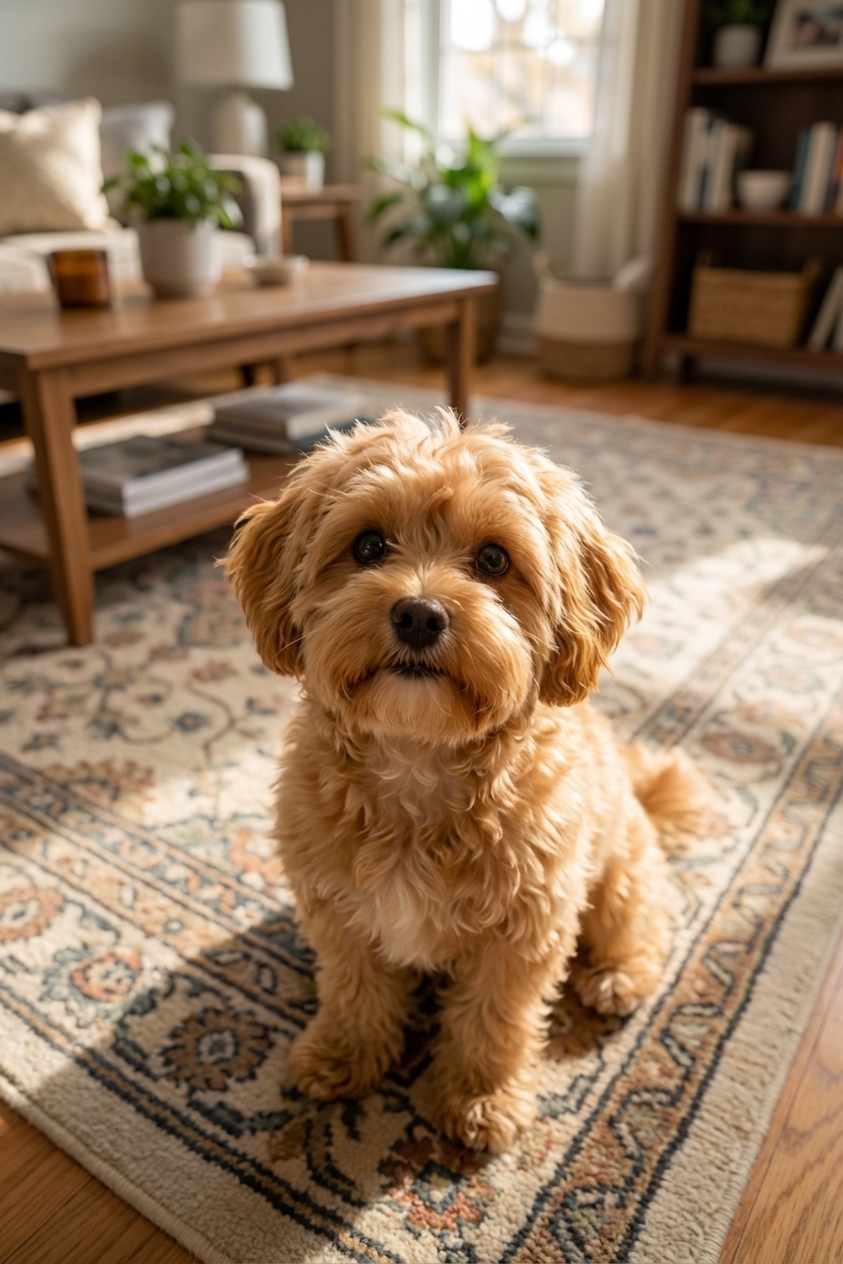
Thinking about a Peekapoo? Explore temperament, adult size and coat, shedding and grooming schedules, training advice, exercise needs, and common health risk...
Article
•
Designer Mixes
Pomapoo: Personality, Size, and Care

Shari Shidate
Designer Mixes contributor
The Pomapoo, sometimes called a Pomeranian Poodle mix, is a small companion dog with a big heart and a sharp little brain. If you love the Pomeranian’s bold, upbeat vibe but want some of the Poodle’s trainability and potentially lower shedding, the Pomapoo can be a wonderful fit. Like any mixed breed, though, what you get depends on genetics, early socialization, and daily care. It is also worth saying clearly: many Pomapoos still shed, and no dog is truly hypoallergenic.

Below is a warm, evidence-based profile of what most families can expect: commonly reported adult size, temperament, grooming needs, common health concerns to watch for, and practical training tips for this intelligent little mix.
Quick facts
- Parent breeds: Pomeranian and Poodle (usually Toy Poodle)
- Typical adult weight: 5 to 15 pounds (commonly reported range, varies)
- Typical height: about 8 to 12 inches at the shoulder (varies)
- Life expectancy: often 12 to 16 years (varies)
- Energy level: moderate, with short bursts of zoomies
- Best fit for: apartments and homes that can commit to grooming, training, and dental care
Adult size
Most Pomapoos mature into a small dog in the 5 to 15 pound range. The biggest factor is the size of the Poodle parent. A Toy Poodle parent tends to produce the smallest Pomapoos, while a Miniature Poodle parent can shift the mix upward.
What influences size
- Parent size and build: Pomeranians are compact, but Poodles can vary more.
- Generation: First generation mixes (Pomeranian x Poodle) may be less predictable than multi-generation lines.
- Nutrition and body condition: Overfeeding can make a Pomapoo look “bigger,” but it is often extra weight, not frame size.
Veterinary assistant tip: With small dogs, even one extra pound matters. Ask your vet team to show you how to score your Pomapoo’s body condition and set a realistic target weight.
Personality
Pomapoos are often affectionate, people-focused, and surprisingly confident for their size. Many inherit the Pomeranian’s alertness and big-dog attitude, plus the Poodle’s quick learning and desire to engage. (When you see “Pom” below, it is just shorthand for Pomeranian.)

Common temperament traits
- Social and bonded: Many Pomapoos love being near their person and may follow you from room to room.
- Smart and responsive: Great for trick training and foundation obedience when taught kindly and consistently.
- Alert watchdog: They often notice everything. Without training, that can turn into frequent barking at noises or passersby.
- Playful: Short, enthusiastic play sessions are usually a hit, especially fetch and puzzle toys.
Potential challenges
- Separation stress: A Velcro dog can struggle if suddenly left alone for long stretches.
- Reactivity: Some small dogs become “spicy” on leash if under-socialized.
- Handling sensitivity: If kids are in the home, teach gentle handling from day one to protect both dog and child.
- Fragility: Toy mixes can be easier to injure from drops or rough play. Supervise children, use ramps or steps, and avoid high furniture jumps.
The good news is that temperament is very trainable. Early, positive social exposure and a calm routine go a long way for this mix.
Coat and grooming
Pomapoos can have a range of coat textures, from fluffy and plush like a Pomeranian to curly or wavy like a Poodle. Many have a soft, wavy coat that can tangle easily. Even if your Pomapoo is lower-shedding, that does not mean low-maintenance. In fact, coats that hold onto loose hair can mat faster.
Quick allergy note: A lower-shedding coat can mean less hair around the home, but dander and saliva still trigger allergies for many people. If allergies are a concern, spend time around similar-coated dogs before committing.

At-home basics
- Brushing: 3 to 5 times per week for wavy coats, and daily for curlier coats prone to matting.
- Comb check: Use a metal comb after brushing. If the comb cannot glide to the skin, mats may be forming.
- Bathing: About every 3 to 6 weeks, or as needed. Always dry thoroughly, since damp coats mat faster.
- Eye area: Wipe daily if your dog gets tear staining. Use a soft, damp cloth and keep hair trimmed around the eyes.
Professional schedule
- Haircut: Usually every 6 to 8 weeks, depending on coat type and your preferred length.
- Sanitary trim and paw pads: Often done at each grooming visit for comfort and hygiene.
Nails, ears, and teeth
- Nails: Trim every 2 to 4 weeks. Small dogs often need more frequent trims because their nails do not wear down as much.
- Ears: Check weekly for odor, redness, or excessive wax. Some Pomapoos inherit hair growth in the ear canal from the Poodle side, which can trap moisture.
- Teeth: Brush daily if you can, or at least 3 to 4 times per week. Dental disease is one of the most common, preventable issues in small dogs.
Exercise and enrichment
Pomapoos usually thrive on moderate daily activity plus brain games. Think of them as “small but busy.” They may not need miles of running, but they do need consistent outlets for energy and curiosity.
Daily routine ideas
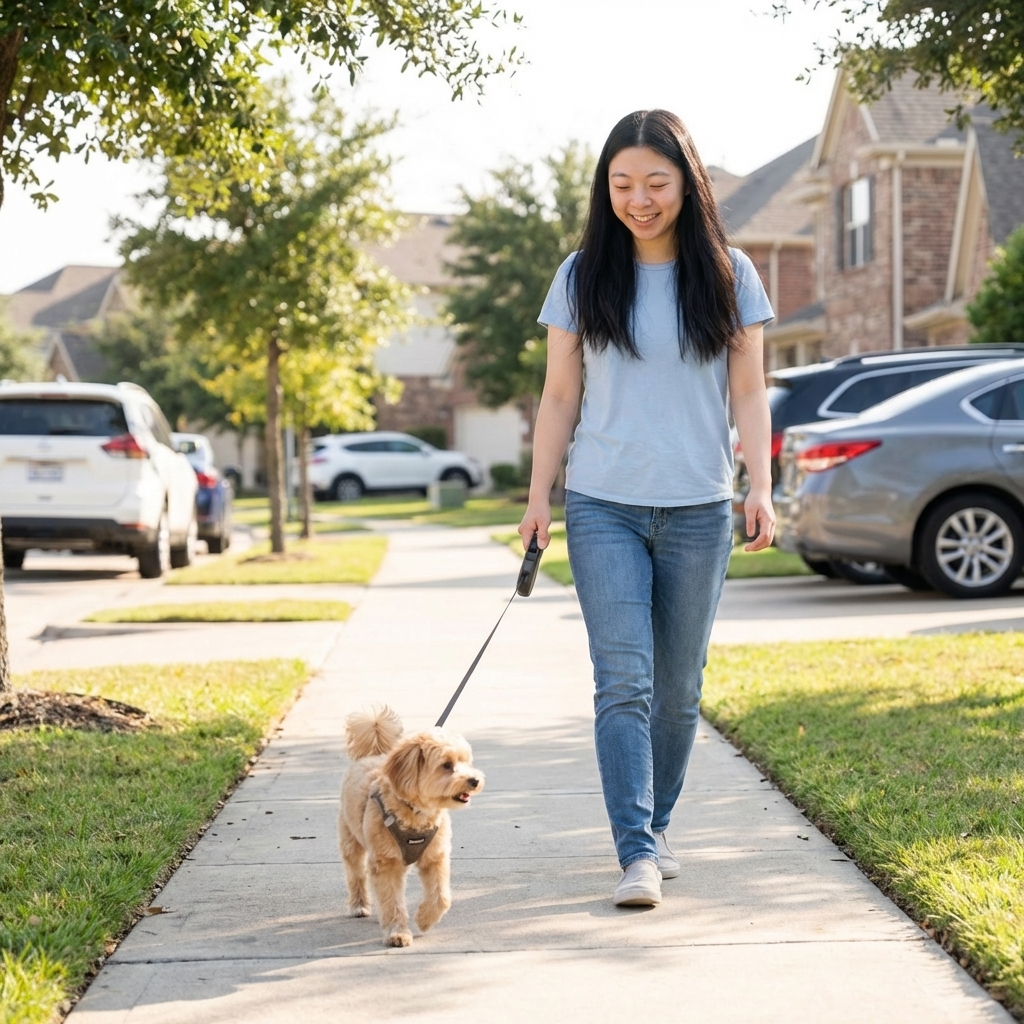
- Walks: 20 to 45 minutes total per day, split into two or three shorter walks.
- Play: 10 to 15 minutes of fetch or tug, once or twice a day.
- Brain work: Food puzzles, snuffle mats, and short trick-training sessions.
Because they are small, it is easy to accidentally under-exercise them by carrying them everywhere. Let them walk, sniff, and explore in safe places. Sniffing is excellent enrichment and can help reduce nuisance barking.
Weather safety
- Cold: Many small dogs get chilly fast. A sweater or coat can make winter walks more comfortable.
- Heat: Avoid midday heat, offer shade and water, and watch for heavy panting or slowing down.
Training tips
Pomapoos are typically bright and motivated, but they can also be a little stubborn if they learn that barking or cuteness gets them what they want. The best approach is gentle structure, very short training sessions, and plenty of rewards.
What works well
- Positive reinforcement: Treats, praise, toys, and access to what they want.
- Micro-sessions: 3 to 5 minutes at a time, several times a day.
- Consistency: Same cue words and same rules across the household.
- Early socialization: Pair new experiences with rewards. Think surfaces, sounds, people, friendly dogs, grooming tools, and car rides.
House-training
Small dogs often take longer to house-train because they have smaller bladders and are more sensitive to weather and distractions. A schedule helps more than willpower.
- Take your Pomapoo out after waking, after eating, after play, and every 2 to 3 hours during early training.
- Reward immediately when they finish outside.
- Use an enzymatic cleaner for accidents to prevent repeat marking.
Barking and alertness
Many Pomapoos are vocal. Instead of only saying “no,” teach a replacement behavior.
- Teach “quiet”: Reward a pause in barking, then gradually increase the time.
- Reduce triggers: Close blinds during high-traffic times or use a white noise machine.
- Give a job: Ask for “go to mat” when the doorbell rings, then reward calm behavior.
Common health issues
Mixed breeds can inherit health risks from either parent. The Pomapoo’s small size and toy-breed genetics mean joint, dental, and airway considerations are important. The best plan is prevention where you can, and early detection everywhere else: routine veterinary care, lean body condition, and prompt attention to symptoms.
Luxating patella
Luxating patella is when the kneecap slips out of place, which is common in many small breeds. You may notice skipping, a sudden hop on three legs, or intermittent lameness.
- Support at home: Keeping your Pomapoo lean, building gentle muscle with regular walks, and using pet stairs or ramps can reduce strain and may reduce flare-ups.
- When to call your vet: Persistent limping, signs of pain, or episodes that become more frequent.
Dental disease
Small dogs are very prone to plaque buildup and periodontal disease. Dental problems are not just about bad breath. Gum infection can cause pain and may affect overall health.
- At-home care: Toothbrushing, dental chews approved by your vet, and water additives if recommended.
- Professional care: Routine dental exams and cleanings when indicated.
Tracheal collapse and airway sensitivity
Some small dogs have delicate airways. If your Pomapoo coughs or honks, especially when excited or pulling on leash, talk with your veterinarian.
- Helpful habit: Use a harness instead of a collar for walks.
Allergies and skin issues
Itching, ear infections, paw licking, and recurrent hot spots can be linked to environmental allergies, food sensitivities, or parasites. Your vet can help you narrow the cause with a step-by-step plan.
Eye concerns
Tear staining, irritation, or squinting can happen in small fluffy dogs, especially if hair touches the eyes. Keep face hair trimmed and have eye symptoms checked promptly.
Heart disease
As Pomapoos age, their risk of heart disease can rise, like many small breeds. Mitral valve disease is one common example in small dogs. Early murmurs are often found at routine checkups, which is one reason wellness exams matter even when your dog “seems fine.”
Other conditions seen in parent breeds
- Legg-Calvé-Perthes disease (a small-breed hip condition)
- Hip dysplasia (less common in toy sizes but possible)
Smart shopping tip: If you are purchasing a puppy, ask the breeder about health testing of the parent dogs. Ethical breeders welcome these questions and can share documentation.
Feeding and weight
Pomapoos do best when they stay lean. Extra weight increases strain on small joints and can worsen breathing issues and patellar flare-ups.
Practical feeding guidance
- Choose a complete and balanced diet appropriate for your dog’s life stage. Your veterinarian can help you pick a reputable option.
- Measure meals rather than free-feeding.
- Limit treats to about 10 percent of daily calories.
- Use food puzzles to slow eating and add enrichment.
If you want to add fresh foods, do it slowly and keep it simple. Small amounts of cooked lean protein or dog-safe vegetables can be a great topper, but balance still matters. When in doubt, ask your vet team before making major changes.
Finding a responsible breeder or rescue
Because Pomapoos vary widely, responsible sourcing matters. Whether you adopt or buy, look for transparency, health screening, and good early handling.
- Ask about parent health tests: at minimum, patellar evaluation, cardiac exam, and an eye exam. Many Poodles are also screened for inherited eye disease (such as PRA), so ask what testing was done on that side.
- Meet the parent dog if possible: Look for a friendly, stable temperament.
- Review the early care plan: Puppies should be raised in a clean home environment with safe social exposure, not isolated in a kennel with little handling.
- Rescue route: If adopting, ask what the rescue has observed about comfort with handling, other dogs, and time alone, plus any known dental or orthopedic history.
Is a Pomapoo right for you?
A Pomapoo can be a fantastic companion if you want a small dog with personality, intelligence, and lots of affection to give. They tend to do best with families who enjoy daily interaction and can keep up with grooming and dental care.
Great match if you want
- A small dog for apartment living
- A cuddly companion who is also playful
- A dog that can learn tricks and manners with positive training
- A pet that fits well with seniors or gentle kids who can respect a small dog’s space
Think twice if you need
- A truly low-maintenance coat
- A dog that is naturally quiet without training
- A pet that can be left alone for long workdays with no support
Top 3 priorities
- Dental care: Start toothbrushing early and keep it consistent.
- Grooming: Brush enough to prevent mats, and keep a predictable grooming schedule.
- Training and enrichment: Short sessions, daily sniff time, and a plan for barking.
If you build a routine around brushing, brief training sessions, and dental care, most Pomapoos reward you with a bright, loving little buddy who fits beautifully into everyday life.
Medical note: This article is educational and not a substitute for veterinary care. If your Pomapoo has coughing, limping, appetite changes, vomiting, diarrhea, or behavior changes, check in with your veterinarian.