Chicken and rice can soothe mild stomach upset and help dogs transition back to normal food. Learn safe recipes, portions, how long to feed it, and when to c...
Article
•
Designer Mixes
Pit Bull Breeds: Temperament, Training, and Responsible Ownership

Shari Shidate
Designer Mixes contributor
Pit bull-type dogs are some of the most misunderstood companions I see families fall in love with. In real life, many of these dogs are affectionate, goofy, people-oriented, and deeply loyal. They are also strong, athletic, and persistent, which means they do best with thoughtful training, daily exercise, and responsible ownership.
This guide covers the most common pit bull-type breeds, what their temperament is often like, how to train them kindly and effectively, what exercise they need, common health issues to watch for, and how breed-specific laws can impact owners.
What does “pit bull” mean?
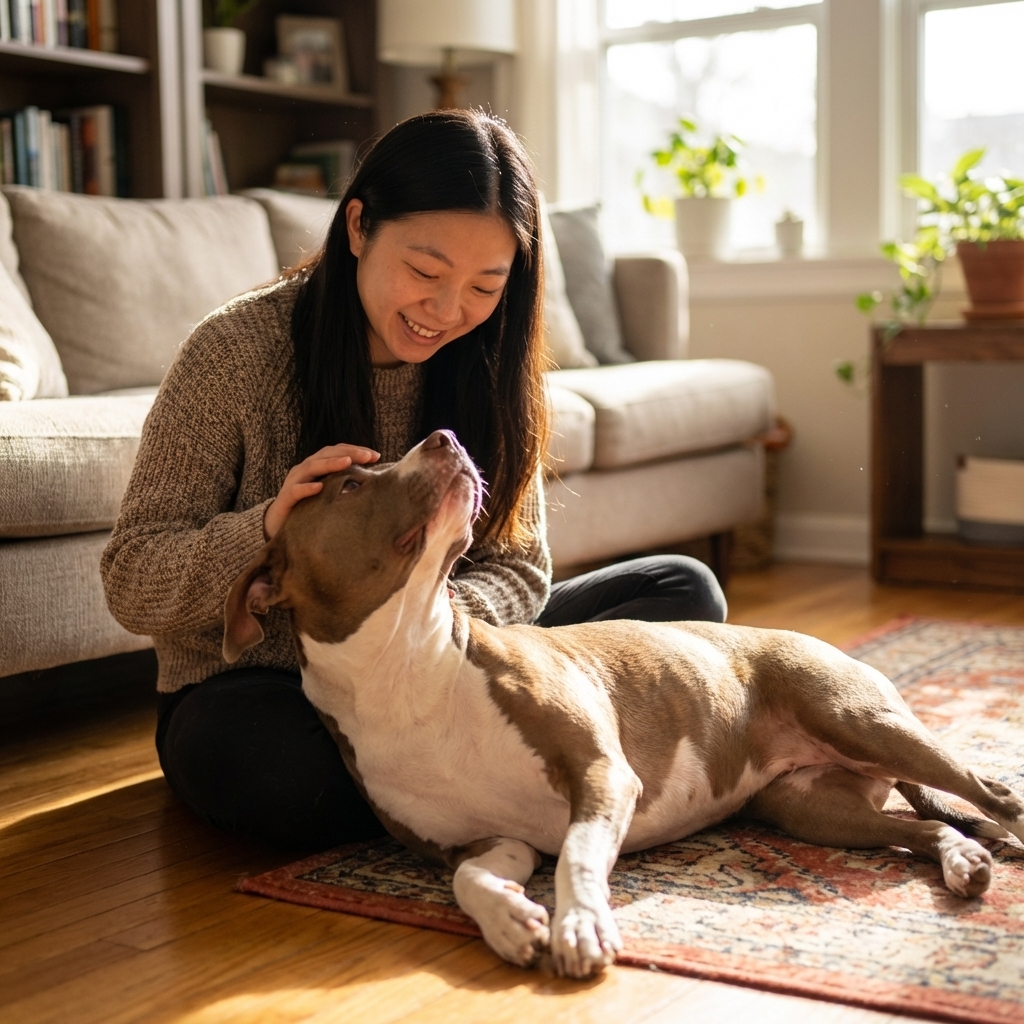
“Pit bull” is not one single breed. It is a broad, informal label often used for several muscular, short-coated terrier-type dogs. In shelters and in the public eye, many mixed-breed dogs get called “pit bulls” based on appearance alone, even when DNA results do not match the visual label (and results can vary by test and how each brand categorizes breeds).
In most breed discussions, “pit bull-type” commonly refers to:
- American Pit Bull Terrier (APBT)
- American Staffordshire Terrier (AmStaff)
- Staffordshire Bull Terrier (Staffy)
Many readers also expect the American Bully to be included. You will see it discussed under the “pit bull-type” umbrella in many places, but for clarity, this guide focuses on the three terrier-type breeds most commonly referenced in breed standards and everyday conversation.
These breeds share some ancestry and similar physical traits, but they can differ in size, energy level, and the type of homes they thrive in.
Pit bull-type breeds
American Pit Bull Terrier (APBT)
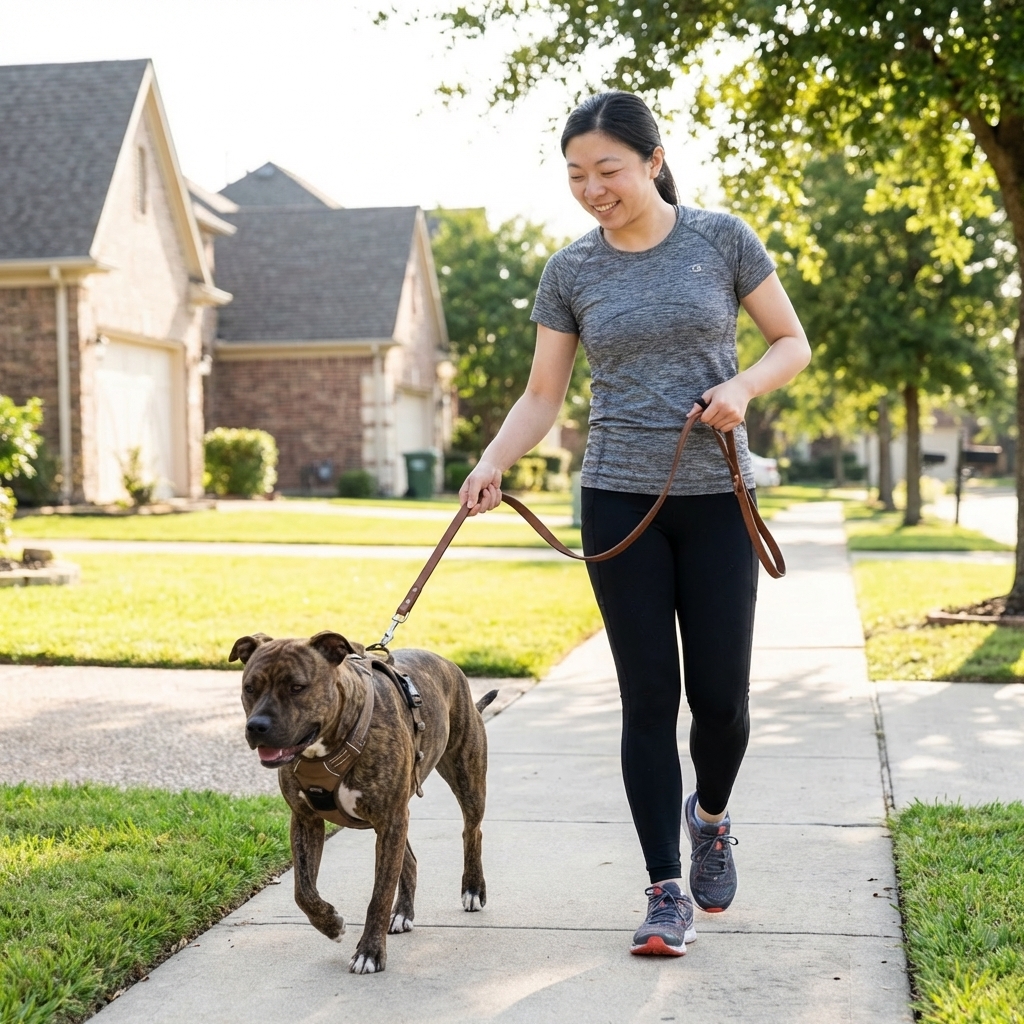
The APBT is often the breed people picture when they say “pit bull.” Well-bred APBTs are typically confident, athletic, eager to engage, and very people-focused. They are often intensely enthusiastic about tug, fetch, and problem-solving games.
- Best fit: Active homes that enjoy training and structured exercise
- Common strengths: Athleticism, trainability, affection with family
- Common challenges: Overexcitement, pulling on leash, dog selectivity in some individuals
American Staffordshire Terrier (AmStaff)
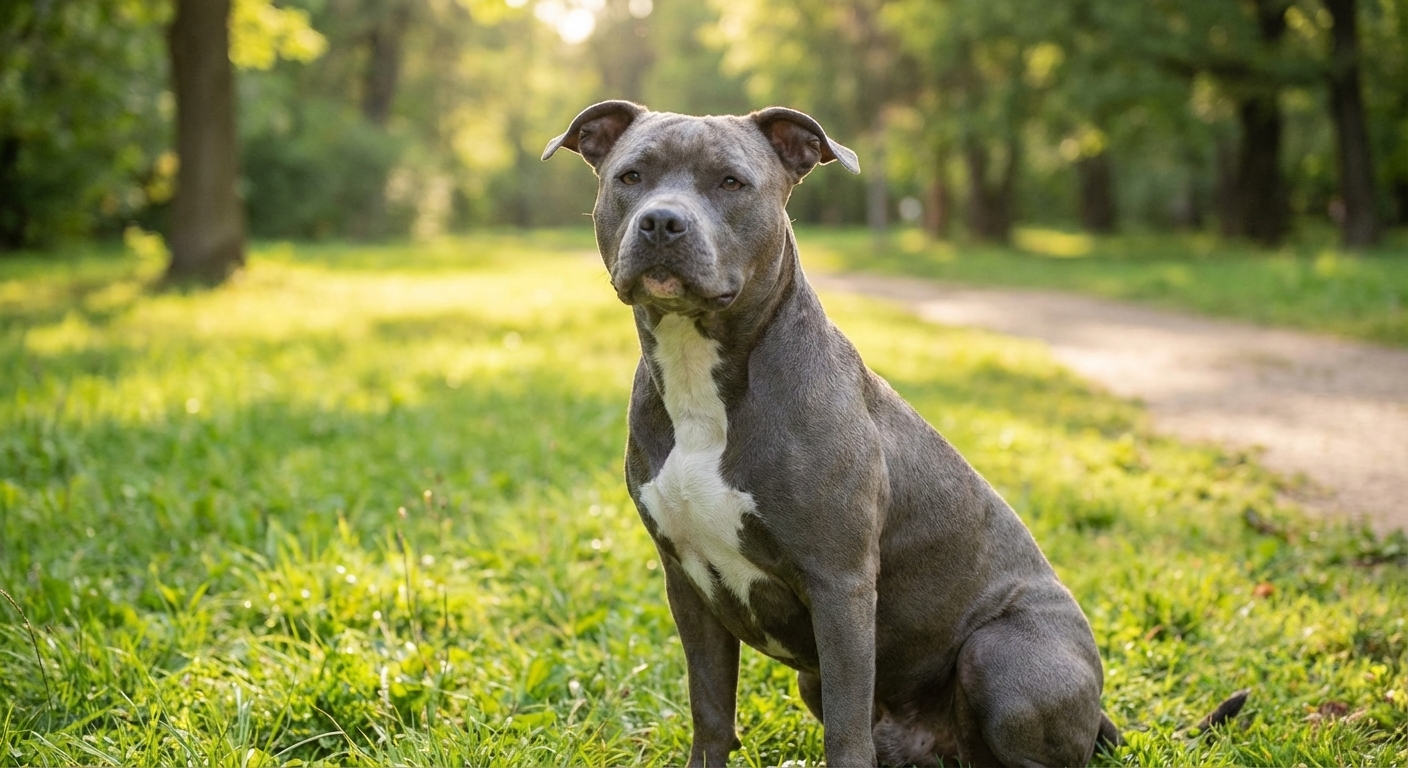
AmStaffs are often described as steady, affectionate, and family-centered. They can be a bit stockier than APBTs and may have a slightly calmer overall vibe, though they still need daily exercise.
Many AmStaffs thrive when they have a job, even if that job is simply structured walks, obedience games, and being a close companion.
- Best fit: Families looking for a sturdy, people-oriented dog and willing to train consistently
- Common strengths: Loyalty, stability, love of people
- Common challenges: Boredom-related behaviors if under-exercised
Staffordshire Bull Terrier (Staffy)
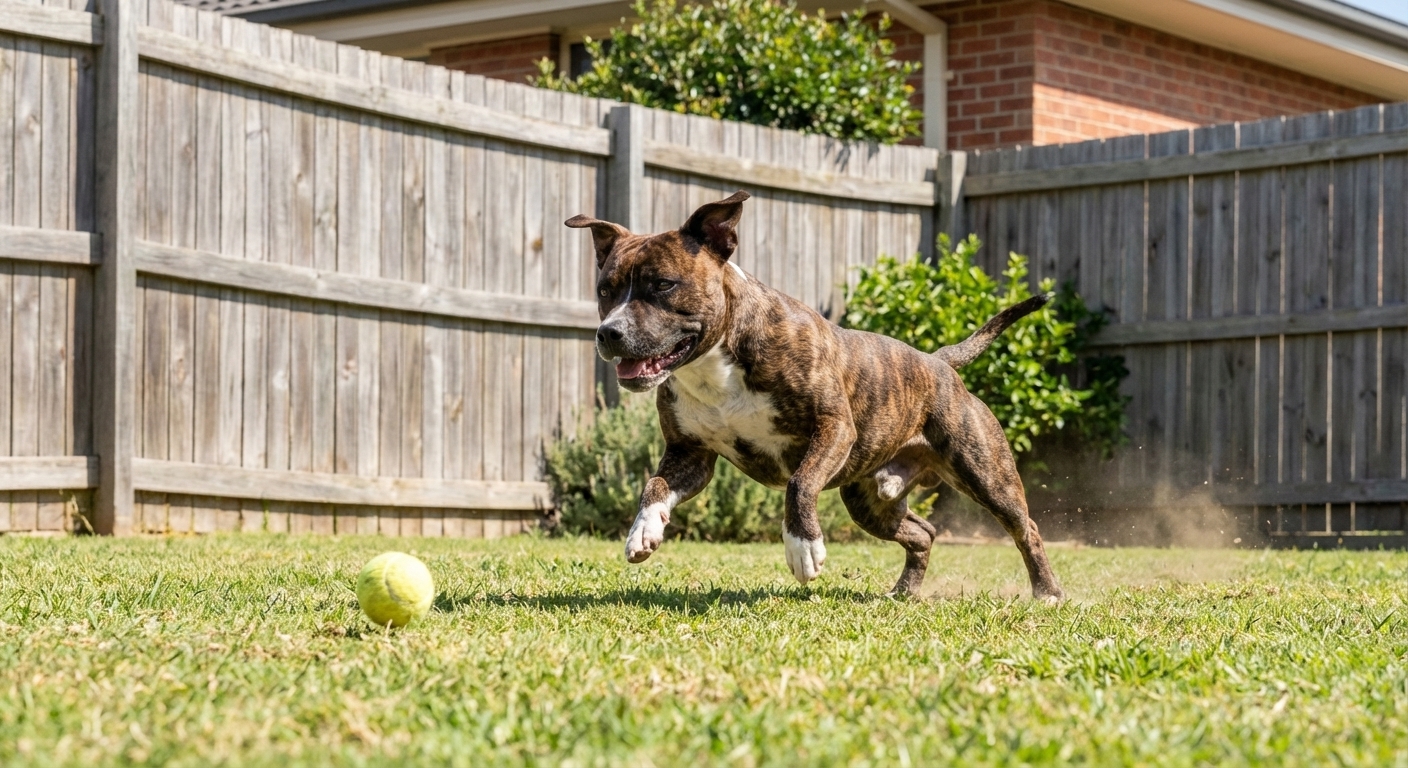
Staffies are smaller than APBTs and AmStaffs, but do not let the size fool you. They are powerful, energetic, and famously affectionate. In many circles, they are known as “people dogs” who adore closeness. Like all terrier types, they can be determined, which is wonderful for training when you channel it with rewards and consistency.
- Best fit: Owners who want a compact, high-energy companion and enjoy training
- Common strengths: Affection, playfulness, resilience
- Common challenges: Jumping, mouthy play, high arousal without routines
Temperament in real life
Temperament is shaped by genetics, early socialization, training, health, and environment. No breed is automatically “good” or “bad.” What many trainers, behavior professionals, and veterinary teams commonly observe is that pit bull-type dogs are often:
- Highly people-oriented: Many seek closeness and physical affection.
- Energetic and strong: Great traits when you meet their exercise needs.
- Persistent: They keep trying, which can look like “stubbornness” without clear training.
- Individuals: Some are dog-social butterflies, some are selective, and some do best as the only dog.
A key point for families: dog aggression and human aggression are not the same thing. A dog can be wonderful with people and still need careful management around other dogs. Responsible ownership means noticing what your individual dog is comfortable with and honoring that.
Note on research: Large veterinary behavior organizations and humane training bodies consistently emphasize that behavior is multi-factorial and that breed labels alone are a poor predictor of an individual dog’s risk. Environment, socialization, handling, health, and management matter enormously.
Myths, gently corrected
Myth: “Pit bulls have locking jaws.”
There is no special jaw mechanism that “locks.” Pit bull-type dogs can have strong jaw muscles like many medium to large breeds, but their anatomy is not uniquely different in a way that locks.
Myth: “They are naturally aggressive to people.”
Aggression is influenced by many factors, including early experience, training methods, fear, pain, and the owner’s ability to manage the dog safely. Many pit bull-type dogs are affectionate family companions. The bigger safety takeaway is simple: any dog can bite if stressed, in pain, frightened, or pushed past their comfort zone.
Myth: “A pit bull can never be safe around children.”
Many do well in families, but safety is about supervision and education, not just breed. Teach kids respectful handling, do not allow climbing or face-to-face hugging, and never leave any dog unsupervised with young children.
Myth: “Love is enough.”
Love matters, but structure matters too. These dogs thrive when they have clear rules, daily exercise, and positive training.
Training that works
Pit bull-type dogs often respond beautifully to reward-based training because they are smart and engaged. The goal is to build skills and emotional regulation, not just “obedience.”
Foundation skills
- Name response: Teach your dog that hearing their name predicts something good.
- Sit, down, and stay: Not as control, but as a calm default behavior.
- Loose-leash walking: These dogs are strong, so leash manners are safety.
- Leave it and drop it: Essential for terrier curiosity and strong play drive.
- Place or mat training: Helps with overexcitement when guests arrive.
Socialization: calm neutrality
Socialization is not forcing greetings. The gold standard is teaching your dog to stay relaxed around people, dogs, bikes, kids, and noises. If your dog is dog-selective, that is not a moral failure. It just means you focus on safe management and controlled interactions.
Training tools
Because these dogs are powerful, some owners reach for harsh corrections. Punishment-based methods may increase fear, stress, and reactivity in some dogs, especially when the dog does not understand what is being asked. If you need help, a qualified positive-reinforcement trainer can build skills without damaging trust.
Exercise and enrichment
Most pit bull-type dogs need both physical exercise and mental work. A bored, under-exercised dog will create its own entertainment, and it is usually something you do not like.
Daily exercise ideas
- Structured walks with sniff time
- Fetch or flirt pole sessions in a fenced area
- Tug with clear rules (drop it, take it)
- Hikes, jogging for adult dogs with veterinary clearance
Mental enrichment that helps behavior
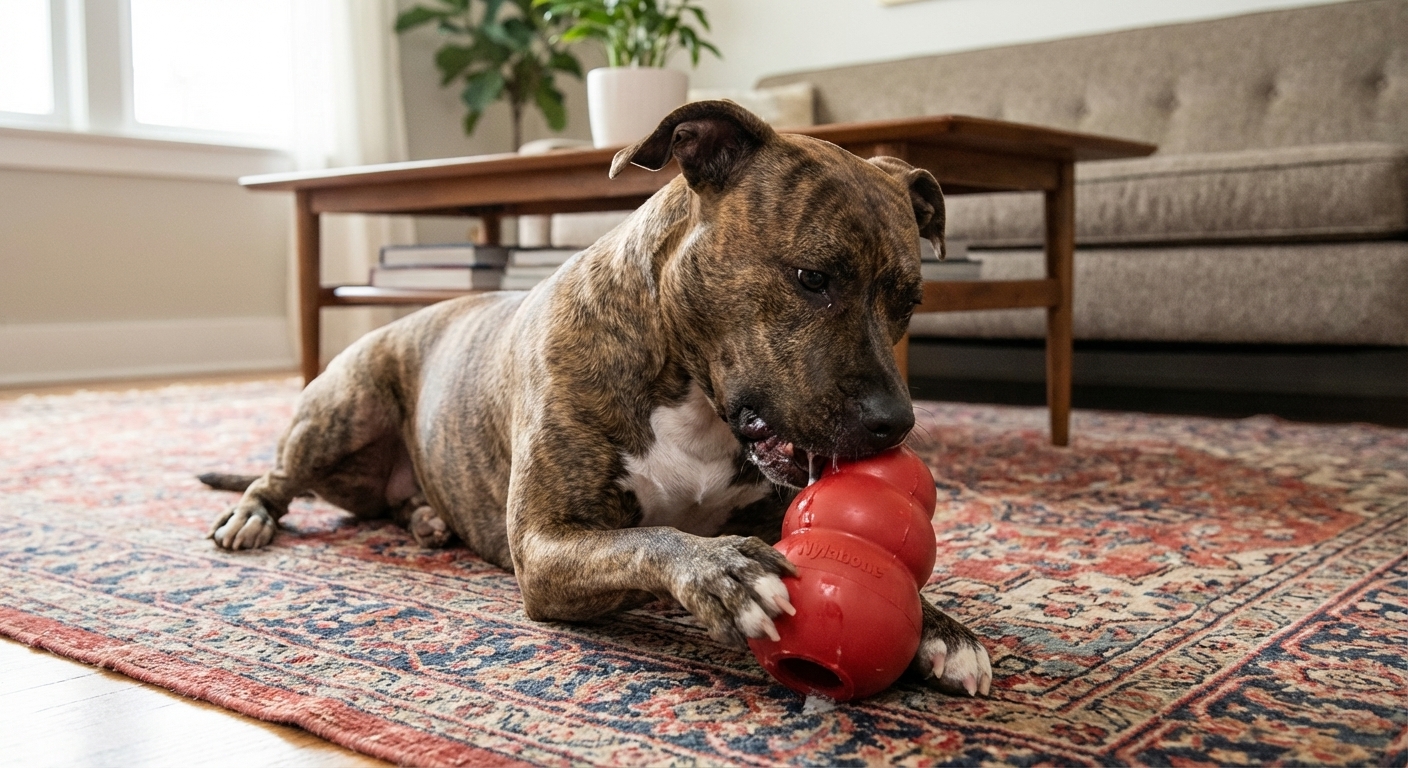
- Food puzzles and frozen stuffed Kongs
- Short training sessions (5 to 10 minutes) sprinkled through the day
- Scent games like “find it” with treats
- Chewing outlets: durable chews appropriate for your dog
Safety tip: Many pit bull-type dogs have high drive and athleticism. Use secure fencing, a sturdy leash, and a well-fitted harness or collar. If your dog has a history of slipping gear, ask your trainer about escape-resistant options.
Dog-dog management
Because some individuals are dog-selective, it helps to have a plan that keeps everyone safe and relaxed. Selectivity is not rare, and it does not mean your dog is “bad.” It means you manage thoughtfully.
- Skip dog parks if your dog is tense, overwhelmed, or selective. Busy off-leash spaces can create preventable conflicts.
- Introduce carefully: Try parallel walks first, then short, calm sniff-and-break interactions in a neutral area.
- Use barriers at home when needed: baby gates, crates, and separate feeding areas reduce friction.
- Consider muzzle training as a proactive skill. A well-fitted basket muzzle, introduced with treats, can add safety during transitions or training plans.
Bite prevention basics
Most bites are preventable with supervision, respect, and early intervention. Watch for stress signals and create space before a situation escalates.
Common stress signs
- Stiff body, freezing, hard stare
- Whale eye (showing the whites of the eyes)
- Lip licking, yawning when not tired
- Backing away, hiding, or climbing into your lap
- Growling (a valuable warning signal, not “bad attitude”)
With kids, keep interactions calm and structured. No riding, no ear pulling, no face-to-face hugging, and no unsupervised time together, regardless of breed.
Health issues to watch
Like all breeds, pit bull-type dogs can be prone to certain health concerns. Not every dog will have these issues, but it helps to know what to watch for and what to discuss with your veterinarian.
Common concerns
- Skin and environmental allergies: Itchy skin, ear infections, paw licking, and redness are common reasons these dogs visit clinics.
- Demodectic mange (demodex): Some young dogs can develop patchy hair loss and skin irritation. It is related to immune function, not “dirty” living, and it is treatable with veterinary care.
- Orthopedic issues: Knee injuries (like CCL tears) can happen in active, muscular dogs. Hip dysplasia can also occur in medium to large athletic dogs, especially if genetics and growth factors line up the wrong way.
- Thyroid disease: Hypothyroidism can contribute to weight gain, low energy, and skin changes.
- Heart concerns: Heart issues can occur in any breed. If your vet hears a murmur or your dog shows exercise intolerance, fainting, or coughing, ask about next-step screening.
Preventive care that pays off
- Keep a healthy weight to reduce joint stress
- Yearly veterinary exams (twice yearly for seniors)
- Consistent parasite prevention per your vet’s guidance
- Early attention to itching, ear odor, and chronic licking
If your dog struggles with recurring itchiness or rashes, you may also want to read our in-depth guide on pit bull skin concerns.
Responsible ownership
These dogs can be wonderful ambassadors, but they are often judged more harshly than other breeds. Responsible ownership protects your dog and your community.
Non-negotiables
- Secure containment: Solid fencing, locked gates, and careful door management.
- Leash laws always: Even if your dog is friendly, other dogs may not be.
- Training for real life: Focus on leash manners, recall, and calm greetings.
- Supervision: Especially with children, visitors, and new dogs.
- Positive public presence: Clean up, keep your dog under control, and advocate calmly.
Breeder or adoption
- Breeder: Look for health testing, stable temperaments, and puppies raised with gentle socialization. Ask what conditions they screen for and why.
- Rescue or shelter: Ask about behavior assessments, foster notes, and the dog’s history with other pets.
The best “pit bull proofing” is not about fear. It is about meeting needs: exercise, training, structure, and thoughtful management.
If you are worried about reactivity
If your dog is growling, lunging, snapping, or getting into scuffles, you do not have to guess your way through it. Start with practical, humane steps.
- Rule out pain: Schedule a veterinary exam. Pain and medical issues can worsen irritability and reactivity.
- Manage immediately: Increase distance from triggers, avoid crowded areas, and prevent rehearsing the behavior.
- Get qualified help: Look for credentialed support (for example, IAABC, CCPDT, or a board-certified veterinary behaviorist).
- Build safety skills: Muzzle conditioning and mat training can be life-changing when introduced positively.
Breed-specific laws
Breed-specific legislation (BSL) refers to laws that restrict or regulate certain breeds or breed types. Depending on where you live, this could mean special licensing, mandatory muzzling, insurance requirements, housing restrictions, or even bans.
Why it matters
- Housing: Some landlords and HOAs restrict pit bull-type dogs.
- Insurance: Some policies exclude certain breeds or charge higher premiums.
- Travel and relocation: Rules can change by city or county, even within the same state.
Practical steps
- Check city and county rules before adopting or moving (use official municipal sources when possible)
- Keep vaccination records and licensing up to date
- Invest in training early and keep proof of training classes if available
- Use clear identification, microchip, and updated contact info
Many animal welfare organizations and veterinary groups support approaches focused on behavior and responsible ownership rather than breed labels, partly because visual breed identification is often inaccurate in mixed-breed dogs.
Quick checklist
- I can commit to daily exercise and enrichment
- I am willing to train consistently using rewards and structure
- I can manage a strong dog safely on leash
- I have a plan for secure containment and supervision
- I have checked local laws, landlord rules, and insurance requirements
If you can say yes to these, you may be an excellent match for one of these loyal, lively companions.