Track conjunctivitis symptoms in dogs from watery eyes to redness and green discharge. Learn safe at-home care, common causes, and urgent warning signs that ...
Article
•
Designer Mixes
Pink Eye in Dogs: Bacterial vs. Viral Symptoms

Shari Shidate
Designer Mixes contributor
If your dog’s eye looks red, has discharge, or seems irritated, it is natural to call it “pink eye.” In veterinary medicine, we usually use the word conjunctivitis , which means inflammation of the conjunctiva, the thin tissue that lines the eyelids and covers part of the eyeball. Here is the important part: conjunctivitis is a clinical finding and a description of what the eye is doing, not a single underlying cause. Bacteria and viruses can play a role, but so can allergies, irritants, dry eye, eyelid anatomy issues, and even a scratch on the cornea.
In this article, I’ll walk you through common bacterial vs. viral patterns, what you can look for at home, and when it is time to get to the veterinarian right away.
What it looks like
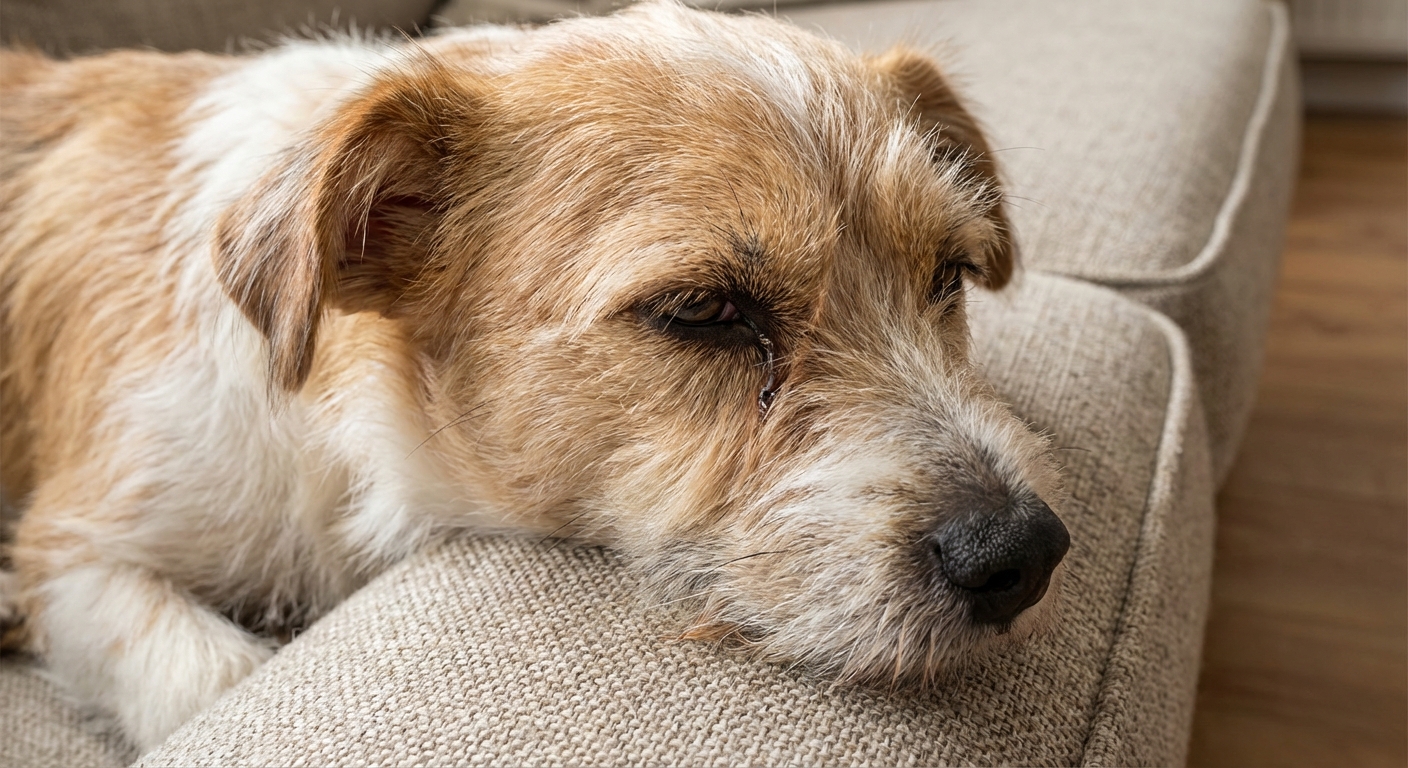
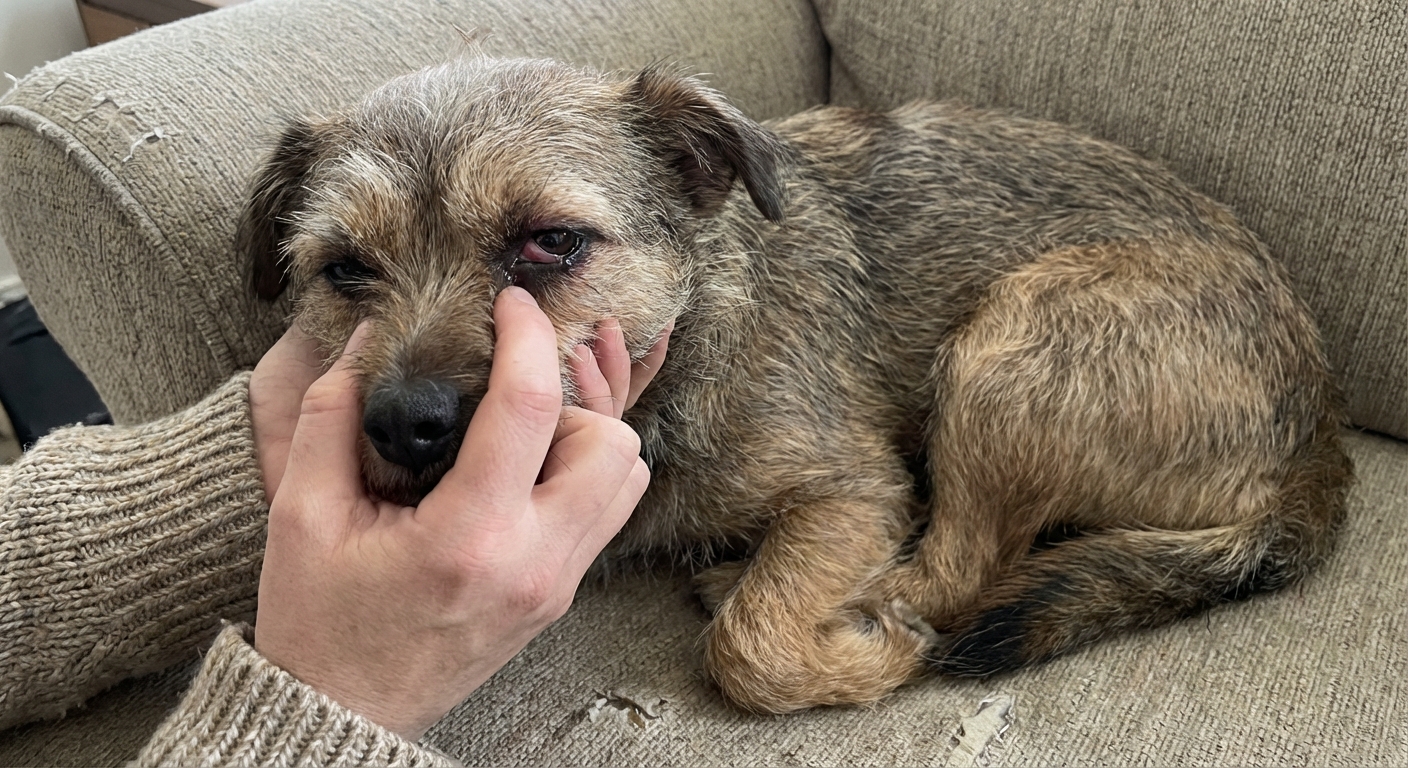
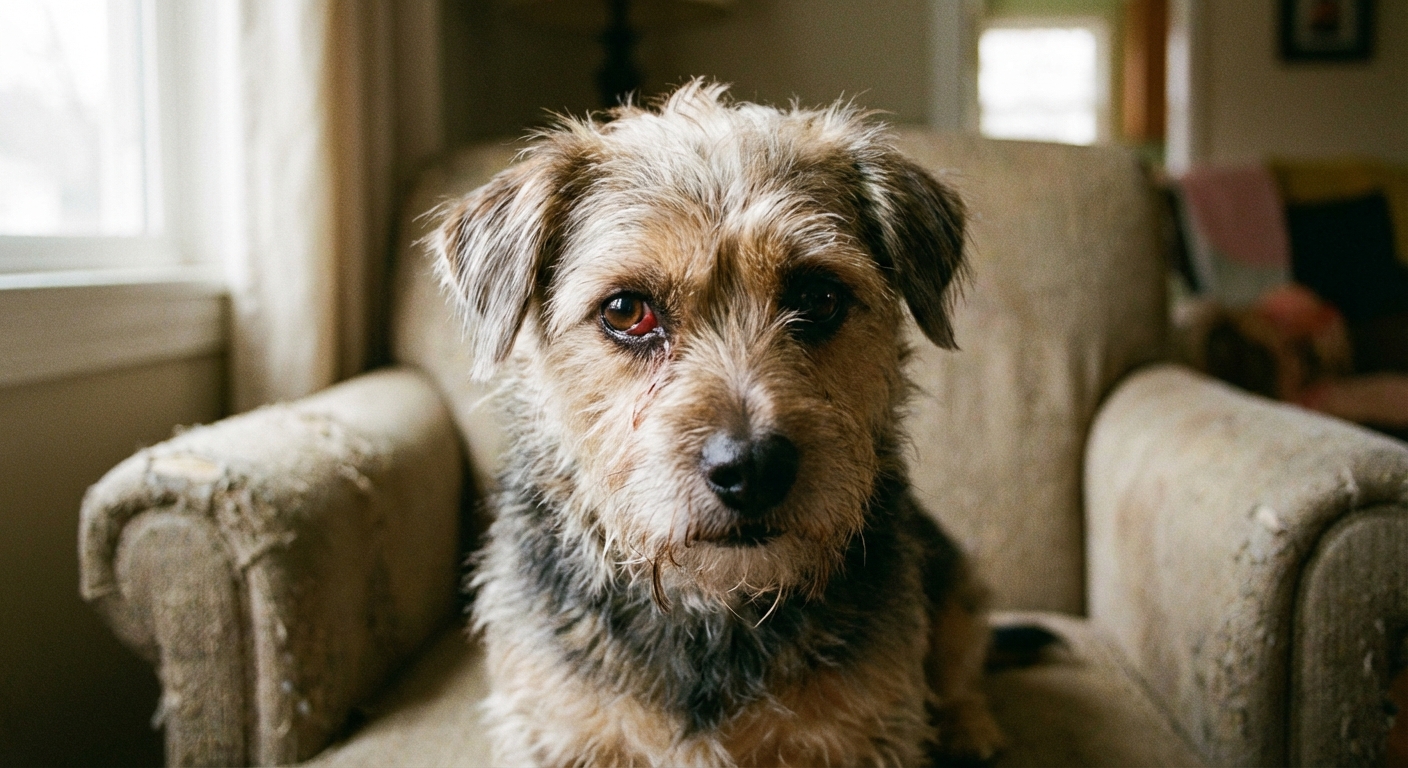
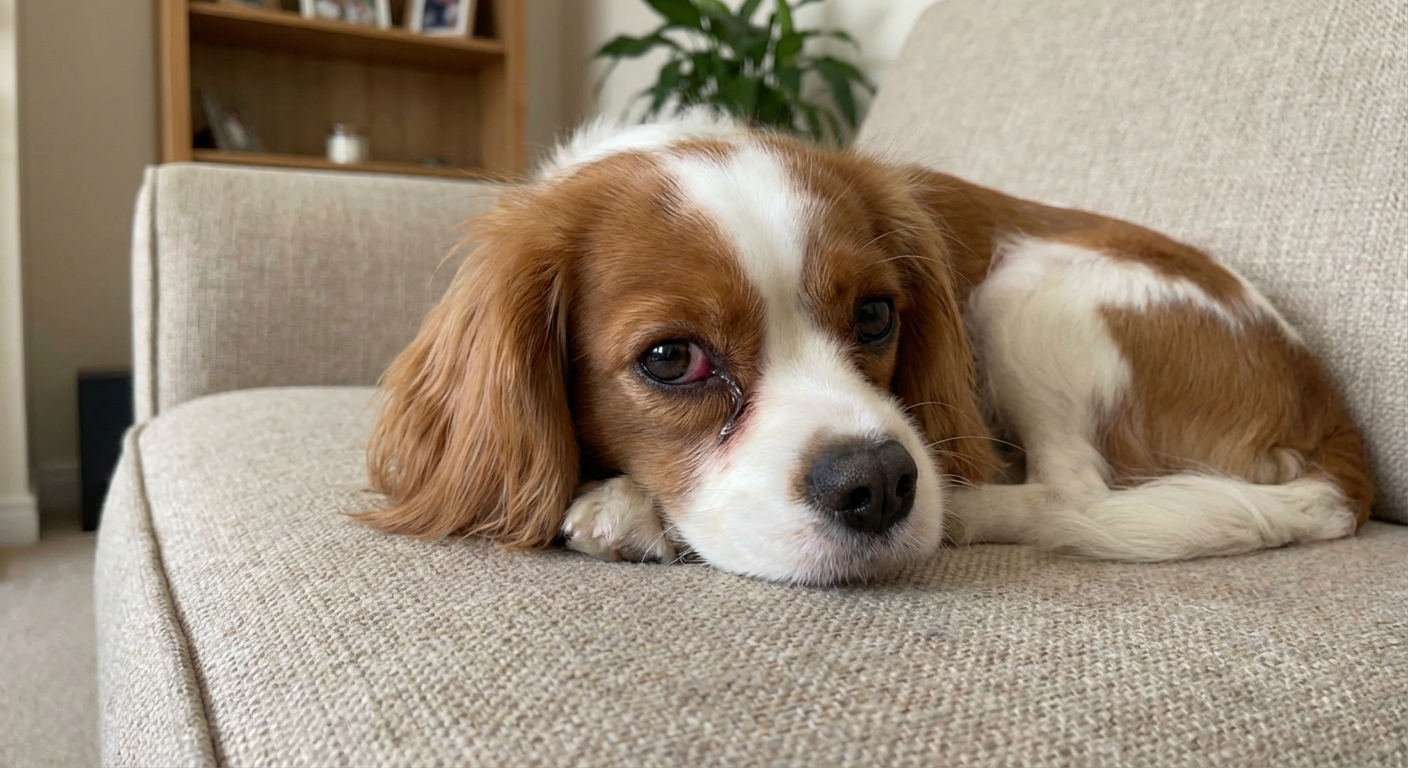
Dogs don’t always follow the textbook, but conjunctivitis often shows up as one or more of these signs:
- Redness of the whites of the eyes or inner eyelids
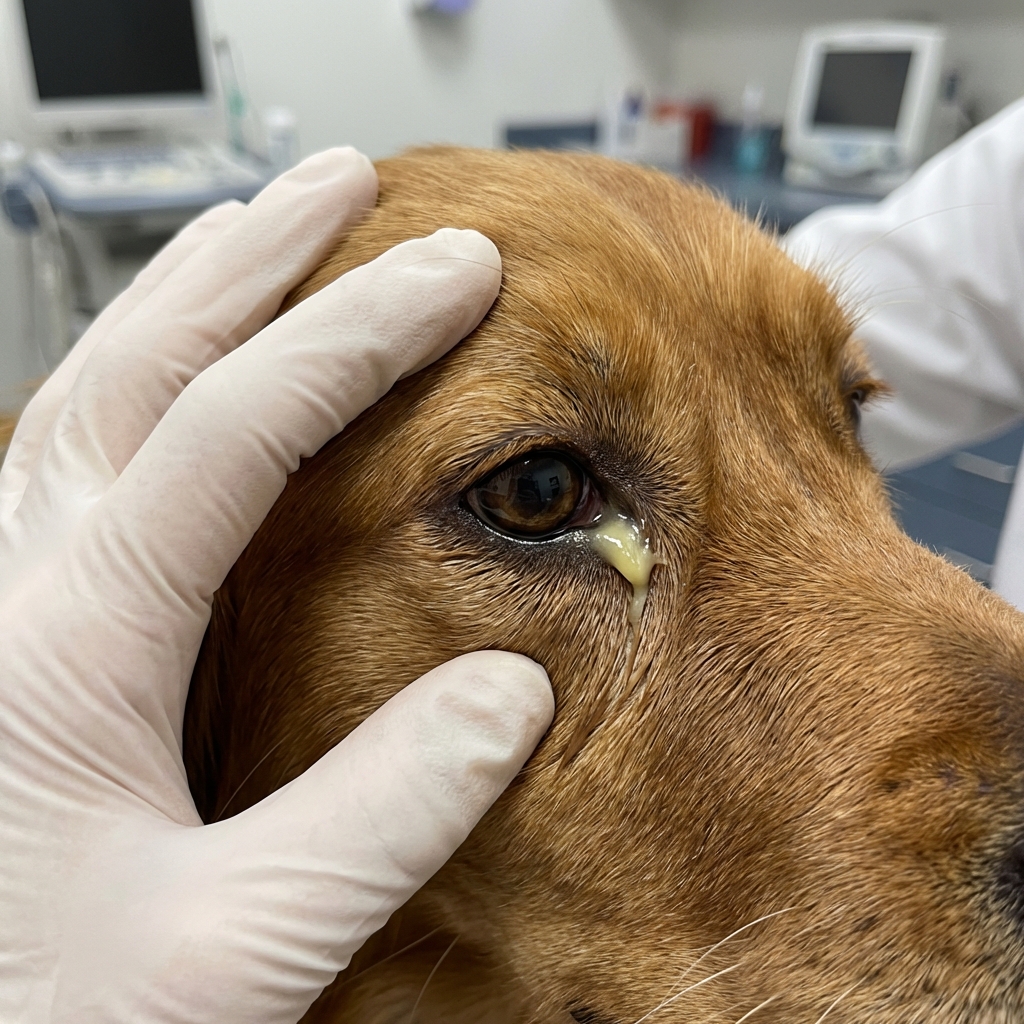
- Discharge (watery, mucus-like, or thick and pus-like)
- Squinting or holding the eye partially closed
- Pawing at the face or rubbing on carpet
- Swollen eyelids
- Tearing that leaves damp fur or staining under the eye
One key detail: “pink eye” can look mild while something more serious is brewing underneath, especially if there is corneal damage or elevated eye pressure.
Bacterial vs. viral basics
Bacterial-associated conjunctivitis in dogs is commonly linked with thicker discharge, but it is often secondary to another problem (like allergies, dry eye, or a scratch) that lets bacteria take advantage of an inflamed surface.
Viral-associated conjunctivitis can happen, but compared with humans, it is less commonly a stand-alone cause in routine dogs. When viruses are involved, it is often part of a bigger illness, and you may see other symptoms beyond the eye.
Helpful mindset: instead of only asking “Is this bacterial or viral?” also ask “What started the inflammation in the first place?” That is how you prevent repeats.
Also, discharge clues can be helpful, but they are not a diagnosis. A watery eye can still be infected, and a thick discharge can also show up with dry eye or chronic irritation.
Signs that lean bacterial
Bacterial involvement often has a “sticky” look and can worsen quickly if the underlying trigger is still present.
Common patterns
- Thick yellow, green, or white discharge that returns soon after wiping
- Eyelids stuck together after naps
- Redness plus swelling of the conjunctiva
- One eye affected first, sometimes spreading to the other
When bacteria are more likely
- Dry eye (KCS) : not enough tears to protect and flush the eye
- Foreign material: dust, plant bits, grooming debris
- Eyelid and hair issues: entropion (inward-rolling lids), ectopic cilia (misdirected lashes), hair rubbing the cornea
- Facial folds and skin infection: moisture and irritation around the eyes
- Tear drainage issues: tears that do not drain normally can keep the area wet and inflamed
Signs that lean viral
Viral-associated conjunctivitis can look like a “clear, runny eye” at the start. In dogs, viral causes are often part of a broader illness rather than an isolated eye problem.
Common patterns
- Watery discharge (clear tears) that may become mucus-like over time
- Both eyes involved more commonly than with a simple one-eye irritation
- Milder redness at first, then increasing irritation
- Other signs such as sneezing, coughing, nasal discharge, fever, low energy, or reduced appetite
Viral can become mixed
Viruses can inflame and weaken the protective surface of the eye, and then bacteria move in second. That is one reason a dog can start with watery discharge and later develop thicker, colored discharge.
Why looks are not enough
I know it is tempting to decide based on the color of the discharge, but in real life, many conditions overlap. A few problems that can mimic pink eye:
- Corneal ulcer (scratch) : often causes squinting, pain, and tearing. This is urgent.
- Foreign body under the eyelid: sudden onset, intense blinking, rubbing.
- Allergies: redness and itchiness, often both eyes, often seasonal.
- Glaucoma: painful red eye, sometimes a cloudy look, can threaten vision quickly.
- Uveitis: inflammation inside the eye, can be linked to systemic disease.
In clinic, your vet may use a fluorescein stain (to look for ulcers), a tear test (to check for dry eye), and sometimes tonometry (eye pressure). Those quick tests are the reason a proper exam matters.
Is it contagious?
Sometimes, but not always. Many dog “pink eye” cases are caused by allergies, dry eye, or anatomy issues and are not contagious. Some infections can spread between dogs (and some viral illnesses that include eye signs can be contagious), so it is smart to use basic hygiene.
- Wash hands after cleaning the eye area
- Avoid sharing towels or bedding between pets until you know what you are dealing with
- If your dog is also coughing, sneezing, or has nasal discharge, avoid close contact with other dogs and call your vet
When to call the vet today
These signs should move your concern from “monitor” to “schedule a same-day or urgent exam”:
- Squinting or the eye seems painful
- Cloudiness or a blue or gray haze on the eye surface
- A bulging eye or the eye looks sunken
- Significant swelling around the eye
- Thick yellow or green discharge plus redness that is worsening
- Light sensitivity or your dog avoids bright rooms
- Any eye issue in a puppy or an immunocompromised dog
- No improvement within 24 to 48 hours for mild cases, or symptoms are progressing
Important reminder: if there is pain, squinting, or sudden worsening, do not wait 24 to 48 hours. Eyes can go from “annoying” to “serious” quickly.
If your dog is pawing hard at the eye, consider an e-collar while you arrange care. Rubbing can turn a minor irritation into a corneal ulcer fast.
What your vet will ask
Having a few details ready can help your vet triage and treat faster:
- When it started and whether it is getting better or worse
- One eye or both
- Discharge type (watery vs mucus-like vs thick)
- Pain signs (squinting, rubbing, light sensitivity)
- Exposure to boarding, grooming, dog parks, or sick dogs
- Vaccination status and any recent illness (coughing, sneezing, fever)
- Possible irritation (new shampoo, smoke, dust, yard work, hiking, rough play)
- History of dry eye, allergies, eyelid issues, or repeat flare-ups
Safe care at home
You can support comfort without taking risky shortcuts.
What you can do
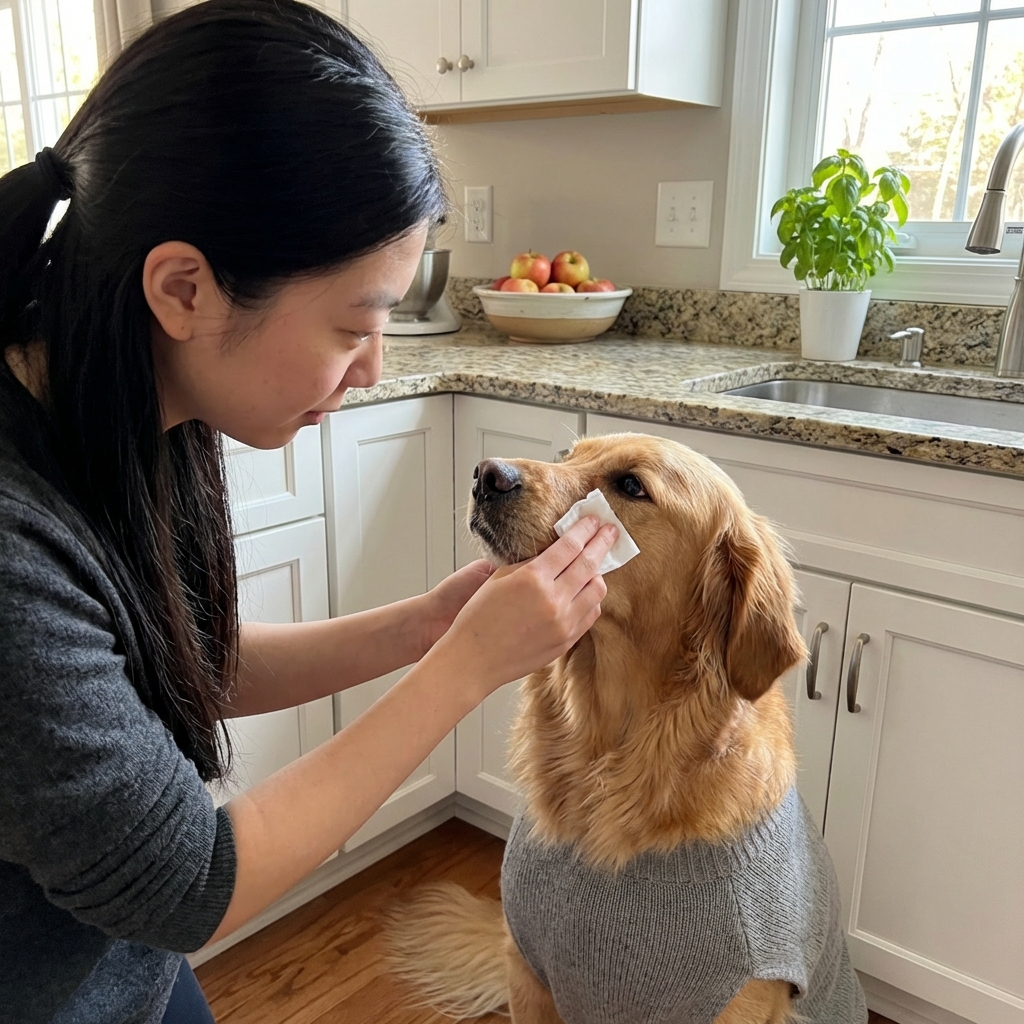
- Gently clean discharge with sterile saline or a clean, damp cotton pad, wiping away from the eye.
- Use a warm compress for 2 to 5 minutes if crusting is present, then wipe gently.
- Prevent rubbing with an e-collar if needed.
- Wash hands after handling the eye area, and avoid sharing towels between pets.
What to avoid
- Do not use human eye drops unless your veterinarian specifically approves. Some ingredients can worsen certain conditions.
- Do not use leftover prescription drops. Using the wrong medication, especially steroid-containing drops , can be dangerous if an ulcer is present.
- Never use steroid eye drops unless a veterinarian has checked the eye for an ulcer.
- Do not “wait it out” if there is pain, squinting, or cloudiness.
How vets treat it
Treatment depends on what is causing the inflammation and whether the cornea is healthy.
If bacterial is likely
- Topical antibiotic drops or ointment are commonly prescribed.
- Address the underlying trigger such as dry eye, allergies, eyelid issues, hair rubbing, or a foreign body.
- Recheck exams may be recommended to confirm the eye is healing.
If viral is likely
- Supportive care is often the main approach, plus treating any secondary bacterial infection if present.
- Manage comfort and reduce exposure to other dogs if a contagious illness is suspected.
- Monitor closely for worsening discharge, lethargy, fever, or dehydration.
Because dogs can develop secondary bacterial infections, your vet may still prescribe topical antibiotics even when a viral trigger is suspected.
Preventing repeats
Some dogs get recurrent “pink eye,” and the secret is usually not stronger medication. It is finding the root cause.
- Keep face folds clean and dry if your dog has wrinkles.
- Trim hair around the eyes so it does not poke or trap moisture.
- Ask about dry eye testing if discharge is frequent or thick.
- Manage allergies with your veterinarian’s plan (environmental control and medications when needed).
- Ask about eyelid and eyelash issues (entropion, ectopic cilia) if problems keep coming back.
- Stay current on vaccines and avoid close contact with sick dogs when possible.
Quick recap
- Conjunctivitis is a clinical finding with many possible causes, not one single diagnosis.
- Bacterial involvement often comes with thicker discharge, but it is frequently secondary to another issue.
- Viral involvement is usually part of a broader illness and can still lead to secondary bacterial infection.
- Pain, squinting, or cloudiness should be treated as urgent.
- Skip human drops and old prescriptions, especially steroid drops. Safe cleaning and fast veterinary assessment protect vision.