A simple daily checklist to diagnose cloudy aquarium water—white haze, green water, or dust. Learn what to test (ammonia/nitrite) and safe fixes for blooms...
Article
•
Designer Mixes
Pet-Friendly Murky Fish Tank Water Care Tips

Shari Shidate
Designer Mixes contributor
Murky aquarium water can look alarming, but it is often fixable with a few pet-safe, fish-friendly steps. As a veterinary assistant, I always think in two directions at once: keeping your fish healthy and keeping the tank safe for the humans, dogs, and cats who share the home. The good news is that most cloudy water comes from a small set of causes, and you can usually clear it without harsh chemicals.
What murky water usually means
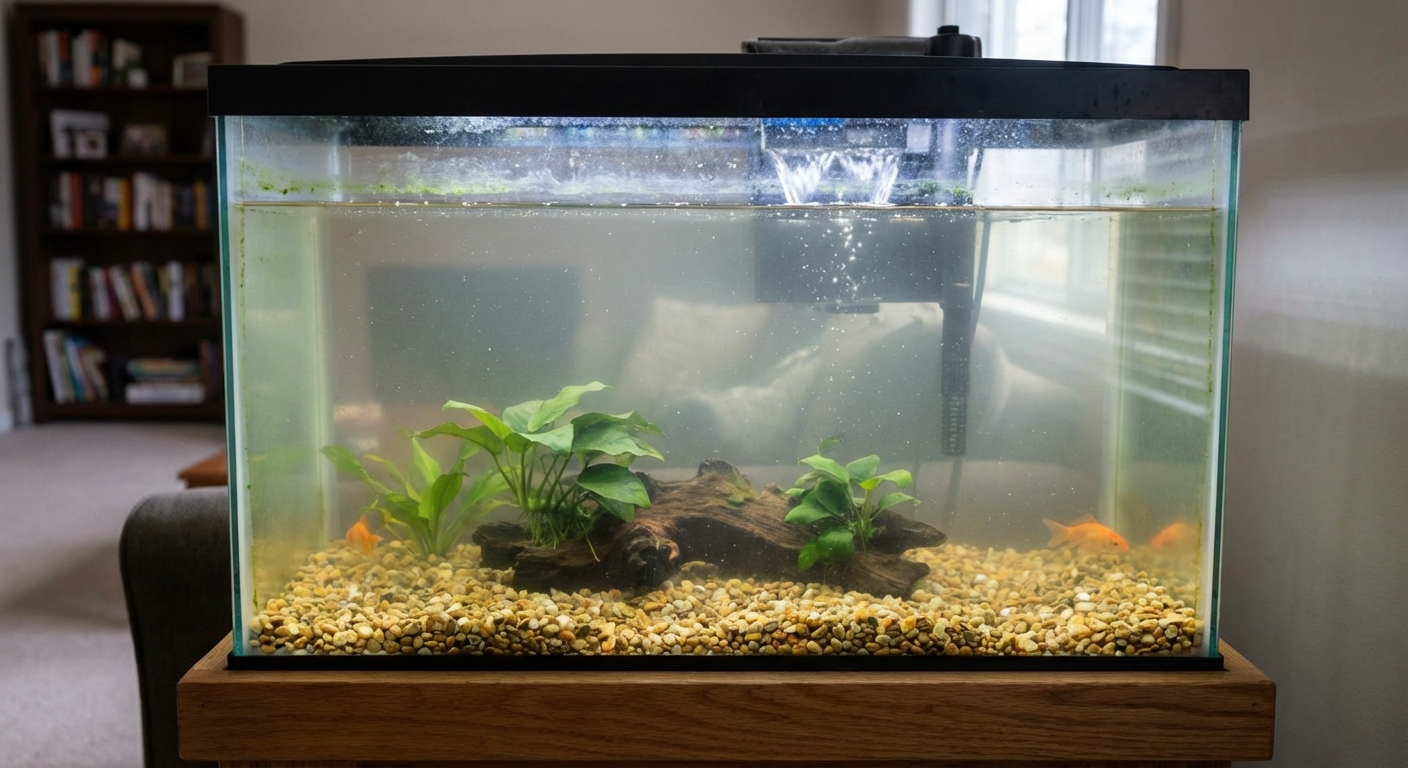
“Murky” is a broad description, so start by matching the look of the cloudiness to the most likely cause. This helps you pick the safest fix instead of guessing.
- Milky white haze: often a bacterial bloom, common in new tanks or after a deep clean that removed too much beneficial bacteria.
- Green water: free-floating algae, usually from excess light and nutrients.
- Brown or tan tint: tannins from driftwood or certain substrates, usually harmless but can lower pH.
- Gray debris cloud: stirred-up waste, uneaten food, or fine substrate dust that filtration has not trapped yet.
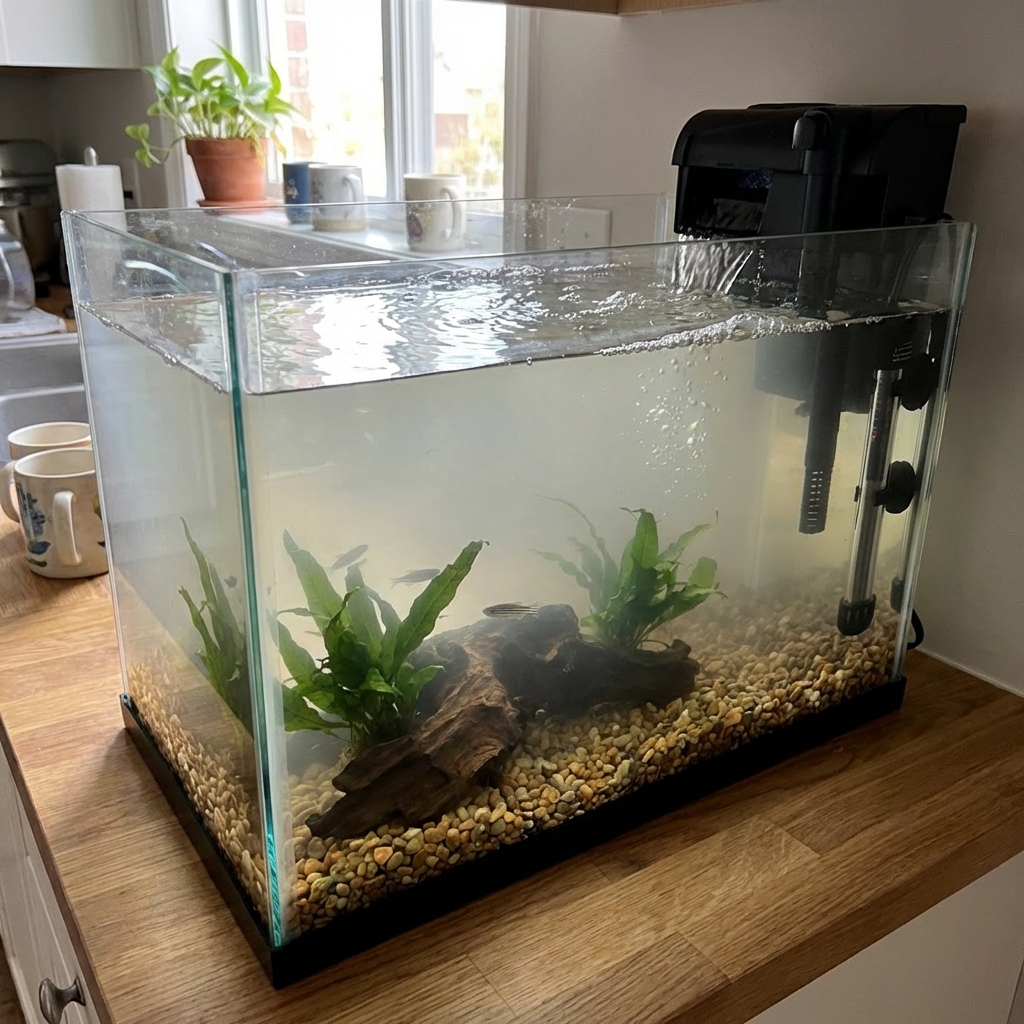
- Tiny sparkling “fog”: microbubbles after a water change, filter maintenance, or adding an airstone. This usually clears within hours to a day and tends to cling to glass and decorations.
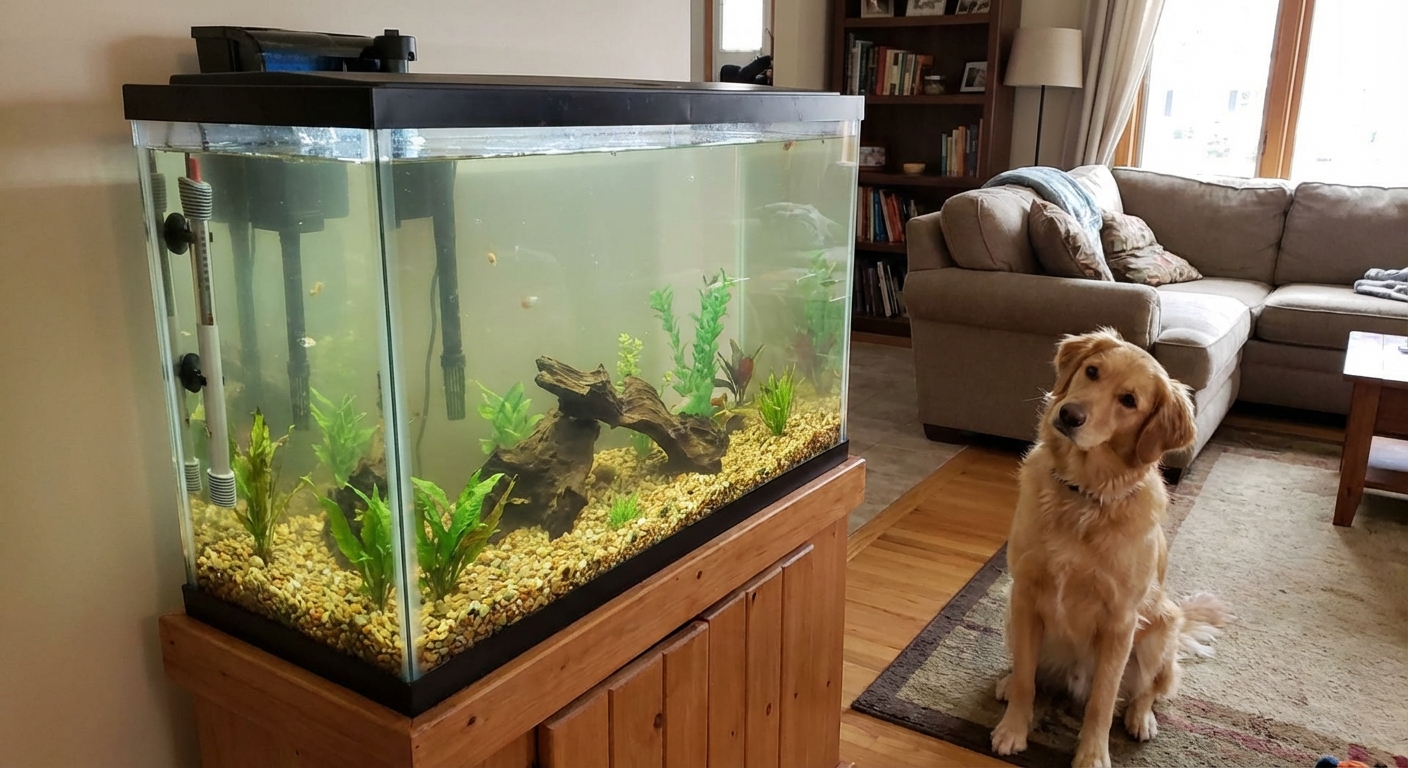
Pet-friendly note: If you have curious kids or pets, cloudy water often tempts extra “helping.” Keep lids secured and store all aquarium products in a closed cabinet. Fish medications and algae treatments can be dangerous if chewed by a dog or licked by a cat.
First, do a quick safety check
1) Test your water
If the water turned cloudy suddenly, test ammonia, nitrite, nitrate, and pH first. In an evidence-based aquarium routine, testing guides action. It also prevents the common mistake of over-correcting, which stresses fish.
- Ammonia: should be 0 ppm
- Nitrite: should be 0 ppm
- Nitrate: for many freshwater community tanks, a common goal is under 20 to 40 ppm. Sensitive fish, fry, and many invertebrates often do best under 20 ppm, and reef systems typically require much lower.
If your pH seems to swing day to day, consider testing KH (carbonate hardness/alkalinity) as well. Low KH can make pH unstable, which stresses fish even when ammonia and nitrite are fine.
2) Watch your fish for stress signs
Murky water is sometimes cosmetic, but it can also signal poor water quality. Signs that require urgent action include:
- Gasping at the surface
- Clamped fins, lethargy, hiding more than normal
- Red or inflamed gills
- Rapid breathing
If fish are showing stress and your test shows ammonia or nitrite above 0, prioritize a partial water change and aeration immediately.
Pet-safe steps to clear cloudy water
Do a partial water change, not a full reset
A 20% to 30% water change is usually the sweet spot for routine cloudiness and general maintenance. If you have a confirmed ammonia or nitrite spike, go bigger and more frequent: 30% to 50% (and repeat as needed) while you address the cause and protect fish.
Use a dechlorinator that is safe for your tank inhabitants, and match the temperature closely to reduce stress.
Gravel-vacuum the bottom gently
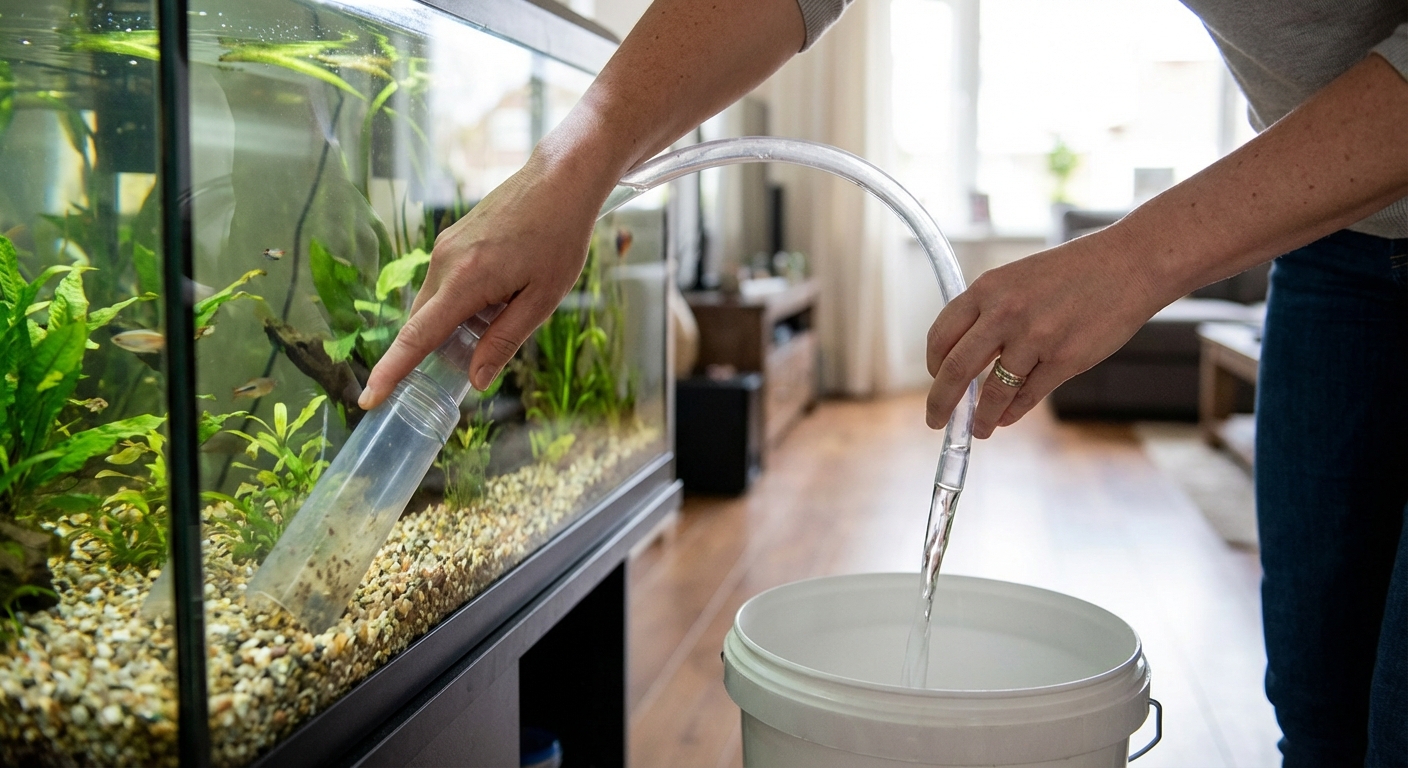
Mulm (built-up organic debris) and leftover food rot fast, feeding bacteria and algae. A gentle gravel vacuum during water changes removes the fuel for murkiness without stripping your tank’s biological filter.
- Vacuum one section at a time, rotating areas weekly.
- Do not deep-clean the entire substrate in one session, especially in smaller tanks.
Rinse filter media the right way
Cloudy water often improves when filtration is working efficiently. If your filter is clogged, rinse sponges or pads in a bucket of old tank water, not under the tap. Tap water can kill beneficial bacteria due to chlorine or chloramine.
- Replace filter floss if it is falling apart.
- Avoid replacing all media at once.
- Check that the impeller is clean so flow stays strong.
Reduce feeding for a few days
Overfeeding is one of the most common reasons tanks turn cloudy. Fish do not need large meals, and extra food becomes waste quickly.
- Feed only what your fish eat in 1 to 2 minutes (adjust for species, slow feeders, and bottom dwellers).
- Remove uneaten food if it collects on the bottom.
- Consider skipping feeding for 24 hours if water parameters are elevated. Most healthy fish tolerate short fasts well.
Adjust light to stop algae-driven cloudiness
If the water is green, light is usually part of the problem. Aim for 6 to 8 hours of aquarium light per day and avoid direct sunlight.
- Put the light on a timer for consistency.
- Scrape algae from glass, then remove it with a water change.
If green water keeps returning, a UV sterilizer can be a helpful non-chemical option for free-floating algae. It is not required for most tanks, but it can be a practical tool for recurring blooms.
Upgrade mechanical filtration before chemicals
Before reaching for clarifiers or algaecides, try physical solutions that do not add extra substances to the water.
- Fine filter floss: traps tiny particles that regular sponges miss.
- Pre-filter sponge: prevents debris from clogging the main media.
- Activated carbon: can reduce discoloration and some odors, and may help with tannins. It exhausts faster with tannins, so replace it regularly if you use it. Also, remove carbon when dosing most medications, since it can pull some treatments out of the water.
Pet-friendly note: Store carbon, resins, and water additives where pets cannot access them. Many are not safe if ingested.
New tank blooms and cycling
White cloudy water in a new tank is frequently a bacterial bloom. It often looks worse than it is, and it commonly resolves as the tank stabilizes.
A quick cycling refresher: fish waste and decaying food create ammonia. Beneficial bacteria convert ammonia to nitrite, then other bacteria convert nitrite to nitrate. In a new or disrupted tank, those bacterial populations are not fully established yet, so ammonia and nitrite can spike and cloudiness can follow.
What helps most
- Test daily for ammonia and nitrite until stable.
- Do modest water changes if ammonia or nitrite is above 0, and increase the size and frequency if levels stay elevated.
- Increase aeration. Blooms can lower oxygen, and warm water lowers oxygen even more.
- Avoid over-cleaning and avoid adding unnecessary products.
If your tank is brand new and not fully cycled, a reputable bottled bacteria product can be supportive, but consistent testing and patience still do the heavy lifting.
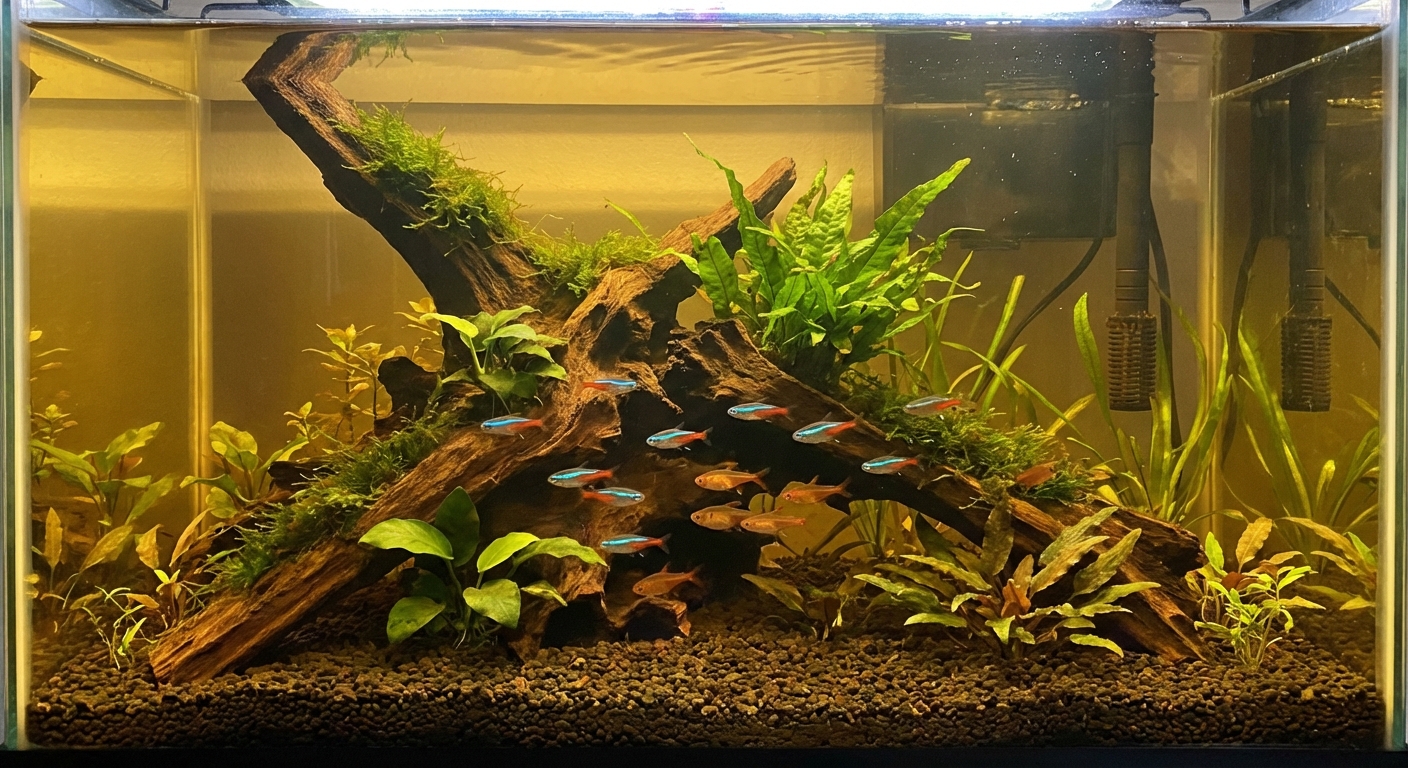
Tannins from driftwood
Brownish water from tannins is common with driftwood and certain leaves. It is often safe and can even benefit some species that prefer softer, more acidic water.
- Run activated carbon if you want clearer water.
- Do periodic partial water changes.
- Monitor pH, especially for species that need stable, higher pH.
If the issue keeps coming back
Repeat cloudiness is often a pattern issue, not a one-time bad luck event. If you are doing the basics and it still returns, check these common culprits:
- Source water: some tap water contains chloramine (needs a compatible dechlorinator), and some areas have higher phosphate or silicate that can fuel algae. Testing your tap water or using a water report can be eye-opening.
- Stocking and filtration: a tank that is overstocked or under-filtered often looks “fine” until it suddenly does not.
- Maintenance rhythm: inconsistent water changes and filter care tend to create swings that show up as cloudiness.
Pet-friendly habits that prevent repeats
Keep the tank covered
Lids reduce evaporation, prevent curious paws from investigating, and help keep dogs and cats from drinking aquarium water. Aquarium water can contain fish waste, medications, or algae products, so it is best treated as not for pets.
Use dedicated buckets and tools
Do not reuse household cleaning buckets for aquarium water changes. Residual soap is extremely toxic to fish, even in tiny amounts. Label your aquarium bucket and store it away from pet areas.
Skip sprays near the tank
Aerosols, fragrances, and some cleaners can settle on the water surface or be pulled in by filtration. Use simple, fish-safe cleaning habits around the aquarium area.
Red flags and when to get help
Cloudy water is not always an emergency, but these situations deserve quick action:
- Ammonia or nitrite above 0 ppm: immediate water change (often 30% to 50%) and re-test. Repeat as needed while you address the cause.
- Fish gasping at the surface: add aeration and check temperature and parameters.
- Sudden cloudiness after adding new fish: check for overstocking, overfeeding, or an uncycled tank.
- Strong foul odor: look for decaying food, dead plant matter, or a hidden dead fish.
If you are unsure, bring your water test results and a list of tank size, filter type, stocking, and feeding schedule to a local aquarium shop or aquatic vet. The more details you provide, the more accurate the guidance will be.
A simple weekly routine
- 1 to 2 times weekly: check temperature and do a quick fish behavior scan.
- Weekly: 20% to 30% water change plus light gravel vacuuming.
- Weekly: wipe the inside glass if needed and remove dying plant leaves.
- Every 2 to 4 weeks: rinse filter sponge or pads in old tank water.
- Monthly: test nitrate and adjust feeding or water changes if it is creeping up.
Clear water is not just for looks. It is a sign your tank ecosystem is balanced, which means less stress for your fish and less worry for you.