Potty training a kitten made simple: when to start, how to set up a low-entry litter box, pick safe unscented litter, prevent accidents, and troubleshoot com...
Article
•
Designer Mixes
Pet-Friendly Litter Box Training for Kittens

Shari Shidate
Designer Mixes contributor
Bringing home a kitten is pure joy, and litter box training is one of the first ways you can set them up to feel safe and confident in their new space. The good news is that most kittens want to use a litter box. Your job is to make it easy to find, easy to enter, and comfortable to use.
As a veterinary assistant, I also want you to know this: when a kitten suddenly stops using the box, it is often a health or setup issue, not “bad behavior.” With a few thoughtful choices, you can prevent most litter problems before they start.
Start with the right setup
Choose a kitten-friendly box
Kittens are tiny, and many litter boxes are designed for adult cats. Look for:
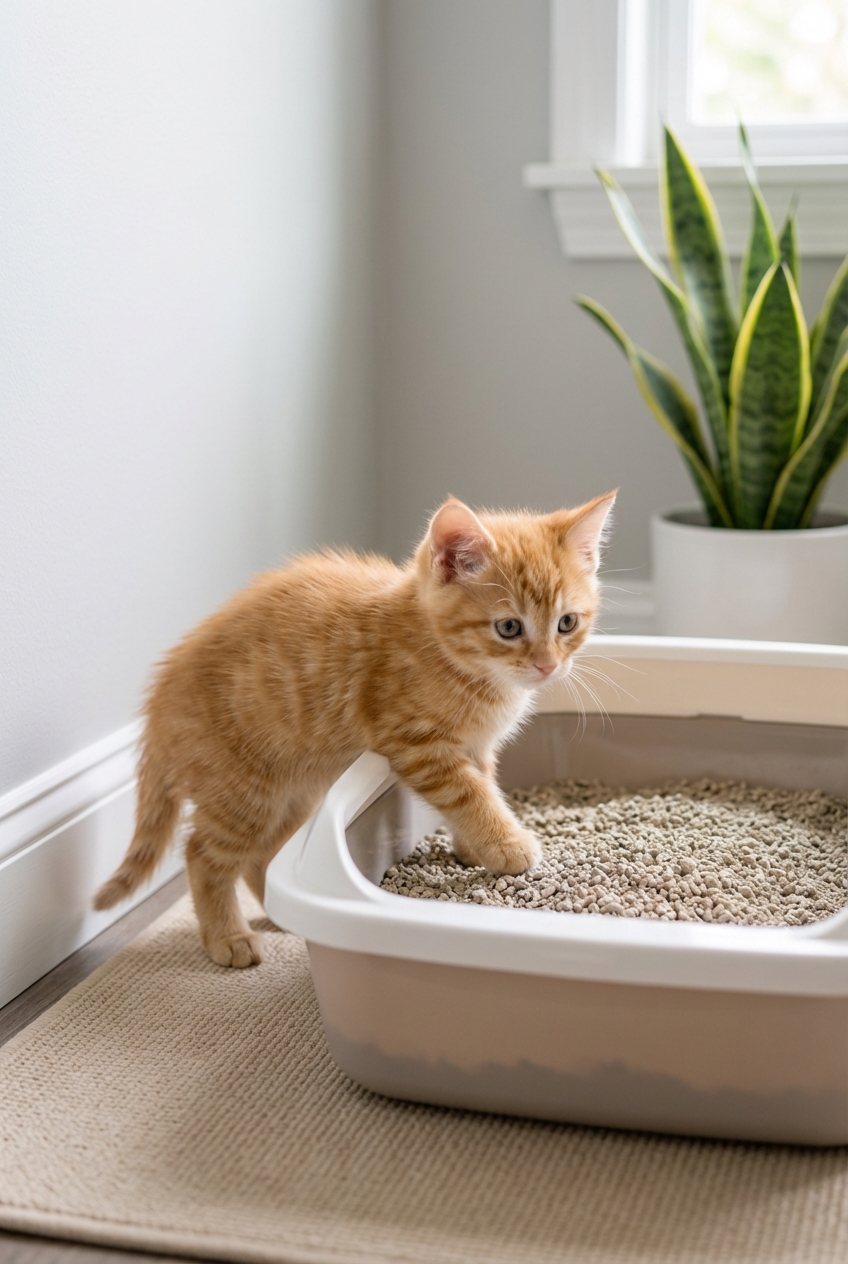
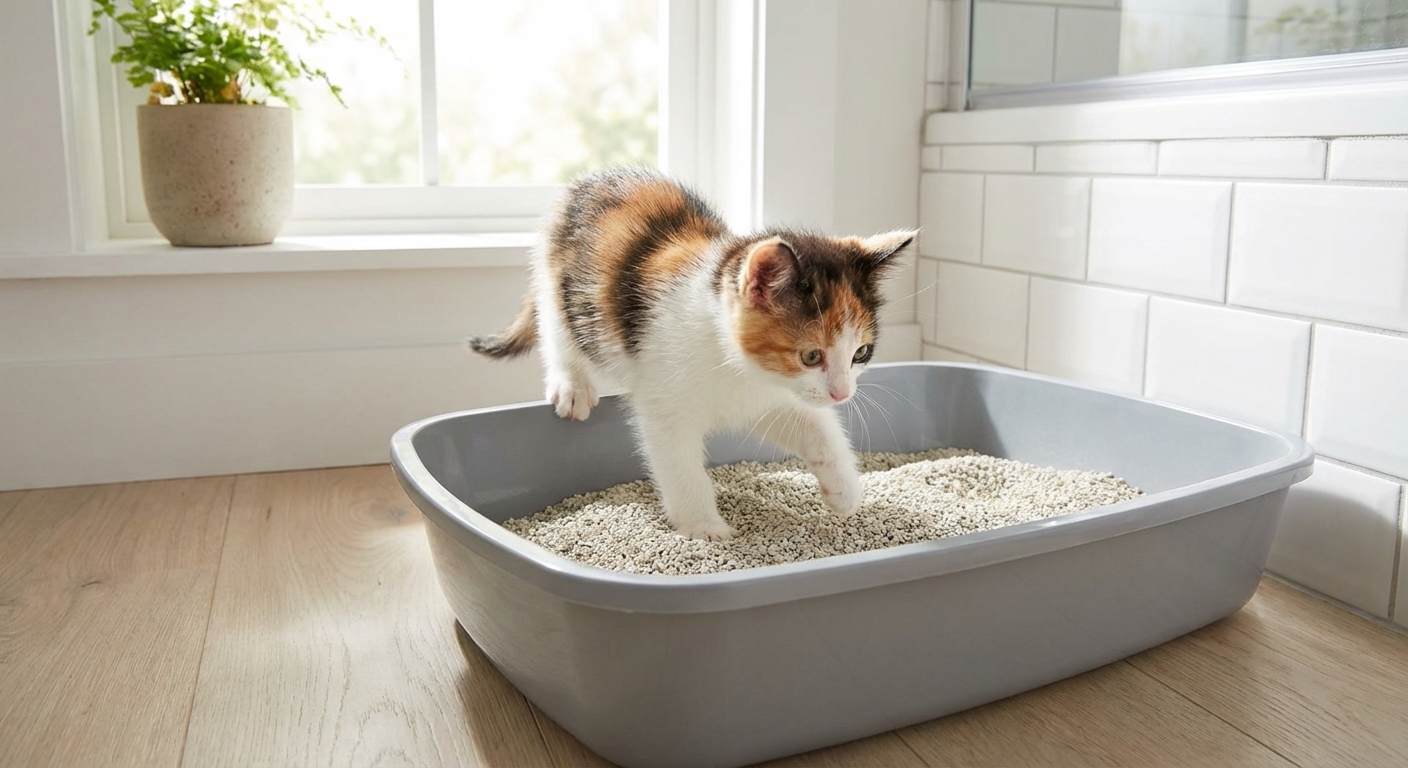
- Low sides so your kitten can climb in without stress.
- Room to turn around so they can enter, turn, and squat without pressing against the sides.
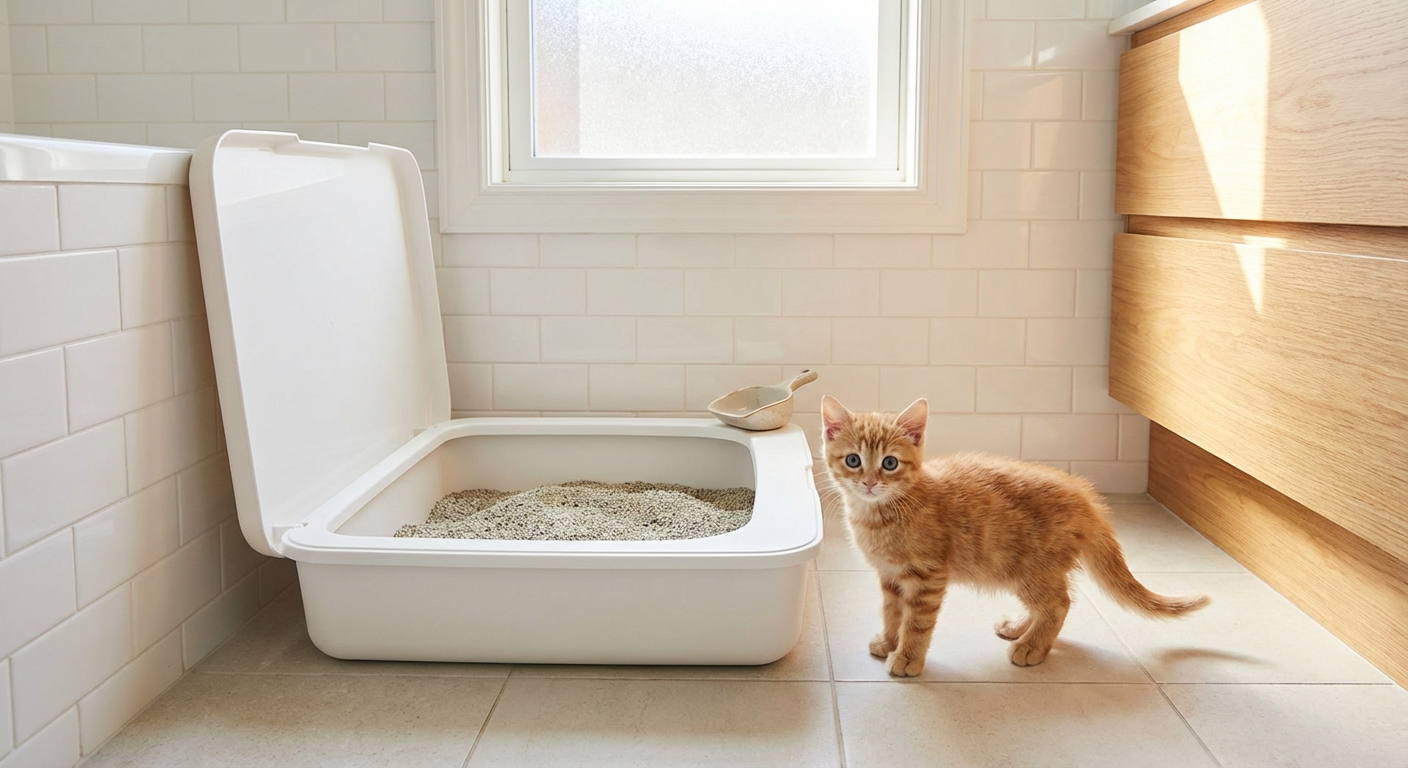
- Simple, uncovered design at first. Covered boxes may trap odors and can feel a little intimidating to a new kitten, although some cats do prefer them later.
If you already own a high-sided or covered box, you can temporarily use a shallow storage bin lid or a low cardboard tray during training, then transition later. As your kitten grows, plan to upgrade to a larger box. Many cats prefer a roomy box even as adults.
Pick a gentle, safe litter
For many kittens, the most appealing texture is a fine-grain, unscented litter that feels like sand. Avoid strong perfumes. Many cats dislike scented litter, and a sensitive kitten may refuse it.
Important safety note: very young kittens may try to taste litter. If your kitten is under about 8 weeks old, or you notice them mouthing or eating litter, ask your veterinarian about safer non-clumping options (often paper-based or pellet-style) until the habit passes. You can usually introduce clumping litter later, once your kitten reliably does not ingest it.
Litter depth tip: start with about 1 to 2 inches of litter. Many kittens prefer a shallower layer that is easy to dig in without feeling like they are sinking.
Placement matters more than people think
Put the box in a spot that is:
- Quiet (not next to a loud washer, furnace, or slamming door).
- Easy to access (no stairs or long hallways in the early days).
- Not near food and water (cats prefer separation).
A common mistake is “hiding” the litter box. Privacy is good, but too much isolation can make it harder for a kitten to get there in time.
A simple training routine that works
Show them where it is
On day one, carry your kitten to the litter box and let them step in. You do not need to dig their paws or “demonstrate.” Just let them sniff and explore.
Use smart timing
Kittens often need to potty:
- After waking up
- After eating
- After playtime
For the first week, gently place your kitten in the box during those predictable moments. This builds a strong habit fast.
Praise, do not punish
If your kitten uses the box, offer calm praise and maybe a small treat. If they have an accident, do not scold. Punishment can create fear, which often leads to more hiding and more accidents.
Instead, quietly clean the area well and improve the setup. Training is mostly about making the “right” choice the easiest choice.
How many boxes do you need?
The classic rule is one box per cat, plus one extra. For a single kitten in a small space, one box may work. But if you have:
- A larger home
- Multiple floors
- One kitten who is still learning
Adding a second box can reduce accidents immediately.
Also, if you have adult cats, give the kitten their own box option. Some adult cats “guard” resources, and a kitten may avoid the box if it feels intimidating.
Keep it clean, but familiar
Cleanliness is a big deal for cats. Many kittens will stop using a box that is too dirty, or that smells strongly of perfume or chemical cleaners.
- Scoop at least once daily, ideally twice.
- Wash the box about every 1 to 2 weeks, or more often if it starts to smell or you have fewer boxes.
- Avoid strong-smelling cleaners (including heavy ammonia scents that can mimic urine). If you choose to disinfect with diluted bleach, use it carefully, rinse very well, and never mix bleach with ammonia-based products.
One helpful tip: when you fully change litter, leave a small amount of the old clean litter mixed in, so the box still smells familiar and “correct.”
During training, skip extras like scented deodorizers or box liners if your kitten seems unsure. Some cats dislike the smell or the crinkly feel and will avoid the box.
Prevent common accidents
Use a smaller space at first
If your kitten has lots of room to roam on day one, they may not make it to the box in time. A “starter room” like a bathroom or quiet bedroom works beautifully for the first few days. Once the habit is consistent, gradually open up more of the home.
Make the box easy to reach
If you notice accidents far from the litter box, add a second box temporarily. Many kittens simply pick the closest spot when urgency hits.
Clean accidents the right way
Use an enzyme cleaner designed for pet urine. Regular soap may not remove the scent fully, and your kitten may return to that same spot.
If accidents keep happening
If you are seeing repeated accidents, it usually means something needs to change, not that your kitten is being difficult. Try these steps:
- Go back to the starter room for a bit longer, then expand access slowly.
- Add another box, especially on the level where accidents happen.
- Try a different litter texture (fine-grain vs paper vs pellet), and avoid scented options.
- Double-check stressors like loud locations, a dog or child blocking access, or an adult cat guarding the area.
- Schedule a veterinary visit to rule out parasites, diarrhea, constipation, or urinary issues.
Red flags: when to call your veterinarian
Litter box issues can be your kitten’s way of saying, “Something does not feel right.” Contact your veterinarian promptly if you notice:
- Frequent trips to the box with little or no urine
- Crying while urinating or defecating
- Blood in urine or stool
- Diarrhea, constipation, or straining
- Sudden change in litter habits after doing well
- Lethargy, poor appetite, or vomiting
Urinary problems, parasites, and GI upset are common in young kittens, and getting ahead of them protects their long-term health.
If your kitten is straining and producing little or no urine, treat it as urgent. Call an emergency veterinary clinic right away.
Gentle transitions as your kitten grows
Once your kitten is reliably using the box, you can slowly adjust things if needed:
- Switching litter: mix in the new litter over 7 to 10 days.
- Adding a lid: try it only after habits are solid, and keep an uncovered option available at first.
- Moving the box: shift it a few feet per day, rather than across the home overnight.
- Upgrading box size: move up to a larger box as soon as your kitten looks cramped. A roomy box supports consistent habits.
Slow changes feel “safe” to cats. Safe cats are consistent cats.
Quick kitten checklist
- Low-entry box, unscented litter
- Quiet location, easy access
- 1 to 2 inches of litter to start
- Place kitten in box after sleep, meals, play
- Scoop daily, wash regularly
- Enzyme clean any accidents
- Call your vet for pain, straining, blood, diarrhea, or sudden changes
With the right setup and a calm routine, most kittens learn fast. You are not just teaching a habit. You are building trust, and that trust makes every part of kittenhood easier.