Chicken and rice can soothe mild stomach upset and help dogs transition back to normal food. Learn safe recipes, portions, how long to feed it, and when to c...
Article
•
Designer Mixes
Pet-Friendly Home Remedies for Dog Fleas

Shari Shidate
Designer Mixes contributor
First, take a breath: fleas are common and treatable
If your dog is scratching nonstop, you are not imagining it. Fleas can make even the calmest pup miserable, and they can multiply fast. The good news is that you can make a real difference at home with practical, pet-conscious steps that focus on comfort, cleanup, and smart prevention.
As a veterinary assistant here in Frisco, Texas, I like to keep flea advice simple and evidence-based: remove fleas from the pet, remove fleas from the home, and prevent the next wave. Home remedies can help a lot with the first two steps, but they work best when you pair them with a plan that truly breaks the flea life cycle.
Quick note: This article is educational and not a substitute for veterinary care. If your pet is very young, ill, or worsening, your veterinarian is your best next step.
Know the flea life cycle (why it feels never-ending)
Most of the flea problem is not on your dog. Adult fleas are just the tip of the iceberg. The rest are eggs, larvae, and pupae hiding in carpets, bedding, couch cushions, and dusty corners.
- Adult fleas live on the pet and bite.
- Eggs fall off into the environment.
- Larvae hatch and hide in dark, protected areas.
- Pupae can “wait” and then emerge when they sense a host nearby.
This is why one good bath can make your dog feel better today, but you may still see fleas again tomorrow if the environment is not tackled too. Pupae can continue to emerge for weeks, even when you are doing a lot right.
Quick check: is it fleas or something else?
Before you start treating, confirm what you are dealing with. Flea irritation can look like other skin issues, including seasonal allergies, mites, and sometimes lice.
How to check
- Part the hair around the lower back near the tail base, belly, and inner thighs.
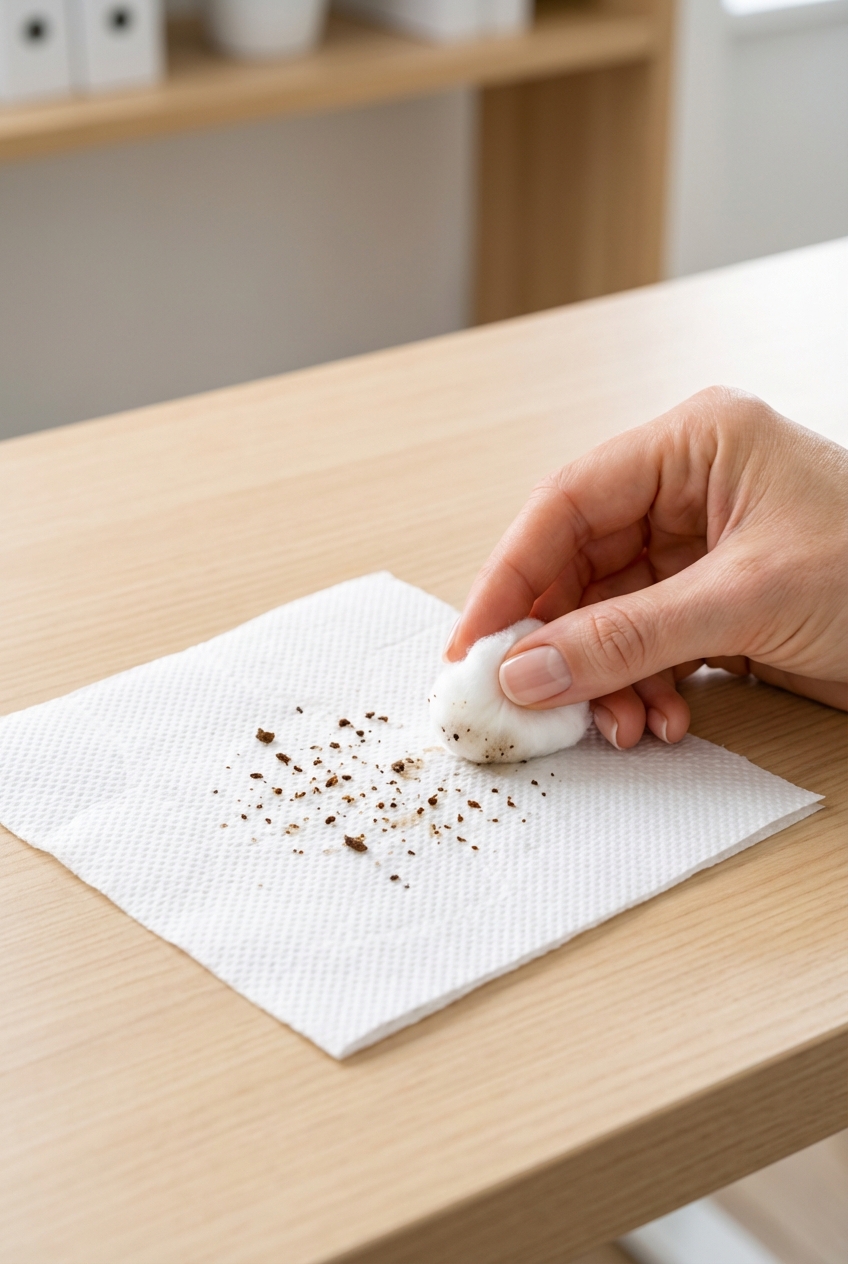
- Look for fast-moving dark insects, or tiny black specks called flea dirt.
- Do the “wet paper towel test”: place the specks on a damp white paper towel. If they turn reddish-brown, it is digested blood and strongly suggests fleas.
Pet-friendly home remedies that help
These options focus on safety and real-world usefulness. They will not replace proven flea preventives for heavy infestations, but they can reduce flea numbers, soothe itchy skin, and support your cleanup plan.
1) Flea combing (simple and effective)
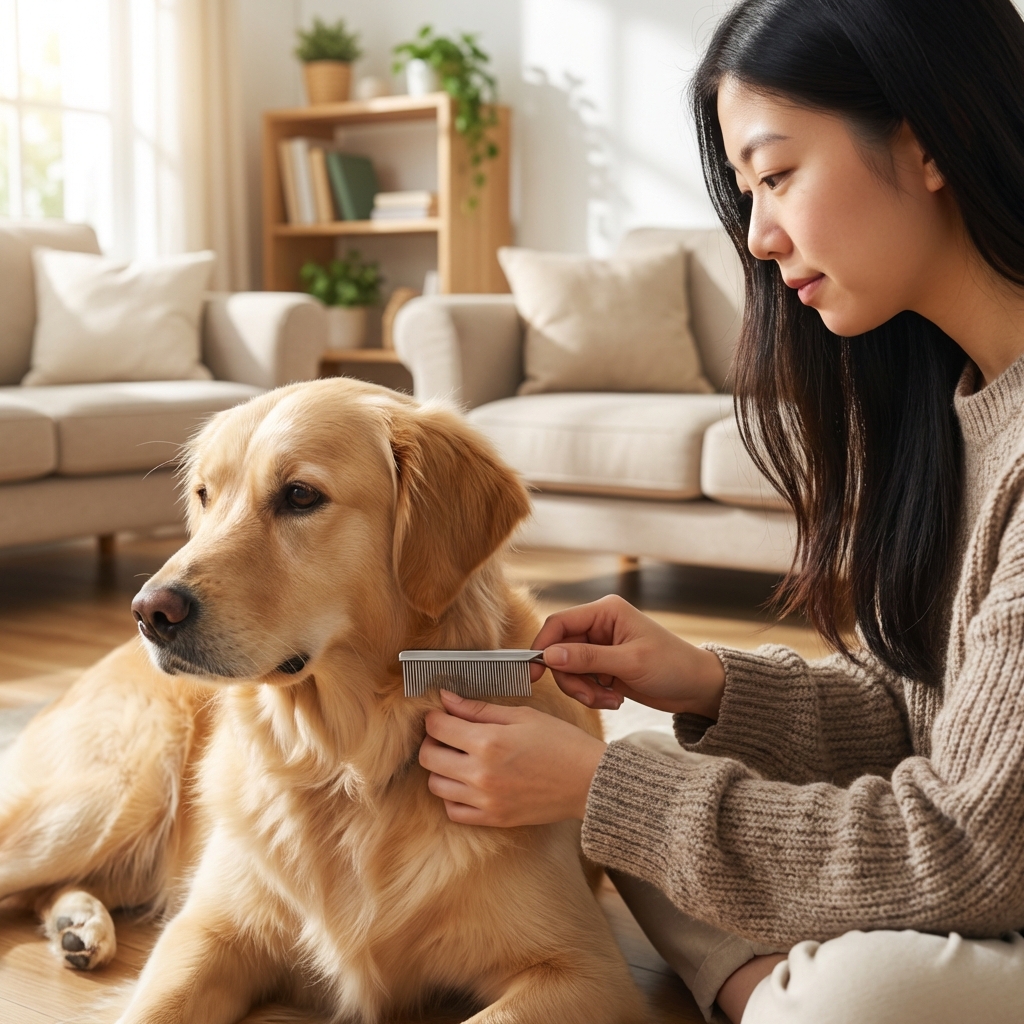
A fine-toothed flea comb removes adult fleas and flea dirt without chemicals. It is one of my favorite first steps because it is gentle and gives you immediate feedback.
- Comb slowly, especially around the tail base, belly, and neck.
- Dip the comb into a bowl of warm water with a small drop of dish soap to trap and drown fleas.
- Repeat daily for 1 to 2 weeks during a flare-up.
2) A gentle bath for fast relief
A bath will not fix the whole infestation, but it can provide fast relief by washing away fleas, flea dirt, and allergens from the coat.
- Use a dog-safe shampoo or a gentle oatmeal-based shampoo for itchy skin.
- Start by lathering the neck first to help prevent fleas from fleeing up toward the face.
- Rinse thoroughly. Leftover soap can worsen irritation.
Important: Regular dog shampoo may not reliably kill fleas unless it is specifically labeled for fleas. Think of bathing as a way to reduce and remove, not a stand-alone cure.
Bathing caution: Too many baths can dry out skin. Unless your veterinarian advises otherwise, try to avoid bathing more than about once a week during an itchy flare.
Also important: Avoid using essential oils on your dog unless your veterinarian specifically approves them. Many oils can irritate skin or cause chemical burns at higher concentrations, and some are toxic to pets, especially cats.
3) Soothe the itch safely
Flea bites can trigger inflammation and, in some dogs, intense allergic reactions called flea allergy dermatitis. If your dog seems truly miserable, your vet may recommend medications to break the itch cycle and treat secondary infection.
- Cool compress: A clean, cool damp cloth applied to itchy spots for a few minutes can take the edge off.
- Oatmeal soak: An oatmeal dog shampoo or colloidal oatmeal soak can calm irritated skin.
- Prevent licking: If your dog is chewing hot spots, use an e-collar and call your vet. Secondary infections can happen quickly.
Home care that breaks the flea cycle
This is the part most people want to skip, and it is the part that makes the biggest difference. Your goal is to remove eggs and larvae and reduce the number of new adults emerging over time.
1) Vacuum hard, then keep going
- Vacuum carpets, rugs, baseboards, and under furniture daily for 10 to 14 days.
- Then vacuum several times a week for another 2 to 4 weeks, especially in your dog’s favorite nap zones.
- Immediately empty the canister outdoors, or seal the bag in a trash bag and remove it from the home.
- Do not forget the car if your dog rides with you.
That longer timeline matters because pupae can keep emerging even after you think you have “won.”
2) Wash bedding on hot
Wash your dog’s bedding, blankets, and any washable slipcovers on the hottest setting the fabric allows. Dry on high heat when possible.
3) A simple “flea trap” for monitoring
This does not eliminate an infestation by itself, but it can help you see whether adult fleas are still active.
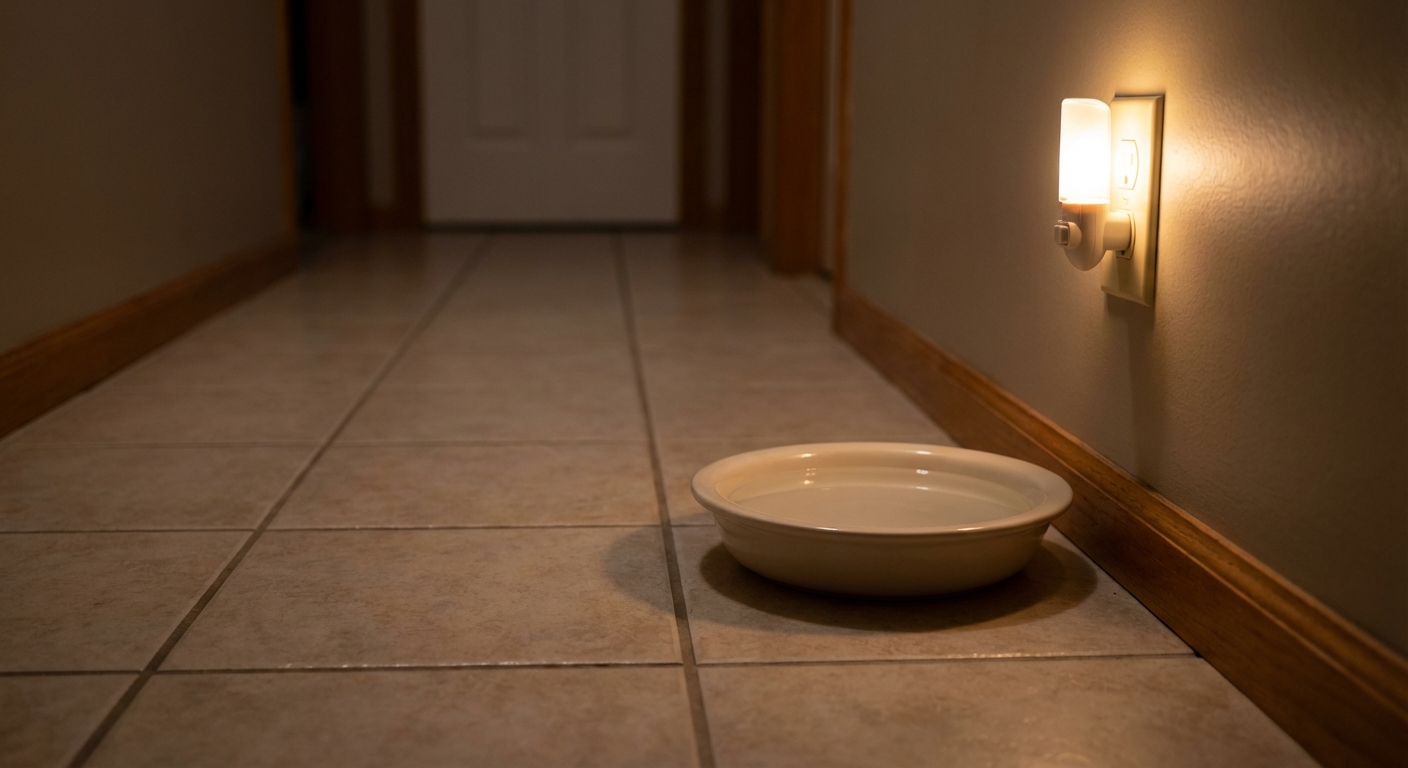
- Place a shallow dish with warm water and a tiny drop of dish soap near a night light.
- In the morning, check for fleas in the water.
Use this as a clue, not a cure.
What to avoid (common remedies that backfire)
I know the internet means well, but some “natural” flea tips can be risky or simply ineffective.
- Essential oils applied to the coat: Can irritate skin or cause chemical burns, and may lead to drooling, tremors, and other toxicity signs. Cats are especially sensitive, even from household diffusion.
- Garlic as a flea treatment: It is not a reliable flea control method and can be dangerous at higher amounts. Please do not use it for fleas.
- Alcohol sprays: Drying and irritating to the skin, and unsafe if ingested.
- DIY pesticide mixing: Combining products or using off-label chemicals can harm pets and people.
When home remedies are not enough
If you are seeing lots of fleas, your dog has scabs or hair loss, or the itching is keeping everyone up at night, it is time to bring in proven help. Modern vet-recommended flea preventives are designed to interrupt the life cycle and stop reinfestation.
What “lots of fleas” can look like: you spot fleas daily, you pull multiple fleas in a few minutes of combing, or fleas keep showing up even after bathing and steady cleanup.
Call your veterinarian soon if:
- Your dog is under 12 weeks old, very small, senior, pregnant, or has chronic health issues.
- You see pale gums, weakness, or severe lethargy (fleas can contribute to anemia, especially in small dogs and puppies).
- There are moist, oozing areas, a strong odor, or worsening redness (possible skin infection).
- You also have a cat at home (cats often need a different, cat-safe plan).
- Your dog is still extremely itchy despite flea control, which can point to flea allergy dermatitis or another skin issue that needs diagnostics and medication.
Prevention that keeps fleas from coming back
Once things calm down, prevention is what protects your progress. Fleas are active in many climates for long stretches, and indoor homes can support them year-round.
- Use a veterinarian-recommended flea preventive consistently for all pets in the home, as directed.
- Keep your dog’s coat brushed and check with a flea comb weekly during warm months.
- Maintain regular washing of bedding and routine vacuuming, especially in favorite nap zones.
- Address wildlife visitors outdoors (opossums, feral cats, squirrels) if they are frequenting your yard.
Most importantly, be patient with the process. It often takes several weeks to see a big drop in fleas because of the pupae stage. Consistency is what wins.
A gentle 7-day flea action plan
If you like a checklist, here is a simple routine you can start today.
- Day 1: Flea comb session, bath if needed, wash bedding, vacuum thoroughly. If you have multiple pets, plan to address every pet at the same time so fleas do not simply hop hosts.
- Days 2 to 7: Daily vacuuming and quick flea combing.
- Twice during the week: Wash bedding again and vacuum under furniture and along baseboards.
- End of week: Re-check flea dirt with the wet paper towel test and monitor itching.
After day 7, keep vacuuming several times weekly for a few more weeks, and stay consistent with prevention. If you are not seeing improvement by the end of the week, or your dog seems more uncomfortable, your vet can help you choose the safest next step for your pet’s age, weight, and health history.