Learn vet-approved, low-risk home remedies for mild dog itching—oatmeal baths, cool compresses, allergen rinses, gentle shampoos, and omega-3s—plus urgen...
Article
•
Designer Mixes
Pet-Friendly Home Remedies for Dog Allergies

Shari Shidate
Designer Mixes contributor
As a veterinary assistant here in Frisco, Texas, I see it all the time: a sweet pup who cannot stop scratching, licking paws, or rubbing their face on the carpet. Allergies are incredibly common in dogs, and while there is no single “magic fix,” there are gentle, pet-friendly home strategies that can reduce itch, calm inflamed skin, and support the body from the inside out.
This guide is designed for dogs of all ages, from playful puppies to wise seniors. I will also be clear about what is safe, what is not, and when it is time to involve your veterinarian.
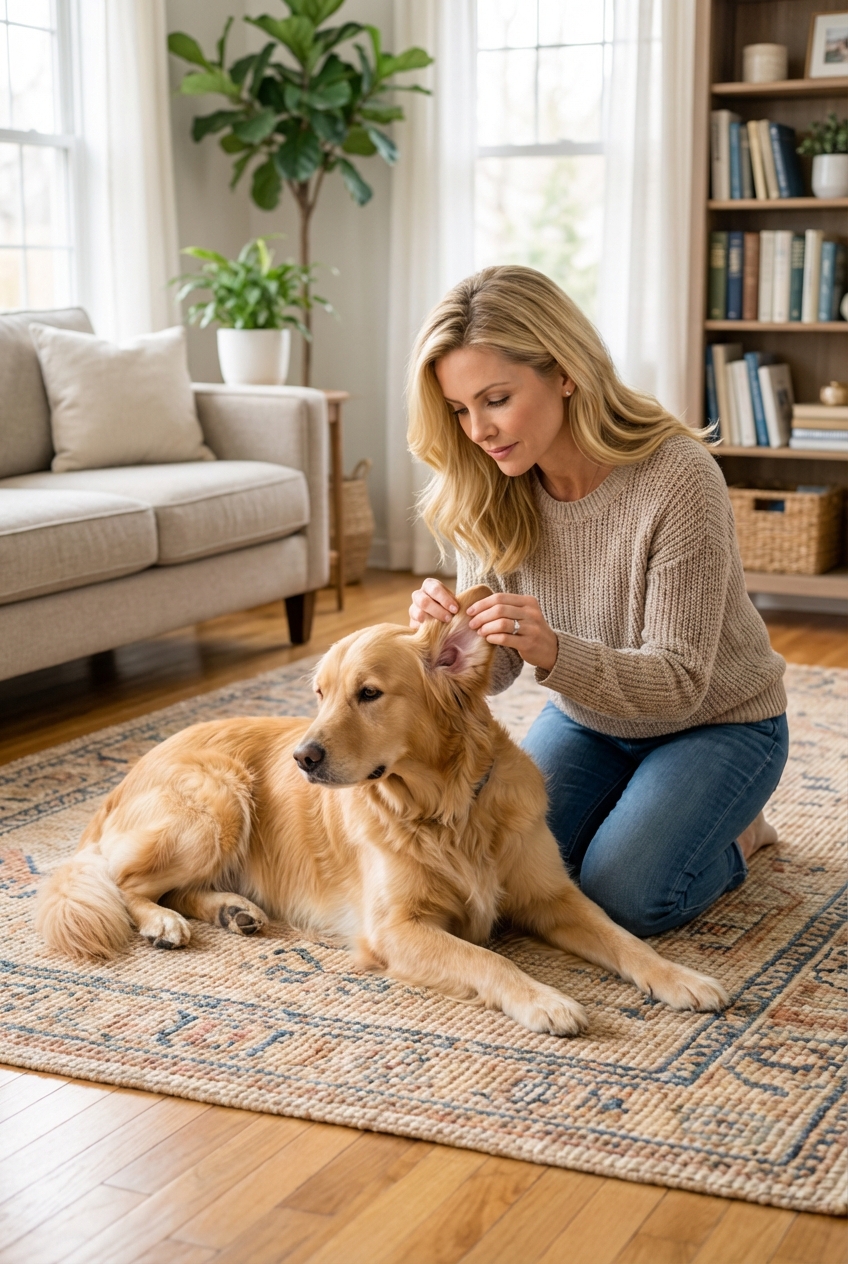
First, what allergies look like in dogs
Dog allergies often show up in the skin and ears, not just with sneezing like people. Common signs include:
- Itchy skin, especially the belly, armpits, groin, and base of tail
- Redness, bumps, or hives
- Constant paw licking or chewing
- Recurrent ear infections or head shaking
- Watery eyes or face rubbing
- Hot spots, scabs, or patchy hair loss
- Digestive upset in some dogs (more common with food sensitivities)
Quick safety note: if you see facial swelling, widespread hives, pale gums, collapse, or breathing trouble, treat it as an emergency and seek immediate veterinary care.
Common triggers
In clinic, we generally see three big categories. Knowing which one is most likely helps you choose the right at-home support.
Environmental (atopy)
Pollens, grasses, molds, and dust mites. Often seasonal at first, then can become year-round. Many dogs itch on paws and face.
Flea allergy dermatitis
Some dogs react intensely to even one or two flea bites. You may see itch concentrated near the back end and tail base. Also, fleas can be hard to find even when they are the cause, so do not assume “no fleas seen” means “no fleas.”
Food sensitivities
These can cause skin issues, ear problems, and sometimes GI upset. People use “sensitivity” loosely, but a true food allergy is an immune reaction. A diagnosis typically requires a veterinarian-guided elimination diet, not a broad “switch food” approach.
Other causes to rule out
Not every itchy dog is “allergies.” Mites (including sarcoptic mange), ringworm, contact irritation, and bacterial or yeast infections can look very similar. Secondary skin and ear infections are also a huge driver of itch and odor, and home remedies will not clear them on their own.
Pet-friendly home remedies
These options are gentle, practical, and commonly used as supportive care. They can help many dogs feel better, especially when combined thoughtfully.
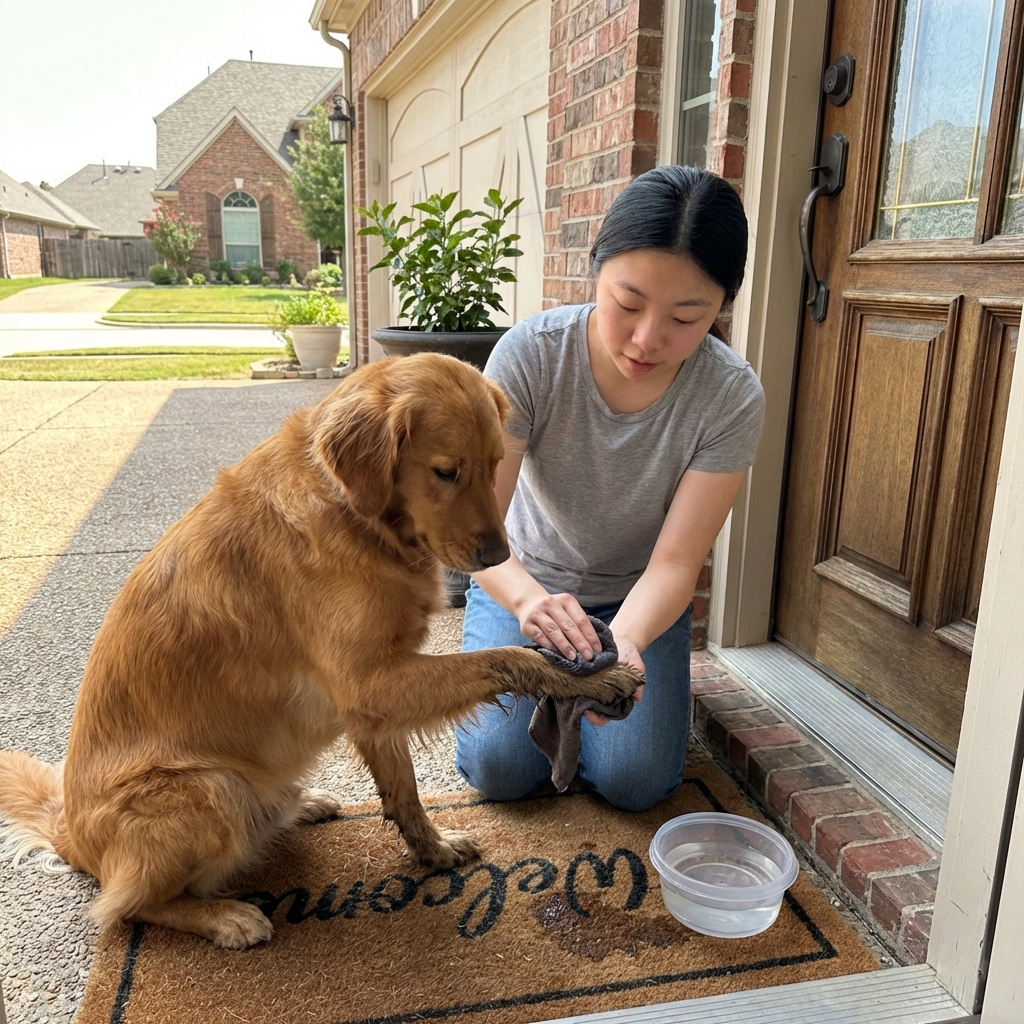
1) Rinse off allergens after outdoor time
This is one of the simplest and most effective habits for environmental allergies.
- Wipe paws and belly with a damp cloth after walks
- For itchy feet, do a quick paw rinse in lukewarm water, then dry well between toes
- Wash bedding weekly in fragrance-free detergent
Less allergen contact often equals less itching.
2) Oatmeal soak or bath for itchy skin
Colloidal oatmeal can help soothe itch for some dogs.
- Use a pet-safe oatmeal shampoo, or finely grind plain oats into a powder and mix into lukewarm bath water
- Soak for about 10 minutes, then rinse thoroughly
- Pat dry, do not rub vigorously
Tip: Avoid hot water. Heat can worsen inflammation and itch.
3) A vet-approved antihistamine plan (with the right dose)
Some dogs get relief from antihistamines, especially for mild seasonal flares, but many dogs do not. Dosing depends on your dog’s weight, health conditions, and medications, so please call your veterinarian before using any over-the-counter allergy medication.
Important: Never use combination products that include decongestants unless your veterinarian specifically instructs you to. Certain ingredients can be dangerous for dogs.
Also important: Antihistamines can cause sedation and are not appropriate for every dog (for example, some dogs with glaucoma, urinary retention issues, or certain heart conditions). When in doubt, ask first.
4) Cool compress for “hot” itchy spots
If your dog has a small area that looks angry and irritated, a cool compress can reduce the sensation of itch.
- Use a clean cloth soaked in cool water
- Hold on the area for 3 to 5 minutes
- Prevent licking afterward if possible
If the spot is oozing, smelly, painful, or rapidly expanding, that can be a hot spot that needs veterinary treatment.
5) Skin support: omega-3s and gentle nutrition
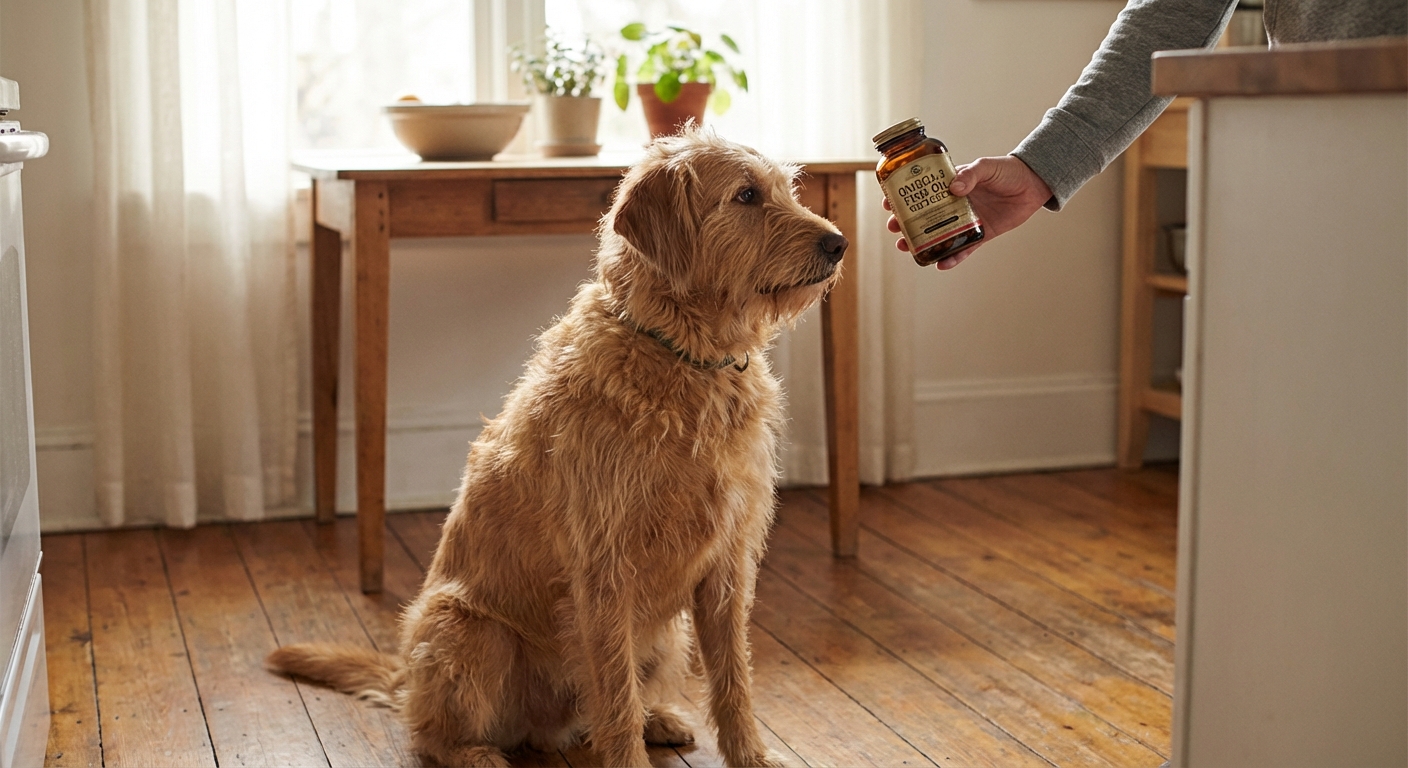
Healthy skin starts from the inside. Omega-3 fatty acids (EPA and DHA) are evidence-supported for helping reduce inflammation and improve skin and coat quality over time, but results vary by dog.
- Ask your veterinarian about a fish oil product made for pets and the right dose for your dog
- Introduce slowly to avoid stomach upset
- Be consistent for several weeks before judging results
Caution: Too much omega-3 can cause GI upset, and it may increase pancreatitis risk in dogs prone to it. Very high doses can also affect clotting. Avoid human supplements that include added flavors or sweeteners, and do not guess at dosing.
And if you are feeding any homemade food, make sure it is balanced. A “healthy” ingredient list is not the same as complete nutrition, especially for growing puppies and seniors with medical needs.
6) Probiotic support (optional)
The skin and gut are connected through the immune system, but probiotic results are mixed and can be strain-specific. Some dogs may benefit, especially if itch overlaps with sensitive digestion, but it is not a guaranteed fix.
- Choose a veterinary-formulated probiotic (ask your veterinarian which product fits your dog best)
- Give it daily for at least 3 to 4 weeks to assess response
- Stop and check with your vet if diarrhea worsens
7) Prevent self-trauma when licking is intense
If your dog cannot leave an area alone, healing is nearly impossible. Short-term tools can make a big difference while you work on the underlying trigger.
- An e-collar (cone) can protect hot spots and feet from nonstop licking
- Dog booties or a clean sock (supervised) can help with pollen-covered paws
- Keep nails trimmed to reduce skin damage from scratching
Age-by-age tips
Puppies
- Keep baths gentle and infrequent to protect the developing skin barrier
- Talk to your veterinarian before supplements, especially omega-3 dosing
- Rule out parasites early (fleas, mites) because they can mimic “allergies”
Adult dogs
- Build a routine: wipe downs after walks, weekly bedding wash, consistent flea prevention
- Consider seasonal strategies if symptoms flare at the same time every year
- Track what changes help in a simple notes app
Seniors
- Be extra cautious with new supplements or antihistamines due to possible kidney, liver, or heart issues
- Dry, thin skin may need more barrier support and less frequent shampooing
- New itch in an older dog should be evaluated to rule out infections or endocrine issues
Home remedies to avoid
I am all for natural support, but “natural” does not always mean safe for dogs. Please avoid these common pitfalls:
- Essential oils applied to skin: many can irritate skin, and some are toxic if licked
- Apple cider vinegar on raw or broken skin: stings and can worsen inflammation
- Hydrogen peroxide: damages healthy tissue and slows healing
- Human steroid creams without guidance: can be harmful if overused or ingested
- Any medication containing xylitol: extremely dangerous for dogs
When to call the vet
Home care is supportive. If your dog’s itch is persistent, there may be infection under the surface that needs prescription treatment.
Contact your veterinarian if you notice:
- Ear odor, discharge, or repeated head shaking
- Skin that is greasy, crusty, oozing, or has a strong smell
- Hair loss, thickened dark skin, or frequent hot spots
- Itch that disrupts sleep or causes bleeding
- No improvement after 7 to 10 days of consistent home support
Many dogs do best with a combined plan: environmental control at home plus veterinary therapies such as medicated shampoos, prescription anti-itch medications, allergy testing, or immunotherapy when appropriate.
A simple 7-day routine
If you are not sure where to begin, try this gentle week-long reset.
- Daily: wipe paws and belly after outdoor time, dry feet well
- Daily: brush coat to remove pollens and reduce dander buildup
- 1 to 2 times this week: oatmeal bath or soothing pet shampoo bath (adjust based on your dog’s skin and your veterinarian’s advice)
- 1 time this week: wash bedding and vacuum favorite lounging spots
- All week: consistent flea prevention if recommended by your veterinarian (in many areas, year-round is best)
- Optional: start a vet-approved omega-3 and probiotic routine
Take a quick photo of the irritated areas on Day 1 and Day 7. It is a surprisingly helpful way to judge progress objectively.
Bottom line
Allergies can be frustrating, but you are not powerless at home. Small, consistent steps can reduce allergen load, calm inflamed skin, and support your dog’s comfort over time. Start simple, go slowly with anything new, and do not hesitate to loop in your veterinarian, especially for ear issues, strong odor, or recurrent skin infections.
Your dog does not need you to do everything at once. They need you to do a few helpful things consistently.