A practical 24–72 hour diet and hydration plan for mild dog diarrhea, with bland food options, safe add-ons like probiotics, foods to avoid, and clear red ...
Article
•
Designer Mixes
Pet-Friendly Home Remedies for Canine Diarrhea

Shari Shidate
Designer Mixes contributor
Diarrhea is one of the most common reasons worried pet parents call a vet clinic. The good news is that many mild cases can be managed at home with smart, gentle support. The not-so-good news is that diarrhea can also be an early sign of something serious, especially in puppies, seniors, and small dogs that dehydrate fast.
Below are practical, clinic-style home care steps that often help, plus clear red flags so you know when it is time to stop the home care and get help.
What diarrhea can mean
Diarrhea happens when the intestines move too quickly, draw in extra water, or become inflamed. That can be triggered by something as simple as a new treat, stress, getting into the trash, or a sudden diet change. It can also be caused by parasites, infections, pancreatitis, food intolerance, toxins, or underlying disease.
A helpful clue is where the diarrhea seems to be coming from:
- Large bowel diarrhea: frequent small stools, mucus, straining, urgency, sometimes a little bright red blood.
- Small bowel diarrhea: larger volume stools, less frequent, appetite changes or weight loss can show up, and the stool can sometimes look greasy (more suggestive of maldigestion or malabsorption).
If your dog is otherwise bright, drinking, and acting fairly normal, supportive home care is often reasonable for a short window.
When not to DIY
Skip home remedies and call your veterinarian (or an emergency clinic) right away if you notice any of the following:
- Repeated vomiting, cannot keep water down, or a tight painful belly
- Weakness, collapse, pale gums, or severe lethargy
- Black, tarry stool or more than a small streak of red blood (and any blood in a puppy is urgent)
- Suspected toxin exposure (xylitol, grapes or raisins, rodent bait, mushrooms, medications, etc.)
- Puppies, unvaccinated dogs, or seniors with new diarrhea
- Known conditions like Addison’s disease, kidney disease, heart disease, diabetes, Cushing’s, IBD, or pancreatitis
- Diarrhea lasting more than 24 to 48 hours, even if mild
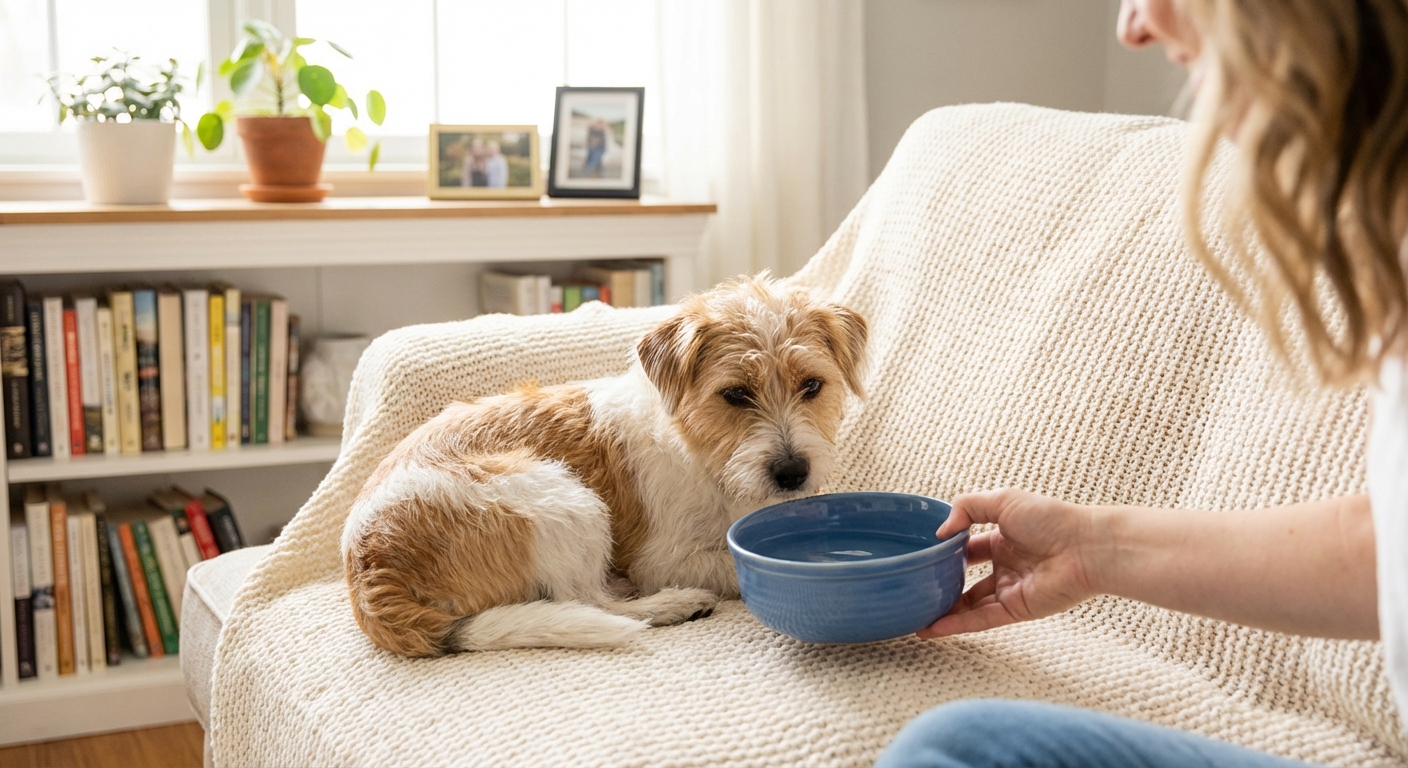
- Signs of dehydration: tacky or dry gums, sunken eyes, lethargy, decreased urination, weak pulses, or skin tenting that does not spring back quickly
A good rule of thumb: if your dog looks “sick” and not just “messy,” trust your gut and get seen.
Chronic note: if diarrhea is intermittent or ongoing for more than 2 to 3 weeks, even if your dog seems fine otherwise, schedule a veterinary workup.
Home care basics
1) Give the gut a break (carefully)
For many healthy adult dogs with mild diarrhea and no vomiting, a short food break may help in some cases. Some veterinarians prefer skipping fasting and simply starting a bland diet right away in smaller portions. Either way, the goal is gentle support, not an empty stomach at all costs.
- Healthy adult dogs: consider pausing food for 8 to 12 hours while offering water, or start a bland diet immediately in small meals.
- Do not fast puppies, toy breeds, or dogs with medical conditions unless your veterinarian tells you to (hypoglycemia risk is real).
- Stop fasting and call your vet if vomiting starts, your dog becomes lethargic, or you see blood.
If your dog is hungry and begging, that is often a good sign, but do not rush back to rich foods.
2) Hydration matters most
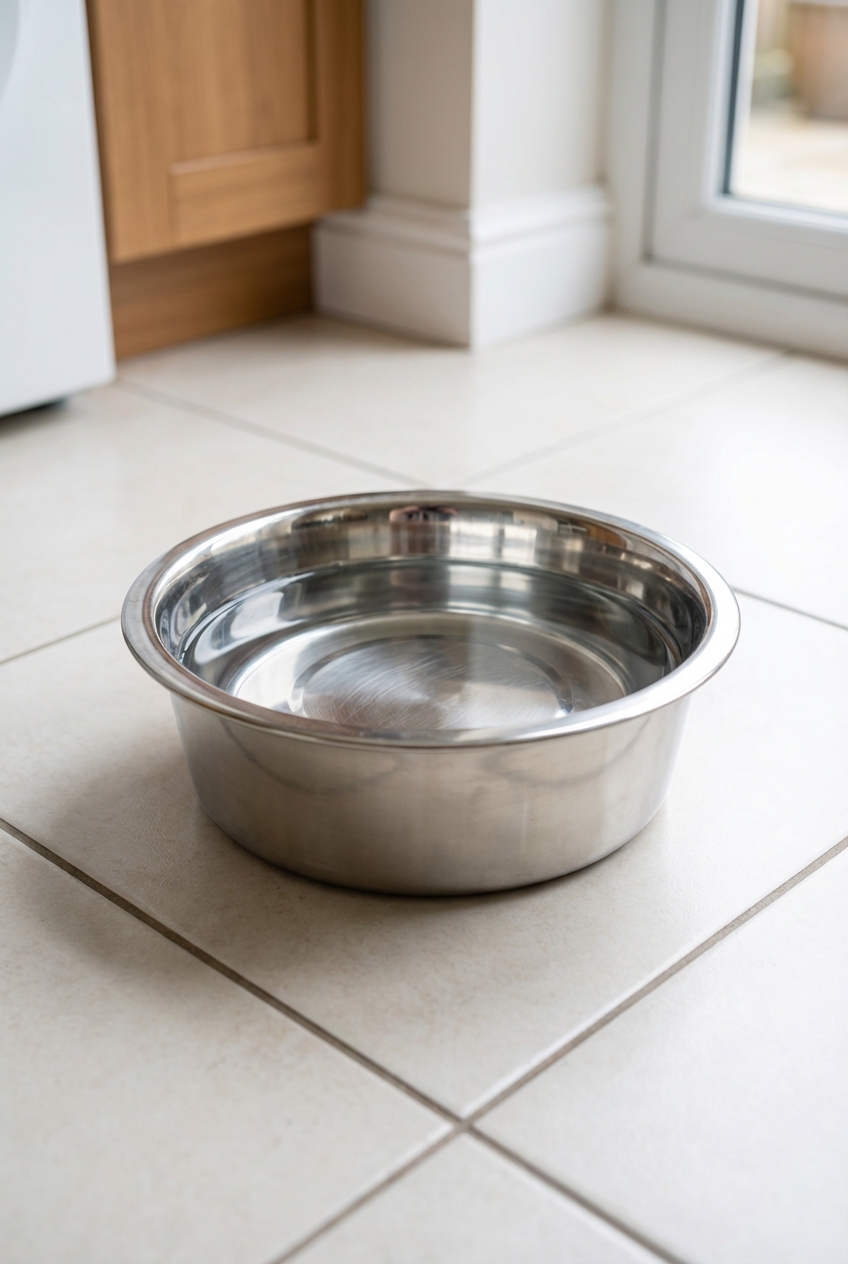
Diarrhea pulls water and electrolytes out of the body. Encourage drinking with:
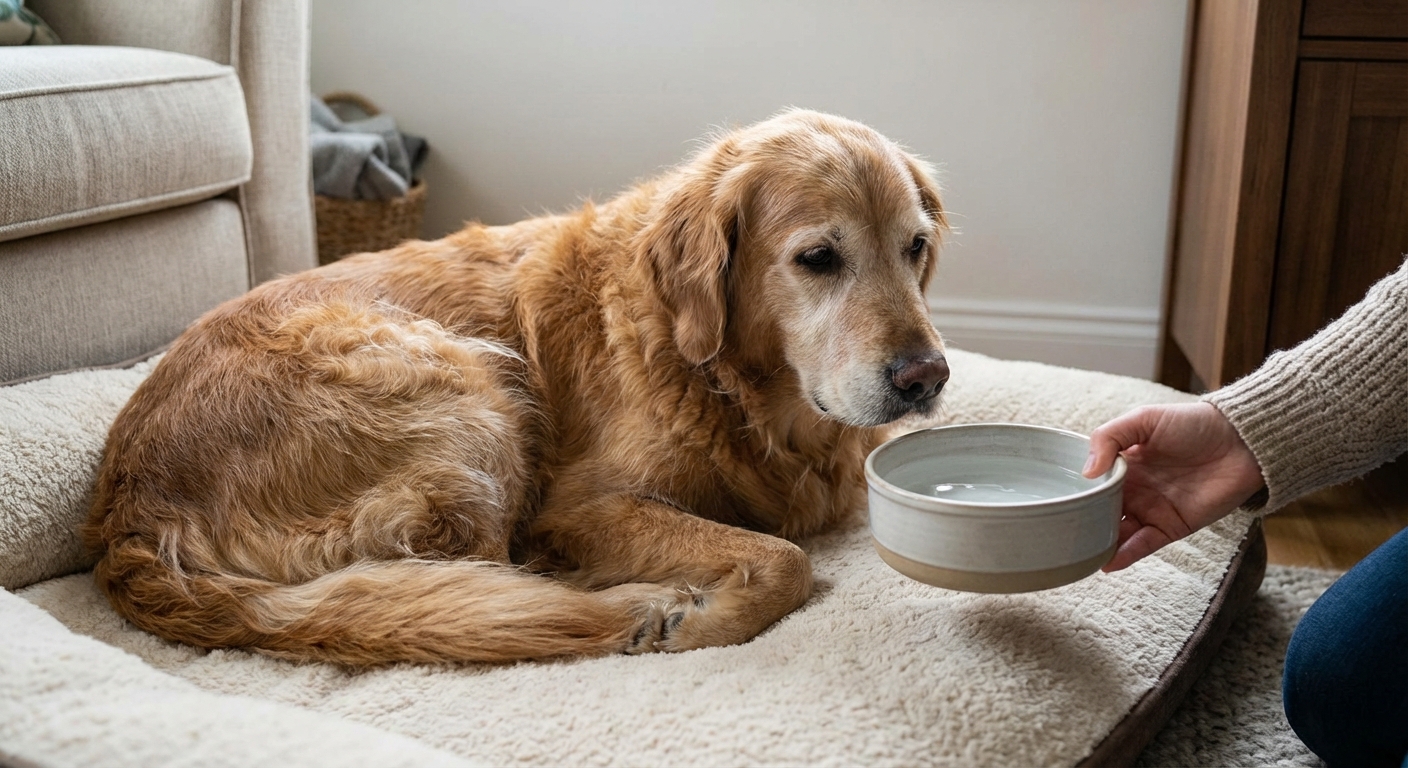
- Fresh, cool water available at all times
- Offering small amounts frequently if your dog tends to gulp
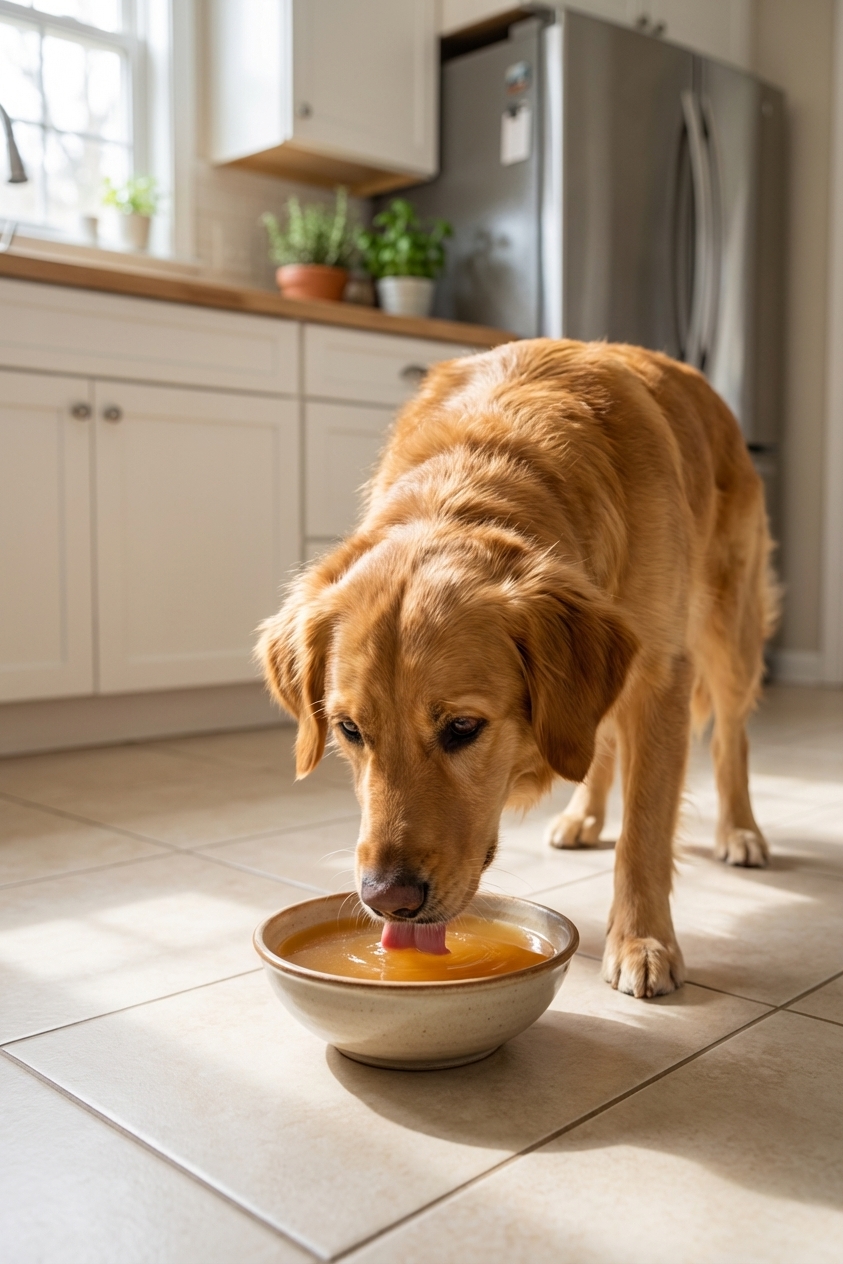
- Flavoring water with a splash of low-sodium broth (no onion or garlic added)
- Ice cubes as a “lick” option for dogs who are reluctant
Electrolytes: Plain, unflavored Pedialyte can be used in small amounts for some dogs, but dosing depends on size and health history. Avoid sugar-free or flavored versions and check the ingredient list for xylitol. Dogs with kidney disease, heart disease, or other conditions should only get electrolyte products with veterinary guidance.
Gentle foods
A temporary bland diet is a cornerstone of diarrhea support. The goal is easy-to-digest protein plus a gentle carbohydrate, fed in small meals.
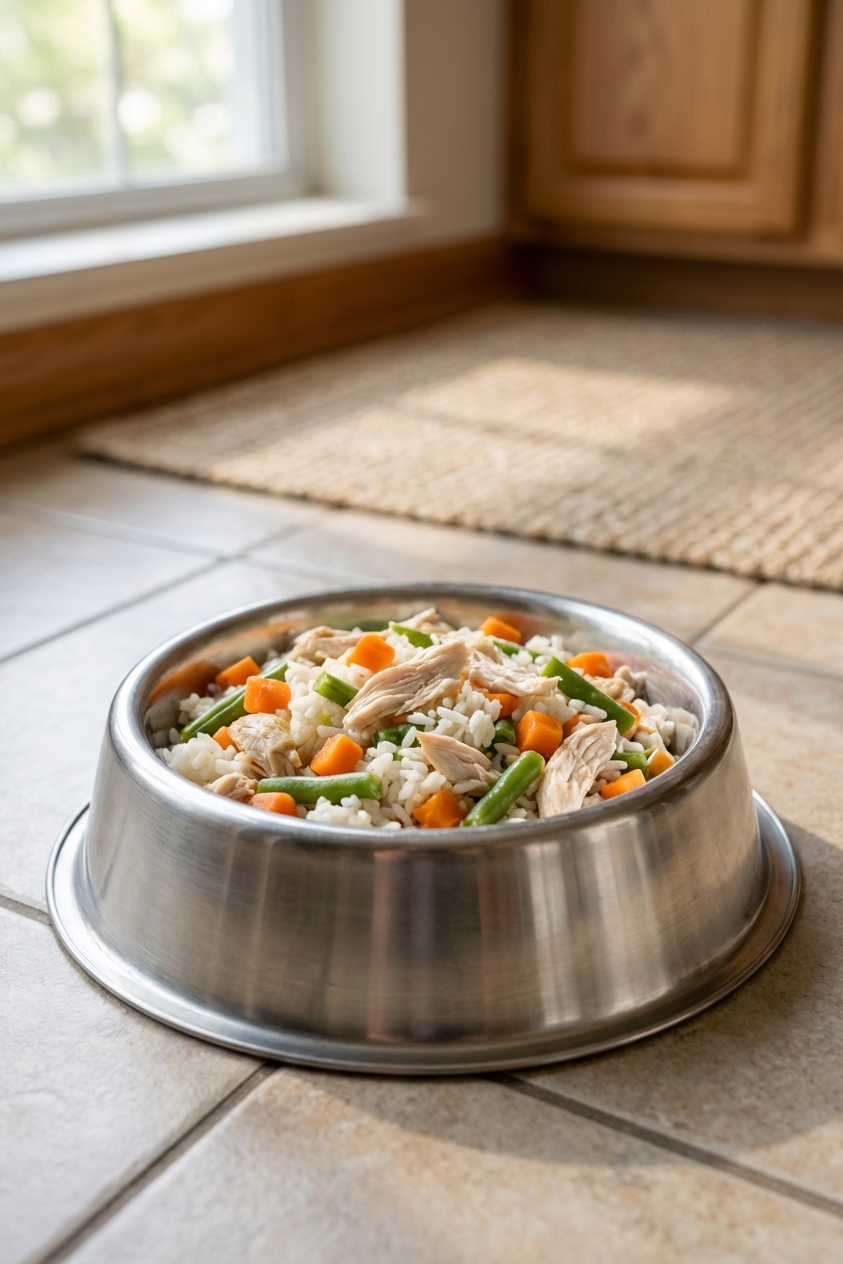
Option A: Chicken and rice
- Boiled, skinless chicken breast (or very lean ground turkey, drained)
- White rice, well-cooked
Common starting mix: 2 parts rice to 1 part protein (by volume). This helps keep the meal gentle and not too rich.
How much to feed: start with about 25 to 50 percent of your dog’s normal daily amount, divided into 3 to 6 small meals. If stools improve and your dog stays bright and hydrated, you can slowly increase toward normal over the next day.
Option B: Turkey and sweet potato
This can be soothing and palatable, especially for dogs who do not tolerate rice well. Keep it simple and low-fat.
How long to stay bland
Many dogs improve within 24 hours. Once stools are formed for 1 to 2 days, slowly transition back to the regular diet over 3 to 5 days by mixing increasing amounts of the normal food.
Stool check: you are aiming for formed “log” stools rather than pudding.
Important: If diarrhea returns during the transition, slow down. If it keeps returning, it is time for a vet visit to look for parasites, diet intolerance, or other causes.
Home supports that often help
1) Plain canned pumpkin
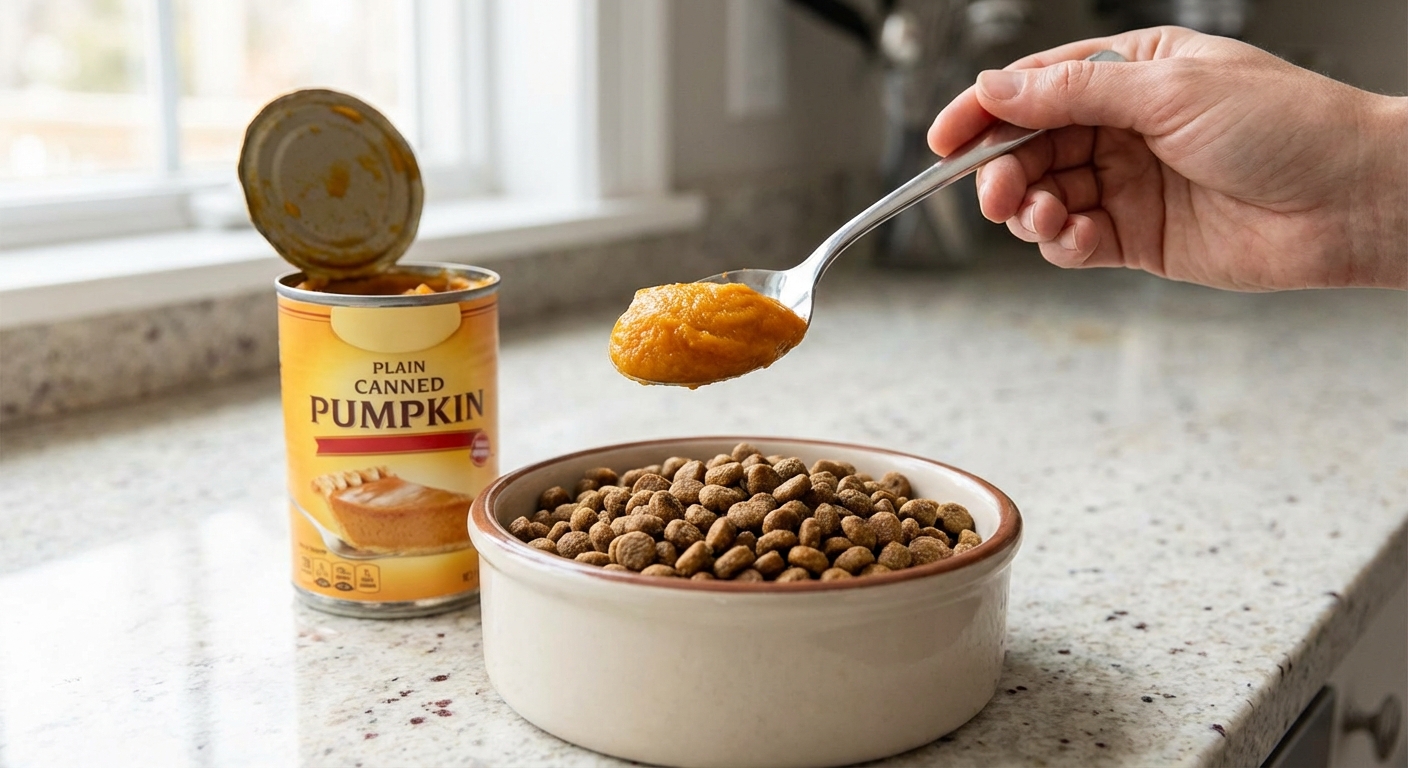
Plain pumpkin (not pumpkin pie filling) is a common veterinary recommendation because it provides soluble fiber. Fiber can help some dogs by firming stool and supporting a healthier gut environment, although results vary by dog and by cause of diarrhea.
- Small dogs: 1 to 2 teaspoons mixed into food
- Medium dogs: 1 to 2 tablespoons
- Large dogs: 2 to 4 tablespoons
Start on the low end. Too much fiber can cause gas or looser stool in some pets.
2) Probiotics made for dogs
Probiotics can shorten the duration of diarrhea in many cases, especially stress-related diarrhea or after a diet change. Benefits are often strain and product-specific, so choose a veterinary-specific probiotic from a reputable company with clear strain information and expiration dating.
If you have a brand your vet recommends, that is ideal. If not, choose a canine probiotic and follow the label instructions.
3) Soluble fiber (psyllium) for some dogs
Psyllium can help with loose stool and some large-bowel irritation. It is powerful, so use caution and go slow.
- Ask your veterinarian for a dose based on your dog’s weight.
- Always provide water since fiber works by binding fluid.
This can be especially helpful when there is mucus and urgency, but it is not a substitute for checking a stool sample when diarrhea keeps recurring.
What to avoid
Some popular internet suggestions can backfire or even be dangerous.
- Pepto-Bismol (bismuth subsalicylate): not for cats, and not for many dogs either. It can cause black stool that hides bleeding, and salicylates can be risky. Only use if your veterinarian advises it.
- Imodium (loperamide): can be dangerous for certain breeds and mixes (MDR1 gene risk) and can worsen some infections. Do not give without veterinary guidance.
- High-fat “comfort foods”: fatty meats, bacon grease, buttery rice, rich bone broth. Fat can trigger pancreatitis.
- Dairy: many dogs are lactose intolerant, especially when their gut is already irritated.
- Herbal mixes and essential oils: some are toxic to dogs and dosing is often unclear.
Monitor at home
If you are trying home care, track these simple metrics for 24 to 48 hours:
- Energy: bright and alert vs. tired and withdrawn
- Appetite: interested in food?
- Water intake: drinking normally?
- Stool: frequency, volume, mucus, blood, and whether it is improving
- Vomiting: even one episode can change the plan
If you can, bring a fresh stool sample to your vet if symptoms persist. Parasites and Giardia are common, and you cannot diagnose them reliably by eye.
Hygiene and contagion
Some causes of diarrhea are contagious (and some are zoonotic). While you are monitoring at home:
- Pick up stool promptly and wash hands well afterward
- Limit shared water bowls and close contact with other dogs until stools are normal
- Clean soiled areas thoroughly. For suspected Giardia or other hardy organisms, ask your vet which disinfectant is appropriate for your surfaces.
Prevention tips
- Slow diet changes: transition over 7 to 10 days.
- Garbage-proof your home: secure trash, compost, and food storage.
- Go easy on treats: keep them under 10 percent of daily calories.
- Routine fecal testing: especially for dogs who visit parks, daycare, or shared yards.
- Stress support: travel, boarding, and thunderstorms can trigger stress colitis. Some dogs benefit from a vet-recommended probiotic started a few days before a stressful event.
Simple at-home plan
- Check for red flags (blood, vomiting, lethargy, dehydration, puppy age). If yes, call your vet.
- Hydrate: water first, small frequent sips.
- Food plan: for healthy adults, either a short 8 to 12 hour fast or start bland food right away in small meals.
- Bland diet: use a 2:1 rice-to-protein mix and feed smaller portions more often.
- Add-ins: a small amount of pumpkin and a canine probiotic can help some dogs.
- Recheck at 24 hours: improving stool and normal energy is a good sign. No improvement, worsening, or new symptoms means it is time to be seen.
You know your dog best. When something feels off, you are not overreacting by calling your veterinarian. You are being the advocate your pup needs.