Vet-informed guide to a short-term bland diet for dogs: chicken and rice 1:2 ratio, daily cup ranges by weight, how many meals to split into, and red flags t...
Article
•
Designer Mixes
Pet-Friendly Food for a Dog With an Upset Stomach

Shari Shidate
Designer Mixes contributor
When your dog has an upset stomach, it is easy to feel helpless. The good news is that many mild tummy troubles improve with a little rest, smart hydration, and a short-term switch to gentle, pet-friendly foods.
As a veterinary assistant in Frisco, Texas, I always like to start with two priorities: keep your dog hydrated and avoid anything that could make nausea or diarrhea worse. Then we build back to a normal, balanced diet slowly.
First, know when it is an emergency
Home care is best reserved for mild stomach upset in an otherwise bright, alert dog. By “bright and alert,” I mean they still respond to you, seem interested in their surroundings, can stand and walk normally, and their gums look a healthy pink (not pale or gray).
Call your veterinarian promptly or seek urgent care if you notice:
- Repeated vomiting, vomiting that will not stop, or vomiting blood
- Bloody diarrhea, black tarry stool, or severe watery diarrhea
- Swollen or painful belly, repeated unproductive retching, or signs of bloat
- Extreme lethargy, collapse, pale gums, or trouble breathing
- Suspected toxin exposure (xylitol, grapes or raisins, chocolate, rodent bait, medications)
- Foreign body risk (toy pieces, corn cob, socks, bones) or your dog cannot keep water down
- Puppies, seniors, toy breeds, pregnant dogs, or dogs with chronic illness (kidney disease, diabetes, Addison’s disease) that are vomiting or having diarrhea
- Symptoms that last longer than 24 to 48 hours, get worse at any point, or dehydration concerns
Tip: Dehydration can sneak up quickly. Sticky or dry gums, sunken eyes, weakness, reduced urination, or a “tacky” mouth are red flags.
Step 1: Hydration comes first
If your dog is vomiting, your vet may recommend a brief break from food, but that is not a one-size-fits-all rule. Fasting is often not appropriate for very young puppies, toy breeds that are prone to low blood sugar, or dogs with diabetes or other medical conditions. When in doubt, call your vet for guidance.
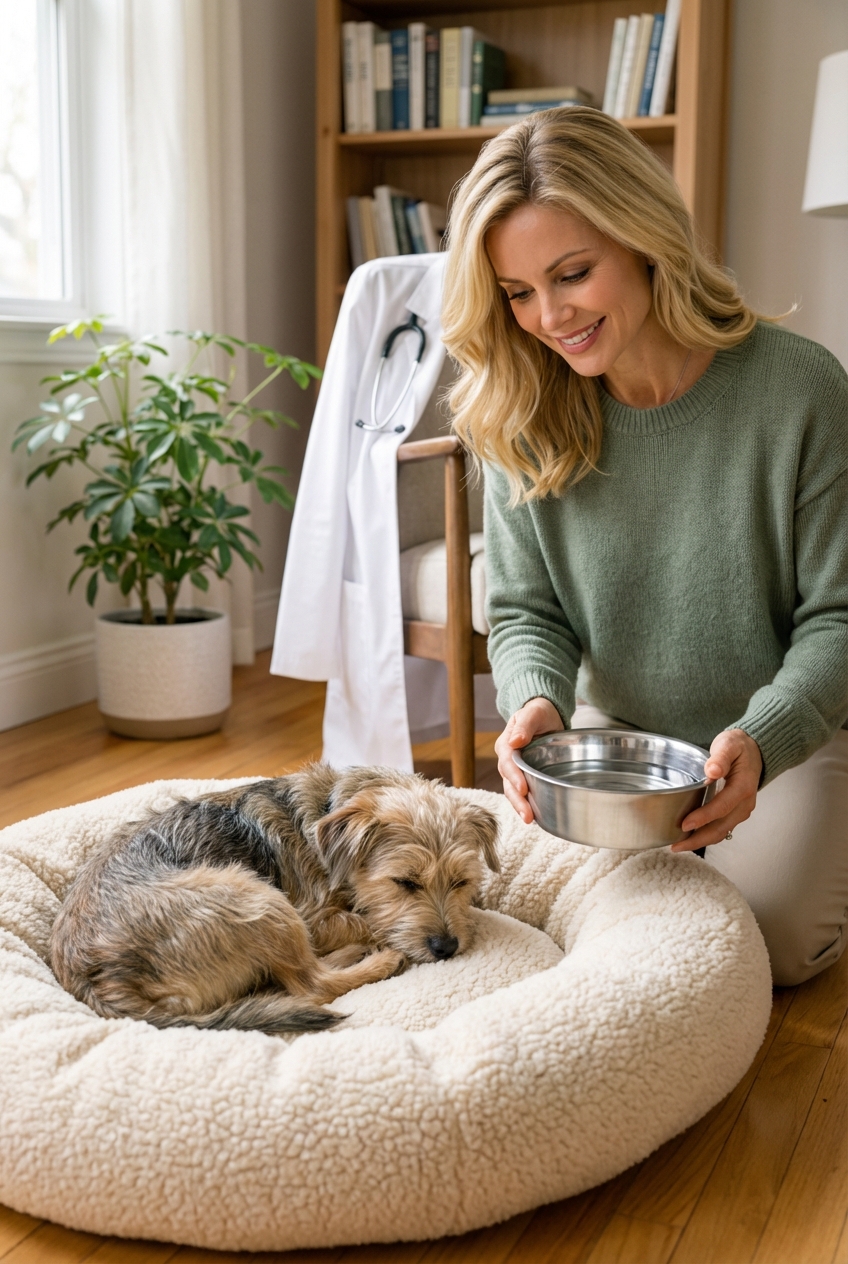
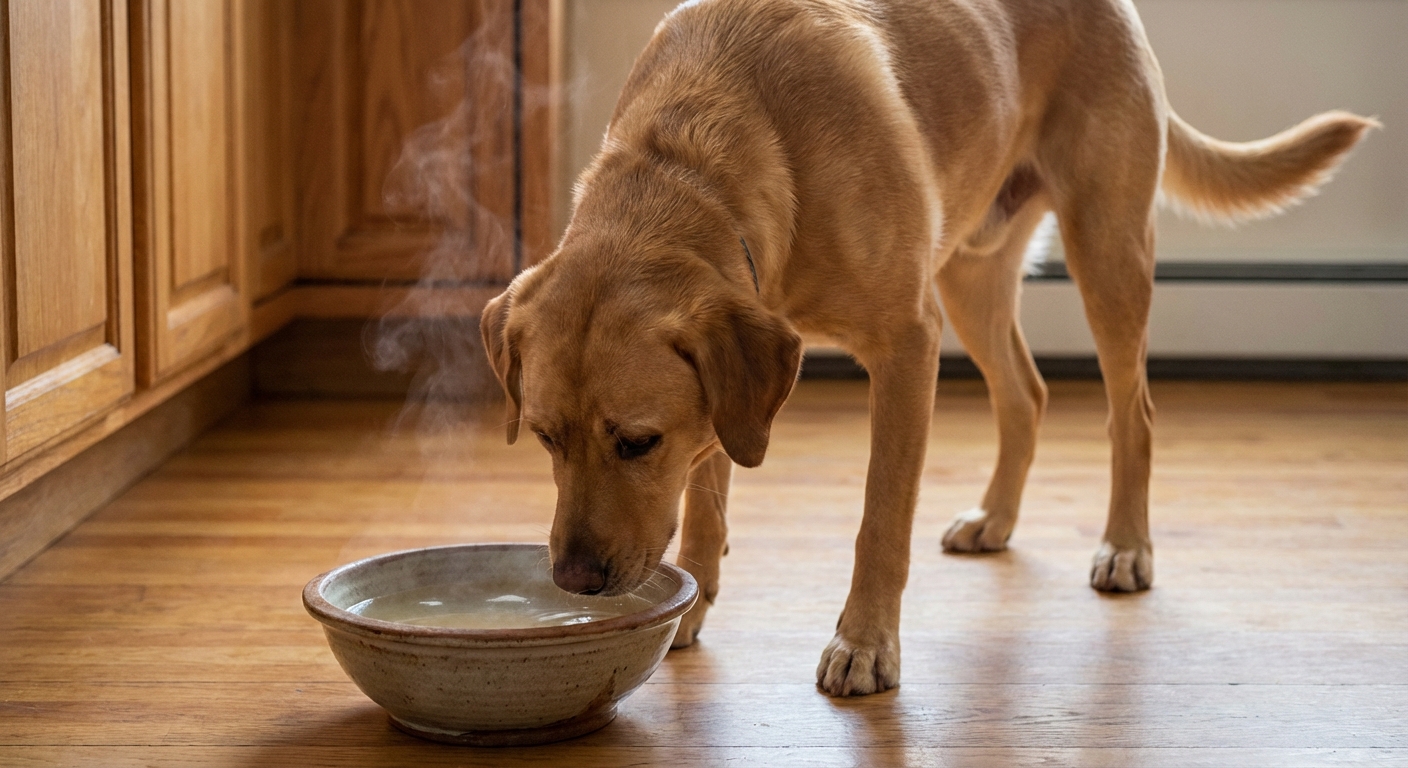
Either way, water is still essential. Offer small, frequent sips instead of a full bowl gulp.
Gentle hydration options
- Fresh water offered often
- Ice chips or a few teaspoons of water every 10 to 15 minutes for dogs that keep gulping and vomiting
- Pet-safe electrolyte solution if recommended by your veterinarian
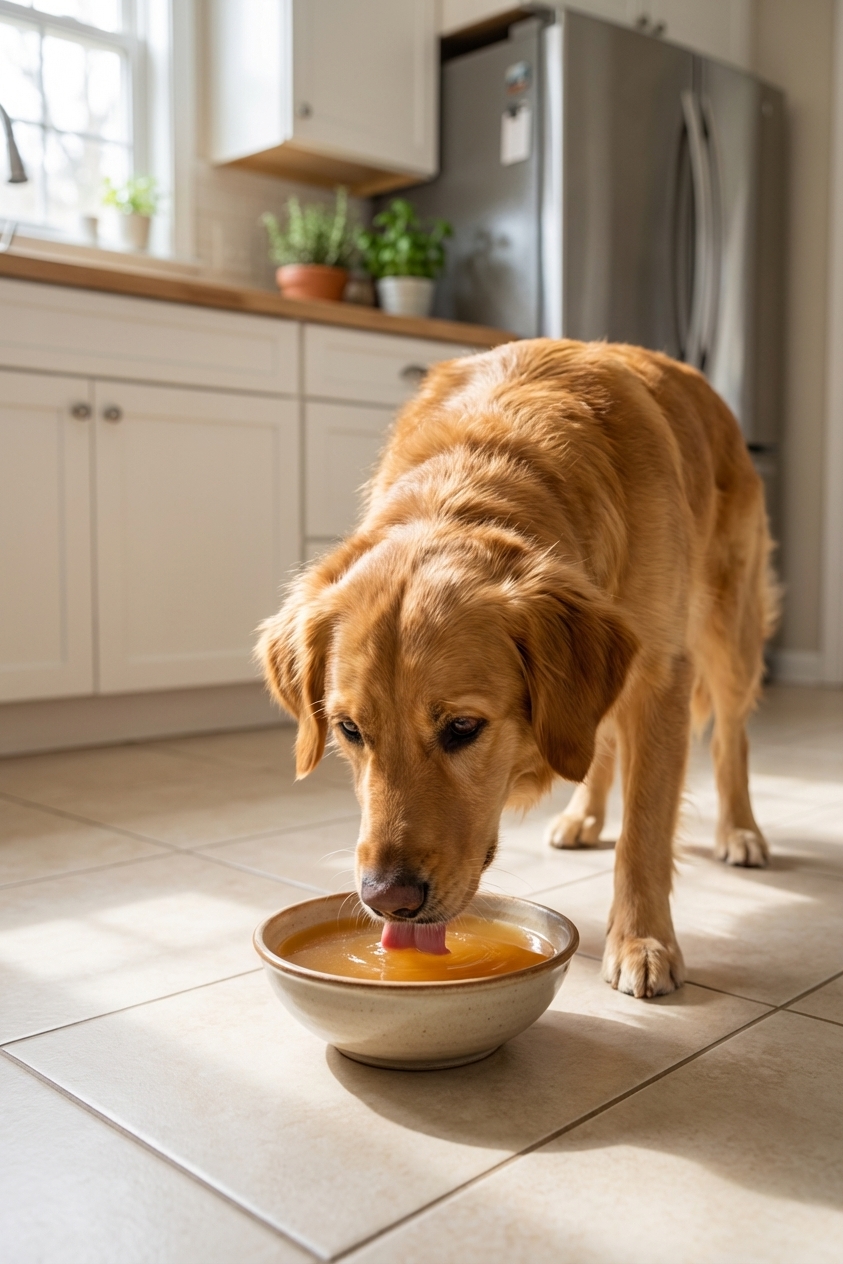
- Low-sodium broth (plain, no onion, no garlic) to encourage drinking
Important: Avoid sports drinks, sugary drinks, and any electrolyte products (including human ones like Pedialyte) unless your veterinarian specifically tells you to use them and gives you dosing guidance.
Label check: Many store-bought broths contain onion, garlic, “natural flavors,” or very high sodium. Read the ingredient list carefully before offering any broth.
Step 2: Use a short-term bland diet
A bland diet is a temporary reset that is easy to digest and gentle on an irritated gut. For many dogs, 2 to 3 days is enough, then you can transition back to normal food slowly.
Best bland foods
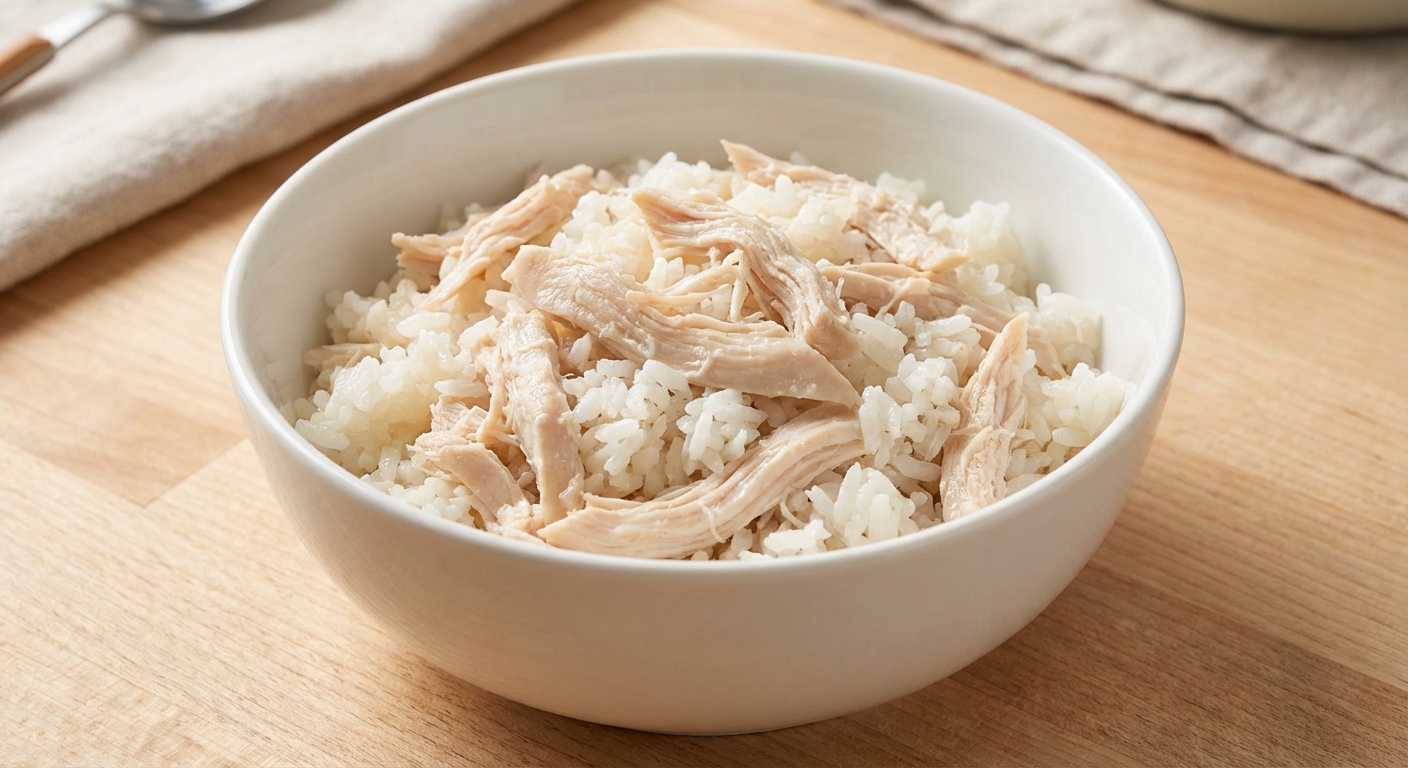
- Boiled, skinless chicken breast (shredded, no seasoning)
- Lean ground turkey (cooked, drained well)
- White rice (well-cooked)
- Plain canned pumpkin (not pie filling)
- Boiled potatoes (plain, no butter, no skin if sensitive)
- Plain scrambled egg (cooked without oil or butter)
Many veterinarians commonly suggest starting with a 2:1 ratio of carbohydrate to protein (for example, two parts rice to one part chicken) for a day or two, then adjusting based on stool quality, appetite, and your dog’s needs. Some dogs do better with different ratios or a prescription GI diet, so follow your vet’s direction if you have it.
How much to feed
Start small. A practical rule is to offer 25 to 50 percent of their usual meal size for the first bland meal, then increase gradually if there is no vomiting and stool is improving. If your dog is acting hungry, it is still better to go with smaller, more frequent meals than one big serving.
Simple bland meal idea
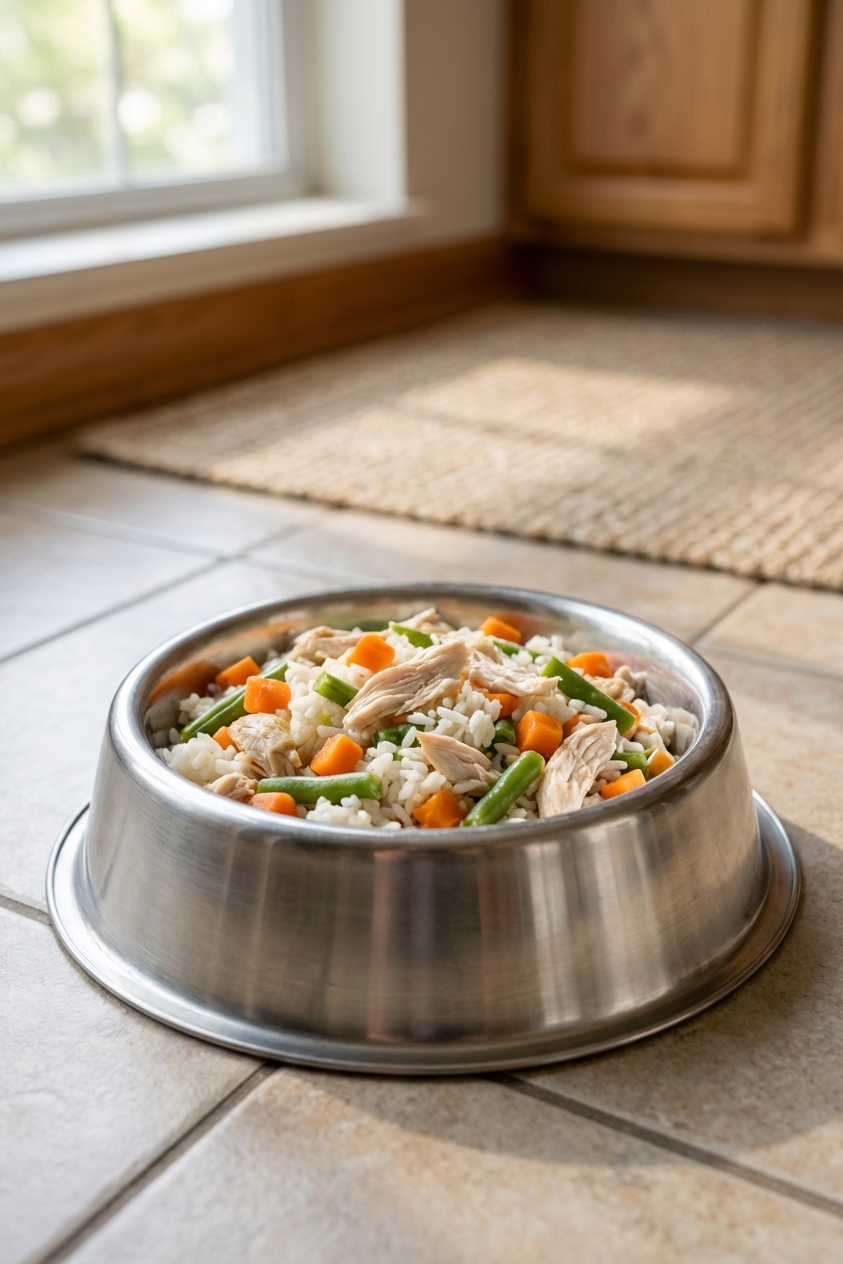
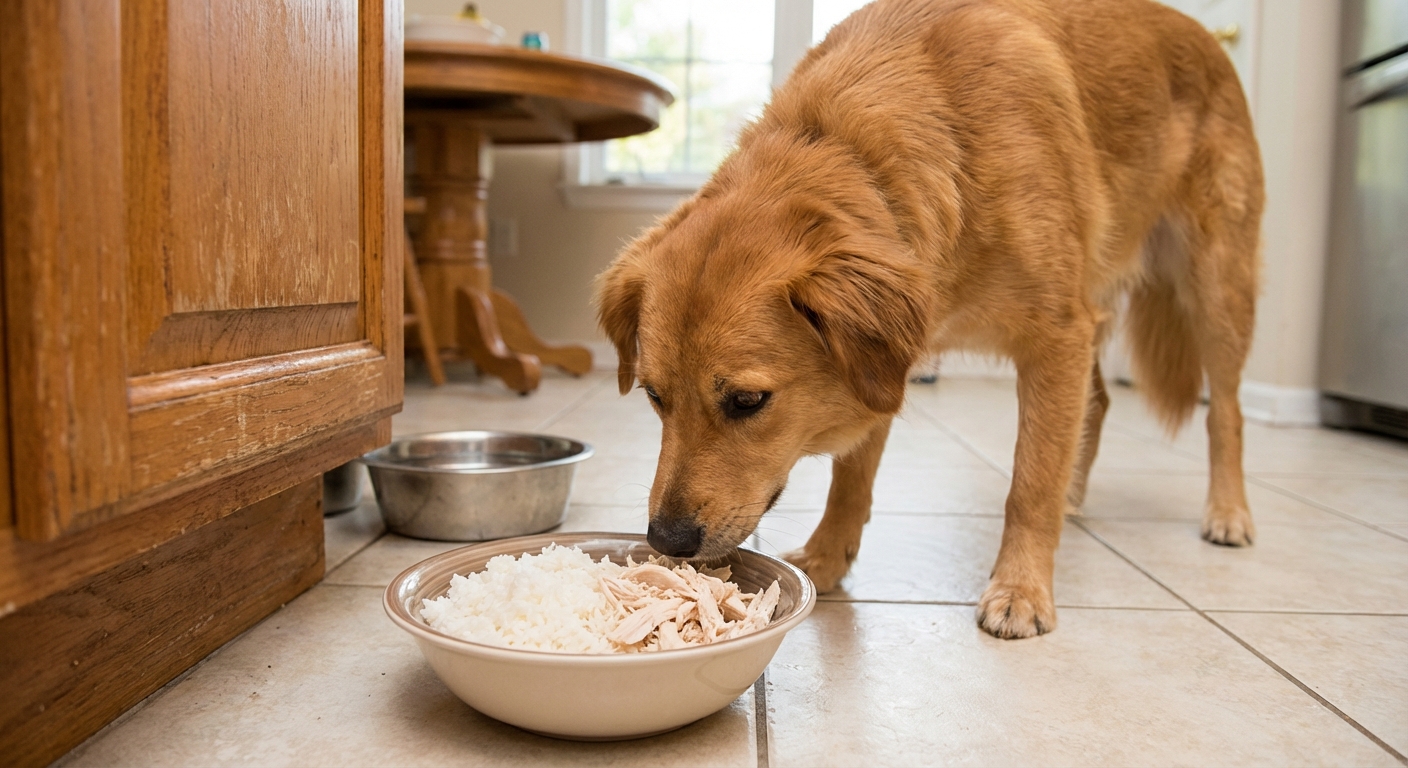
Chicken and rice: shredded boiled chicken + well-cooked white rice, served slightly warm or room temperature.
Pumpkin add-in: add 1 to 2 teaspoons for small dogs, or 1 to 2 tablespoons for medium to large dogs. Pumpkin can help some dogs with loose stool because of its soluble fiber, but dose matters. Too much can cause more gas or looser stool, and some conditions do not respond well to added fiber.
Step 3: Gut support (when appropriate)
Once vomiting settles and your dog can hold down food, a little gut support can help the intestinal lining recover.
Options to ask your vet about
- Probiotics made for dogs: these can help restore healthy gut bacteria after diarrhea or stress
- Prescription or veterinary gastrointestinal diets: especially helpful for recurrent upset stomach
- Small amounts of plain yogurt (only if your dog tolerates dairy): choose unsweetened, no xylitol, no added flavors
Note: Yogurt is optional and not a primary treatment. Many dogs are lactose intolerant. If yogurt causes gas, itching, or looser stool, skip it.
Step 4: Foods and meds to avoid
When your dog’s GI tract is irritated, rich, fatty, or heavily processed foods tend to make things worse. Avoid:
- Fatty meats, bacon, sausage, greasy table scraps
- Dairy (for many dogs), cheese, creamy foods
- Spicy foods and any seasoning blends
- High-fiber raw vegetables (can be too rough on the gut)
- New treats, chews, bones, or bully sticks while symptoms are active
- Toxic foods like onions, garlic, grapes or raisins, macadamia nuts, chocolate, and anything with xylitol
Also avoid giving human over-the-counter meds (like Pepto-Bismol, Imodium, or other antidiarrheals) unless your veterinarian tells you to. Some can be unsafe in certain dogs, can mask serious disease, or can interact with other medications.
Back to normal food (no setback)
The biggest mistake I see in clinic is switching back to regular food too quickly, or tossing in a “just a little treat” because they finally seem better. Once stool is improving and vomiting has stopped, transition gradually over about 4 to 5 days.
Easy transition schedule
- Day 1: 75% bland diet, 25% regular food
- Day 2: 50% bland diet, 50% regular food
- Day 3: 25% bland diet, 75% regular food
- Day 4: 100% regular food
If your dog has a sensitive stomach or had a rough episode, add a slower option:
- Day 5 (optional): stay at 50 to 75% regular food for one extra day before going fully back
If loose stool returns, slow down and step back to the previous ratio for another day.
Feeding tips that help
- Small meals: 3 to 6 mini-meals per day can be easier on the stomach than one or two large meals.
- Keep it plain: no butter, oils, salt, pepper, or sauces.
- Warm slightly: gentle warmth can improve aroma and encourage appetite, especially after nausea.
- No extras: during the bland diet window, make the bland diet the “treats” too. Skip chews, toppers, table scraps, and rich pill pockets that can cause relapse.
- Watch the poop: stool frequency, texture, and color can tell you if you are moving in the right direction.
What recovery often looks like
For a mild upset stomach, many dogs start acting more comfortable within 12 to 24 hours once they are hydrated and eating small bland meals. Stool often firms up over the next 1 to 3 days. If you are not seeing steady improvement, or symptoms return as soon as you reintroduce regular food, it is time to check in with your veterinarian.
Common causes
Sometimes a bland diet is enough. Other times, upset stomach is a clue that something else is going on. Common causes include:
- Diet change or food intolerance
- Eating something new, rich, or spoiled
- Stress, travel, boarding, or schedule changes
- Parasites (including giardia) or bacterial imbalance
- Pancreatitis (often linked to fatty foods)
- Foreign body ingestion
- Medication side effects
If your dog gets frequent GI upset, it is worth discussing a longer-term plan with your veterinarian, including testing, parasite screening (fecal testing is especially helpful if diarrhea persists), and possibly a diet trial.
A quick reminder from the vet assistant side
It is absolutely possible to support your dog with real, pet-friendly foods when their stomach is off. Just remember that short-term bland feeding is not the same as a complete, long-term diet. Once your pup is feeling better, the goal is to get back to balanced nutrition with the right vitamins and minerals for their age, size, and health needs.
When in doubt, go slow. Small portions, simple ingredients, and steady hydration can make a big difference.