Learn liver-friendly homemade dog food strategies: when to restrict copper, pick digestible proteins and gentle carbs, what ingredients to avoid, and simple ...
Article
•
Designer Mixes
Pet-Friendly Dogs and Liver Disease Facts Every Owner Should Know

Shari Shidate
Designer Mixes contributor
Liver disease in dogs can feel scary because the liver does so many jobs at once: filtering toxins, helping digest fats, storing vitamins, and supporting the immune system. The good news is that many liver issues are manageable when you catch them early and work closely with your veterinary team.
As a veterinary assistant, I have seen how fast things can improve when owners recognize subtle signs, get the right testing, and make practical changes at home. Sometimes it starts with something that seems small, like a dog who is “just picky” for a week, but their labwork shows rising ALT and they feel much better once the underlying issue is addressed.
What the liver does
Your dog’s liver is a true multitasker. When it is inflamed or not working well, symptoms can affect many systems, including digestion, energy, skin, behavior, and even the brain.
Main liver functions
- Detoxification: processes medications, chemicals, and normal waste products.
- Bile production: helps digest and absorb fats and fat-soluble vitamins (A, D, E, K).
- Nutrient storage: stores glycogen (energy), iron, copper, and vitamins.
- Protein metabolism: helps build blood proteins and supports clotting factors.
One important fact: the liver has a strong ability to regenerate, so early intervention can make a big difference.
Enzymes vs liver failure
A very common point of confusion is the difference between elevated liver enzymes and liver failure.
- Elevated liver enzymes (like ALT, ALP) often mean liver cells are irritated or stressed, but the liver may still be doing its core jobs.
- Liver failure means the liver is not performing key functions well. This is more likely when you see changes in things like bilirubin, albumin, blood sugar, clotting ability, or bile acids, and when a dog is clearly sick.
That is why your veterinarian looks at the full pattern of results, not a single number.
Common causes
“Liver disease” is a broad term. Your veterinarian’s job is to narrow down the cause, because treatment depends on what is actually happening.
Conditions vets may consider
- Hepatitis (inflammation): can be infectious, immune-mediated, toxin-related, or idiopathic (unknown cause).
- Cholangitis or cholangiohepatitis: inflammation involving bile ducts and liver tissue. These can occur in dogs, although they are generally discussed more often in cats and terminology can vary by clinic and specialist.
- Copper-associated liver disease: excess copper stored in the liver causes damage over time. Some breeds are predisposed, but any dog can be affected.
- Portosystemic shunt (PSS): abnormal blood flow bypasses the liver, often congenital in small breeds, sometimes acquired.
- Drug or toxin-related liver injury: certain medications, poisonous plants, blue-green algae, xylitol, and other toxins can damage the liver.
- Gallbladder and bile flow problems: including gallbladder mucoceles or blockage, which can quickly become serious.
- Other conditions that can raise liver values: endocrine disease like Cushing’s, steroid medications, and some chronic inflammatory conditions can increase certain enzymes (especially ALP) without primary liver failure.
- Infectious disease: in some regions, illnesses like leptospirosis can affect the liver (and kidneys) and require prompt veterinary care.
- Cancer: may start in the liver or spread from elsewhere.
Early signs owners miss
Liver disease can be sneaky at first. Many dogs act mostly normal until the liver is under significant stress. If something feels “off,” trust that instinct and schedule a checkup.
Subtle symptoms
- Lower appetite or getting picky with food
- Vomiting or occasional diarrhea
- Weight loss or muscle loss
- More tired than usual
- Increased thirst or urination
- Behavior changes, seeming “spacey,” or restlessness
More urgent red flags
- Yellow tint to gums, eyes, or skin (jaundice)
- Swollen belly from fluid buildup (ascites)
- Bruising or bleeding more easily
- Neurologic signs like wobbliness, head pressing, disorientation, seizures (can occur with hepatic encephalopathy)
- Very pale stools or very dark urine (stool color can vary for other reasons too, so treat this as a call-your-vet sign)
If you see jaundice, a suddenly bloated abdomen, or neurologic symptoms, seek urgent veterinary care.
How vets diagnose it
There is no single test that tells the whole story. Most veterinarians use a step-by-step approach: lab work, imaging, and sometimes sampling the liver for a definitive answer.
Testing you may hear about
- Bloodwork: liver enzymes (ALT, AST, ALP, GGT), bilirubin, cholesterol, albumin, blood sugar, and more.
- Bile acids test: helps assess liver function and blood flow issues like shunts.
- Urinalysis: can reveal bilirubin, infection, and hydration status.
- Ultrasound: evaluates liver size, texture, bile ducts, gallbladder, and blood flow patterns.
- Coagulation testing: checks clotting ability before procedures.
- FNA (fine needle aspirate): may help screen for certain cancers or infections, but it does not evaluate liver architecture well.
- Liver biopsy: often needed for definitive answers such as copper quantification, diagnosing and staging chronic hepatitis, and clarifying some cancers.
Ask your veterinarian what they are trying to rule in or rule out with each test. It helps you understand the plan and the why behind the cost.
Home care support
Home care is not a substitute for veterinary treatment, but it absolutely supports recovery. The goal is to reduce liver workload, prevent toxin exposure, and keep nutrition steady.
Nutrition basics
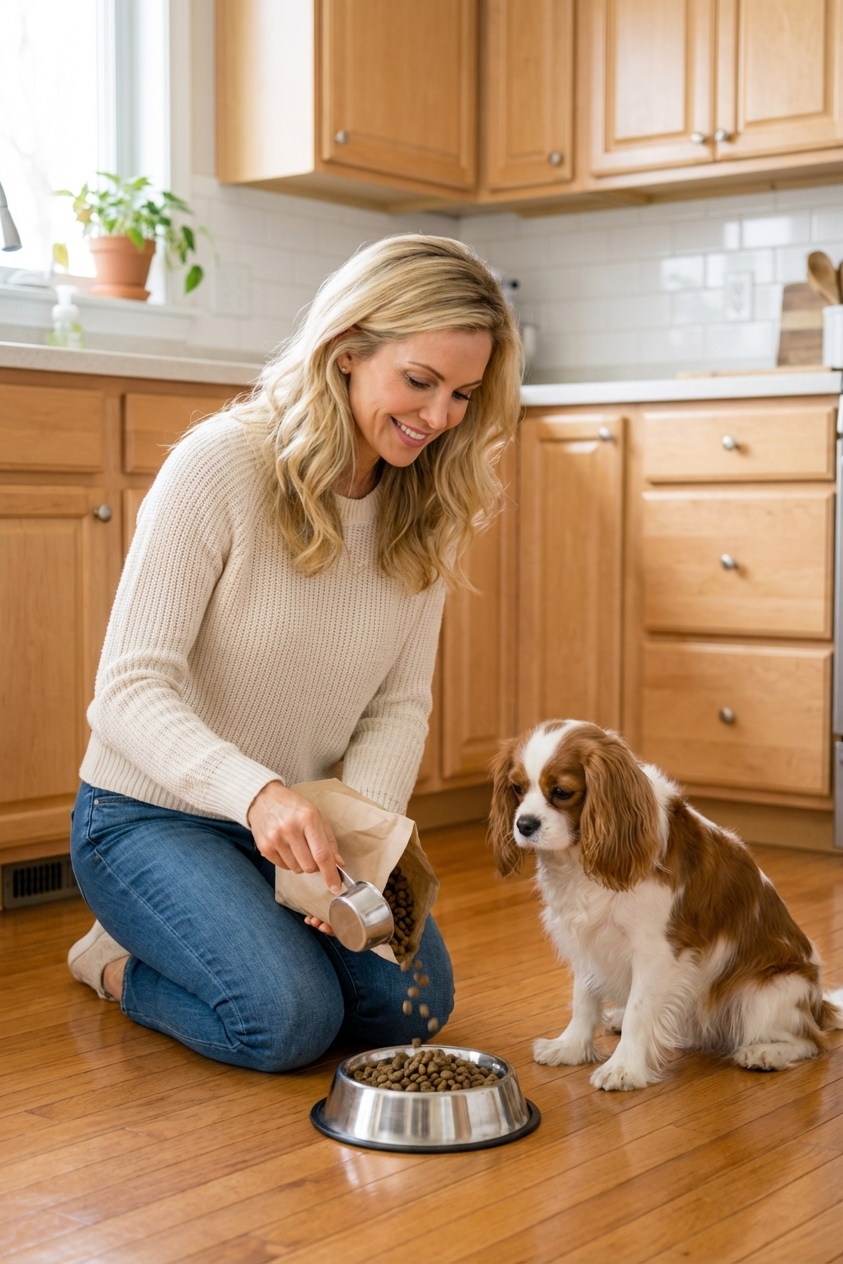
- Feed highly digestible meals to reduce GI stress.
- Do not restrict protein unless your veterinarian specifically tells you to. Over-restricting can worsen muscle loss and slow recovery.
- Use the right protein approach for the diagnosis. Many dogs do well with moderate, high-quality protein, while dogs with hepatic encephalopathy may need a more specialized plan.
- Keep fats appropriate based on your dog’s digestion and your vet’s guidance.
- Consistent meal timing helps stabilize energy and can reduce nausea.
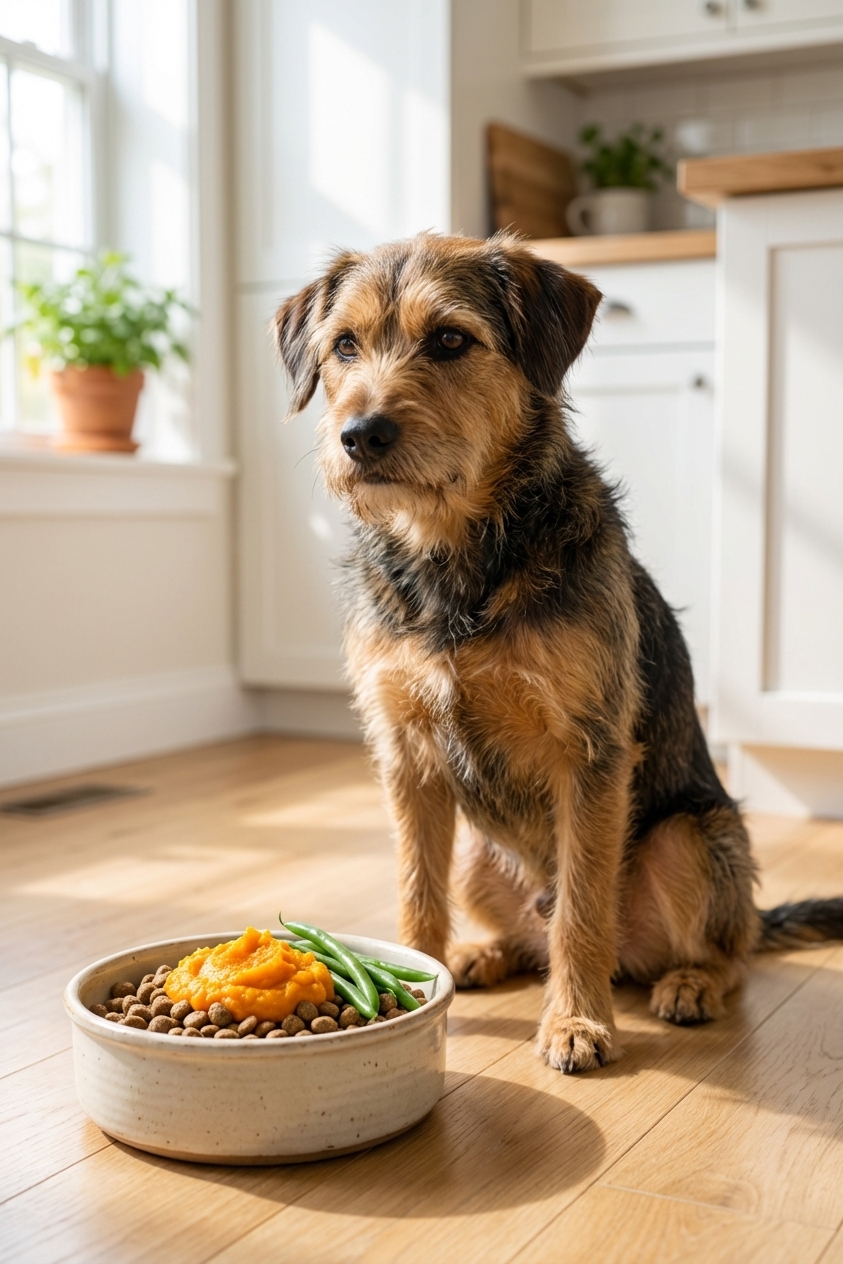
If you want to do homemade meals, please do it with a veterinary nutritionist or a vet-approved recipe. Liver disease is one of those conditions where well-intended DIY can accidentally create deficiencies or worsen the problem.
Environment and lifestyle
- Lock up toxins: xylitol, rodenticides, certain plants, essential oils, human medications, and cleaning products.
- Avoid random supplements: “detox” products and megadoses of vitamins can stress the liver.
- Keep exercise gentle: short, calm walks are often better than intense activity during flare-ups.
- Track symptoms: appetite, water intake, stool color, vomiting, energy, and belly size.
Medications and supplements
Many dogs with liver disease are prescribed medications or supplements that protect liver cells, improve bile flow, reduce inflammation, or help with nausea and appetite. The right choice depends on the diagnosis and on whether bile can flow normally.
Common vet-guided options
- SAMe (S-adenosylmethionine): supports liver antioxidant pathways in many cases.
- Silybin or milk thistle extracts: used for antioxidant support, quality and dosing matter.
- Ursodeoxycholic acid (ursodiol): can improve bile flow in certain cholestatic conditions, and is typically avoided if there is suspected complete bile duct obstruction.
- Lactulose and antibiotics: used for hepatic encephalopathy to reduce ammonia-related toxins.
- Prescription hepatic diets: formulated to meet nutrient needs while being easier on the liver.
Do not start supplements without your veterinarian’s input, especially if your dog is on other medications. “Natural” does not automatically mean safe for a compromised liver.
Foods and treats to avoid
Treats seem small, but in liver disease they add up quickly. You want simple ingredients and consistent nutrition.
Avoid or use only with veterinary guidance
- High-fat table scraps (bacon, greasy meats) that can worsen nausea, raise pancreatitis risk, and complicate recovery in liver patients.
- Jerky treats of unknown origin and any treat with questionable sourcing.
- Excess liver treats unless your veterinarian says they are okay for your dog’s specific condition.
- High-copper foods if your dog has confirmed or suspected copper-associated disease (your vet can guide you).
- Unapproved medications including certain human pain relievers that can be dangerous.
Better treat ideas to ask about include small pieces of cooked lean protein, certain fruits or vegetables, or a portion of your dog’s balanced diet used as treats.
Monitoring and rechecks
With liver disease, monitoring is often as important as the first diagnosis. Recheck timing varies by the situation, but it is common to recheck labs sooner during flare-ups or medication changes, and then less often once a dog is stable.
What trends matter
- How your dog feels: appetite, energy, vomiting, stool quality, and behavior often matter as much as the numbers.
- Enzyme trends: whether ALT, ALP, and GGT are rising or improving over time.
- Function markers: bilirubin, albumin, blood sugar, and sometimes bile acids.
- Safety markers: clotting tests may be rechecked if there are bleeding concerns or before procedures.
If you are not sure what you should be watching at home, ask your clinic to help you build a simple monitoring plan.
When to call the vet
If your dog has known liver disease, it helps to have a clear plan for “what’s normal for my dog” versus “this needs care today.”
Call promptly if you notice
- Vomiting that repeats or prevents eating and drinking
- New jaundice, dark urine, or very pale stools
- Belly swelling or sudden weight changes
- Disorientation, wobbliness, or unusual behavior
- Loss of appetite lasting more than 24 hours
Helpful questions
- What is the most likely cause of my dog’s liver changes?
- Which test results matter the most right now and why?
- Should we do bile acids testing or ultrasound next?
- What diet do you recommend and what treats are acceptable?
- What signs mean we should go to the emergency clinic?
- When should labs be rechecked?
Owner note: take a quick photo of your dog’s gums and eyes in good lighting if you suspect yellowing. It helps your vet compare changes over time.
Living well with a diagnosis
Prognosis varies widely depending on the cause. An acute toxin exposure is very different from chronic hepatitis, and a congenital shunt has different goals and options than age-related liver changes. The most helpful mindset is to focus on the plan in front of you: confirm the cause, treat what is treatable, and monitor response.
Many dogs with liver disease still enjoy a happy, comfortable life, especially when owners stay consistent with diet, medication, and follow-up testing. Think of it like teamwork: your veterinary team handles diagnosis and medical management, and you handle the daily routines that keep your dog stable.
If you are overwhelmed, start with the basics: schedule the recheck, feed the recommended diet, stop unapproved supplements, and keep a simple symptom log. Those small steps are powerful.