Chicken and rice can soothe mild stomach upset and help dogs transition back to normal food. Learn safe recipes, portions, how long to feed it, and when to c...
Article
•
Designer Mixes
Pet-Friendly Coughing Dog Care and Training Tips

Shari Shidate
Designer Mixes contributor
If your dog is coughing, it is easy to feel torn between two instincts: comfort them right now and figure out what is going on. As a veterinary assistant here in Frisco, Texas, I have seen that many coughs are mild and short-lived, but some need prompt veterinary care. The goal is to keep your pup safe, reduce irritation, and use training to prevent coughing triggers like pulling on leash, overexcitement, and smoke or scent exposure.

First, what does “cough” sound like?
Dogs cough for different reasons, and the sound plus the context can offer clues. You do not need to diagnose at home, but noticing patterns helps your vet help you faster.
- Dry, honking cough: often associated with infectious tracheobronchitis, commonly called kennel cough, or with tracheal irritation.
- Gagging or retching after coughing: can happen with kennel cough, throat irritation, reflux, or post-nasal drip.
- Wet, “productive” cough: may sound moist or crackly, and some dogs swallow mucus after they cough. This can be seen with pneumonia, fluid in the lungs, or severe airway inflammation.
- Coughing at night or when lying down: can be associated with heart disease in some dogs, especially left-sided congestive heart failure with fluid buildup in the lungs. It can also happen with non-cardiac issues (like airway disease or post-nasal drip), so the pattern is a clue, not a diagnosis.
- Coughing during meals or after drinking: may suggest trouble swallowing, laryngeal issues, reflux, or aspiration risk.
- Reverse sneezing: looks dramatic, but it is typically a noisy inhale episode rather than a cough. Many dogs recover quickly with calm reassurance.
Tip: Take a 10 to 20 second video of the episode. A short clip can be more useful than a long description.

When coughing is an emergency
Please do not wait and see if you notice any of the signs below. These can indicate respiratory distress or a serious underlying issue.
- Blue, gray, or very pale gums or tongue
- Open-mouth breathing at rest or obvious struggle to breathe
- Collapse, extreme weakness, or fainting
- Coughing up blood or pink, foamy fluid
- A swollen belly plus labored breathing
- Suspected choking or foreign object exposure
- A puppy, senior dog, or immunocompromised dog that is coughing and lethargic
If you suspect choking and your dog cannot breathe, seek emergency care immediately.
Common causes of coughing in dogs
Here are frequent, vet-confirmed reasons dogs cough. Some are contagious. Others are environmental or chronic. Your veterinarian will decide what testing is appropriate, which may include a physical exam, chest radiographs, heartworm testing, fecal testing for some lungworms (often via a Baermann test), bloodwork, or airway evaluation.
Infectious respiratory disease
Dogs can catch contagious respiratory infections anywhere dogs share airspace, especially in enclosed or crowded settings like grooming, daycare, parks, boarding, and training classes. Transmission risk is generally lower outdoors on open sidewalks, but close nose-to-nose greetings or walking through a busy, dog-dense area can still spread germs. Vaccines reduce risk and severity but do not always prevent infection entirely. Many uncomplicated cases improve with rest and supportive care, but some dogs need medication, especially if fever, pneumonia, or significant inflammation develops.
Airway irritation and allergies
Smoke, strong fragrances, dusty rooms, household sprays, seasonal pollens, and dry air can all irritate the airway. Some dogs cough more during spring and fall when environmental allergens spike.
Leash pressure and collar-related coughing
Dogs that pull can repeatedly compress and irritate the trachea. Over time, that can worsen coughing, especially in small breeds or dogs with sensitive airways.
Chronic bronchitis
Some dogs develop long-term airway inflammation that needs veterinary management. These dogs often cough for weeks to months, especially with excitement, exercise, or cold air.
Heart disease
Coughing can occur with certain heart conditions, especially when fluid backs up in the lungs. This is more common in older dogs, small breeds, and dogs with a heart murmur history, but it can affect any dog.
Heartworm disease
Heartworms can cause coughing and exercise intolerance. Prevention is much easier than treatment. If your dog is not on year-round prevention, ask your veterinarian what is best for your area and lifestyle.
Common look-alikes
Not every “cough” is a cough. These patterns are worth mentioning to your vet, and video helps a lot here.
- Regurgitation: food or liquid comes back up with little effort (often more passive than vomiting).
- Vomiting: active heaving and abdominal effort.
- Grass or throat tickle gagging: brief gagging after chewing grass or during a walk.
- Tracheal collapse: common in toy breeds, often a goose-honk cough that flares with pulling or excitement.
- Brachycephalic airway issues: flat-faced dogs may have noisy breathing that can be mistaken for coughing.
- Reflux (GERD): throat clearing, lip licking, swallowing, cough that’s worse after meals or at night.
Pet-friendly home care for a coughing dog
Home care should never replace a veterinary exam when the cough is persistent, worsening, or paired with other symptoms. But these steps can reduce irritation and help your dog rest while you monitor.
1) Rest the airway
Skip strenuous play and long runs for a few days. Excitement and heavy panting can inflame irritated airways and prolong coughing.
2) Switch to a harness for walks
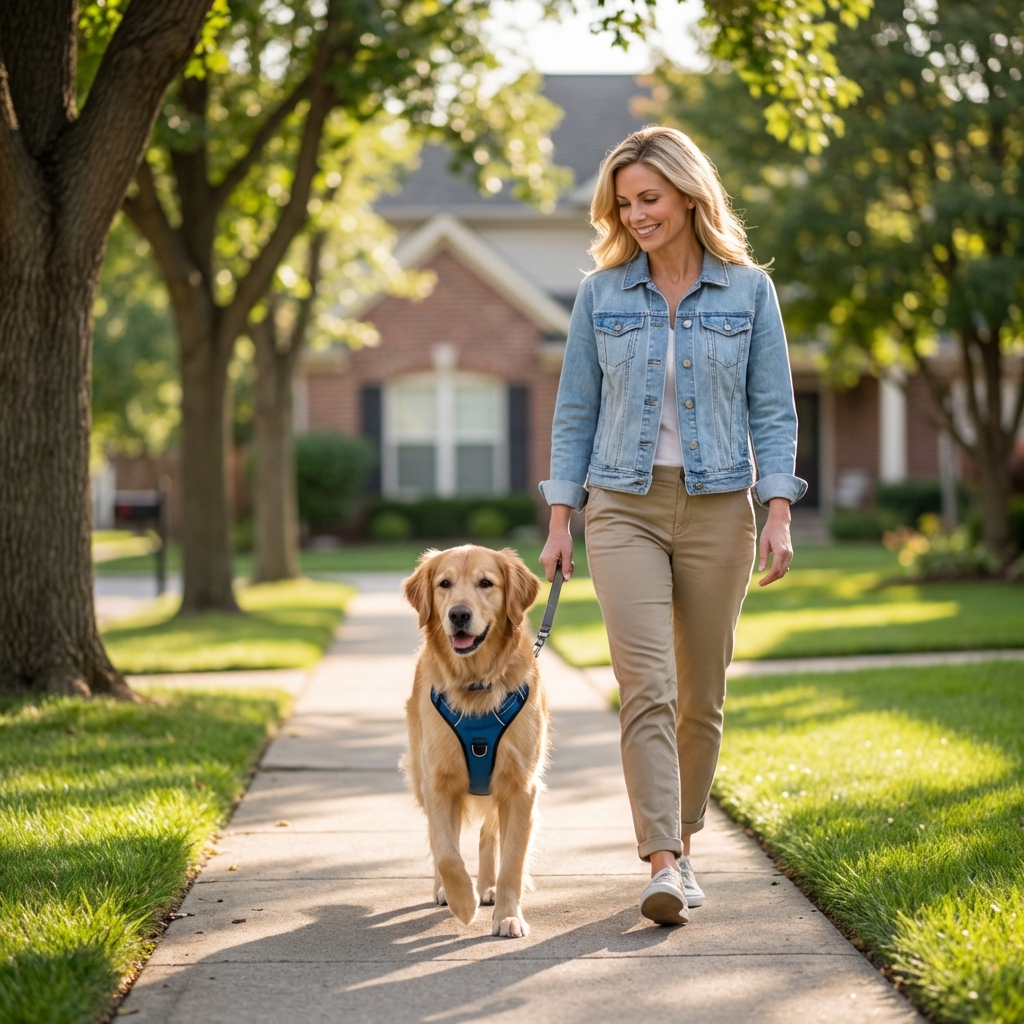
A well-fitted front-clip harness often reduces pulling pressure and keeps pressure off the trachea. If your dog already uses a harness, check that it does not rub the armpits or restrict shoulder movement.
3) Use humidity wisely
A cool-mist humidifier in the sleeping area can be a comfort measure for some mild, uncomplicated coughs. Keep it clean to prevent mold and bacteria buildup. Humidity does not treat pneumonia or heart disease, and it should never replace timely veterinary care, especially if your dog has fast or labored breathing, low energy, or worsening symptoms.
4) Create a low-irritant environment
- Avoid smoke, candles, incense, and diffusers.
- Skip aerosol cleaners and heavy fragrances.
- Vacuum and wash bedding to reduce dust and dander.
- Use unscented laundry products where possible.
5) Hydration and gentle nutrition
Offer fresh water and consider adding moisture to meals if your dog tolerates it. Warm water added to kibble or a vet-approved wet food can support hydration. If your dog has vomiting, diarrhea, reduced appetite, or any chronic condition, check with your veterinarian before changing food.
6) Do not use human cough medicine unless your veterinarian instructs you
Many human products are unsafe for dogs or interact with medications. Even “natural” products can be risky. The safest plan is to call your veterinary clinic and ask what is appropriate for your dog’s weight, age, and medical history.
Practical rule: If your dog’s cough is harsh, worsening, or comes with fever, lethargy, appetite loss, or fast breathing, schedule a veterinary visit as soon as you can. If a mild cough is not improving within 48 to 72 hours, it is also smart to check in with your vet. And anytime you are worried, you are allowed to call.

Training tips to reduce triggers
Training does not “cure” respiratory disease, but it can make a huge difference for coughs made worse by pulling, excitement, or stress. Think of training as reducing throat irritation and giving your dog better recovery time.
Leash manners that protect the trachea
If pulling triggers coughing, your number one training goal is a loose leash.
- Choose the right gear: front-clip harness is a great starting point. Head halters can help some strong pullers, but they should be fitted by a professional and may not be appropriate for dogs with respiratory compromise or neck pain. When in doubt, ask your vet or trainer.
- Reward position: treat at your knee, not out in front. This encourages walking close without pressure.
- Be a tree: when leash tightens, stop. The moment the leash loosens, mark and reward, then move forward.
- Short, frequent sessions: 5 to 10 minutes, two to three times a day, keeps arousal low.
Teach a calm default behavior
Overexcitement can trigger coughing fits in sensitive dogs. A “settle” cue helps.
- Pick a mat or bed.
- Toss one treat onto the mat and quietly praise when your dog steps on it.
- Feed a slow stream of treats while they remain on the mat.
- Gradually increase calm time before treating.
This is a gentle way to lower arousal during doorbell moments or when guests arrive.
Replace barking with an incompatible behavior
Barking can inflame the throat and trigger coughing. Instead of correcting barking harshly, teach a replacement behavior.
- “Touch” (nose to hand): gives your dog a simple job and pulls focus away from triggers.
- “Find it”: toss a few treats on the floor to encourage sniffing, which is often calming.
- “Look”: reward eye contact to reduce frantic scanning.
If you suspect kennel cough
If your dog has a new honking cough or has recently been around other dogs, act as if it could be contagious until proven otherwise.
- Pause group activities: skip daycare, boarding, grooming, dog parks, and training classes.
- Avoid nose-to-nose greetings: keep space on walks.
- Use your own bowls and toys: do not share in public spaces.
- Call your veterinarian: they may recommend an exam or specific guidance based on your dog’s age and symptoms.
Many dogs recover well with time, rest, and the right veterinary support. Isolation is often recommended for about 10 to 14 days, but the best timeframe depends on the cause and your vet’s guidance.
What to track at home
Keep notes for a few days. It makes your appointment more efficient and can prevent unnecessary trial and error.
- When the cough started and whether it is getting better or worse
- How many episodes per day and what triggers them (walking, excitement, nighttime)
- Any nasal or eye discharge and its color
- Energy level, appetite, and water intake
- Vomiting, diarrhea, gagging, regurgitation, or swallowing changes
- Coughing after drinking water or during meals
- Recent exposure to boarding, grooming, parks, or sick dogs
- Current medications and supplements
- Vaccination and heartworm prevention status
Bonus: resting breathing rate
If your dog is calm or asleep, count breaths for 30 seconds and multiply by 2. Share that number with your vet, especially if coughing is worse at night or your dog seems tired. A consistently rising resting rate is a good reason to call sooner.
Prevention that helps
Some coughs are not preventable, but many are. Focus on the basics that protect the airway and immune system.
- Vet-recommended vaccines: talk to your clinic about Bordetella and canine influenza based on your dog’s lifestyle.
- Year-round parasite prevention: ask about heartworm prevention and testing schedules.
- Healthy weight: extra weight can make breathing harder and reduce stamina.
- Low-irritant home: reduce smoke and strong scents.
- Harness and training: consistent loose-leash walking protects the throat.
Most importantly, trust your instincts. If your dog seems “off,” you are allowed to get them checked out. Early care is usually simpler and kinder.