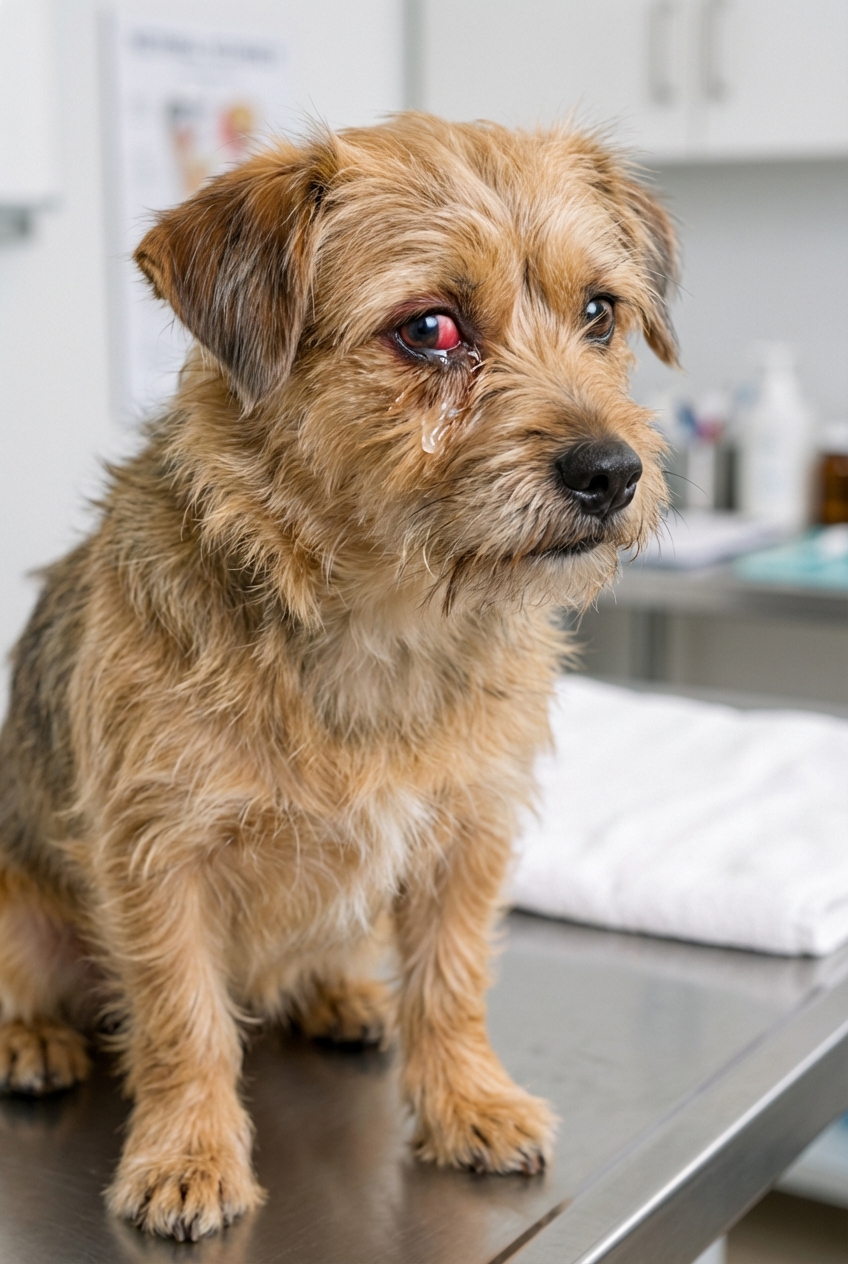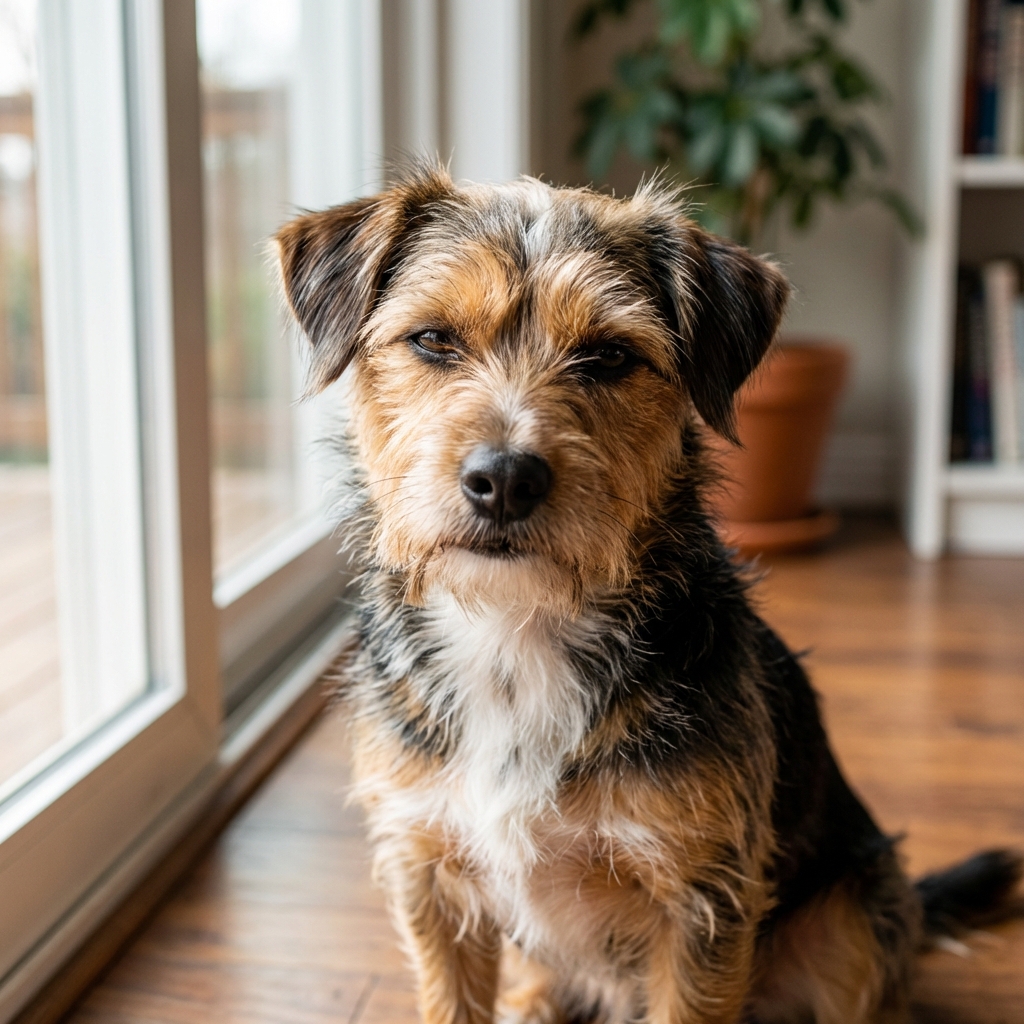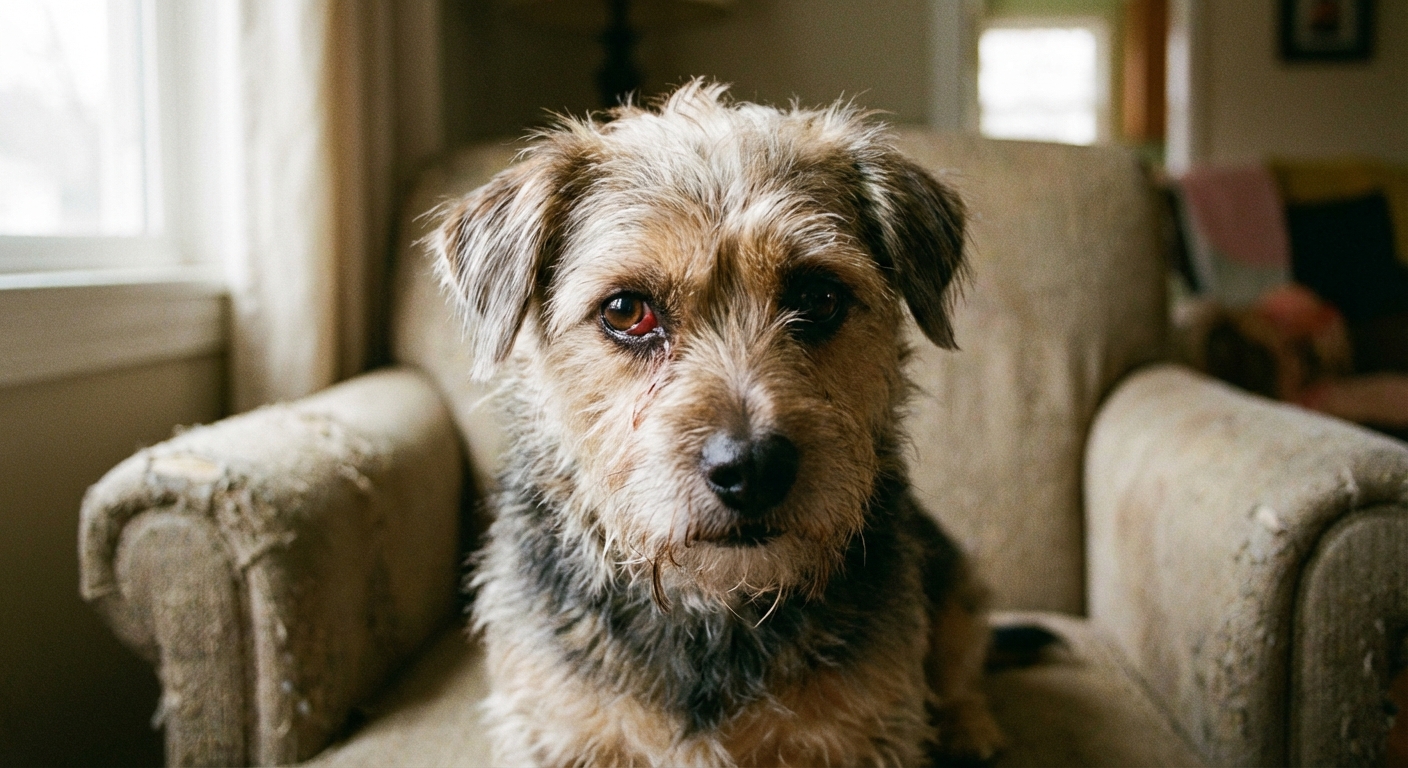
Track conjunctivitis symptoms in dogs from watery eyes to redness and green discharge. Learn safe at-home care, common causes, and urgent warning signs that ...
Article
•
Designer Mixes
Pet-Friendly Conjunctivitis in Dogs Quick Guide

Shari Shidate
Designer Mixes contributor
When your dog’s eyes look red, puffy, or have goopy discharge, it is easy to worry. As a veterinary assistant here in Frisco, Texas, I see this all the time. The good news is that many cases of conjunctivitis are very treatable once you know what you are dealing with and when it is time to call the vet.
This quick guide will help you recognize conjunctivitis, support your pup safely at home, and avoid the common mistakes that can make eye problems worse. I also want to be clear: I cannot diagnose your dog online, and red eyes have a few look-alike causes that need different care.
What it is
Conjunctivitis means inflammation of the conjunctiva, the thin, moist tissue that lines the inside of the eyelids and covers the white part of the eye. When irritated (by allergy or trauma) or infected, it often looks red and swollen and produces discharge.
Conjunctivitis is common, but it is also a “look-alike” condition. Other problems like corneal ulcers, glaucoma, dry eye, or a foreign body can start with similar symptoms and need different treatment.
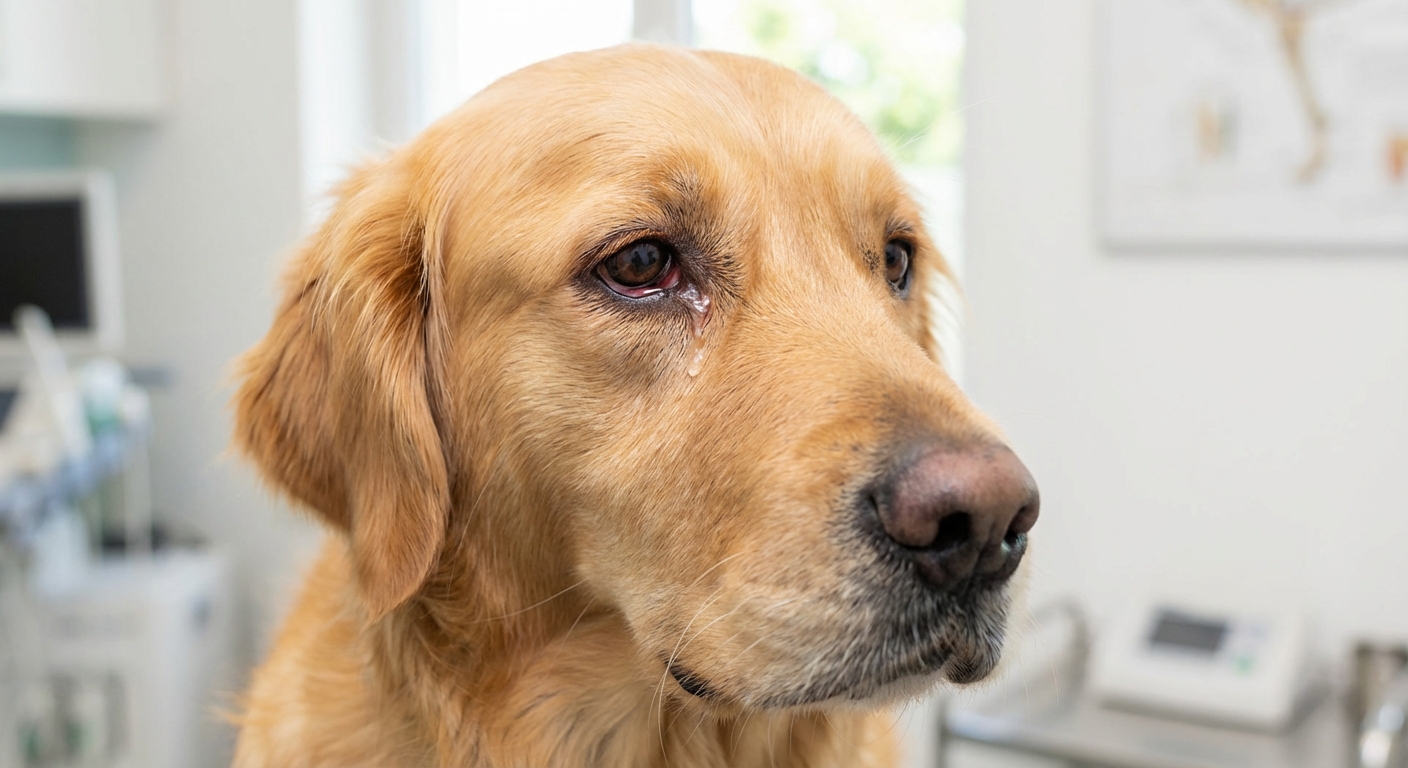
Common signs
- Redness in the whites of the eyes
- Discharge (clear and watery, thick mucus, or yellow-green)
- Squinting or holding one eye partly closed
- Excess tearing or wet fur under the eye
- Pawing at the eye or rubbing face on furniture or carpet
- Swollen eyelids
- Crusting on the lids, especially after sleep
Tip: If your dog is squinting, acting painful, or the eye looks cloudy or blue, treat it as urgent. Pain plus eye symptoms is a big clue that something more than simple conjunctivitis may be going on.
Why it happens
Conjunctivitis is a symptom, not a single cause. Here are the most common triggers:
Allergies and irritants
- Seasonal allergies (pollen, mold)
- Dust, smoke, grooming sprays, shampoo, pool chemicals
- Windy days, grass, or sand irritation
Infections
- Bacterial infections can cause thicker yellow-green discharge, but discharge color alone does not confirm the cause. Dry eye, foreign bodies, and severe irritation can look similar.
- Viral causes are less common in dogs than in cats. Primary viral conjunctivitis is uncommon, and in vaccinated dogs, classic viral diseases like distemper are rare.
Foreign bodies and trauma
- Seeds, foxtails, dirt, or a scratch from rough play
- Hair rubbing the eye (common in some fluffy mixes)
Underlying eye issues
- Dry eye (keratoconjunctivitis sicca)
- Eyelid or eyelash problems that cause rubbing
- Blocked tear drainage
Call the vet now
Eye issues can escalate fast. Contact your veterinarian promptly if you notice any of the following:
- Squinting or obvious pain
- Cloudy, blue, or white haze on the surface of the eye
- Bulging eye or the eye looks suddenly larger
- Severe redness or swelling
- Yellow-green discharge that keeps returning
- Light sensitivity or your dog hides from bright light
- Injury (scratch, bite, chemical exposure)
- Symptoms lasting more than 24 to 48 hours despite gentle home care
- History of dry eye or chronic eye problems
- Higher-risk breeds like pugs, bulldogs, shih tzus, and other flat-faced dogs, or any dog with prominent eyes. These pups can ulcer more easily, so I recommend getting them seen sooner rather than later.
If you can, take a clear photo in good lighting before your appointment. That helps show what changed over time.
Safe home care
Home care is about comfort and keeping the eye clean while you arrange care or while mild irritation resolves. Think of it like “supportive care,” not a substitute for diagnosis.
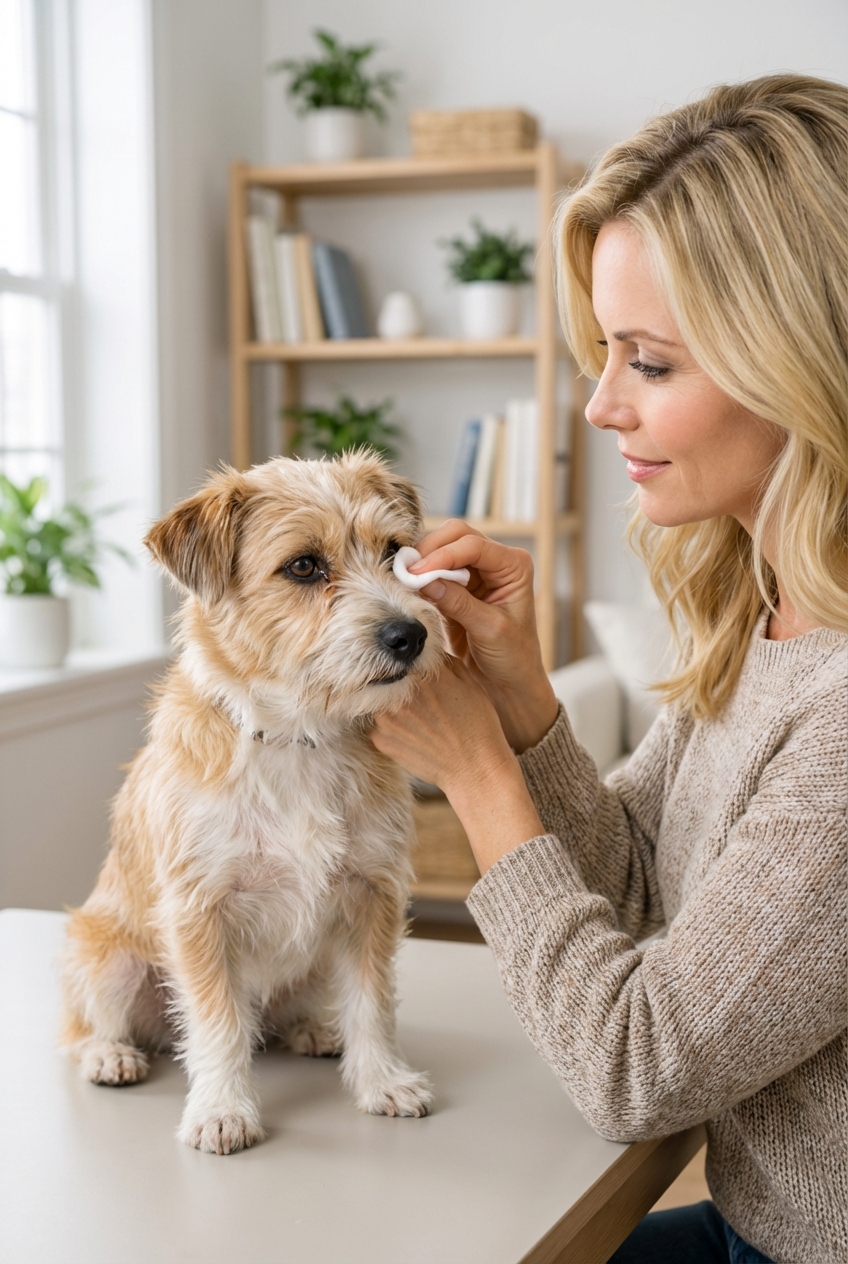
1) Clean away discharge
- Use a clean, soft cotton pad or gauze for each eye.
- Wipe from the inner corner outward.
- Do not reuse the same pad on both eyes.
2) Rinse with sterile saline
- Plain sterile ophthalmic saline (not contact lens solution with disinfectants) can help flush mild irritants.
- Use clean hands and avoid touching the bottle tip to the eye or fur. If the bottle tip gets contaminated, replace it.
- Do not force the eyelids open if your dog is painful or tightly squinting.
3) Warm compress for crusting
- A warm, damp cloth held gently against the closed eyelid for 30 to 60 seconds can soften crusts.
- Keep it comfortably warm, not hot.
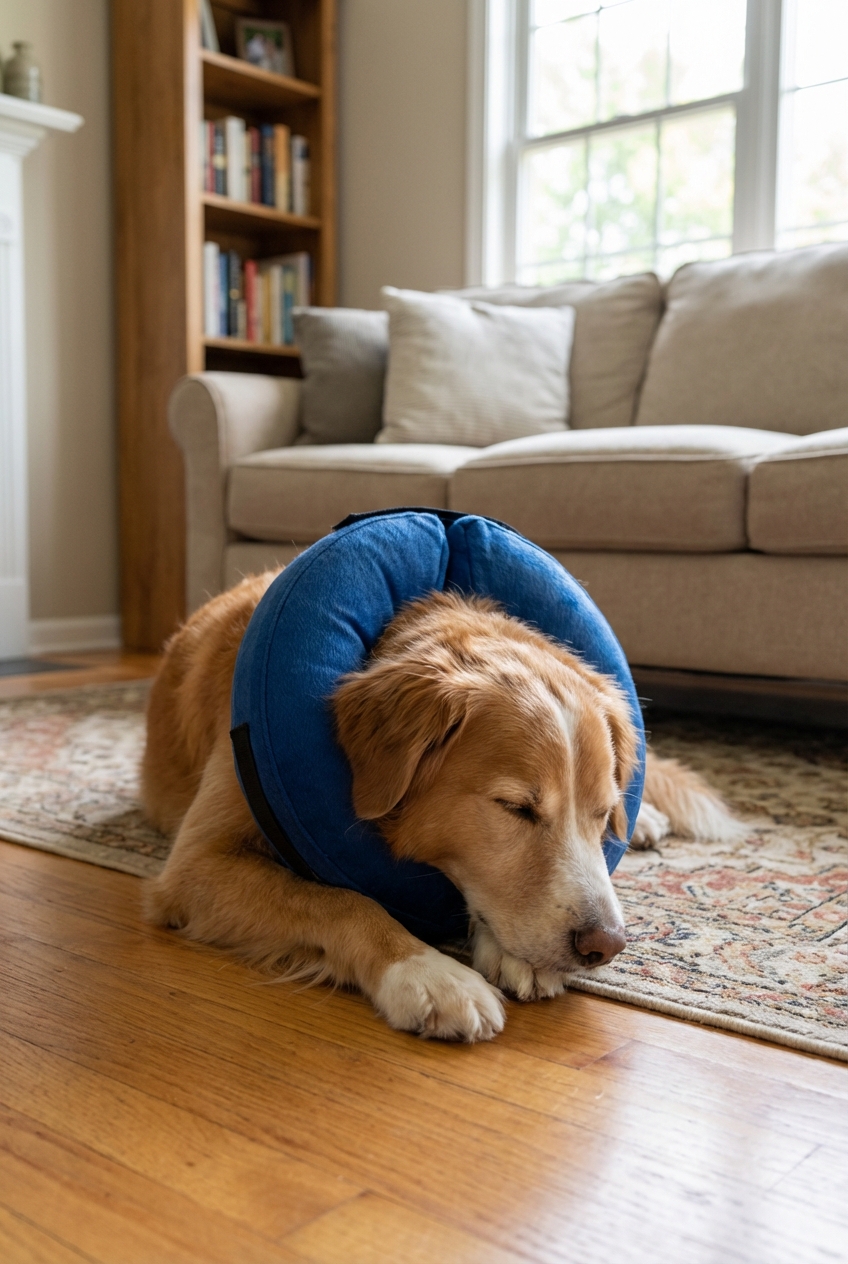
4) Prevent rubbing
- If your dog is pawing at the eye, use an E-collar or soft cone. Rubbing can turn a small irritation into a corneal ulcer.
5) Practice basic hygiene
- Some infectious causes can be contagious between dogs. Wash your hands after handling eye discharge and do not share towels or bedding between pets until you know what is going on.
Safe rule: If you are not sure what is causing the red eye, focus on cleaning, rinsing with sterile saline, and stopping rubbing until your vet can look at it.
What to avoid
Eyes are delicate, and the wrong product can cause lasting damage. These are the most common well-meaning mistakes I see:
- Do not use human eye drops unless your veterinarian tells you to. Some are not appropriate for pets, and steroid-containing drops or “redness relief” drops can be especially risky if there is an ulcer or glaucoma.
- Do not use leftover prescription drops from a previous pet or a prior episode. If there is a corneal ulcer, steroid drops can slow healing and worsen damage.
- Do not use essential oils near the eyes. Many are irritating and unsafe.
- Do not use homemade rinses (like tea) or anything non-sterile in the eye. Infection risk is not worth it.
- Do not try to remove embedded objects or press on the eye. If you suspect something is stuck in or on the eye, keep your dog from rubbing and head to the vet.
- Do not wait it out if your dog is squinting, painful, or the eye looks cloudy.
What the vet may do
Eye appointments often move quickly, but there is a lot of smart testing happening behind the scenes.
- Fluorescein stain to check for corneal ulcers or scratches
- Schirmer tear test to check tear production for dry eye
- Eye pressure check if glaucoma is a concern
- Exam under the eyelids to look for foreign material
- Medication such as antibiotic drops or ointment, allergy medication, or lubricating drops depending on the cause
Follow directions carefully. Some eye meds are very timing-dependent, and stopping antibiotics or anti-inflammatory drops early can cause a flare-up.
Quick checklist
Use this as a gentle guide, not a diagnosis.
More likely mild
- Watery tearing
- Mild pinkness
- Normal energy and appetite
- No squinting, no cloudiness
Needs prompt care
- Squinting or obvious pain
- Thick yellow-green discharge
- Cloudy or bluish eye surface
- Eye kept closed
- Symptoms not improving within 24 to 48 hours
Prevention tips
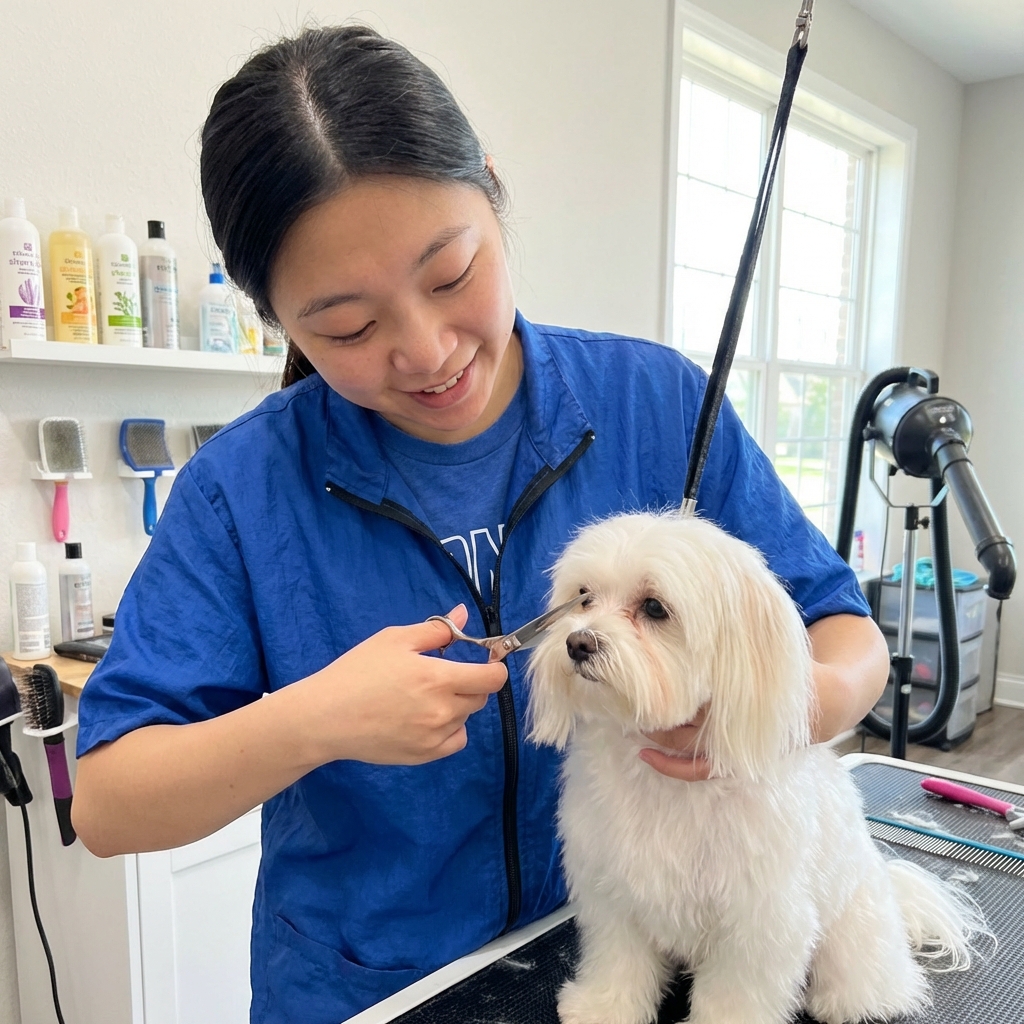
- Groom face hair so it does not poke or rub the eyes (common in doodle mixes and fluffy terrier mixes).
- Rinse after dusty outings with sterile saline if your dog is prone to irritation.
- Control allergies with your veterinarian’s guidance, especially in peak seasons.
- Avoid smoke and strong sprays around your dog’s face.
- Stay on top of eye discharge so it does not crust and trap bacteria.
A final word
Most red, irritated eyes have a straightforward solution, but eyes are delicate, and dogs are very good at hiding discomfort. If you are seeing squinting, cloudiness, or discharge that looks thick and yellow-green, trust your instincts and schedule a vet visit. You are not overreacting. You are protecting vision.
If your dog has recurring conjunctivitis, ask your veterinarian about dry eye testing and allergy management so you can address the root cause instead of chasing symptoms.