
Designer Mixes
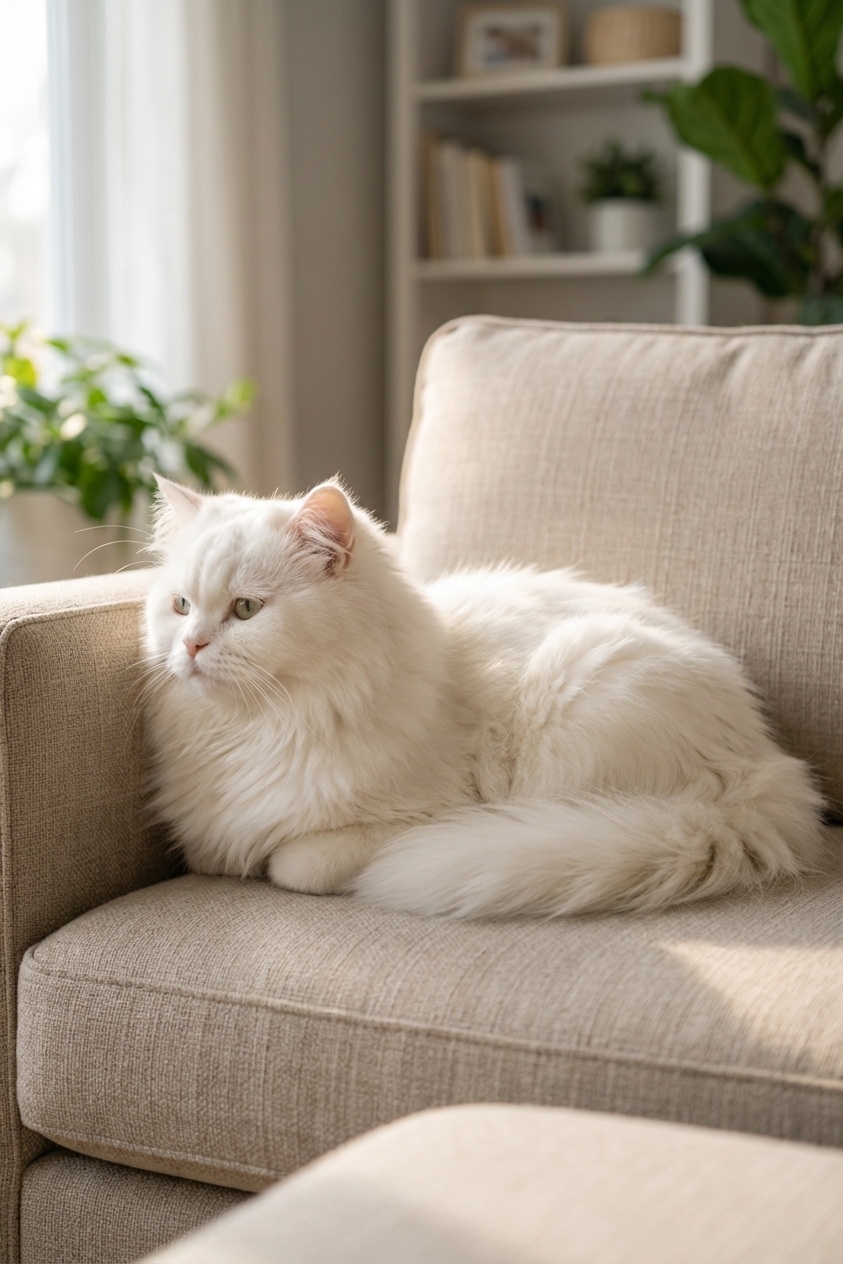
Breed overview
- Size: Medium
- Weight: About 7 to 12 pounds (some may be larger)
- Lifespan: Often 12 to 16 years, sometimes longer with excellent care
- Coat: Long, dense, high grooming needs
- Energy level: Low to moderate
Why people fall in love with Persians
Persian cats are famous for their sweet, calm presence and their beautiful, flowing coats. If you want a quiet companion who prefers cozy routines over constant chaos, a Persian can be a wonderful match.
That said, Persians are not a low-maintenance breed. Their long coat needs steady, hands-on grooming, and their flat face can come with real health considerations, especially around breathing and eyes. The good news is that with a simple daily routine, most Persian families find the care very manageable.
Persian personality
Temperament
Most Persians are gentle, affectionate, and easygoing. They often bond closely with their people, but they are typically not demanding in the way some more vocal breeds can be. Many Persians prefer to sit near you, follow you from room to room, and enjoy being petted when they are in the mood.
- Calm and predictable: Persians usually do best with consistent schedules and quieter households.
- Affectionate but not intense: Many enjoy lap time, but they also appreciate personal space.
- Moderate play drive: Short play sessions are often plenty, especially with wand toys and gentle games.
Good fit for what kind of home?
Persians are often happiest indoors in a comfortable, low-stress environment. They can do well with respectful kids and calm pets, but they tend to prefer a home where they are not being chased, carried around constantly, or exposed to loud commotion.
Grooming needs for that long coat
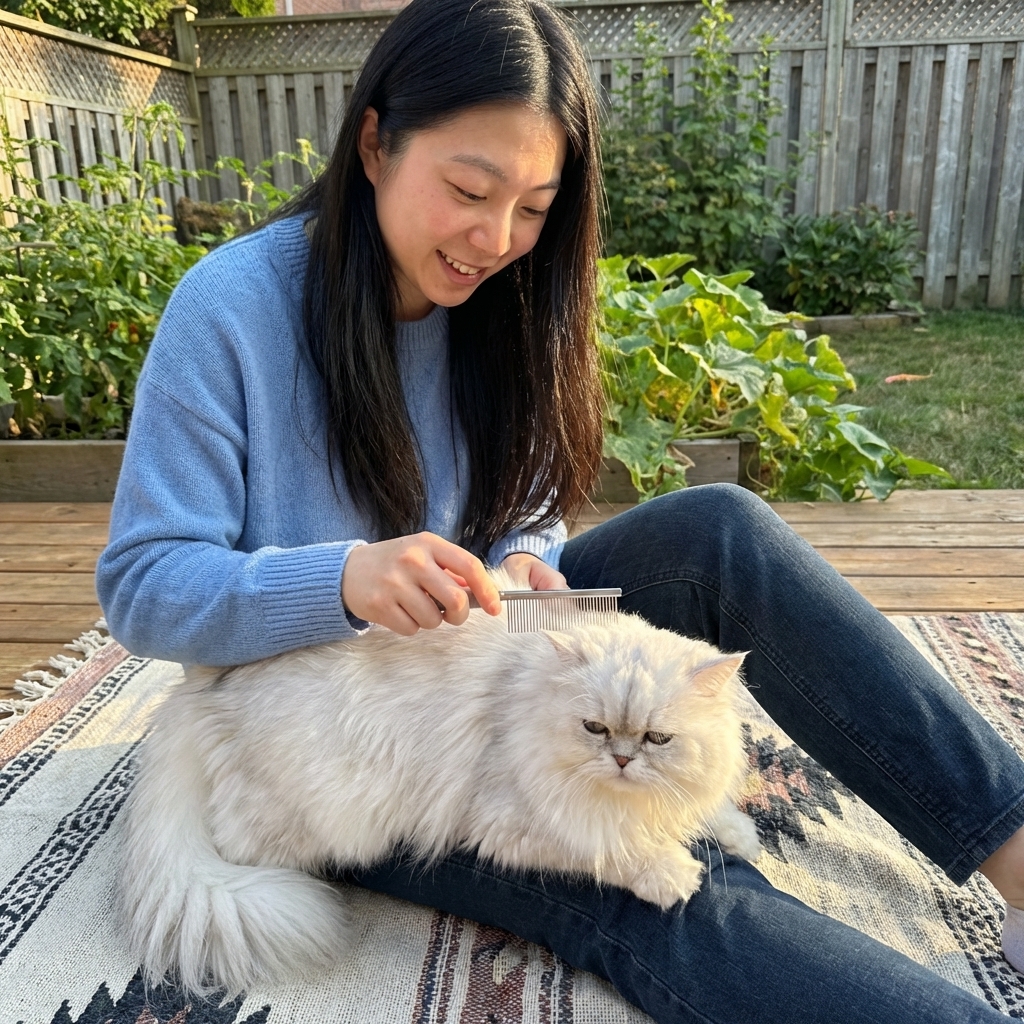
Persian coats are dense and prone to tangles, mats, and hair buildup. Mats are not just a cosmetic issue. They can pull at the skin, trap moisture, and contribute to irritation or infection. If you stay ahead of it, grooming becomes a calm bonding routine instead of a wrestling match.
Daily brushing and combing
- Plan on daily grooming: A quick session is usually easier than trying to fix mats later.
- Use a comb, not just a brush: A wide-to-fine metal comb helps you reach the undercoat where mats start.
- Work in sections: Start at the chest and underarms, then belly, behind the ears, and the hind end. Those areas mat first.
- Be gentle: If you hit a knot, hold the fur at the base to reduce tugging on the skin and slowly tease it out.
Bathing and coat care
Some Persians benefit from regular baths, often every 3 to 6 weeks, depending on coat oiliness and how easily they mat. Use a cat-safe shampoo, rinse extremely well, and dry thoroughly. A damp undercoat can lead to skin problems.
Eyes, face, and tear staining
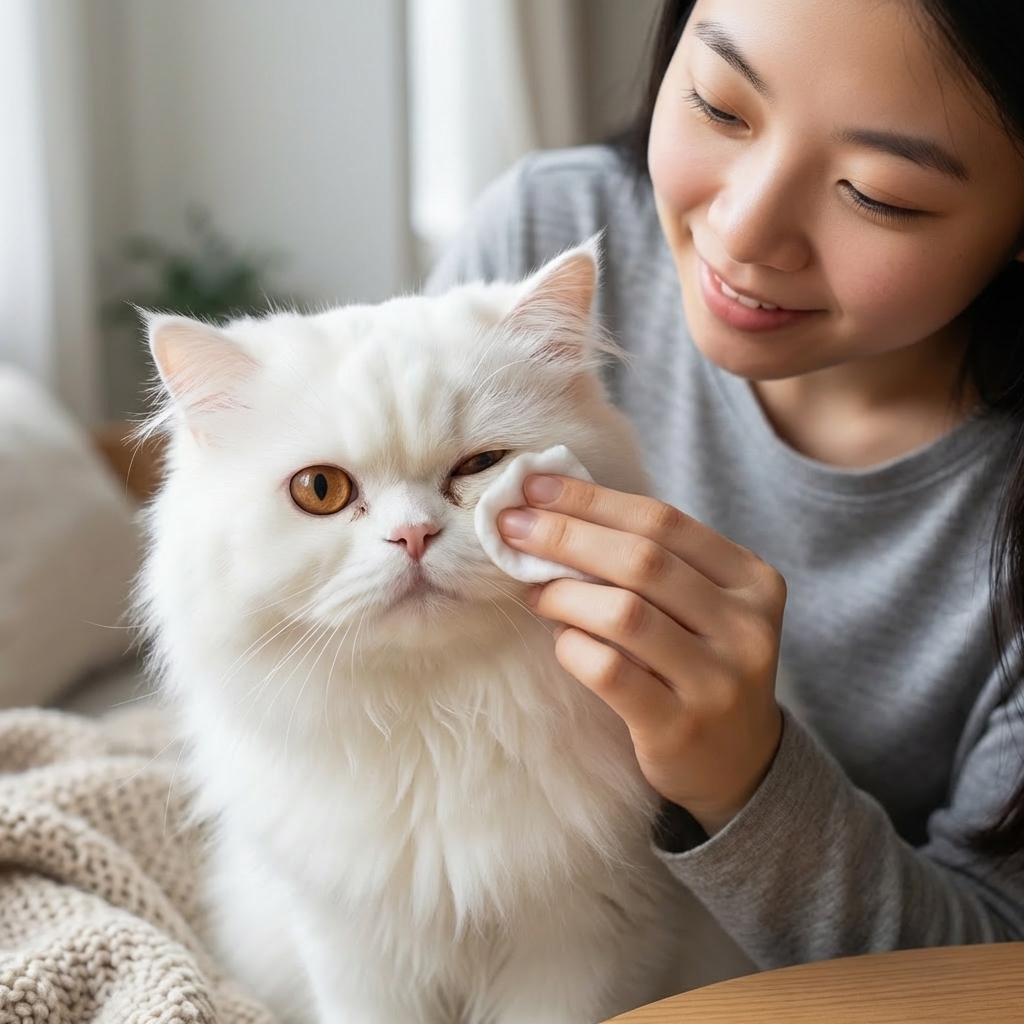
Because many Persians have a flatter face, tear overflow can be common. Daily gentle eye wiping helps prevent crust buildup and reduces staining. It also matters for hygiene. Tear stains can hold moisture and debris, which can allow yeast and bacteria to build up on the fur and skin.
Use a soft, damp cloth or a veterinarian-approved wipe. If you see thick discharge, redness, squinting, or your cat is pawing at the eye, it is time for a vet visit.
Nails, ears, and hygiene trims
- Nails: Trim every 2 to 4 weeks.
- Ears: Check weekly for wax, odor, or redness. Clean only if needed with a vet-approved ear cleaner.
- Sanitary trim: Some Persians do best with a small trim around the rear to prevent litter and stool from sticking to fur.
When to use a professional groomer
If mats keep returning, your cat hates brushing, or your schedule is tight, a professional groomer who is experienced with cats can be a lifesaver. Many Persian owners schedule regular grooming appointments and maintain the coat at home in between.
Flat-face health concerns to know
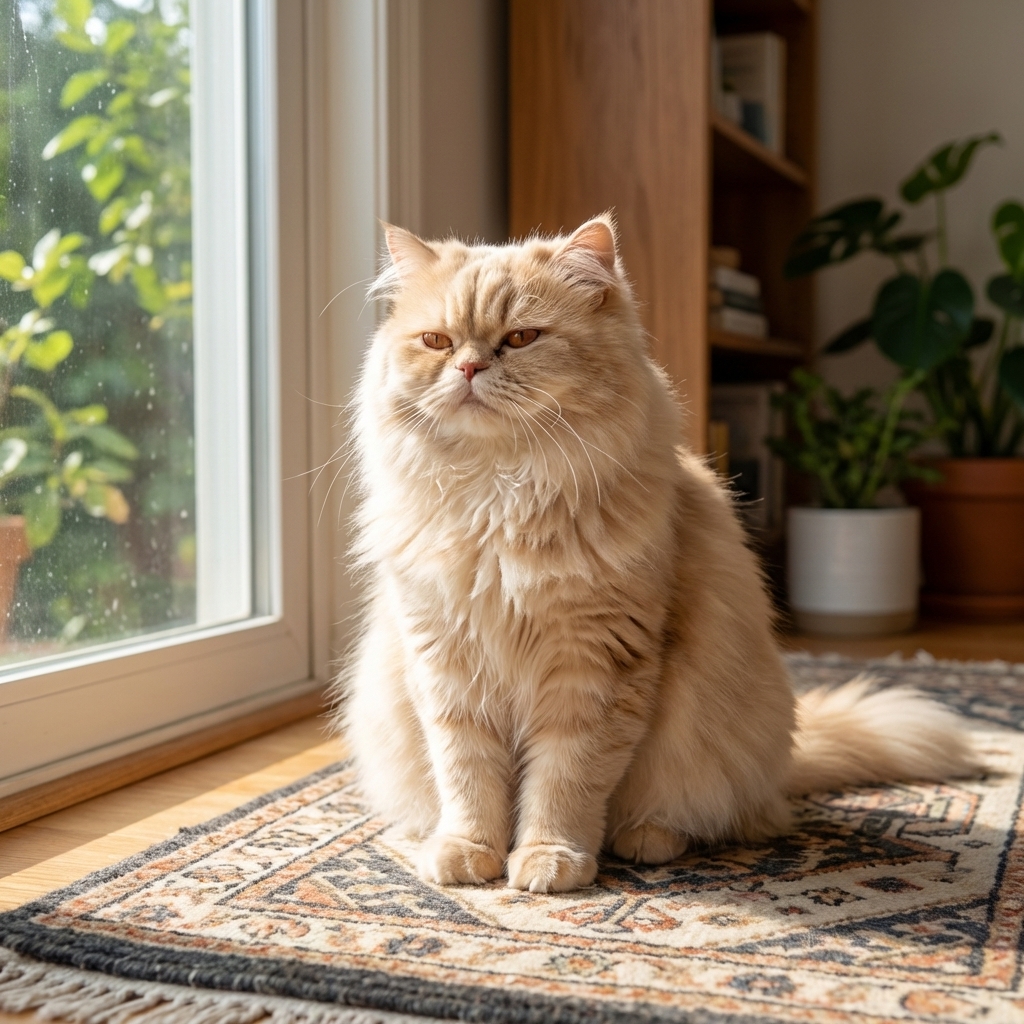
Persians are brachycephalic, meaning they have a shortened skull and flatter face. This look is part of their charm, but it can increase the risk of certain issues. Being aware early helps you spot problems before they become emergencies.
Breathing and heat sensitivity
Some Persians have narrower nostrils and crowded airways, which can make breathing noisier and less efficient. Snoring and mild congestion can happen, but ongoing open-mouth breathing, significant effort to breathe, or blue or pale gums are urgent red flags.
- Keep the home cool: Persians may struggle more in heat and high humidity.
- Reduce stress: Anxiety and overheating can make breathing harder.
- Choose low-dust litter: Dust can irritate sensitive airways and eyes.
Eye issues
Large, prominent eyes plus a flatter face can mean more tearing and a higher risk of irritation. Watch for squinting, redness, swelling, persistent discharge, cloudy appearance, or your cat hiding and acting painful. Eye problems can progress quickly in cats, so it is always better to be cautious.
Dental crowding
A shortened jaw can contribute to dental crowding and plaque buildup. Daily tooth brushing is ideal, but even a few times per week can help. Your veterinarian can also recommend dental diets or treats that are appropriate for your individual cat.
PKD and other inherited conditions
The big one to know in Persians is Polycystic Kidney Disease (PKD), an inherited condition that can lead to kidney failure over time. If you are buying from a breeder, ask for documentation that the parents have tested PKD negative using a recognized genetic test. If you are adopting, talk with your veterinarian about what screening makes sense based on your cat’s background and age.
Like many purebred cats, Persians can also have increased risk for other inherited conditions. Ask your veterinarian what is recommended for your cat’s history and life stage, and keep up with routine wellness visits so problems are caught early.
Ideal living environment
Persians tend to thrive as indoor cats with predictable routines and a calm setup. Think comfort, cleanliness, and easy access to essentials.
- Climate: Cool, well-ventilated spaces with access to fresh water. Avoid overheating.
- Safe lounging spots: Soft beds, window perches, and quiet corners.
- Low-stress enrichment: Short daily play sessions, puzzle feeders, and gentle climbing options.
- Clean litter areas: Scoop daily. Long fur can trap odors and debris more easily.
Daily care routine (simple and realistic)
If you want a Persian who looks and feels their best, consistency is everything. Here is a routine many families can stick with without it taking over the day.
Every day
- Comb the coat: 5 to 10 minutes, focusing on friction areas like armpits, belly, and behind ears.
- Wipe eyes: Gentle wipe to remove tears and prevent crusting and buildup on the fur.
- Quick wellness check: Look for new mats, red skin, eye redness, or changes in breathing.
- Fresh water and measured meals: Persians can be less active, so portion control helps maintain a healthy weight.
Weekly
- Full-body comb-through: Slower, more thorough session to catch hidden tangles.
- Ear check: Look for odor, debris, or irritation.
- Play and enrichment plan: Rotate toys to keep gentle activity interesting.
Monthly (or as needed)
- Nail trim: Every 2 to 4 weeks is typical.
- Bath and blow-dry: Often every 3 to 6 weeks, depending on coat needs and mat risk.
- Sanitary trim: Helpful for many long-haired cats.
When to call the vet
Persians can be tough and quiet about discomfort, so small changes matter. Contact your veterinarian promptly if you notice any of the following:
- Open-mouth breathing, labored breathing, or severe snoring that is new or worsening
- Red, swollen, cloudy eyes, squinting, or thick discharge
- Loss of appetite, hiding, or sudden behavior changes
- Repeated matting, skin sores, or strong odor from the coat or skin
- Drooling, pawing at the mouth, or bad breath that persists
- Increased thirst or urination, weight loss, or vomiting that keeps happening (ask about kidney screening, especially if PKD risk is unknown)
If you are ever unsure, it is absolutely okay to ask. Early care is almost always easier on your cat and your budget.
The bottom line
Persian cats are loving, peaceful companions with a high-maintenance coat and a face shape that requires thoughtful daily care. If you can commit to consistent grooming, keep a clean and cool indoor environment, and stay proactive about eye, breathing, and kidney health, a Persian can be one of the most rewarding cats to share your home with.