Follow a vet-assistant guide to brushing your dog’s teeth: the right tools, gentle step-by-step method, how often to brush, training plan for resistant dog...
Article
•
Designer Mixes
Periodontal Disease in Dogs: Stages, Symptoms, and Prevention

Shari Shidate
Designer Mixes contributor
As a veterinary assistant here in Frisco, Texas, I can tell you something I see almost every day: dental disease is one of the most common problems we treat, and it often hides in plain sight. Periodontal disease does not just cause bad breath. It is a progressive infection and inflammation of the tissues that hold your dog’s teeth in place, and it can lead to tooth loss and wider health issues if it is ignored.
You may have heard the statistic that up to 80% of dogs show signs of dental disease by age 3. That number is widely cited in veterinary dentistry, but it can vary depending on how a study defines “dental disease” (gingivitis versus true periodontitis). In real life, the overall message holds up. Many dogs look fine from the outside, but when we lift the lip we find red gums, tartar buildup, and painful pockets of infection.

What it is and why it matters
Periodontal disease starts when bacteria in the mouth form plaque on the teeth. Plaque hardens into tartar (calculus), and bacteria slip under the gumline. That is when inflammation becomes infection, and the structures that anchor teeth, including the periodontal ligament and jawbone, begin to break down.
This is not just a “mouth problem.” When gums are inflamed, everyday chewing and licking can allow bacteria into the bloodstream (bacteremia). There are known associations between chronic dental infection and stress on major organs like the heart, kidneys, and liver, but the exact cause and effect and the degree of impact can be hard to prove in any single dog. What we do know is that untreated dental disease increases systemic inflammation and bacterial load, and that is not something you want simmering in your dog’s body for years.
The 4 stages in dogs
Veterinary teams often describe dental disease in stages. Exact staging criteria can vary by clinic and by the system used, and your veterinarian will stage disease based on a combination of probing measurements and dental X-rays. The earlier stages can be subtle at home, which is why routine oral checks and dental cleanings matter so much.
Stage 1: Gingivitis (reversible)
- What is happening: Plaque buildup causes gum inflammation, but there is no attachment loss yet.
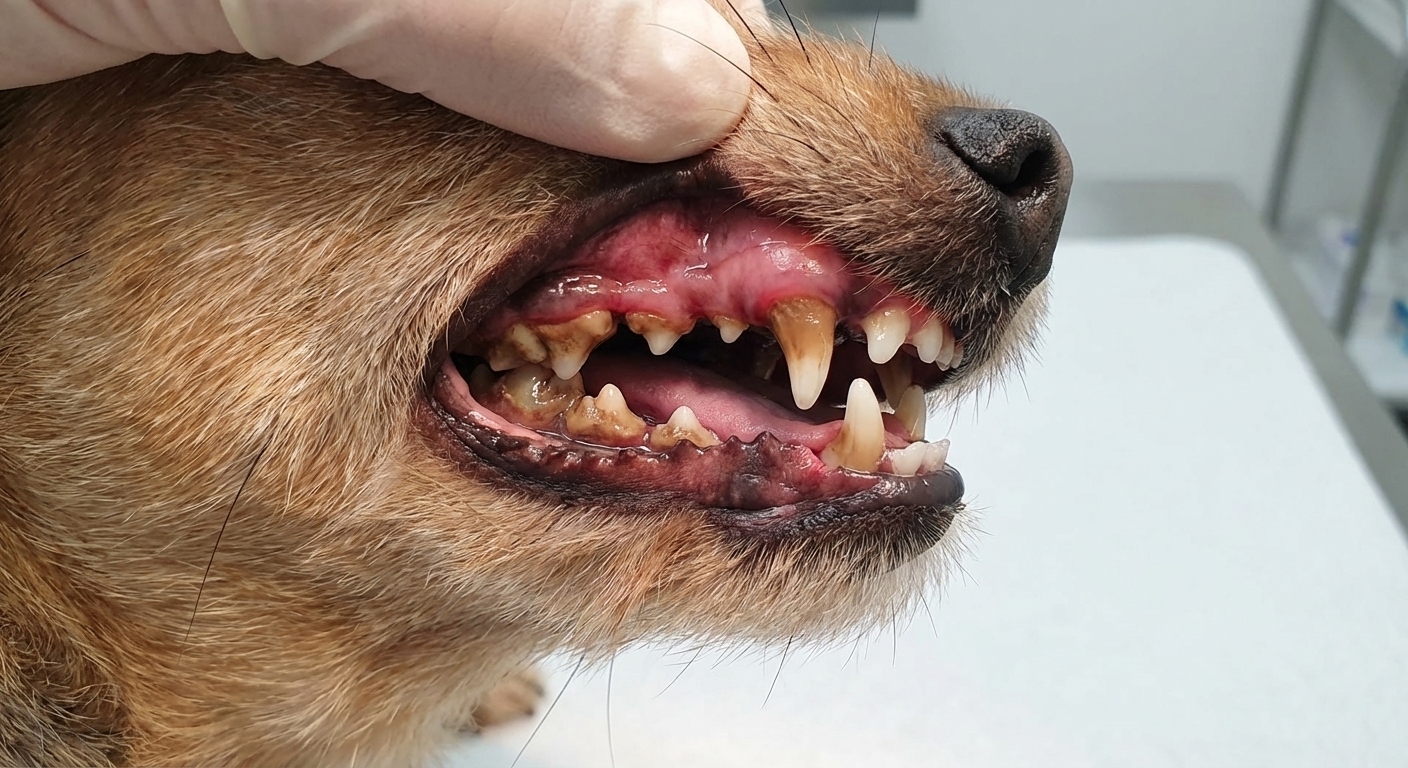
- Common symptoms you might notice: mild bad breath, slightly red gums along the tooth line, plaque and early tartar starting on back teeth.
- Why it matters: This is the stage where consistent brushing and professional cleaning can truly turn things around.
Stage 2: Early periodontitis (mild attachment loss)
- What is happening: Infection moves below the gumline and begins damaging the ligament and bone. Commonly described as up to about 25% attachment loss.
- Common symptoms: noticeable bad breath, red or puffy gums, visible tartar, gum bleeding when chewing toys or during brushing.
- Eating clues: some dogs chew on one side, drop kibble, or seem picky with crunchy foods.
Stage 3: Moderate periodontitis (more damage)
- What is happening: Deeper pockets form and bone loss progresses, often described as 25% to 50% attachment loss.
- Common symptoms: strong odor, receding gums, swelling, painful mouth, occasional pus at the gumline.
- Tooth stability: teeth may start to loosen, especially small premolars.
- Pain signs: pawing at the mouth, decreased appetite, “acting older,” or resisting face and mouth touch.
Stage 4: Advanced periodontitis (severe)
- What is happening: Severe infection and bone loss, often described as more than 50% attachment loss. Teeth can be very loose or already missing.
- Common symptoms: severe halitosis, obvious pain while eating, loose teeth, bleeding gums, facial swelling, nasal discharge in some cases due to dental root involvement.
- Quality of life impact: many dogs suffer quietly. Once painful teeth are removed and infection is treated, owners often tell us their dog acts years younger.
Symptoms to watch at home
Dental disease is sneaky, because many dogs keep eating even when their mouth hurts. Keep an eye out for these common signs:
- Bad breath that does not improve with treats or diet changes
- Red, swollen, or bleeding gums
- Tartar buildup, especially on the upper back teeth
- Loose teeth or teeth that look longer due to gum recession
- Pain while eating, chewing slowly, dropping food, chewing on one side
- Pawing at the mouth or rubbing the face on carpet
- Behavior changes, such as irritability or avoiding being touched around the head
If you notice any of the above, schedule an exam. The earlier you catch periodontal disease, the less invasive and less costly treatment usually is.
How it can affect the body
When gums are inflamed and infected, they can act like an open doorway for bacteria. Every day chewing and licking can push bacteria into the bloodstream. Over time, this may contribute to inflammation and may be associated with changes in organs that filter blood or are sensitive to chronic infection.
In practice, this is also why we often recommend pre-anesthetic bloodwork and why dogs with significant dental disease may benefit from additional lab monitoring. Dental health is not cosmetic. It is preventive medicine.
What to expect at a dental cleaning
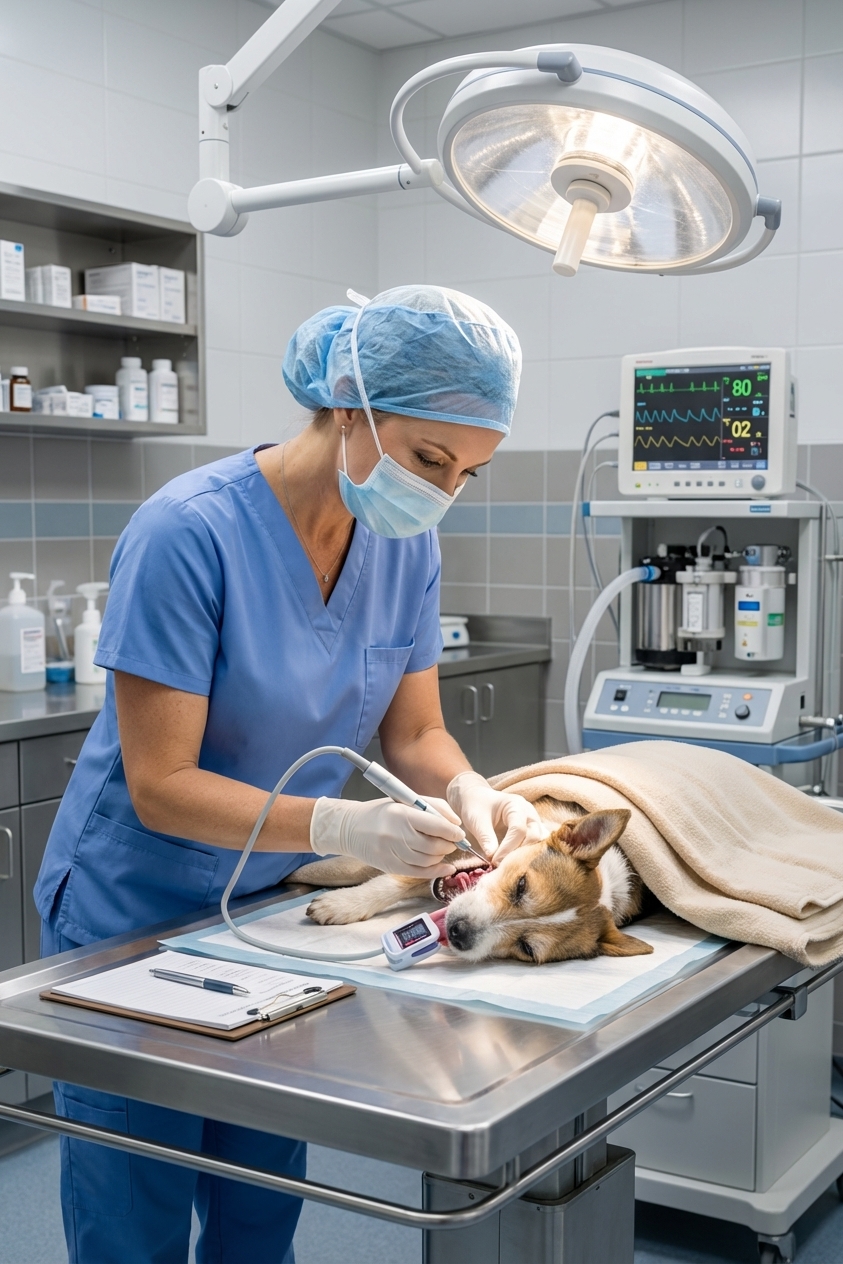
A proper dental cleaning for periodontal disease is not the same as scraping tartar off an awake dog. To clean under the gumline and take dental X-rays safely, most dogs need general anesthesia. Many owners feel nervous about anesthesia, which is completely understandable. The goal is to make it as safe as possible with screening, individualized planning, and careful monitoring.
Here is what a thorough veterinary dental procedure typically includes:
- Pre-anesthetic exam and usually bloodwork (especially for adult and senior dogs)
- General anesthesia with monitoring (heart rate, oxygen, blood pressure, temperature)
- Full-mouth dental radiographs (X-rays) to check roots, bone loss, and hidden abscesses
- Ultrasonic scaling above and below the gumline
- Polishing to smooth the tooth surface and slow plaque re-attachment
- Periodontal probing to measure pocket depth
- Extractions if teeth are infected, loose, fractured, or have severe bone loss
- Pain control and sometimes antibiotics depending on findings (antibiotics are not routine for every dental and are used based on infection severity and your dog’s medical status)
Dental cleaning costs
After you know what a complete dental includes, the next question is usually cost.
Costs vary widely based on your region, your clinic’s equipment, and what your dog needs that day. Here in North Texas, these are typical ranges I see locally, but your area may be higher or lower:
- Routine cleaning with anesthesia and X-rays: often around $300 to $900
- Cleaning plus extractions: commonly $800 to $2,500+ depending on how many teeth and how complex the roots are
If you are price-shopping, ask what is included. A lower price sometimes means no dental X-rays, and that can miss painful disease below the gumline. A helpful question is: “Does the estimate include full-mouth radiographs and polishing?”
If cost is a concern, ask your clinic about:
- wellness plan discounts
- seasonal dental promotions
- phased treatment plans for severe cases
- pet insurance coverage (some plans help with dental illness)
At-home prevention that helps
You do not have to be perfect to make progress. Even small, consistent habits can slow plaque buildup and keep gum inflammation down.
1) Brush your dog’s teeth
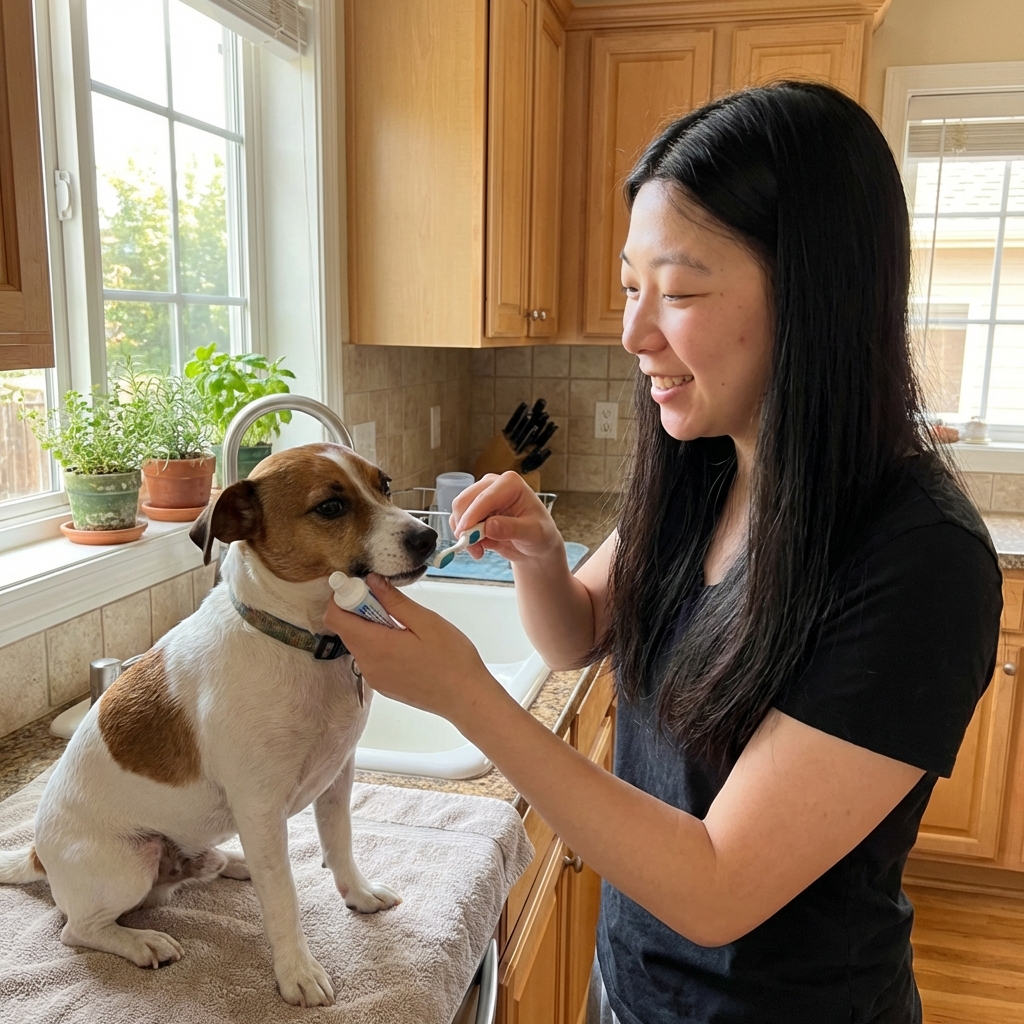
Brushing disrupts plaque before it hardens into tartar. Ideally brush daily, but even 3 to 4 times per week can make a real difference. Use dog-safe toothpaste only. Human toothpaste is not safe for pets because it may contain ingredients like xylitol (toxic to dogs) and higher levels of fluoride that they are not meant to swallow.
2) Dental chews and toys
Look for products with the VOHC seal (Veterinary Oral Health Council), which indicates the product has evidence for helping reduce plaque and/or tartar. Chews are not a substitute for brushing, but they can help. Also be cautious with very hard chews (anything you cannot dent with a fingernail) because fractured teeth are another common problem we see.
3) Dental diets
Some veterinary dental diets and dental treats are designed to reduce plaque mechanically as your dog chews. VOHC-approved options are a good place to start if you want an evidence-based choice.
4) Water additives and oral rinses
These can reduce bacterial load and freshen breath, especially for dogs who refuse brushing at first. Pick veterinary-recommended options and follow dosing directions closely.
5) Regular exams
Have your veterinarian check your dog’s mouth at least once a year, and more often for small breeds or dogs with a history of dental disease. Dental problems are much cheaper to handle early.
Action step you can do today: lift your dog’s lip and look at the upper back teeth. If you see brown tartar or an angry red gumline, schedule a dental exam.
Breeds more prone to dental disease
Any dog can develop periodontal disease, but certain dogs are more predisposed due to mouth shape, tooth crowding, and genetics. Small and toy breeds tend to be at higher risk, especially as they age.
- Toy and small breeds: Chihuahua, Yorkshire Terrier, Pomeranian, Maltese, Shih Tzu, Dachshund, Miniature Poodle
- Flat-faced breeds (brachycephalic): Pug, French Bulldog, Boston Terrier, Boxer (crowding and bite alignment issues can increase plaque retention)
- Mixed breeds with small-breed ancestry: many designer mixes with small parents can inherit the same crowding tendencies
If your dog is in a higher-risk group, plan on earlier and more frequent dental checkups. Think of it like proactive maintenance, not a sign you did anything wrong.

When to call the vet
Schedule prompt care if your dog has any of the following:
- refusing food or yelping while chewing
- facial swelling, bleeding from the mouth, or pus around a tooth
- a tooth that is loose or missing unexpectedly
- foul breath plus lethargy or fever
Dental pain is real pain. The good news is that with professional treatment and simple home care, most dogs feel dramatically better.
The bottom line
Periodontal disease is common, progressive, and preventable. If you remember just two things, let it be these: brush when you can, and do not skip professional cleanings when your veterinarian recommends them. Healthy teeth support a healthy appetite, a happier mood, and a healthier body.