
Perianal Fistula in Dogs: Breeds at Risk, Symptoms, and Treatment

Perianal fistula, often referred to as anal furunculosis, is one of those conditions that can sneak up on families because it starts as “just some licking” or a little staining under the tail. In everyday veterinary use, you will hear both terms used for the same painful disease process. But regardless of the name, it is truly painful for many dogs, and it can progress into deep, draining sores around the anus.
As a veterinary assistant here in Frisco, Texas, I have seen how fast dogs can feel better once the right diagnosis is made and a treatment plan starts. The key is recognizing the signs early and getting help quickly. And just as important, conditions that look similar do exist, so an exam matters. This is not something you can reliably diagnose from home.
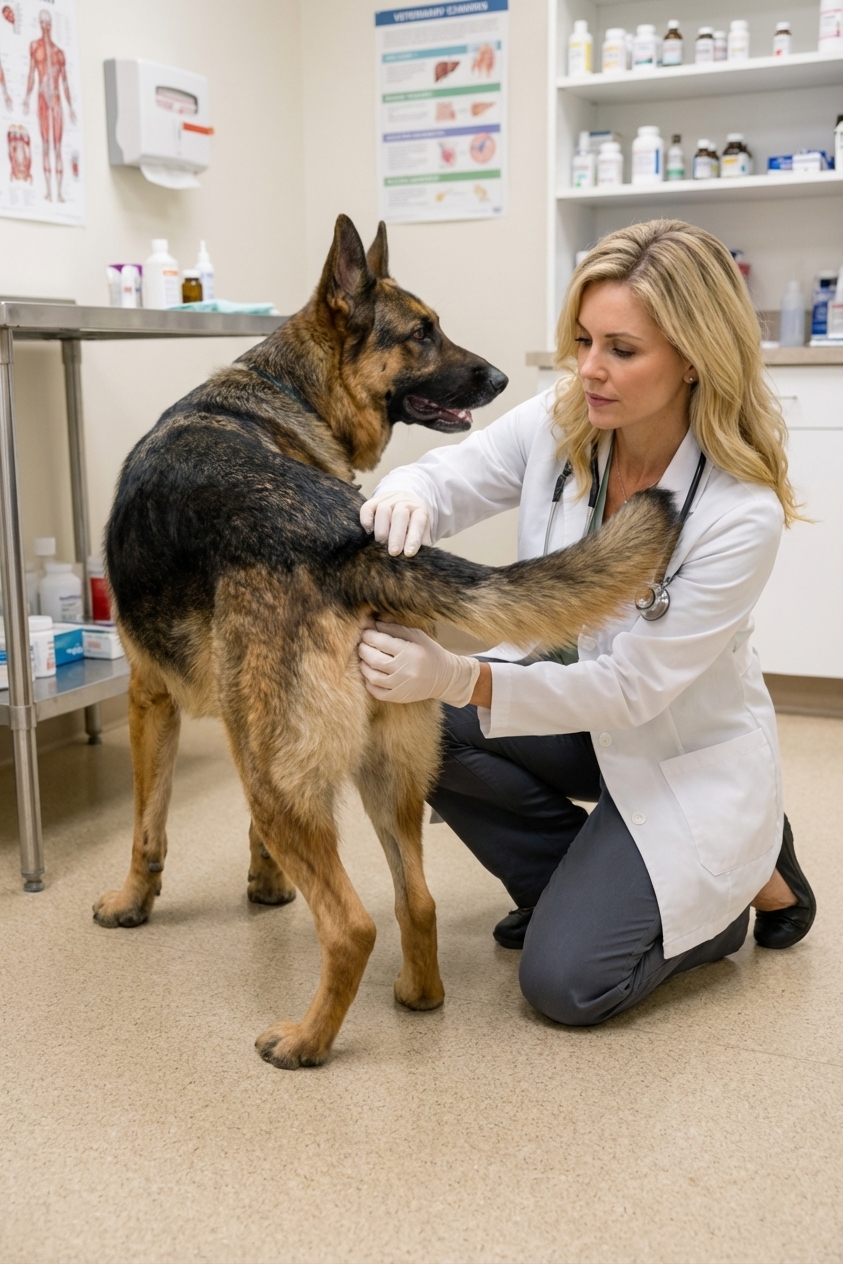
What is a perianal fistula?
A perianal fistula is a condition where the skin and deeper tissues around the anus develop inflamed ulcers and tunnel-like tracts that can drain fluid. Think of it like chronic, infected cracks and channels in the skin around the anus that do not heal normally.
It is not the same thing as anal sac impaction or anal sac infection, and it is not simply “scooting.” Anal sac problems can cause discomfort and odor too, but perianal fistulas typically involve visible sores, draining, and ongoing inflammation that can be very hard to ignore once it is advanced.
Breeds at higher risk
Perianal fistulas can happen in any dog, but there is a strong predisposition in German Shepherd Dogs and shepherd-type dogs. Many veterinarians believe immune system factors play a role, and genetics appear to matter.
Breeds commonly discussed as higher risk
- German Shepherd Dog
- Shepherd-type mixes (some lines may be overrepresented)
- Other breeds may be affected, but the association is strongest in German Shepherd Dogs
It is also seen more often in middle-aged dogs, though age alone does not rule it in or out.
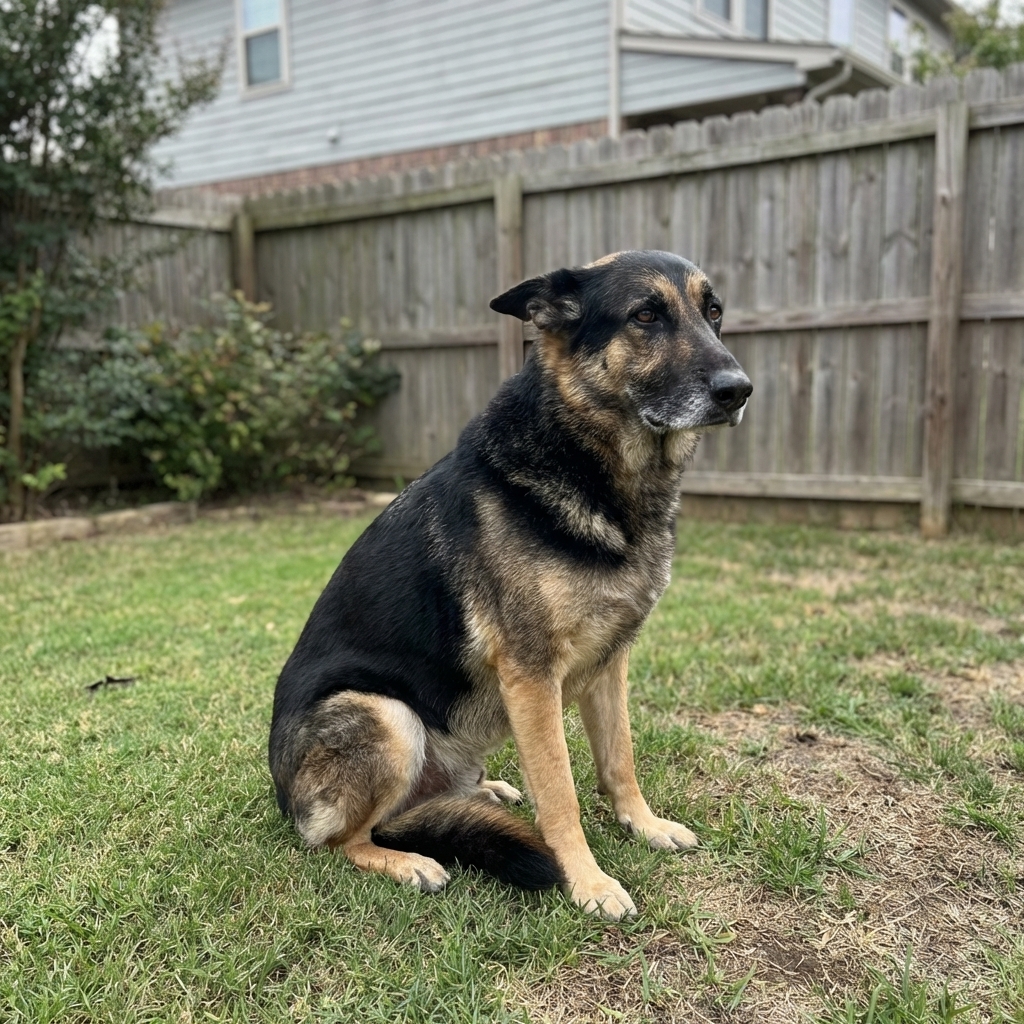
Symptoms you might notice at home
Many families first notice behavior changes, then later see the skin changes. Because the anus is a sensitive area, dogs often act uncomfortable long before owners take a close look.
Common symptoms
- Persistent licking under the tail or sudden obsession with the rear end
- Signs of pain like flinching when sitting, reluctance to sit, or sitting off to one side
- Straining to poop or seeming constipated because it hurts to pass stool
- Strong, foul odor that can be different from typical anal sac smell
- Blood or discharge on hair, bedding, or after bowel movements
- Scooting can happen, but it is not always present
What it can look like
When you gently lift the tail, you may see:
- Red, raw ulcerated skin around the anus
- Open holes or crater-like sores
- Draining tracts with pus or bloody discharge
- Fur staining from chronic moisture, licking, and drainage (often rust-colored or dark)
- Thickened, inflamed tissue that can look swollen or cord-like
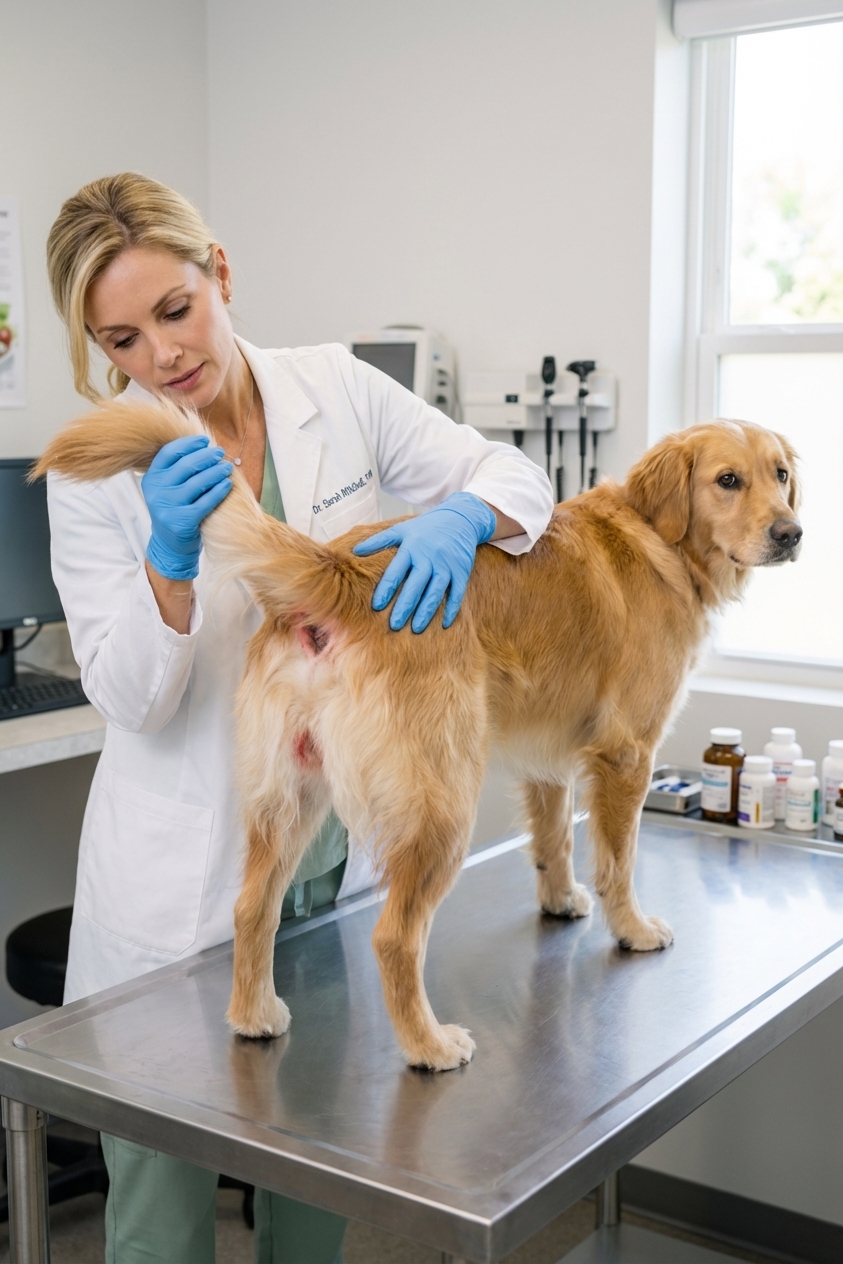
Why the odor and staining happen
The smell comes from a mix of infection, inflammation, and draining material. When the skin breaks down, bacteria can overgrow in the warm, moist environment. That discharge can soak into fur, causing staining and matting, especially in fluffy-coated dogs or dogs who are licking constantly.
If you notice a new odor plus new staining, especially in a shepherd-type dog, that is a good reason to schedule an exam promptly.
Other issues that can look similar
Because the location is the same, a few different problems can resemble perianal fistulas early on. Your veterinarian may need to rule out:
- Anal sac abscess or infection
- Allergic or contact dermatitis (including food or environmental allergies)
- Parasites or other causes of intense itching
- Perianal tumors or growths
- Wounds from grooming, mat removal, or self-trauma
This is one reason I encourage families not to treat it as “just anal glands” if things are not improving.
How veterinarians diagnose perianal fistula
Diagnosis usually starts with a hands-on exam. Your veterinarian will look closely at the area, then decide what else is needed based on how severe it is and how your dog is feeling.
Common diagnostic steps
- Physical exam of the perianal skin for ulcers, tracts, and pain
- Rectal exam when appropriate (some dogs need sedation if painful)
- Checking the anal sacs to rule out anal sac disease as the primary problem
- Cytology or culture in some cases to identify infection and guide antibiotics
- Biopsy mainly for atypical lesions, severe cases, or poor response to treatment, to rule out cancer or other skin diseases
- Screening for contributing issues such as allergies, chronic diarrhea, inflammatory bowel disease signs, or immune-mediated patterns
Sometimes the hardest part is simply getting an accurate look, because dogs can be painful and reactive. Sedation is not “extra,” it can be the kindest way to do a thorough exam.
Treatment overview
Treatment depends on severity, but for many dogs the best outcomes come from a combination approach: controlling immune-driven inflammation, treating infection, and supporting the skin so it can heal.
Medical management (often first-line)
Many cases are treated with medications that reduce the abnormal immune response and calm inflammation. Your veterinarian may discuss prescription options such as:
- Cyclosporine (for example, Atopica) in appropriate patients
- Topical tacrolimus for localized disease in some cases
- Other anti-inflammatory or immune-modulating medications, depending on your dog’s needs and medical history
- Antibiotics if there is secondary infection
- Pain relief because comfort matters for healing and normal bowel movements
- Topical therapy like veterinarian-approved cleansing routines and medications
- Diet changes if allergy or GI inflammation is suspected (some dogs improve when food triggers are addressed)
Medical management can be very effective, but it often requires consistent follow-up. It is not unusual for plans to be adjusted based on response.
Because immune-modulating drugs affect how the body responds, your veterinarian may recommend monitoring such as rechecks and periodic bloodwork. Some dogs can have side effects like stomach upset, changes in appetite, or increased risk of infection. Always call your clinic if something feels off.
Surgical management (for select cases)
Surgery may be considered when disease is advanced, when there are deep tracts, or when medical therapy is not enough. In many practices, immunomodulatory therapy is often tried first, and surgery is reserved for specific situations. Surgical goals generally include removing severely diseased tissue and improving comfort, but it is not always a simple “one-and-done” fix. Your veterinarian may refer you to a surgical specialist depending on complexity.
Even when surgery is used, many dogs still need medical therapy to reduce recurrence.
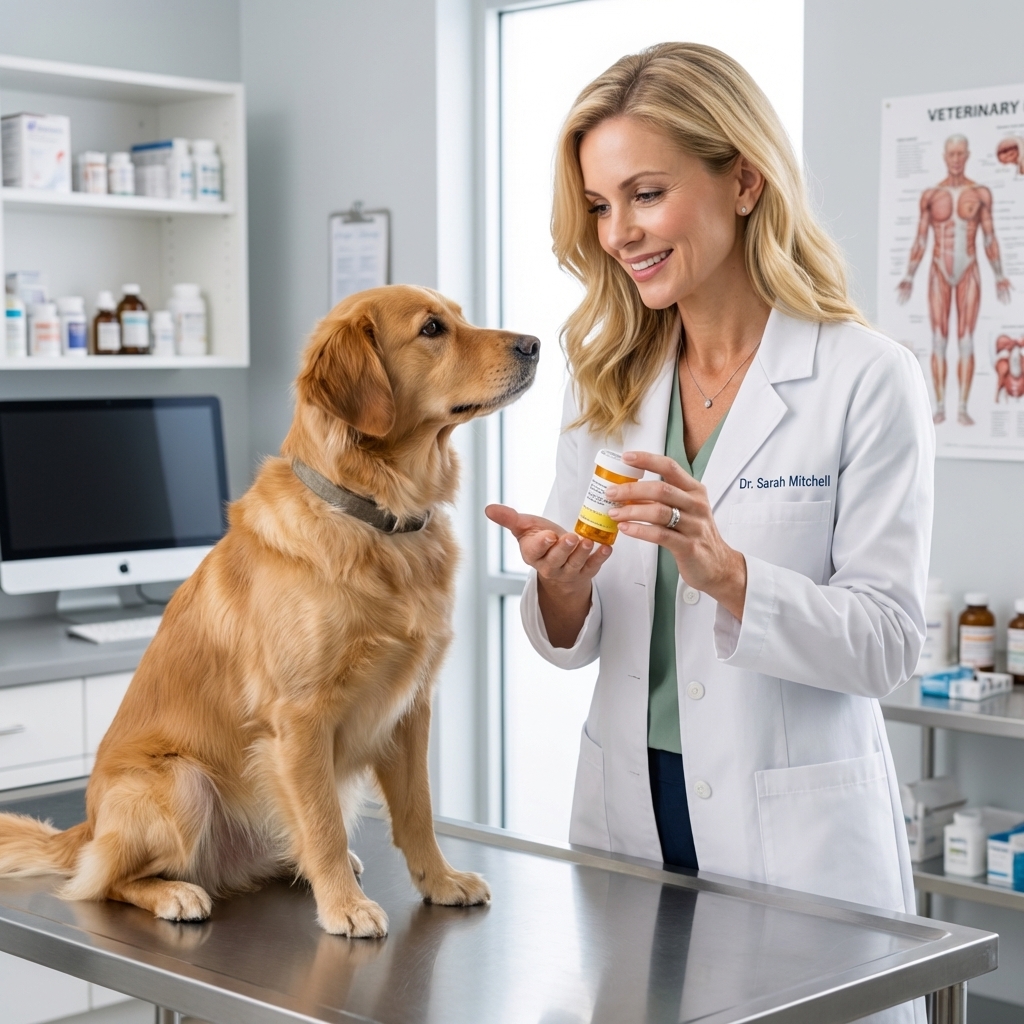
Home care basics (with your vet’s guidance)
Perianal fistulas are not a condition to treat with random home remedies, but there are supportive steps that can make your dog more comfortable while you pursue veterinary care.
- Prevent licking with an e-collar or recovery cone if your dog is chewing the area raw.
- Keep the area clean and dry using only what your veterinarian recommends. Many human wipes, hydrogen peroxide, or harsh antiseptics can worsen irritation.
- Trim stained or matted fur if it is safe to do so, or ask your vet or groomer for help. Matted fur traps moisture and bacteria.
- Track bowel movements. Straining, crying, or constipation can mean pain is escalating.
- Ask about stool comfort. Some dogs do better when stool is easier to pass, but changes like added fiber or stool softeners should be veterinarian-directed based on your dog’s overall health.
- Give meds exactly as prescribed and call if you see side effects.
When this is urgent
Perianal fistulas are painful, and infections can worsen quickly. Please contact your veterinarian promptly if you see symptoms, and treat these signs as urgent:
- Your dog cannot poop, strains with little output, or cries when trying
- Rapidly spreading swelling around the anus or under the tail
- Heavy bleeding or thick, foul discharge
- Sudden severe pain, hiding, snapping when approached, or refusing to sit
- Fever, lethargy, or not eating
If you are seeing open sores, a strong odor, and your dog seems painful when sitting or pooping, it is time to schedule an exam. The sooner this is treated, the better the odds of getting comfortable healing started.
Anal glands vs fistulas
This is a very common mix-up: expressing anal glands does not treat perianal fistulas. Some dogs with fistulas may also have anal sac inflammation, but the hallmark of fistulas is the ulcerated, draining skin disease around the anus.
If your dog keeps having “anal gland problems” that do not improve, or you are seeing visible ulcers or holes, ask your veterinarian specifically about whether perianal fistula could be involved.
What the outlook can look like
Many dogs improve dramatically with the right plan, but this can be a chronic condition for some dogs, especially predisposed breeds. That does not mean your dog cannot have a great quality of life. It means you may be managing it like a skin and immune condition, with:
- regular rechecks
- medication adjustments
- early intervention if flare-ups start
- attention to diet and stool consistency
And please do not underestimate the power of comfort: when pain is controlled, dogs eat better, poop better, sleep better, and heal better.