Discover what to expect from a Pomapoo (Pomeranian Poodle mix): temperament, typical size, coat care and grooming schedule, exercise needs, training tips, an...
Article
•
Designer Mixes
Peekapoo: Personality, Size, and Health

Shari Shidate
Designer Mixes contributor
The Peekapoo, also written as Peke-A-Poo, is a beloved Pekingese Poodle mix that is often cited as one of the earlier “designer” companion crosses. If you want a small companion with a big heart, a soft coat, and a tendency to bond deeply with their person, this mix can be a wonderful fit. That said, Peekapoos can also inherit a stubborn streak and some important health considerations, especially if they take after the flatter Pekingese-style face.
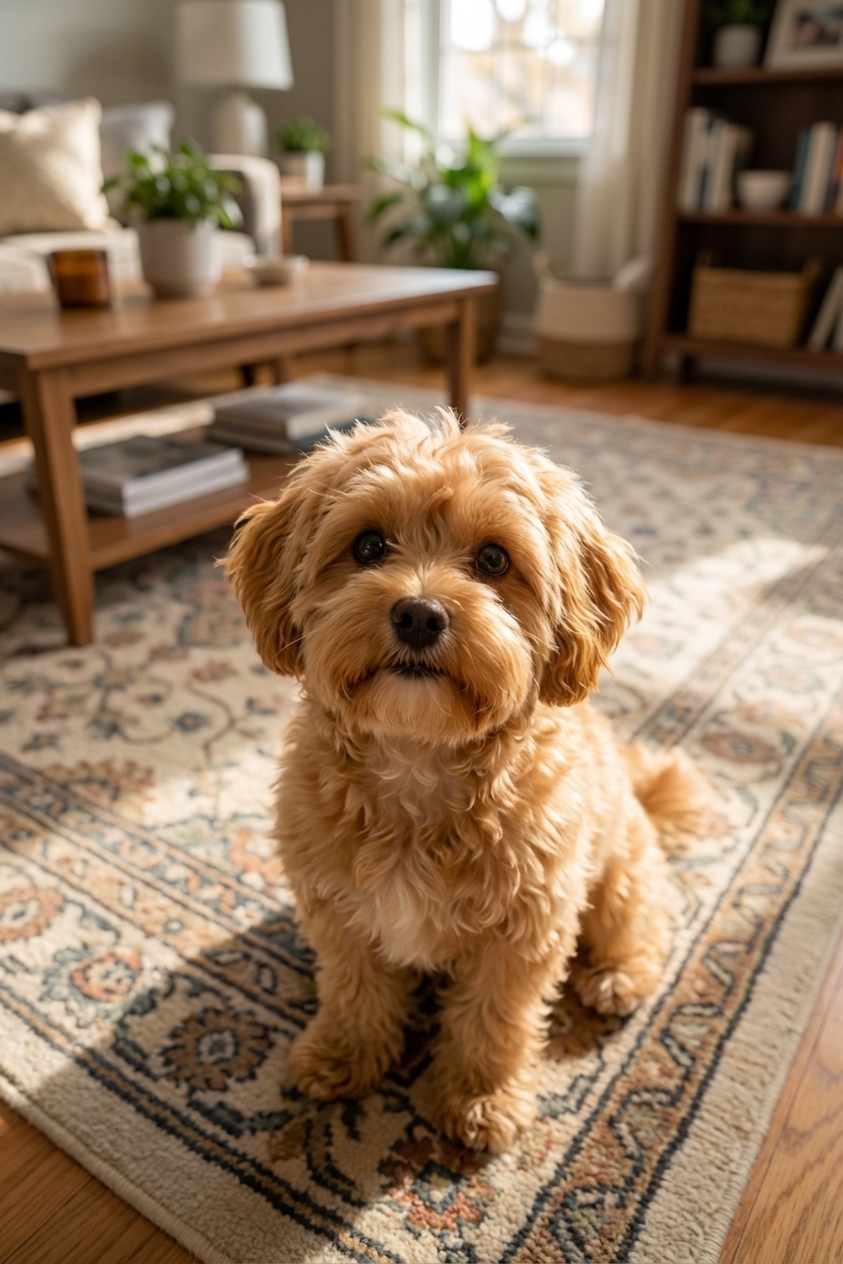
Below, I will walk you through what to expect with temperament, adult size, grooming, training, shedding, and the health issues to keep on your radar so you can make thoughtful choices from day one.
What is a Peekapoo?
A Peekapoo is typically a cross between a Pekingese and a Toy or Miniature Poodle. Because there is no single official breed standard for mixes, Peekapoos can vary a lot in looks and coat type, even within the same litter. In general, they tend to be small, people-focused dogs with a cuddly presence and a smart, alert mind.
You may see breeders describe them as:
- F1: Pekingese x Poodle
- F1B: Peekapoo x Poodle (often bred to increase curl and potentially reduce shedding, though no mix is truly guaranteed hypoallergenic)
Personality and temperament
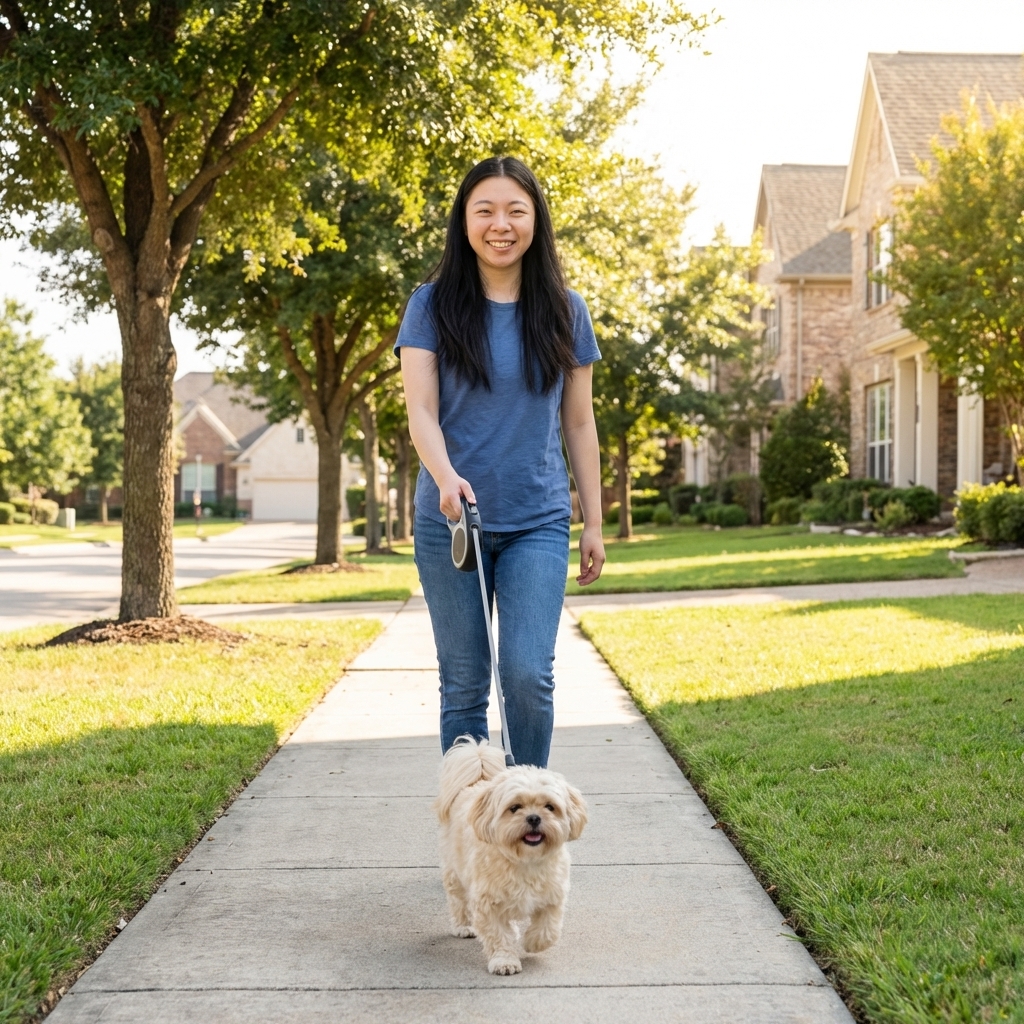
Peekapoos are usually affectionate, loyal, and happiest when they are close to their people. Many are classic lap dogs with a playful side, and they often act like tiny watchdogs because they are tuned in to every sound and new visitor.
Common traits
- Very attached: Many Peekapoos pick a favorite person and stick like glue.
- Confident for their size: They may act bigger than they are, especially around other dogs.
- Alert and vocal: Barking can become a habit if it is unintentionally rewarded.
- Smart but sometimes stubborn: Poodle intelligence plus Pekingese independence can be a funny, challenging combo.
Good with kids and other pets?
They can be, but they tend to do best with gentle, respectful handling. Because they are small, rough play can lead to fear-based snapping or accidental injury. If you have young children, I recommend a strong focus on teaching calm interactions and always supervising.
With other pets, early socialization matters. A Peekapoo who grows up around friendly dogs and calm cats often does great. A Peekapoo who is rarely exposed to other animals may become reactive or overly bossy on leash.
Vet assistant tip: Small dogs often get treated like toys, and that can create anxiety. A Peekapoo thrives when they are handled kindly, given choices, and trained the same way you would train a larger dog.
Size and appearance
Peekapoos are typically in the small-dog category, but adult size depends heavily on whether the Poodle parent is Toy or Miniature, plus the size of the Pekingese parent.
Typical adult size
- Height: about 8 to 12 inches at the shoulder
- Weight: commonly about 8 to 15 pounds, sometimes up to around 20 pounds
Some individuals fall outside these ranges, especially if the parents are unusually small or larger than average. If predictable size is important to you, ask for the parents’ weights, photos, and past puppy growth patterns.
Coat, shedding, and colors
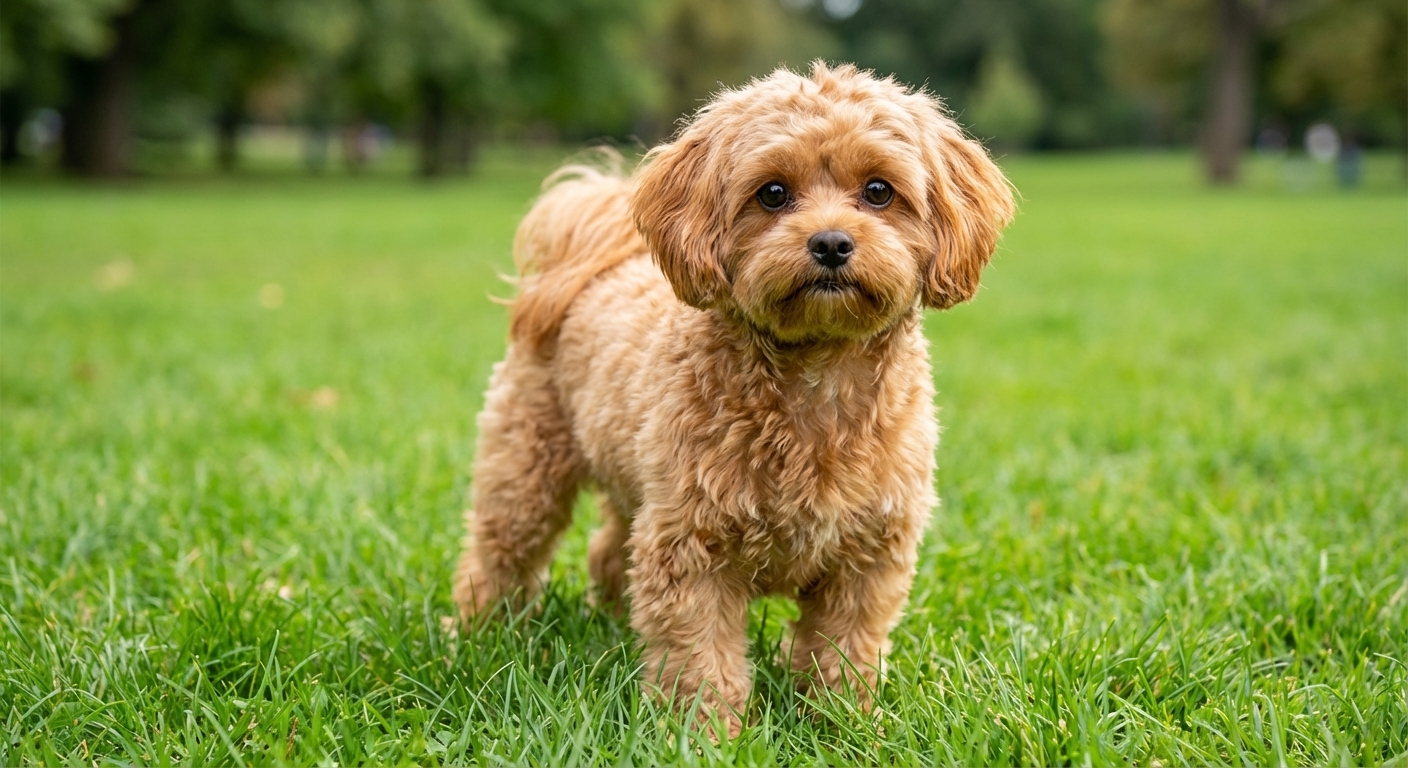
Peekapoos commonly have a wavy to curly coat that can be fluffy and soft. Shedding is usually low to moderate, but it truly varies by coat type and how much the dog takes after the Poodle side. Colors vary widely and can include cream, apricot, red, black, white, gray, and parti patterns.
Grooming
That adorable Peekapoo coat is not “set it and forget it.” Whether your dog leans more Pekingese fluffy or Poodle curl, most Peekapoos need consistent grooming to prevent mats, skin irritation, and eye discharge or tear staining.
At-home basics
- Brush: 3 to 5 times per week (daily for curlier coats or during coat changes)
- Bath: about every 3 to 6 weeks, using a gentle dog shampoo
- Ear care: check weekly for redness or odor, and keep hair from trapping moisture and reducing airflow
- Teeth: brush several times per week, ideally daily
- Nails: trim every 3 to 4 weeks, or when you hear clicking on floors
Professional grooming
Most Peekapoos do well with a grooming appointment every 6 to 8 weeks. If your dog has a flatter face, ask your groomer to keep the face tidy so hair does not poke into the eyes.
If you are new to doodle-type coats, it helps to know this: mats can hide close to the skin even when the top looks fine. A comb check after brushing is the best way to confirm you really got through the coat.
Exercise and enrichment
Peekapoos are small, but they still need daily movement and mental outlets. A bored Peekapoo is more likely to bark, pace, or develop clingy habits.
- Walks: 20 to 45 minutes total per day, split into 2 walks for many adults
- Indoor play: short fetch sessions, gentle tug, hide-and-seek
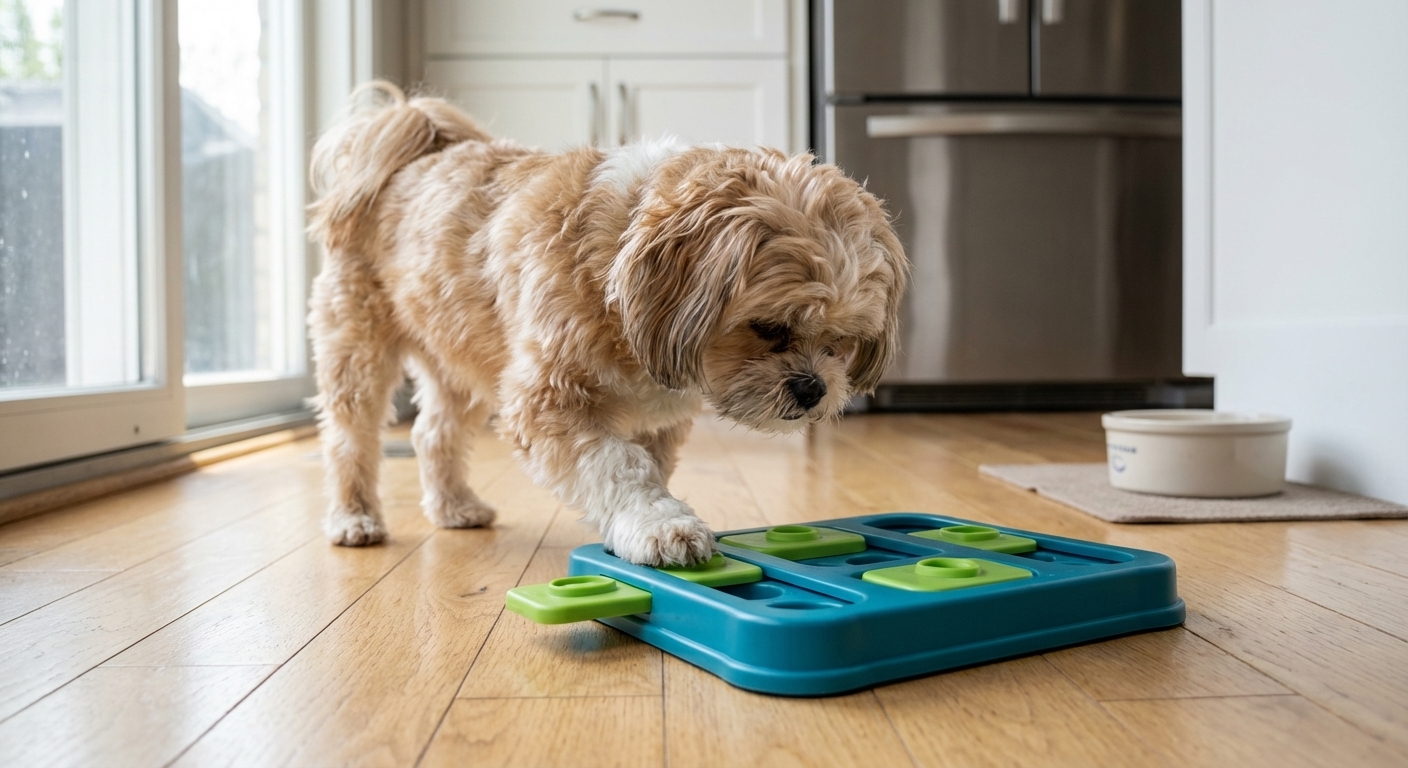
- Mental work: food puzzles, sniff games, basic obedience refreshers
If your Peekapoo inherits brachycephalic traits, be careful with heat and intense exercise. Flat-faced dogs can overheat faster and may struggle to cool themselves efficiently.
Training
Peekapoos are often bright and eager, but they may also test boundaries. The key is making training worth their while and keeping sessions upbeat and short.
What works best
- Positive reinforcement: tiny treats, praise, and play
- Short sessions: 3 to 5 minutes, several times a day
- Clear routines: consistent potty breaks, meal times, and quiet time
- Prevent rehearsal: manage barking triggers and jumping before they become habits
House training notes
Small dogs can be a bit trickier to house train because they have smaller bladders and many owners unintentionally miss subtle “I need to go” signals. A predictable schedule plus rewarding outdoor potty success immediately can make a huge difference.
If you choose to use indoor potty pads, try to be consistent and understand that it can sometimes slow full outdoor training. Many families do a hybrid approach during puppyhood and then gradually phase pads out.
Health concerns
Mixed-breed dogs can be wonderful companions, but they are not automatically “healthier.” A Peekapoo can inherit medical issues common to Pekingese, Poodles, or both. The best approach is prevention, early detection, and choosing breeders or rescues who are transparent about health history.
Brachycephalic concerns
If your Peekapoo inherits a shorter muzzle and flatter face, they may be at higher risk for brachycephalic airway syndrome. This can include narrowed nostrils, an elongated soft palate, and other anatomical features that make breathing more difficult.
Signs to discuss with your veterinarian:
- Noisy breathing at rest
- Loud snoring
- Exercise intolerance
- Gagging or retching, especially with excitement
- Overheating easily
- Blue or pale gums, collapse, or fainting (emergency)
Many flat-faced dogs do well with lifestyle adjustments, weight control, and careful heat management. In more significant cases, surgical correction may be recommended.
Eye issues
Prominent eyes can be more prone to irritation and injury. Dry eye (keratoconjunctivitis sicca), corneal ulcers, and chronic tearing can occur. Keep face hair trimmed, wipe discharge gently, and see your vet quickly if your dog is squinting or rubbing their face.
Dental disease
Small dogs are often at higher risk for dental tartar and gum disease. Daily brushing and regular professional dental cleanings can add real quality to your Peekapoo’s life. Dental pain often looks like picky eating, pawing at the mouth, or bad breath that keeps coming back.
Knee and joint problems
Patellar luxation (kneecap slipping) is common in many small breeds and mixes. If you notice skipping steps, sudden limping that resolves quickly, or stiffness after rest, it is worth an exam.
Poodle-side concerns
Depending on the line, Poodle mixes can be prone to:
- Ear infections: especially when hair growth and ear shape trap moisture and reduce ventilation
- Allergies and skin sensitivity: itching, licking paws, recurring ear issues
- Progressive retinal atrophy (PRA): an inherited eye disease seen in Poodles and other breeds
Ask your veterinarian about preventive ear care and whether an eye exam with a veterinary ophthalmologist makes sense for your dog.
Healthy weight matters
Extra weight can worsen breathing problems, stress joints, and raise anesthesia risk. If your Peekapoo is food-motivated, use measured meals, treat budgeting, and puzzle feeders to slow eating.
If your Peekapoo has any breathing compromise, keeping them lean is one of the kindest, most effective things you can do.
Lifespan and cost
Lifespan: Many Peekapoos live roughly 12 to 15 years, with some living longer, depending on genetics and long-term health management.
Ongoing costs: Plan for routine grooming every 6 to 8 weeks, plus dental care over a lifetime. If your dog inherits a flatter face or chronic ear and skin sensitivity, you may also have additional vet visits and maintenance costs. I like to mention this up front because these are the predictable expenses that surprise people most.
Choosing a puppy or rescue
Whether you are adopting or buying, your goal is the same: a dog with the best possible start.
If you are working with a breeder
- Ask to meet the parents or see clear videos of their breathing and movement.
- Look for calm, clean housing and well-socialized puppies.
- Ask what health testing is done. Patella evaluations and eye screening (such as a current ophthalmology exam) are great places to start.
- Avoid puppies that show persistent coughing, heavy noisy breathing at rest, or go-home-before-8-weeks policies.
If you are adopting
- Request medical records and ask about any history of respiratory issues or chronic ear infections.
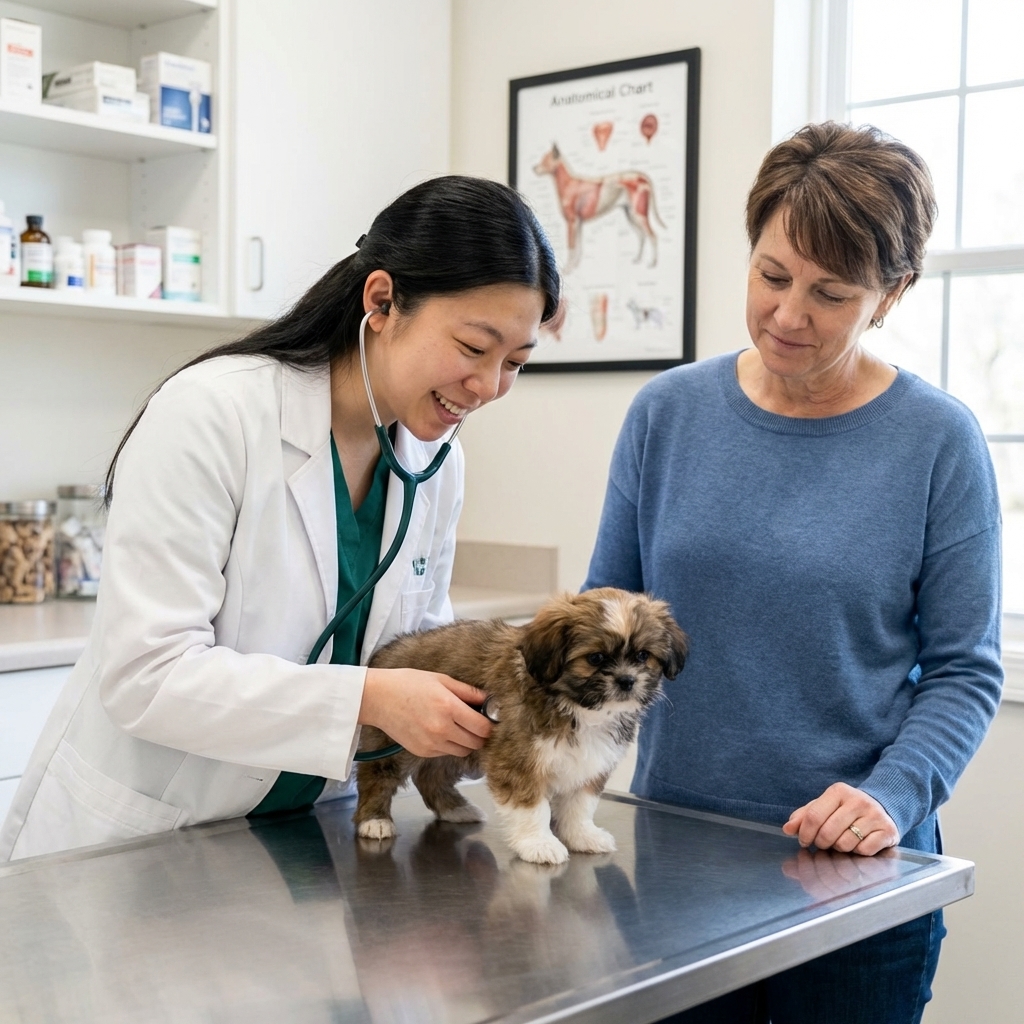
- Schedule a new-pet exam within the first week.
- Plan on a grooming evaluation early, especially if the coat is already matting.
Preventing separation stress
Peekapoos often bond deeply, which is part of their charm, but it can also set the stage for separation-related stress if alone-time skills are not taught.
- Practice short absences: step out for a minute or two, return calmly, and gradually build duration.
- Create a comfort routine: a crate or bed area, a predictable cue, and a safe chew or food puzzle.
- Reward independence: notice and reinforce relaxed behavior when your dog chooses to settle away from you.
Is a Peekapoo right for you?
A Peekapoo can be a wonderful companion if you want a loving small dog and you are willing to invest in grooming, training consistency, and smart health prevention. They often do best in homes where someone is around a fair amount, or where the family is willing to build independence gently to reduce separation-related stress.
A Peekapoo may be a great match if you want:
- A cuddly, people-focused companion
- A small dog for apartment or smaller-home living
- A dog that enjoys short walks and indoor play
Consider another mix if you prefer:
- Very low grooming needs
- A dog that is highly independent
- A dog built for long runs or intense outdoor activity
If you bring a Peekapoo into your life, go slow with training, stay consistent with grooming, and partner with your veterinarian on breathing, dental, and eye health. With that support, these little dogs often give a whole lot of love for many years.