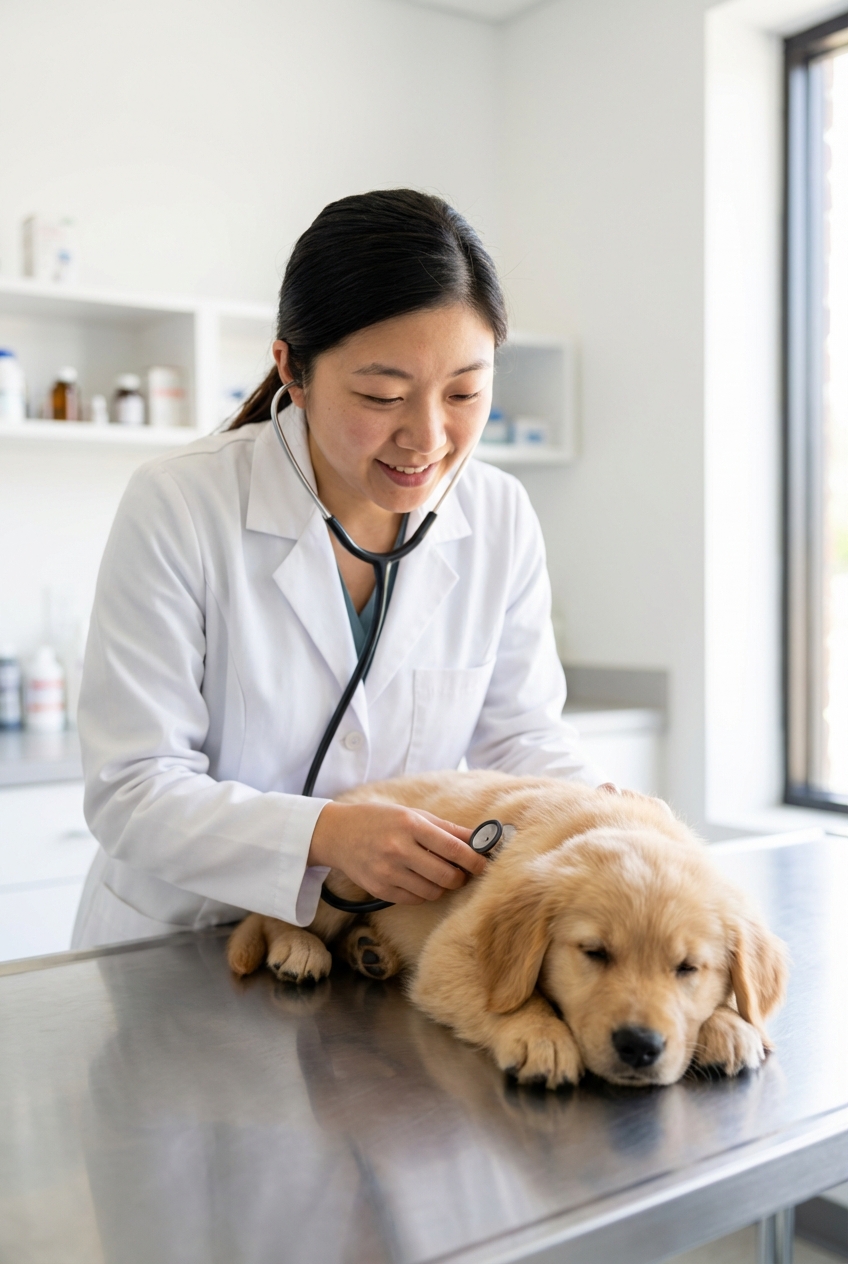
Recognize parvo in puppies fast: early symptoms, emergency red flags, when to suspect it, what to do immediately, how vets test and treat, plus home care, cl...
Article
•
Designer Mixes
Parvo in Dogs: Early Warning Signs and Survival Rates

Shari Shidate
Designer Mixes contributor
Parvovirus, often called parvo, is one of the scariest words a dog parent can hear, especially if you have a puppy or a newly adopted dog. As a veterinary assistant, I have seen how quickly parvo can take hold, but I have also seen dogs survive and thrive when they get fast treatment.
This guide will walk you through early warning signs, what happens in the body, survival rates, and the exact steps to take if you suspect parvo. The goal is simple: help you act quickly and confidently.
Quick note: This article is for education and support. It is not a substitute for diagnosis or treatment from your veterinarian.
What is parvo and why is it so dangerous?
Canine parvovirus is a highly contagious virus that primarily attacks rapidly dividing cells, especially in the intestinal lining and, in some cases, the bone marrow. This is why parvo can cause severe vomiting and diarrhea, dehydration, pain, and a higher risk of bloodstream infection.
Parvo can also affect the heart muscle (myocarditis), but this form is uncommon today and is mostly seen in very young, unvaccinated puppies.
How dogs catch it
Parvo spreads through a fecal to oral route, meaning dogs are infected after contact with infected stool or contaminated environments and then licking paws or surfaces. The virus can be carried on shoes, paws, leashes, kennel surfaces, and hands.
One of the toughest parts is that parvo is very hardy in the environment and can persist for months if not properly disinfected.
- Highest risk: unvaccinated or under-vaccinated puppies (especially under 6 months)
- Also at risk: unvaccinated adults, dogs with unknown vaccine history, and dogs with weakened immune systems
- High exposure settings: shelters, dog parks, apartment potty areas, pet stores, and shared yards
Early warning signs of parvo
Parvo can look like a simple stomach bug at first, which is why it is so important to take early symptoms seriously. If your dog is not fully vaccinated, assume parvo is possible until your veterinarian rules it out.
Often the first signs
- Low energy or sudden lethargy (the “spark” is gone)
- Not eating or refusing treats from a normally food-motivated dog
- Fever or sometimes a low body temperature later in the disease
- Vomiting (may start mild and become frequent)
Classic signs as it progresses
- Diarrhea, often watery and foul-smelling
- Bloody diarrhea is common but not required for parvo to be present
- Dehydration (dry gums, sunken eyes, tacky mouth, weakness)
- Abdominal pain (hunched posture, unwillingness to be touched)
Important: Not every dog will show every symptom. If your puppy has vomiting or diarrhea and is not vaccinated, that is enough reason to call your vet or an emergency clinic right away.
How fast does parvo hit?
After exposure, many dogs develop signs in about 3 to 10 days (sometimes longer). Once symptoms start, parvo can worsen quickly over 24 to 48 hours, especially in small puppies. This is why waiting “to see if it passes” can be so risky.
Some dogs can shed the virus before you realize they are sick, which is one reason outbreaks can happen in group settings.
Parvo survival rates
Survival depends heavily on how quickly a dog receives treatment. Parvo is not treated by killing the virus directly. Instead, veterinary teams support the body through the most dangerous period using fluids, anti-nausea meds, pain control, gut protectants, and antibiotics when indicated.
With prompt veterinary treatment
With hospitalization and aggressive supportive care, survival is often reported around 80% to 90%. Individual outcomes vary based on age, how early care begins, severity at presentation, and the level of monitoring available.
Without treatment
Without treatment, parvo can be fatal due to dehydration, electrolyte imbalance, shock, and secondary infection. This is why home care alone is not recommended for suspected parvo unless it is under a veterinarian’s guidance with a clear outpatient protocol and close follow-up.
What improves survival odds
- Early care before severe dehydration and shock set in
- Consistent anti-vomiting control so hydration can be maintained
- IV fluids and electrolyte support when needed
- Good nursing care including warmth, cleanliness, and monitoring
- Vaccination before exposure whenever possible
What to do if you suspect parvo
If your dog is a puppy or has an unknown vaccine history and is vomiting, has diarrhea, or suddenly becomes very lethargic, treat it like an emergency.
Step-by-step
- Call your veterinarian or an emergency clinic immediately. Tell them you suspect parvo so they can prepare isolation protocols.
- Limit exposure. Keep your dog away from other dogs and shared potty areas.
- Do not give over-the-counter human medications unless your vet specifically instructs you to. Some are dangerous for dogs.
- Bring a stool sample if you can, safely sealed in a bag or container.
- Expect testing. Many clinics use an in-house fecal antigen test and may also recommend bloodwork to assess dehydration and white blood cell counts.
Testing note: No test is perfect. False negatives can happen early in illness, and false positives can occur in some situations, including recent vaccination with certain vaccines. If your vet still strongly suspects parvo, they may recommend retesting, PCR, or treating based on clinical signs.
If cost is a concern, tell the clinic up front. Many hospitals can discuss options such as outpatient care for stable cases, third-party financing, or local resources. The key is not delaying care.
Treatment basics
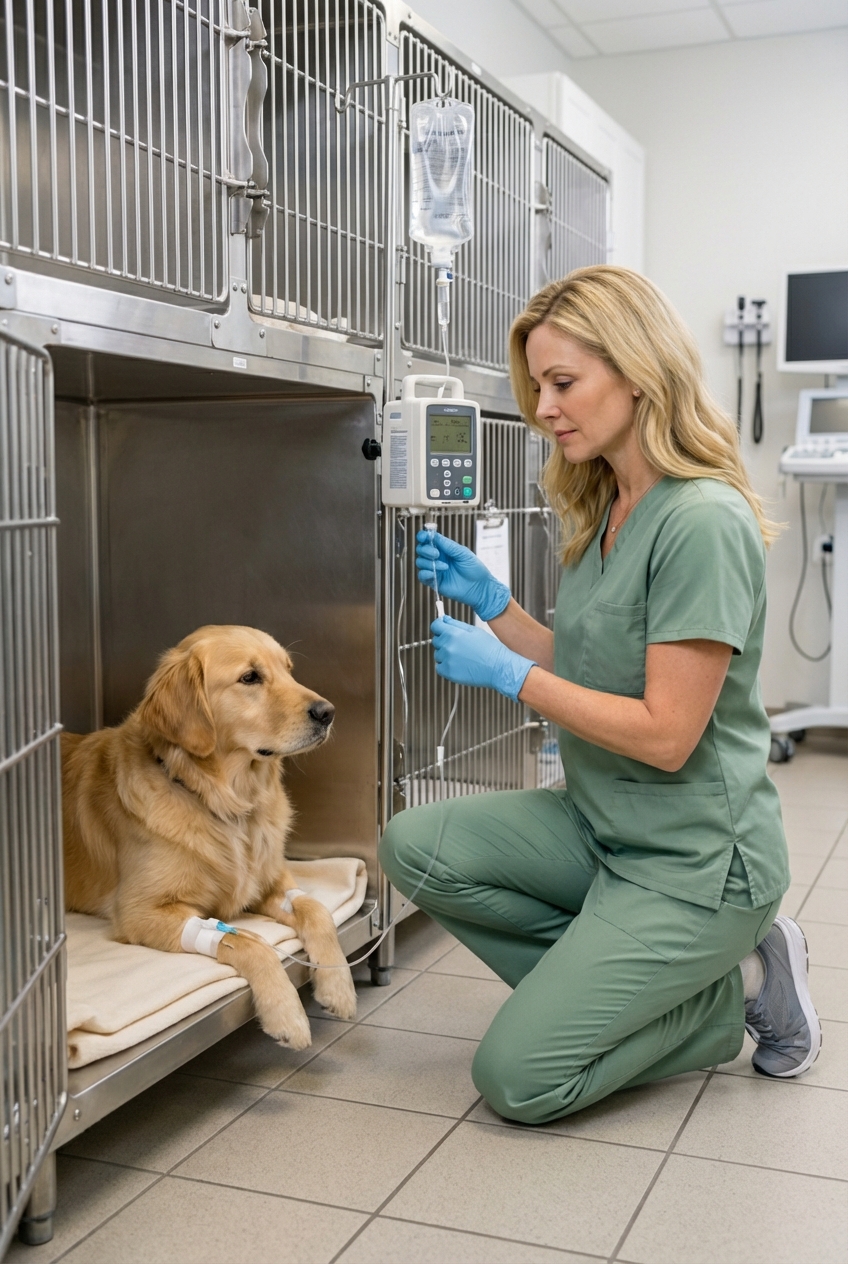
Parvo treatment is supportive, meaning it helps the body survive long enough to recover.
- Fluids: IV fluids are common; some dogs may be managed with subcutaneous fluids if mild and stable
- Anti-nausea medications: help stop vomiting so the gut can rest
- Electrolyte and glucose support: especially important for puppies
- Antibiotics: used when there is risk of bacteria crossing the damaged gut wall into the bloodstream
- Pain control and gut protectants: because parvo is painful and inflammatory
- Nutritional support: carefully timed feeding may begin once vomiting is controlled
Newer option: A canine parvovirus monoclonal antibody treatment (approved in 2023) is now available in some hospitals. It is not offered everywhere yet, and your vet can tell you if it is appropriate for your dog.
Recovery and contagious period
Many dogs that respond to treatment start improving in a few days, but full recovery can take longer. Your veterinarian will give you home-care instructions, which may include a bland diet, medications, and strict rest.
How long is a dog contagious?
Dogs can shed parvovirus in their stool after illness. A practical rule is to plan on strict isolation for at least about 10 to 14 days after clinical recovery, though some dogs may shed longer. Your veterinarian can advise on the safest timeline for your situation, especially if you have other dogs at home.
Cleaning and disinfection
Regular household cleaners do not always kill parvo. Clinics often recommend disinfectants proven effective against parvovirus.
- Pre-clean first: Remove all stool, vomit, and other organic material before disinfecting. Disinfectants do not work well through debris.
- Bleach dilution for hard surfaces: a common recipe is 1 part household bleach to 30 parts water for hard, non-porous surfaces. Use good ventilation and never mix bleach with other cleaners.
- Contact time matters: keep the surface wet for the time listed on the product label (often around 10 minutes for parvo-effective products).
- Porous areas are tough: carpet, upholstery, soil, and gravel can be difficult or impossible to fully disinfect. Ask your vet for practical options if exposure happened in these areas.
Always follow label directions and safety guidance, and ask your veterinarian what is best for your home and surfaces.
Prevention
Parvo prevention is one area where we have truly powerful tools. Vaccination is highly effective, and it saves lives.
- Puppies typically receive a series of vaccines spaced out over several weeks, because maternal antibodies can interfere early on.
- Adult dogs need boosters based on veterinary guidance and local risk.
- New rescue dogs should be kept away from high-traffic dog areas until a veterinarian confirms vaccination status and protection.
Also, be thoughtful about exposure. Until your puppy completes their vaccine series, stick to safer options like your own clean yard, controlled playdates with fully vaccinated healthy dogs, and puppy socialization classes that follow strong sanitation and vaccine rules.
When to go to the ER
Please do not wait if you see any of the following, especially in a puppy:
- Repeated vomiting, cannot keep water down
- Diarrhea that is frequent, watery, or bloody
- Severe lethargy, weakness, collapse, or pale gums
- Signs of dehydration like sticky gums or sunken eyes
- Any vomiting or diarrhea in an unvaccinated puppy
Trust your instincts. If your dog seems “off” and is getting worse quickly, urgent care is the safest choice.
Parvo is serious, but it is not hopeless. Fast action and supportive care make an enormous difference.
Quick FAQ
Can a vaccinated dog get parvo?
It is uncommon, but not impossible, especially if a dog is not fully vaccinated yet (like a puppy mid-series) or has an underlying immune issue. If symptoms fit, testing is still worth discussing.
Can humans catch parvo from dogs?
Canine parvovirus does not infect people. However, humans can spread it mechanically on hands, shoes, and clothing to other dogs.
Is parvo always fatal?
No. With timely veterinary care, many dogs survive. The most important factor you control is how quickly you seek treatment.