Papillons are small dogs with big brains and even bigger opinions. As a veterinary assistant, I love how much joy this breed can pack into a tiny body. They are alert, affectionate, and impressively athletic for a toy breed. They can also be sensitive, vocal, and quick to learn both good habits and the not-so-great ones.
This guide will walk you through Papillon personality, training strategies that actually work for a smart little dog, coat-care basics, and the dental priorities that matter for nearly all toy breeds.
Papillon personality
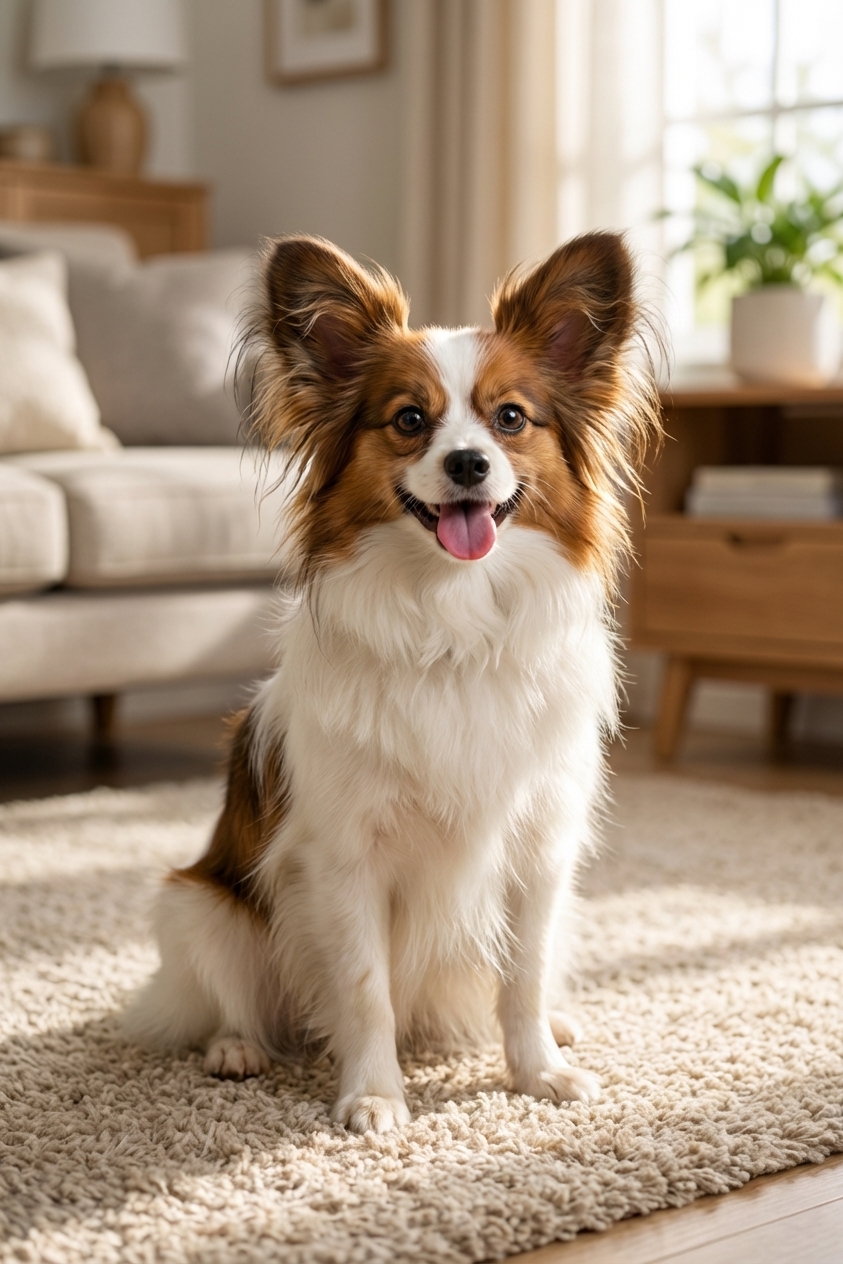
The Papillon is known for being bright, curious, and people-focused. Many are little shadows that want to be involved in everything you do. They tend to bond closely with their favorite person but can still be social with the whole family when they are well socialized.
What Papillon owners usually love
- High intelligence: Papillons are quick to pick up cues, routines, and household rules. This is wonderful when you train on purpose, and it can be challenging if you do not.
- Surprising athleticism: Many Papillons excel in agility, rally, and trick training. They are light on their feet and enjoy having a job.
- Affection without being heavy: They tend to enjoy cuddling, but many also like a bit of independence and play.
Common challenges to plan for
- Vocal tendencies: Papillons are alert watchdogs. Many bark at noises, visitors, and movement outside.
- Sensitivity: Harsh corrections can backfire. Some Papillons shut down, become nervous, or start fear-barking.
- Small-dog fragility: They are sturdy for their size, but jumps from furniture, rough handling, and big-dog play can cause injuries. Toy breeds are also prone to issues like luxating patellas (slipping kneecaps), so joint-friendly habits matter.
If you want a calm, quiet lap dog with minimal training, a Papillon may feel like “too much dog.” If you want a tiny partner for training games, enrichment, and sports, they can be a dream.
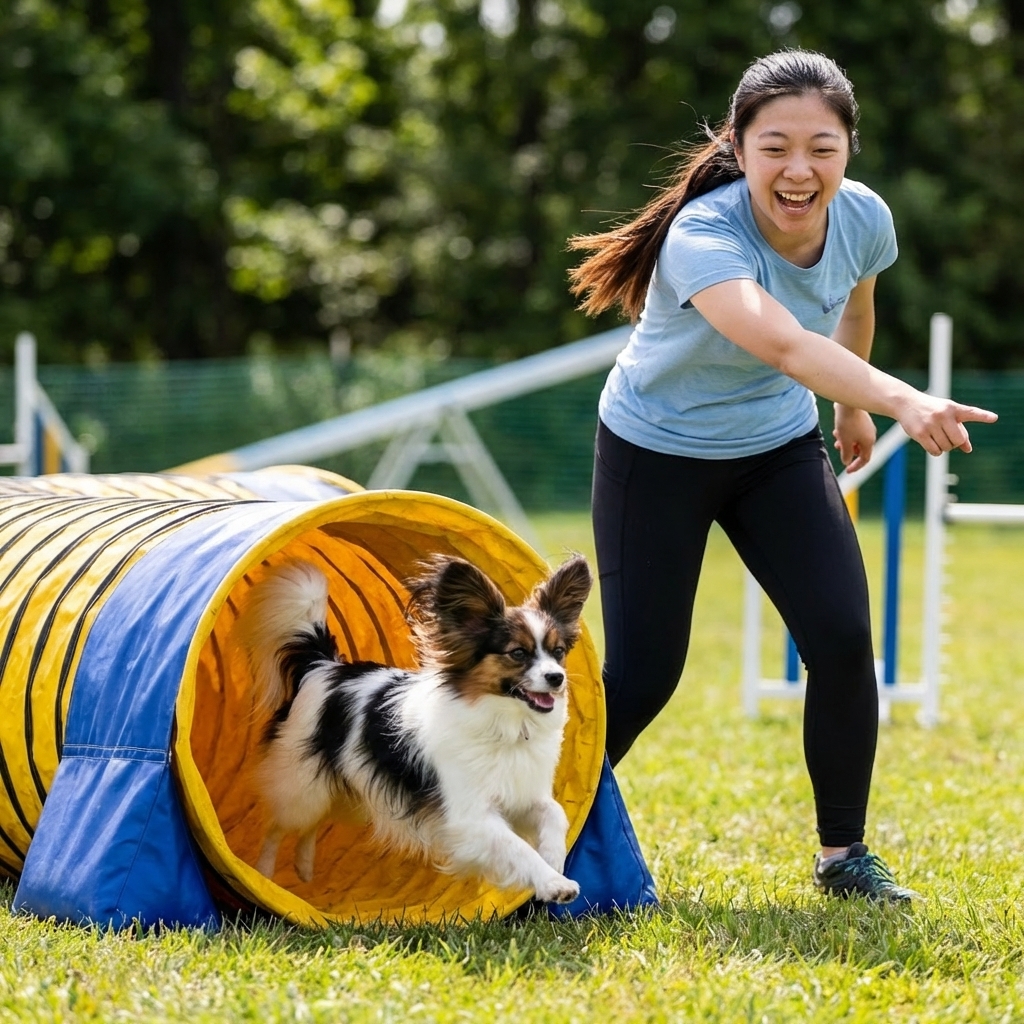
Are Papillons good for agility?
Many Papillons are excellent agility candidates because they are fast, responsive, and motivated by play. Their small size can be an advantage on tight turns, and their intelligence helps them learn sequences quickly.
That said, agility should be introduced thoughtfully. Like all dogs, they need:
- Foundational fitness before repetitive jumping.
- Age-appropriate training so growing joints are protected.
- Confidence-building for tunnels, teeters, and noisy environments.
Because patellar luxation is common in small dogs (including Papillons), I recommend being extra mindful about jumping volume, footing, and conditioning. If your Papillon has any signs of pain, limping, skipping on a back leg, or reluctance to jump, talk with your veterinarian before you push forward. If your dog is new to activity, start with low-impact conditioning and short sessions. Consistency beats intensity.
Training a Papillon
Papillons learn quickly, but that does not automatically mean they are easy. “Smart” can mean they notice patterns and loopholes. The best training approach is calm, clear, and reward-based.
Best motivators
- Tiny, high-value treats: Think pea-size. Toy breeds fill up fast and can gain weight easily, so keep rewards small and count treats as part of the daily calories.
- Play: Many Papillons love tug or a quick chase of a toy.
- Life rewards: Going outside, greeting a friend, or hopping onto the couch can be used as a reward for calm behavior.
House-training tips
Small breeds can be harder to house-train for a few reasons: smaller bladders, cold weather intolerance, and owners missing subtle “I need to go” signals.
- Set a schedule: First thing in the morning, after meals, after naps, after play, and before bed.
- Use a cue: Say the same phrase every time, then reward immediately after they finish.
- Make the right choice easy: If you cannot supervise, use a crate or safe pen setup.
Socialization matters
A well-socialized Papillon is typically confident and friendly. A poorly socialized Papillon can become reactive or fearful, especially around strangers, kids, or bigger dogs. Socialization is not flooding your dog with scary situations. It is controlled, positive exposure at your dog’s pace.
Focus on gentle wins: calm greetings, treats when bicycles pass, and rewarding quiet observation instead of forcing interaction.
Managing barking
Papillons are naturally alert. Barking is not a character flaw; it is communication. The goal is to teach your dog when barking is useful and when it is time to settle.
Practical strategies
- Teach a “thank you” cue: Let your dog give one or two barks, then say “thank you,” lure them away from the trigger, and reward quiet.
- Reduce trigger practice: If window-watching turns into nonstop barking, use frosted window film or limit access during high-traffic times.
- Meet needs first: A bored Papillon will invent a job. Daily play, sniff walks, and training games reduce noise dramatically.
- Reward calm: Toss a treat when your dog is quietly resting, not only when they are demanding attention.
If barking is sudden, intense, or new, consider a vet visit. Pain, cognitive changes in seniors, and hearing loss can change vocal behavior.
Papillon coat care
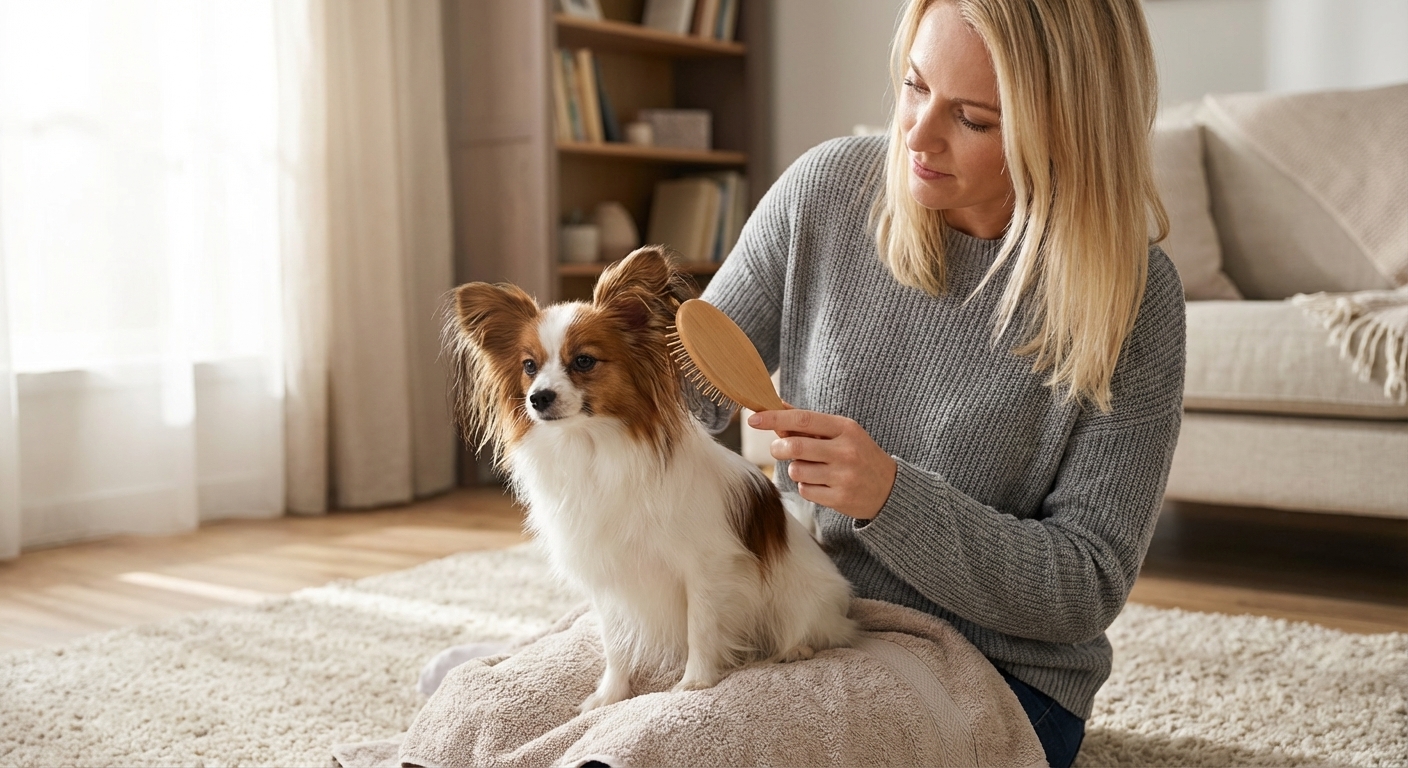
Papillons have long, silky hair and are generally considered a single-coated breed, meaning they typically lack a dense undercoat. In many households they are light to moderate shedders, not “no shed.” Their feathering behind the ears, on the legs, and on the tail can mat if it is ignored.
Brushing routine
- Plan for 2 to 4 brush sessions per week for most pets. If your dog wears harnesses or sweaters often, you may need more.
- Focus on friction zones: Behind ears, armpits, leg feathering, and around the collar area.
- Use gentle tools: A pin brush and a fine comb can work well. Brush in sections and do not “rip” through a mat.
Bathing and drying
- Bathe as needed based on lifestyle, skin sensitivity, and how quickly they get that “dog” smell. A common range is every 4 to 8 weeks.
- Conditioner helps: A light conditioner reduces tangles and breakage.
- Dry thoroughly: Damp feathering can mat quickly. Towel-dry and use a low-heat dryer if your dog tolerates it.
Trimming
Many Papillons do not need full haircuts, but they often benefit from light tidying. Common requests at the groomer include:
- Sanitary trim
- Paw pad trimming for traction
- Light shaping of feathering to reduce debris collection
Common health notes
No breed is a guarantee, but there are a few health topics I routinely mention to Papillon families, especially if they want to do sports or have an active lifestyle.
- Luxating patellas: Slipping kneecaps are common in toy breeds. Conditioning, keeping your dog lean, and addressing any skipping or lameness early can make a big difference.
- Dental crowding and periodontal disease: You cannot “out-chew” plaque in most small dogs. Home care plus veterinary guidance matters.
- Tracheal sensitivity: Some small dogs do better on a harness than a collar, especially if they pull or cough.
- Eyes and screening: Ask your breeder and veterinarian about any recommended eye screening in your line, and bring up changes like cloudiness or bumping into things.
If you are getting a puppy, ask the breeder what health testing they do, and bring those records to your first vet visit. If you are adopting, your veterinarian can help you prioritize what to watch based on age and history.
Toy-breed dental priorities
Dental disease is one of the most common health problems I see in small dogs. Toy breeds tend to have crowded teeth, which traps plaque, speeds up tartar buildup, and can lead to gum infection. Dental disease is not just a mouth issue. It is painful, and chronic inflammation can impact overall comfort and health. Research on systemic effects is ongoing, but the quality-of-life impact is very real.
What to do at home
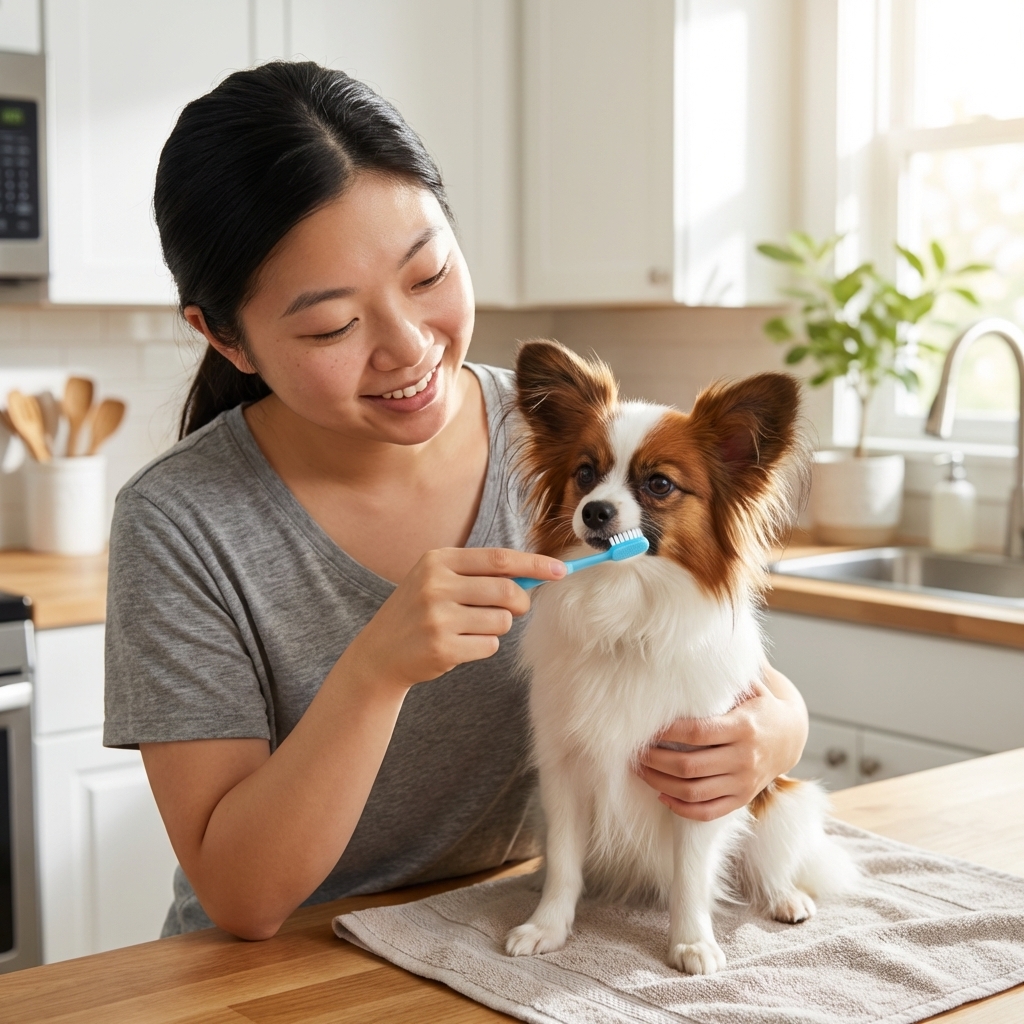
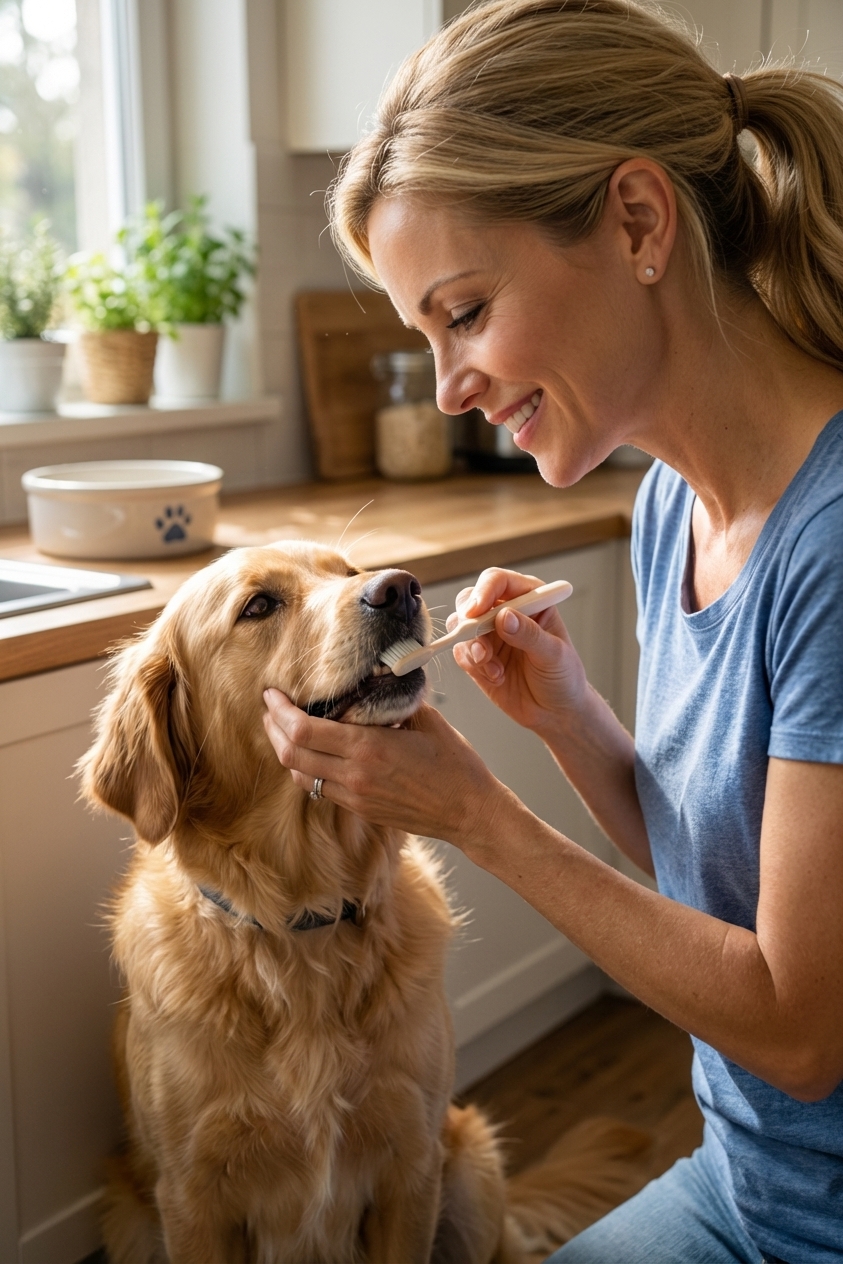
- Brush teeth daily if possible or at least several times a week. Use dog-safe toothpaste only.
- Start slow: Begin by touching the muzzle, then the lips, then a finger brush, then a soft toothbrush.
- Use VOHC-accepted dental products when you can: Look for the Veterinary Oral Health Council seal on certain chews, diets, and additives.
Professional care
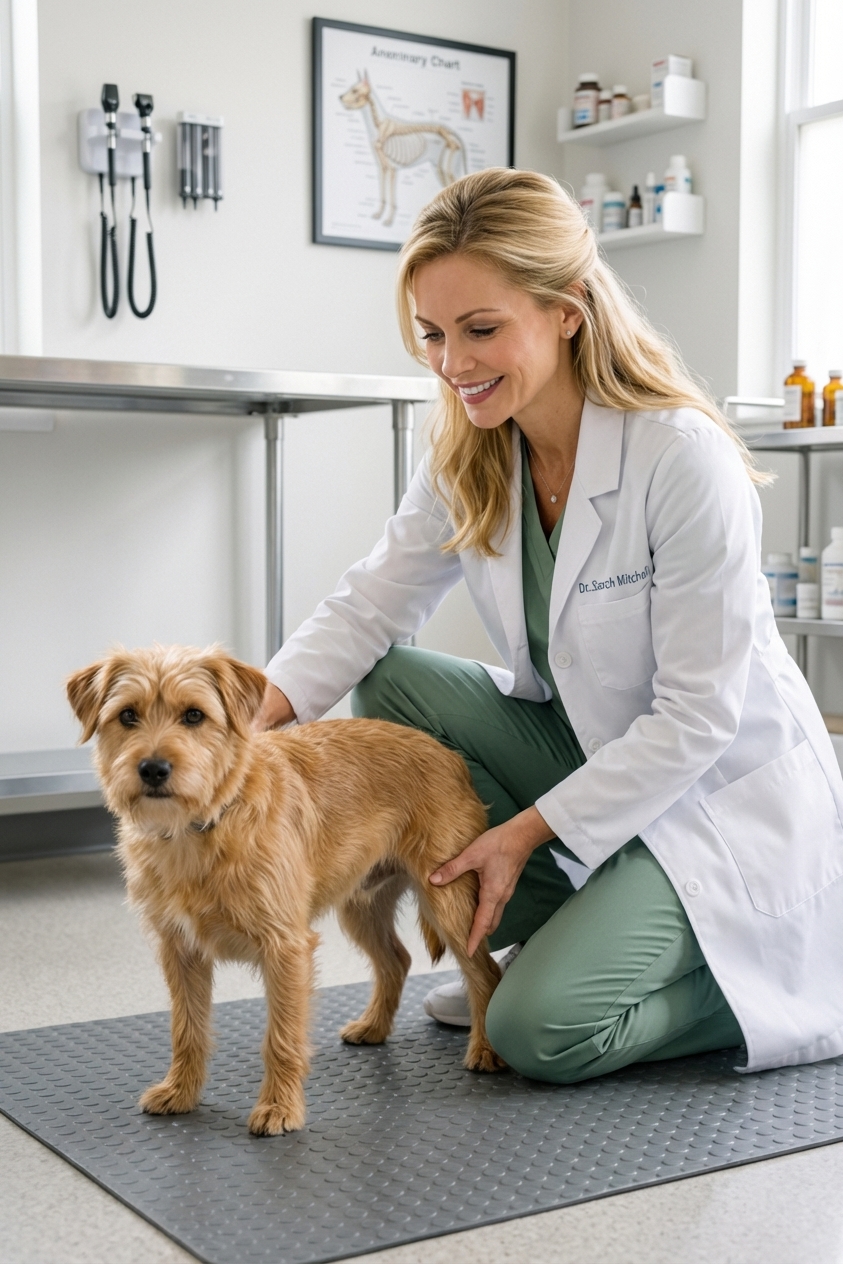
Many toy breeds need professional dental cleanings during their lifetime, sometimes earlier than owners expect. Your veterinarian can tell you when a cleaning is medically appropriate, especially if there is gum inflammation, bad breath, visible tartar, or pain when eating.
If your Papillon has persistent bad breath, dropping food, pawing at the mouth, or one-sided chewing, schedule an exam. Those are not “normal small dog things.” They are treatable problems.
Papillon vs other toy breeds
If you are deciding between toy breeds, here are a few practical comparisons that come up often. Individual personality and early socialization matter a lot, so treat these as tendencies, not rules.
Papillon vs Chihuahua
- Energy and athleticism: Both can be active, but Papillons are especially known for sport potential and quick learning.
- Vocal: Both can be barky. Training and enrichment matter more than breed stereotypes.
- Handling: Many Chihuahuas are sensitive to cold and handling. Papillons can also be sensitive, but many are more outwardly social with steady, positive exposure.
Papillon vs Maltese
- Coat: Maltese hair typically requires more intensive grooming and often regular haircuts. Papillon coats are usually easier, but still need brushing to prevent feathering mats.
- Temperament: Both are affectionate. Papillons often have a stronger “let’s do stuff” drive, especially for training games.
Papillon vs Yorkshire Terrier
- Trainability: Both are smart. Many Papillons are quite biddable, while some terrier types can be more independent. Individuals vary widely.
- Prey drive: Many Yorkies have a stronger terrier chase instinct. Papillons can chase too, but they are not true terriers.
- Grooming: Yorkie coats can be high-maintenance if kept long. Papillons generally have a more wash-and-wear look with routine brushing.
Is a Papillon right for you?
A Papillon may be a great match if you want a small dog who:
- Enjoys training and learning
- Can keep up with daily walks and play
- Likes being near their people
- Does well with consistent routines and positive reinforcement
Exercise does not have to mean one long march. Many Papillons thrive on a couple of short walks plus a few mini play or training sessions daily. Be mindful in heat, and keep jumping games reasonable for your dog’s body.
You may want to think twice if you need a dog who is reliably quiet, you cannot commit to regular brushing, or your household has very young kids who might unintentionally handle a small dog too roughly.
If you choose a Papillon, plan for two things: mental stimulation and dental care. Those two investments pay you back for years in behavior, comfort, and quality of life.
Quick start checklist:
- Schedule a new-dog vet exam and discuss dental prevention early
- Begin reward-based training the first week at home
- Brush coat a few times a week and check behind ears for tangles
- Add enrichment daily: sniff time, short training sessions, puzzle feeders