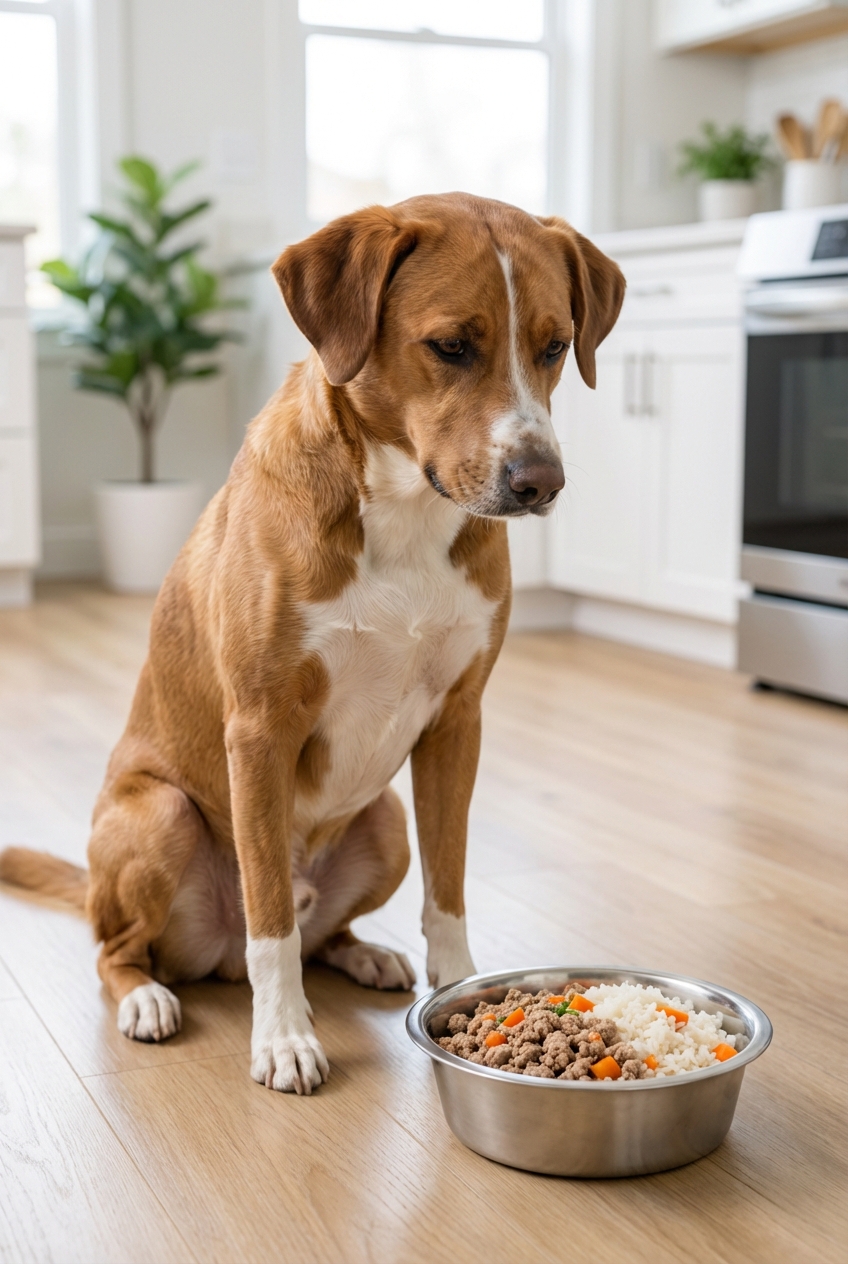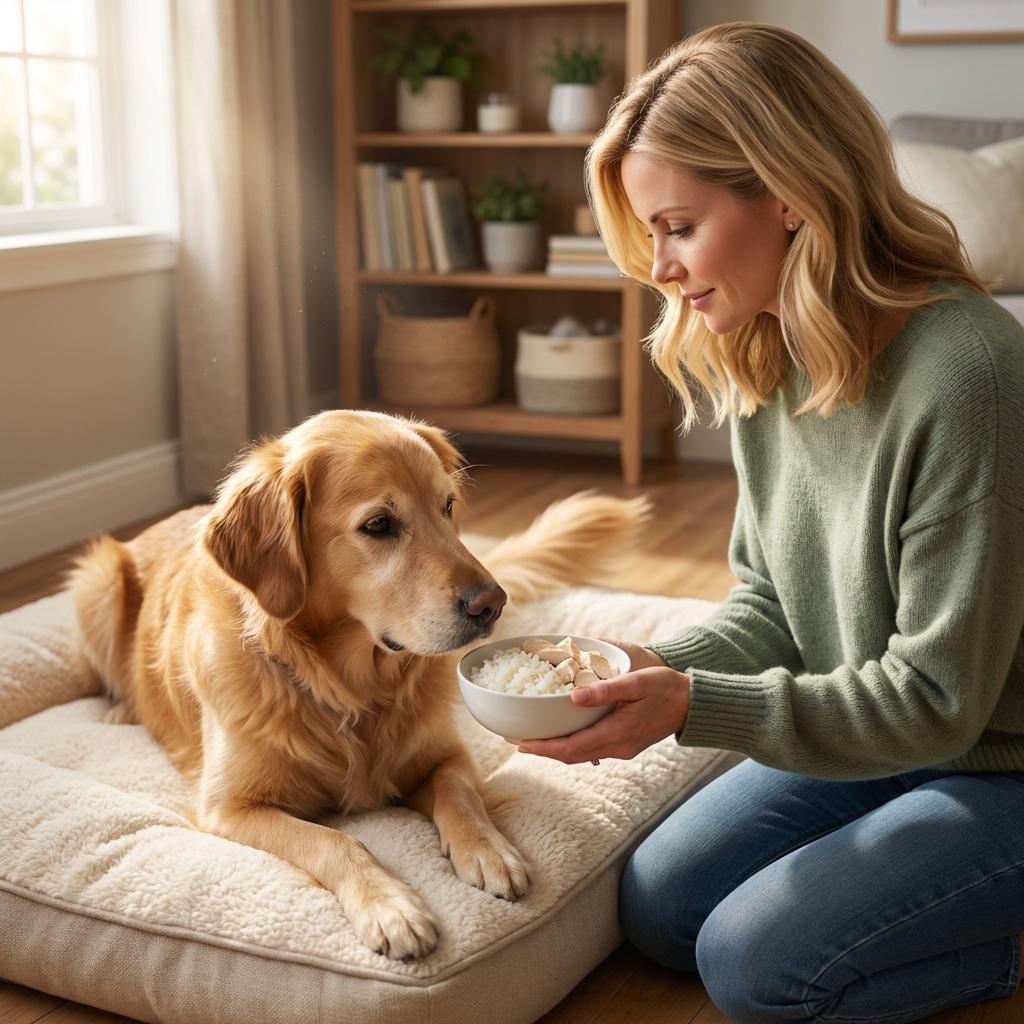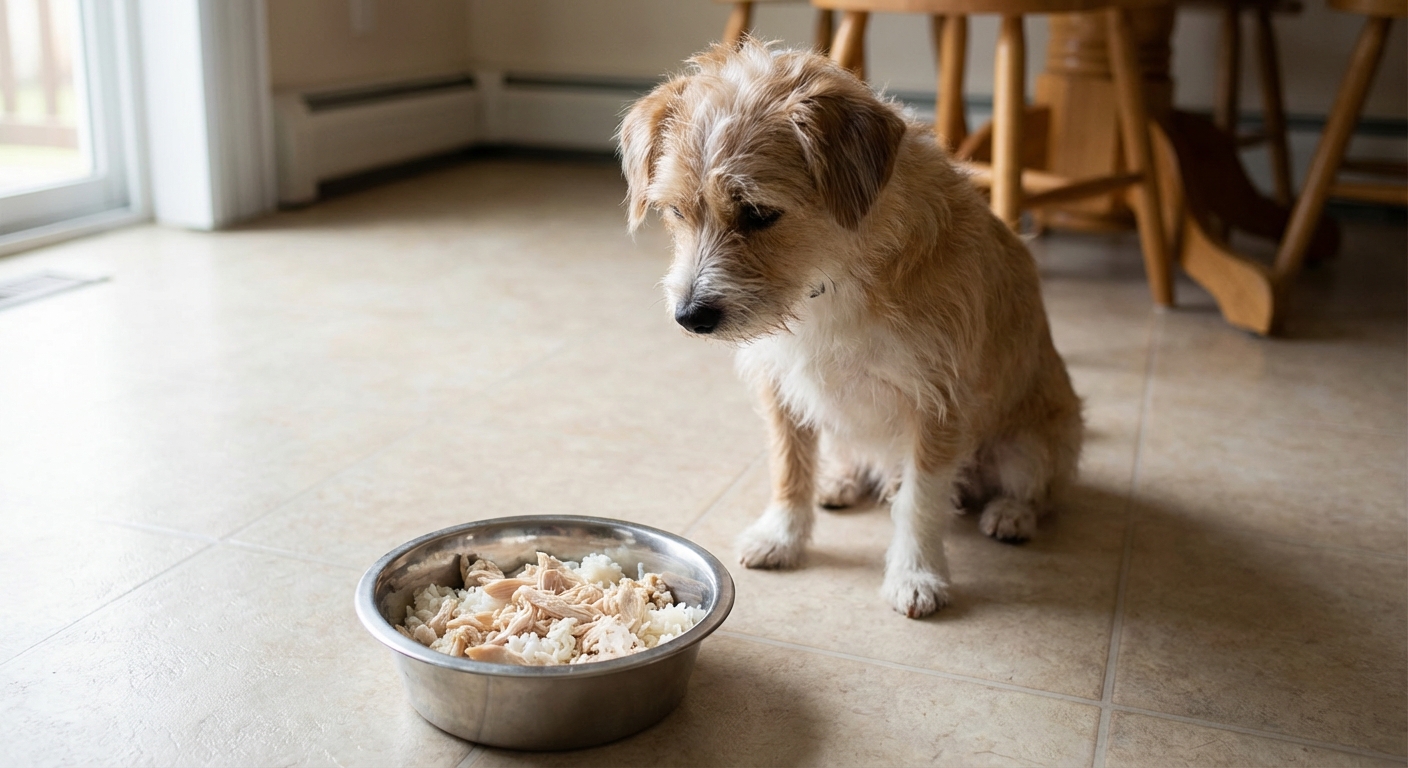
A practical pancreatitis-safe list for dogs: lean proteins, gentle carbs, cooked veggies, foods to avoid, simple low-fat meal ideas, and safer treats—with ...
Article
•
Designer Mixes
Pancreatitis Symptoms in Dogs: A Family Care Guide

Shari Shidate
Designer Mixes contributor
Pancreatitis can look like a simple upset stomach at first, but it can turn serious quickly. As a veterinary assistant, I like to keep it simple for families: know the symptoms, know what to do right now, and know when it is time to go to the emergency vet.
This guide will help you spot easy-to-spot, at-home symptoms of pancreatitis in dogs, understand why they can happen, and support your pup safely while you get veterinary care.
What it is (plain language)
The pancreas is an organ that helps with digestion and blood sugar regulation. In pancreatitis, the pancreas becomes inflamed. One common way to explain it is that digestive enzymes and inflammation can start affecting the pancreas itself, which can contribute to irritation and tissue damage. That is one reason pancreatitis can be so painful.
Pancreatitis can be mild or severe, and it can be acute (sudden) or chronic (recurring). Even mild cases deserve a prompt vet visit because symptoms can worsen fast.
Common symptoms at home
Here are the signs I see owners report most often. Your dog may have only a few of these, especially early on.
- Vomiting (often repeated, sometimes after trying to eat or drink)
- Diarrhea (may be loose or frequent; occasionally pale or greasy-looking)
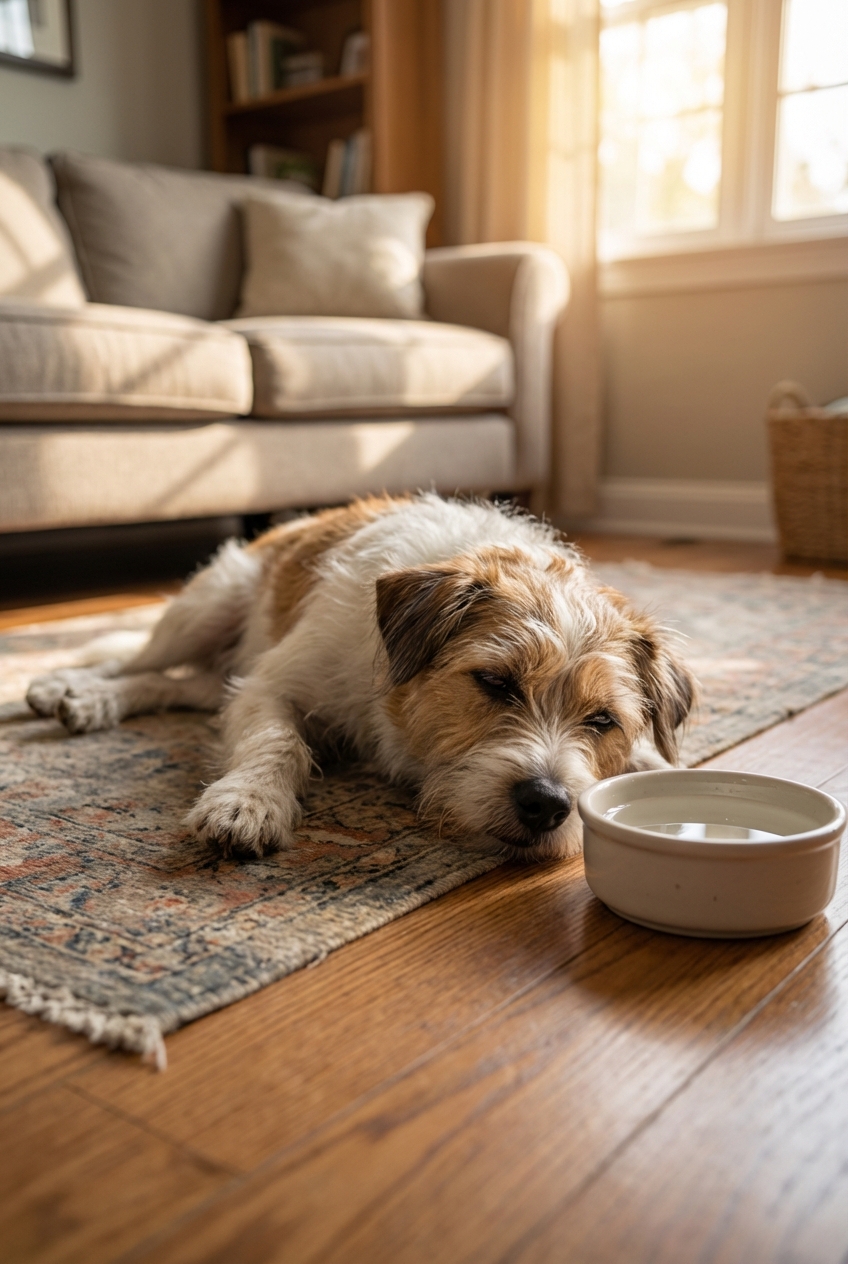
- Low appetite (turning away from food and even favorite treats)
- Low energy (not wanting to play, seems “off” or unusually quiet)
- Belly pain (tender abdomen, may yelp when picked up)
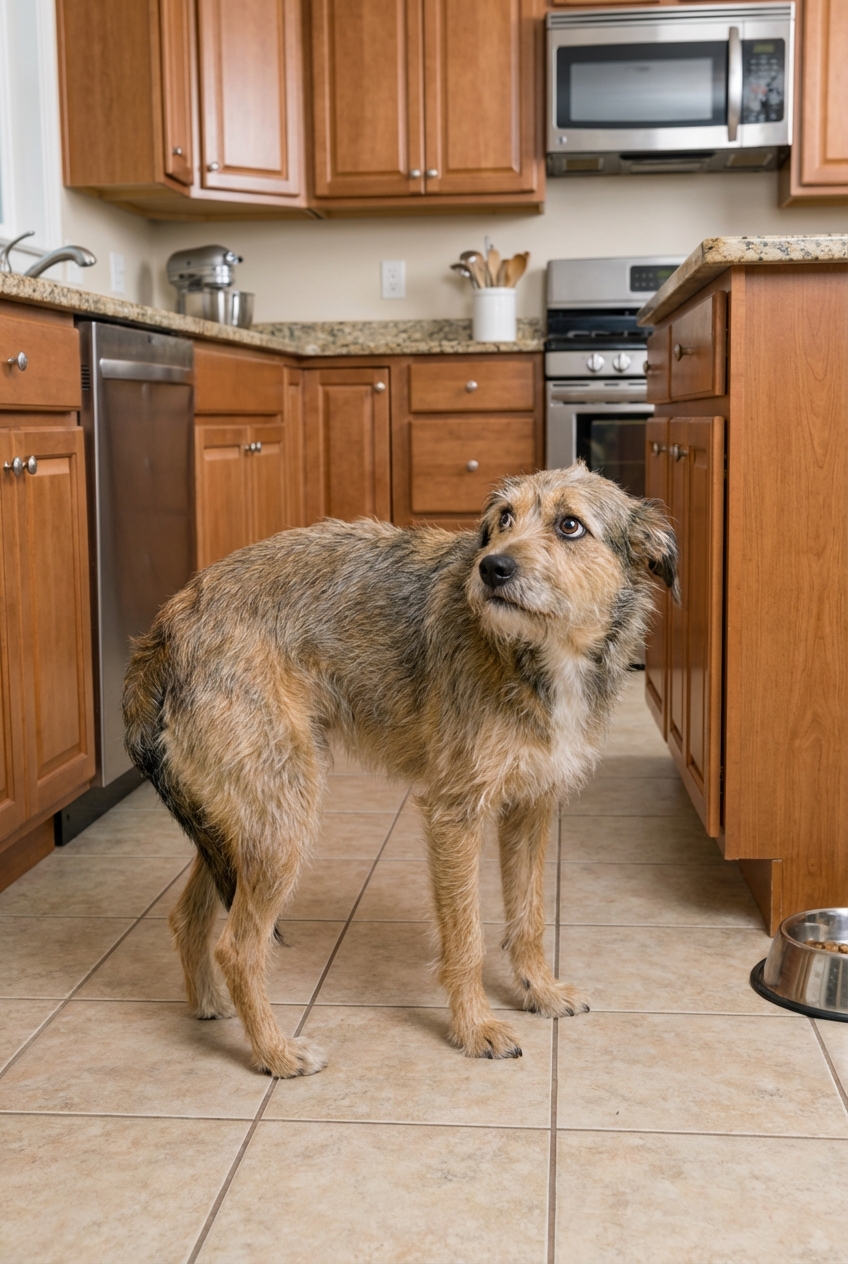
- Hunched posture or “praying position” (front legs down, rear end up, as if stretching)
- Dehydration (dry gums, sunken eyes, sticky saliva)
- Fever (your vet can confirm)
If your dog is vomiting and refusing food, especially with belly pain, pancreatitis needs to be on your radar. These signs can also look like other urgent problems like an intestinal blockage, toxin exposure, or Addison’s disease, which is another reason a vet exam and testing matter.
Go to the ER
Please seek urgent veterinary care today if you notice any of the following:
- Repeated vomiting or vomiting that continues for more than a few hours
- Blood in vomit or stool (red or black, tarry stool)
- Severe belly pain, crying, shaking, or guarding the abdomen
- Weakness, collapse, pale gums, or trouble standing
- Bloated abdomen or rapid breathing
- Dehydration plus not keeping water down
- Diabetic dogs acting unwell (pancreatitis can disrupt blood sugar)
- Puppies, seniors, or dogs with other illnesses worsening quickly
Pancreatitis can lead to complications like dehydration, electrolyte imbalance, and in severe cases shock. It is not something to “wait out” if your dog looks truly unwell.
What pain can look like
Dogs do not always cry when they hurt. Instead, families might see subtle clues like:
- Restlessness, then suddenly wanting to hide
- Shallow breathing or panting when the room is not warm
- Reluctance to jump on the couch or go up stairs
- Stiff walking, tight belly muscles
- Turning the head away when you touch the abdomen
If your dog is acting “uncomfortable in their own body,” trust your instincts and call your veterinarian.
Common triggers and risks
Not every case has a clear cause, but these are common contributors:
- High-fat foods (bacon grease, fried foods, fatty table scraps)
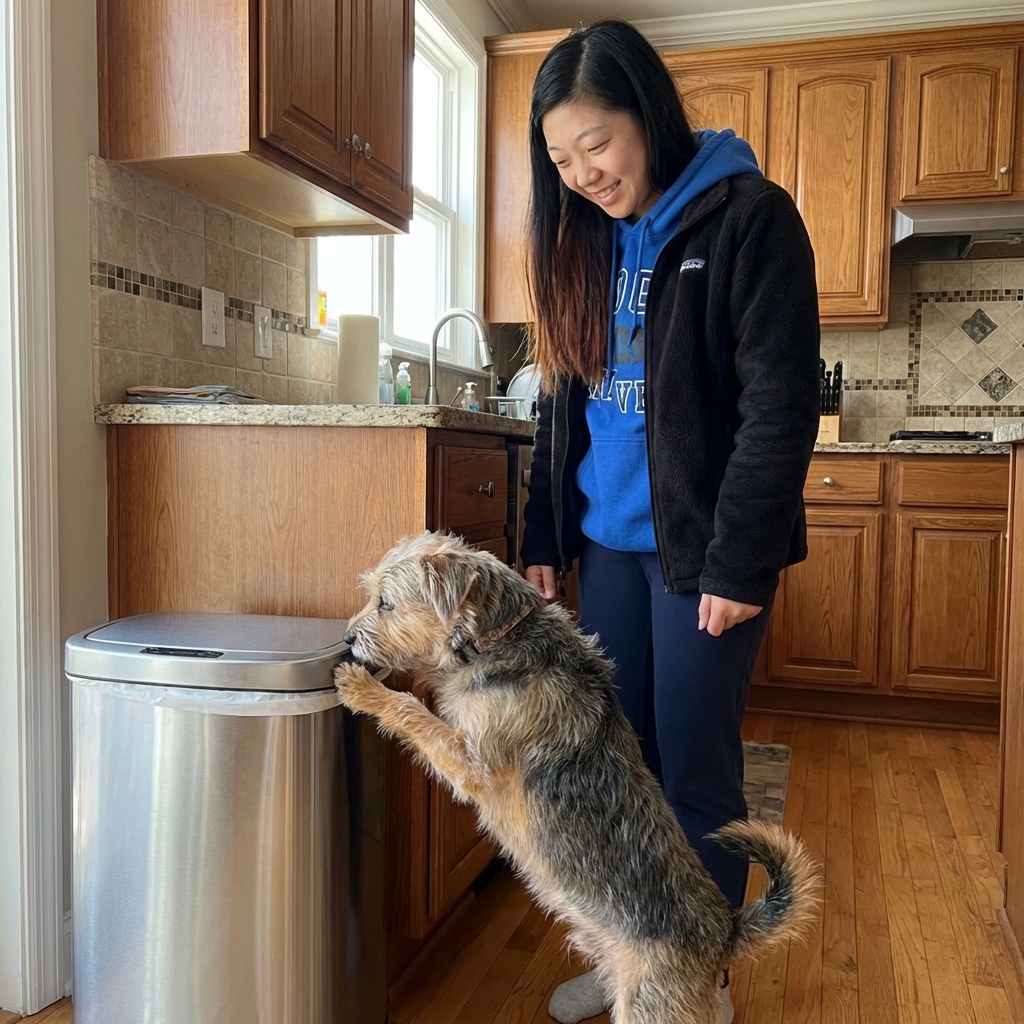
- Sudden diet changes or getting into the trash
- Overweight or obesity
- History of pancreatitis (recurrence is common)
- Certain medications (your vet can review what applies)
- Hormonal conditions like diabetes or Cushing’s disease
- High blood triglycerides in some dogs
A very classic story is: “My dog was fine, then after a rich treat or holiday leftovers, they started vomiting and acting painful.”
What to do right now
Home care is not a substitute for veterinary treatment, but these steps can help you do the safest thing while you arrange care.
1) Call your vet and share a clear timeline
Helpful details include:
- How many times your dog vomited and what it looked like
- Whether your dog can keep water down
- Stool changes
- Any possible “diet mistake” (trash, table food, new treats)
- Current medications and medical history
2) Do not give human meds
Please do not give ibuprofen, naproxen, aspirin, acetaminophen, or any leftover prescriptions unless a veterinarian specifically instructs you. Many common medications can be dangerous for dogs, especially when the GI tract is already stressed.
3) Offer small sips of water
If your dog is vomiting, large drinks can trigger more vomiting. You can offer small amounts frequently, unless your vet tells you to withhold water due to active vomiting.
4) Skip all treats and fatty foods
Even “just a bite” of something rich can make symptoms worse.
5) Keep things calm
Provide a quiet, comfortable spot and minimize stairs and jumping.
What not to do
- Do not force food if your dog is nauseated. It can trigger more vomiting and stress.
- Do not use high-fat “bland” meals like hamburger and rice. If you are told to feed at home, ask your vet what low-fat options are safest for your dog.
- Do not fast your dog for long periods unless your veterinarian directs you. Feeding plans are individualized, and recommendations have changed over time.
How vets confirm it
Diagnosis usually involves a combination of the physical exam, history, and testing. Your veterinarian may recommend:
- Bloodwork to check hydration, electrolytes, liver values, and inflammation
- Pancreas testing (commonly canine pancreatic lipase, often called cPL)
- Abdominal ultrasound to look at the pancreas and rule out other problems
- X-rays if there is concern for obstruction or other causes of vomiting
Because symptoms overlap with other conditions (like intestinal blockage or gastroenteritis), testing matters. Also, cPL is helpful but not perfect, so vets interpret results alongside the exam and imaging.
Treatment basics
Pancreatitis treatment is focused on supportive care while the pancreas calms down. Depending on severity, your dog may need:
- Fluids (oral support for some mild cases, or fluids under the skin or through an IV if dehydration is a concern)
- Anti-nausea medication to stop vomiting and protect hydration
- Pain control (pancreatitis is painful, and pain relief supports recovery)
- Appetite support and a careful feeding plan
- Hospitalization for moderate to severe cases
Antibiotics are not automatically used for pancreatitis because it is not usually caused by bacteria, but your veterinarian will decide based on your dog’s specific situation.
Feeding during recovery
Feeding recommendations should come from your veterinarian, especially if symptoms are severe. In general, recovery diets are often:
- Low fat
- Highly digestible
- Small, frequent meals rather than one or two large meals
If your dog is transitioning to a home-prepared diet later on, do it thoughtfully and with guidance so the diet is balanced and consistently low in fat. The goal is to support the pancreas, not stress it.
Family tip: after pancreatitis, consistency matters. Sudden diet changes and rich “surprise snacks” are a common reason dogs bounce back into symptoms.
Preventing flare-ups
- Keep fat out of reach: trash cans with lids, no countertop access, no grease drippings
- Choose low-fat treats and limit treat volume overall
- Maintain a healthy weight with regular weigh-ins and measured meals
- Check with your vet first before new supplements or big diet changes
- Be extra careful during holidays when people love to share food
If your dog has had pancreatitis once, it is worth treating “fatty extras” like a household hazard. A little prevention goes a long way.

Prognosis and long-term plan
Many dogs recover well with prompt care, but severity varies. Some dogs have recurring or chronic pancreatitis and do best with a long-term low-fat diet and a consistent routine. Your veterinarian can help you build a plan that fits your dog’s history and risk factors.
Common questions
Can pancreatitis go away on its own?
Mild stomach upset can improve, but true pancreatitis can escalate quickly. Because the symptoms look similar to other serious problems, it is safest to get veterinary guidance early.
Is pancreatitis contagious?
No. Your other pets cannot “catch” pancreatitis from the sick dog.
What should I tell the vet?
Give a quick timeline, number of vomiting episodes, appetite status, stool quality, and any suspected fatty food exposure. If you can, bring a list of current medications.
Can my dog still eat homemade food after pancreatitis?
Often yes, but it needs to be balanced and reliably low-fat. Work with your veterinarian or a veterinary nutritionist so you are not guessing.
Takeaway
If you remember just one thing: vomiting plus belly pain plus low appetite is not something to brush off. Pancreatitis is treatable, especially when you act early.
Call your veterinarian, share what you are seeing, and let’s get your pup comfortable and on the road to healing.