A practical guide to dog pancreatitis care: warning signs, diagnosis, fluids, nausea and pain control, nutrition support, home recovery routines, and low-fat...
Article
•
Designer Mixes
Pancreatitis in Dogs: Warning Signs Every Owner Misses

Shari Shidate
Designer Mixes contributor
Pancreatitis can look like a simple stomach bug at first, and that is exactly why it gets missed. One day your dog seems “a little off,” and the next day you are facing vomiting , intense belly pain, dehydration, or even hospitalization.
As a veterinary assistant in Frisco, Texas, I have seen how quickly pancreatitis can escalate. The good news is that many cases improve with prompt veterinary care and the right diet plan. The key is knowing the early warning signs, especially the sneaky ones.

What it is (and why it matters)
The pancreas is a small organ with a big job. It helps digest food by releasing digestive enzymes, and it also helps regulate blood sugar by producing hormones like insulin.
Pancreatitis means inflammation of the pancreas. When the pancreas is irritated, digestive enzymes can activate too early. Instead of helping digest a meal in the intestines, they can start irritating the pancreas itself. That inflammation can be mild, moderate, or severe.
In dogs, pancreatitis can be:
- Acute: sudden onset, often dramatic symptoms
- Chronic: recurring flare-ups that may look “mild” until damage accumulates
Either way, it is not something to wait out at home without guidance. Early treatment can prevent complications and shorten recovery time.
The warning signs owners miss
When people think pancreatitis, they usually think vomiting. Vomiting is common, yes, but many dogs show subtler clues first. Here are the signs I most want you to take seriously.
1) The “prayer position”
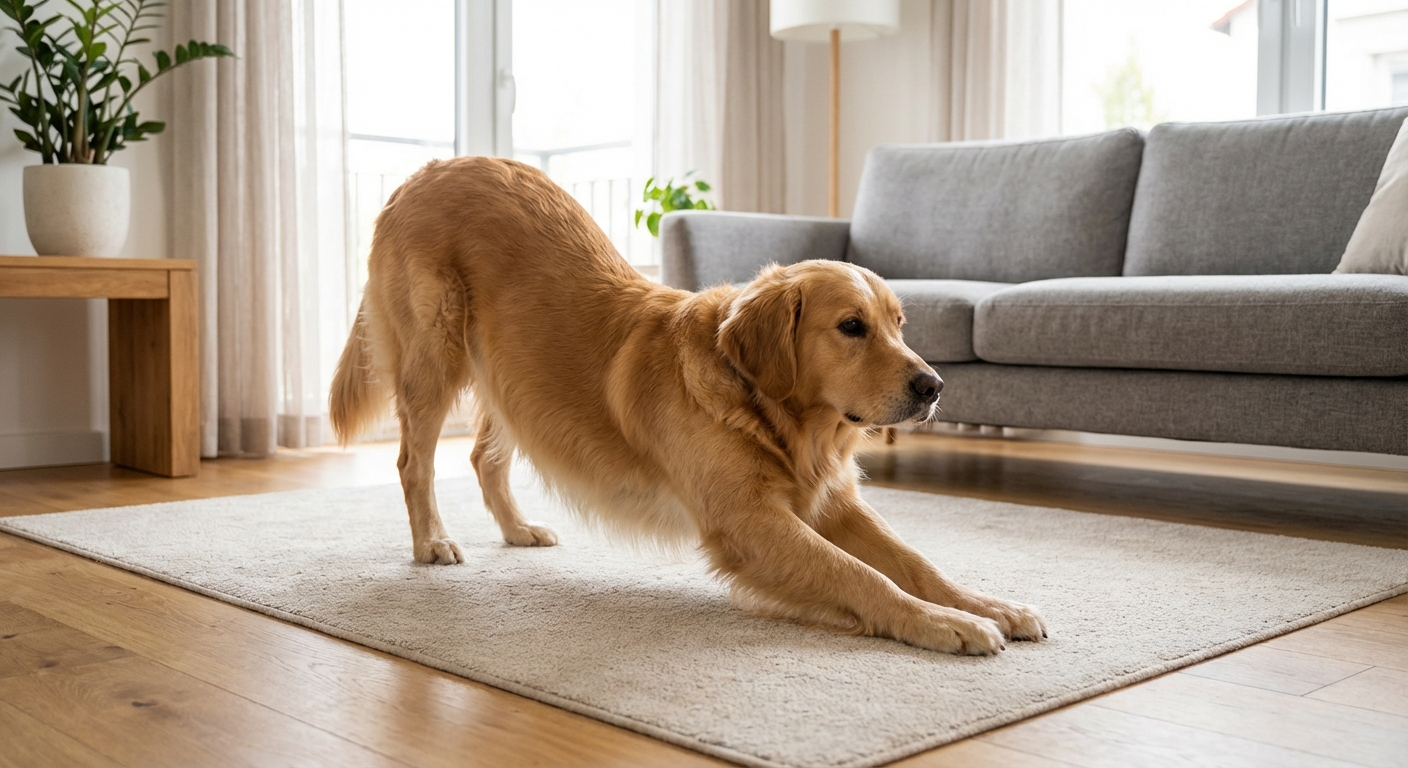
This is a classic but often misunderstood sign. Your dog may stretch with their front end down and rear end up, sometimes for longer than a normal stretch. They are often trying to relieve abdominal pain.
2) Sudden pickiness or refusing meals
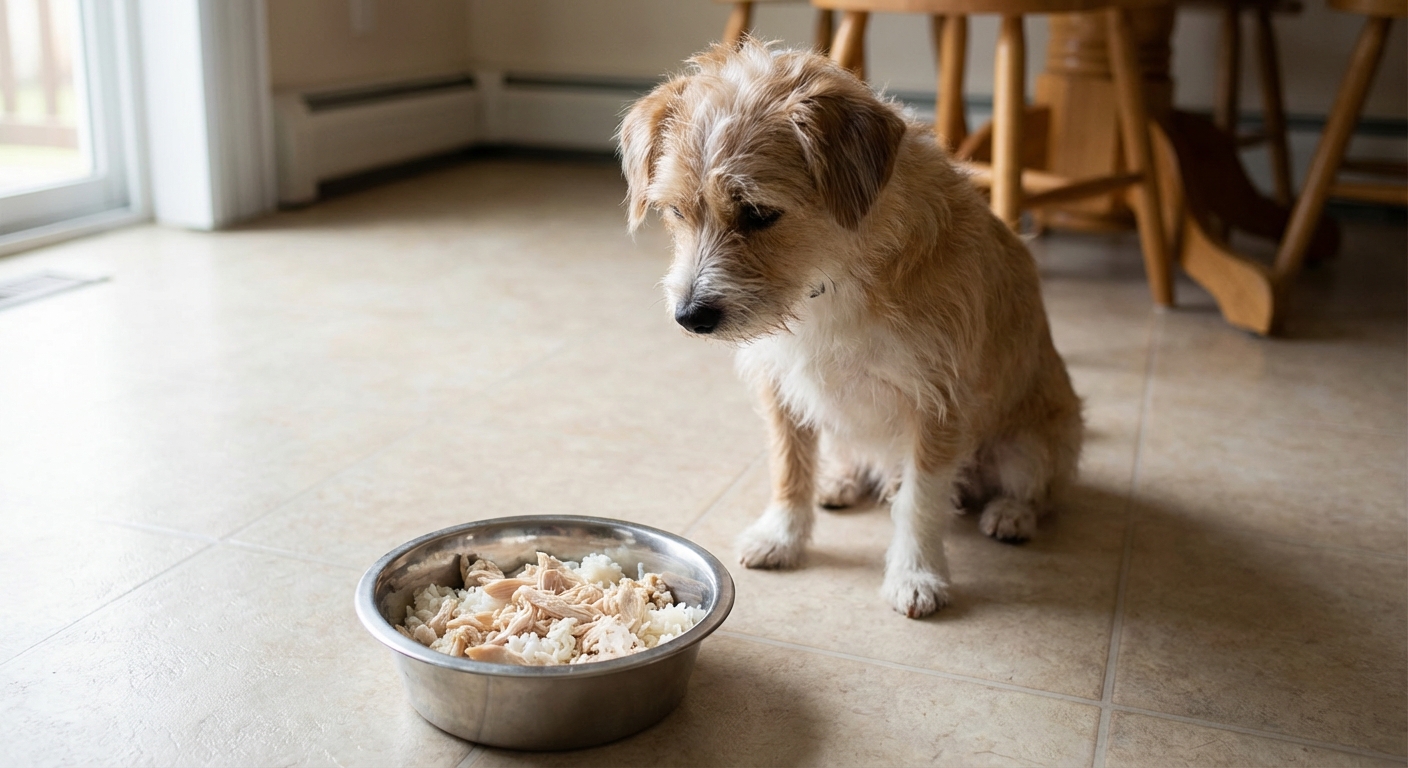
Dogs that love food rarely skip meals without a reason. Pancreatitis can cause nausea and belly pain, so you may notice:
- Walking up to food and turning away
- Eating a few bites then stopping
- Refusing treats they normally adore
3) Lip licking, drooling, or swallowing repeatedly
These can be nausea signals. They are easy to overlook because they can look like normal dog behavior, especially if it comes and goes.
4) Restlessness, panting, or trouble getting comfortable
Some dogs pace, pant, or keep changing positions because their abdomen hurts. Owners sometimes assume it is anxiety, heat, or “just being weird.” If it is new and persistent, it matters.
5) Diarrhea (sometimes very foul-smelling)
Pancreatic inflammation can disrupt digestion. You might notice loose stool or increased urgency. Occasionally, stool may look oily or greasy, but that is less specific and can also be seen with other digestive issues.
6) A hunched back or guarded belly
Abdominal pain can make dogs stand or walk with a hunched posture. Some will flinch if you try to pick them up or touch their belly.
7) Lethargy that feels “different”
Not the normal post-walk nap. More like a dog who seems withdrawn, dull, or unusually tired, especially when paired with decreased appetite.
8) Dehydration
Vomiting and diarrhea can lead to dehydration fast. Sometimes the earliest clue is subtle:
- Dry or tacky gums
- Sunken-looking eyes
- Less interest in drinking
9) Fever (sometimes)
Some dogs with pancreatitis run a fever, but many have a normal temperature. If your dog feels unusually warm and is acting sick, your vet can check for fever and other red flags.
Triggers and risk factors
Pancreatitis is not always caused by one obvious thing, but certain patterns show up again and again. If your dog is showing the signs above, these risk factors can help your veterinarian connect the dots.
Dietary indiscretion (especially high fat)
A rich or fatty meal is a classic trigger, especially in dogs prone to GI upset. Abrupt diet changes may contribute in some dogs too, but the bigger issue we see is usually what the dog got into.
Common culprits include:
- Bacon, sausage, brisket fat, fried foods
- Turkey skin and drippings
- Rich table scraps during holidays
- Raiding the trash
Underlying conditions
Some dogs have a higher baseline risk, including those with:
- Obesity
- Diabetes
- Cushing’s disease
- High triglycerides
Medications and toxins (reported links)
In some dogs, pancreatitis has been reported alongside certain medications or toxin exposures. This does not mean these causes are common, and you should never stop a prescription on your own. Do tell your veterinarian everything your dog takes and could have accessed, including supplements.
Examples veterinarians may consider (depending on the case) include certain anticonvulsants, some chemotherapy drugs, and some insecticide or pesticide exposures.
Breed tendencies
Any dog can develop pancreatitis. That said, some breeds are seen more often with it, including Miniature Schnauzers (especially with high triglycerides), and we commonly see it in small dogs in general.
When to call the vet
Many upset stomachs are mild and pass quickly. But if your dog has vomiting , belly pain, or refuses food for more than a meal or two, it is smart to call your veterinarian the same day and describe the symptoms.
Go to urgent care or ER now if you see:
- Repeated vomiting or vomiting that will not stop
- Blood in vomit or stool
- Severe lethargy or collapse
- Signs of intense pain (crying, rigid belly, unable to settle)
- Bloated abdomen with unproductive retching (this can be bloat, not pancreatitis, and is always an emergency)
- Weakness, pale gums , or trouble breathing
Pancreatitis can look like other urgent problems (intestinal blockage, toxin ingestion, Addison’s disease), so a timely exam is essential.
How vets diagnose it
Diagnosis is usually based on a combination of your dog’s symptoms, physical exam findings, and testing. Your vet may recommend:
- Bloodwork to check hydration, electrolytes, liver values, blood sugar, and inflammation
- Specific pancreas testing such as canine pancreatic lipase (often called cPL) to support the diagnosis
- Abdominal ultrasound to look at the pancreas and rule out other issues (results can vary based on timing and operator)
- X-rays to check for obstruction or other abdominal problems
One important note: there is rarely a single perfect test. Vets often piece together multiple findings to make the best, safest plan.
Treatment basics
Treatment depends on severity. Mild cases may be managed outpatient, while moderate to severe cases often need hospitalization.
Common treatments include:
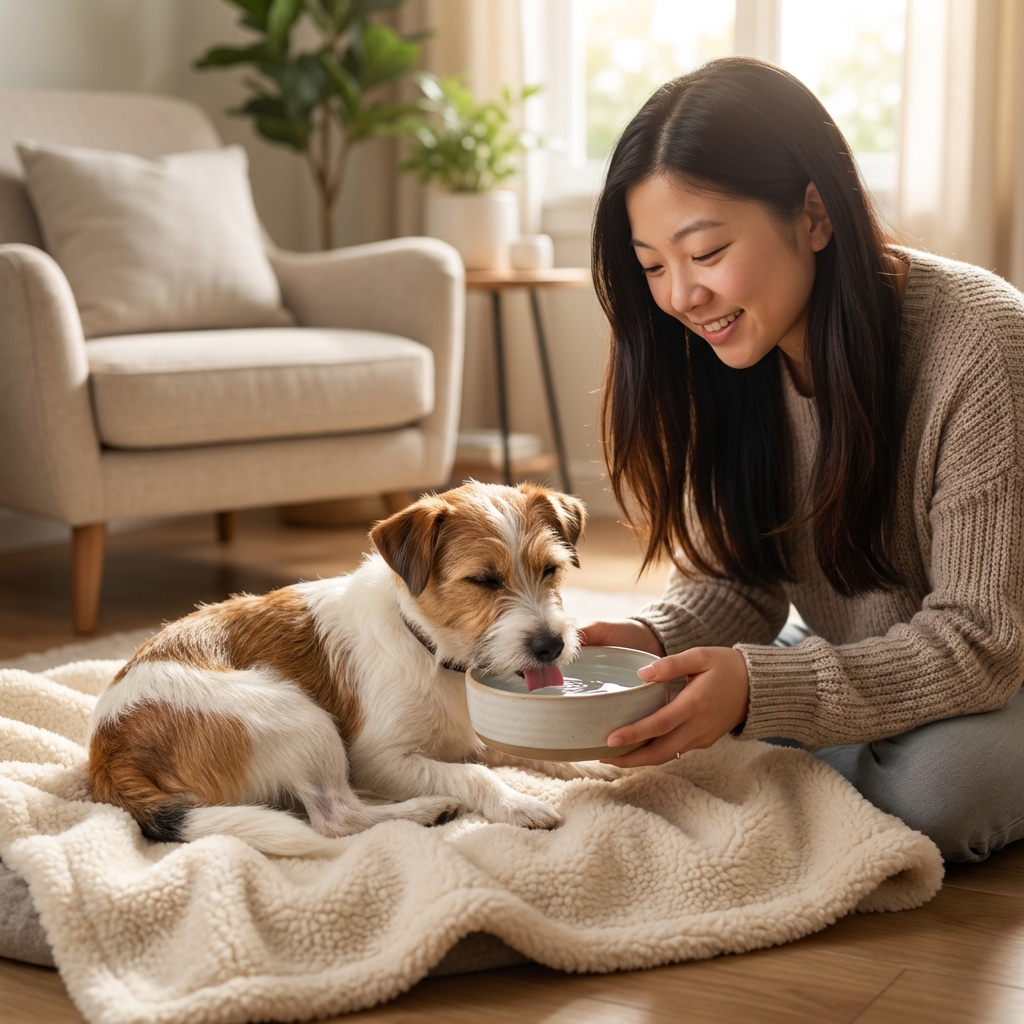
- Fluids (under the skin or IV) to correct dehydration and support circulation
- Anti-nausea medication to stop vomiting and help appetite return
- Pain control because pancreatitis can be extremely painful
- GI protectants if indicated
- Nutritional support, usually a low-fat diet and a careful refeeding plan
Antibiotics are not automatically needed for pancreatitis, because many cases are not caused by bacteria. Your vet will choose them only when appropriate.
Also, pancreatitis sometimes shows up alongside other inflammation in the abdomen, such as GI irritation or liver and gallbladder changes. That is another reason exams and testing matter.
Feeding after pancreatitis
Food is a huge part of prevention and recovery, but it has to be done thoughtfully.
What “low fat” really means
“Low fat” is not one universal number, and labels can be confusing. The safest move is to ask your veterinarian which diet to use and what fat range is appropriate for your dog. For some dogs, that means a prescription low-fat diet. For others, it may be a carefully chosen over-the-counter option.
Mistake 1: Restarting treats too soon
Even one high-fat treat can cause a setback in a sensitive dog. During recovery, stick to what your vet recommends, and ask for a treat list if you need one. Many dogs do best with boring, low-fat options in measured amounts.
Mistake 2: Assuming “bland diet” means any human food
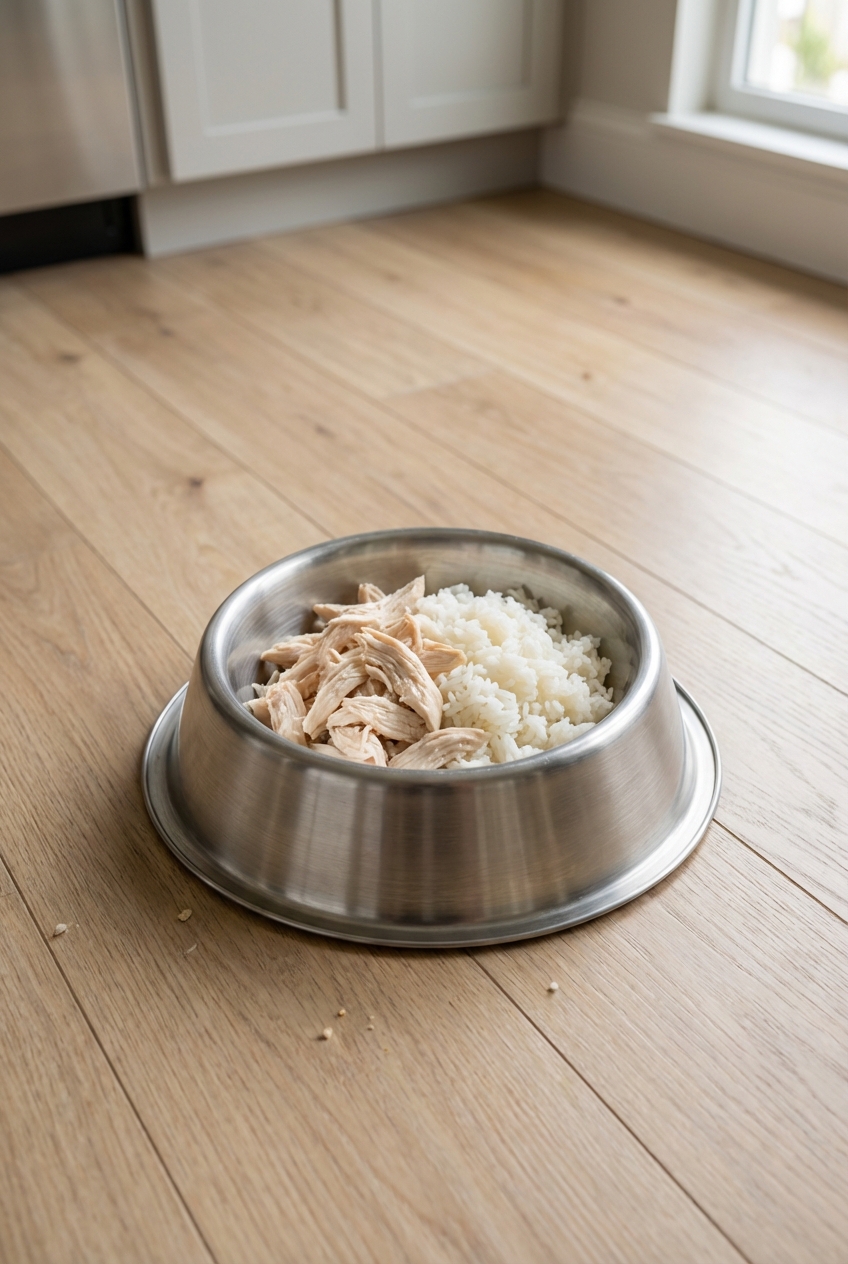
Many owners try chicken and rice, which can be fine short-term in some cases, but it is not automatically the right choice for every dog, and it is not complete and balanced long-term. Some dogs need prescription low-fat diets for a period of time or indefinitely.
Mistake 3: Making homemade food without guidance
I love whole foods, and homemade can be done well, but pancreatitis-prone dogs need careful fat control and nutrient balance. Work with your veterinarian and consider a board-certified veterinary nutritionist for a long-term homemade plan.
Helpful rule of thumb: if your dog has had pancreatitis before, think “low fat, consistent, and boring” until your veterinarian tells you it is safe to expand.
What not to do at home
- Do not give human pain meds (many are toxic to dogs).
- Do not force food if your dog is vomiting or painful.
- Do not use fatty foods to tempt appetite (like bacon or greasy meats).
- Do not wait on worsening symptoms, especially repeated vomiting, dehydration, or obvious pain.
Prevention that works
You cannot prevent every case, but you can lower the odds and reduce flare-ups in dogs that are prone.
- Keep fats under control: Avoid fatty table scraps and ask guests not to “sneak” bites.
- Guard the trash: Use a locked trash can or keep it behind a closed door.
- Maintain a healthy weight: Obesity increases risk and makes recovery harder.
- Make diet changes slowly: Transition to new foods over 7 to 10 days unless your vet instructs otherwise.
- Choose treats wisely: Many popular treats are surprisingly high in fat. Ask your vet for low-fat options.
- Recheck when advised: Follow-up bloodwork can matter, especially after a severe episode or repeat flare-ups.
If you remember one thing: pancreatitis pain is real. If the signs are stacking up, a call today can prevent a much harder situation tomorrow.
Some dogs have one episode and never have another. Others are prone to recurrence and do best with long-term diet consistency and occasional rechecks. Your vet can help you figure out which category your dog is in.
Quick checklist
If you are unsure whether your dog’s upset stomach is something bigger, use this quick checklist. If you see multiple items, call your veterinarian.
- Vomiting (especially more than once)
- Not eating, even refusing favorite treats
- Prayer position or hunched posture
- Panting or restlessness that is new
- Diarrhea (sometimes very foul-smelling; occasionally oily-looking stool)
- Abdominal tenderness or yelping when picked up
- Weakness, dehydration, or “just not themselves”
Always trust your gut. You know your dog’s normal. If something feels off, it is worth a call.
A note from the clinic
Owners sometimes feel embarrassed when they realize a food choice might have triggered an episode. Please do not. We are not here to shame you. We are here to help you get your dog feeling better and to build a plan that fits real life.
If your dog has had pancreatitis, ask your vet for a clear, written feeding and treat plan. The simpler it is, the more likely it is to work.
This article is for educational purposes and is not a substitute for veterinary diagnosis or treatment. If your dog is vomiting, painful, or lethargic, contact your veterinarian promptly.