A practical pancreatitis-safe list for dogs: lean proteins, gentle carbs, cooked veggies, foods to avoid, simple low-fat meal ideas, and safer treats—with ...
Article
•
Designer Mixes
Pancreatitis in Dogs

Shari Shidate
Designer Mixes contributor
Pancreatitis in dogs can feel like it comes out of nowhere. One day your pup is begging for snacks, and the next they are vomiting, refusing food, and acting like their belly hurts. As a veterinary assistant here in Frisco, Texas, I have seen how scary this can be for families. The good news is that pancreatitis is often treatable, and with prompt veterinary care plus the right home routines, many dogs can do well long term.
Quick note: This article is for education and support. It is not a substitute for veterinary diagnosis or treatment.
What it is
The pancreas is an organ that helps your dog digest food and regulate blood sugar. Pancreatitis means the pancreas is inflamed. When that happens, digestive enzymes can activate too early and irritate the pancreas itself. That irritation can range from mild to life-threatening.
Pancreatitis can be:
- Acute: sudden onset, often severe vomiting and abdominal pain.
- Chronic: recurring or long-term inflammation that may flare up periodically.
Common signs
Dogs cannot tell us they feel nauseated, so the symptoms matter. Contact your veterinarian promptly if you notice:
- Vomiting, especially repeated vomiting
- Diarrhea (sometimes pale or greasy)
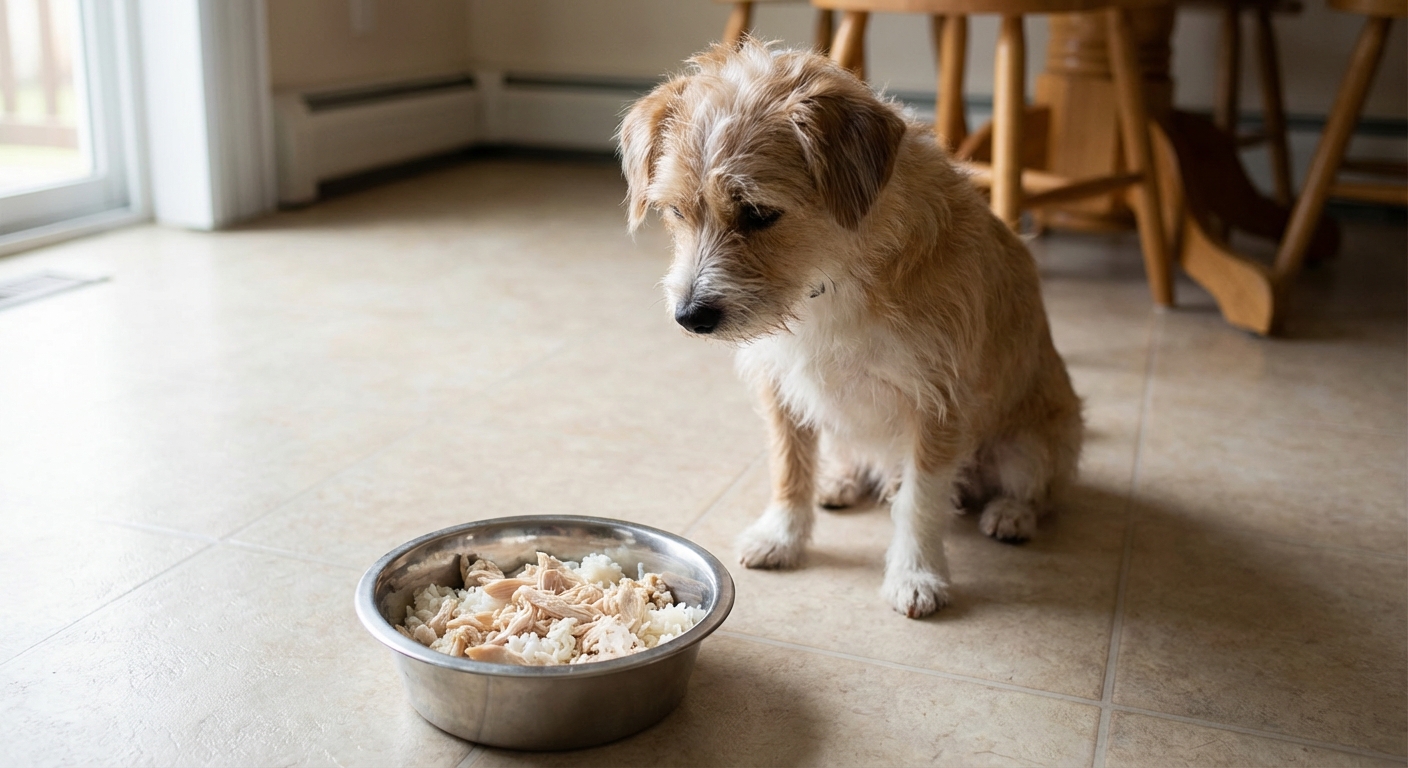
- Loss of appetite
- Lethargy, hiding, or acting unusually quiet
- Abdominal pain (a “praying” position with rear end up and chest down)
- Fever or dehydration (tacky gums, sunken eyes)
Emergency signs include collapse, pale gums, nonstop vomiting, severe weakness, or a suddenly distended belly. Belly swelling can be an emergency for several reasons, not just pancreatitis, so it is always worth urgent care.
What causes it
Sometimes we never find one single cause (many cases are considered idiopathic), but there are clear risk factors backed by veterinary evidence. Common triggers and contributors include:
- High-fat meals or sudden fatty treats (bacon, sausage, turkey skin, rich table scraps)
- Obesity
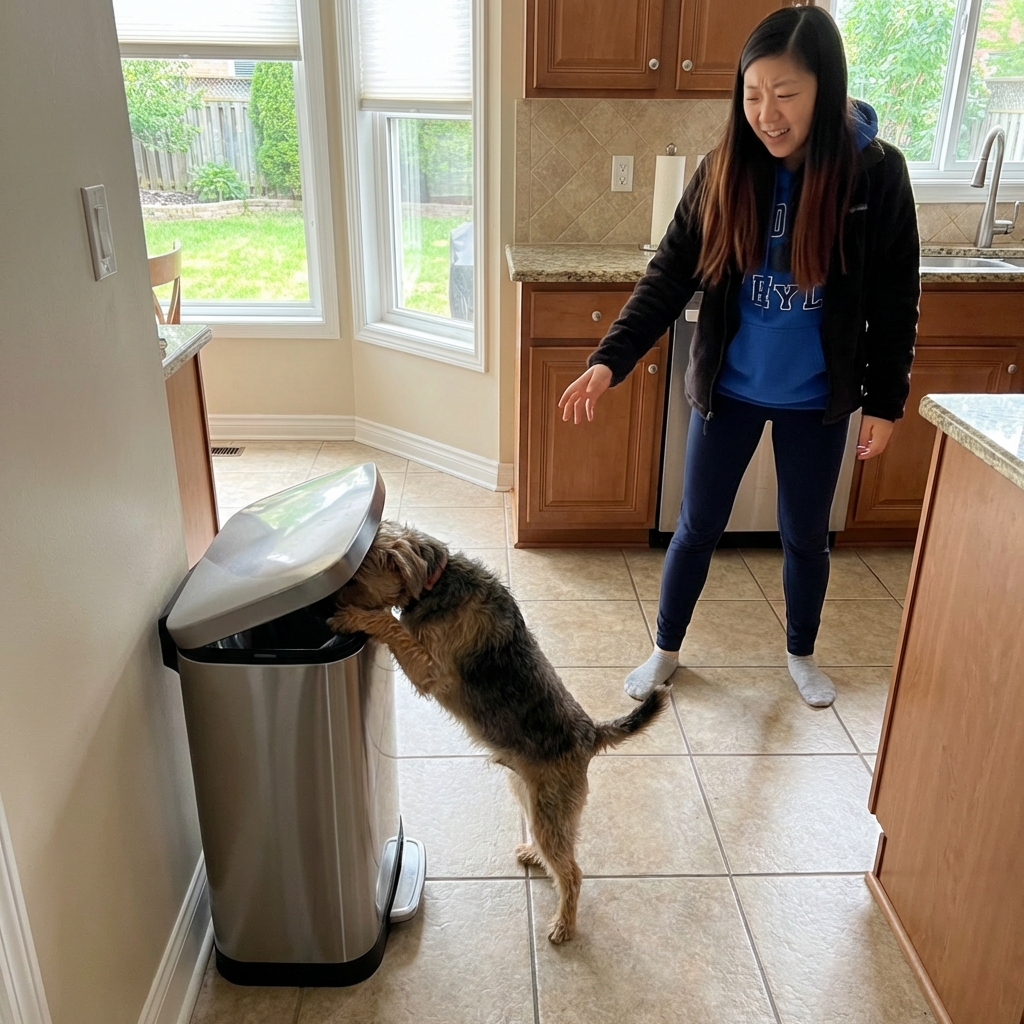
- Dietary indiscretion (raiding the trash, stealing people food)
- Underlying conditions such as diabetes, Cushing’s disease, or high triglycerides
- Some medications may contribute in certain dogs (your vet will review this)
Breed can play a role, too. Miniature Schnauzers are well known for high triglycerides, which can raise pancreatitis risk. Yorkshire Terriers and other small breeds come up often in pancreatitis conversations, but any dog can be affected.
How vets diagnose it
Pancreatitis is usually diagnosed using a combination of your dog’s symptoms, a physical exam, and testing. Your veterinarian may recommend:
- Bloodwork (to check dehydration, inflammation, and organ function)
- A pancreas-specific test such as cPL (canine pancreatic lipase)
- Abdominal ultrasound to assess the pancreas and rule out other problems
It is important to know that no single test is perfect. cPL can have false positives or negatives, and ultrasound results can be operator-dependent. That is why vets look at the whole picture instead of one number.
Because other illnesses can look similar, it is important not to “guess” at home. A fast, accurate workup helps your dog get the right treatment sooner.
Treatment and home care
Treatment depends on severity. Mild cases may be managed outpatient, while more serious cases need hospitalization for IV fluids, injectable anti-nausea medication, pain control, and careful monitoring.
At-home care (once your vet says it is safe)
- Follow the diet plan exactly. Most dogs need a very low-fat, highly digestible diet during recovery.
- Give medications on schedule. Anti-nausea meds and pain control help your dog eat and heal.
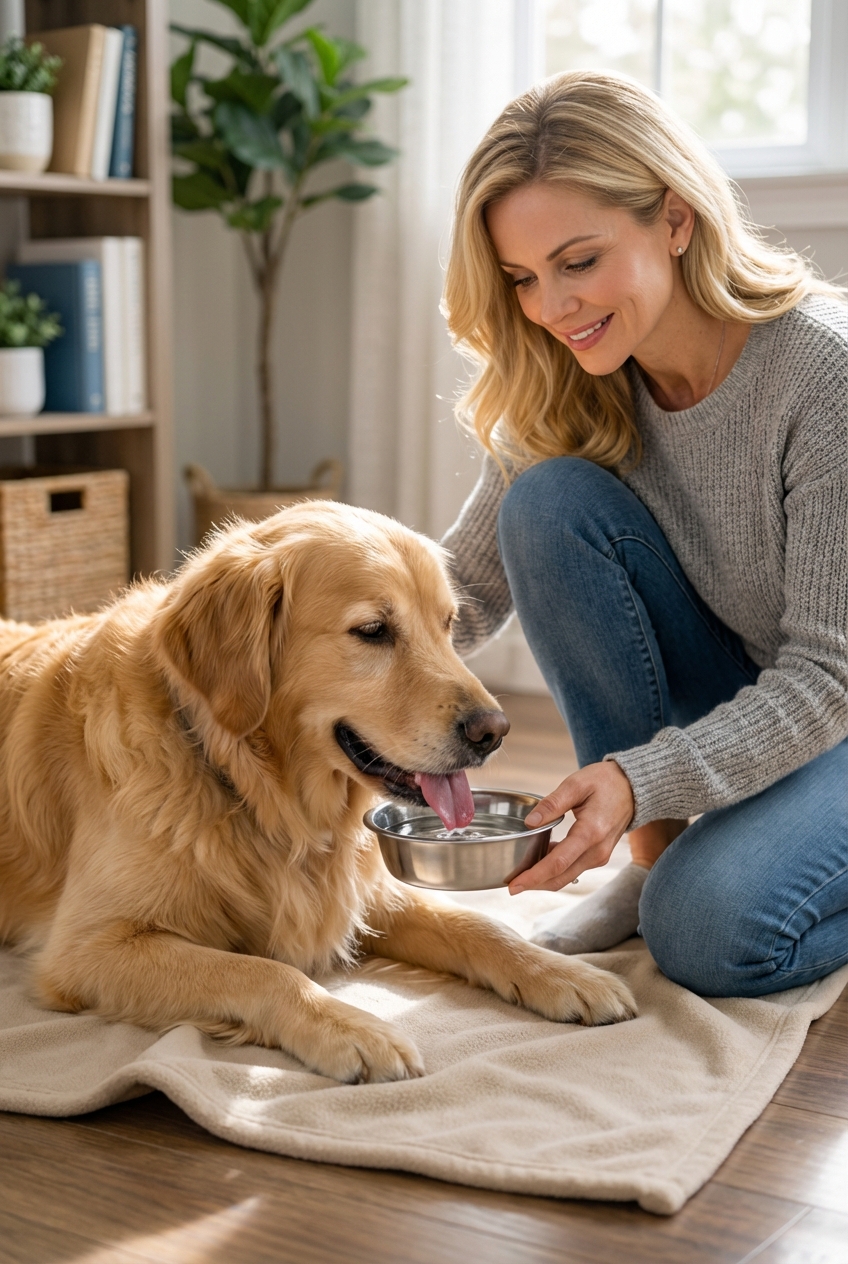
- Hydration matters. Offer small, frequent sips of water. If your dog cannot keep water down or vomiting returns, call your vet right away.
- Rest and low stress. Short leash walks for potty breaks only until energy returns.
Important: Do not give over-the-counter pain meds unless your veterinarian specifically instructs you. Many human medications are dangerous for dogs.
Also avoid: fasting your dog without veterinary guidance, trying to “treat” an episode at home with supplements, or offering rich foods as a “bland diet” (anything greasy, buttery, or high-fat can make things worse).
Prevention and training
Once your dog is stable and on the right plan, prevention becomes the priority. Pancreatitis prevention is often lifestyle-based, and training supports those habits.
1) Teach “leave it” and “drop it”
Many flare-ups start with one stolen, fatty food. Practice daily with low-value items first, then work up to real-life temptations.
- Reward with a vet-approved low-fat treat or a portion of your dog’s regular food.
- Keep sessions short, 2 to 5 minutes.
- Use management while training improves: baby gates, closed doors, and leash control in risky areas.
2) Make a “safe snack list”
Consistency prevents accidental feeding. Post a list on the fridge of approved treats and foods, plus “never feed” items.
- Often better options (if your vet okays them): small pieces of cooked chicken breast, green beans, carrots, prescription treats if prescribed
- Avoid: fatty meats, cheese cubes, buttered foods, fried foods, gravy, rich chews (including many bully sticks)
If you use commercial treats, check the label and choose lower-fat options. When in doubt, ask your vet what fat percentage is appropriate for your dog.
3) Use measured meals
Measured meals help maintain a healthy weight and make it easier to notice appetite changes early. Many dogs do best with 2 to 3 smaller meals per day instead of one large meal.
4) Prevent trash raids and counter-surfing
- Use a lidded, heavy trash can or keep trash behind a closed door.
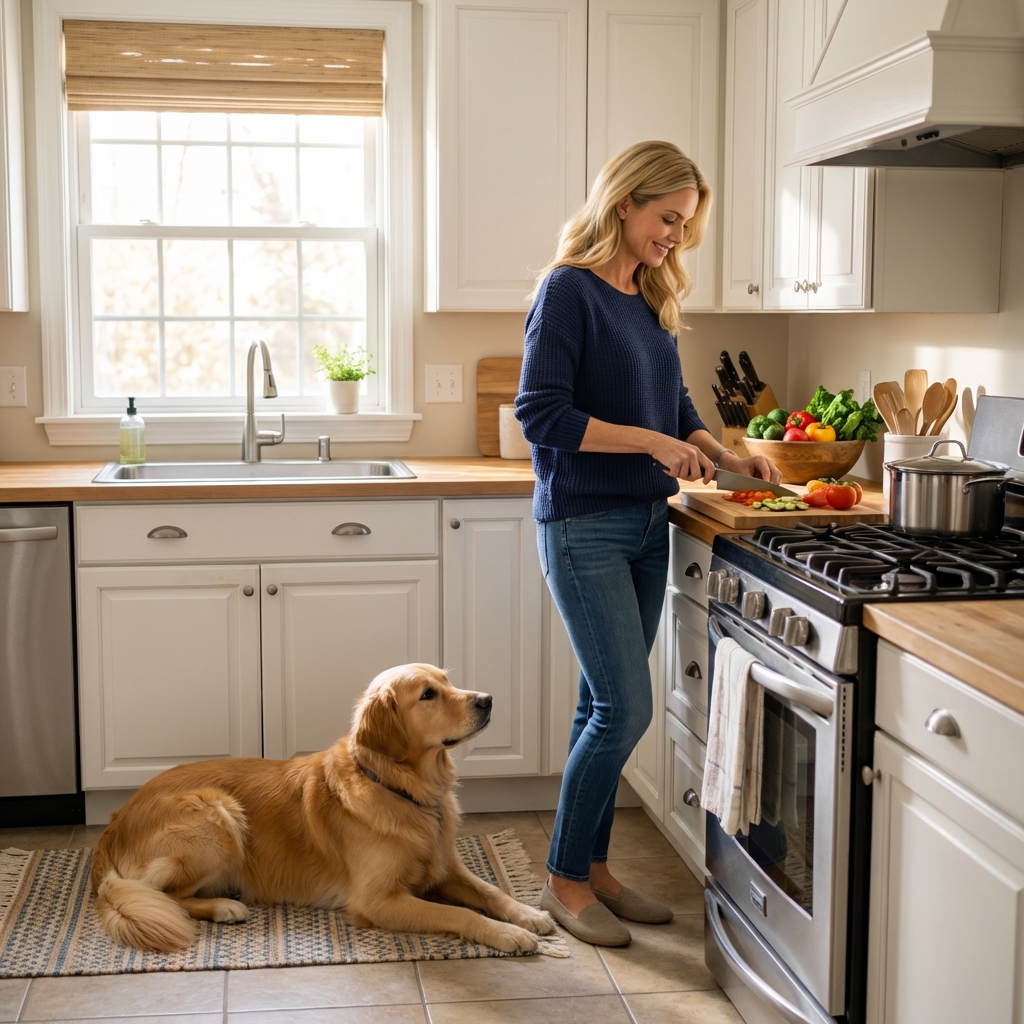
- Keep counters clear, especially after cooking meats.
- Teach “place” or “mat” as a calm station during meal prep.
5) Build gentle exercise
Healthy weight is protective. Choose consistent activity your dog can sustain: leash walks, sniffy walks, short games, and puzzle feeders that do not rely on high-fat treats.
Nutrition tips
Diet is central to both recovery and prevention. Your veterinarian may recommend a prescription low-fat food, especially for dogs with recurrent pancreatitis or dogs who need an ultra-low-fat option.
If you want to add fresh food
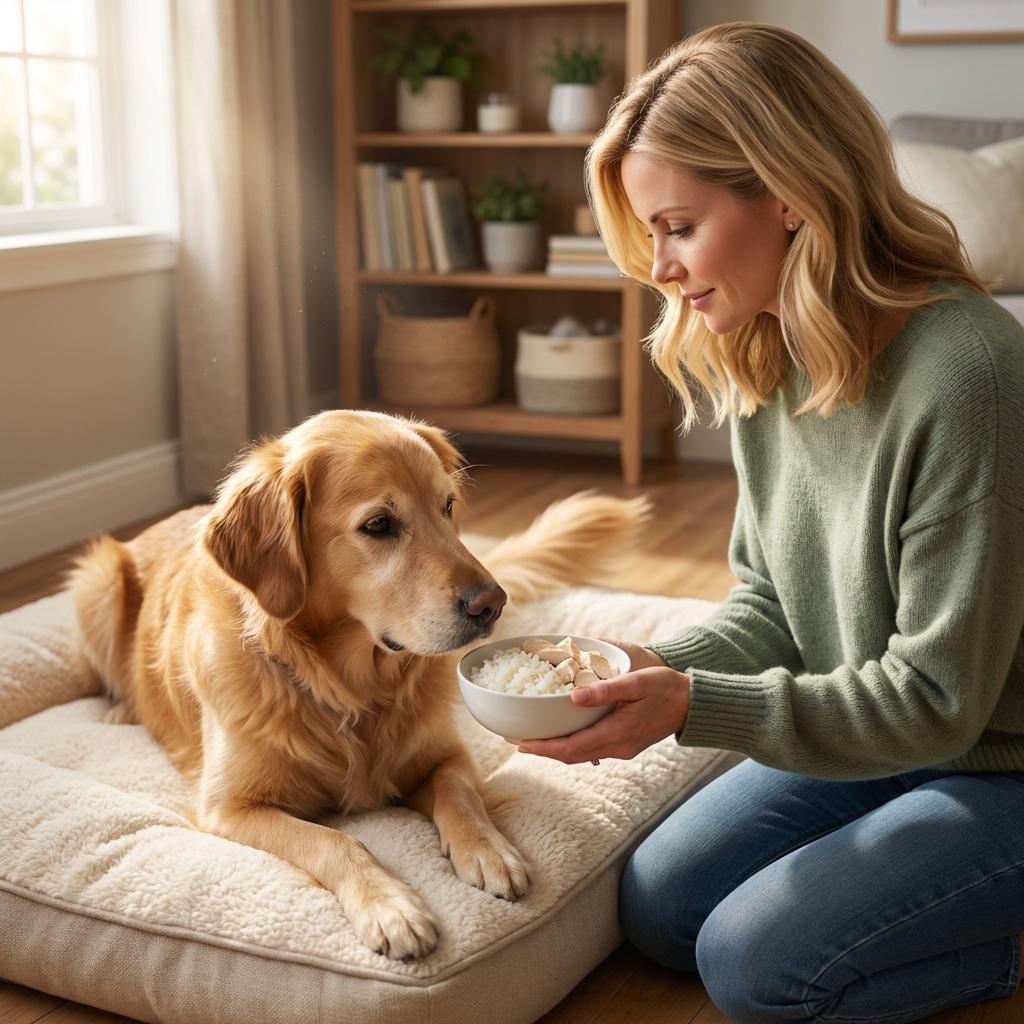
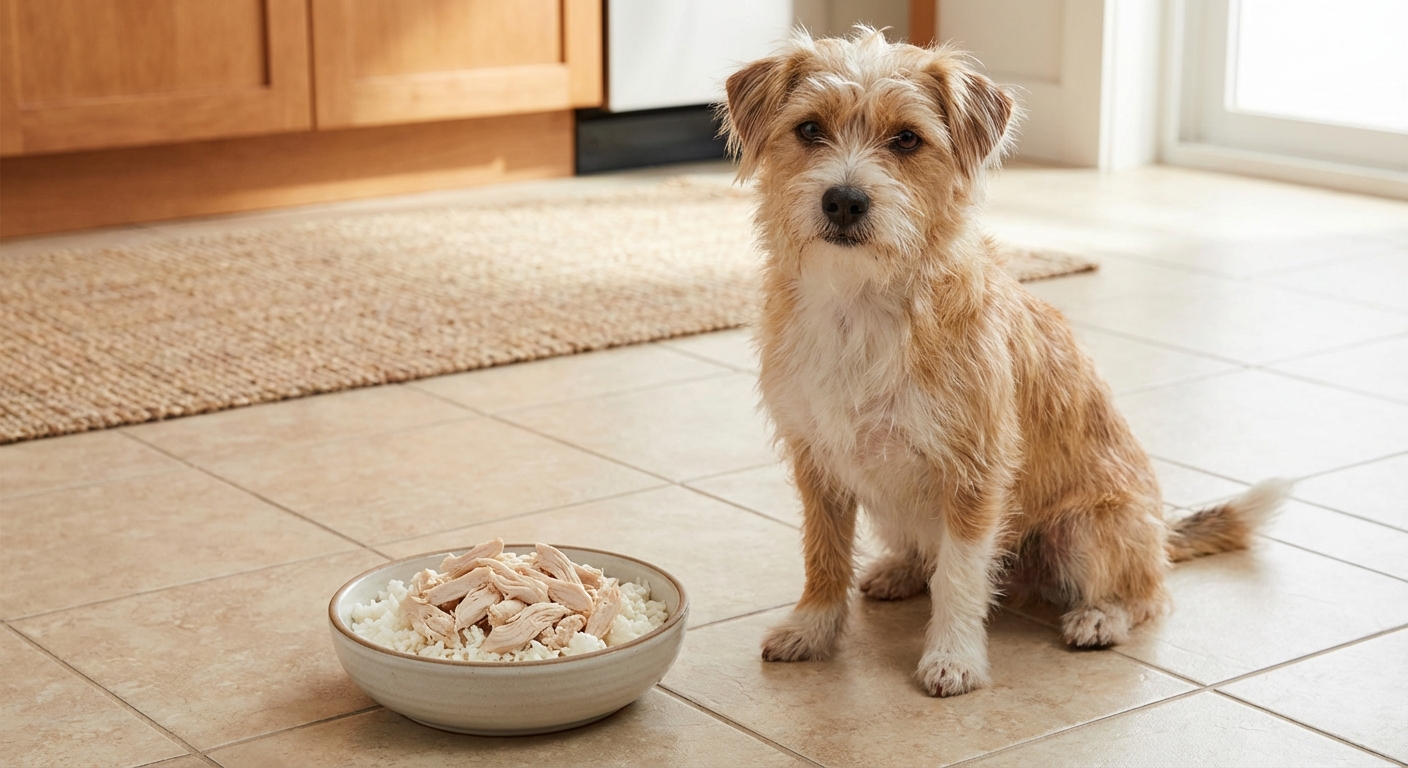
I love using whole foods thoughtfully, but pancreatitis is not the time for experimental, higher-fat ingredients. If your vet approves fresh additions, keep them very low fat and simple. Examples that are often used as tiny toppers include:
- Plain boiled chicken breast (no skin)
- Cooked white rice
- Plain pumpkin (not pie filling)
- Steamed green beans
Always introduce new foods slowly, and stop if vomiting, diarrhea, or refusal to eat returns.
FAQs
Can my dog recover?
Many dogs recover well, especially when treatment starts early and diet changes are followed closely. That said, pancreatitis can be unpredictable, and some cases are more severe than others. Your veterinarian can give the best guidance based on your dog’s labs, imaging, and response to treatment.
Will my dog need a low-fat diet forever?
It depends. Dogs with one mild episode may transition to a carefully chosen maintenance diet. Dogs with recurrent pancreatitis often do best long term on a low-fat plan. Your veterinarian is the best guide here.
Can pancreatitis come back?
Yes, it can. Recurrence is one reason training and household routines matter so much. In some dogs with severe or repeated pancreatitis, long-term complications like diabetes or exocrine pancreatic insufficiency can occur. It is not the most common outcome, but it is important to know it is possible and to keep up with recommended rechecks.
Is pancreatitis contagious?
No. But multiple pets in a household can get sick from the same trigger, like getting into fatty leftovers or a tipped-over trash can.
When to call the vet
During recovery, call your veterinarian if you notice:
- Vomiting returns or worsens
- Your dog cannot keep water down
- Refusal to eat for more than a day (or sooner if your vet advised)
- Ongoing diarrhea or black, tarry stool
- Signs of pain (hunched posture, trembling, restlessness)
- Any dehydration signs
Trust your instincts. If your dog looks “not right,” you are never wasting anyone’s time by calling. Early support can prevent a small setback from turning into a big one.
Takeaway
Pancreatitis can be serious, but it is also one of those conditions where loving, consistent home routines truly matter. Measured meals, very low-fat choices, and a few key training cues like “leave it” can protect your dog for years to come. Partner with your veterinarian, go slow with changes, and celebrate small wins like normal appetite, comfortable rest, and steady energy returning.