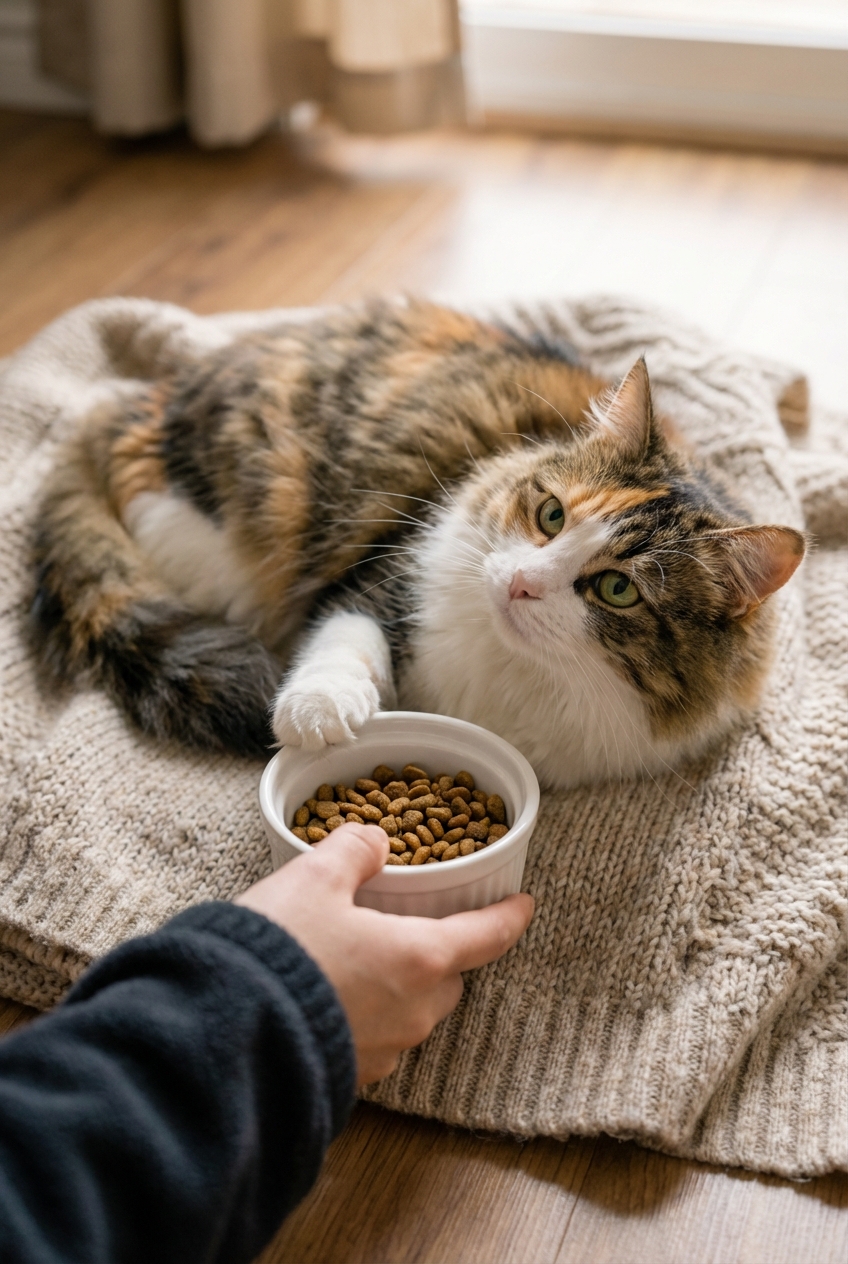
Learn what to feed a cat with pancreatitis, from wet GI diets and hydration-boosting strategies to small frequent meals, safe transitions, and foods to avoid.
Article
•
Designer Mixes
Pancreatitis in Cats: Wellness Tips You Need

Shari Shidate
Designer Mixes contributor
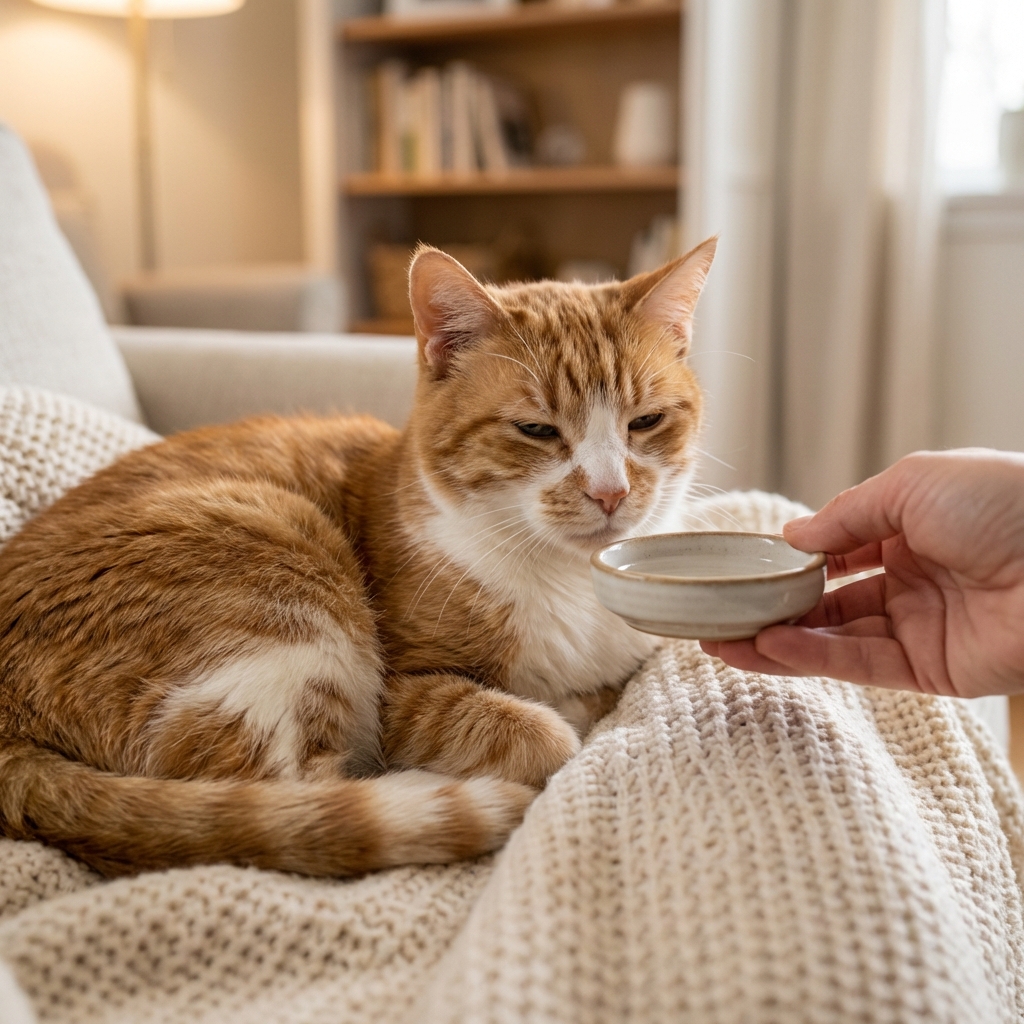
When a cat has pancreatitis, it can feel like their whole world shrinks down to one thing: nausea. As a veterinary assistant in Frisco, Texas, I have seen how quickly a normally curious, food-motivated kitty can become quiet, withdrawn, and just not themselves.
The encouraging news is that many cats do improve with prompt veterinary care and supportive home routines. In this article, I will walk you through what pancreatitis is, what signs to watch for, and the practical wellness steps that support healing and help reduce flare-ups.
What pancreatitis is
The pancreas is a small organ with two big jobs:
- Digestive support: it releases enzymes that help break down food.
- Blood sugar control: it helps regulate glucose through hormones like insulin.
Pancreatitis means inflammation of the pancreas. When inflamed, the pancreas can contribute to local irritation and inflammation in and around the abdomen, which can mean pain, nausea, and a cat who suddenly will not eat or drink like normal.
In cats, pancreatitis can be acute (sudden) or chronic (long-term, waxing and waning). Many cats have chronic pancreatitis with occasional flare-ups that can look subtle at first.
Causes and risk factors
In many feline cases, we never find one clear cause. That can be frustrating, but it is also normal. Cats are not small dogs, and their pancreatitis often does not come with a neat explanation.
What may contribute
- Inflammatory bowel disease (IBD) and other GI inflammation
- Cholangitis (bile duct and liver inflammation)
- Triaditis: inflammation affecting the pancreas, liver, and intestines at the same time (this overlap can make symptoms more stubborn and recovery a bit more complicated)
- Infections in rare cases (for example, toxoplasmosis in certain situations)
- Parasites rarely, depending on region and exposure
- Abdominal trauma (falls, accidents)
- Sudden diet changes that upset the GI system
If your cat also has diabetes, IBD, or liver disease, your veterinarian may be especially alert to pancreatitis because these issues can overlap.
Signs in cats
One of the hardest parts about feline pancreatitis is that cats do not always show dramatic symptoms. Many simply look “off.” Vomiting may be present, but some cats never vomit at all.
Signs to take seriously
- Not eating or eating much less than normal
- Hiding, decreased interaction, or unusual quietness
- Lethargy and low energy
- Vomiting (may be absent in some cats)
- Diarrhea or changes in stool
- Weight loss over days to weeks
- Dehydration (tacky gums, sunken eyes, less skin elasticity)
- Abdominal discomfort or a hunched posture
- Fever in some cases
Important: If your cat has eaten nothing for about 24 hours, or is eating so little they are clearly not taking in meaningful calories, call your veterinarian. This is especially urgent for overweight cats. Cats can develop hepatic lipidosis (fatty liver disease) when they stop eating, and that can become life-threatening.
How vets diagnose it
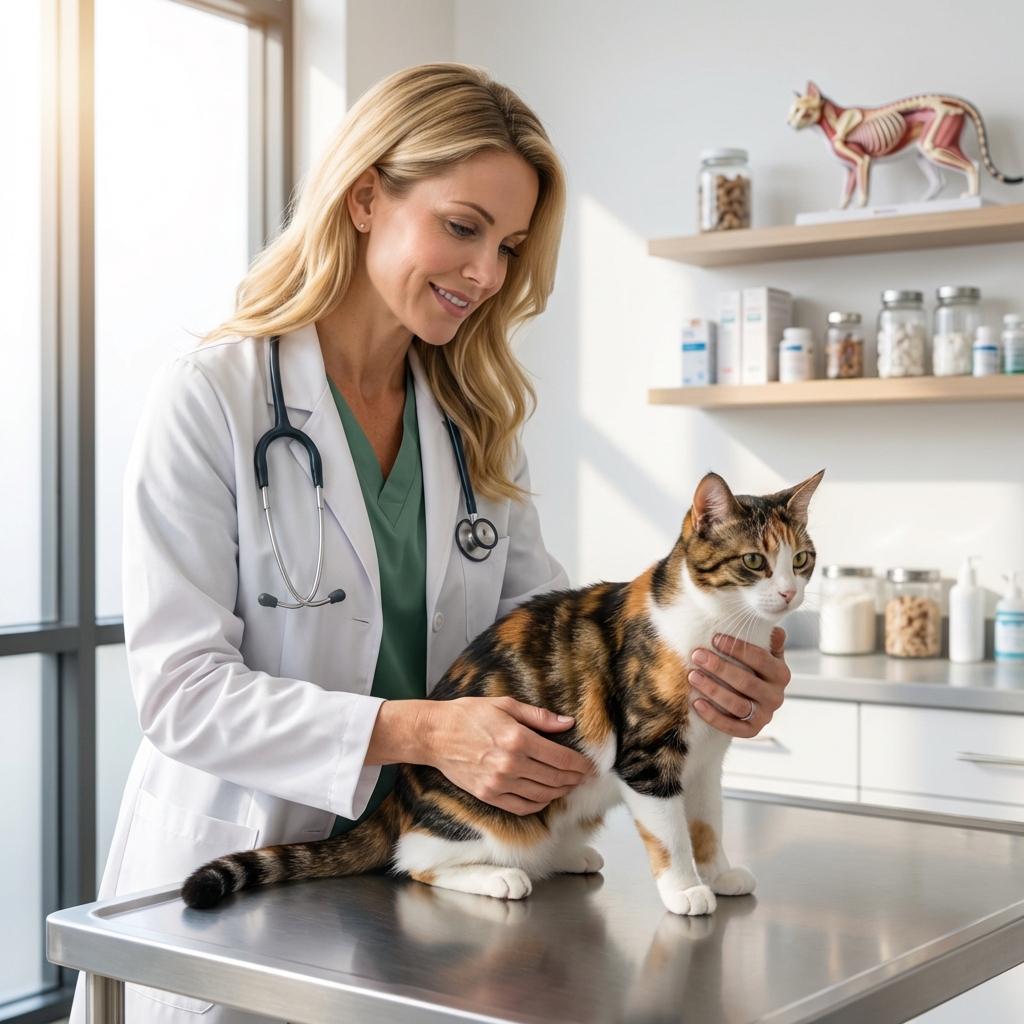
Diagnosis is often based on a combination of history, exam findings, and testing. No single test is perfect, so your veterinarian may recommend a “big picture” approach.
Common tools
- Physical exam and assessment of hydration, pain, and body condition
- Bloodwork to look for inflammation, dehydration, liver values, glucose changes, and electrolyte imbalances
- fPLI (feline pancreatic lipase immunoreactivity), a pancreas-focused blood test that can support the diagnosis
- Ultrasound to evaluate the pancreas, liver, gallbladder, and intestines
- Urinalysis to assess hydration and rule out other issues
If your cat has recurring episodes, your veterinarian may also talk with you about screening for underlying GI or liver disease.
Treatment basics
Pancreatitis treatment is usually supportive, meaning we support the body while the inflammation settles down. Many cats need a combination of at-home care and veterinary medications.
Main goals
- Fluids: dehydration makes nausea worse and slows recovery. Your vet may give IV fluids in hospital or prescribe subcutaneous fluids at home.
- Nausea control: anti-nausea medications can be a game changer for getting cats eating again. Your vet may prescribe options like maropitant or ondansetron.
- Pain relief: pancreatitis can be painful. Treating pain is compassionate and often improves appetite. Your vet may use medications such as buprenorphine.
- Appetite support: appetite stimulants or assisted feeding may be recommended, especially to prevent fatty liver. Your vet may consider options like mirtazapine.
- Nutrition: the right food plan, introduced at the right pace.
Antibiotics are not automatically needed for every case, but may be used if your veterinarian suspects infection or other complications.
Safety note: Never give human pain relievers (like acetaminophen or ibuprofen). They can be dangerous or fatal to cats.
Home wellness tips
Once your veterinarian has a plan in place, your daily home routine becomes the steady foundation. These tips are designed to reduce stress on the digestive system and help you catch problems early.
1) Protect appetite
For many cats, the biggest immediate risk is not eating. Work with your vet on a plan that includes:
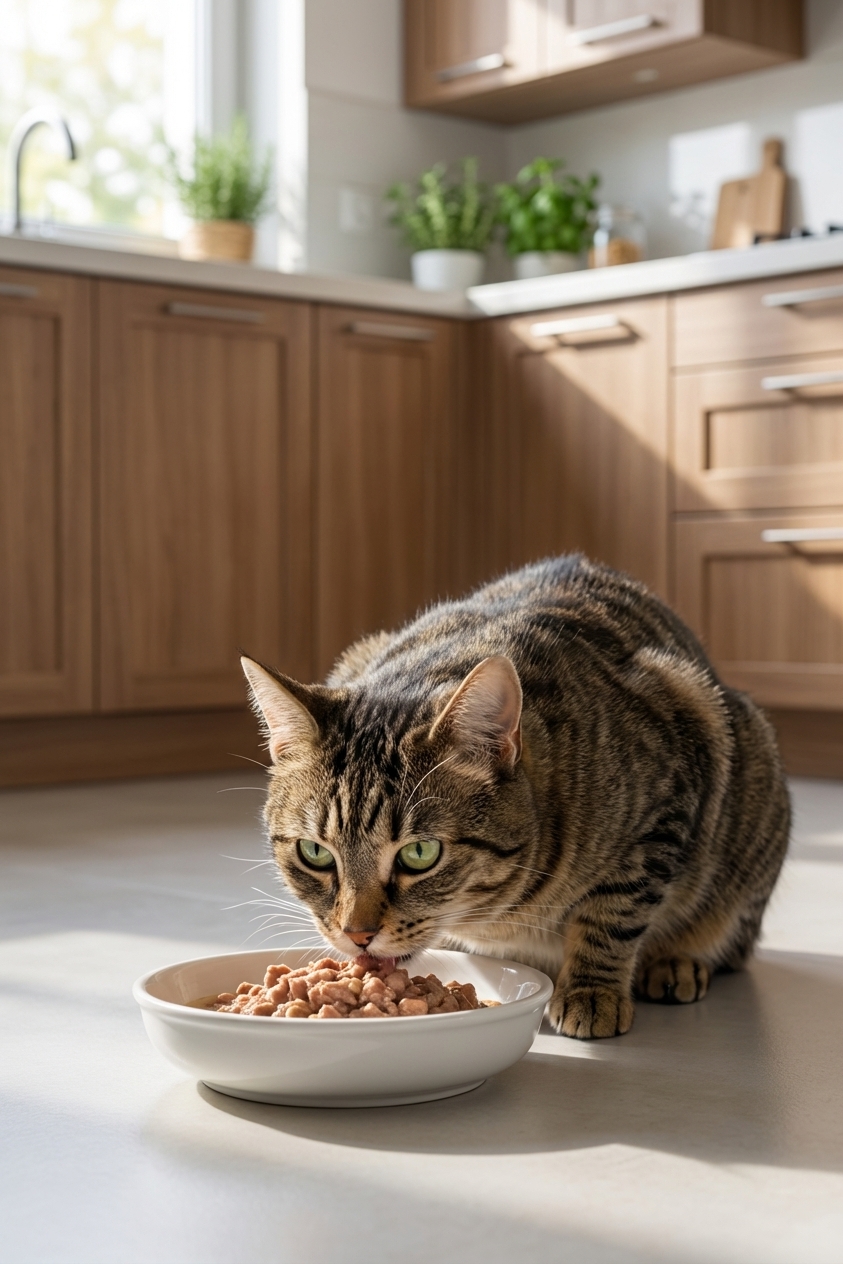
- Small, frequent meals rather than one or two large meals
- Warming food slightly to boost aroma (test with your finger, it should be lukewarm, not hot)
- Strong-smelling options your vet approves, like certain canned foods
- Quiet feeding areas away from other pets and noise
If your cat refuses food, do not wait it out. Call your veterinarian.
Please do not force-feed a nauseated cat unless your veterinarian specifically instructs you. Assisted feeding and feeding tubes can be incredibly helpful when needed, but they should be vet-directed to avoid aspiration and added stress.
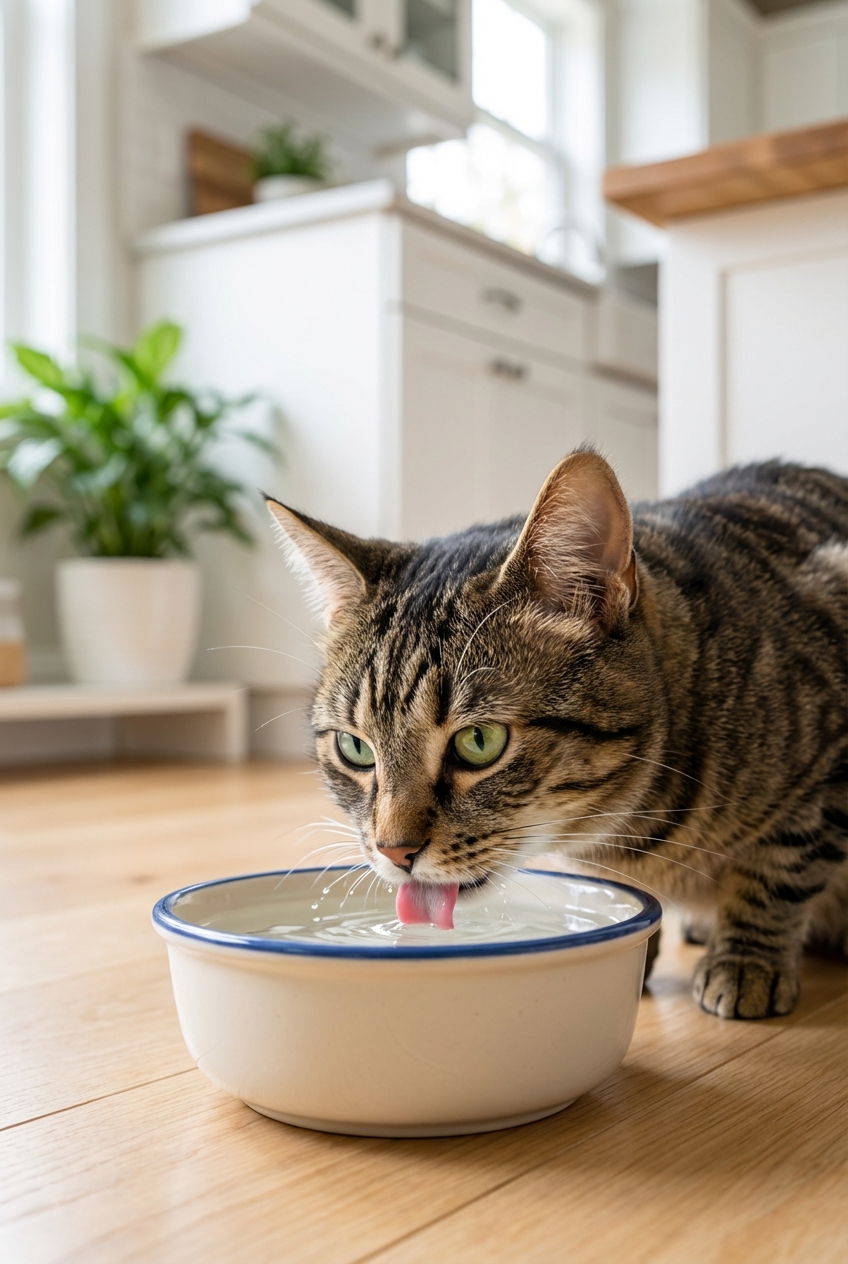
2) Support hydration
- Provide multiple water stations.
- Consider a pet water fountain if your cat prefers moving water.
- Ask your vet whether adding water to canned food is appropriate.
Dehydration can sneak up quickly when a cat is nauseated.
3) Keep diet changes slow
Sudden switches can trigger GI upset. If your veterinarian recommends a prescription diet or a different protein source, transition gradually whenever possible.
Some cats with pancreatitis do best on highly digestible foods. Some may do well on a lower-fat option, particularly if there is concurrent GI or liver disease. Unlike dogs, cats do not always need strict low-fat diets for pancreatitis. In real life, the “best” diet is individual and often prioritizes digestibility, consistency, and palatability. Let your veterinarian guide this.
4) Reduce stress
Cats are sensitive, and stress can worsen appetite and GI symptoms.
- Keep routines predictable.
- Offer a warm, quiet resting spot.
- Use gentle play when your cat is feeling better to encourage normal behavior.
- Ask your vet about pheromone diffusers if your home is busy or multi-cat.
5) Track symptoms
I am a big believer in simple tracking. Write down:
- How much your cat ate (and what kind of food)
- Vomiting episodes (time and frequency), if any
- Stool quality
- Energy level
- Medications given
This helps your veterinarian adjust treatment faster, especially with chronic or recurring cases.
What to feed
This is where the internet gets loud, and cats deserve better than guesswork. Food should be chosen based on your cat’s whole health picture, including weight, IBD risk, diabetes status, and liver values.
Nutrition goals (vet-guided)
- Highly digestible to reduce workload on the GI tract
- Consistent calories to prevent weight loss and fatty liver risk
- Appropriate fat level for your cat’s needs
- Palatable, because eating is step one
Homemade diets: If you are considering homemade food, please do it with a veterinary nutritionist’s recipe. Cats have very specific nutrient needs, and pancreatitis is not the time for unbalanced experiments.

Prognosis and timeline
Many cats start to look brighter within a few days once nausea, hydration, and pain are controlled, but full recovery can take longer. With chronic pancreatitis, you may see a pattern of good weeks and occasional flare-ups.
Signs your cat is improving often include more interest in food, better hydration, less hiding, and a gradual return to normal grooming and social behavior. If your cat improves and then backslides, that is a good reason to update your veterinarian, especially because pancreatitis can overlap with intestinal and liver inflammation.
When to seek urgent care
Please contact your veterinarian or an emergency clinic right away if you notice:
- Your cat has eaten nothing for about 24 hours (or less if they are already ill)
- Repeated vomiting or inability to keep water down
- Severe lethargy, collapse, or weakness
- Difficulty breathing
- Yellow gums or eyes (possible jaundice and bile duct or liver involvement)
- Signs of dehydration that are worsening
- Hiding and pain behaviors that are escalating
Pancreatitis can look mild and then turn serious quickly, especially if dehydration, electrolyte changes, or liver involvement develop.
Living with chronic cases
Many cats live good, happy lives with chronic pancreatitis once you find the right routine. The goal is fewer flare-ups, faster response when symptoms start, and keeping weight and hydration stable.
Long-term habits
- Schedule regular veterinary check-ins, especially if episodes repeat.
- Keep your cat at a healthy body condition (your vet can help you target a safe weight).
- Give medications exactly as prescribed, even when your cat seems better.
- Ask whether concurrent conditions like IBD, diabetes, or liver inflammation should be evaluated.
You do not need to do everything perfectly. You just need a steady plan, a watchful eye, and a vet team you trust. That is how most cats get back to feeling like themselves.