A practical pancreatitis-safe list for dogs: lean proteins, gentle carbs, cooked veggies, foods to avoid, simple low-fat meal ideas, and safer treats—with ...
Article
•
Designer Mixes
Pancreatic Problems in Dogs

Shari Shidate
Designer Mixes contributor
When a dog’s pancreas is unhappy, the whole body feels it. As a veterinary assistant here in Frisco, Texas, I have seen how quickly pancreatic issues can turn from “my dog threw up” to an urgent, painful medical crisis.
The good news is that some pancreatic flare-ups are preventable, especially those tied to diet, weight, and treat surprises. And even when a dog is prone to pancreatitis for reasons we cannot fully control, long-term management can be very successful with the right food choices, close observation, and timely veterinary care. This guide walks you through pancreatic problems in dogs step by step, so you know what to watch for and what to do next.

What the pancreas does
The pancreas has two big jobs:
- Digestion: It releases enzymes that help break down fat, protein, and carbs.
- Blood sugar control: It produces hormones like insulin.
When the pancreas becomes inflamed or damaged, those enzymes can activate too early and irritate pancreatic tissue. That is why pancreatitis can be so painful and why symptoms can escalate quickly.
Common pancreatic problems in dogs
Pancreatitis (acute or chronic)
Pancreatitis means inflammation of the pancreas. It can be:
- Acute: Sudden onset, sometimes severe.
- Chronic: Ongoing low-grade inflammation that can flare up periodically.
Severity varies a lot. Some dogs bounce back with outpatient care and a diet change. Others need hospitalization for IV fluids, injectable medications, and monitoring.
Some dogs recover fully from a single episode. Others become prone to relapses, especially if diet and underlying risk factors are not addressed.
EPI (Exocrine Pancreatic Insufficiency)
EPI happens when the pancreas cannot produce enough digestive enzymes. Dogs with EPI may eat well but still lose weight and have ongoing digestive trouble.
Veterinarians often confirm EPI with a cTLI test (canine trypsin-like immunoreactivity). EPI management is typically long-term and relies heavily on prescription enzymes, diet strategies, and veterinary monitoring.
Diabetes mellitus
Because the pancreas helps regulate blood sugar through insulin production, pancreatic damage can contribute to diabetes. Not every dog with pancreatitis becomes diabetic, but it is one reason veterinarians monitor glucose during and after pancreatic events.
Signs to watch for
Pancreatic problems do not always look the same in every dog, but these are common red flags:
- Vomiting, especially repeated vomiting
- Diarrhea or loose stool
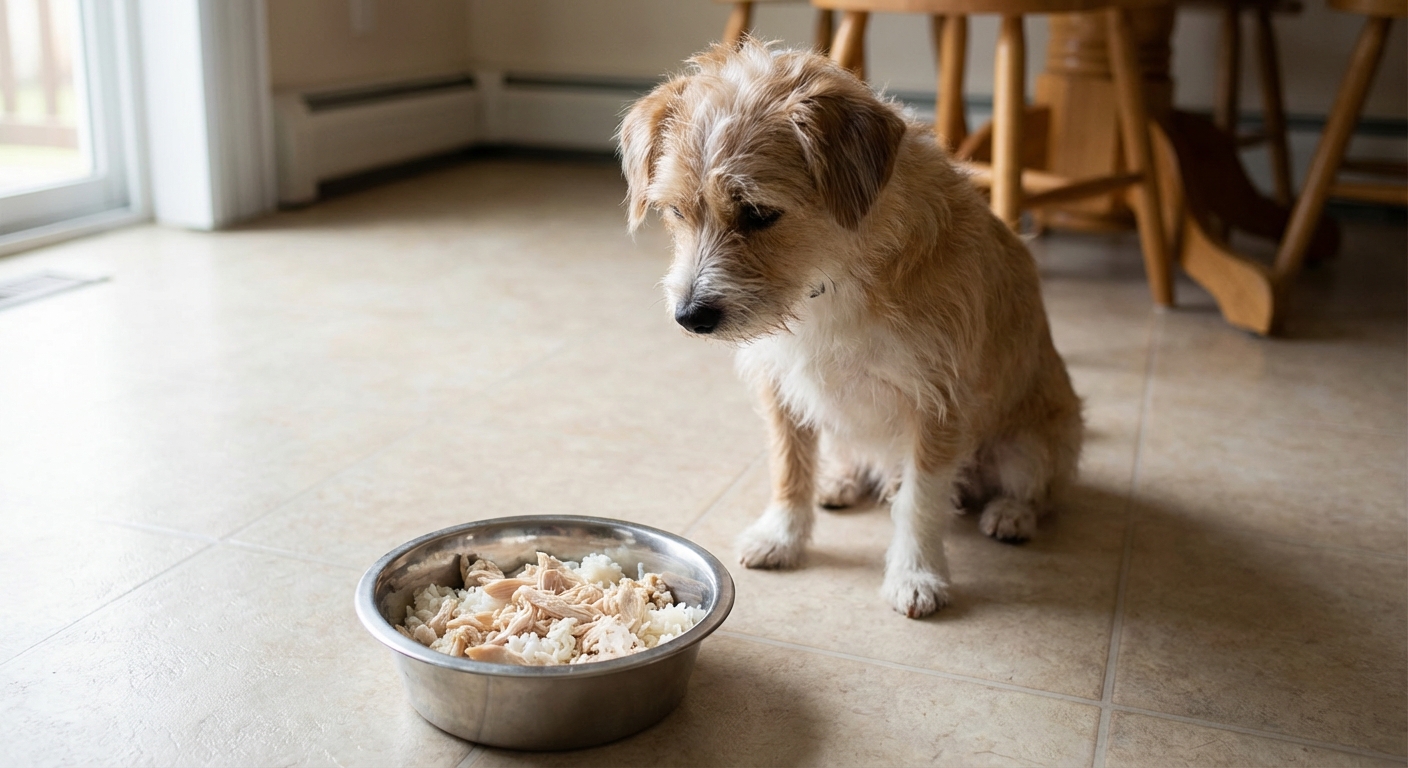
- Loss of appetite or suddenly refusing food
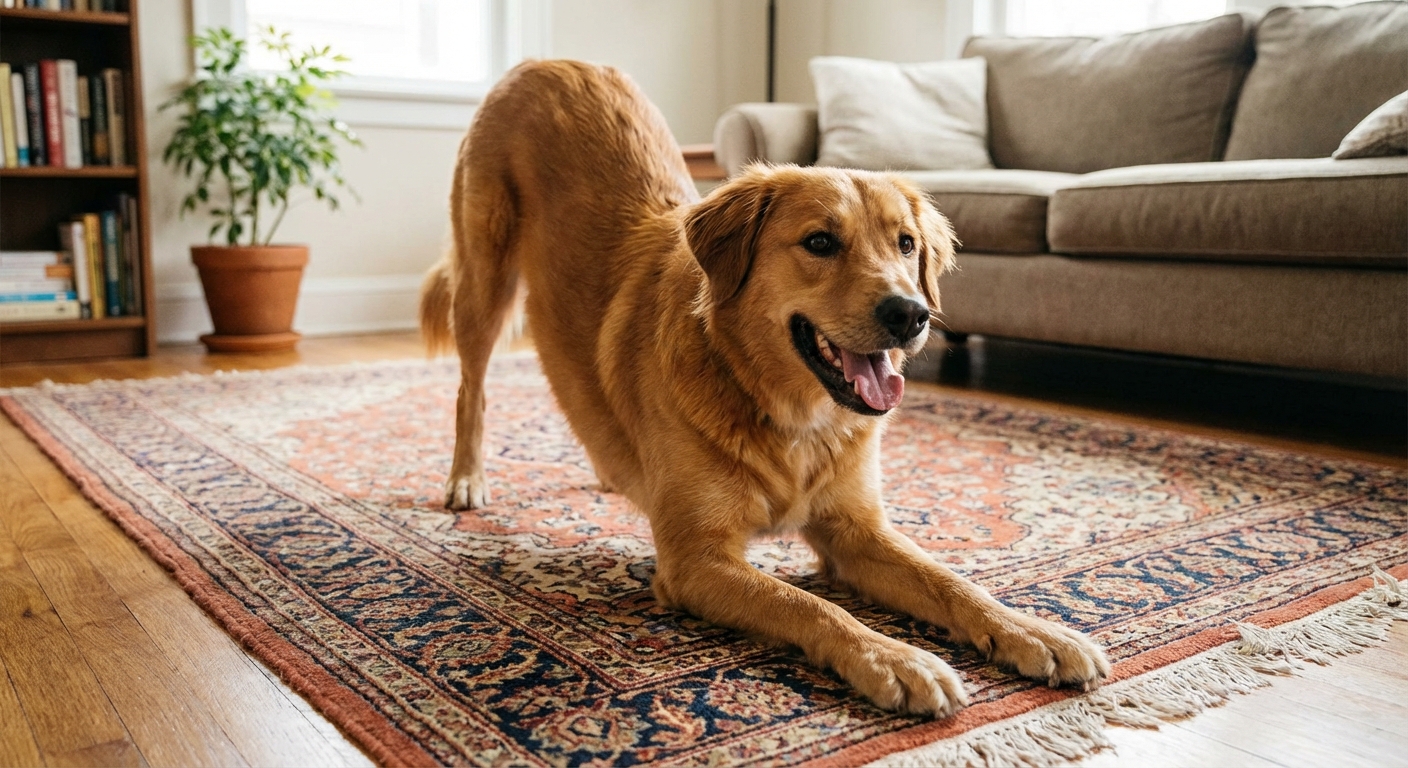
- Abdominal pain (many dogs “pray” with front legs down and rear up)
- Lethargy or weakness
- Possible signs of dehydration (tacky gums, reduced energy, dry-looking gums, skin that may not spring back quickly). These can be subtle and can vary by age and body condition.
- Fever in some cases
If your dog is vomiting repeatedly, seems painful, or will not keep water down, do not “wait it out.” Call your veterinarian or an emergency hospital the same day.
What causes pancreatitis in dogs?
Sometimes we never find one single cause. But common contributors include:
- High-fat meals: Table scraps, greasy foods, fatty meats, bacon drippings, fried foods
- Sudden diet changes: Especially to richer foods or new treats
- Obesity: Extra body fat can increase risk
- Underlying disease: Endocrine disorders and GI diseases can contribute
- High triglycerides: Seen in some dogs, including many Miniature Schnauzers
- Medication associations (in some cases): A few drugs have been reported as potential contributors in certain patients. Your veterinarian will review what your dog is taking and how strong the evidence is for your dog’s situation.
- Breed tendencies: For example, Miniature Schnauzers are overrepresented in some pancreatitis cases (often tied to high triglycerides), and German Shepherds are well known for higher EPI risk.
Holidays are a classic trigger. A well-meaning family member slips a dog a fatty bite, and the next day the dog is vomiting and uncomfortable.
Step by step: what to do
Step 1: Stop treats and rich foods
If your dog is actively vomiting or seems painful, do not offer snacks or table food. Save the details of what your dog ate for your vet.
Step 2: Call your veterinarian
Pancreatitis can look like other problems (foreign body, toxin exposure, parvo, kidney issues). Your veterinary team will help you decide if your dog needs to be seen urgently and whether an ER is the better choice.
Step 3: Know what a visit may include
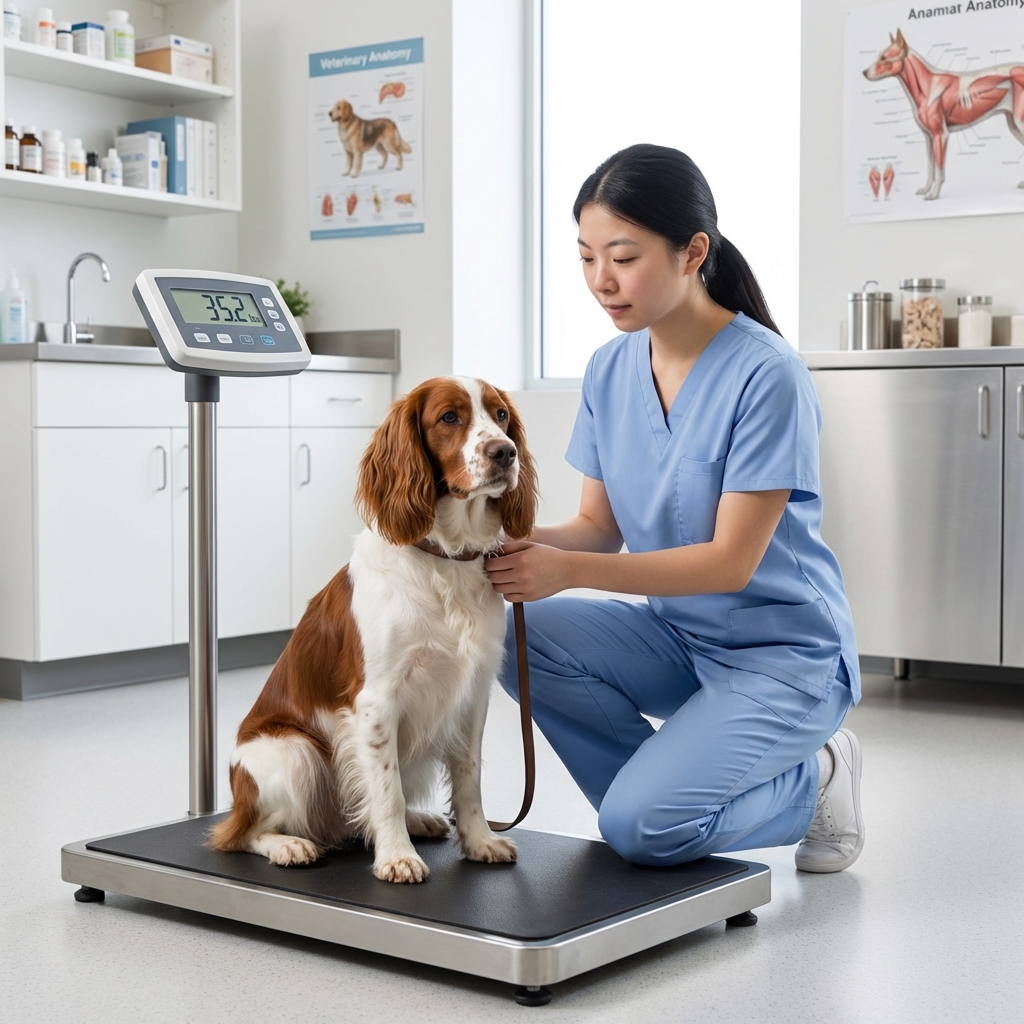
Depending on how your dog looks (hydration, pain level, ability to keep water down), your vet may recommend outpatient treatment or hospitalization. Hospital care often means IV fluids, injectable anti-nausea meds, pain control, and frequent rechecks.
Step 4: Expect a combination of diagnostics
Common tools include:
- Physical exam with abdominal palpation and hydration assessment
- Bloodwork to check organ function, electrolytes, inflammation, glucose
- Canine pancreatic lipase (cPL) test, often used to support a pancreatitis diagnosis
- Ultrasound to assess the pancreas and rule out other causes (and yes, ultrasound can look normal in early or mild cases)
In real life, diagnosis is usually based on a blend of history, exam findings, lab work, and imaging. One test rarely tells the full story.
Step 5: Follow treatment exactly
Treatment depends on severity. Many dogs need a combination of:
- Fluids (often under the skin or IV) to correct dehydration and support circulation
- Anti-nausea medications
- Pain control (very important for pancreatitis)
- Appetite support when appropriate
- Diet changes to reduce pancreatic stimulation
Step 6: Reintroduce food the safe way
Your veterinarian will guide timing and diet. Older advice sometimes leaned toward long fasting, but modern care often favors earlier nutrition when appropriate, once vomiting is controlled and your vet says it is safe.
In many cases, dogs do better with:
- Small, frequent meals instead of one or two large meals
- Low-fat diets designed for pancreatitis-prone dogs
- Consistent routines with minimal treat “surprises”
Feeding help
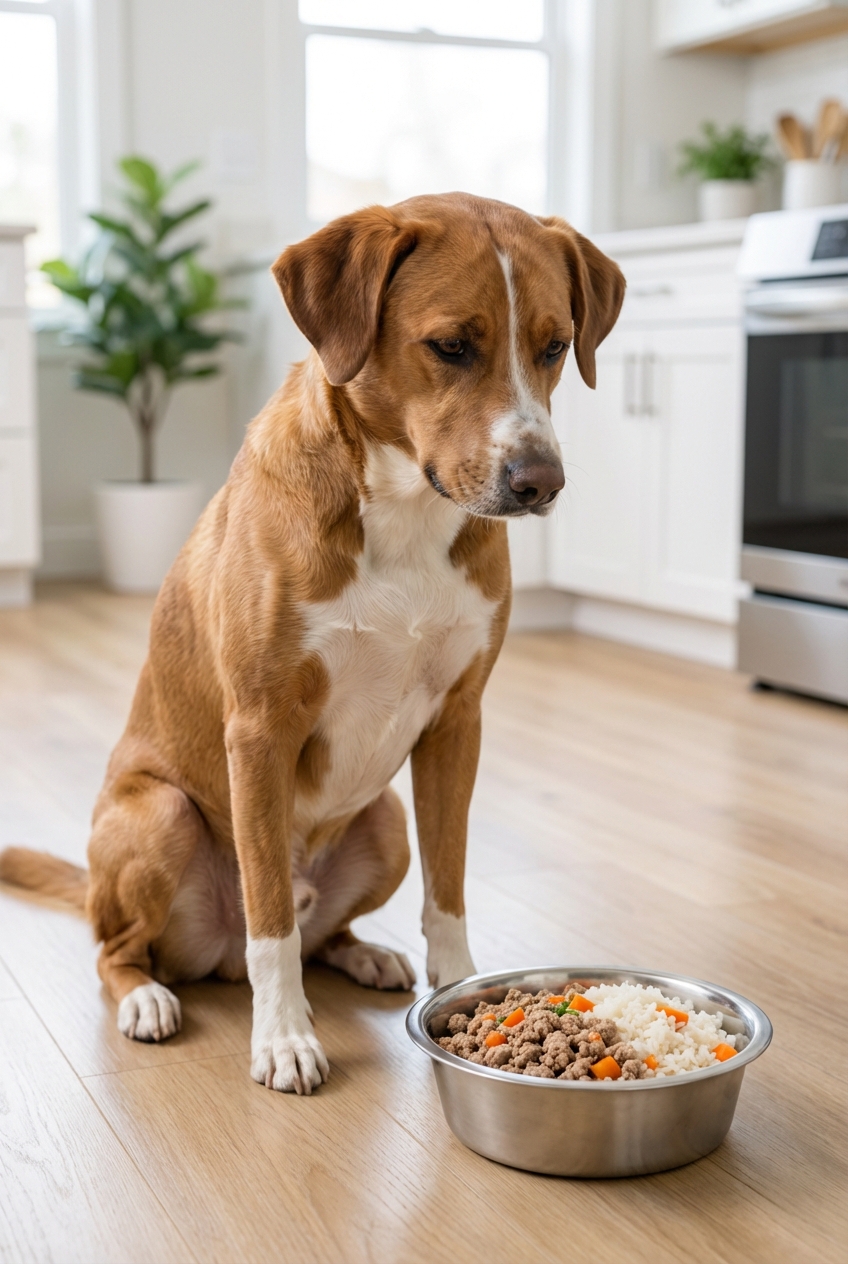
Food is one of the most powerful tools you have. The overall goal is typically lower fat, highly digestible meals with consistent ingredients.
What “low fat” means
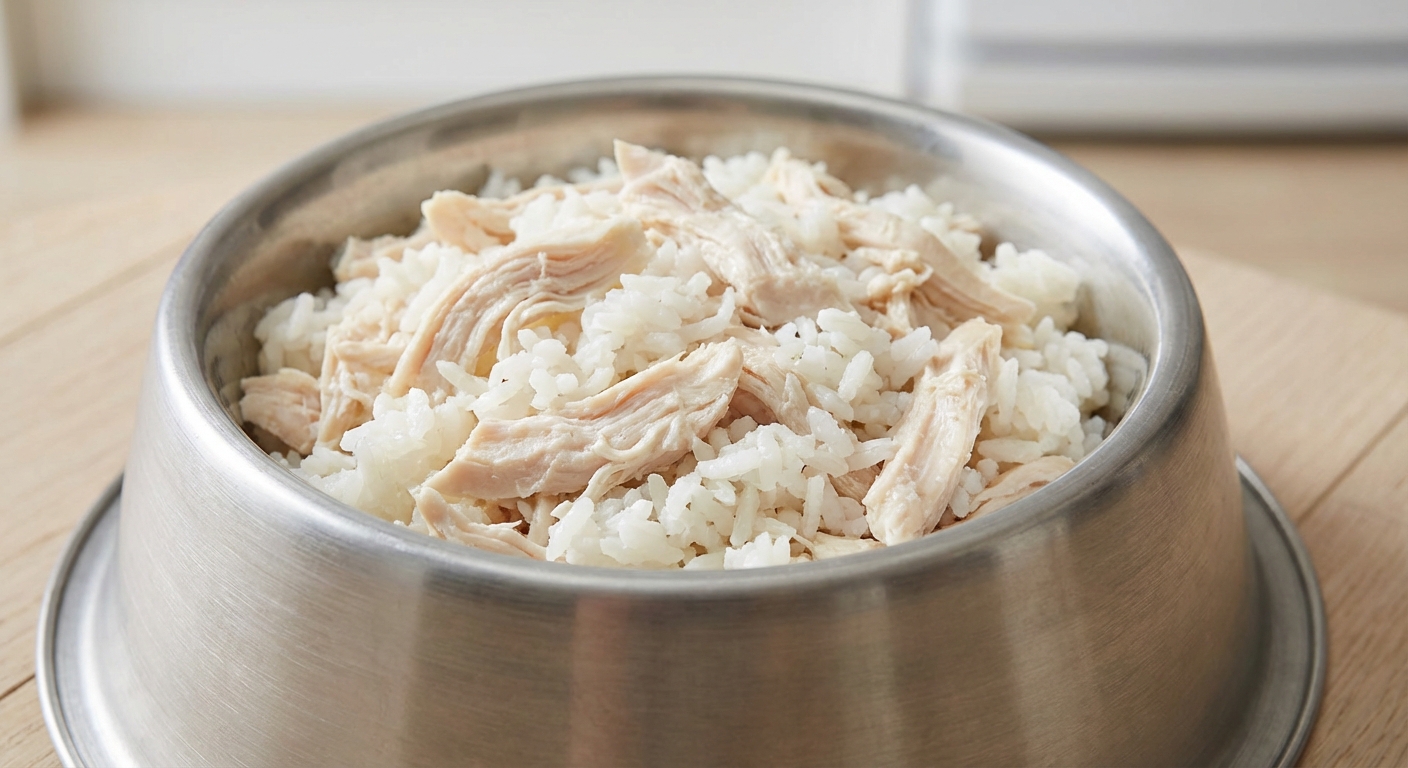
For dogs with pancreatitis history, your vet may recommend a therapeutic low-fat diet. These diets are formulated to reduce pancreatic workload while still meeting nutrient needs.
If you are considering homemade food, please do it with guidance. It is easy to accidentally create deficiencies, especially with minerals like calcium and key vitamins.
Safer treat ideas (ask your vet first)
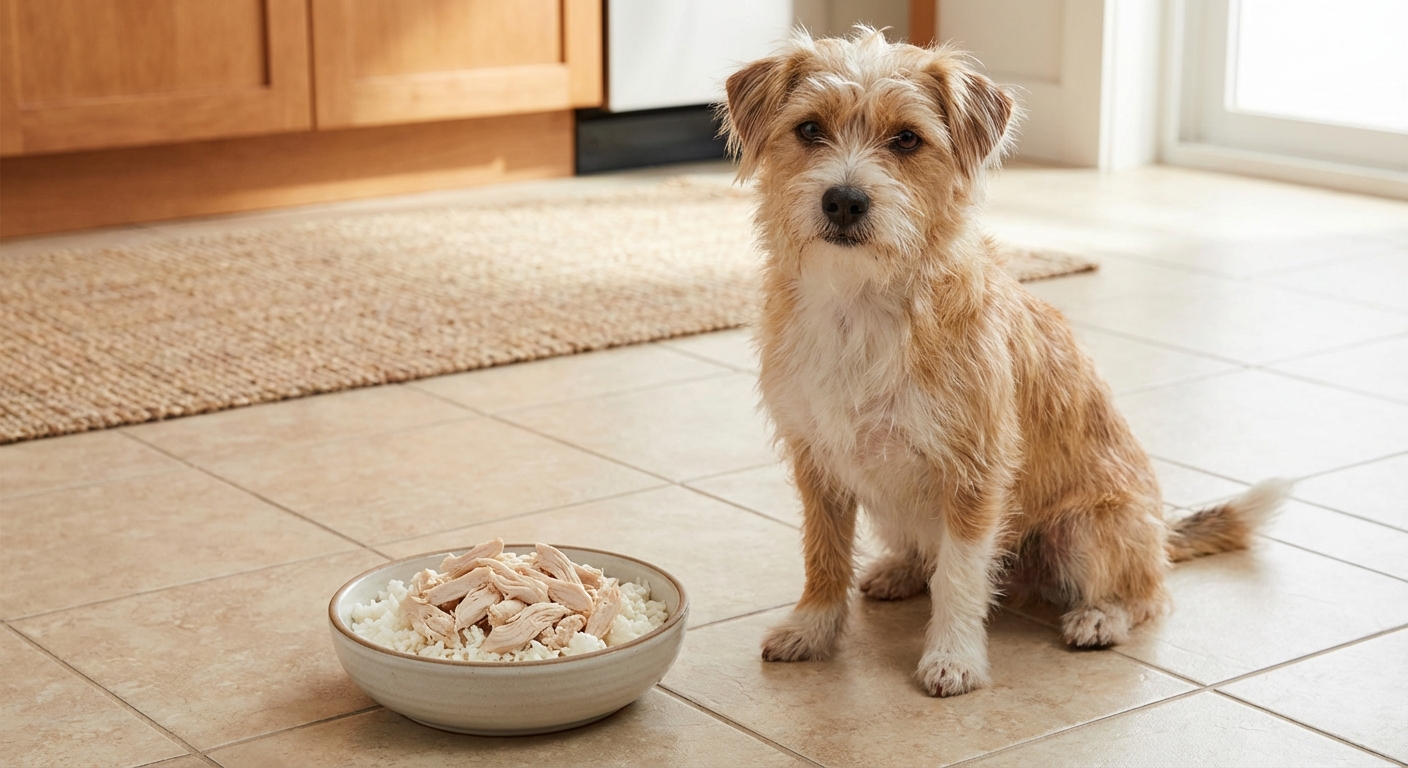
- Small pieces of cooked skinless chicken breast
- A few pieces of plain air-popped popcorn (skip if your dog gulps food or has had choking episodes)
- Small bites of banana or apple (no seeds, no core). Keep portions small because fruit sugar can upset some stomachs.
- Steamed or cooked carrots
Foods that commonly trigger trouble
- Bacon, sausage, hot dogs
- Cheese, cream, butter
- Fried foods
- Fatty beef trimmings, skin-on poultry
- Gravy and pan drippings
- High-fat treats and bones with a lot of marrow
Long-term management
Keep weight in a healthy range
Excess weight can raise inflammation in the body and increase risk. If your dog needs to slim down, go gradually with a vet-approved plan.
Build a “boring but safe” routine
This is one of my favorite clinically reliable tips because it works. Dogs with sensitive pancreases tend to do best when their diet is consistent. Save the novelty for toys and adventures, not fatty snacks.
Schedule rechecks when recommended
Some dogs need follow-up bloodwork, especially if they had a severe episode or if they are older and have other health concerns.
Watch the poop and the appetite
It is not glamorous, but it is helpful. Sudden stool changes, reduced appetite, or repeated “off days” can be early warning signs. Catching a flare early can sometimes prevent hospitalization.
Possible complications
Pancreatitis can range from mild to life-threatening. In more serious cases, dogs can develop complications that require aggressive treatment and close monitoring, such as:
- Severe dehydration and electrolyte imbalances
- Systemic inflammation affecting other organs
- Bile duct irritation or obstruction in some cases
- Blood sugar instability, including diabetes in some dogs
- Clotting problems in severe illness
This is why veterinary guidance matters so much, even if the first sign looks like a simple upset stomach.
EPI: not enough enzymes
If your dog has chronic loose stool, weight loss despite a good appetite, and a dull coat, ask your veterinarian whether EPI should be ruled out.
Typical management includes:
- Prescription pancreatic enzymes mixed with each meal
- Diet adjustments based on stool quality and weight
- Vitamin B12 (cobalamin) monitoring and supplementation if needed
Some EPI dogs also struggle with gut dysbiosis (sometimes called SIBO). If stools are not improving even with enzymes, your veterinarian may discuss additional testing or targeted medications.
With consistent care, many EPI dogs do wonderfully and regain weight and energy.
Do not do at home
- Do not give human pain medications (many are toxic to dogs).
- Do not force food or water if your dog keeps vomiting or seems painful.
- Do not start a long fast without veterinary guidance. Your vet will tell you if, when, and how to feed.
- Do not add fatty “bland diet” extras like hamburger grease, butter, oils, or gravy.
When it is an emergency
Please seek urgent veterinary care if your dog has any of the following:
- Repeated vomiting or vomiting with inability to keep water down
- Severe lethargy, collapse, or weakness
- Bloated, painful abdomen or crying when picked up
- Black tarry stool or blood in vomit or stool
- Signs of dehydration
- Known pancreatitis history and symptoms returning
Pancreatitis can involve serious complications, and early treatment can be life-saving.
A gentle takeaway
If your dog is dealing with pancreatic problems, you did not fail. Many cases are multifactorial, and some dogs are simply more sensitive than others. What matters now is building a plan you can actually stick to: consistent low-fat nutrition, fewer food surprises, and fast action when symptoms pop up.
When in doubt, call your vet and ask. You are your dog’s best advocate, and small steps add up to a healthier, more comfortable life.