
Designer Mixes
Do Dogs Get Dementia?
Yes, dogs can get dementia. The medical term you may hear is Canine Cognitive Dysfunction (CCD) . It shares some similarities with Alzheimer’s disease in people, but it is not identical. As a veterinary assistant here in Frisco, Texas, I want you to know something important right up front:...
Read more →
What Does a Cat Purring Mean?
As a veterinary assistant, one of the most common questions I hear is, “My cat purrs all the time. Does that mean she’s happy?” Sometimes yes. But purring can also show stress, pain, or a need for comfort. The good news is that you can usually figure it out by looking at the whole cat, not...
Read more →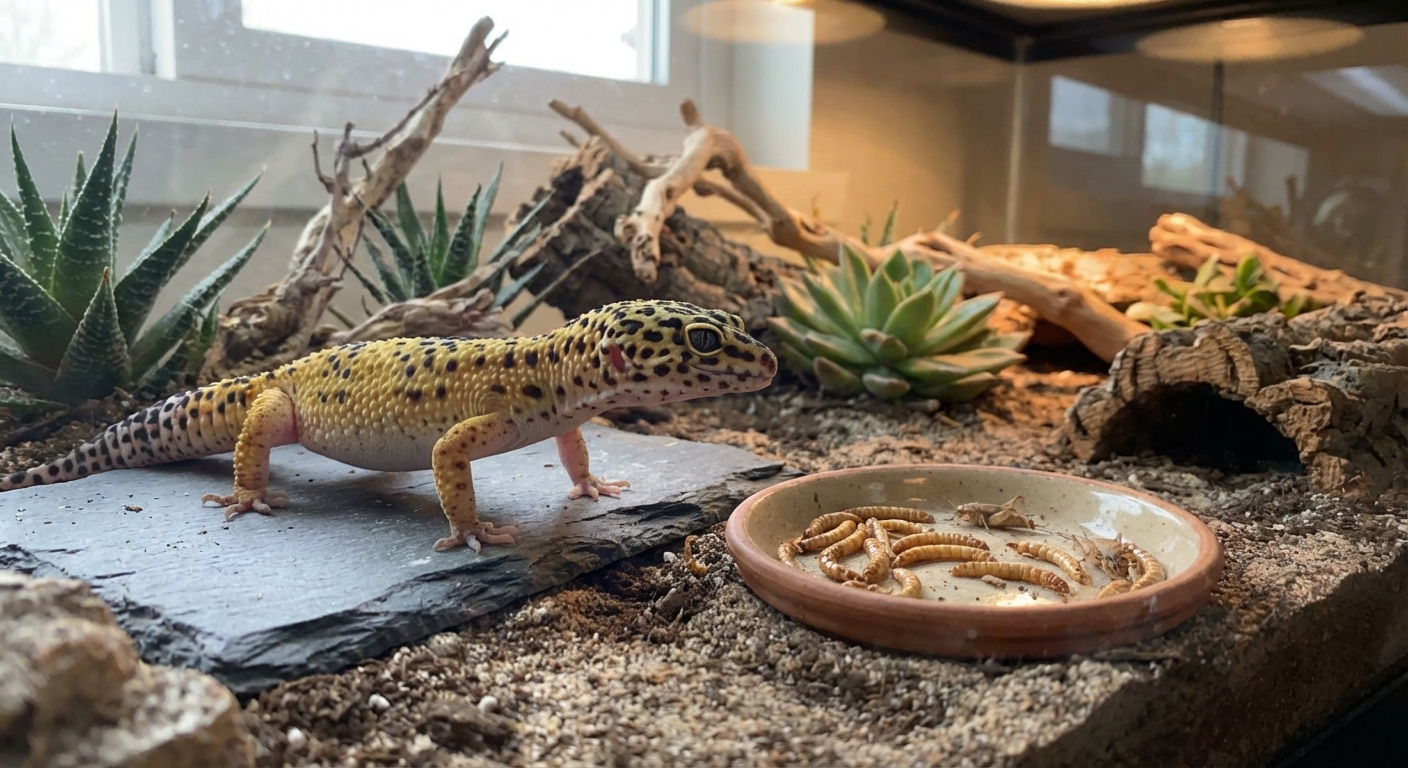
What to Feed a Leopard Gecko
Leopard geckos are one of those pets that make you fall in love with reptiles fast. They are expressive, curious, and surprisingly food-motivated. The best part is that feeding them well is not complicated once you know a few basics about insects, supplements, and safe routines. As a veterinary...
Read more →
My Dog Is Pooping Mucus: Handy Advice You Need
If you have ever picked up your dog’s poop and noticed a clear, white, yellow, or jelly-like coating, you are not alone. Mucus in stool is one of the more common “wait, what is that?” concerns I hear about as a veterinary assistant in clinic. A little mucus can be normal, especially after a...
Read more →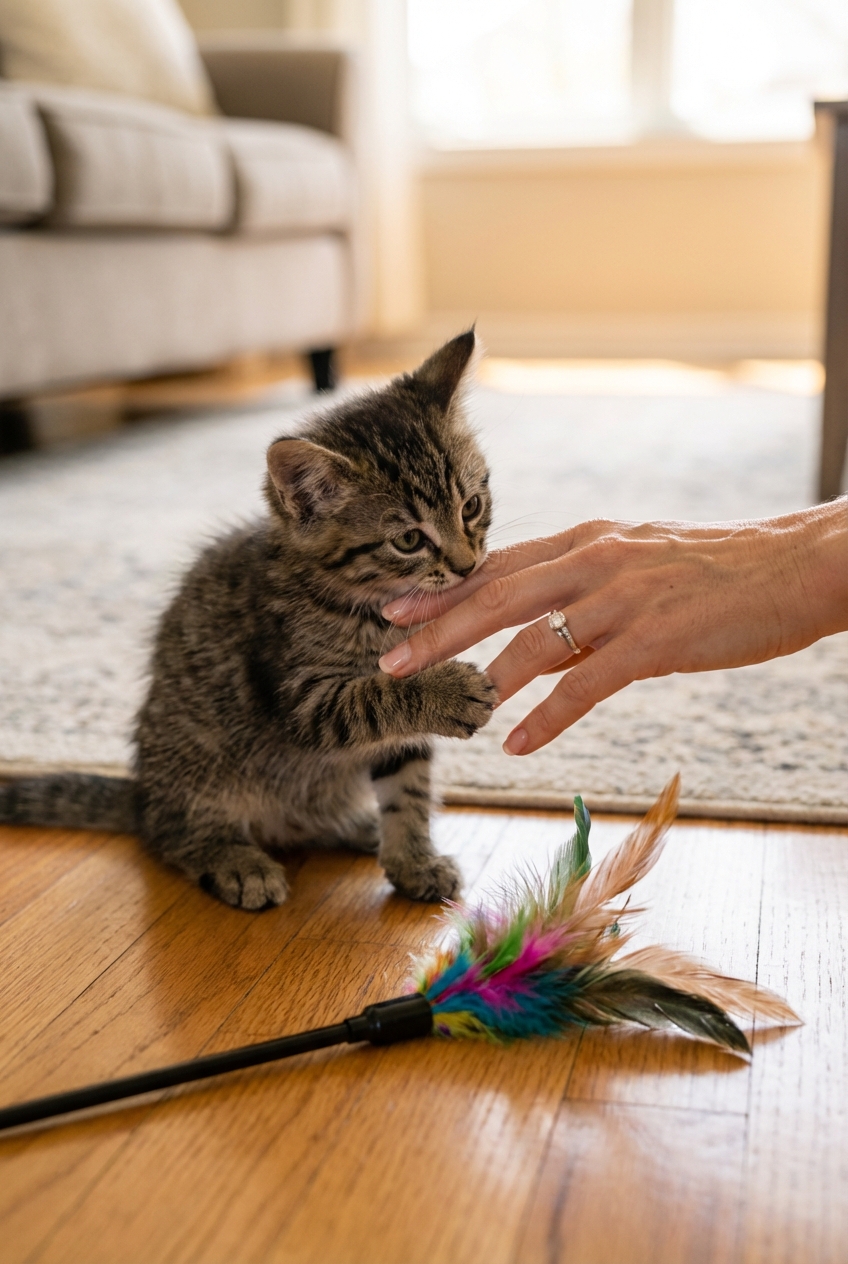
How to Stop a Kitten From Biting
Kittens bite. It is normal and common, and it does not mean you have an “aggressive” cat. From a veterinary assistant perspective, most kitten biting is a mix of play, teething, and learning boundaries. The goal is not to punish biting. The goal is to teach gentle behavior while still letting...
Read more →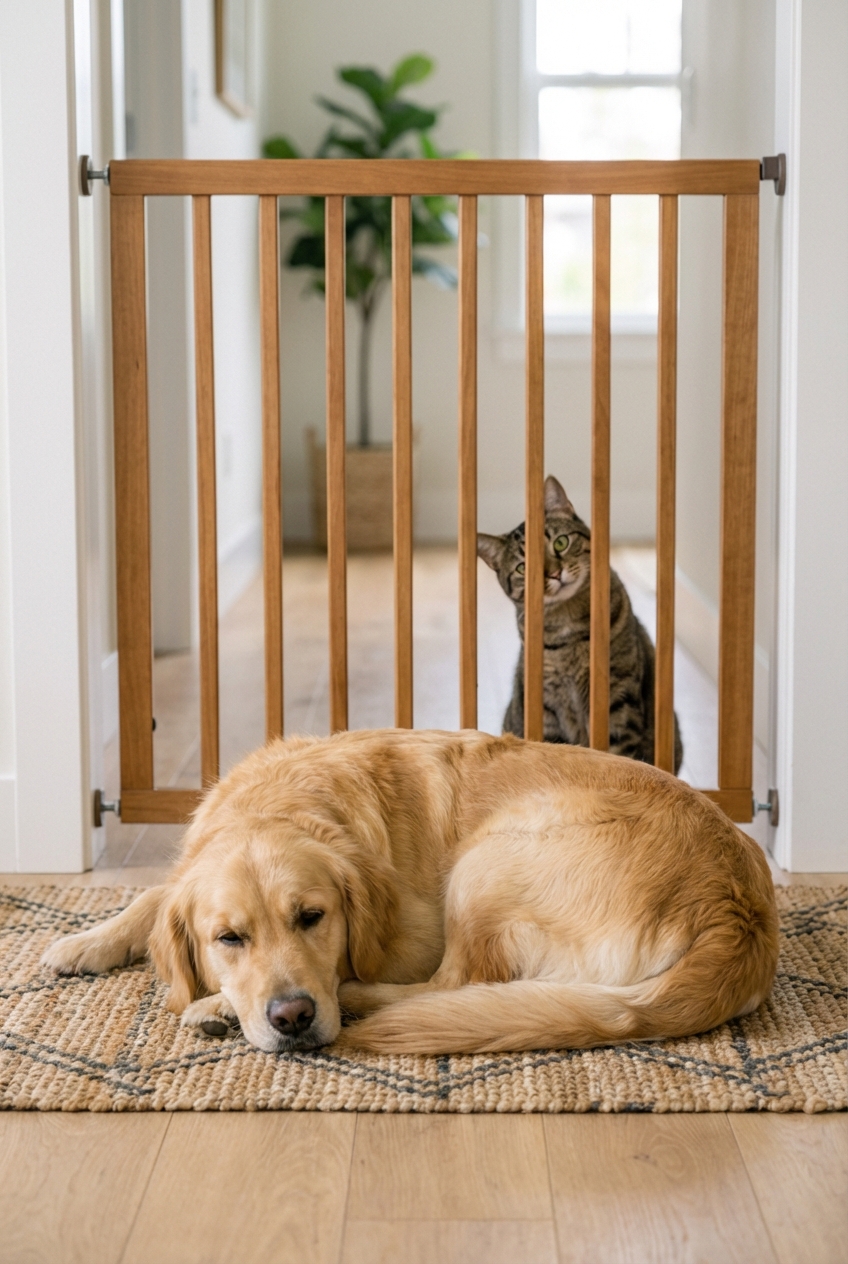
How to Introduce a Dog and Cat
As a veterinary assistant here in Frisco, Texas, I have seen dog and cat introductions go beautifully and I have also seen them go sideways when we rush. The good news is that most pets can learn to live together peacefully when we set them up for success: slow steps, safe spaces, and smart...
Read more →
Cure for Diarrhea in Dogs
Diarrhea in dogs is common, stressful, and often messy. The good news is that most mild cases improve quickly with the right home care and a little detective work. As a veterinary assistant in Frisco, Texas, I have seen the full range, from simple diet slip-ups to true emergencies. This guide walks...
Read more →
Dog Hot Spots: How to Treat and Prevent Them
Hot spots can show up fast and feel dramatic. One day your dog is fine, and the next you notice a wet, angry-looking patch of skin that seems to spread by the hour. As a veterinary assistant (and lifelong pet lover), I can tell you this is one of the most common skin issues we see, especially in...
Read more →
What To Do When Your Dog Is Scared Of Thunder
Thunderstorms are loud, unpredictable, and packed with cues dogs notice more than we do. If your dog shakes, pants, hides, drools, barks, or tries to bolt when thunder hits, you are not being “dramatic” by taking it seriously. Storm fear is common, and for some dogs it can grow into true noise...
Read more →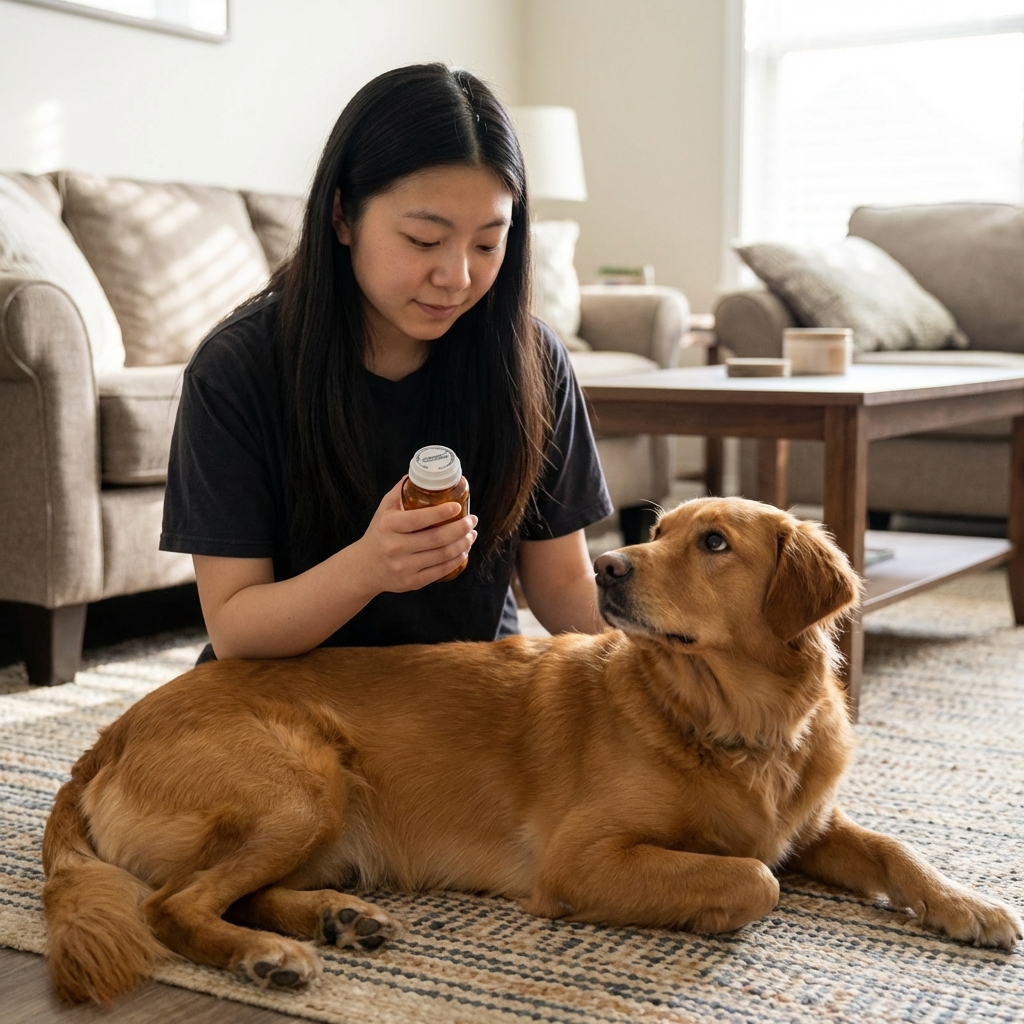
Dog Addison’s Disease Care and Training Tips
Addison’s disease can sound scary, especially the first time you hear it at your veterinarian’s office. The good news is that with the right medication plan, smart routines, and gentle training, many dogs with Addison’s live full, happy lives. In my work as a veterinary assistant, I have seen...
Read more →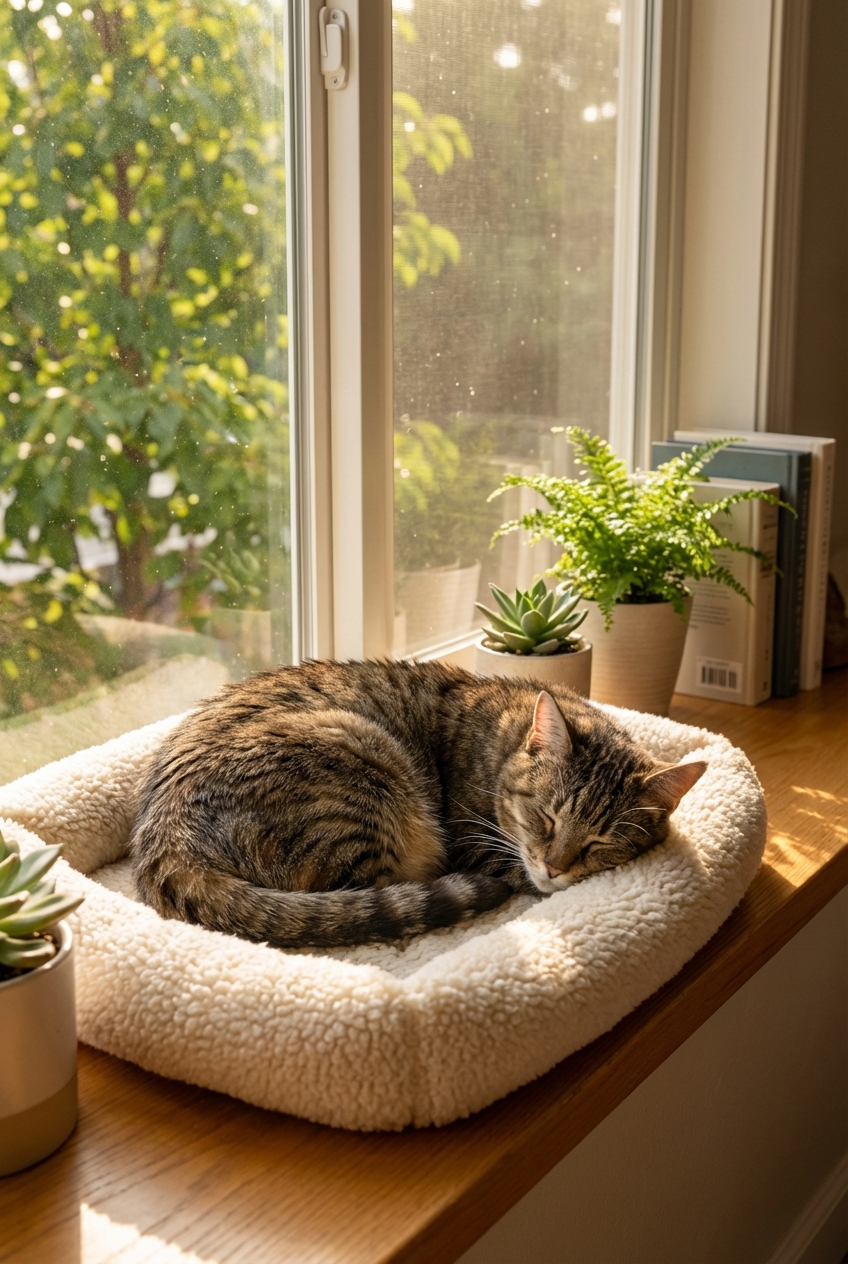
Treating Arthritis in Cats
When a cat has arthritis, it is rarely “just getting older.” It is pain, stiffness, and inflammation inside a joint that should move smoothly. The good news is that feline arthritis is often very manageable once you know what to look for and you work with your veterinarian on a plan that fits...
Read more →
How Can I Tell If My Cat Is Sick?
Cats often hide signs of illness. It is a survival instinct and one reason I always tell pet parents to trust their gut if something feels “off.” The good news is you do not need veterinary training to spot early red flags. You just need to know what to watch for and when to act. Below are...
Read more →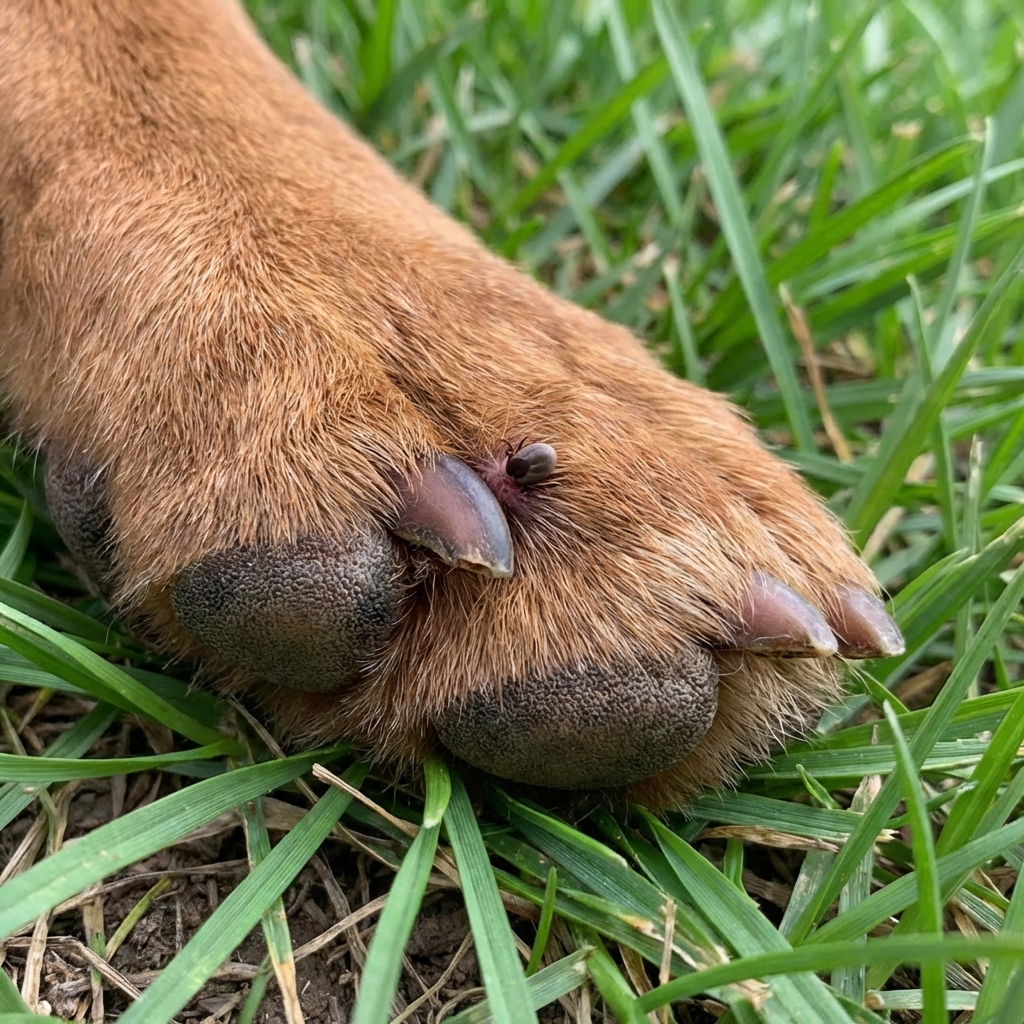
Lyme Disease in Dogs: Signs and What to Do
As a veterinary assistant here in Frisco, Texas, I can tell you one thing I see over and over: Lyme disease can be sneaky. Some dogs look perfectly fine after a tick bite, then weeks or even months later they start limping, acting tired, or running a fever. The good news is that when you know the...
Read more →
Crate Training a Puppy
Crate training, sometimes called kennel training, is one of the kindest things you can teach a puppy when it is done thoughtfully. A crate gives your pup a safe place to rest, helps with potty training, and can prevent dangerous chewing when you cannot supervise. As a veterinary assistant here in...
Read more →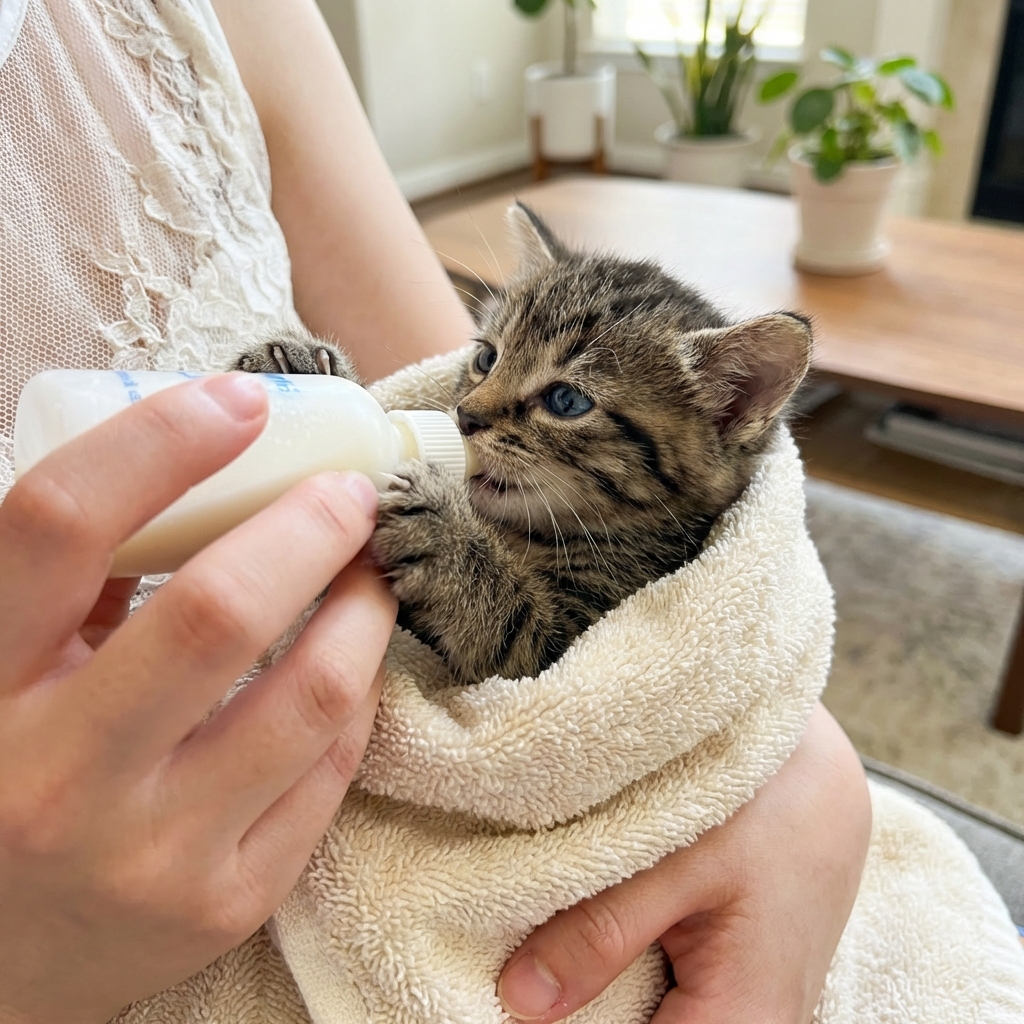
How to Feed a 3-Week-Old Kitten
At around 3 weeks old, a kitten is in that in-between stage: still dependent on milk for nutrition, but starting to explore, wobble-walk, and even show interest in new tastes. Feeding well at this age is not just about calories. It is about hydration, warmth, safety, and the right routine so your...
Read more →
Will Chocolate Hurt Dogs?
As a veterinary assistant here in Frisco, Texas, I hear this question all the time, usually right after someone realizes a dog grabbed a brownie off the counter. The honest answer is: chocolate can absolutely hurt dogs , and in some cases it can be life-threatening. But not every exposure is an...
Read more →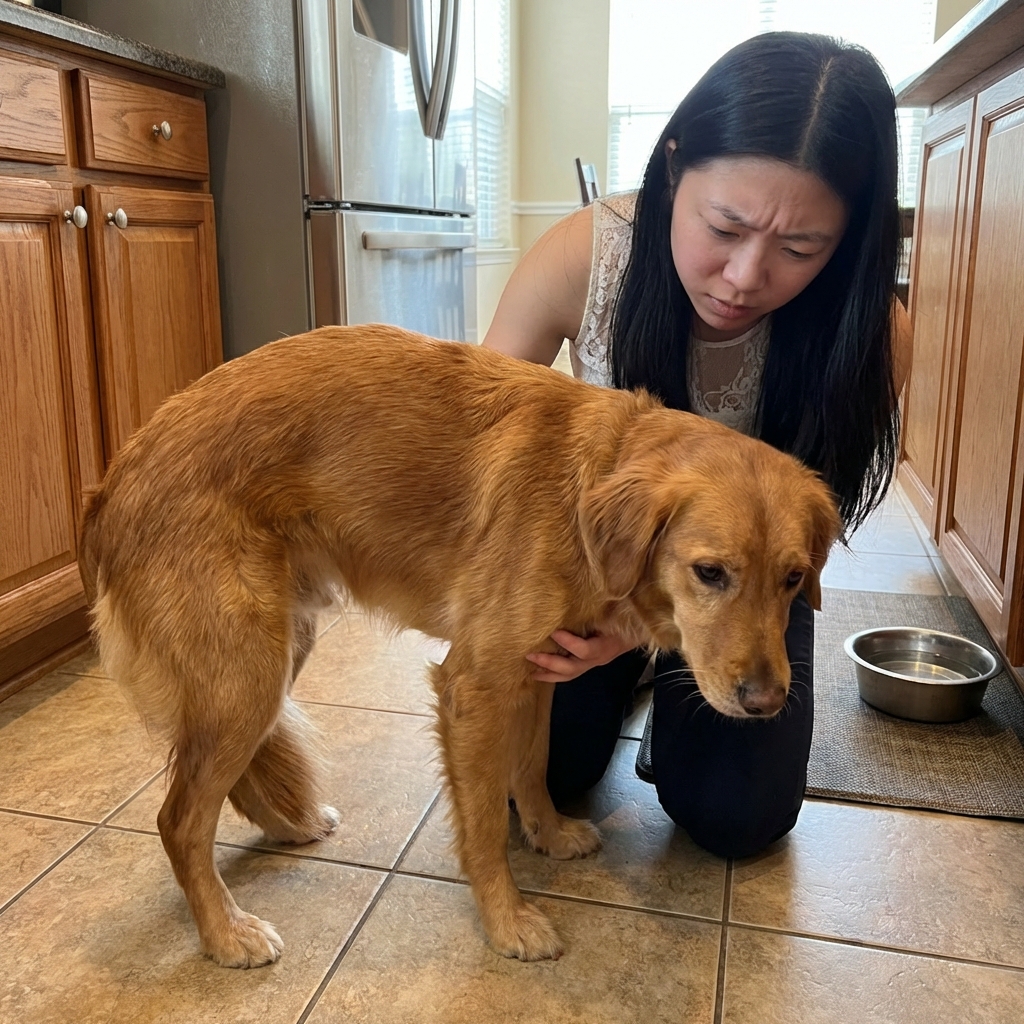
Dog Vomiting Yellow Foam
Seeing your dog vomit yellow foam can be scary, especially when it seems to come out of nowhere. As a veterinary assistant in Frisco, Texas, I have talked with many worried pet parents about this exact issue. The good news is that yellow foam is commonly tied to stomach irritation or an empty...
Read more →
How to Treat a Dog With Parvo
Parvovirus, often called parvo , is one of the most serious illnesses we see in puppies and unvaccinated dogs. It attacks fast-dividing cells, especially in the intestines and bone marrow. That is why it can cause severe vomiting, bloody diarrhea, dehydration, and dangerously low white blood cells....
Read more →
What Causes a Dog to Shiver
Shivering can look scary, especially when it comes out of nowhere. As a veterinary assistant here in Frisco, Texas, I have seen shivering mean everything from “I’m cold” to “I need a vet today.” The good news is that many causes are simple and fixable. The key is knowing what to watch for...
Read more →
Stop Excited Peeing in Dogs
If your dog urinates when they are excited, you are not dealing with a “bad dog.” In my work as a veterinary assistant, I see this all the time, especially in puppies, adolescents, and sweet, sensitive dogs who love people a little too much. The good news is that excited urination is usually...
Read more →