
Designer Mixes
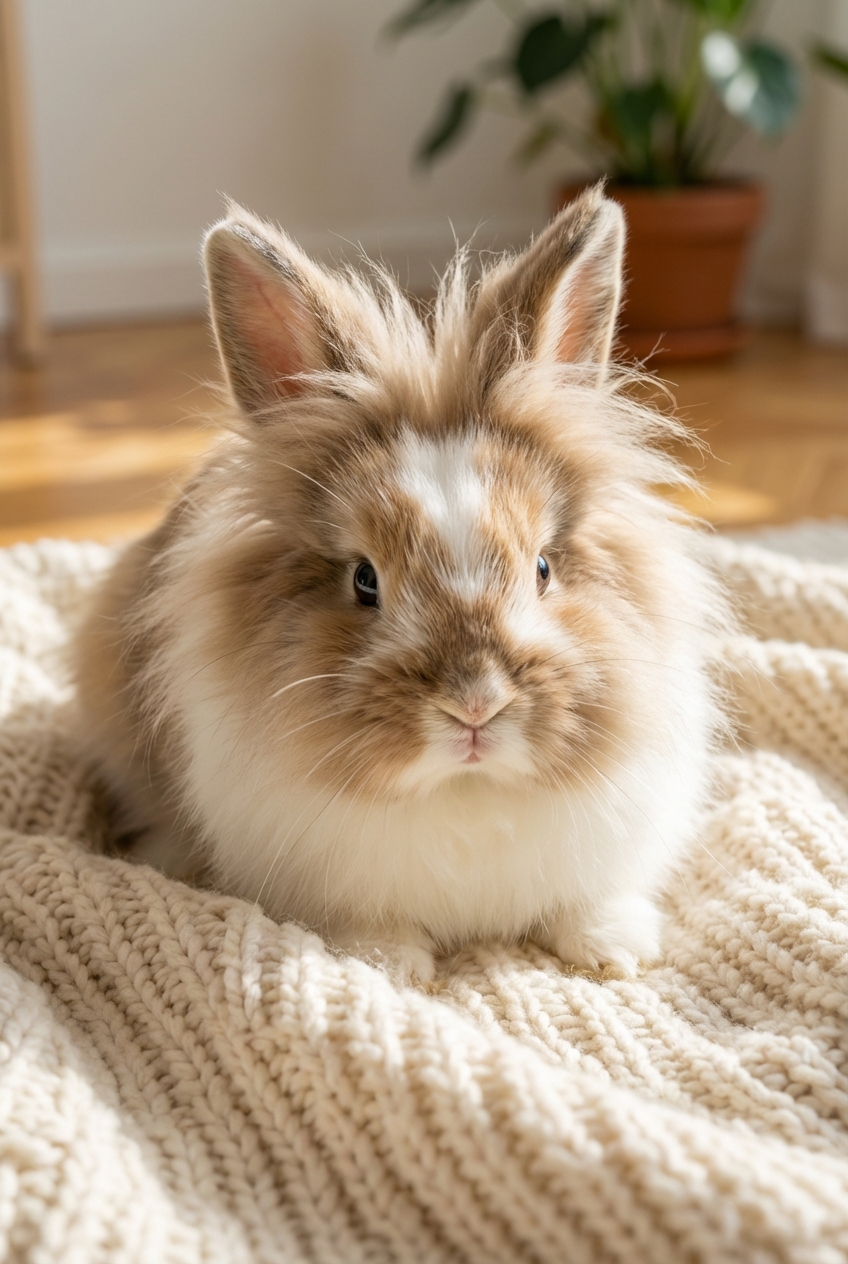
Lionhead Rabbit Care Facts
Lionhead rabbits win hearts fast. They are small, expressive, and that fluffy mane makes them look like tiny royalty. But here is the honest truth I share with every new bunny family: Lionheads are not “easy pets” if you want them to thrive. They are sensitive to stress, their coat needs...
Read more →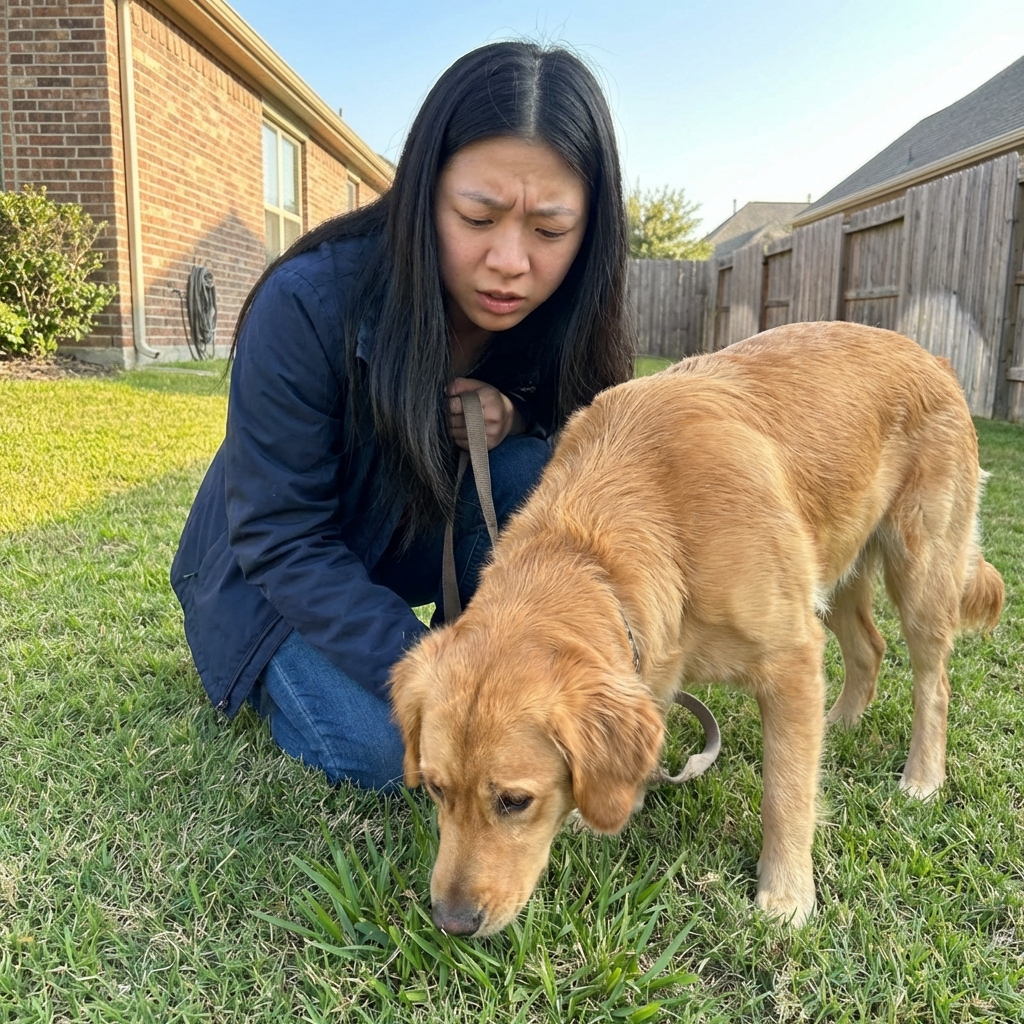
Chronic Dog Diarrhea Care Guide
When diarrhea lasts more than a day or two, it is exhausting for you and uncomfortable for your pup. As a veterinary assistant in general practice, I have seen how quickly loose stool can turn into dehydration, weight loss, and a stressed family. The good news is that many dogs improve with the...
Read more →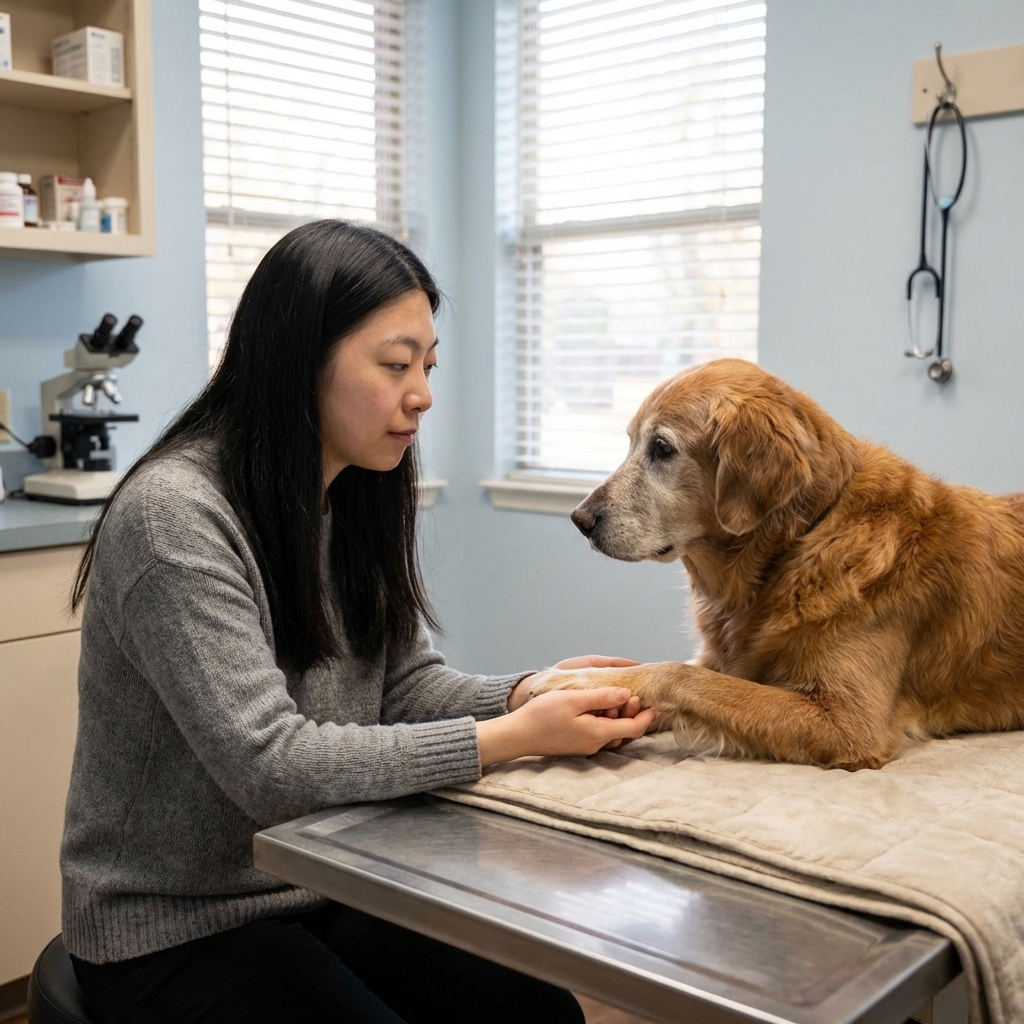
When to Euthanize Your Dog
Making the decision to euthanize a dog you love is one of the hardest moments in pet parenting. As a veterinary assistant, I have sat with families who felt peaceful about their choice and others who felt blindsided by how quickly things changed. What I want you to know is this: you do not have to...
Read more →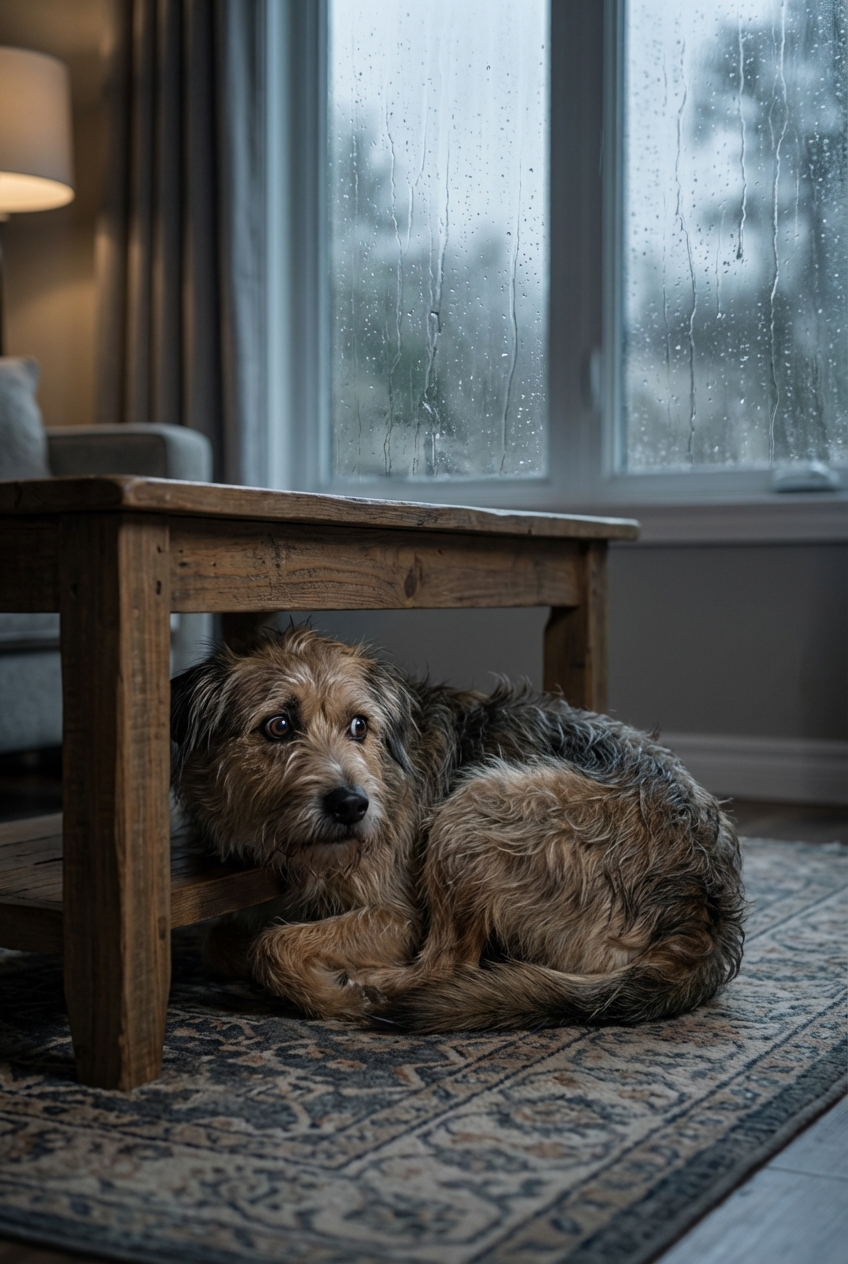
How to Calm Dogs During Thunder
As a veterinary assistant here in Frisco, Texas, I can tell you this is one of the most common warm-weather questions I hear: “What can I do when my dog panics during a storm?” Thunder anxiety is real, and it can look like shaking, panting, pacing, hiding, drooling, clinginess, barking, or even...
Read more →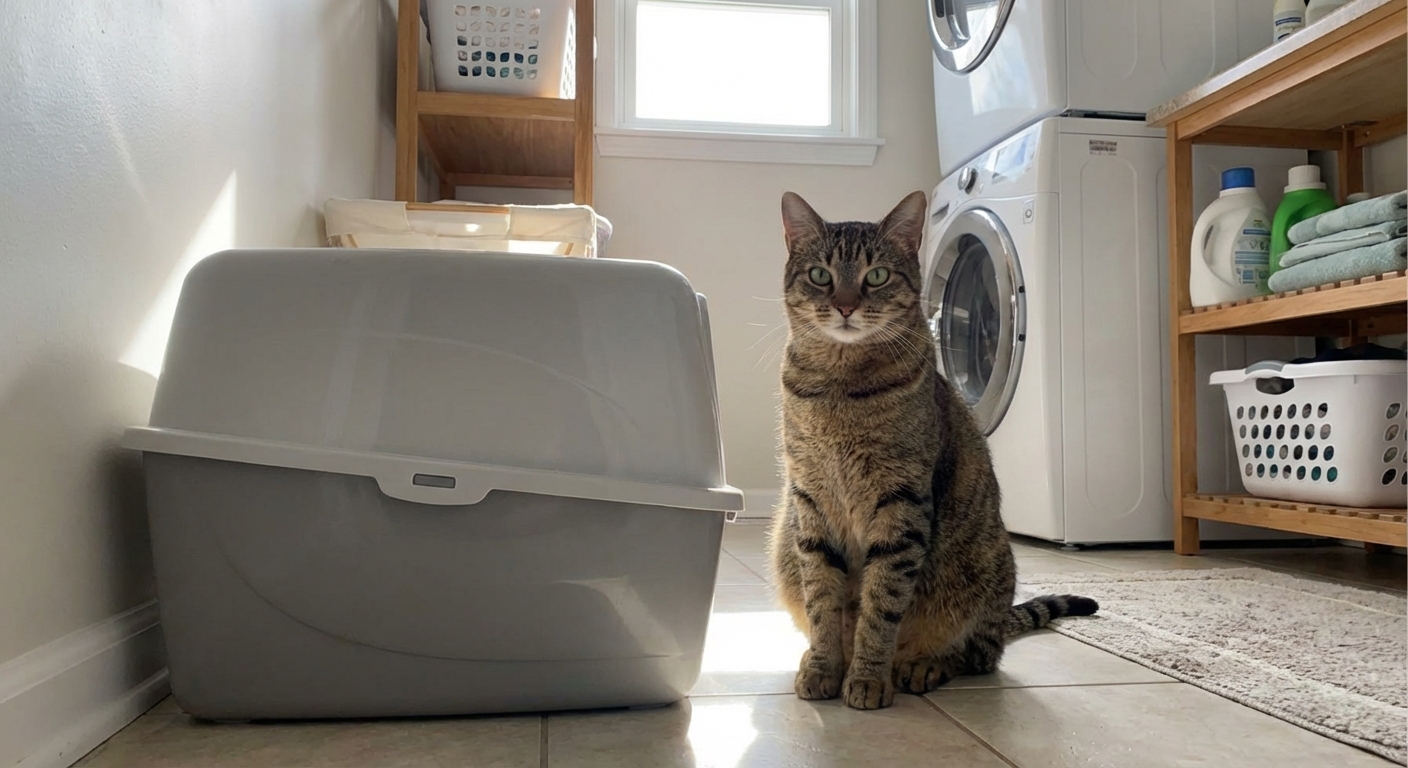
Stop Your Cat From Pooping on the Floor
If your cat is pooping on the floor, I know how stressful and confusing that can feel. As a veterinary assistant, I can tell you this is rarely “spite” or revenge. It is usually a sign of a medical issue, a litter box problem, stress, or a mismatch between what your cat needs and what the home...
Read more →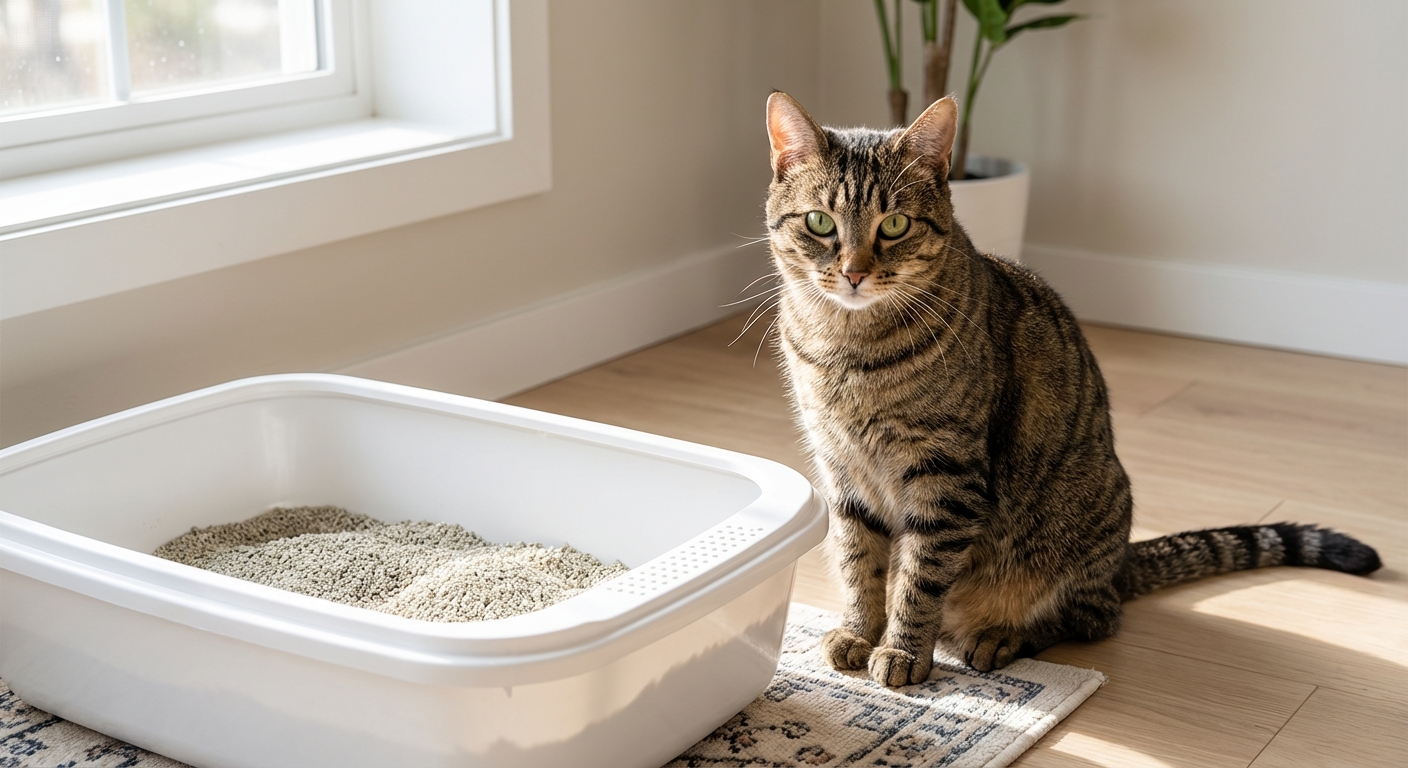
What Does It Mean When Your Cat Has Diarrhea?
As a veterinary assistant, I know how alarming it is to find diarrhea in the litter box, especially when your cat seems “mostly fine” otherwise. The good news is that many cases are mild and short-lived. The not-so-good news is that diarrhea can quickly lead to dehydration, and it can also be a...
Read more →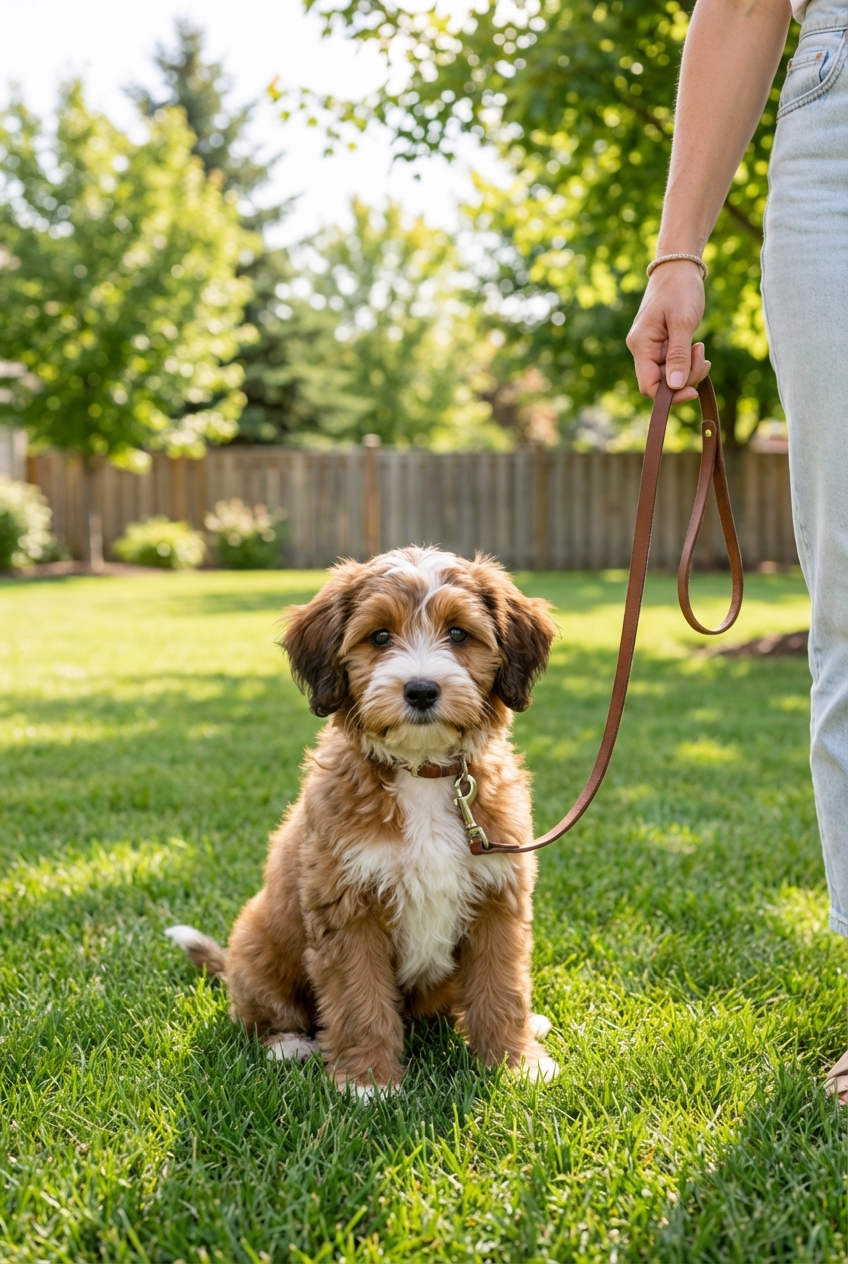
Puppy Diarrhea: Need-to-Know Tips
There are few things more stressful than bringing home a new puppy and then seeing runny stool in the yard or in the crate. As a veterinary assistant, I want you to know two things right away: puppy diarrhea is common , and it can also become serious quickly because puppies dehydrate faster than...
Read more →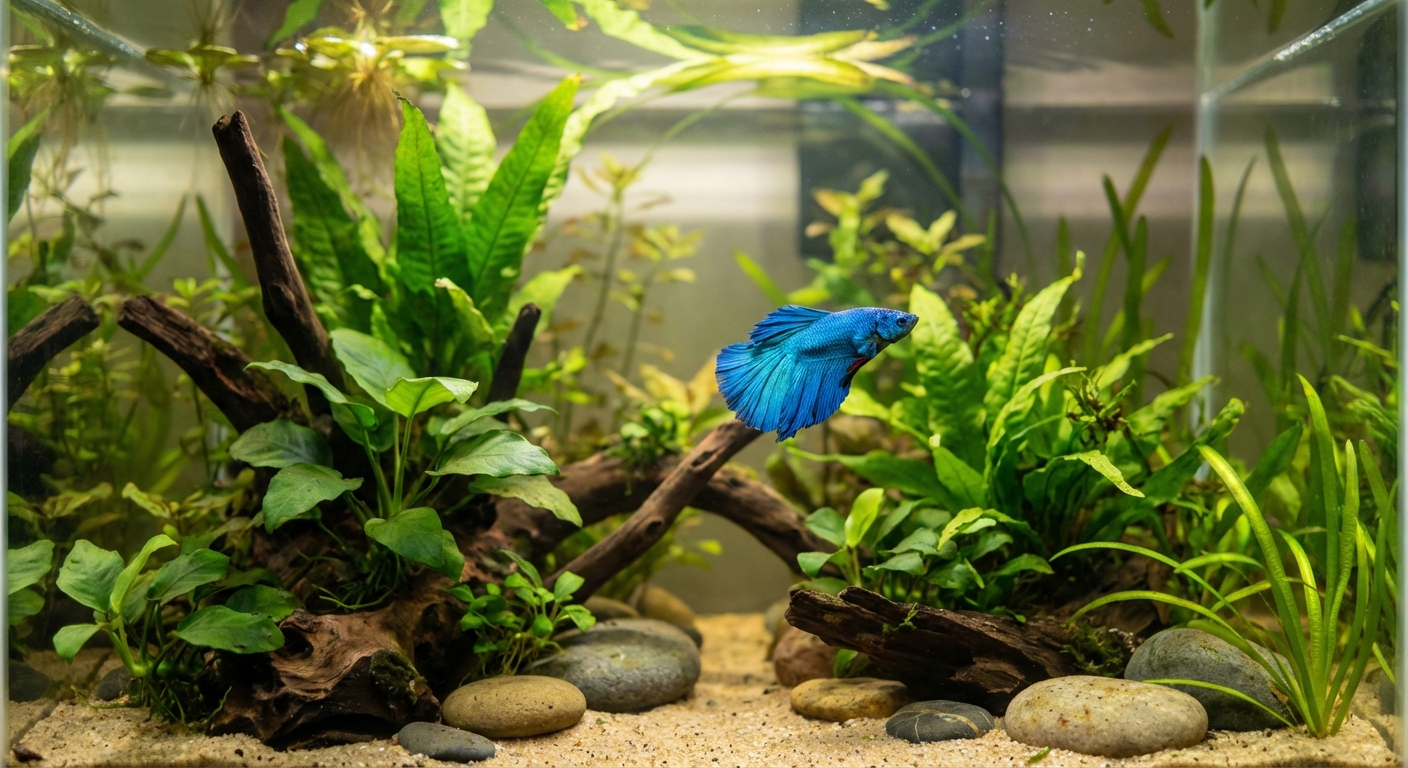
What Fish Can Live With a Betta
As a lifelong pet-lover and a veterinary assistant here in Frisco, Texas, I totally get the appeal of a betta. They are stunning, interactive, and full of personality. But they also come with a big question: What type of fish can live with a betta without turning your aquarium into a stress...
Read more →
Dog Diarrhea Treatment Handbook
Diarrhea is one of the most common reasons pet parents call the vet, and I get it. It is messy, stressful, and it can feel like it came out of nowhere. The good news is that many mild cases improve quickly with smart at-home care. The important part is knowing when it is safe to treat at home and...
Read more →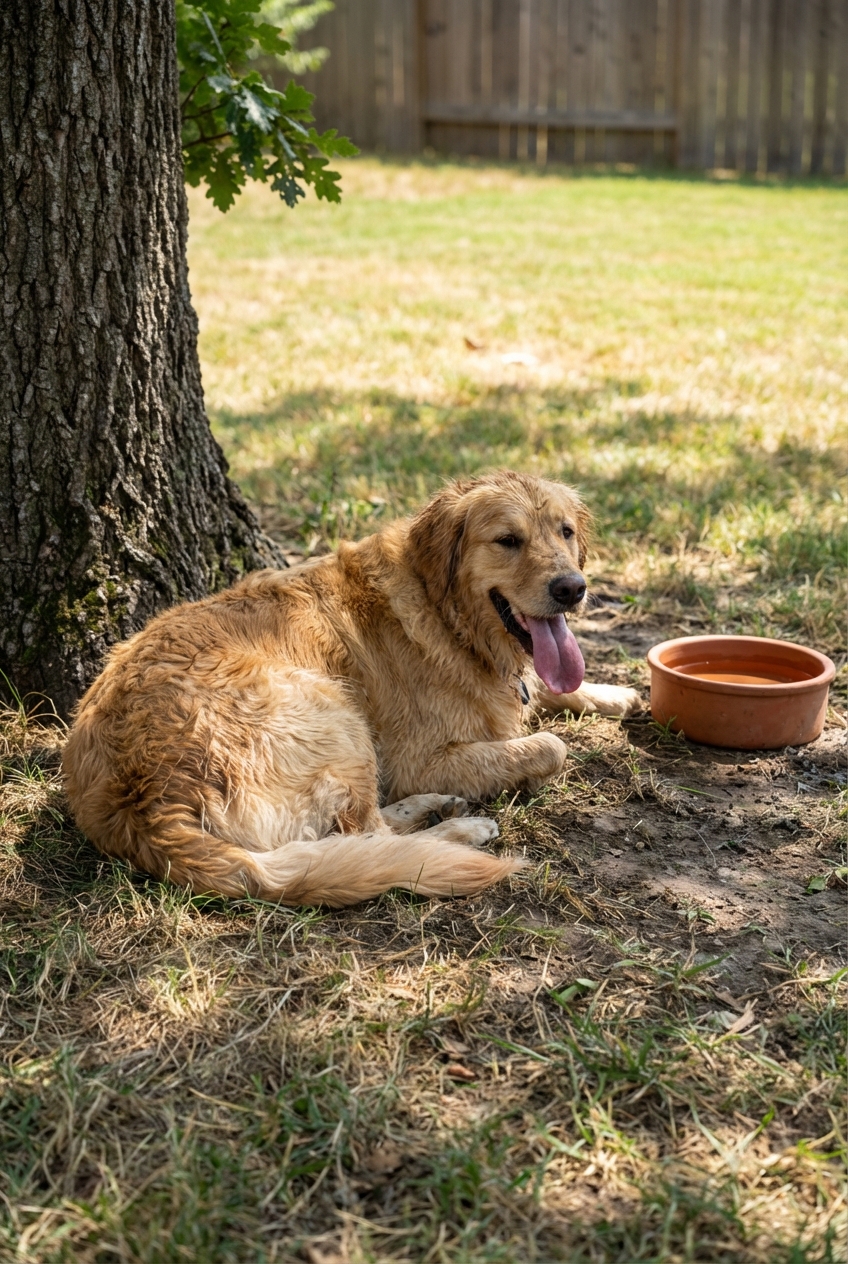
How to Tell If Your Dog Is Overheated
As a veterinary assistant here in Frisco, Texas, I see heat-related emergencies every year, and they can move from “a little too warm” to life-threatening fast. The good news is that you can learn the early signs, know what to do in the moment, and prevent overheating before it starts....
Read more →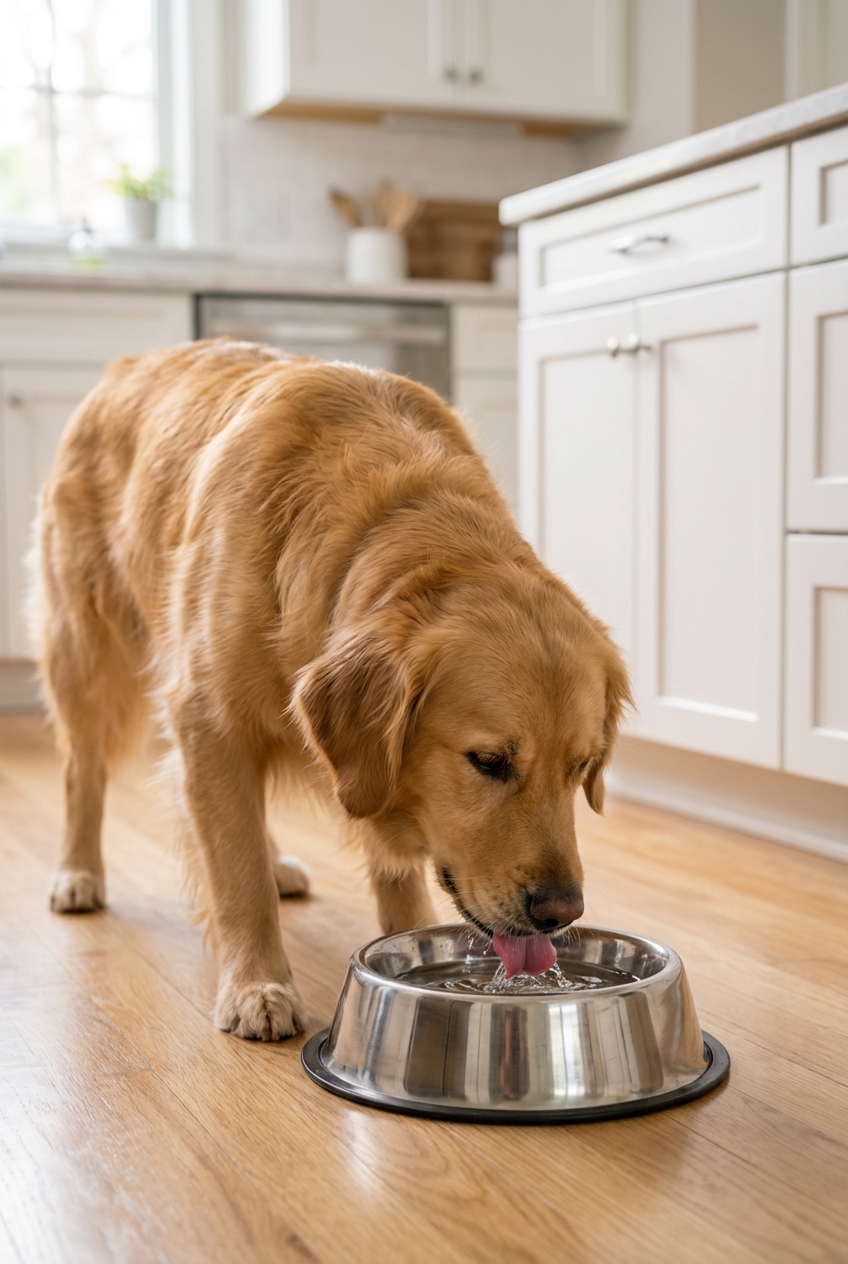
How to Get Your Dog to Drink Water
If you have ever stood next to your dog’s water bowl thinking, “Please just take a few sips,” you are not alone. Hydration sounds simple, but in real life it can get tricky, especially with picky drinkers, senior dogs, dogs on dry kibble, and pups who get distracted by, well, everything. As a...
Read more →
What Causes Dog Gas
Dog gas is one of those things that can be funny for about two seconds, and then you start wondering, Is this normal? As a veterinary assistant, I can tell you most gassiness is diet or habit related, and it often improves with a few simple changes. But sometimes frequent, foul-smelling gas is your...
Read more →
How Do I Know My Cat Is Sick?
Cats are masters at hiding illness. In the clinic, I have seen many quiet kitties who looked fine at home, but their bodies were working overtime to cope. The good news is that you do not have to guess. If you know what to watch for and you trust your instincts, you can catch problems earlier and...
Read more →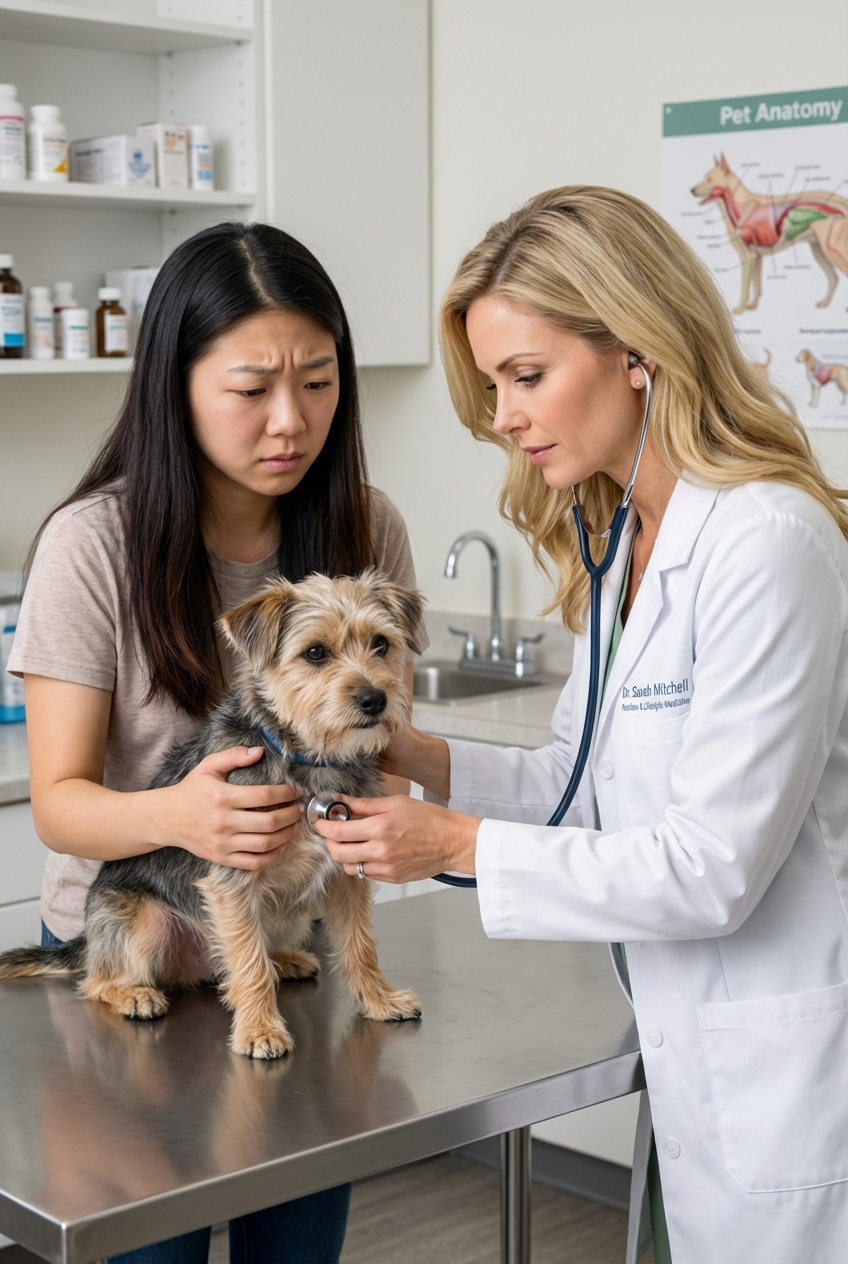
Symptoms of Stroke in Dogs
If your dog suddenly cannot walk straight, has a head tilt, or seems confused, it is normal to panic. As a veterinary assistant, I want you to know two things: you are not overreacting, and quick action truly matters. Strokes can happen in dogs, but many other conditions can look like a stroke too,...
Read more →
Essential Foods for Dogs With Diarrhea
Diarrhea is a very common reason pet parents call a vet clinic, and I completely get why. It is messy, stressful, and it can make you worry quickly. The good news is that many mild cases improve with a short, gentle reset of the diet, supporting hydration and electrolytes, and close observation. As...
Read more →
Teach Your Dog to Fetch
Fetch looks simple, but for a lot of dogs it is actually a chain of skills: notice the toy, pick it up, hold it, come back, and let go. As a veterinary assistant here in Frisco, I love fetch because it is one of the easiest ways to build healthy exercise, confidence, and a stronger bond. The secret...
Read more →
How to Tell if a Cat Is Pregnant
If you have an unspayed female cat who has been outdoors, slipped out for a few hours, or lives with an unneutered male, pregnancy is definitely possible. The tricky part is that early pregnancy can look a lot like a normal heat cycle, a little weight gain, or even a mild tummy upset (mild stomach...
Read more →
Introducing a New Cat to Your Home
Bringing home a new cat is exciting, and it can also feel a little nerve-wracking, especially if you already have pets. In my work as a veterinary assistant here in Frisco, Texas, I have seen the same truth play out again and again: slow introductions help reduce stress, lower the risk of fights,...
Read more →
Canine Incontinence in Older Dogs
When a senior dog starts having accidents, it can feel confusing and even a little heartbreaking. I have seen many families assume their dog is being “stubborn” or “forgetful,” when the truth is usually simpler: aging bodies change, and some of those changes affect bladder control. The good...
Read more →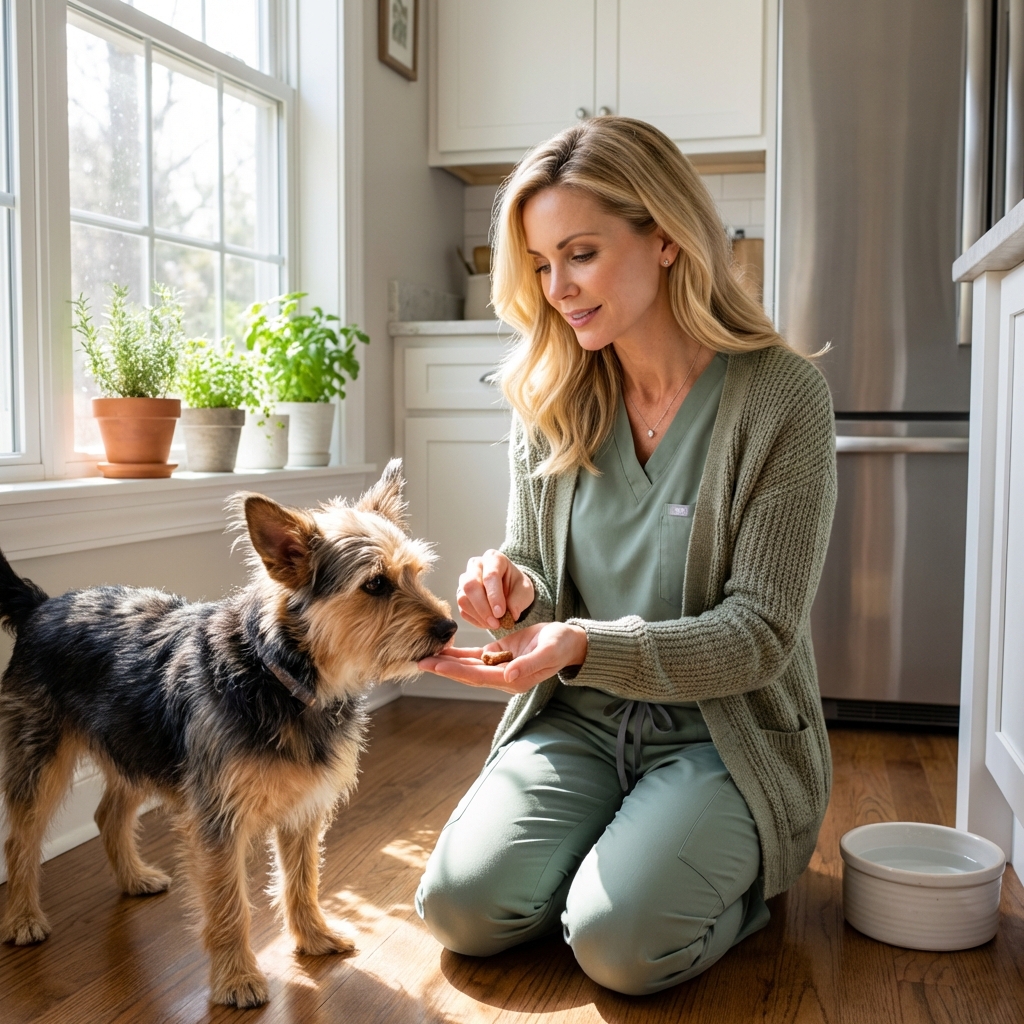
Daily Treat Upset Stomach in Dogs: Advice You Need
If your dog is getting an upset stomach “out of nowhere,” I want you to take a close look at one sneaky habit: daily treats . As a veterinary assistant here in Frisco, Texas, I see it all the time. A dog seems fine on their regular food, but they get multiple treats every day, plus chews, plus...
Read more →