
Designer Mixes
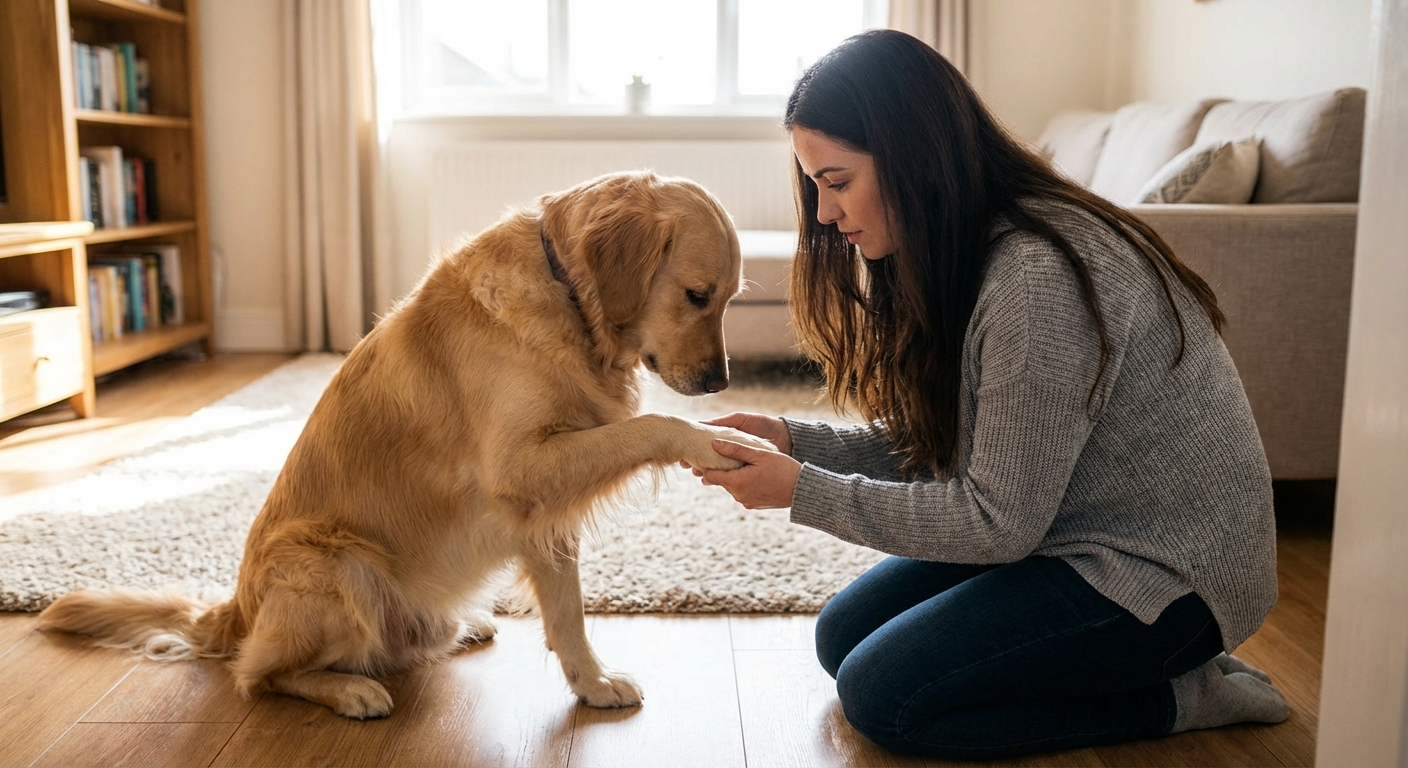
Dog Limping: CCL vs Paw Thorn
If your dog suddenly starts limping, it is scary and confusing. In the clinic, one of the most common questions I hear is: “Is this a knee injury like an ACL tear, or did they just step on something?” The good news is you can do a calm, quick at-home check to gather clues. The important part is...
Read more →
Worms in Dog Poop: Tapeworms vs Roundworms
Seeing something that looks like a worm in your dog’s poop can be alarming. I get it. As a veterinary assistant, I have learned that staying calm and noting specifics helps your vet choose the right treatment faster. Two intestinal worms pet parents commonly notice are tapeworms and roundworms ....
Read more →
Lumps on Dogs: Lipomas vs. Mast Cell Tumors
Finding a new lump on your dog can turn your stomach in a second. I get it. As a veterinary assistant, I have watched countless families go from “It’s probably nothing” to “Please tell me what it is” in one appointment. The good news is that many lumps are benign, and one of the most common is a...
Read more →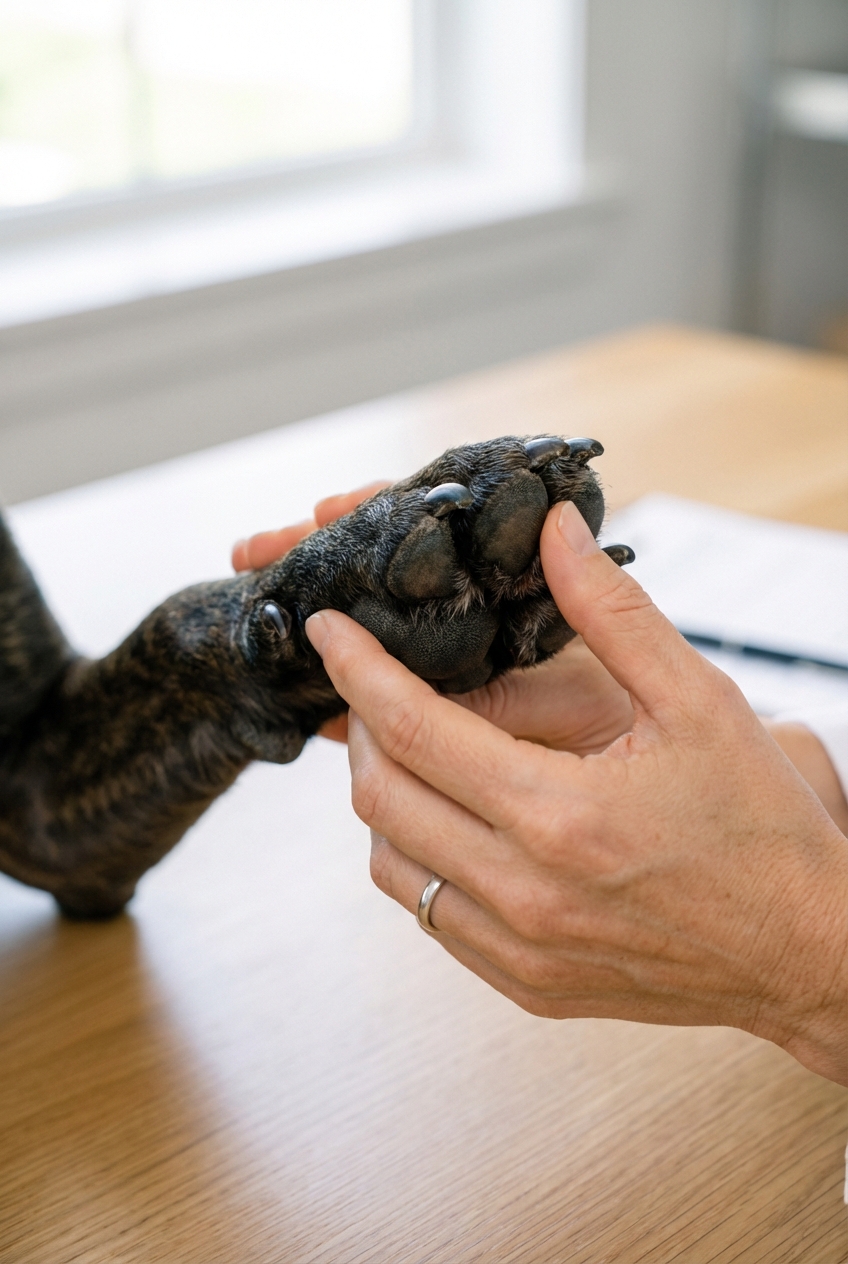
Dog Swollen Paw: Causes and What to Do
A swollen paw can look scary, especially when your dog is suddenly limping, licking, or refusing to put weight on a foot. The good news is that some causes are minor and can improve with careful home care. The not-so-good news is that paw swelling can also signal a broken toe, an abscess, a foreign...
Read more →
Express Dog Anal Glands at Home
If your dog is scooting , licking under the tail, or leaving a strong fishy smell behind, their anal glands may be too full. As a veterinary assistant, I want you to know two things can be true at once: many dogs never need help with their glands, and anal gland issues can be more common in some...
Read more →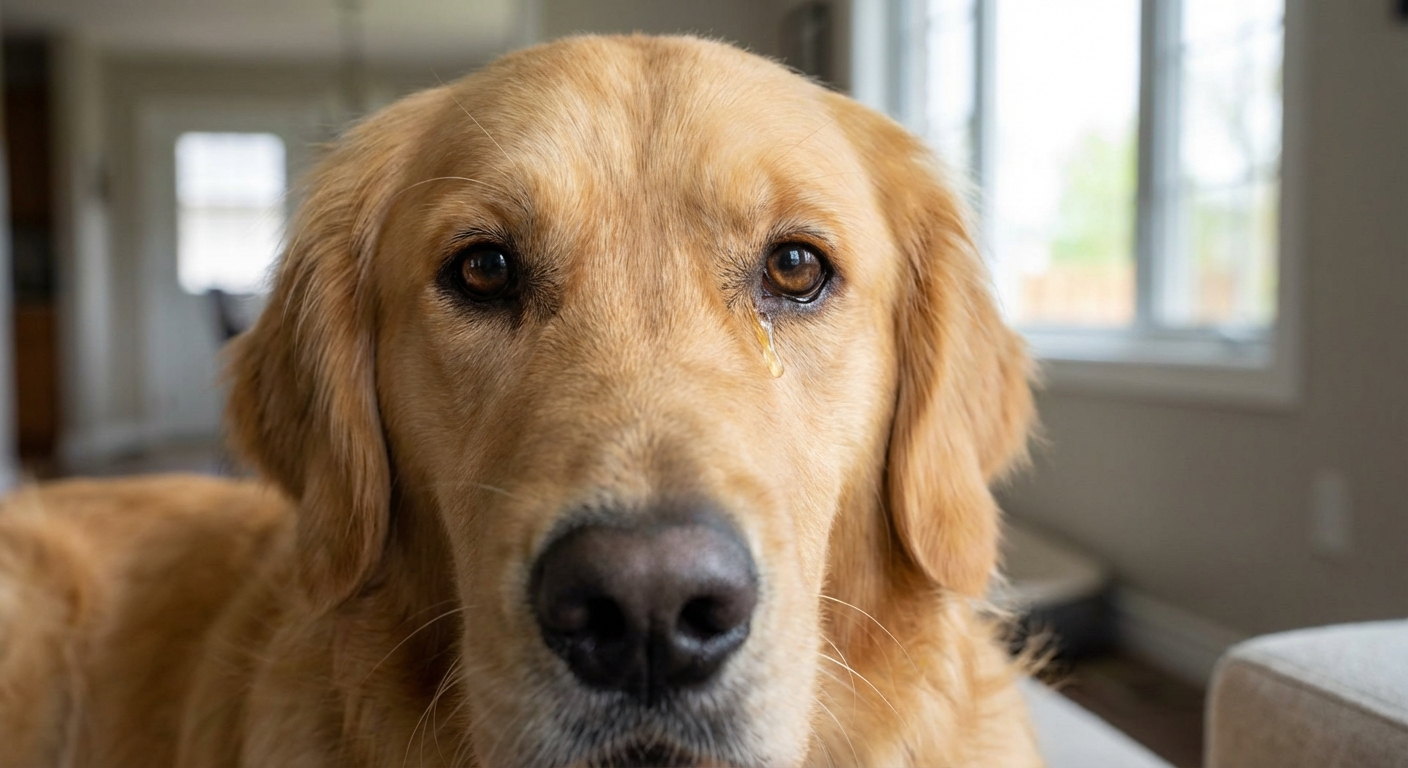
Dog Eye Discharge: Green vs. White Goop
If you live with a dog long enough, you will eventually wipe something out of the corner of an eye. A little “sleep” can be completely normal. But when discharge turns thick, sticky, or changes color, it is your dog’s way of saying, “Something is irritating my eyes.” As a veterinary assistant in...
Read more →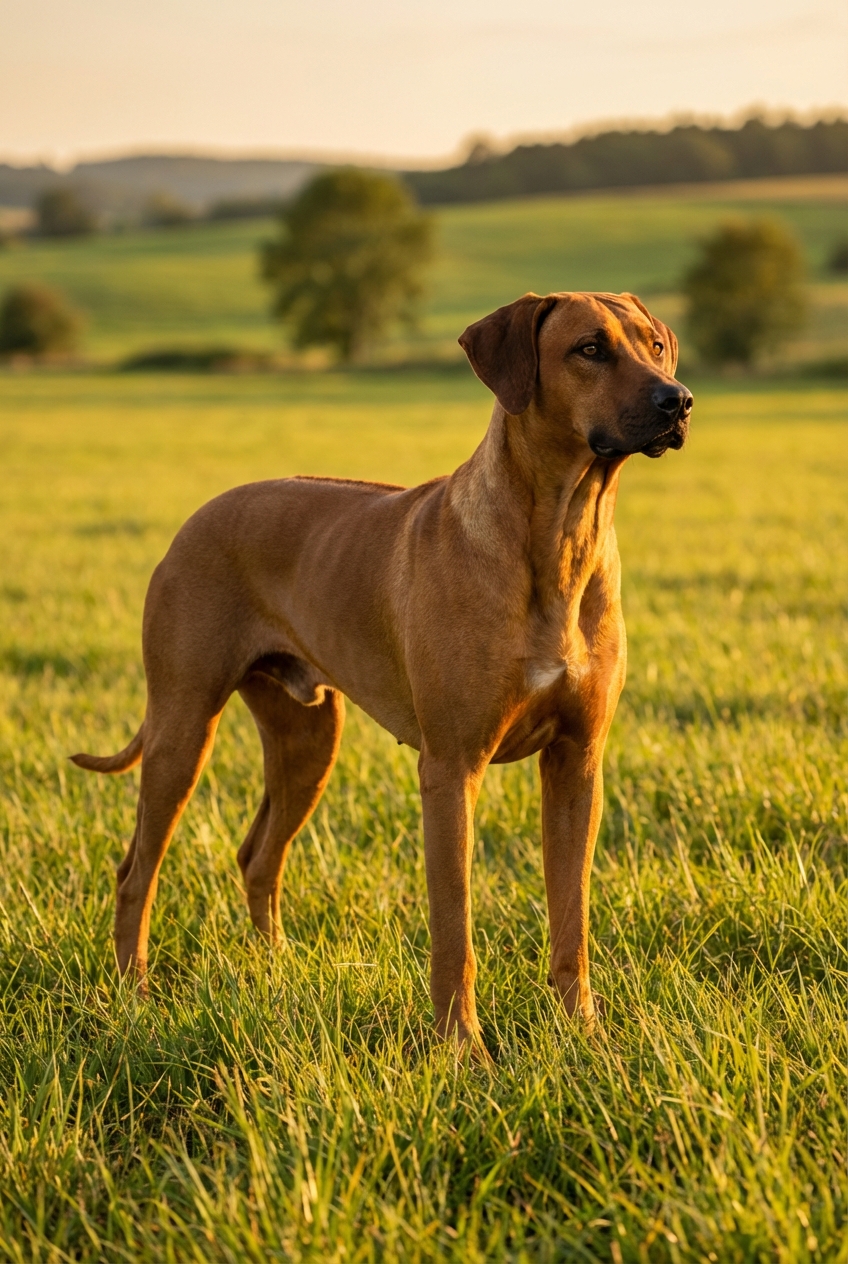
Rhodesian Ridgeback Temperament
The Rhodesian Ridgeback is often called the “lion dog,” a nickname tied to the breed’s history in southern Africa where these dogs helped hunters track and bay large game, including lions, until people arrived. They were not meant to fight lions, but to be brave, steady, and agile enough to work at...
Read more →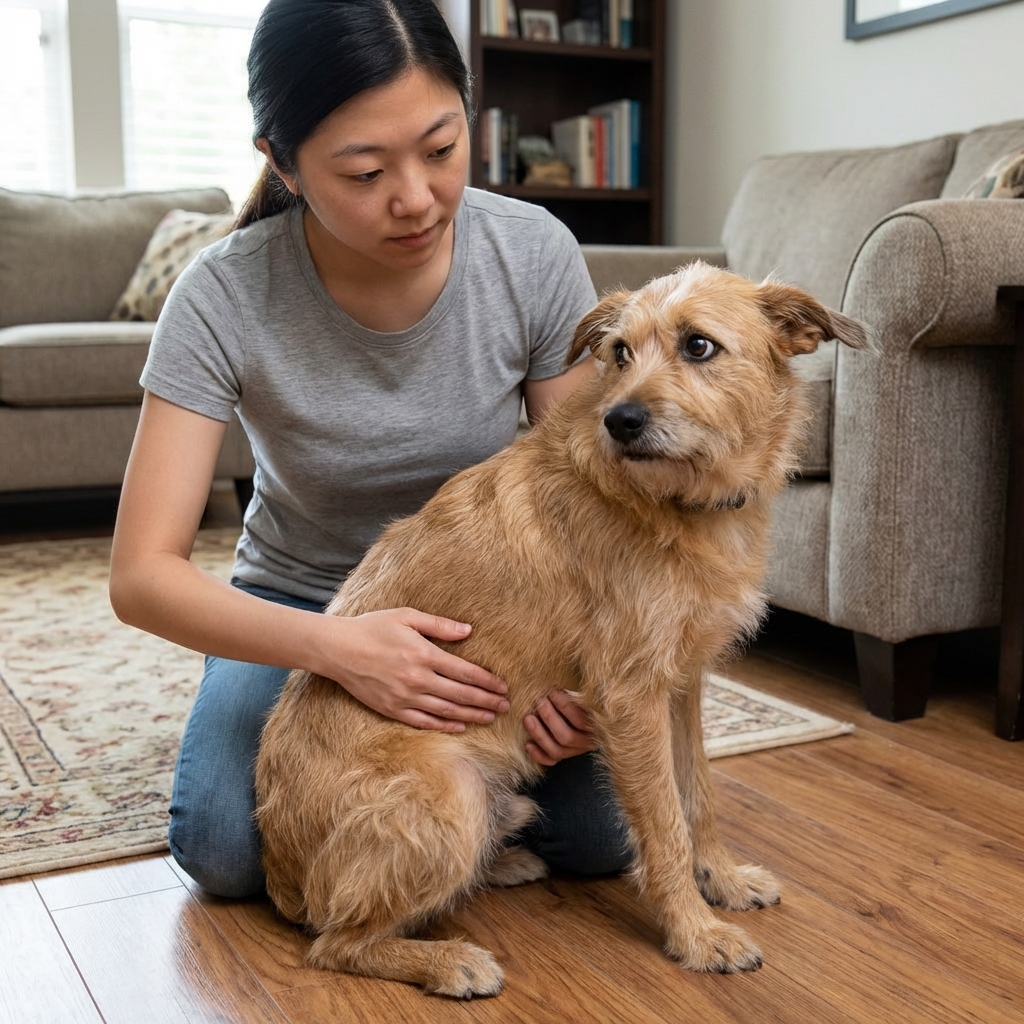
Dog Dry Heaving: Bloat vs. Kennel Cough
Seeing your dog dry heave can be scary, because a few very different problems can look similar in the moment. Two common look-alikes are gastric dilatation-volvulus (GDV) , often called bloat , and kennel cough (an upper respiratory infection). One can be a true, life-threatening emergency, while...
Read more →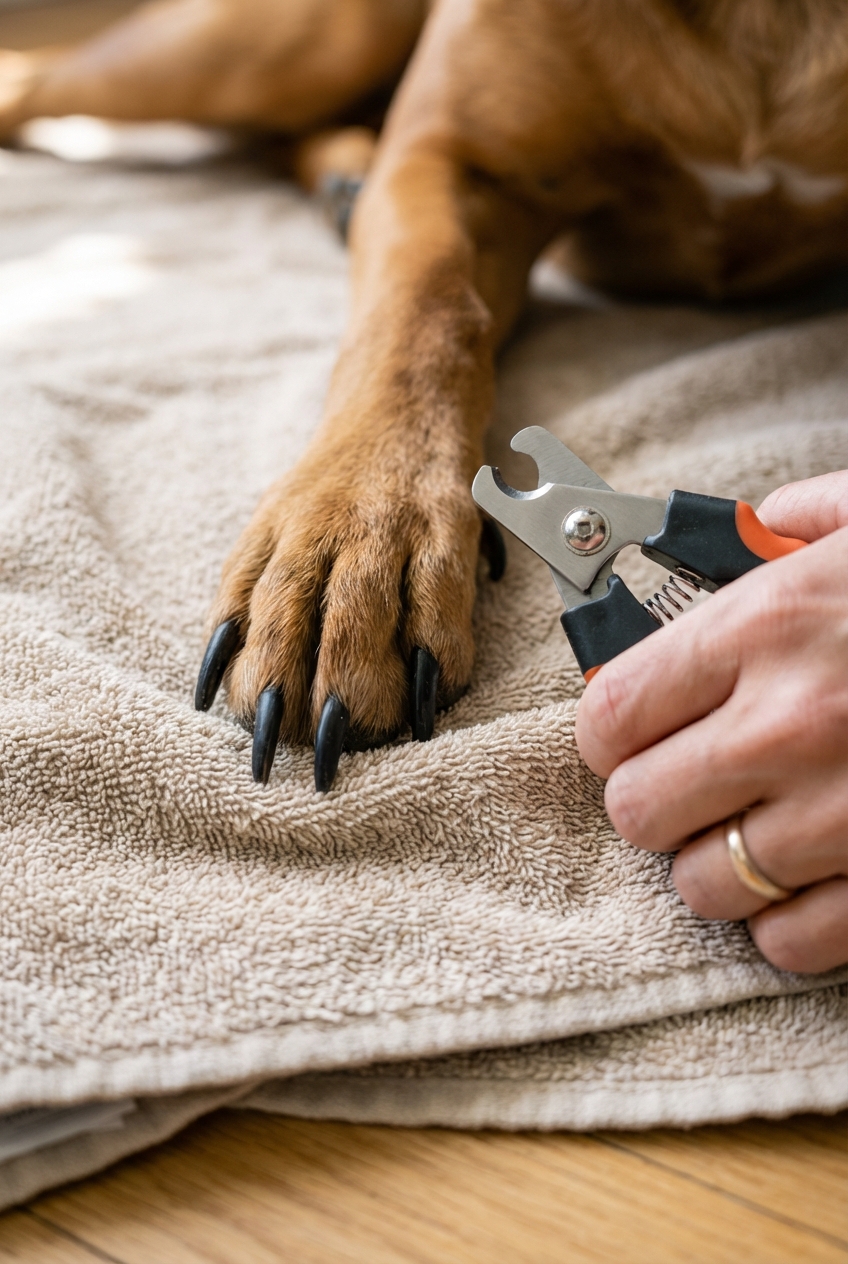
Cutting Black Dog Nails Safely
Black nails can feel intimidating because the quick (a sensitive bundle of blood vessels and nerves) is hard to see. But with bright lighting, the right tool, and a slow, patient approach, most pet parents can learn to trim black nails confidently at home. As a veterinary assistant, I always remind...
Read more →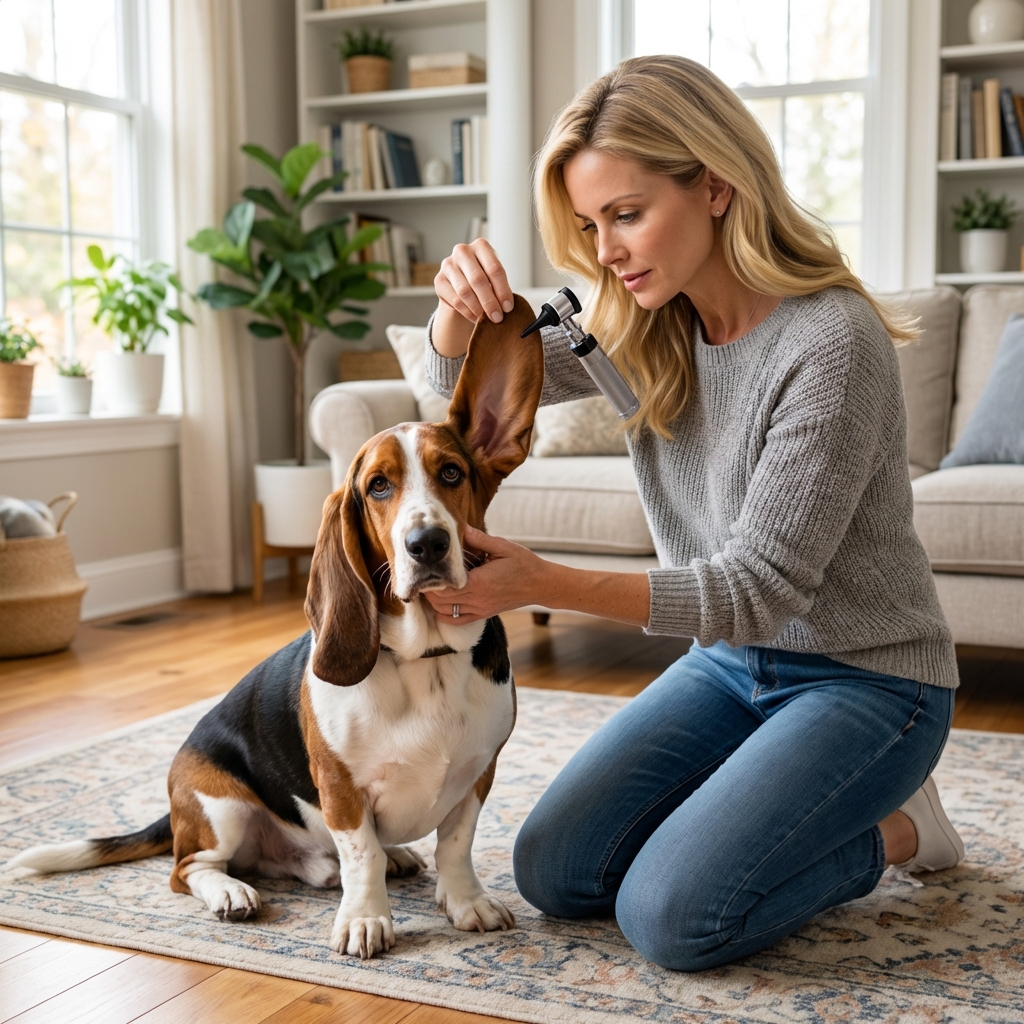
Basset Hound Ear Care and Stubbornness
Basset Hounds are pure charm: soulful eyes, a signature low-and-slow walk, and a nose that seems to have a mind of its own. As a veterinary assistant, I can tell you two things come up again and again with this breed: keeping those adorable ears healthy, and learning how to work with their stubborn...
Read more →
Doberman Pinscher Temperament and Protection Instincts
Doberman Pinschers have a reputation that can make first-time owners nervous. As a veterinary assistant, I can tell you this: Dobermans are not inherently aggressive. Behavior is strongly influenced by genetics, early socialization, training, and the environment they live in every day. A well-bred,...
Read more →
Boston Terrier Gas Issues and Eye Health
Boston Terriers are pure joy in a compact body, but two very common complaints come up in clinics and in my day-to-day conversations with pet parents: gas and eye problems . The good news is that both issues often improve with a few practical changes at home, plus knowing when it is time to get...
Read more →
Beagle Lifespan and Common Health Issues
Beagles are the kind of dogs who make you smile just by walking into the room. They are friendly, food-motivated, and always ready to follow an interesting scent. As a veterinary assistant, I can tell you that most Beagles are hardy little hounds, but they do have a few predictable health issues...
Read more →
Boxer Dog Health: Cardiomyopathy and Cancer Risks
Boxers are one of those breeds that steal your heart fast. They are bright, athletic, and deeply people-focused. But as a veterinary assistant here in Frisco, Texas, I have also seen a pattern: in clinical practice and in breed health discussions, Boxers show up more often than many breeds when it...
Read more →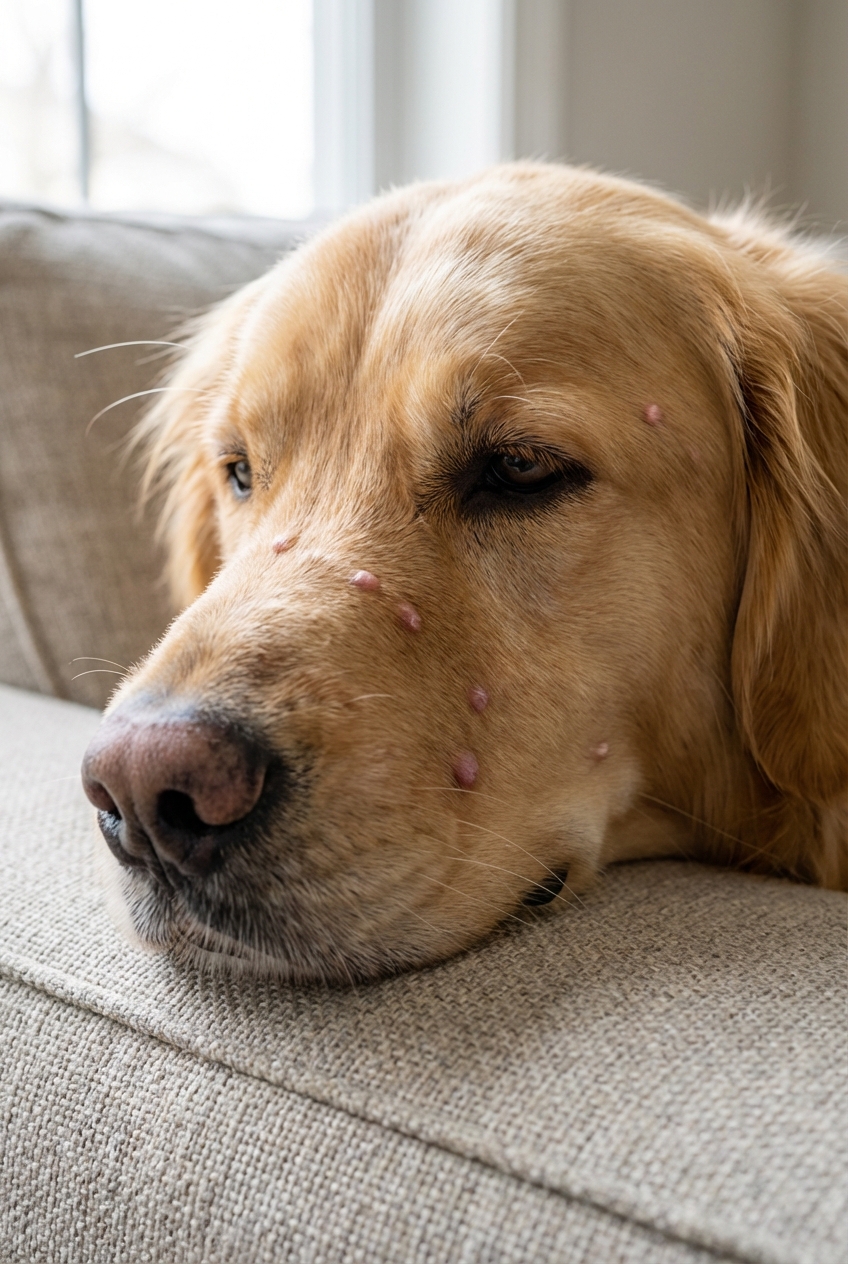
Dog Hives: Allergic Reactions and Benadryl Dosage
Seeing raised, itchy bumps pop up on your dog can be scary, especially when they seem to appear out of nowhere. Those bumps are often hives (also called urticaria ), and they are usually tied to an allergic reaction. The good news is that many cases are mild and improve quickly with the right...
Read more →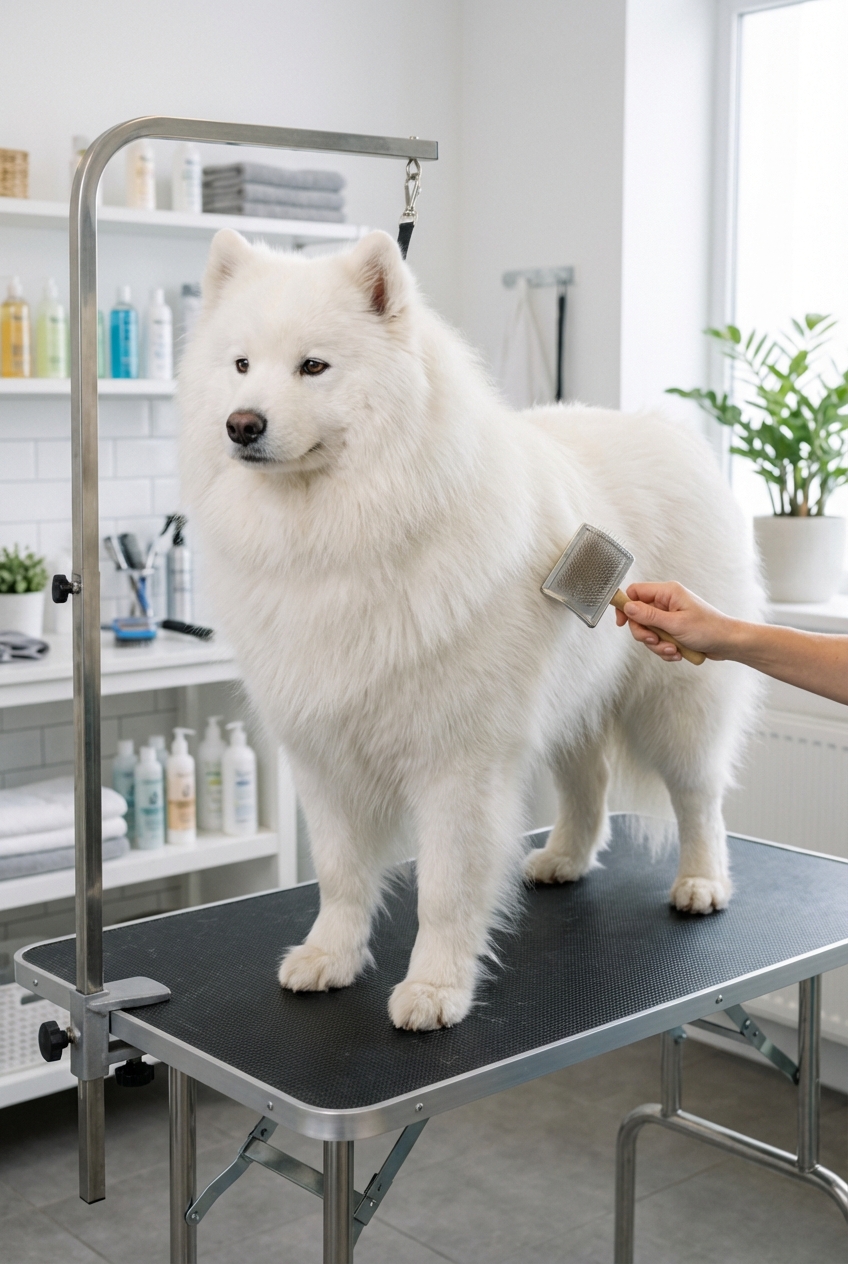
Samoyed Grooming: Managing the Double Coat
If you share your home with a Samoyed, you already know the truth: that gorgeous white “smile” comes with a whole lot of coat. As a veterinary assistant, I love helping families make grooming feel doable, not overwhelming. The good news is that Samoyed coat care is very manageable once you...
Read more →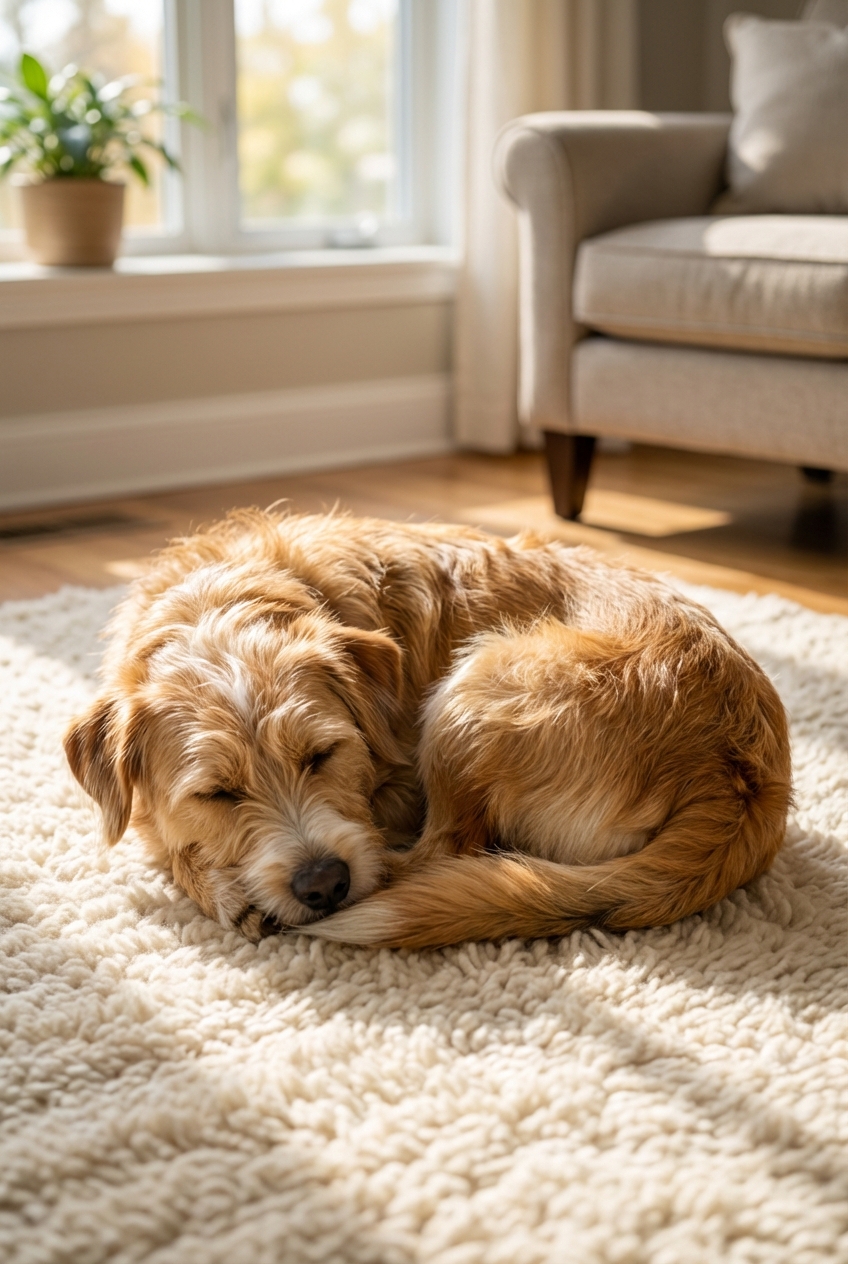
Dog Sleeping Positions: What They Reveal About Your Pet
If you have ever watched your dog drift off, you have probably wondered what their sleeping position “means.” As a veterinary assistant here in Frisco, Texas, I can tell you this: sleep posture can offer helpful clues about comfort, temperature, trust, and even sore spots. But it is not a...
Read more →
Why Does My Dog Shake His Head? Ear Mites vs. Infection
When a dog starts shaking their head, it can look a little dramatic, and it is easy to assume it is “just an itch.” But persistent head shaking is often a sign that something is going on inside the ear canal. In my work as a veterinary assistant in Frisco, Texas, I see two common culprits over and...
Read more →
Dachshund Back Problems: Preventing IVDD
Dachshunds are brave, funny, and wonderfully devoted. They are also built a little differently than most dogs, and that unique “long back, short legs” body type is exactly why we need to talk about IVDD. Intervertebral Disc Disease (IVDD) is one of the most common serious neurologic conditions seen...
Read more →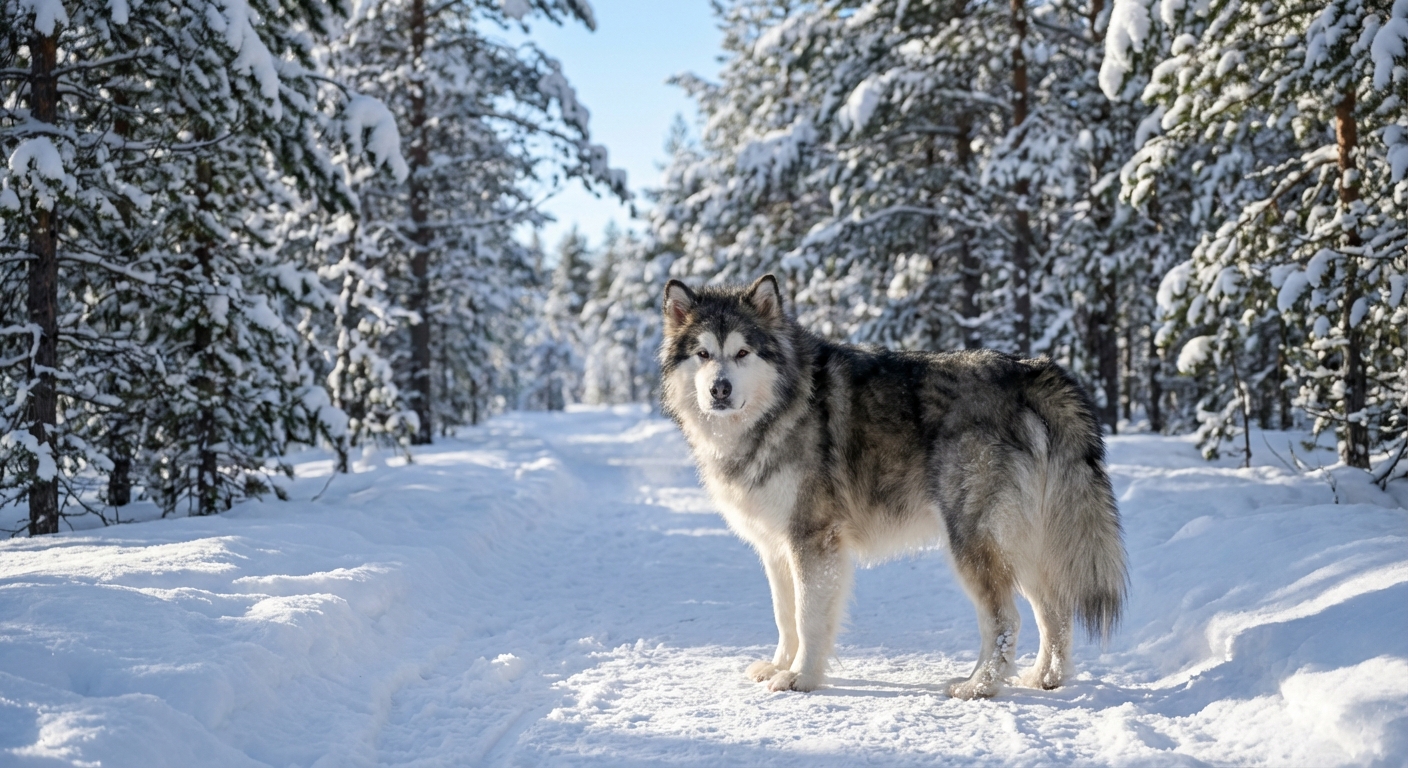
Alaskan Malamute vs. Husky: Size and Personality
If you have ever met an Alaskan Malamute and a Siberian Husky and thought, “Aren’t these basically the same dog?” you are not alone. They can look like close cousins (because they are), but they were developed for different jobs and that shows up clearly in both size and personality . As a...
Read more →