
Designer Mixes
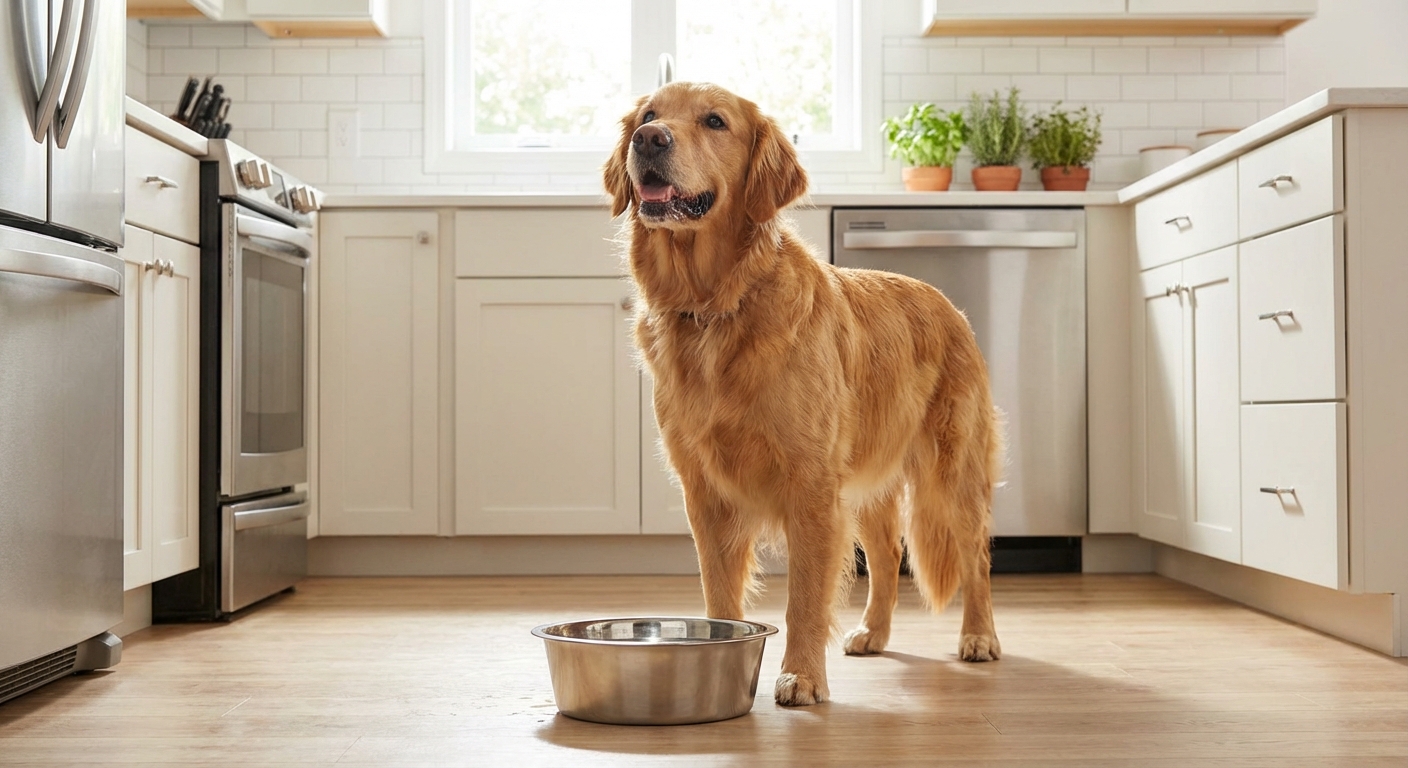
Cushing’s Disease: Why Your Dog Is Drinking and Peeing More
If you have a dog who suddenly can’t seem to get enough water and is having more accidents or asking to go out constantly, you’re not imagining things. Increased drinking (polydipsia) and increased urination (polyuria) are two of the most common signs of Cushing’s disease in dogs. As a...
Read more →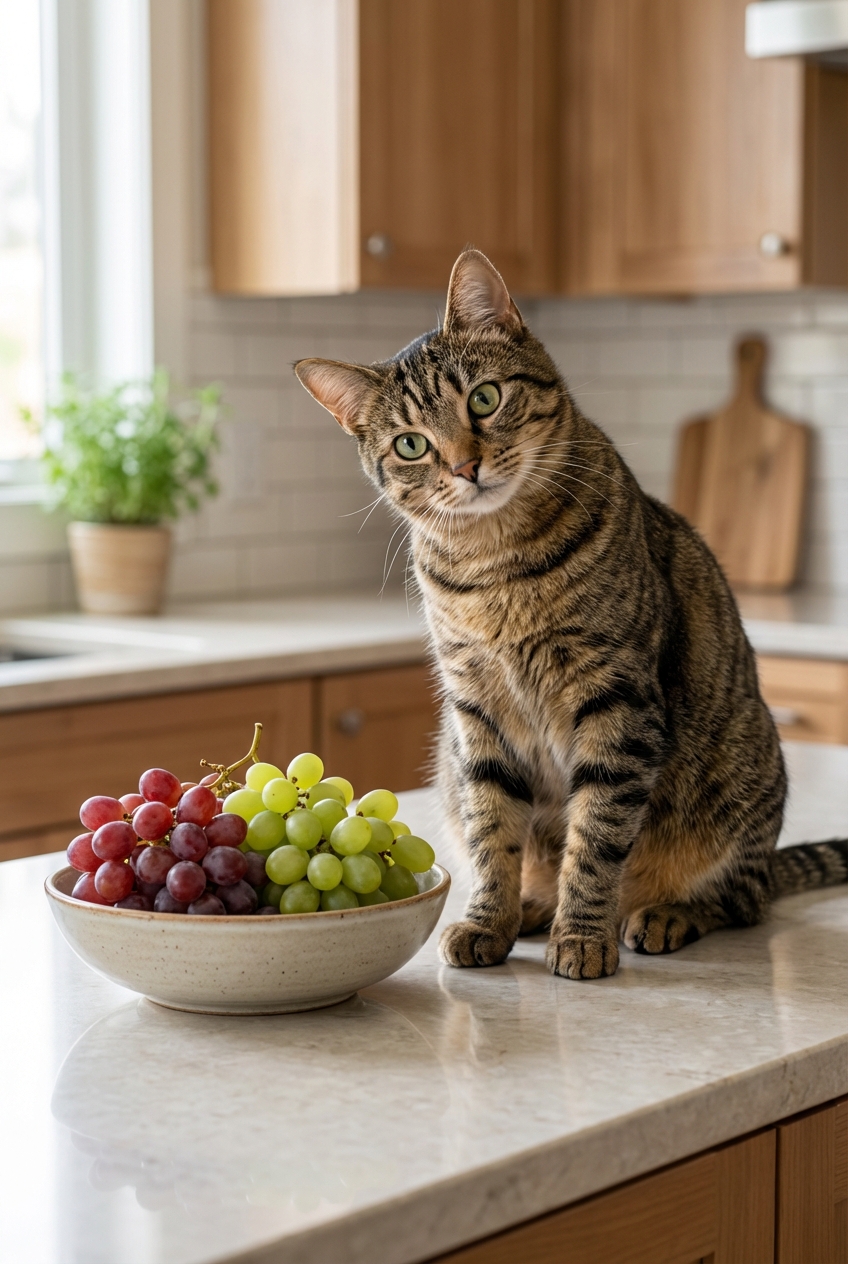
Can Cats Eat Grapes, Raisins, and Vines?
As a veterinary assistant here in Frisco, Texas, I get this question a lot, especially around holidays and snack-heavy weekends: can cats eat grapes or raisins? The safest, evidence-based answer for cat owners is: no . Grapes and raisins are a well-known cause of acute kidney injury in dogs. In...
Read more →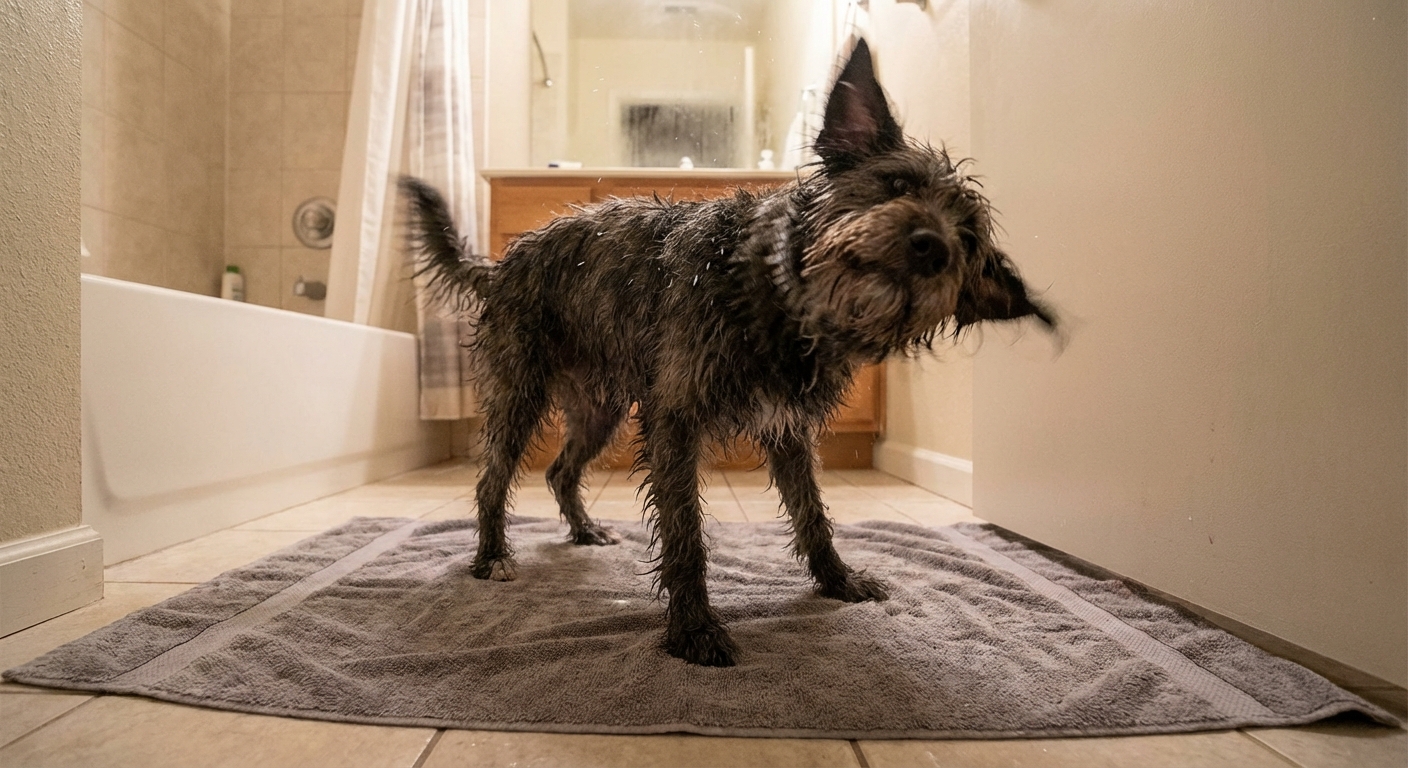
Dog Head Shaking After a Bath
That vigorous post-bath head shake can be totally normal, but it can also be your dog’s way of saying something feels off in their ears. As a veterinary assistant in Frisco, Texas, I’ve seen both: happy, harmless water-flinging and the start of a painful ear problem. The key is knowing what’s...
Read more →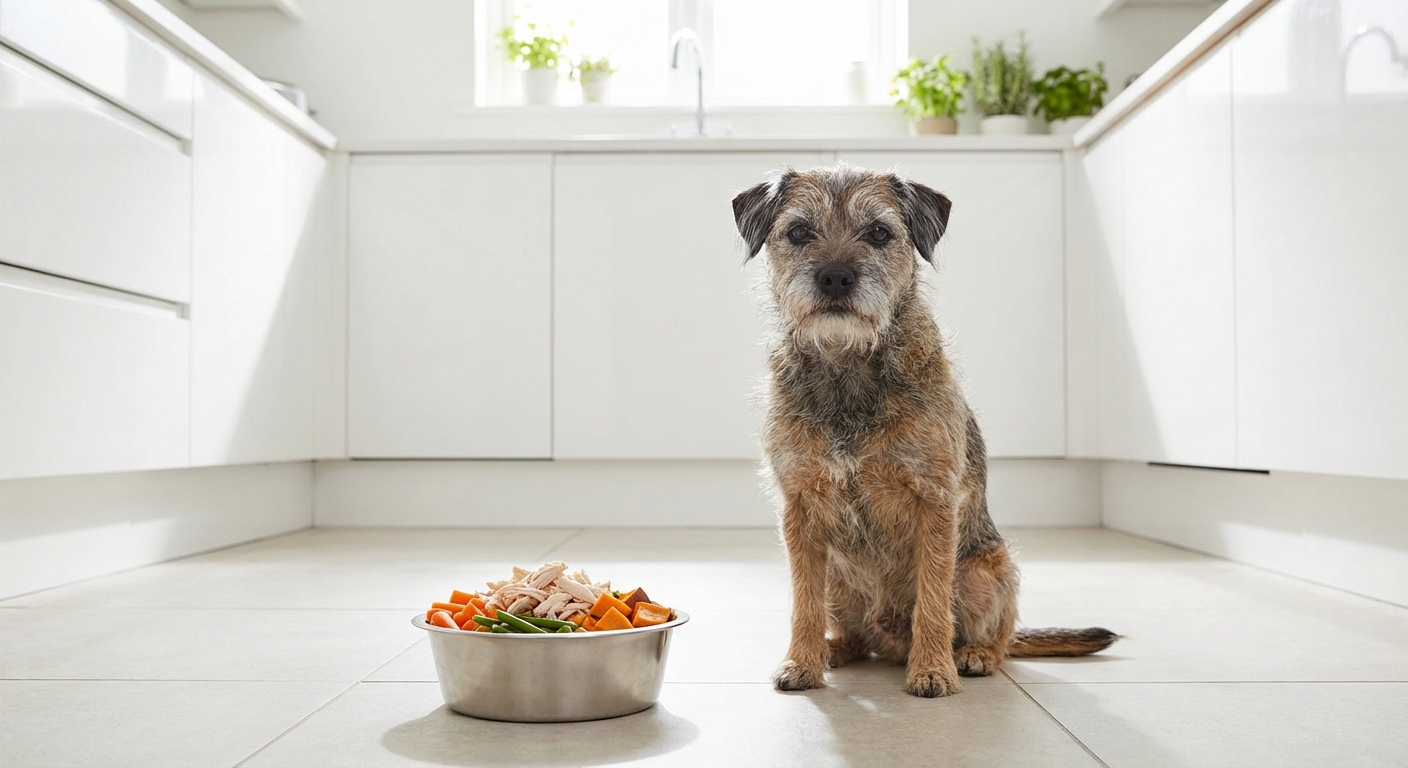
Cushing’s Disease Dog Diet: Best Foods to Choose
Cushing’s disease can make even the happiest dogs feel like their body is stuck in “stress mode.” As a veterinary assistant here in Frisco, Texas, I’ve seen how the right diet does not cure Cushing’s, but it can absolutely support better energy, steadier weight, a healthier coat, and...
Read more →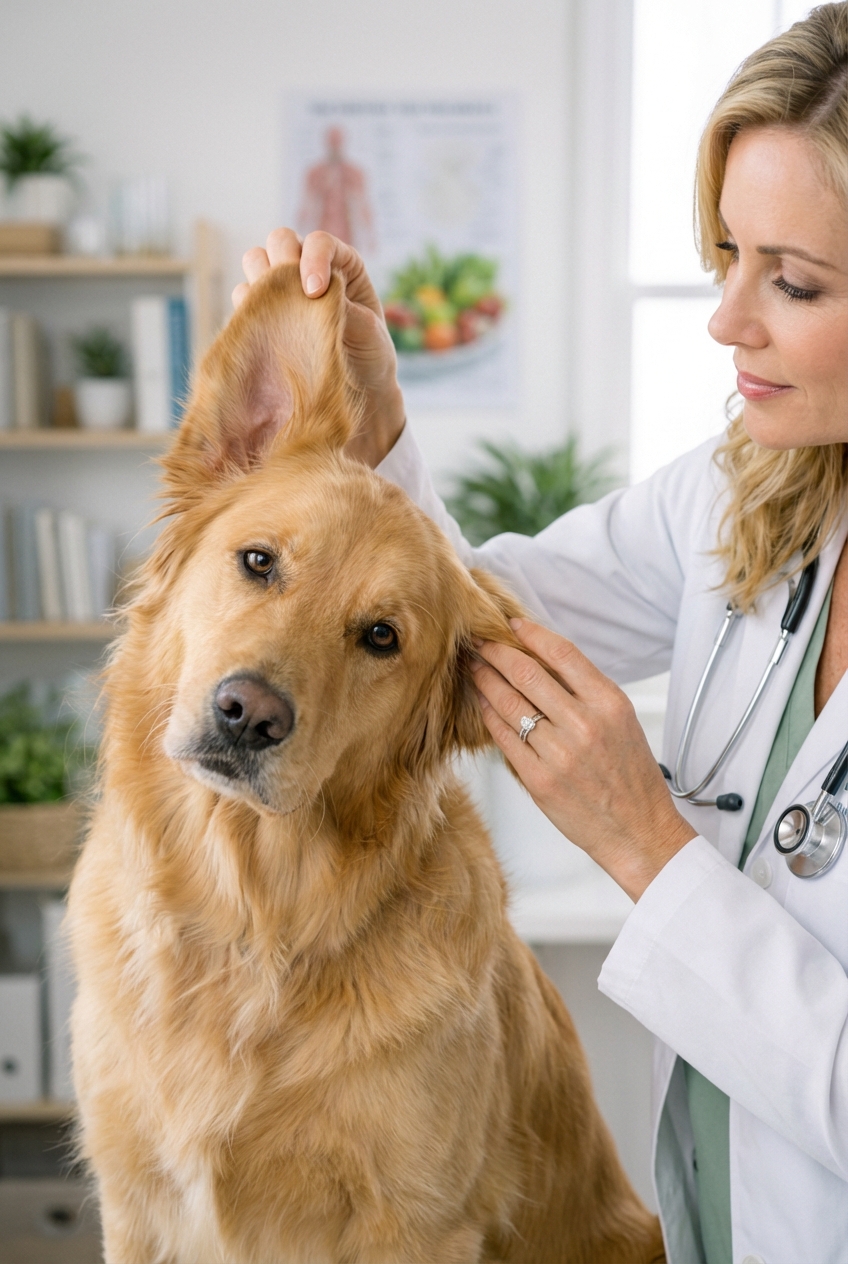
Dog Ear Scratching: Mites vs Yeast Infection
If your dog is scratching at their ears nonstop, shaking their head, or suddenly hates having their ears touched, you are right to pay attention. Ear problems are uncomfortable, and they can escalate quickly if the underlying cause is missed. Two of the most commonly confused culprits I see and...
Read more →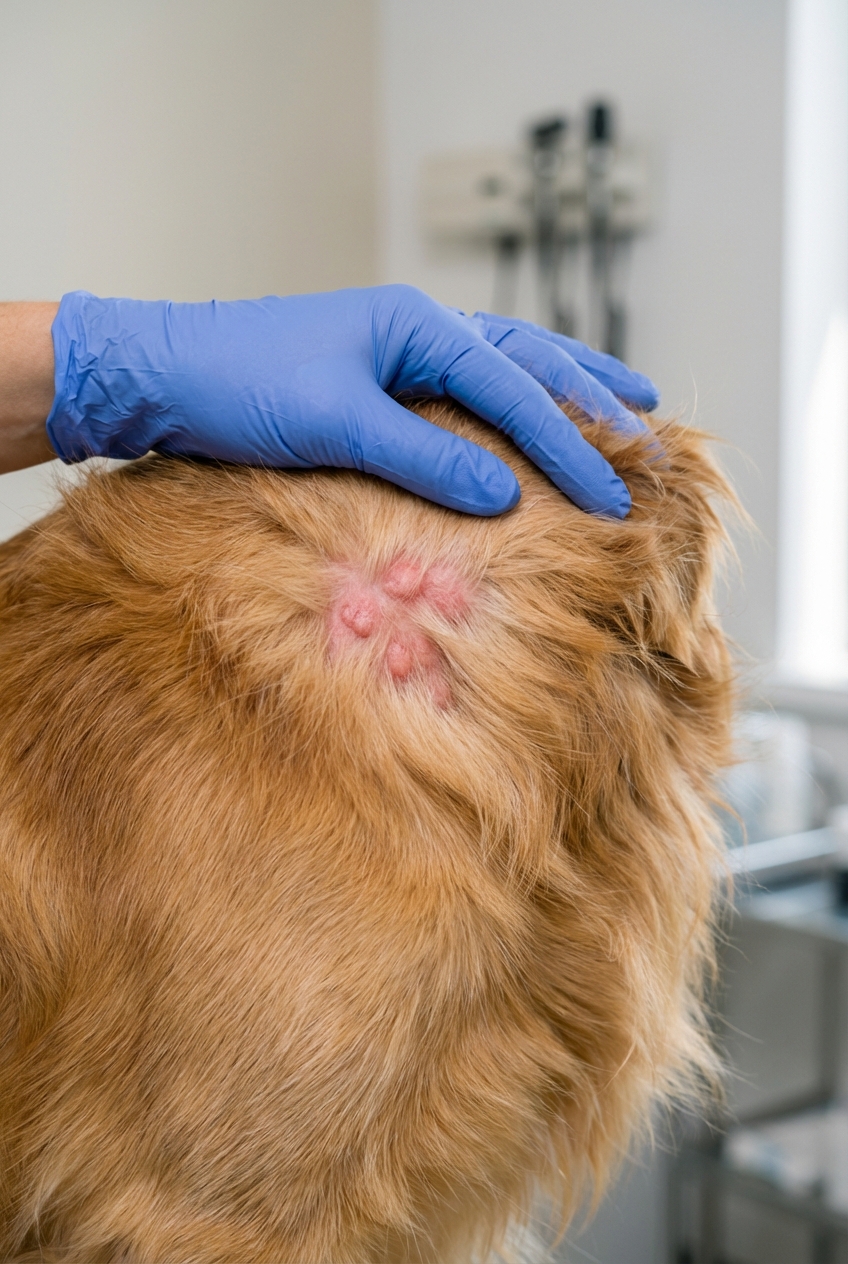
Dog Skin Bumps: Sudden Hives vs Insect Bites
Finding bumps on your dog can be alarming, especially when they seem to show up out of nowhere. In my work as a veterinary assistant, I have seen a lot of these “sudden bump” visits, and the good news is that many cases are manageable once you figure out what you are looking at. Two of the most...
Read more →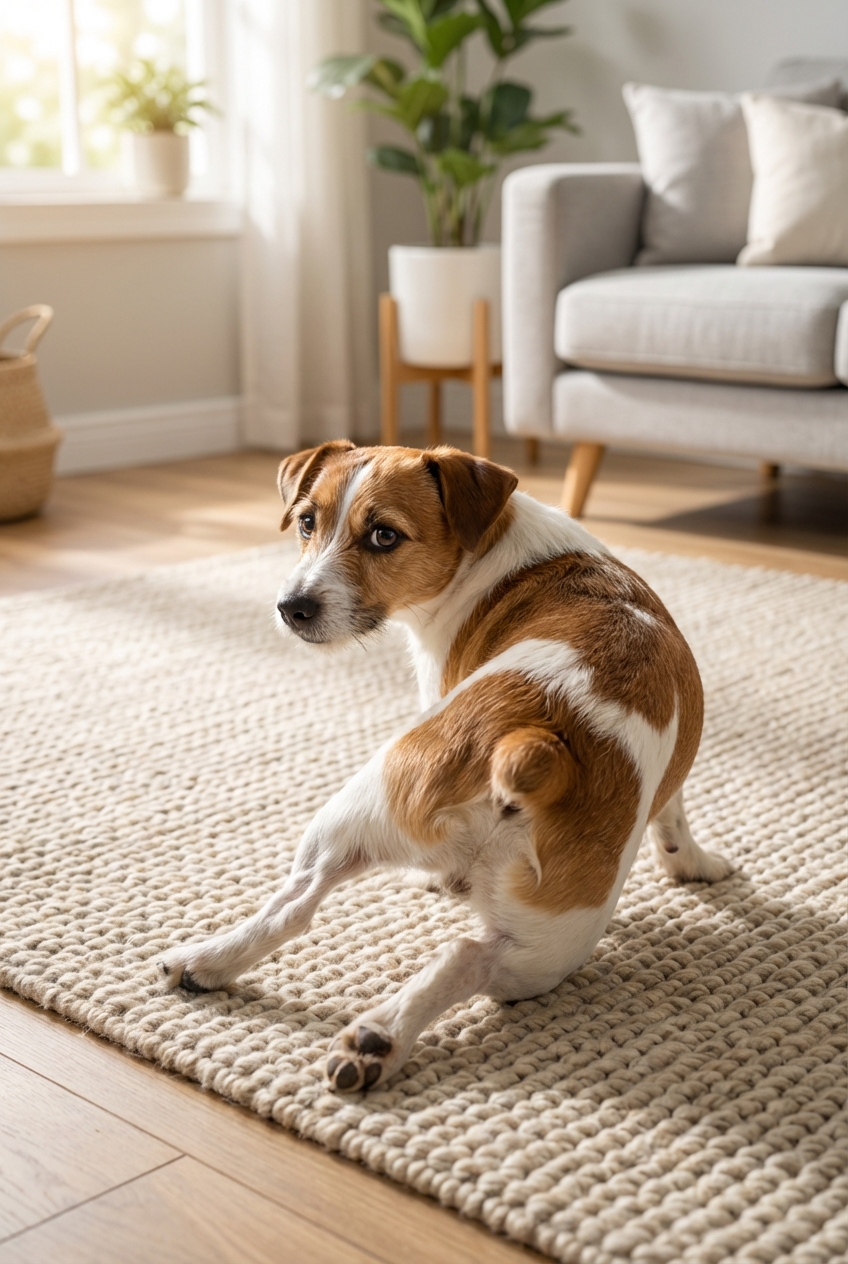
Dog Scooting Causes Beyond Anal Glands
Scooting is one of those behaviors that makes pet parents cringe and worry at the same time. Most people immediately think “anal glands,” and yes, that can be part of the story. But in veterinary practice, I’ve seen plenty of dogs who scoot for reasons that have nothing to do with their anal...
Read more →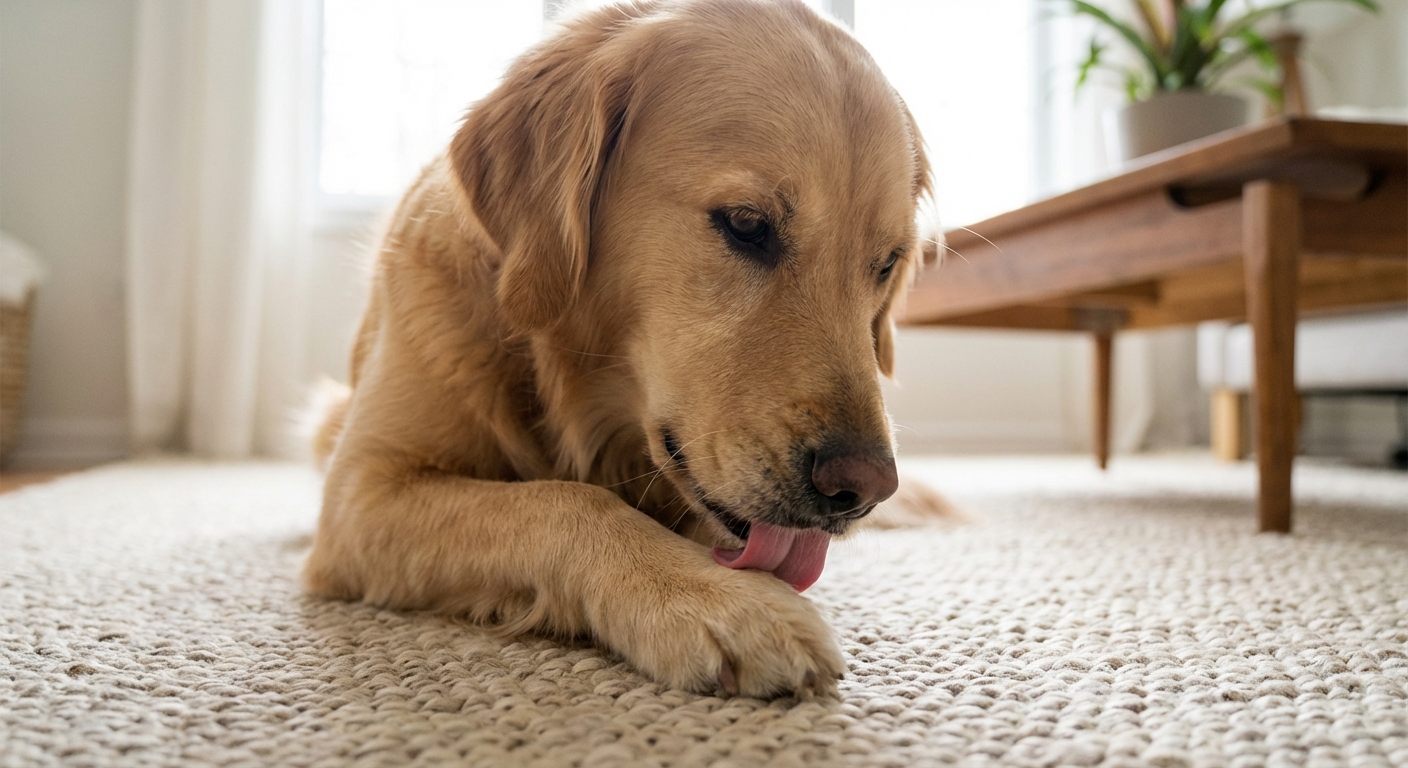
Dog Licking Paws: Allergies, Yeast, or Pain?
When a dog suddenly starts licking or chewing their paws, it is often a sign of discomfort, not always “just a habit.” In the veterinary world, paw licking is one of those symptoms that can point to a few common root causes: allergies , yeast or bacterial overgrowth , parasites (especially...
Read more →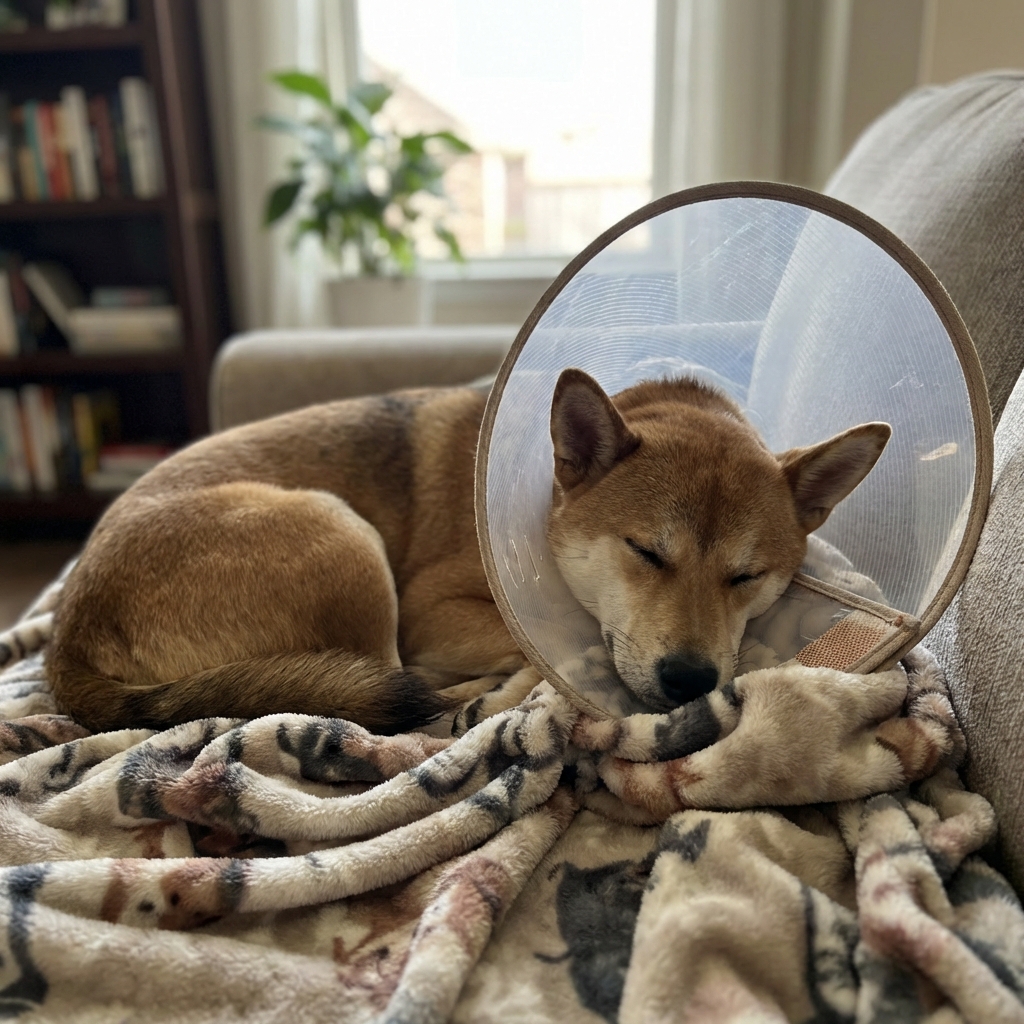
Dog Shivering After Surgery: When to Call the Vet
Seeing your dog shiver after surgery can be scary, especially when they are already a little groggy and not quite themselves. The good news is that some shivering is common as anesthesia wears off. But there are also times when shaking is your dog’s way of telling you something is not right....
Read more →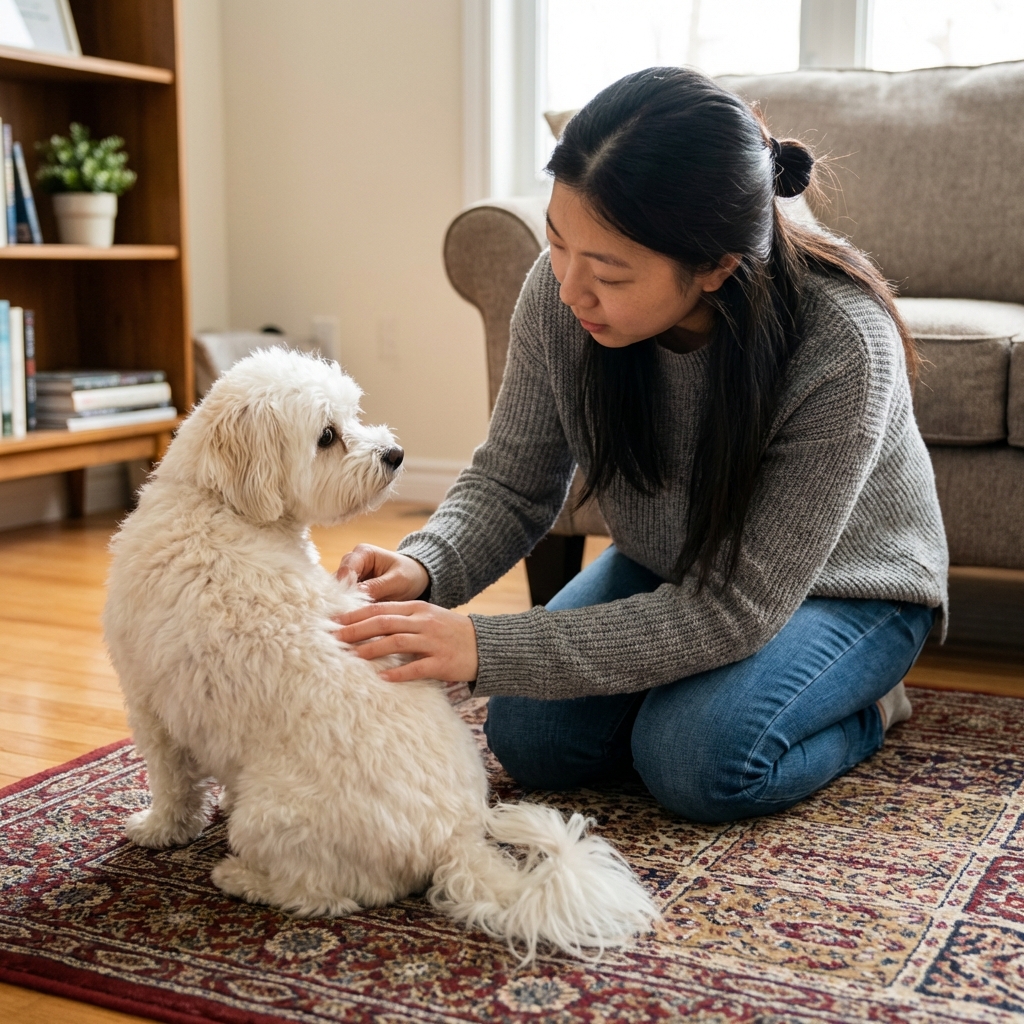
Dog Anal Sac Smell: What It Means and Fixes
If you have ever caught a sudden, fishy smell coming from your dog, you are not imagining it. In many cases, that odor points to the anal sacs, two small scent sacs (often called “anal glands”) located on either side of your dog’s anus. As a veterinary assistant in Frisco, Texas, I can tell...
Read more →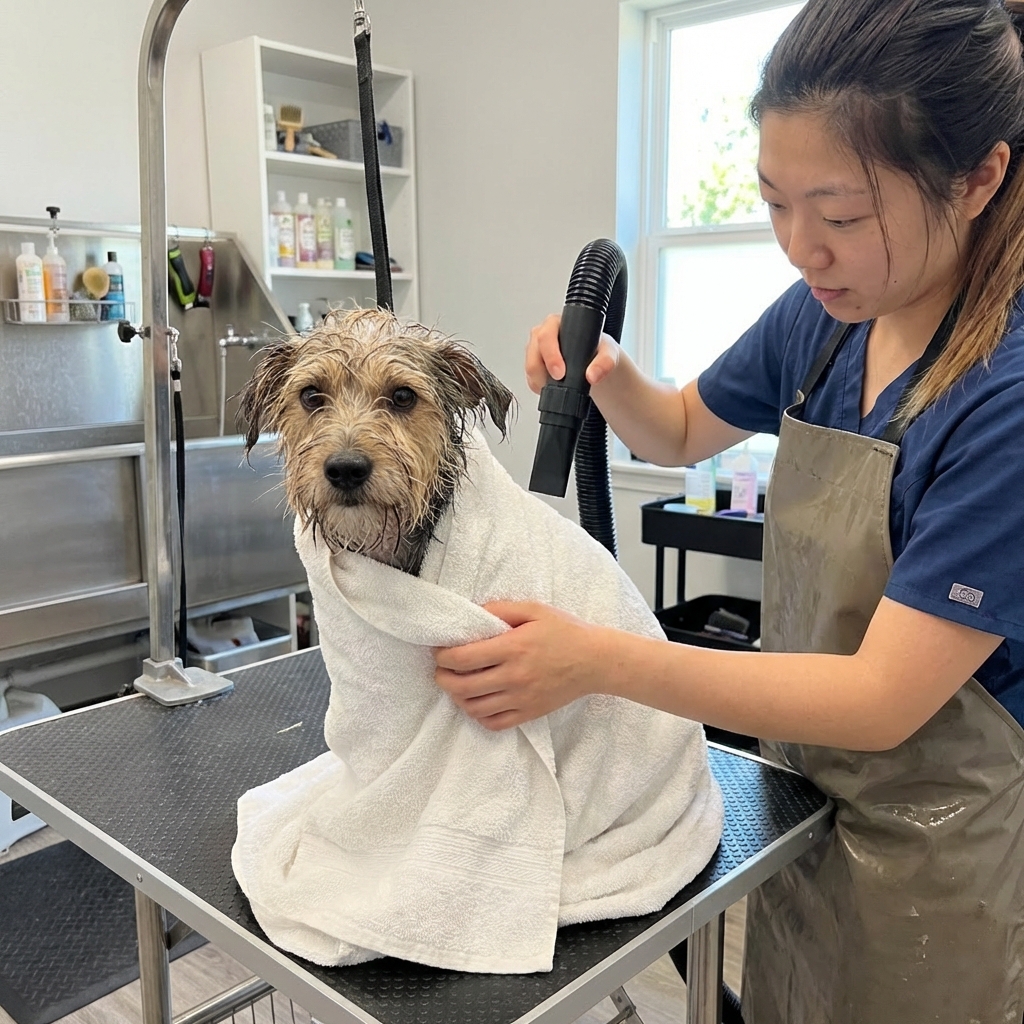
Dog Shivering After Grooming: Normal or Stress?
It can be unsettling to pick up your freshly groomed pup and feel them trembling in your arms. The good news is that shivering after grooming can be common , especially in smaller dogs and those with shorter coats, and it is often temporary. But sometimes it is your dog’s way of saying they are...
Read more →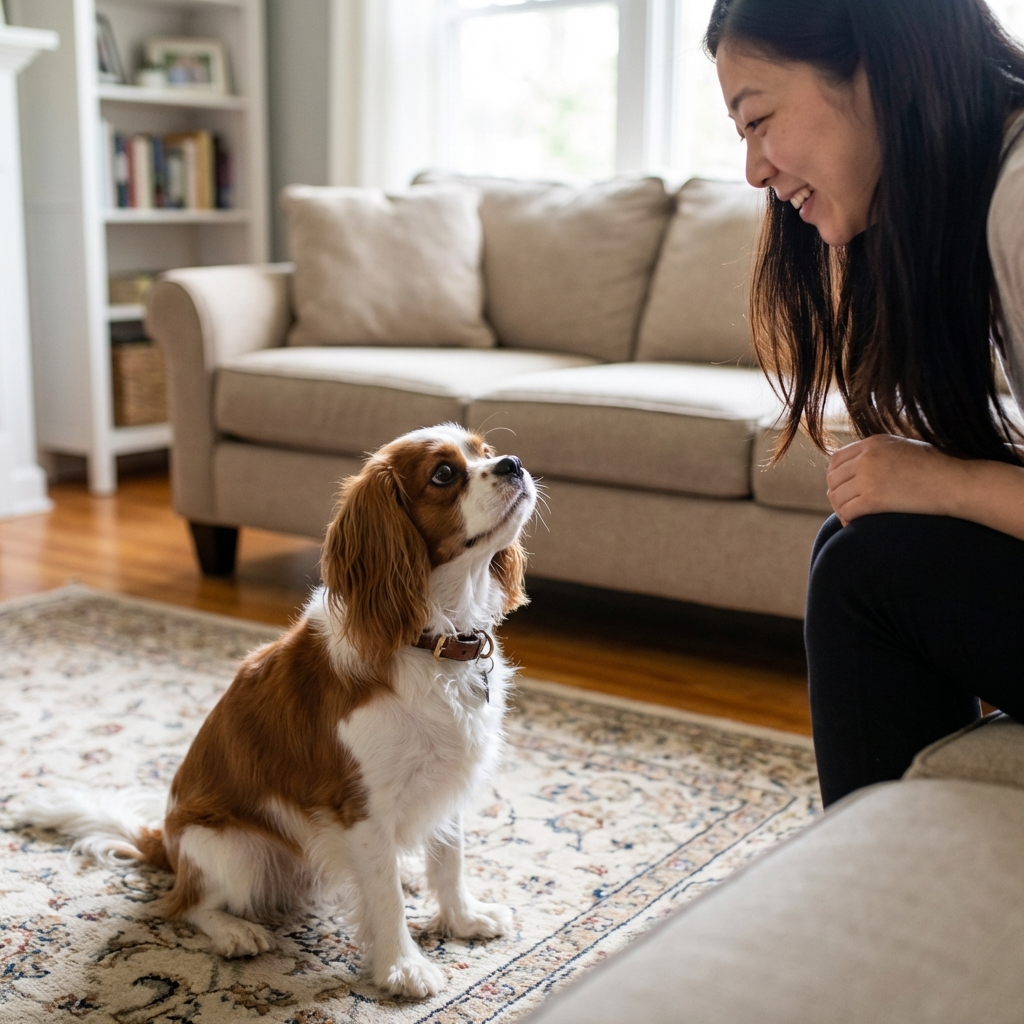
Collapsed Trachea vs Kennel Cough: Quick Clues
If your dog starts coughing, it can become alarming quickly. Two common reasons are kennel cough (an infectious respiratory illness) and collapsed trachea (a structural problem of the windpipe). They can look similar at home, especially in small breeds and excitable pups, but there are a few quick...
Read more →
Kennel Cough Home Care: What Helps and What Not
Kennel cough is one of those dog illnesses that can sound scarier than it looks. That classic dry, hacking cough often shows up after boarding, grooming, daycare, dog parks, or any place dogs share air space. The good news is that many mild cases improve with simple, supportive home care. The...
Read more →
Dog Coughing at Night: Causes and Home Care
If your dog starts coughing the moment the house gets quiet, you are not imagining things. Nighttime can make coughing more noticeable, and some conditions truly do worsen when your dog lies down or the air gets drier. As a veterinary assistant in Frisco, Texas, I always tell families the same...
Read more →
Dog Breathing Fast While Resting: Causes
If your dog is breathing fast while resting, it can feel unsettling, especially when they are asleep, curled up on the couch, or doing “nothing at all.” As a veterinary assistant, I can tell you this: sometimes it is completely normal, and sometimes it is your dog’s early warning sign that...
Read more →
Dog Eye Boogers: Allergy or Infection?
Most dogs get a little eye gunk from time to time, especially after sleeping or on a windy day. But when eye discharge becomes frequent, thick, foul-smelling, or your dog seems uncomfortable, it is worth figuring out what is going on. In my work as a veterinary assistant here in Frisco, Texas, I...
Read more →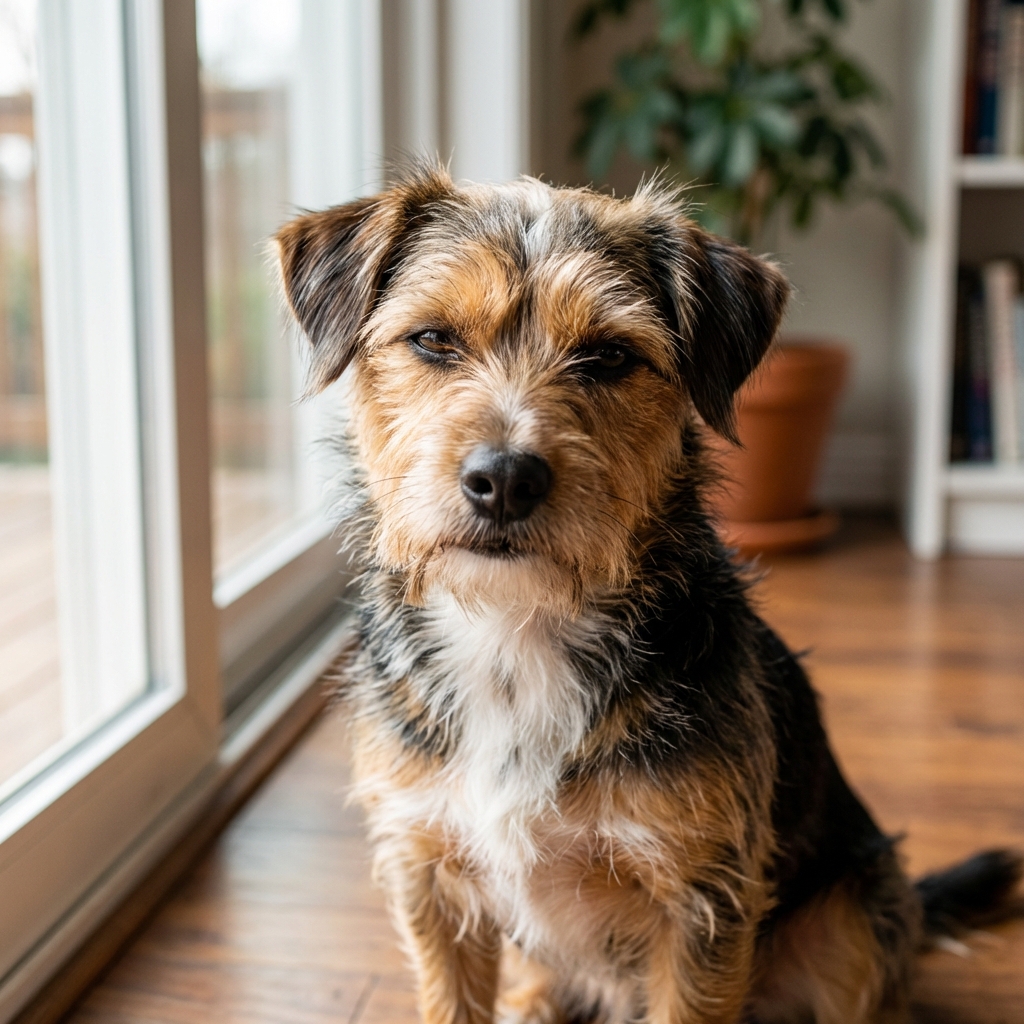
Dog Eye Squinting: Scratch or Ulcer?
If your dog is suddenly squinting one eye, blinking a lot, or holding the eye partly closed, treat it as a real medical clue, not just “sleepy eyes.” In veterinary medicine, squinting (also called blepharospasm ) is most often a sign of pain . One of the more common painful causes is irritation...
Read more →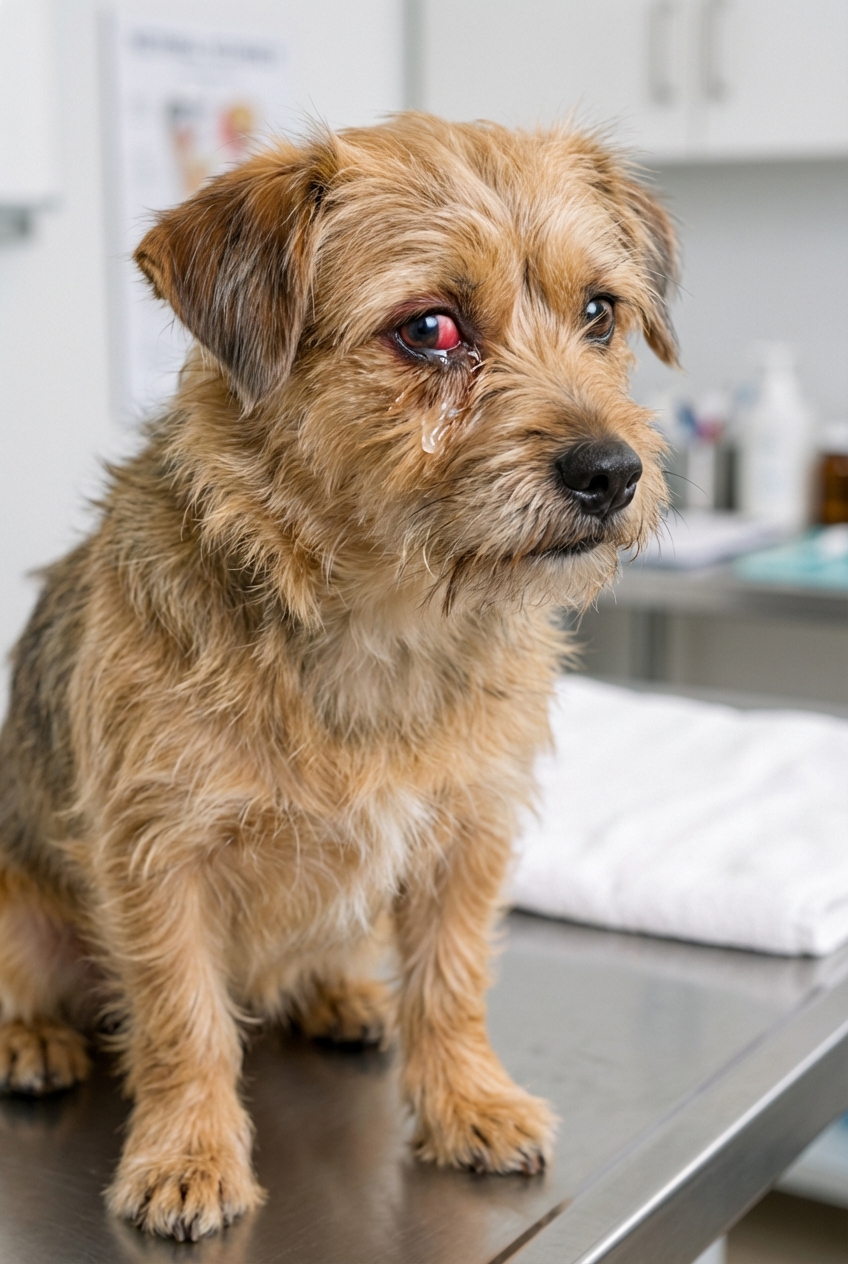
Dog Eye Discharge, Redness, and Swelling
When your dog’s eyes look red, puffy, or goopy, it’s hard not to worry. In the clinic, I’ve seen everything from simple allergies to painful ulcers that need same-day care. The good news is that many eye issues are very treatable, especially when you catch them early. This guide will help you...
Read more →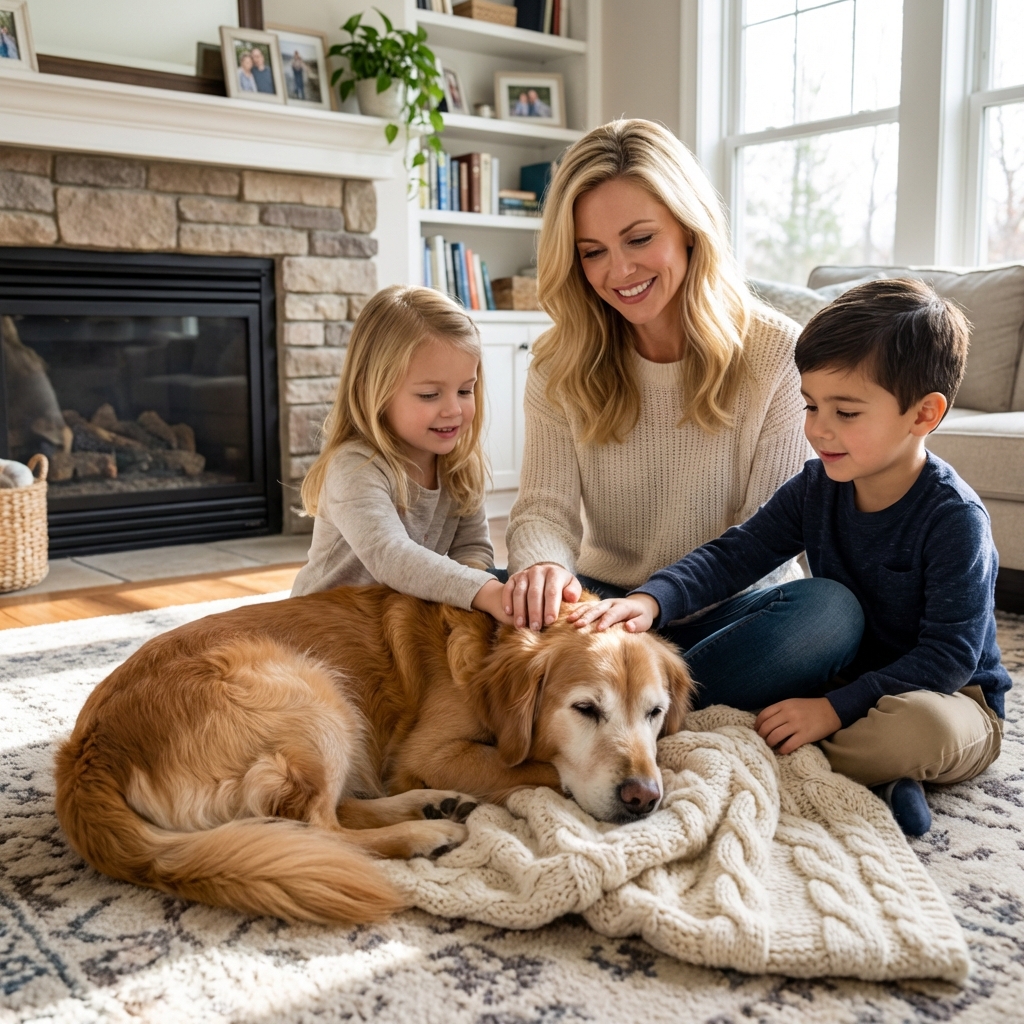
Preparing Kids for a Dog Passing at Home
As a veterinary assistant here in Frisco, Texas, I have seen how deeply kids love their dogs. When a dog is nearing the end of life, many families hope for a peaceful passing at home. That can be a beautiful choice, but it also comes with big feelings and big questions, especially for children....
Read more →
After a Dog Dies at Home: What to Do First
First, I am so sorry. When a dog dies at home, it can feel surreal, and it is common to freeze or second-guess what you are seeing. In those first minutes, your job is simple: check whether your dog may still be alive, keep everyone safe and calm, and then decide who you want to call next. If there...
Read more →