
Designer Mixes
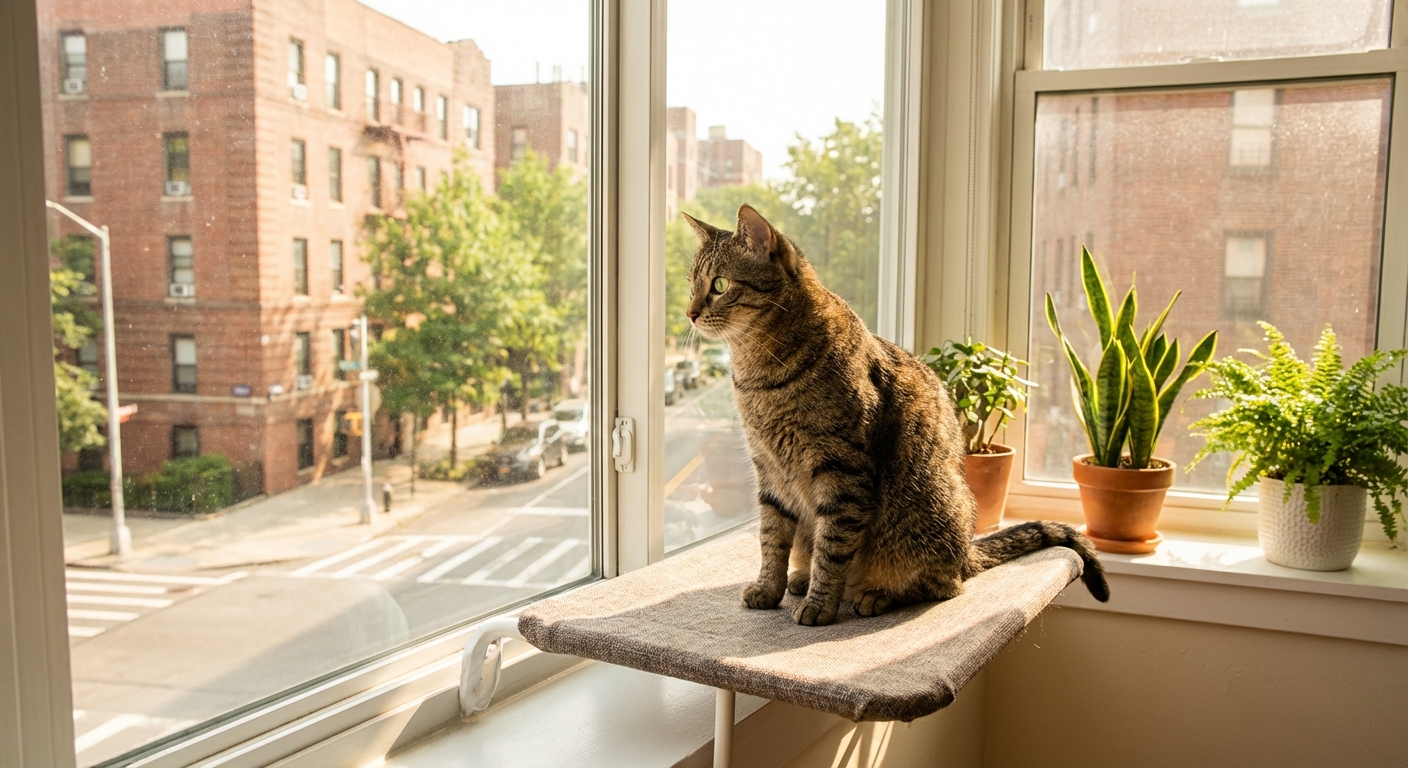
Cat Enrichment Ideas for Small Apartments
Living in a small apartment does not mean your cat has to live a small life. Cats are built for hunting, climbing, exploring, and solving little “puzzles” all day long. When their environment is predictable and a bit skimpy on stimulation, boredom can show up as nighttime zoomies, scratching,...
Read more →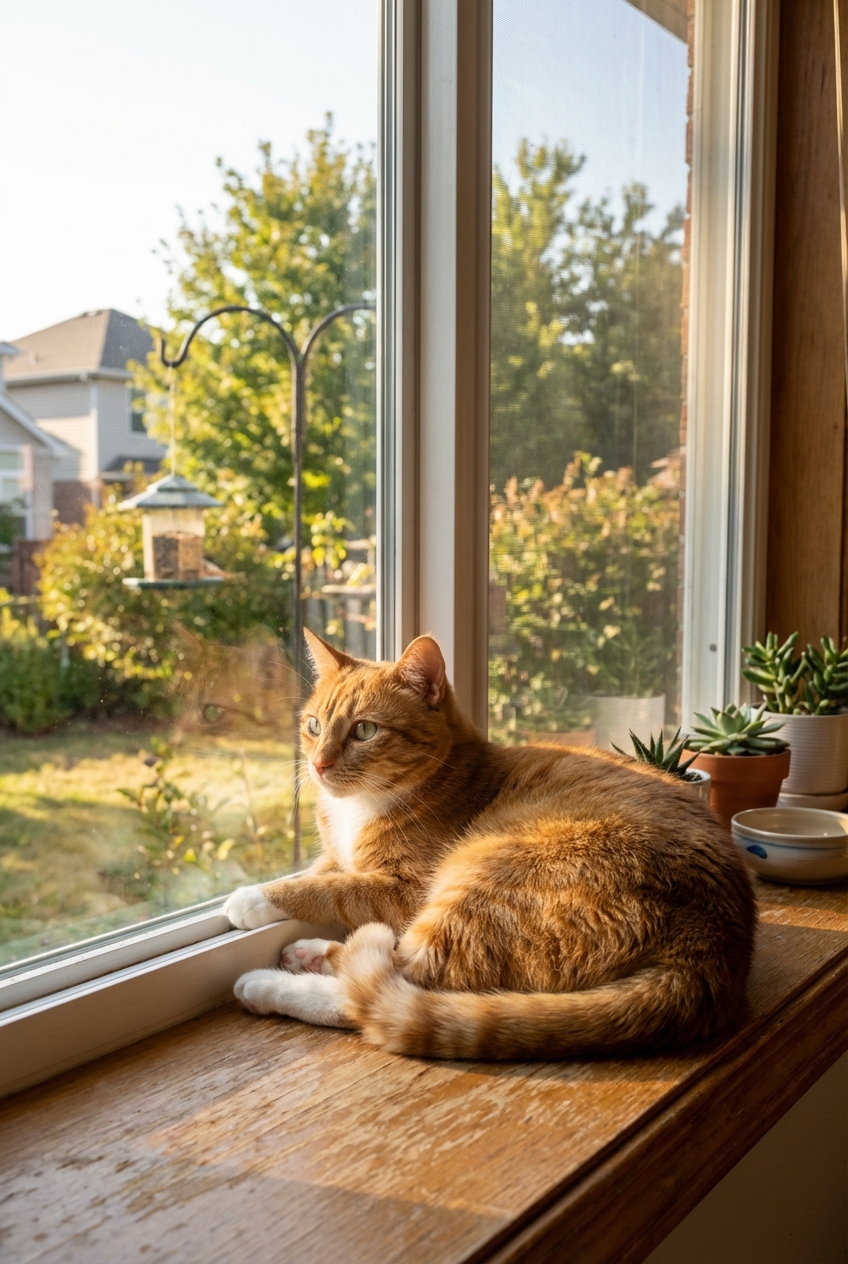
How to Make an Indoor Cat Happier Daily
Indoor cats can live long, safe lives, but “safe” does not automatically mean “satisfied.” As a veterinary assistant in Frisco, Texas, I see the same pattern again and again: when we meet a cat’s daily needs for play, hunting, comfort, and choice, behavior problems often calm down and the...
Read more →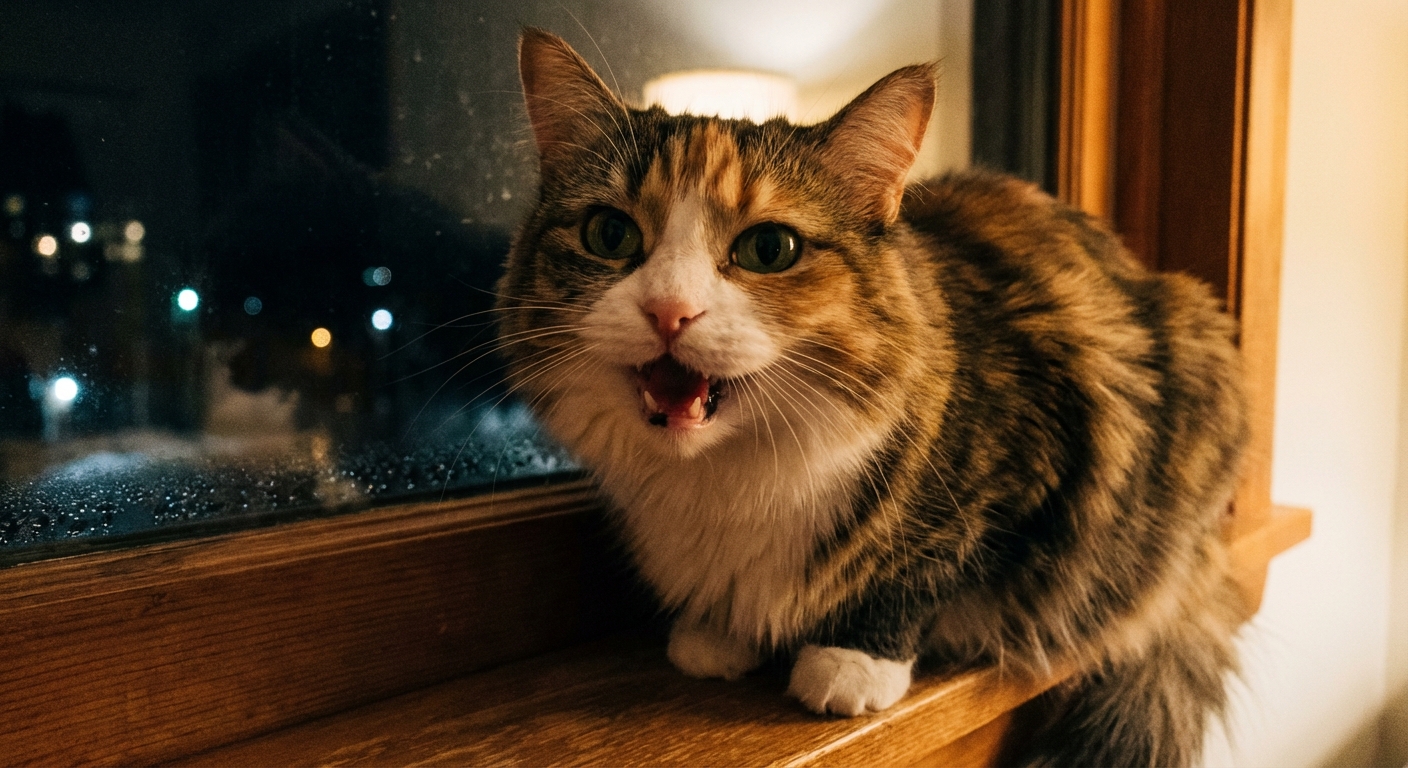
Cat Heat Cycle: Loudness and Restlessness
If your cat suddenly gets extra loud, clingy, and restless, you are not imagining it. In many intact female cats, those big behavior changes are classic signs of being in heat , also called estrus . As a veterinary assistant in Frisco, Texas, I have seen many loving owners feel worried because the...
Read more →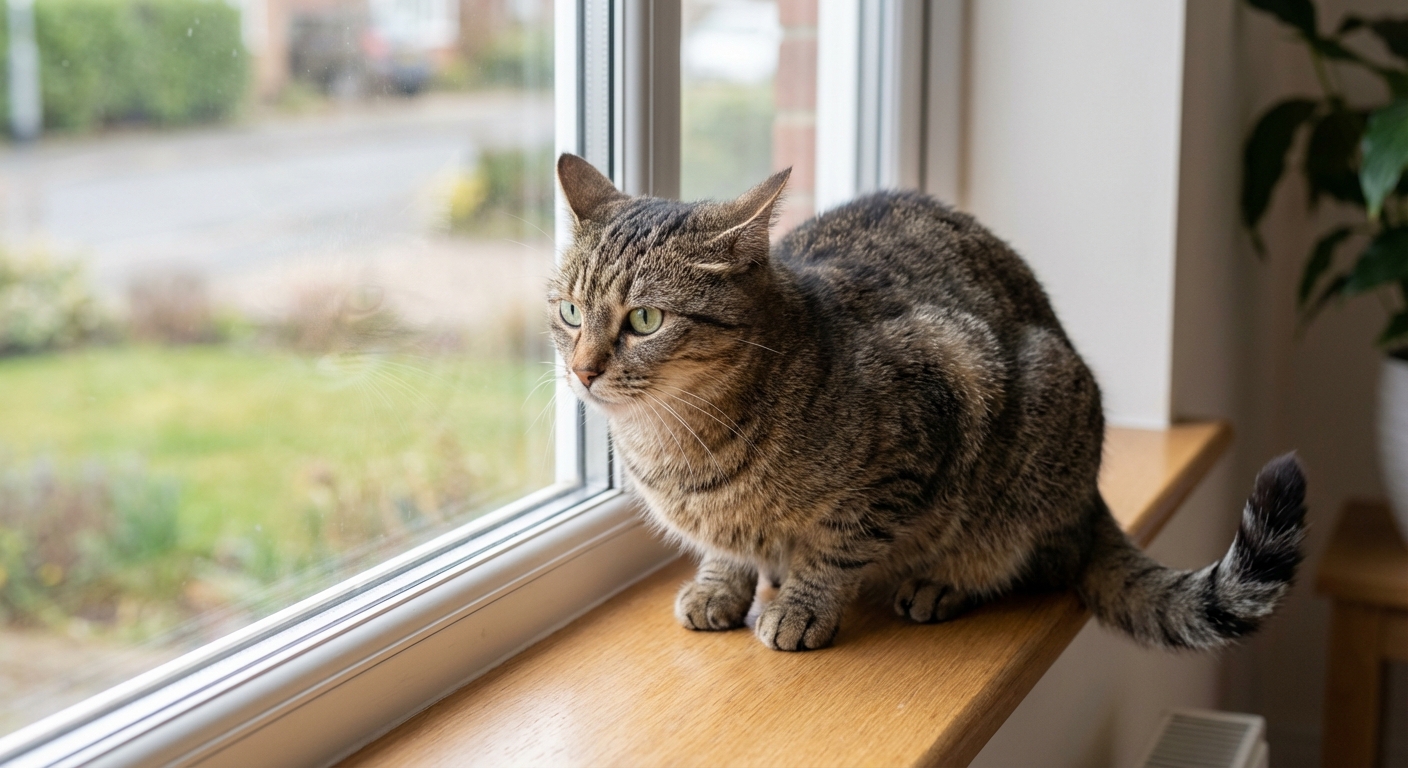
Signs Your Indoor Cat Is Stressed
Indoor cats can live wonderfully safe, long lives, but “safe” does not always mean “stress-free.” As a veterinary assistant, I see this a lot: a cat’s needs are subtle, and stress often shows up as behavior changes, digestive issues, or litter box trouble long before a cat seems...
Read more →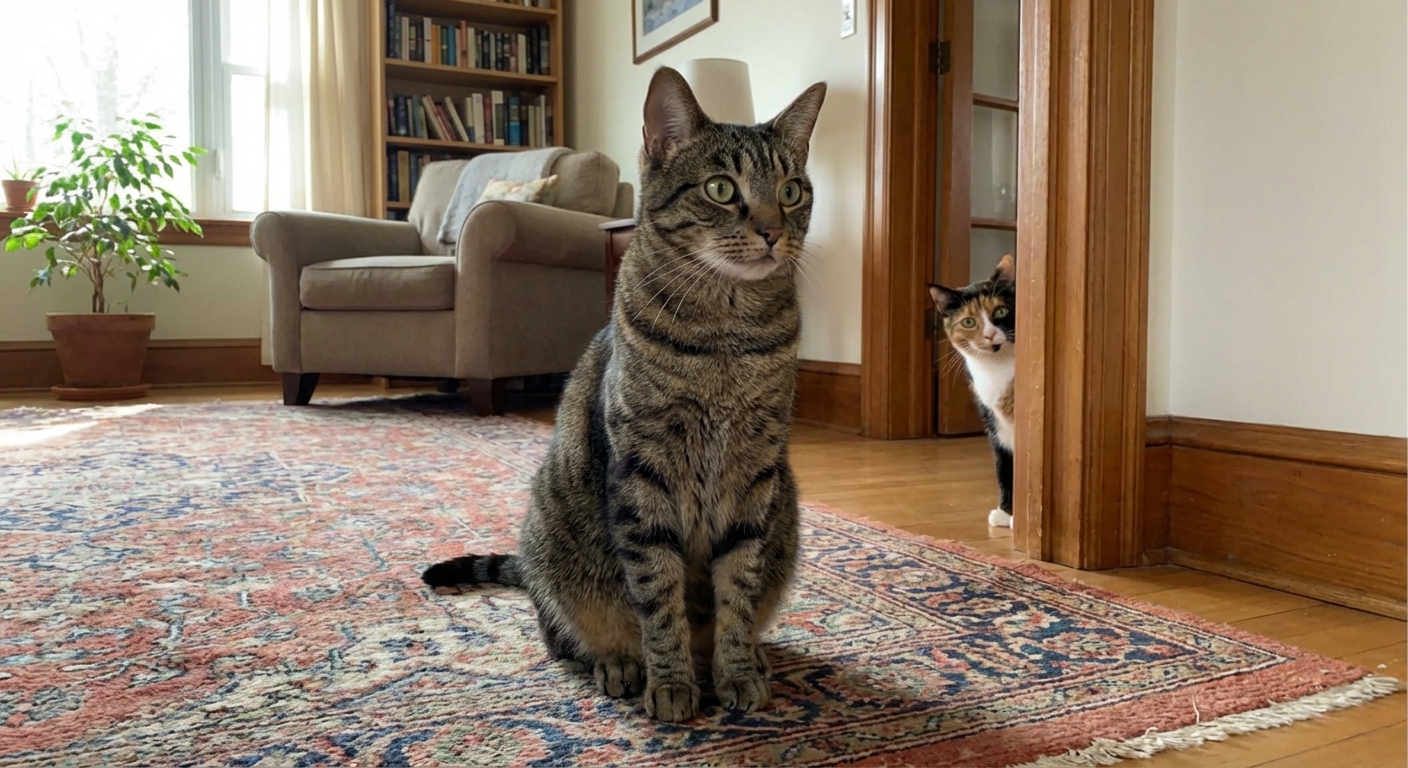
Cat Aggression After a Vet Visit: Reset Routine
If your sweet cats come home from the vet and suddenly act like strangers, you are not imagining it. I see this all the time in clinics, and it can feel upsetting quickly: hissing, swatting, chasing, hiding, or one cat refusing to let the other come near. The good news is that most post-vet tension...
Read more →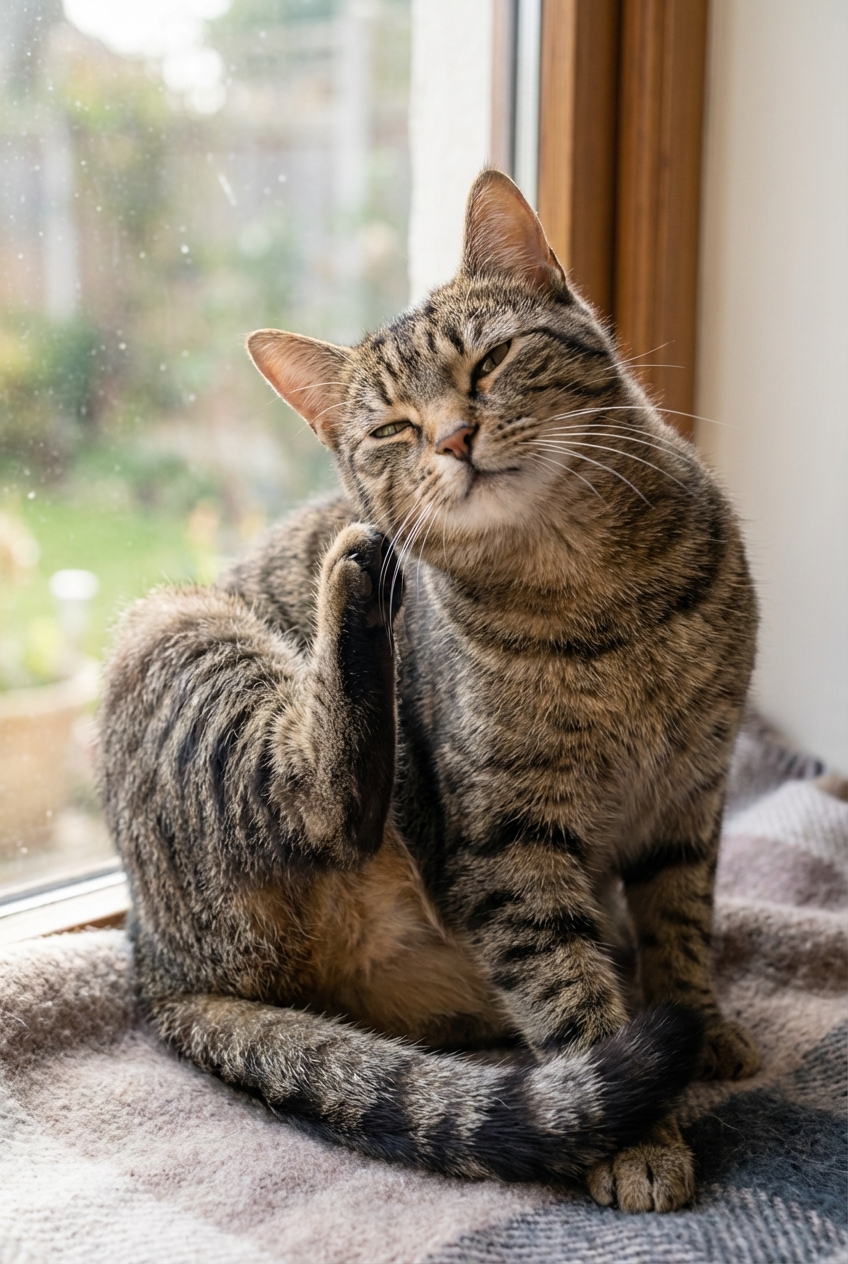
Cat Itching With No Fleas
If your cat is scratching like crazy but you cannot find a single flea, you are not imagining things. Cats can itch for a long list of reasons that have nothing to do with fleas, and many of them are very treatable once you pinpoint the trigger. As a veterinary assistant, I always encourage a calm,...
Read more →
Cat Aggression Toward Guests: Strategies That Work
When a cat hisses, swats, or charges at visitors, it can feel scary and confusing, especially if your cat is normally sweet with you. The good news is that most “guest aggression” is rooted in fear, overstimulation, or territorial stress, and there are evidence-based ways to improve it. You do...
Read more →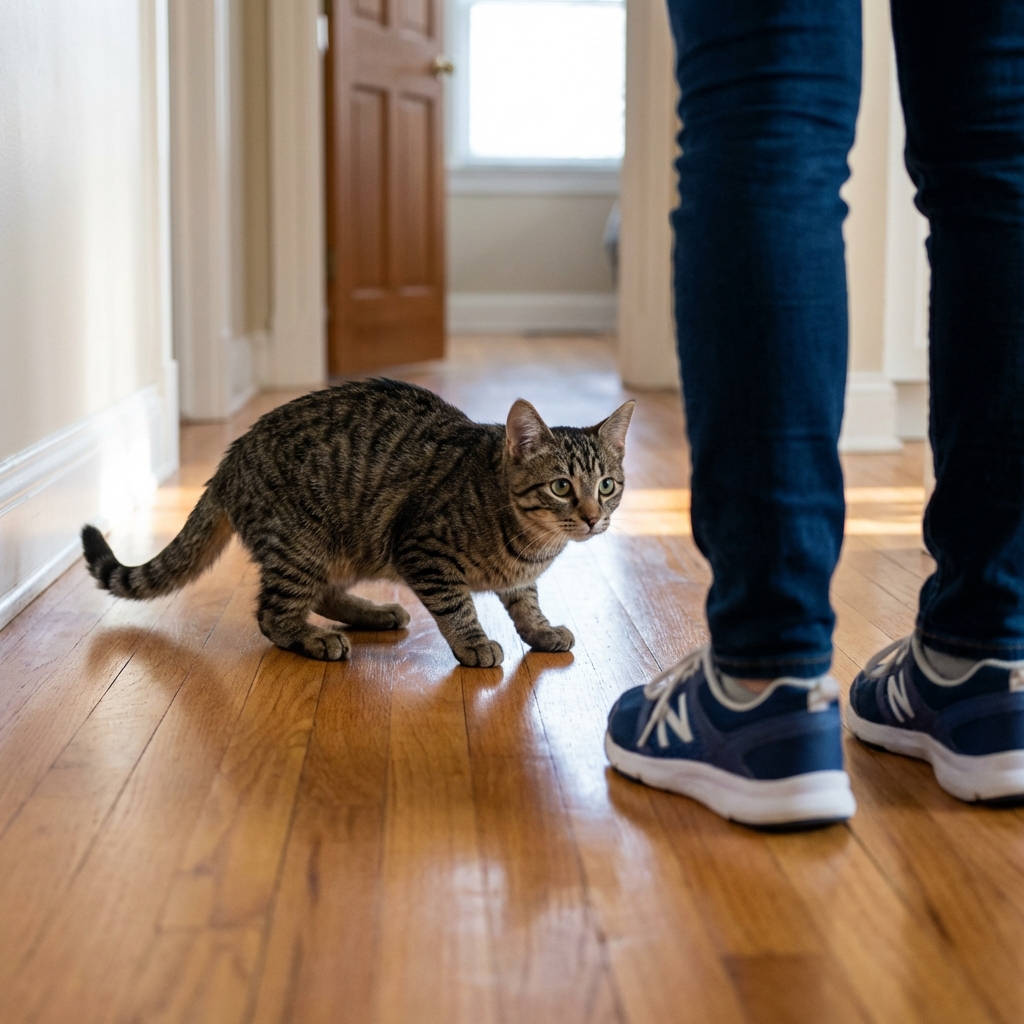
Why Cats Bite Ankles
If your cat has ever darted out of nowhere to chomp your ankle, you are not imagining it. Ankle biting is a relatively common feline behavior, and it is usually a mix of normal cat instincts plus a little bit of learned habit. The good news is that many ankle-biters can be redirected with the right...
Read more →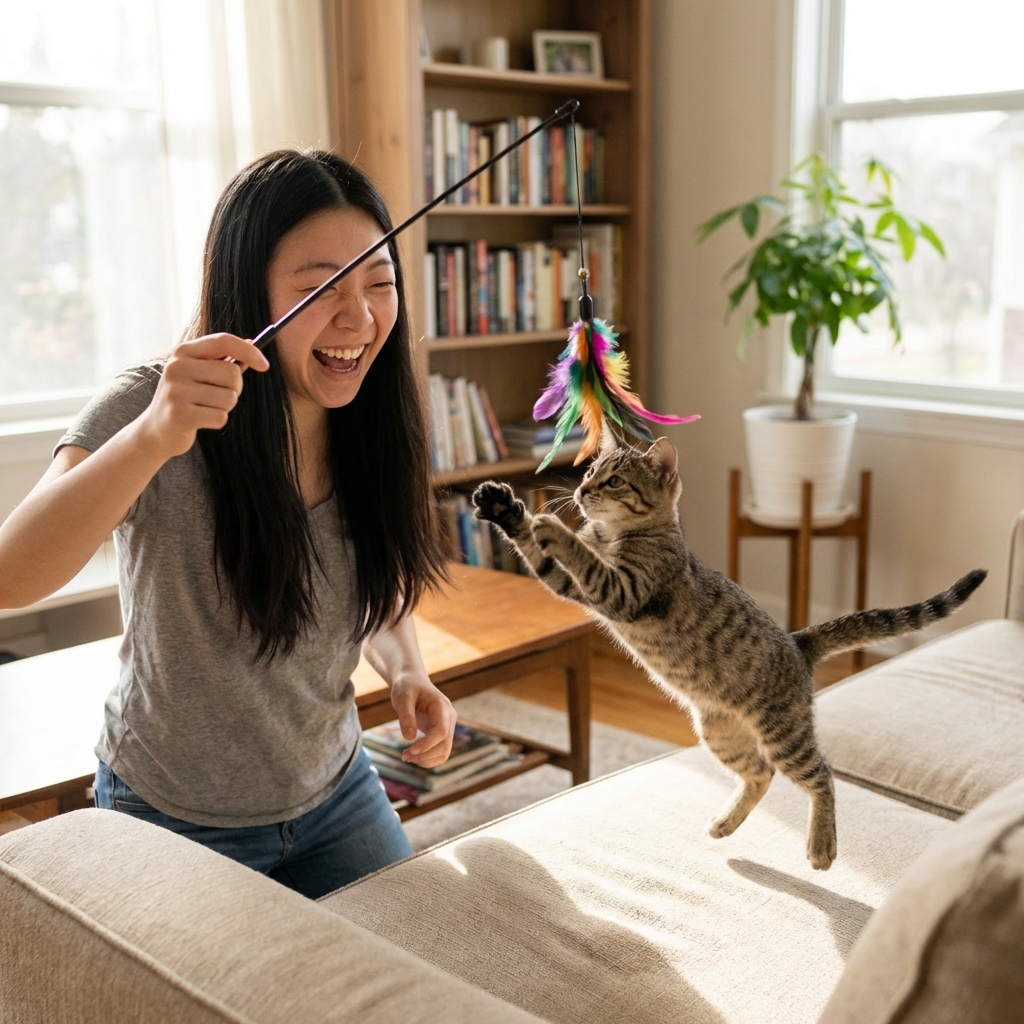
Cat Biting While Playing: How to Stop It
Play biting is one of the most common cat behavior complaints I hear, and it is also one of the most fixable. The key is understanding what your cat is trying to do: practice hunting. When we use our hands as toys, we accidentally teach kittens and adult cats that human skin is an acceptable...
Read more →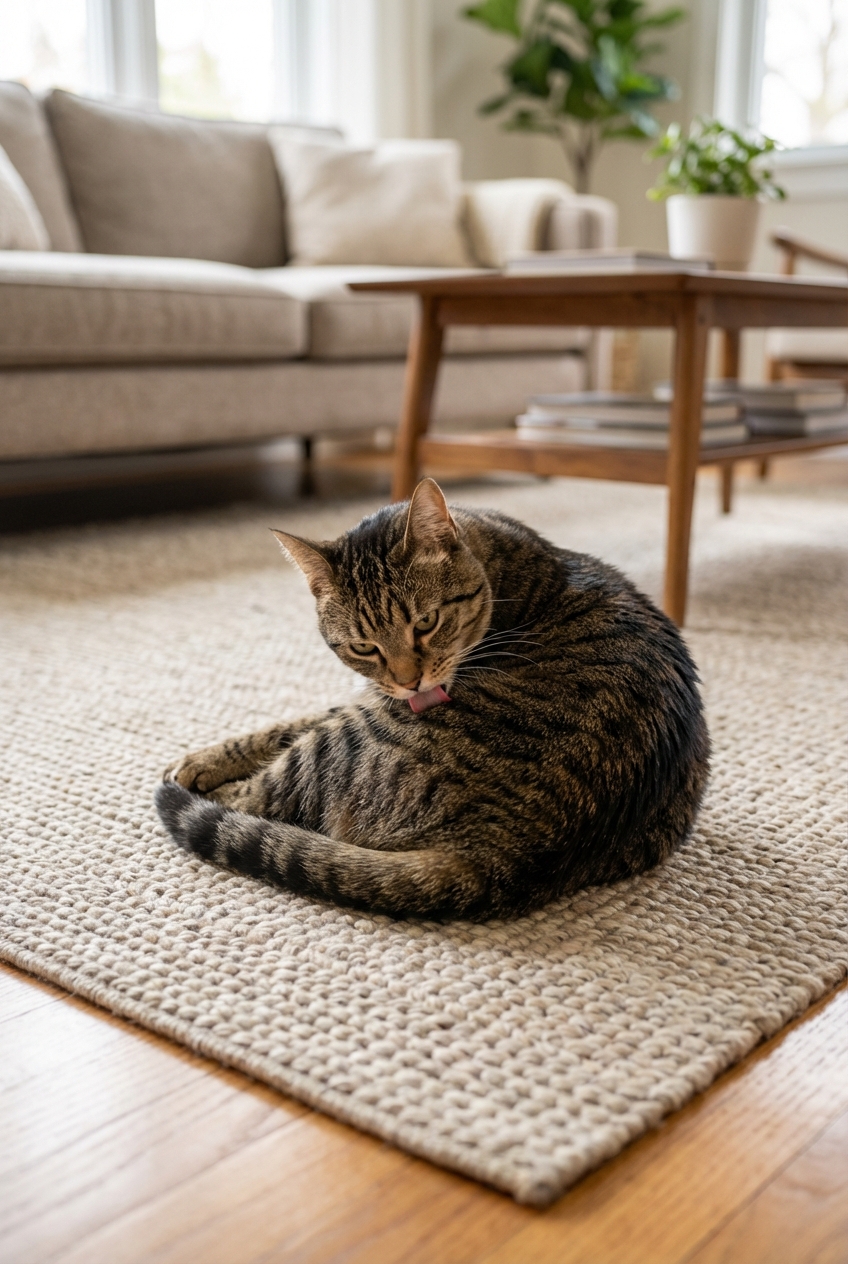
Cat Overgrooming: Stress, Allergies, or Pain?
If your cat is licking, chewing, or pulling fur to the point of bald patches or scabs, it is not “just a bad habit.” Overgrooming is a sign that something is bothering your cat physically, emotionally, or both. As a veterinary assistant, I have seen many loving families blame themselves or...
Read more →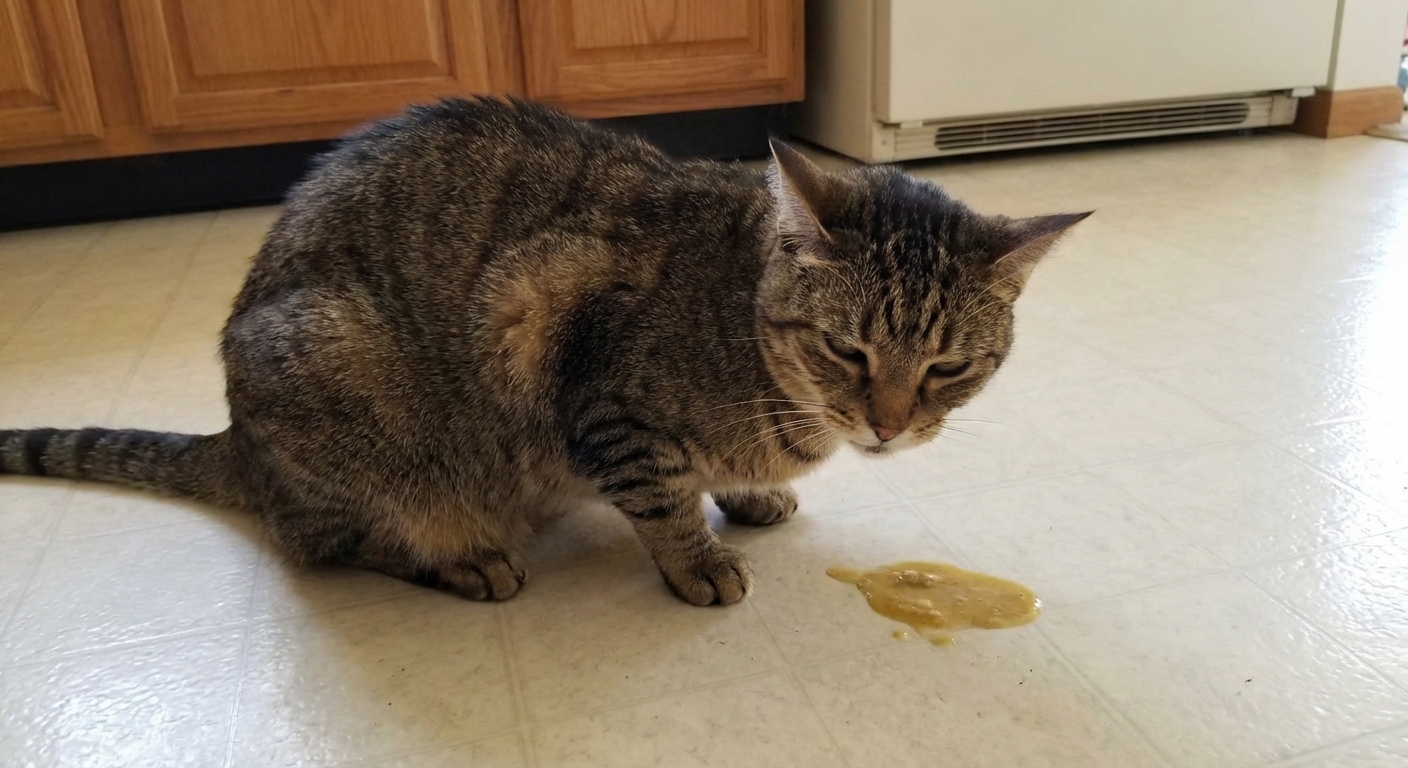
Cat Throwing Up Yellow Bile: What It Means
Seeing your cat throw up yellow liquid can be alarming, especially when it seems to happen “out of nowhere.” The good news is that yellow vomit is often bile , and it can be triggered by something as simple as a long gap between meals. But sometimes it is a sign your cat needs veterinary care,...
Read more →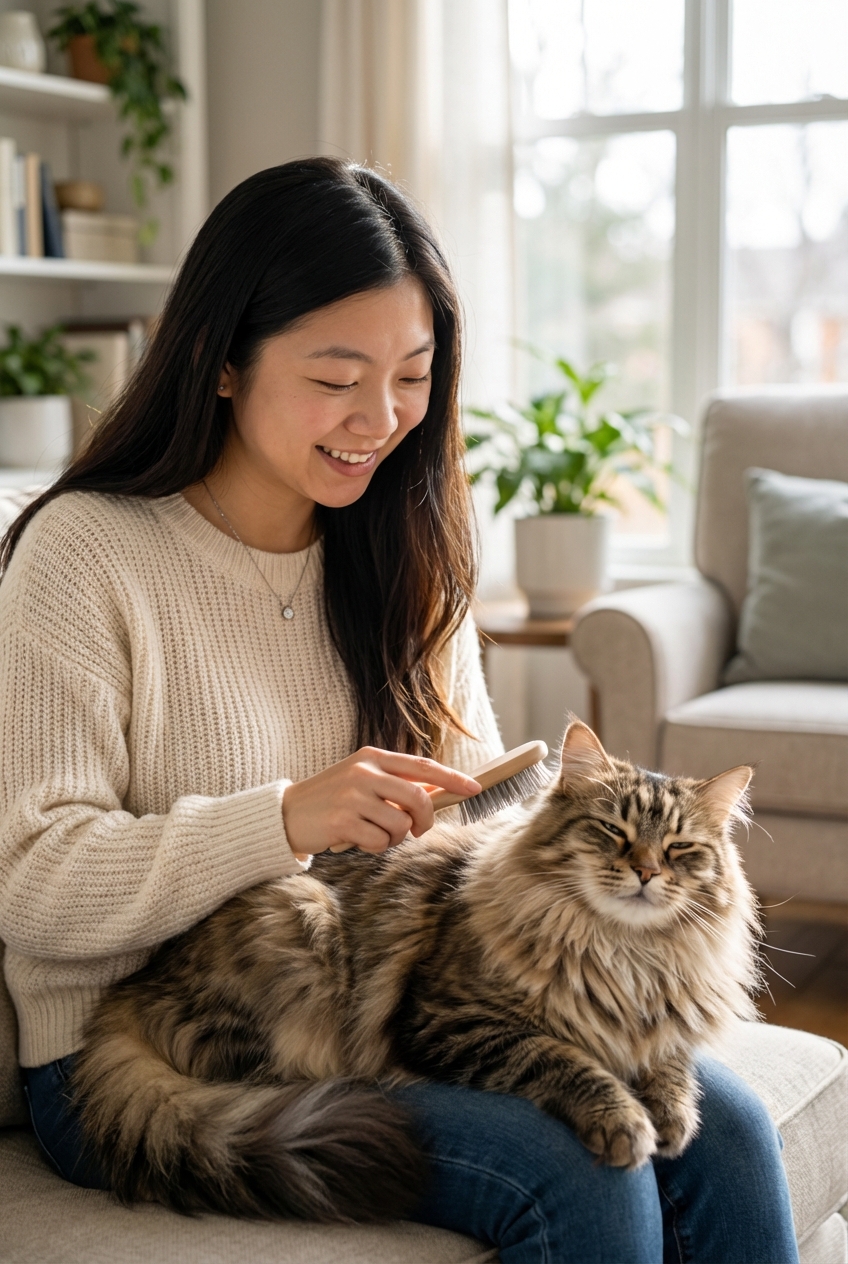
How to Help a Cat With Frequent Hairballs
If you live with a cat, you have probably found a hairball at the worst possible time. An occasional hairball can be normal, especially for long-haired cats or heavy groomers. But frequent hairballs can be a signal that your cat may need better grooming support, more hydration, a diet adjustment,...
Read more →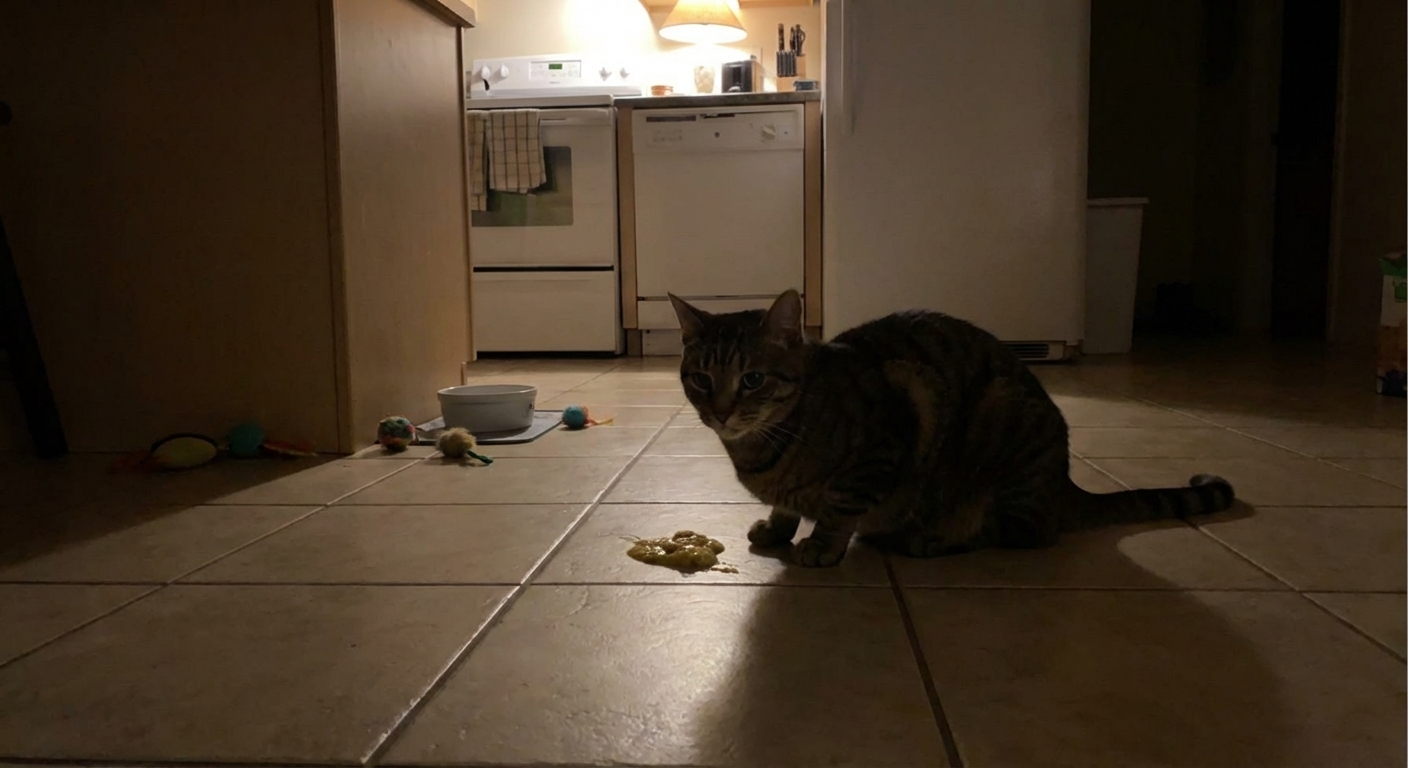
Cat Vomiting at Night: When to Worry
If your cat only seems to vomit at night, you are not imagining it. Some cats do vomit in the late evening or early morning hours, often because their stomach has been empty for a while, a hairball is ready to come up, or nausea is worse when they settle in to rest. The tricky part is separating...
Read more →Hairball Remedies That Work
Hairballs are one of those “gross but common” realities of sharing life with a cat. The good news is you do not have to just tolerate them. In many healthy cats, hairballs can often be reduced with a few practical, vet-informed changes at home. Results vary depending on coat type, shedding...
Read more →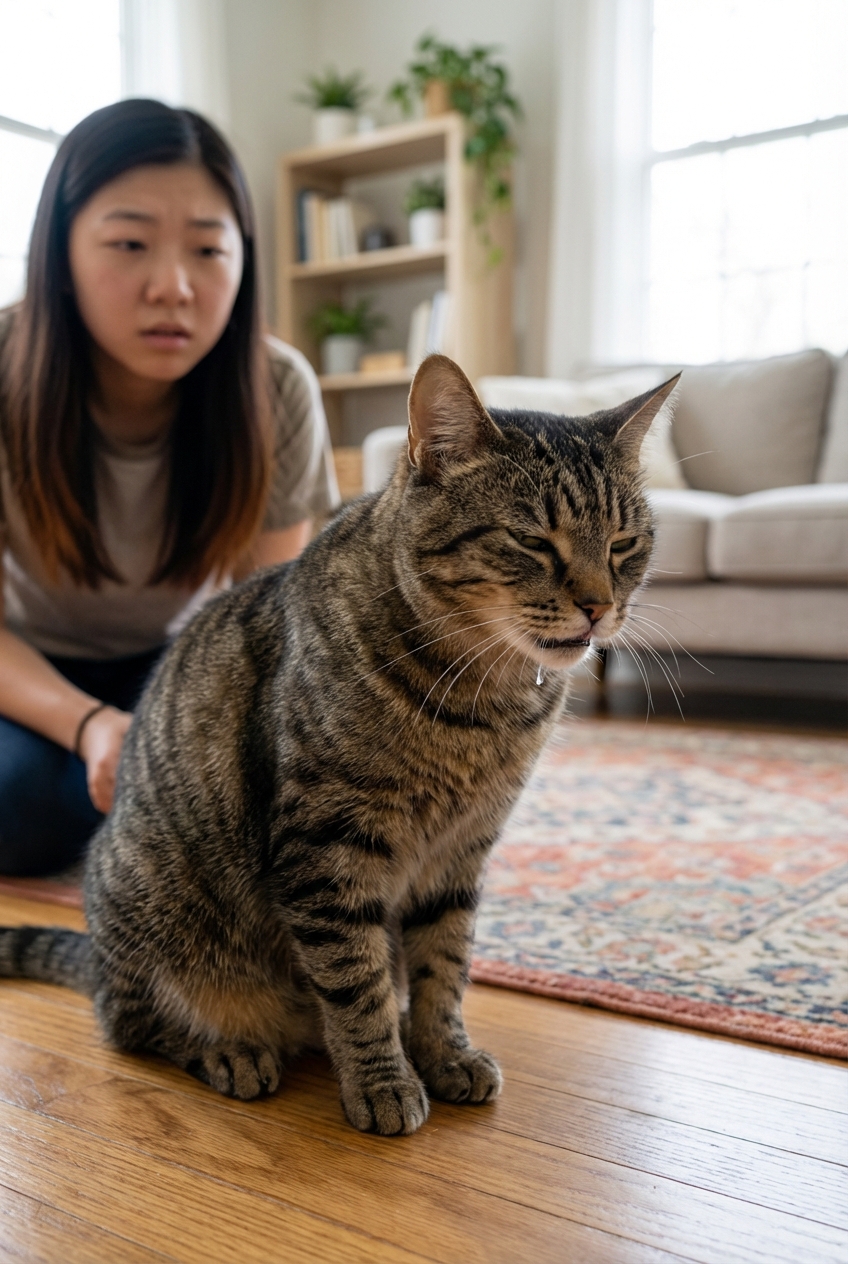
Cat Vomiting White Foam: Causes and Home Steps
If you have ever walked into the room and found a little puddle of white foam, it is completely normal to feel worried. In many cases, foamy vomit is related to an empty stomach, mild stomach irritation, or a hairball brewing. But sometimes it is your cat’s way of saying, “Something is really...
Read more →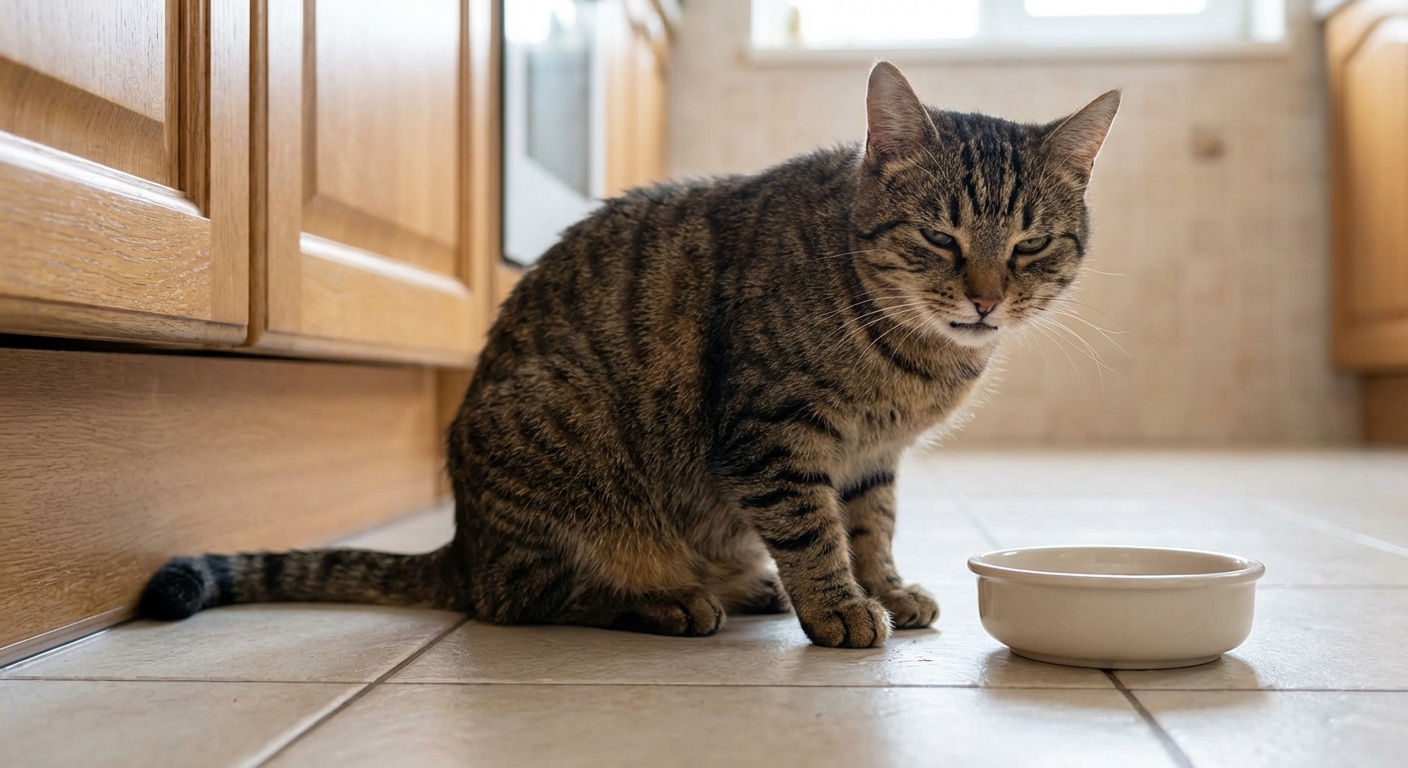
Cat Vomiting After Eating: Hairball or Illness?
Few things worry a cat parent faster than that familiar sound right after a meal. Sometimes it really is “just a hairball.” Other times, vomiting after eating is your cat’s way of telling you something is off, like stomach irritation, parasites, food intolerance, medication side effects, or...
Read more →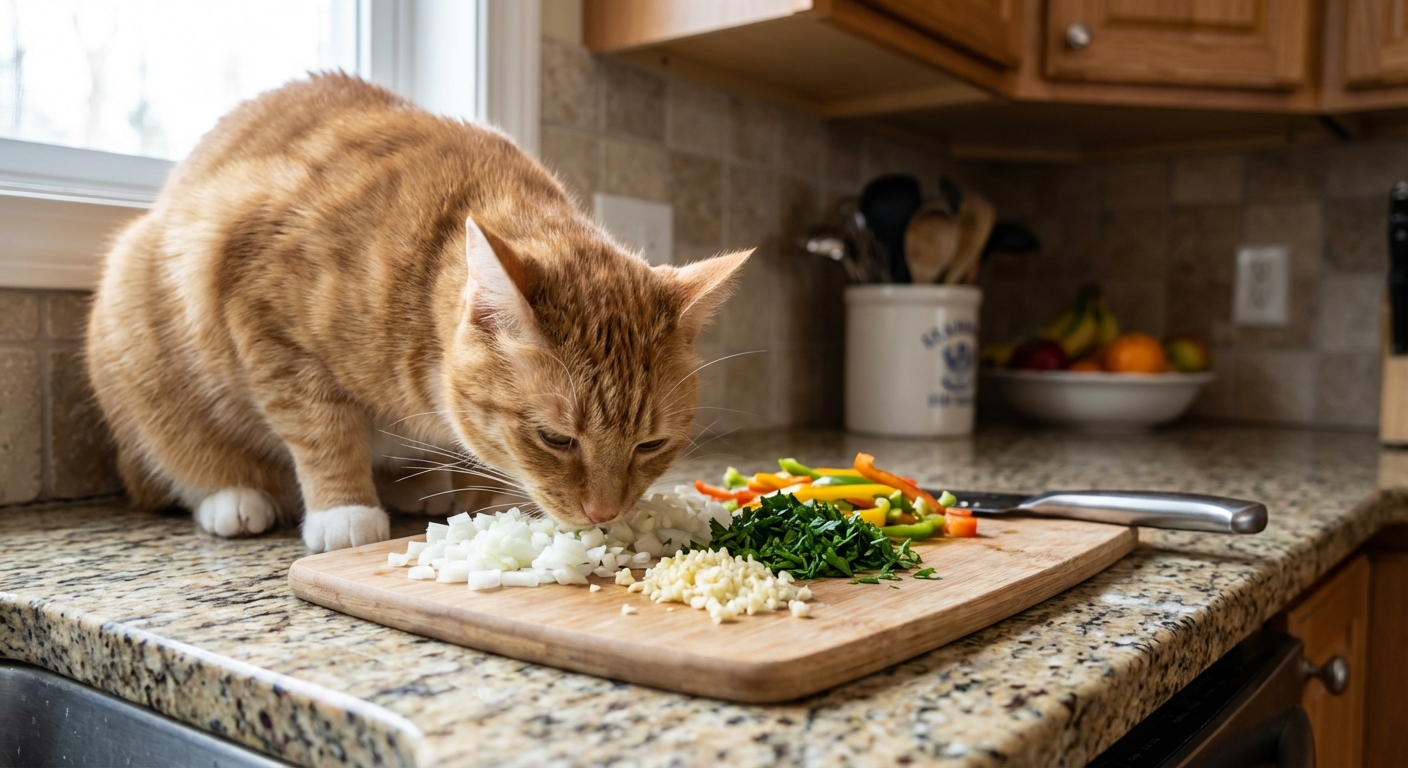
Foods That Are Poisonous to Cats
Cats are curious, fast, and surprisingly sneaky around food. As a veterinary assistant, I have seen how quickly a “tiny taste” can turn into an emergency, especially with cats who nibble while their people are cooking or setting out snacks. This checklist covers common foods that are toxic or...
Read more →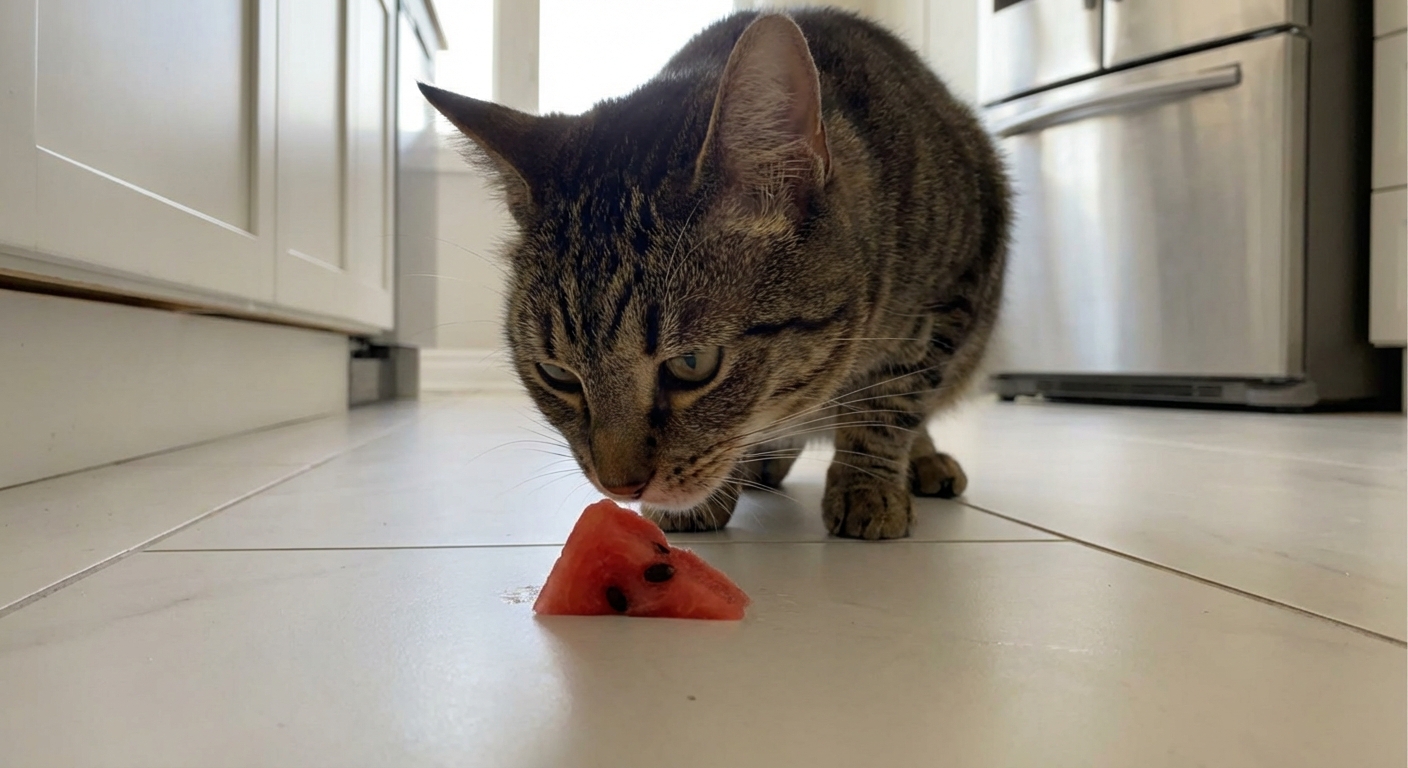
Best Fruits for Cats That Like Them
Cats are famously picky, so when a cat shows interest in fruit it can feel like winning the lottery. The good news is that a few fruits can be a safe, fun, occasional treat for many cats. The key words are small and occasional . Cats are obligate carnivores, which means their nutrition is built...
Read more →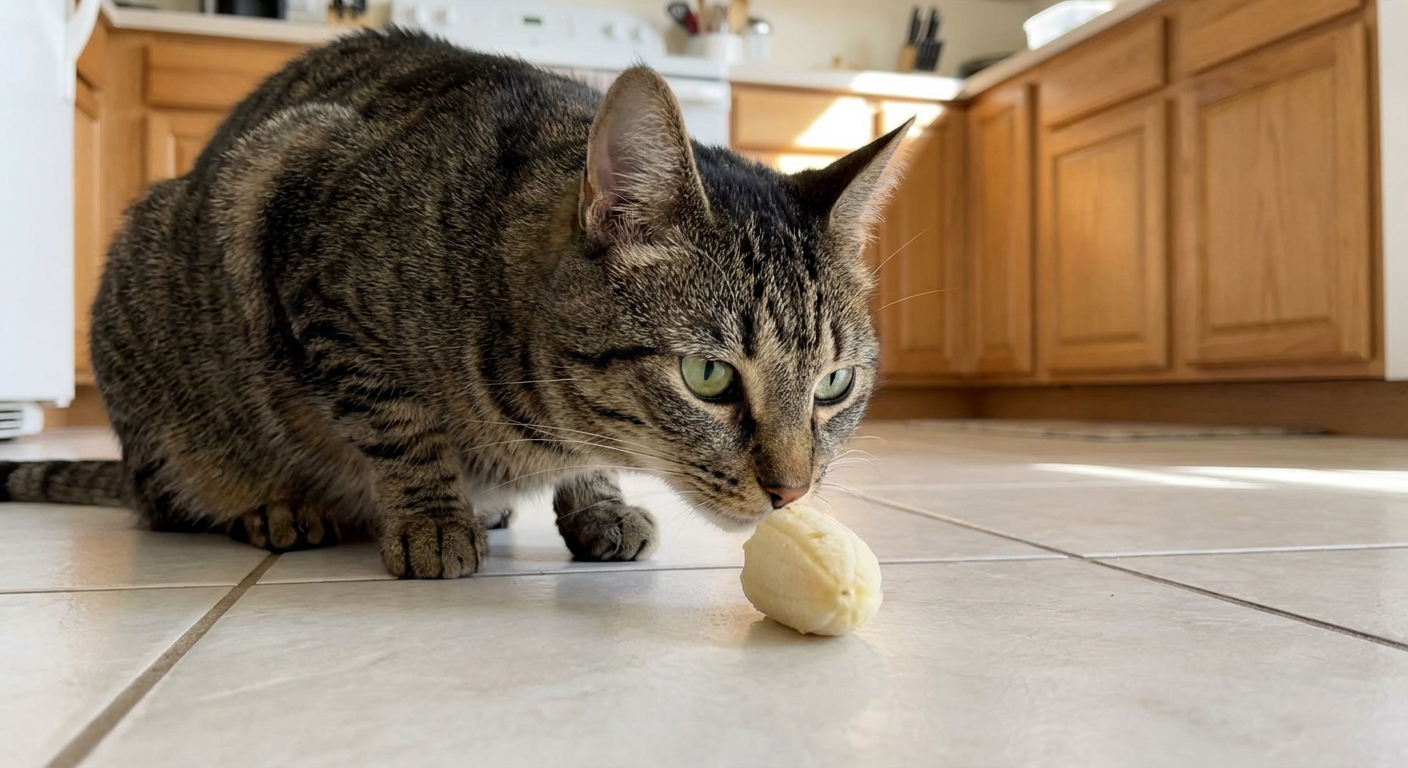
Cat-Safe Fruits: Portions and Sugar Risks
Fruit can be a fun little bonus for some cats, but it should stay exactly that: a bonus. Cats are obligate carnivores, meaning their bodies are built to thrive on animal-based protein and fat. Cats have no minimum carbohydrate requirement, so too much fruit can add unnecessary sugar and calories....
Read more →
Hyperadrenocorticism (Cushing’s) in Dogs
When a dog has hyperadrenocorticism , most families know it by the more common name, Cushing’s disease . It can feel confusing at first, especially because the signs can look like normal “getting older” changes. The good news is that Cushing’s is well studied, there are clear ways to test...
Read more →